

By Invitation
The Quiet Luxury of Carved Gemstones
By Ramit Kapur- MD, GSI India

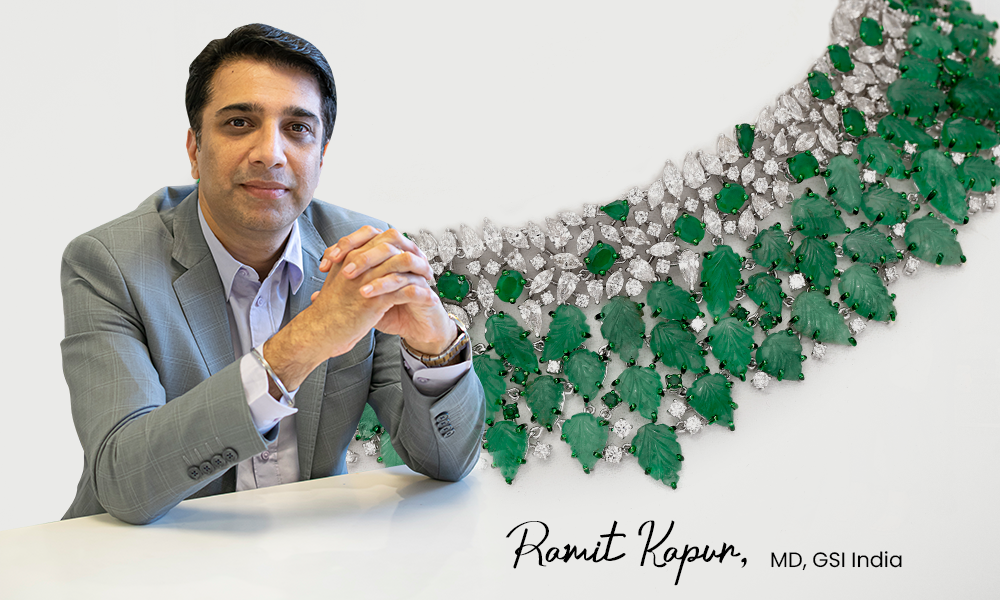
The world of gemstones is beyond their brilliance, color, transparency, and phenomena. When we think of carvings, we’re not just talking about gemstones used in jewellery. Carving today spans everything from trays and coasters we use every day to idols, vases, and other collectibles that become cherished pieces of art. It’s an often-overlooked art form that deserves recognition for the immense artistry and craftsmanship involved.
As someone deeply embedded in the industry and leading GSI India, I can confidently say that people won’t invest in a piece; no matter how precious the stone: if the carving isn’t done right. So, the first selling point centers around craftsmanship, of course followed by the authenticity and value of the gemstone used.
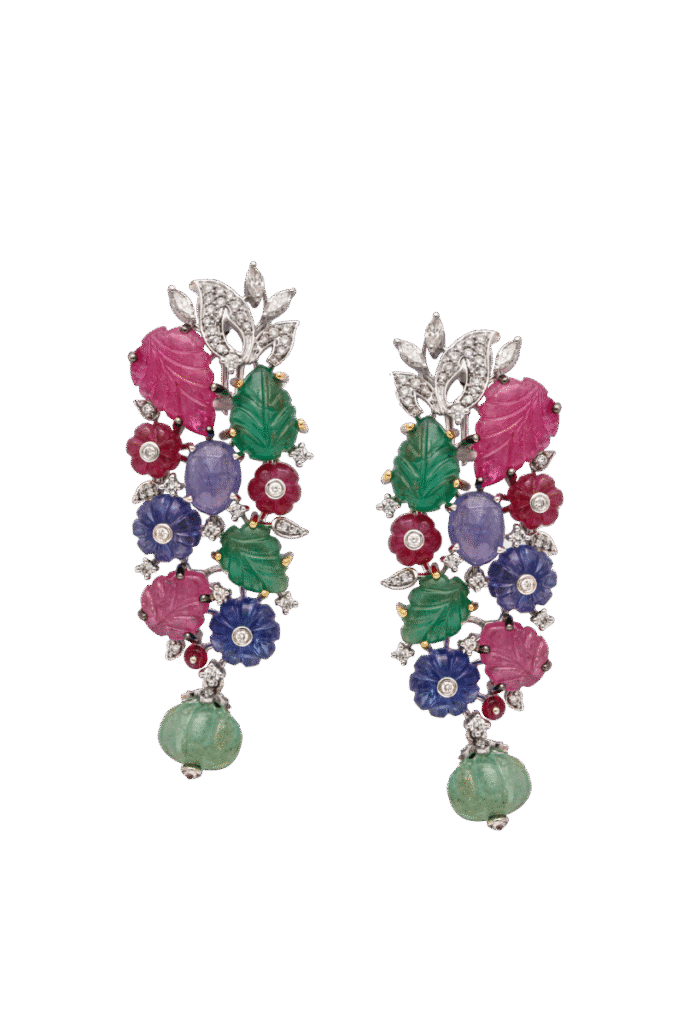
The quiet poetry of carved gemstones exists beyond the bounds of conventional jewellery design and often go unnoticed in mainstream narratives. Yet they carry some of the richest legacies, the most intimate expressions of craftsmanship, and a cultural gravity that no ideal cut or laser inscription can replicate. Today, as jewellery evolves into a medium of meaning and identity, carved gemstones are experiencing a powerful resurgence. Whether it’s a delicate floral motif on a tourmaline or a symbolic script etched into an emerald, these stones embody permanence with purpose.
For a generation that values intention over ornament, carvings offer exactly that: a wearable emotion, a personal artifact, and a story that transcends carat weight. At GSI, we celebrate jewellery in every form, especially those that carry soul, tradition, and storytelling in their very structure.
From Courts and Temples to Contemporary Studios
Gemstone carving isn’t a trend; it is a tradition. Long before modern jewellery, carved gems were speaking their own language: one of spirit, status, and storytelling. From temple idols to royal signets, they’ve carried meanings deeper than beauty.
Two classical techniques form the backbone of this craft: Intaglios, with designs engraved below the surface for wax seals, and Cameos, where raised motifs emerge in sculptural relief. Both require not just precision, but intuition, a dialogue between artist and stone.
Germany’s Idar-Oberstein remains a living museum of this legacy. Here, stones like agate and jasper are sculpted into heirlooms, passed down as both art and ancestry. Every piece is a story carved in silence.
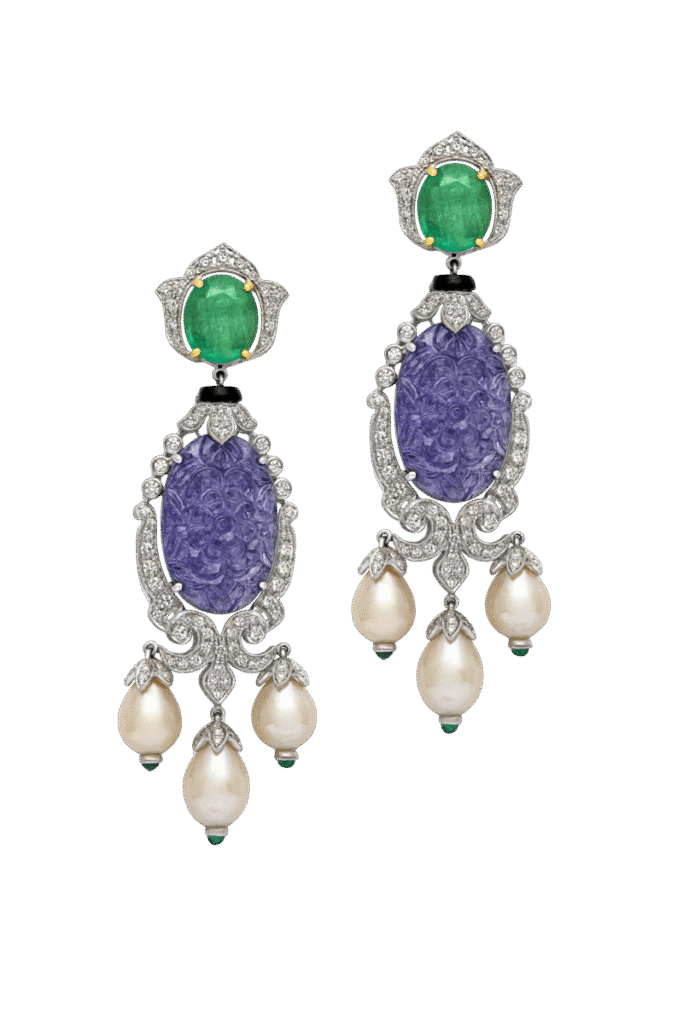
If Idar-Oberstein is Europe’s carving capital, Jaipur is India’s beating heart. Developed with Mughal patronage particularly by emperors Akbar, Jahangir, and Shah Jahan for their distinguished taste in art, it has since then grown into a global hub; transforming roughs into divine figures, florals, and high fashion commissions. Its edge? A rare blend of old-world mastery and new-world relevance.
And then, there’s Fabergé: the master of turning carving into couture. His works in quartz and chalcedony weren’t just intricate; they were emotional. A blossom. A bunny. A memory in mineral form.
Today, carving is everywhere; from bespoke jewels to vases, coasters, and collectibles. Artists across the world are reimagining tradition for the now. And in an age of instant everything, carved gemstones stand apart: timelessness you can touch, and craftsmanship that speaks with soul.
What the Eye Misses, the Lab Must Find
Carved stones pose a very unique gemological challenge. At our GSI labs, we encounter an extraordinary variety of carved gemstones; each one unique in form, scale, and sentiment. Some are delicately slivered into symbolic motifs, while others are grand in presence, demanding custom instrument setups and careful handling. Testing these pieces, especially when set in jewellery, requires precision, adaptability, and a deep understanding of gemstone behavior.
Carvings, by nature, are emotionally charged. They’re often adored not just for beauty, but for meaning. But emotion must be backed by authentication and the right certification; especially in today’s high-value, high-stakes market. Whether it’s identifying treatments, or distinguishing natural from imitations, our role is to bring clarity to complexity.
At GSI, we don’t just verify a gemstone; we translate its unspoken story. From the delicate depths of an intaglio to the elevated relief of a cameo, our certification doesn’t just protect value; it protects legacy.
Technology Has Unlocked New Possibilities
Modern lapidaries are now able to carve harder materials with precision that was once unthinkable. For a long time, artists chose softer, more affordable stones, to avoid breakage, and preserve weight. Using precious gems was simply too risky. But with time and technology, that’s changed. Today, gem material like sapphire, spinel, and topaz, once considered too delicate to sculpt, are being carved with remarkable precision. What was once unthinkable is now part of the craft’s evolving canvas.
But while tools evolve, the soul of carving stays rooted in intention, vision, and a deep respect for the stone’s natural voice. That interplay between human and mineral is what makes a carving come alive.
Today, luxury is no longer defined by price tags or perfection alone; it’s about meaning, craftsmanship, and cultural richness. Carved gemstones carry all of that, and more.
At GSI, we believe that true appreciation begins with understanding. Whether it’s a carved idol, a custom tray, or a fine piece of jewellery, the value of a gemstone lies in both its beauty and its authenticity. That’s why certification matters: not just for what a gem is, but for the story it tells.





By Invitation
Mangalsutra Revival 2025–26: How India’s wedding boom is powering a new era of cultural jewellery
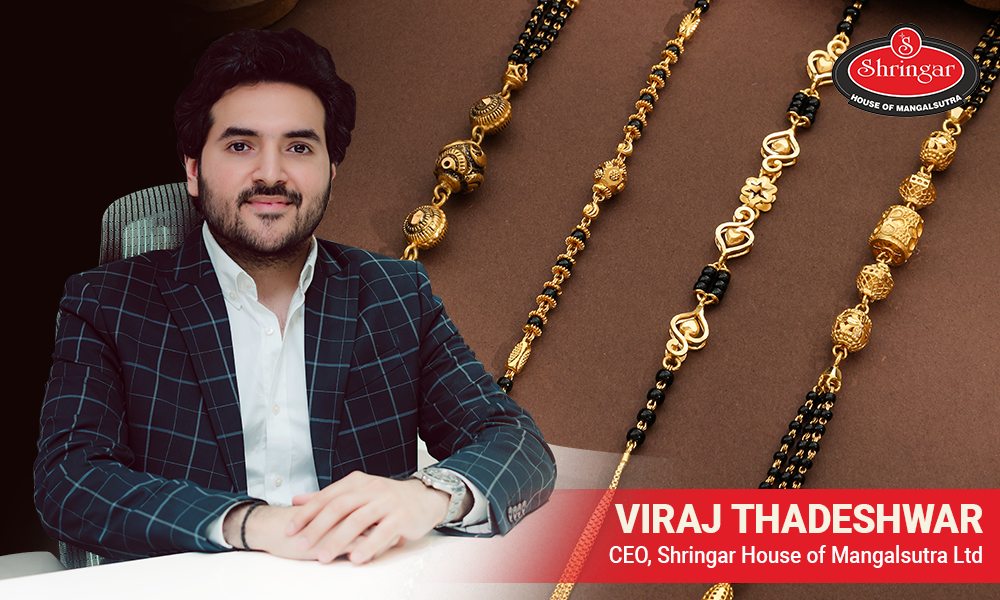
by Viraj Thadeshwar-CEO, Shringar House of Mangalsutra Ltd
A Historic Wedding Season Driving Jewellery Demand
India is entering one of the most robust wedding seasons in recent years, with a record number of auspicious dates and full-scale celebrations making a strong comeback. This renewed vibrancy is expected to fuel significant demand for bridal jewellery across the country.
Weddings continue to remain the single-largest consumption driver for gold and diamond jewellery in India, and 2025–26 is poised to be no different. Retailers are already reporting heightened customer interest and increased pre-bookings for bridal collections, signalling bullish sentiment for the months ahead.
The Mangalsutra: A Timeless Symbol Strengthened by Tradition
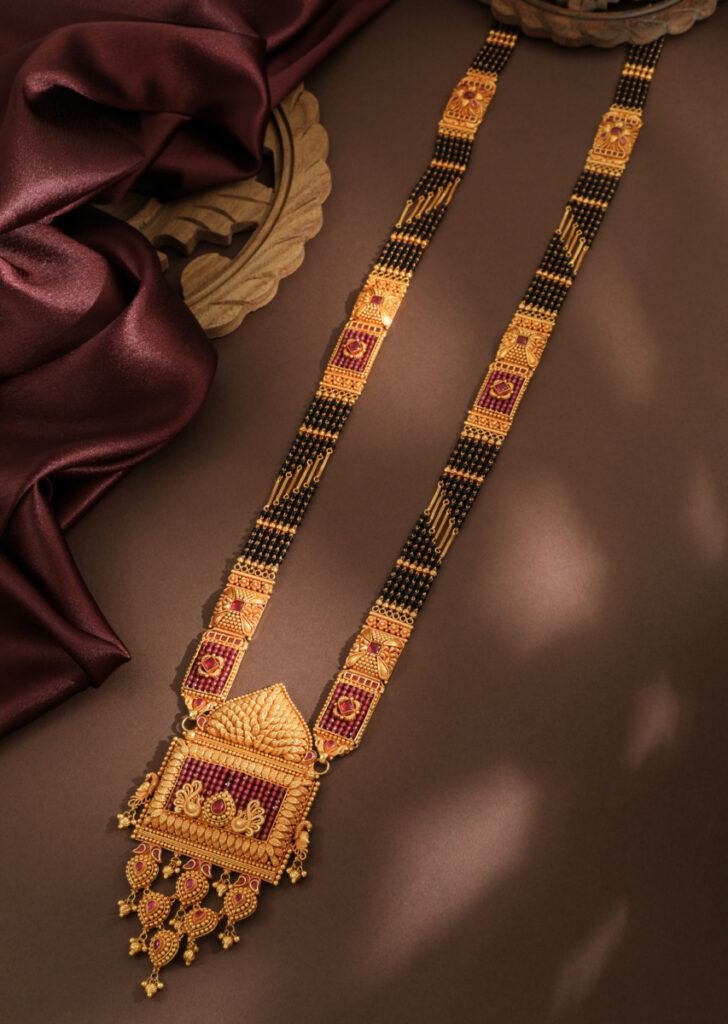
At the core of this surge lies the most meaningful and culturally significant ornament in Hindu marriage — the mangalsutra.
More than a piece of jewellery, it is a sacred symbol of marital commitment, emotional connection, and lifelong partnership.
For generations, the mangalsutra has been considered non-negotiable in a bride’s trousseau. Even as tastes evolve, this deep-rooted sentiment remains unchanged. Every bride, regardless of region or style preference, views the mangalsutra as the ultimate expression of tradition and identity.
Renewed Traction as Weddings Return to Full Scale
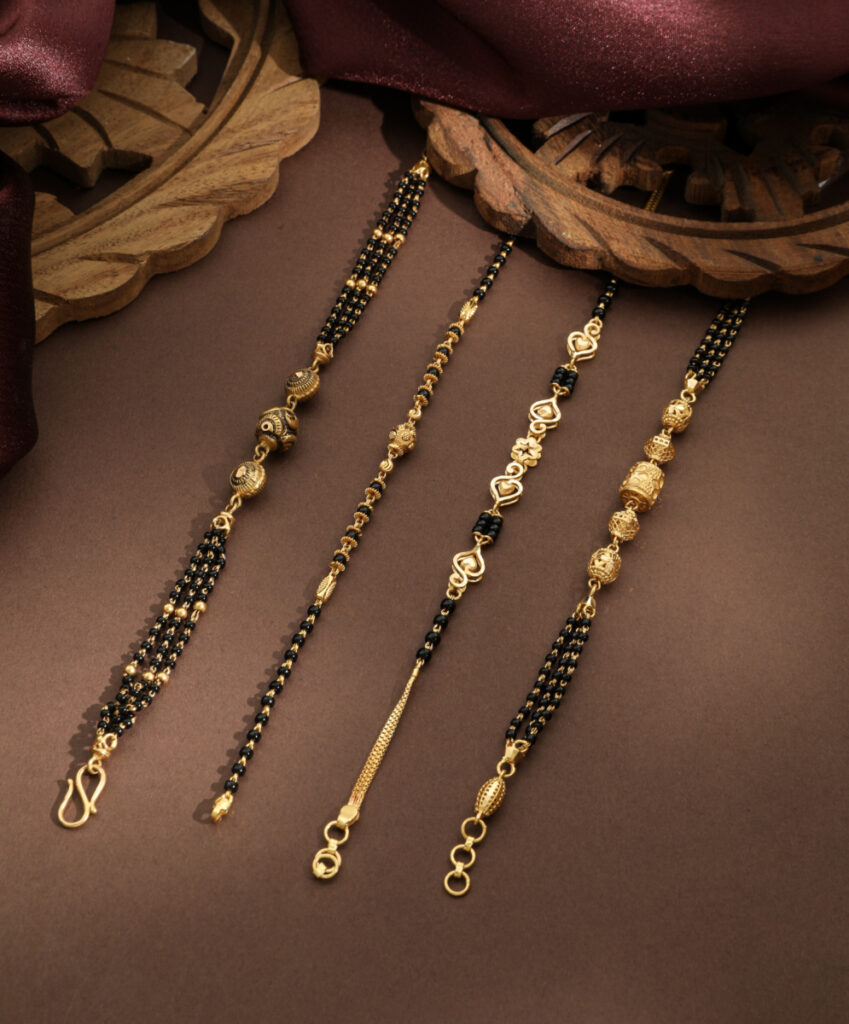
With weddings regaining their pre-pandemic scale, the mangalsutra category is witnessing a strong revival. Retailers across India are expecting double-digit growth this season, driven by cultural significance, modern design innovation, and the desire for multiple variations of this essential ornament.
At Shringar House of Mangalsutra Ltd, this trend is even more pronounced. The brand is witnessing record retailer inquiries nationwide, indicating a clear shift toward curated mangalsutra assortments.
Modern Brides Want More Than One Mangalsutra
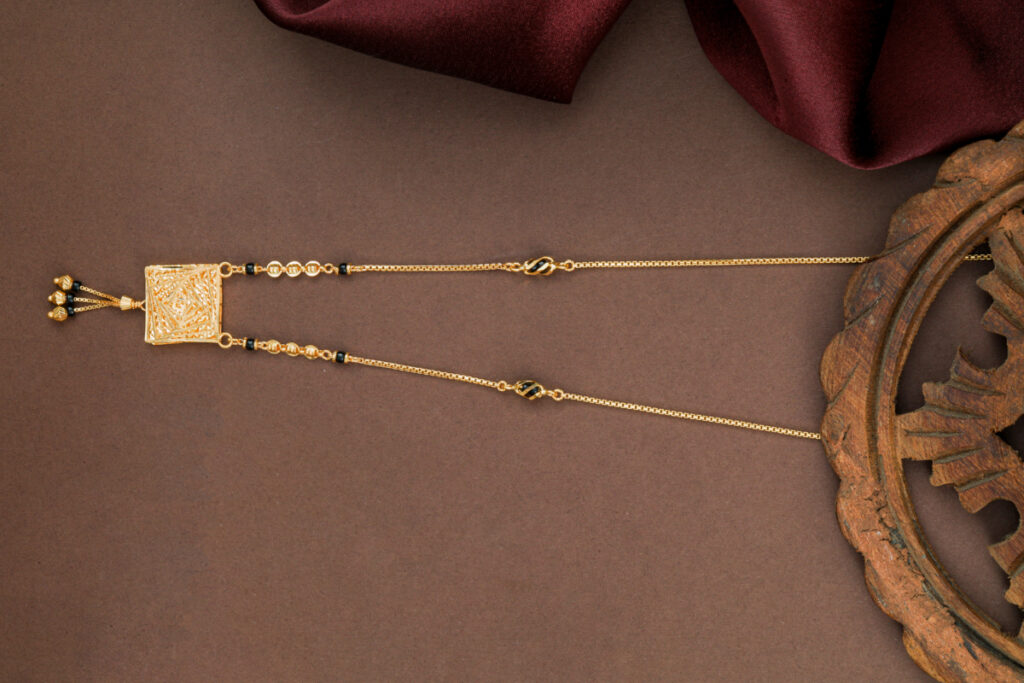
A key evolution shaping demand is the changing mindset of young brides. Today’s bride is both rooted in tradition and expressive in personal style, balancing heritage with contemporary fashion sensibilities.
Brides are increasingly purchasing three distinct types of mangalsutras:
- Traditional / Heavy Pieces — for rituals and wedding ceremonies
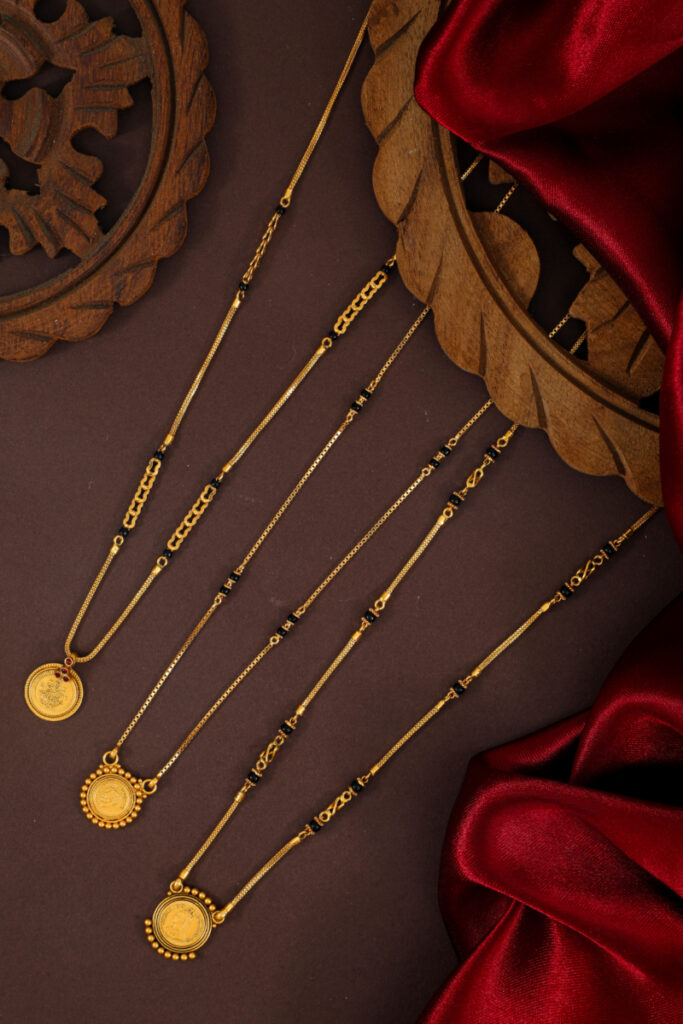
- Lightweight Daily-Wear Designs — prioritising comfort and practicality
- Occasion-Wear / Diamond Mangalsutras — designed to complement modern outfits
Versatility has become a major purchasing driver, with brides seeking jewellery suitable for both ethnic and western wear. Personal identity and styling preferences now play a stronger role in design decisions, making multi-category buying behaviour a significant growth contributor.
The Rise of Lightweight & Diamond-Styled Mangalsutras
Design trends are evolving rapidly, with rising demand for:
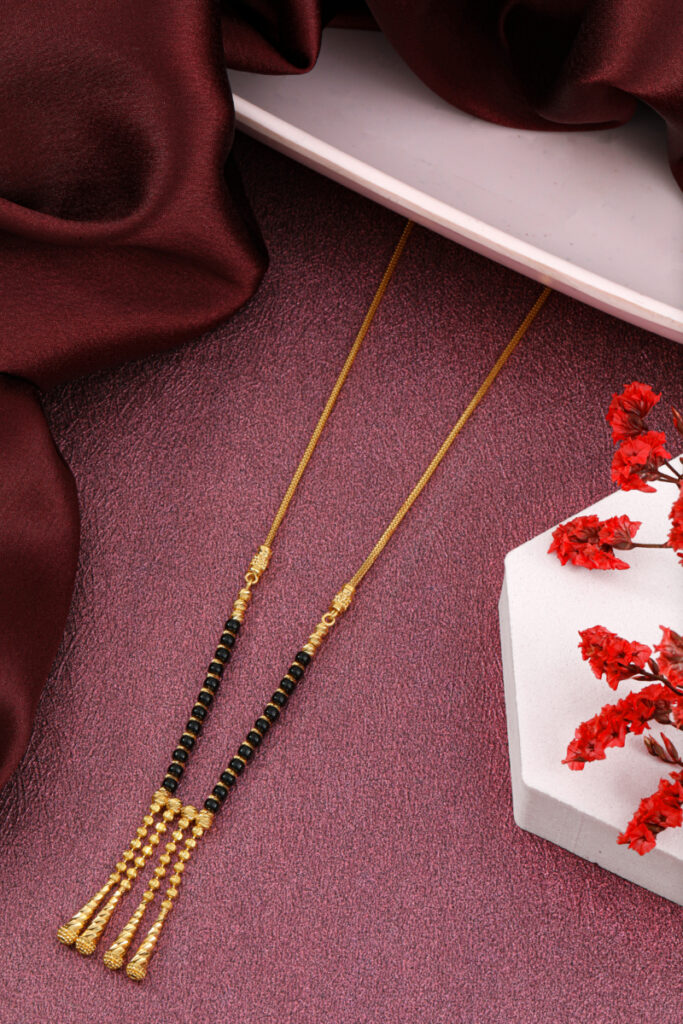
Lightweight, Minimalist Mangalsutras
Perfect for daily wear, these designs deliver elegance without heaviness. They are especially popular among working women and younger brides who prioritise comfort, versatility, and subtle sophistication.
Diamond-Studded Mangalsutras
This segment has emerged as the fastest-growing category. With refined brilliance and contemporary appeal, diamond mangalsutras are becoming a trousseau essential for fashion-conscious brides.
At Shringar, the design philosophy focuses on preserving the emotional essence of the mangalsutra while integrating global aesthetics, fine craftsmanship, and modern versatility.
A Powerful Moment for the Mangalsutra Category
As India embraces full-scale weddings supported by strong consumer sentiment, the mangalsutra stands at the centre of this resurgence — not merely as jewellery, but as a living cultural legacy growing stronger with every generation.
The upcoming season presents a tremendous opportunity for both retailers and manufacturers. For Shringar House of Mangalsutra Ltd, it marks a moment to celebrate heritage, drive design innovation, and strengthen its commitment to serving the emotional and cultural heartbeat of Indian weddings.



GSI Strengthens Experiential Gemological Education Through Vietnam Ruby Mine Field Trip for CSP Students

Precious Metals Recover from Lows, Await Direction Amid Middle East Tensions AUGMONT BULLION REPORT

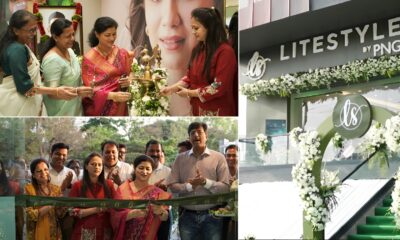
Litestyle by PNG Expands Retail Presence with New Store in Kolhapur
Precious Metals Recover from Lows, Await Direction Amid Middle East Tensions AUGMONT BULLION REPORT
GSI Strengthens Experiential Gemological Education Through Vietnam Ruby Mine Field Trip for CSP Students

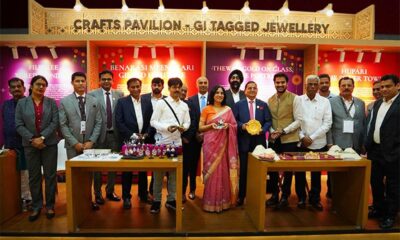
Crafts Pavilion at IIJS Bharat Tritiya 2026: Celebrating India’s GI heritage
-
 International News3 hours ago
Precious Metals Recover from Lows, Await Direction Amid Middle East Tensions AUGMONT BULLION REPORT
-
 Education2 hours ago
GSI Strengthens Experiential Gemological Education Through Vietnam Ruby Mine Field Trip for CSP Students
-
 ShowBuzz3 days ago
Crafts Pavilion at IIJS Bharat Tritiya 2026: Celebrating India’s GI heritage
-
 National News20 hours ago
Litestyle by PNG Expands Retail Presence with New Store in Kolhapur
