
JB Insights
2026 THE ROAD AHEAD: Tradition Meets Technology, Sustainability, Personalization

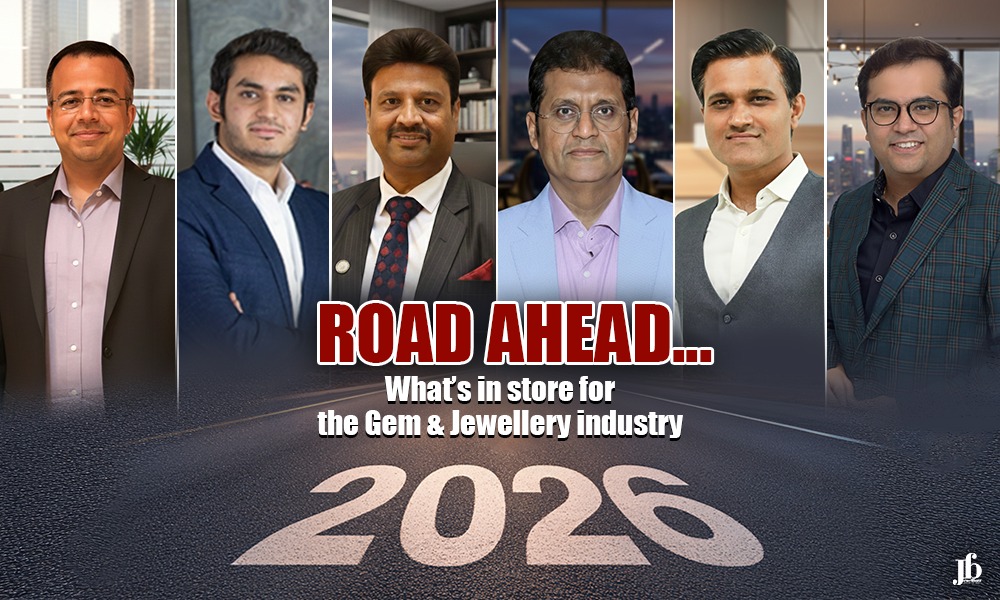
India’s jewellery industry is gearing up for a dynamic 2026, defined by a fusion of tradition, technology and a more discerning, value-conscious consumer. Sustainable sourcing will shift from “differentiator” to “default,” while personalization, provenance and premium craftsmanship will dominate buying behavior. Industry leaders share their perspectives on the evolving landscape.
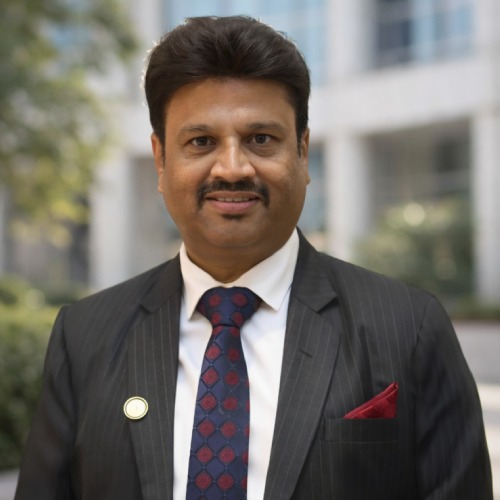
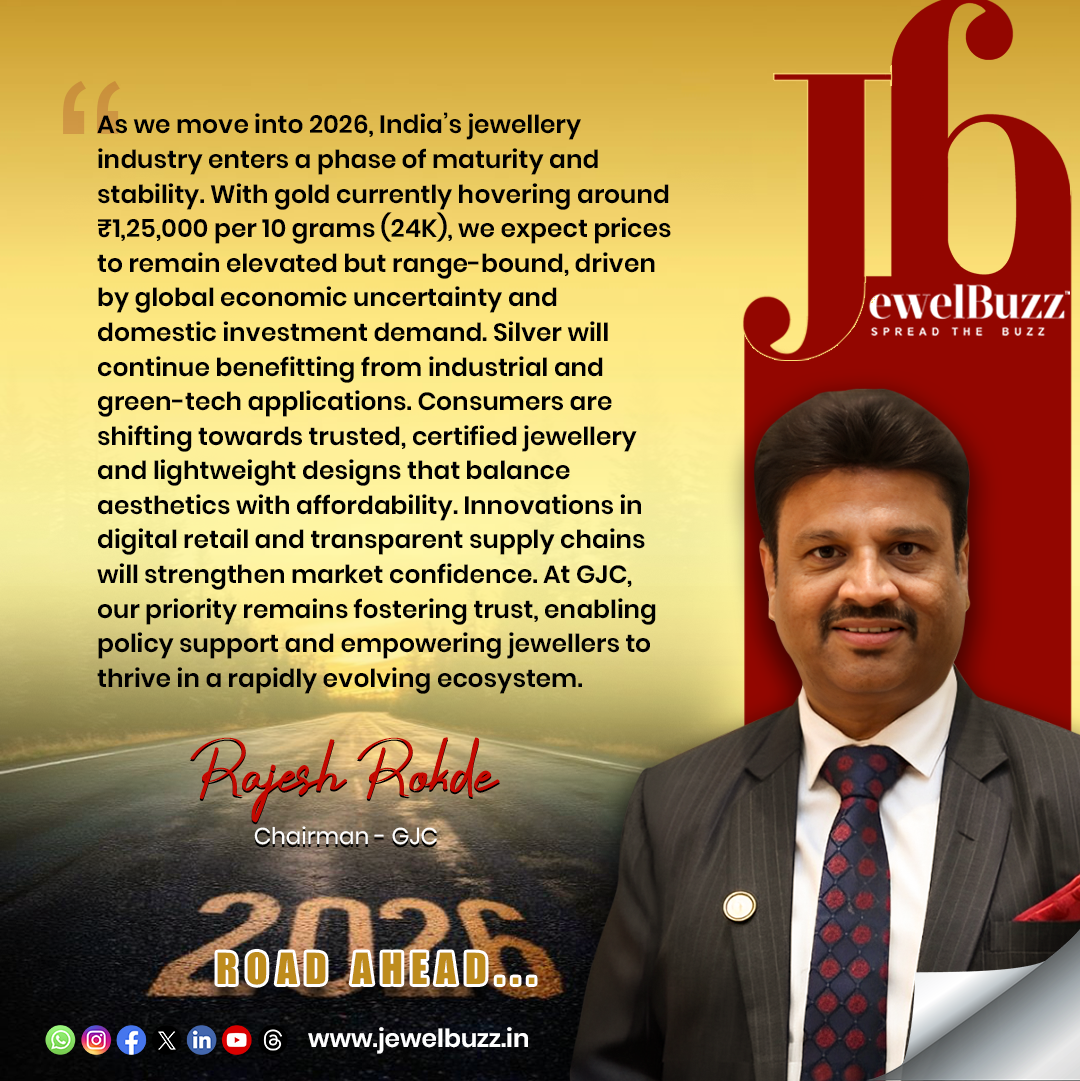
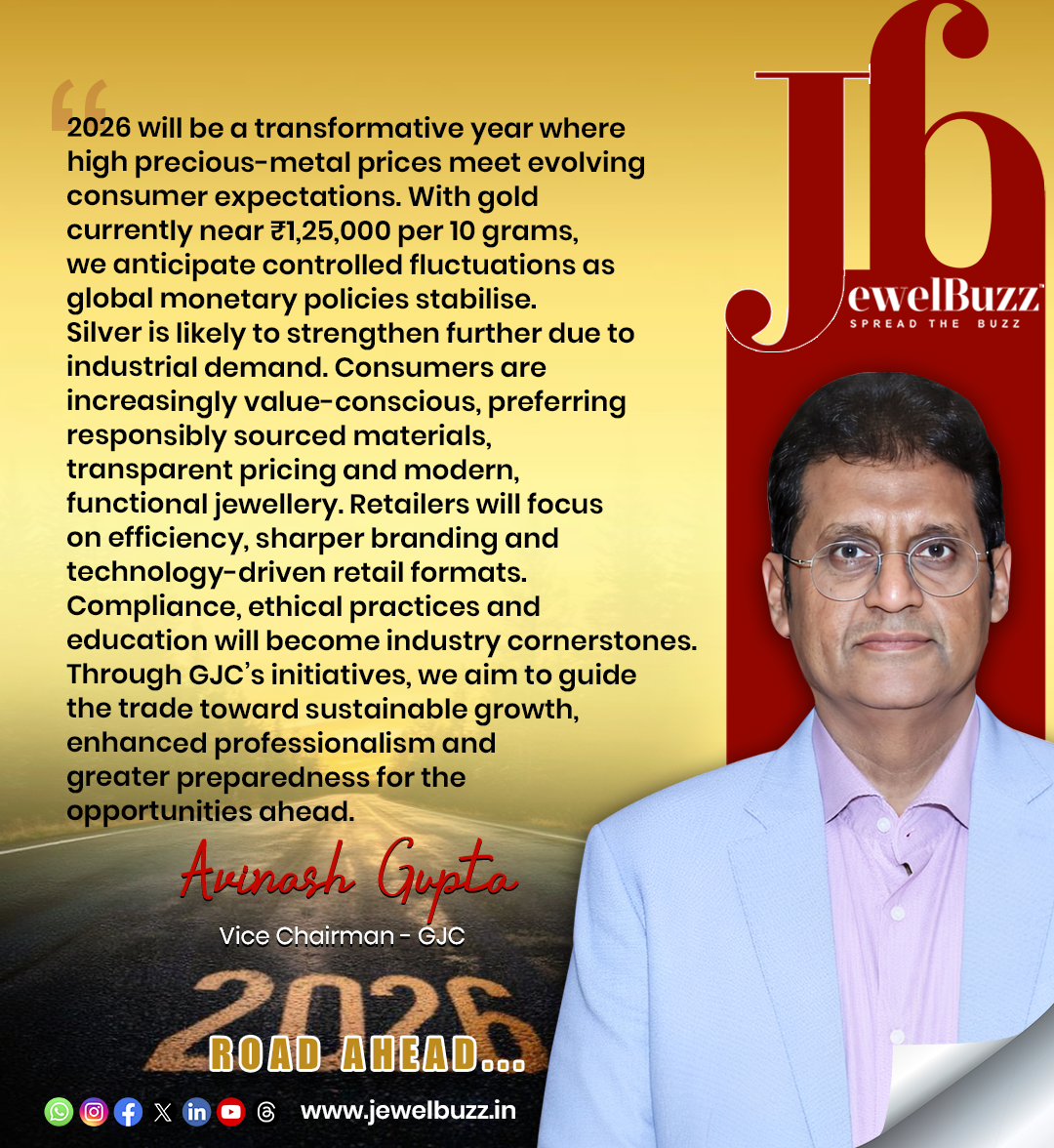
With gold near Rs.1,25,000 per 10 grams, the market will mature with stable but elevated price levels.“Consumers are shifting toward certified, lightweight, trustworthy designs supported by transparent supply chains,” says Rajesh Rokde, Chairman, GJC.
“Our focus is to strengthen trust and empower jewellers for an evolving ecosystem.” Efficiency, compliance and innovation will be cornerstones for the trade. “Consumers want responsibly sourced materials and functional modern jewellery,” notes Avinash Gupta, Vice Chairman, GJC. He adds, “Technology-driven retail and sharper branding will define the opportunities ahead.”
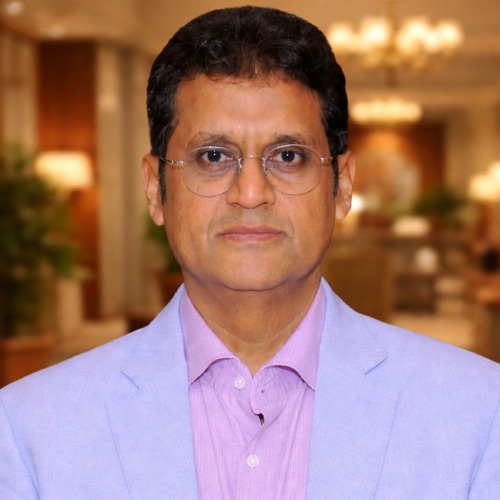
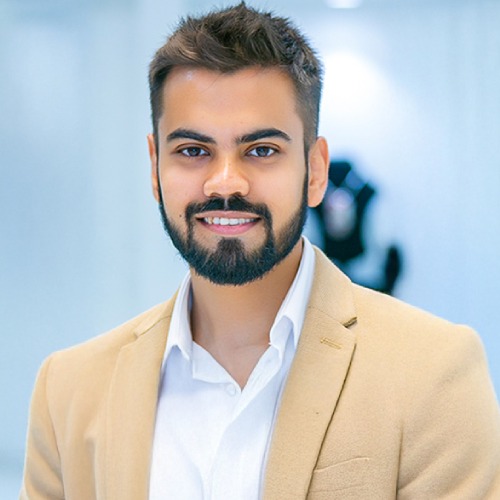
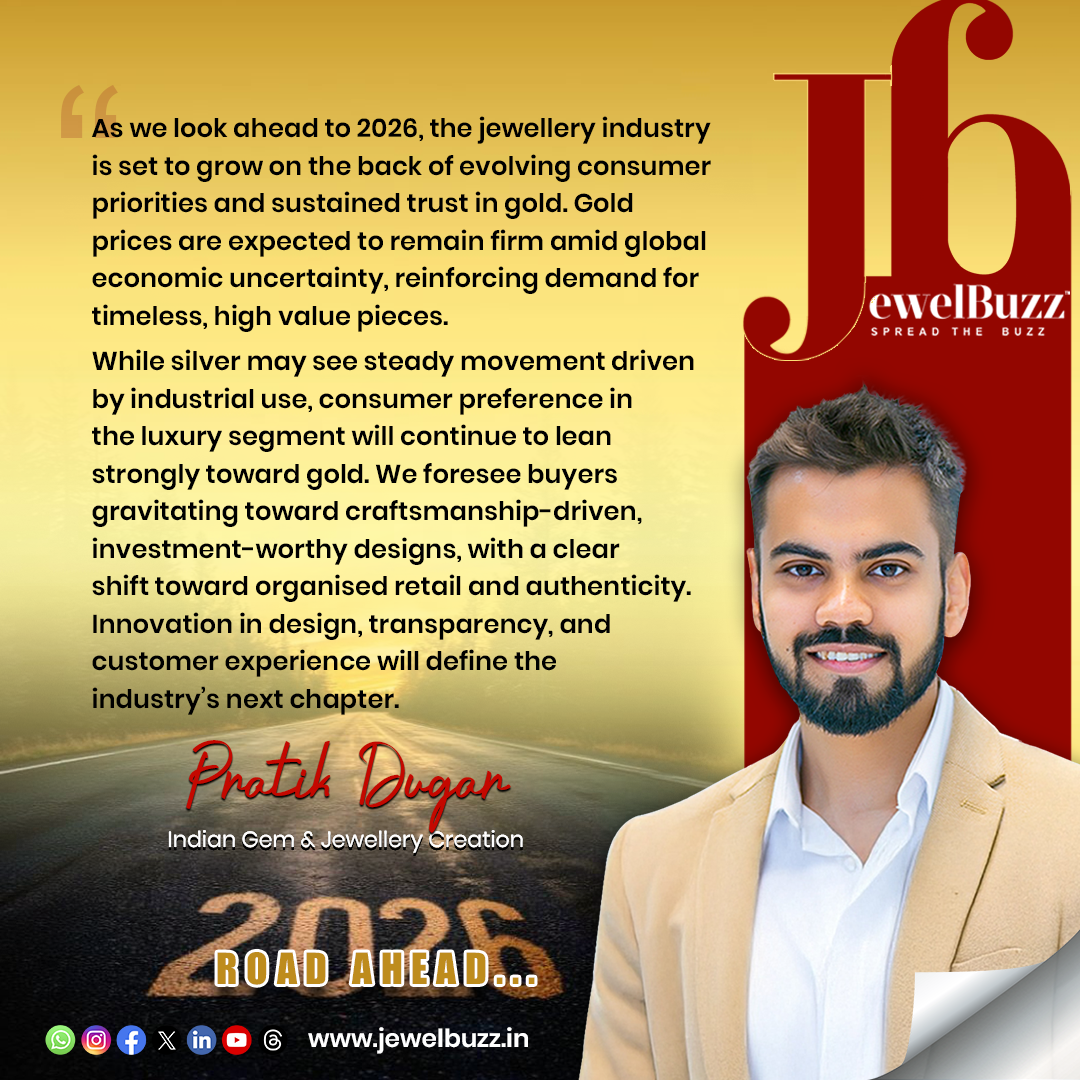
Gold will continue its role as both an emotional and investment asset. “Timeless, investment-worthy designs will drive purchasing, supported by a shift toward organised retail,” says Pratik Dugar, Indian Gem & Jewellery Creation. “Innovation, transparency and customer experience will define the industry’s next chapter.”
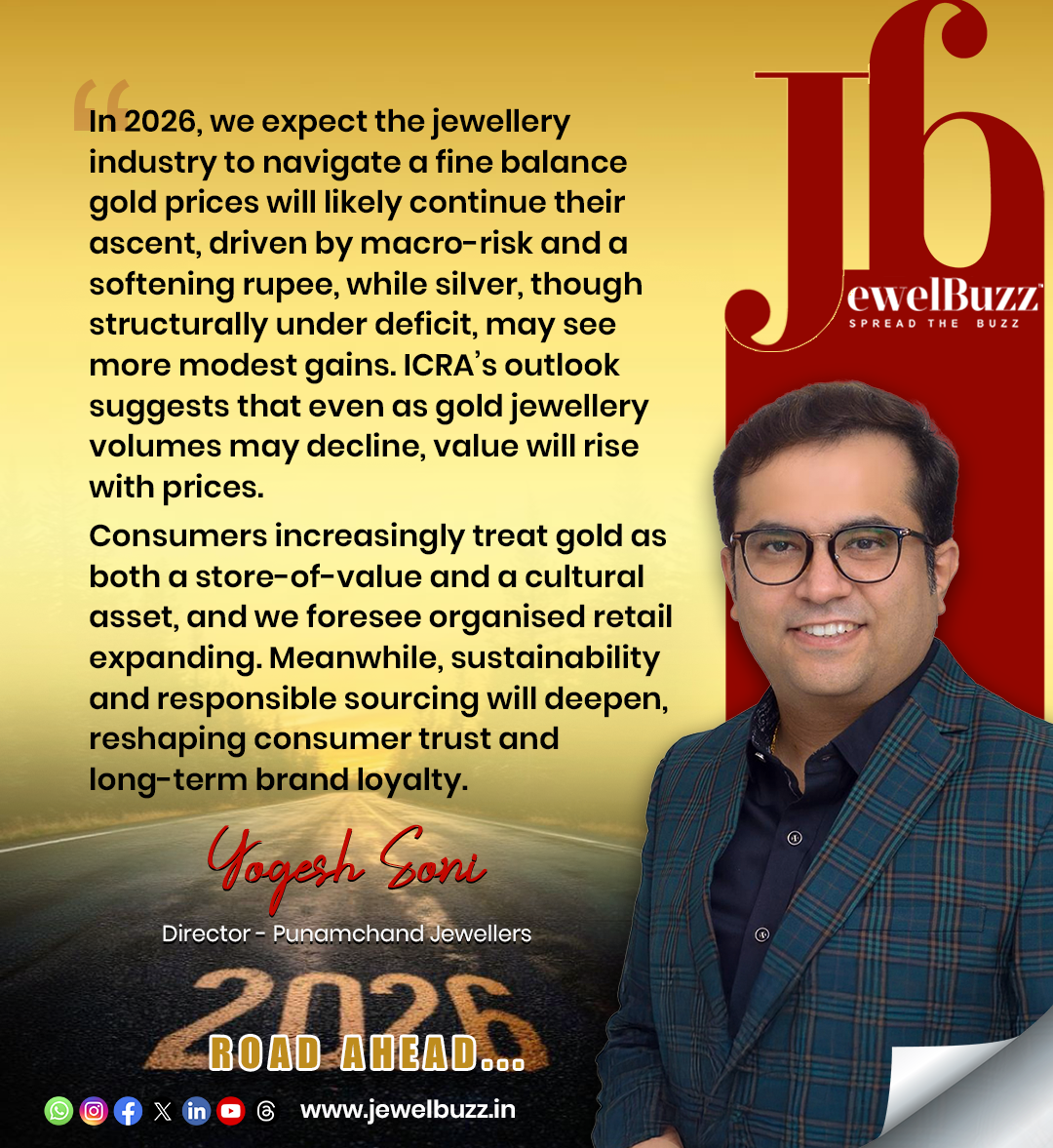
Structural global risks and a softening rupee may push gold higher, while silver sees modest gains.“Even if gold volumes dip, value will rise as prices strengthen,” observes Yogesh Soni, Director, Punamchand Jewellers. He emphasises, “Sustainability and responsible sourcing will become critical in shaping long-term trust.”

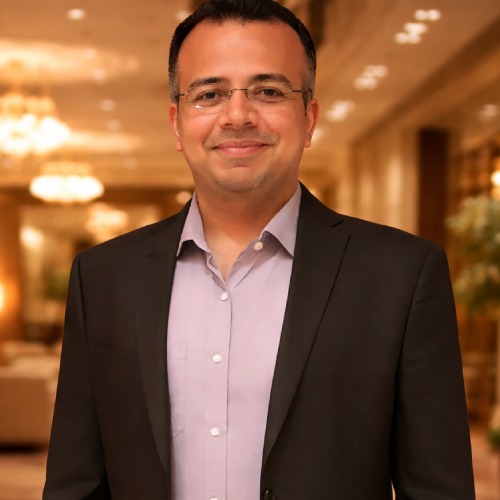
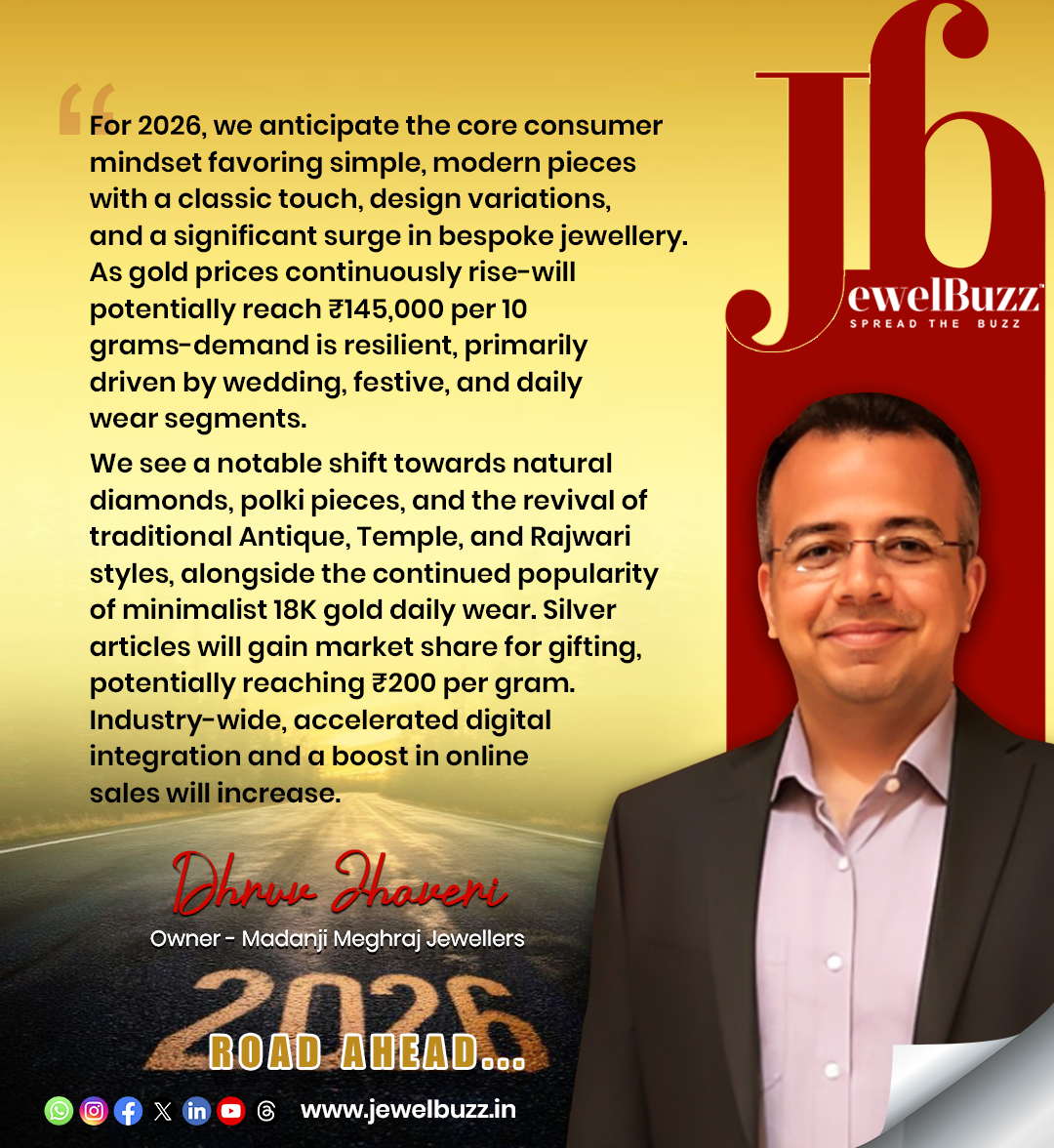
With gold potentially touching Rs.1,45,000 per 10 grams, demand remains resilient across weddings, festivals and everyday wear. “Consumers will gravitate toward natural diamonds, polki and a revival of Antique, Temple and Rajwadi styles,” notes Dhruv Jhaveri, Owner, Madanji Meghraj Jewellers. He further highlights the role of silver, “Silver gifting will rise sharply, possibly touching Rs.200 per gram, supported by digital integration and growing online sales.”
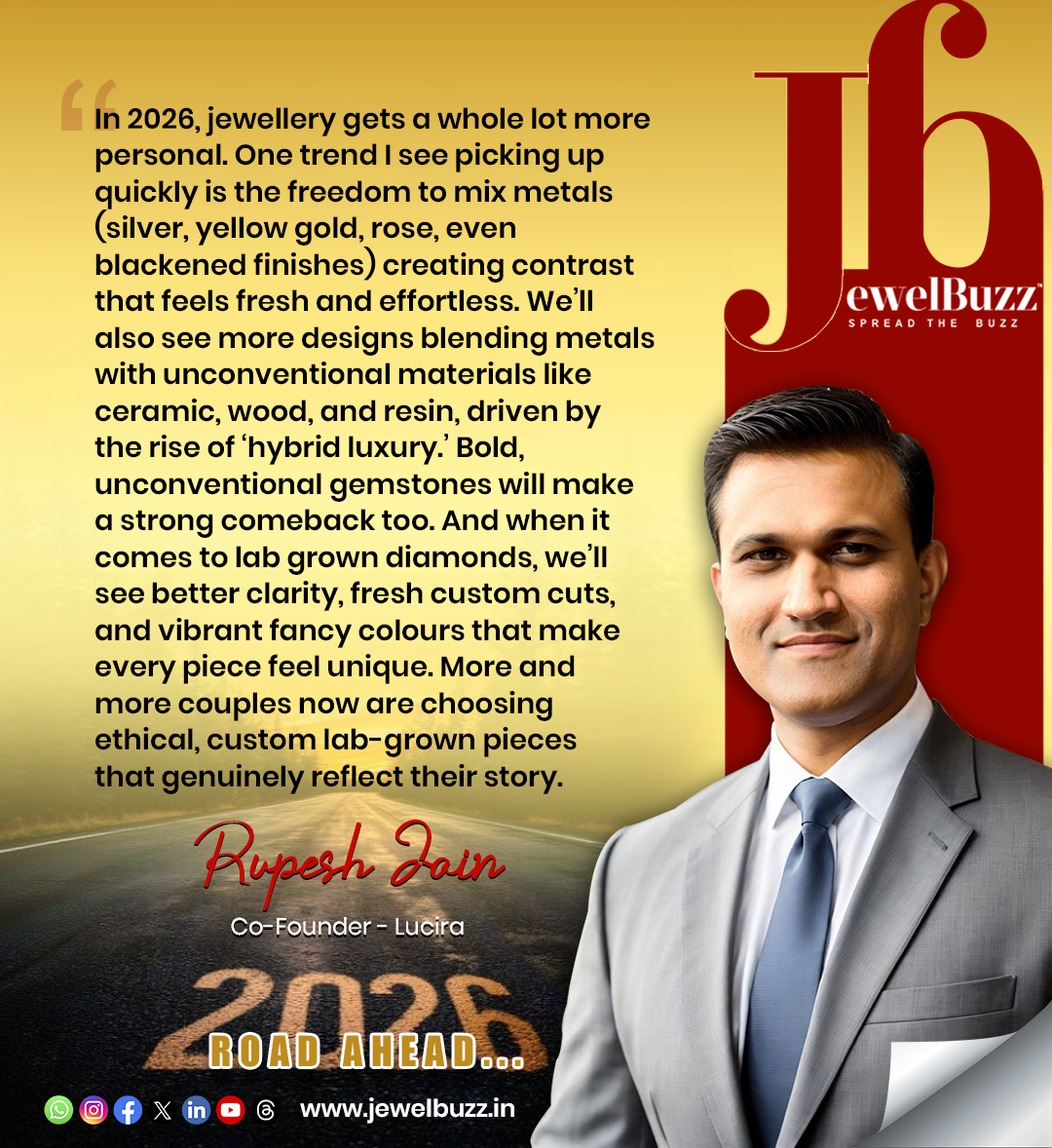
Design freedom expands with new material mixes and adventurous aesthetics.“Mixing metals and experimenting with materials like ceramic or resin will define ‘hybrid luxury’,” says Rupesh Jain, Co-Founder, Lucira.He adds, “Lab-grown diamonds will evolve with better clarity, unique cuts and bold colours that let couples create pieces that reflect their story.”
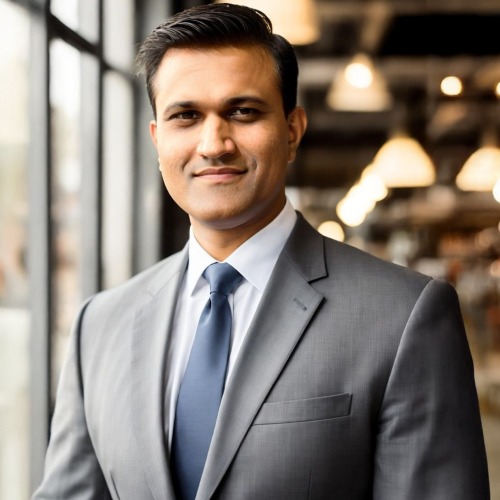
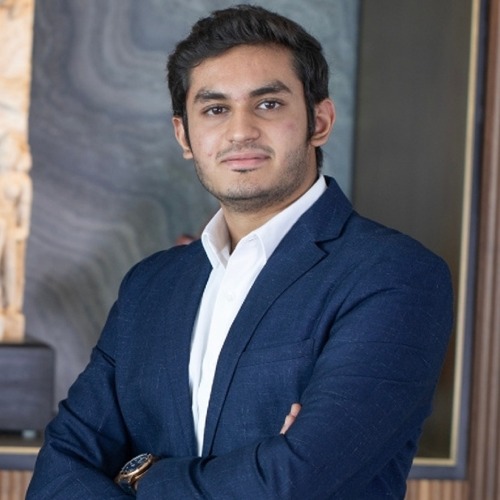
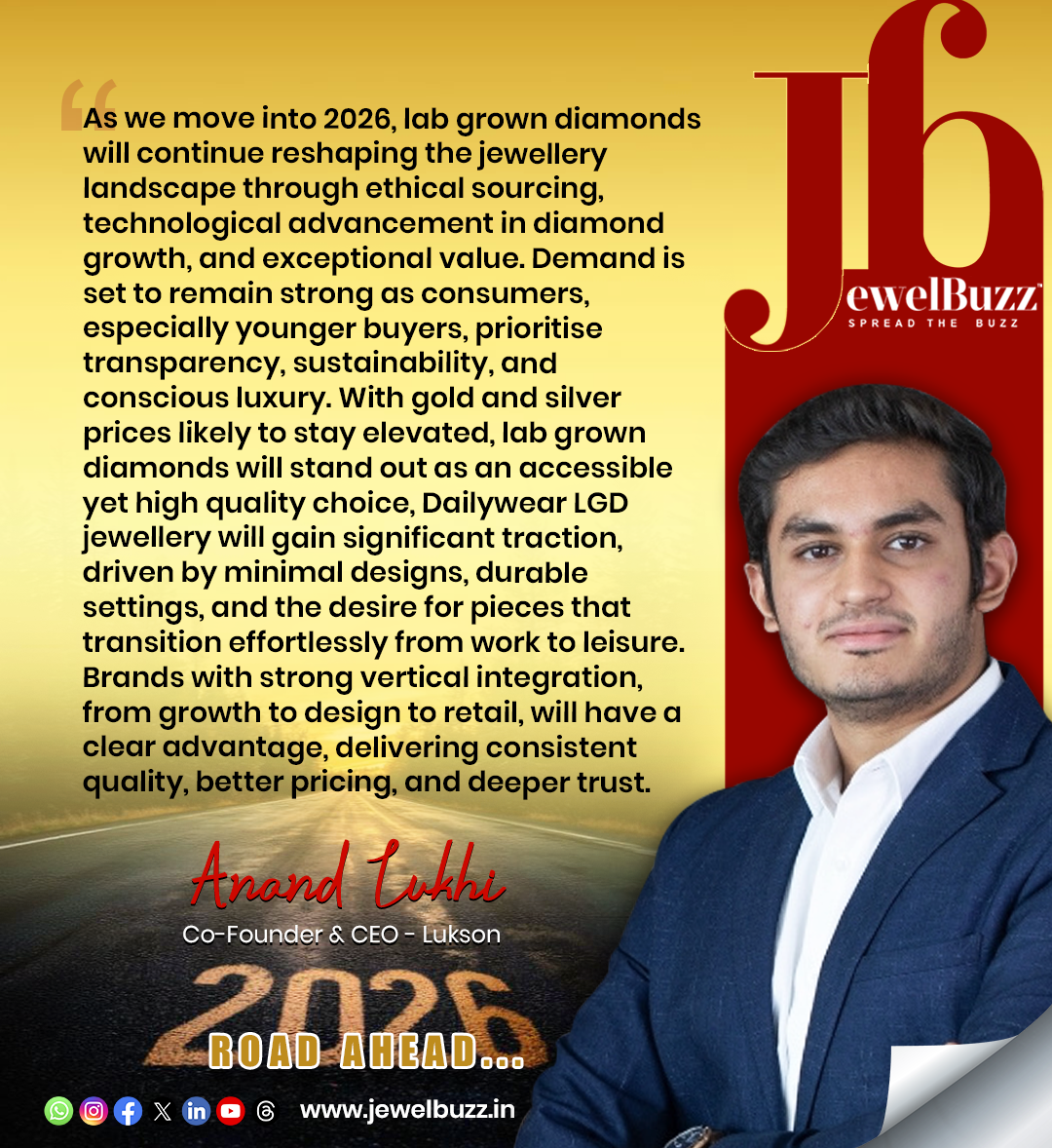
LGDs will strengthen their foothold as conscious luxury gains ground. “Vertical integration will give brands an edge—quality control, pricing and trust all improve,” says Anand Lukhi, Co-Founder & CEO, Lukson. According to him, “Daily-wear LGD jewellery will see explosive growth, powered by minimalism and durability.”
From soaring gold and rising environmental consciousness to hybrid designs and LGD-led disruption, 2026 will be a year where jewellery becomes more personal, transparent, tech-integrated and value-driven.The industry stands poised for innovation, ethical leadership and resilient growth—marking the start of a new chapter for India’s jewellery landscape.
#JbEXclusive



JB Insights
What Happens When The World’s 0.03% Of Diamonds Meet 131 Pairs Of Masterful Hands At QWEEN?
QWEEN Brings Together Traceable Natural Diamonds, Japanese Craftsmanship and Precision-Led Jewellery Making Through Rosy Blue and Kashikey.

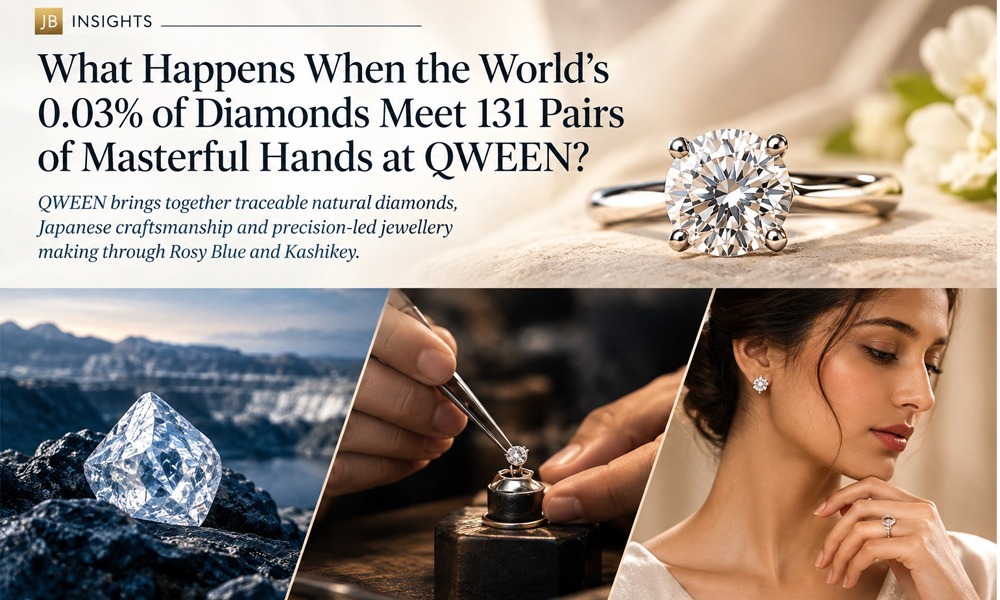
QWEEN, India’s first self-discovery, 100% natural experiential luxury jewellery brand, has detailed the strategic roles of Rosy Blue and Kashikey in powering its product proposition. Beyond being investors in the brand, Rosy Blue and Kashikey serve as QWEEN’s core supply-chain and craftsmanship partners, respectively, bringing together traceable access to 100% natural diamonds and nearly a century of Japanese craftsmanship expertise.
You know the diamond. But do you know its journey?
As QWEEN’s single strategic supply-chain partner, Rosy Blue brings over six decades of diamond expertise and sourcing capabilities to the brand. This partnership enables QWEEN’s Mine to Marvel™ initiative, allowing consumers to trace their diamonds back to their mine of origin.
At QWEEN, the story behind the stone is as important as the sparkle you see. And not every diamond makes it into a QWEEN. Only 0.03% of the world’s diamonds that enter QWEEN’s selection process meet its exacting standards.
Every QWEEN diamond is 100% natural and perfectly cut, meeting the Hearts & Arrows standard. At the QWEEN store, consumers can see that precision for themselves through specialised viewers.
“At Rosy Blue, we believe that trust must be established across the entire value chain. Our partnership with QWEEN brings together exceptional natural diamonds, greater traceability and consistent product standards, giving consumers greater visibility into the journey of their diamond and a clearer understanding of what makes it exceptional,” said Ms. Manali Jayant Parekh, Director, Rosy Blue.
But knowing the diamond is only half the story. What happens to it next matters just as much.
QWEEN’s strategic craftsmanship partner, Japanese luxury jewellery house Kashikey, brings nearly a century of jewellery-making expertise to the brand. Founded in 1928, Kashikey’s craftsmanship informs the construction, setting and finishing of QWEEN jewellery.
A QWEEN jewel is made by 131 pairs of masterful hands. From planning, cutting and polishing to setting and quality checks, every pair brings a decade or more of specialised expertise to the piece before it reaches the woman who wears it.
That attention to detail extends to the smallest elements of the jewellery. One example is QWEEN’s four-prong setting, which leaves more of the diamond visible than a conventional six-prong setting while keeping it securely held.
“For nearly a century, Kashikey has pursued beauty through precision, balance and attention to detail. Our partnership with QWEEN brings this approach to jewellery created for the modern Indian woman, where every element, from the setting to the finish, is considered to enhance the beauty of the diamond while preserving the integrity of the piece,” said Mr. Hisao Kato, Chairman, Kashikey Co. Ltd.
Amit Kumar, Co-founder and CEO, QWEEN said:
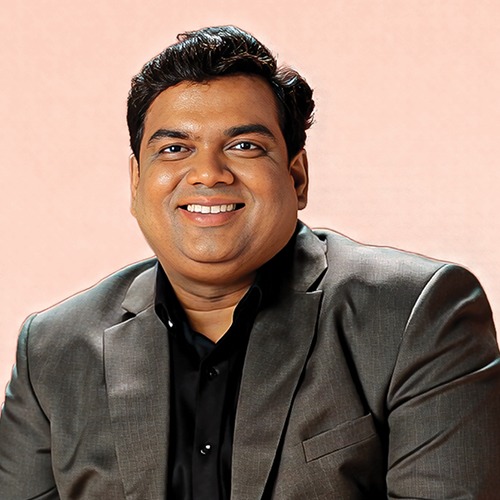
“For us, these partnerships go well beyond investment. Rosy Blue, as our single strategic supply-chain partner, gives us the ability to build traceability, consistency and rigorous selection standards into every QWEEN diamond, while Kashikey brings decades of craftsmanship and precision to how we turn those diamonds into jewellery. We wanted all of that to be part of the product itself, so women can see and understand what makes a QWEEN piece different.”
From knowing where the diamond came from to understanding how precisely it was cut and how carefully it was crafted, QWEEN is building a jewellery experience where trust is not just a promise. It is something you can see for yourself.
With Rosy Blue as its single strategic supply-chain partner and Kashikey as its strategic craftsmanship partner, QWEEN brings together diamond expertise, traceability and nearly a century of Japanese craftsmanship to set a new standard for the jewellery a woman chooses to wear.



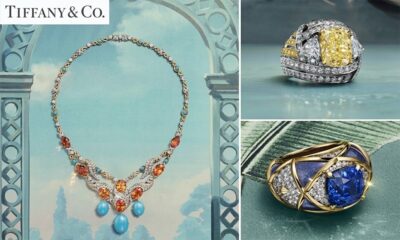
Tiffany & Co. Unveils The Final Installment Blue Book 2026: Hidden Garden – Autumn Phase

KISNA Launches Vienna Collection Ahead Of The Wedding Season, Expanding Its Premium Natural Diamond Jewellery Portfolio

MDR For UPI: Credit Card Bill Payments and Jewellery Purchases Remain Free For Consumers
KISNA Launches Vienna Collection Ahead Of The Wedding Season, Expanding Its Premium Natural Diamond Jewellery Portfolio
Tiffany & Co. Unveils The Final Installment Blue Book 2026: Hidden Garden – Autumn Phase

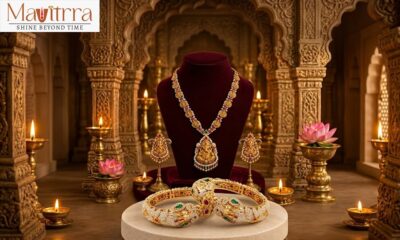
Mavitrra Launches Ganpati-Inspired Fine Jewellery Collection For Ganesh Chaturthi, Blending Tradition With Contemporary Design
-
 BrandBuzz1 hour ago
KISNA Launches Vienna Collection Ahead Of The Wedding Season, Expanding Its Premium Natural Diamond Jewellery Portfolio
-
 International News1 hour ago
Tiffany & Co. Unveils The Final Installment Blue Book 2026: Hidden Garden – Autumn Phase
-
 National News5 hours ago
Mavitrra Launches Ganpati-Inspired Fine Jewellery Collection For Ganesh Chaturthi, Blending Tradition With Contemporary Design
-

 DiamondBuzz5 hours ago
QDE, Borsa Diamanti D’Italia Signed MoU To Bolster Trade and Expand Commercial Ties
