
National News
Young Indians drive colour gemstone boom, redefine jewellery market

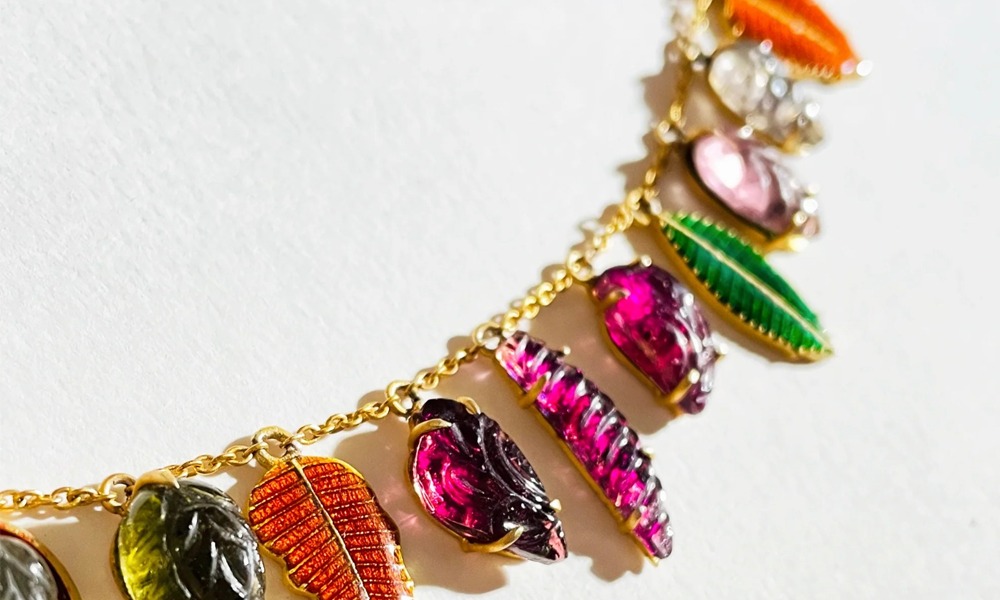
Young Indians are increasingly turning to colored gemstones like tanzanite, paraiba tourmaline and morganite for their jewellery collections. The trend, amplified by Bollywood celebrities flaunting vibrant stones on social media, is transforming India’s jewelry market and creating new opportunities in a sector that has traditionally been dominated by gold. Gemstone-studded jewelry typically uses 14- or 18-karat gold, compared with the 22-karat gold required for traditional Indian jewelry, making pieces more affordable for younger consumers.
India’s colored gemstone market generated an estimated $825 million in revenue during the fiscal year ending March 2025, up from $770 million the previous year and $600 million in 2020, according to Tehmasp Printer, MD-IGI.
The broad price range of colored gemstones—from 1,000 rupees ($12) per carat for lower-grade stones to more than 100,000 rupees ($1,200) for premium specimens—appeals to consumers across income levels. Paraiba tourmaline, among the most prized colored gemstones, can command up to 500,000 rupees ($6,000) per carat, while natural diamonds typically cost 250,000-300,000 rupees ($3,000-$3,600) per carat.
The global colored gemstone market is projected to grow from approximately $1.9 billion in 2025 to $5.7 billion by 2035, representing an 11.3% compound annual growth rate, according to industry forecasts.
The shift toward colored gemstones represents a notable evolution in Indian jewelry preferences, traditionally dominated by gold’s cultural significance and investment appeal. As prices for traditional precious metals and diamonds continue climbing, colored gemstones are providing an accessible entry point into luxury jewelry for India’s growing middle class.



BrandBuzz
Verlas Introduces the ‘Alyssa’ Collection in India, Bringing Modern Luxe Floral-Inspired Design to Lab-Grown Diamond Jewelry Crafted in Fine Gold
The New York-born brand channels statement floral designs in modern silhouettes and larger carat diamond brilliance into a collection made for weddings, engagements, cocktail evenings, and wedding Trousseau Picks.
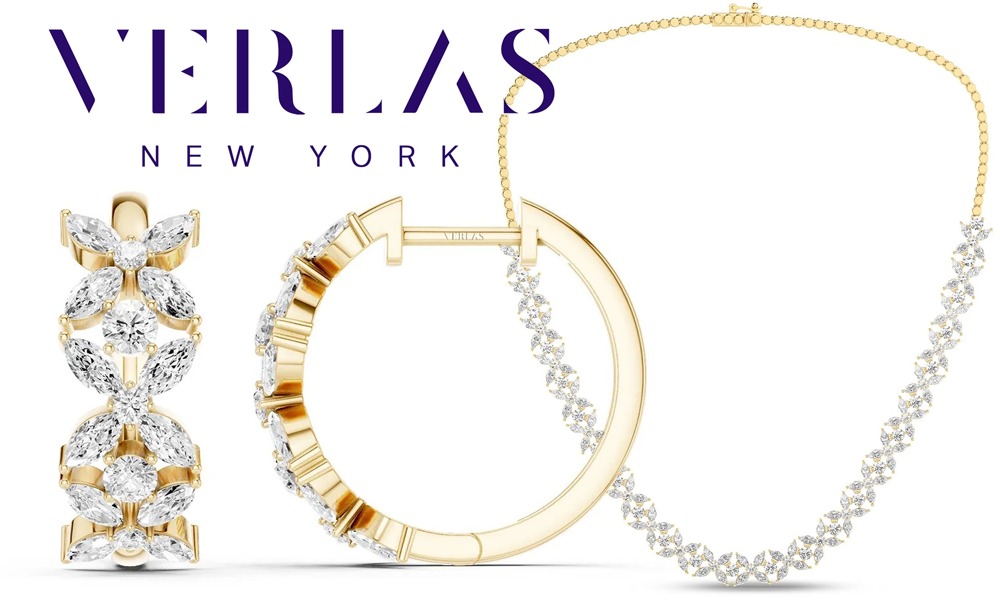
Verlas, the New York-based fine jewelry brand, has brought its luxurious Alyssa collection to India, a floral-inspired range of contemporary designs crafted with IGI-Certified lab-grown diamonds and BIS hallmarked gold in 14K and 9K Gold variants. Built around larger carat weights and romantic floral design, the collection pairs statement sparkle with Verlas’ commitment to sustainability and craftsmanship. Since its founding in 2019, Verlas has focused on modern, considered jewelry designed to feel personal and meaningful, handcrafted by skilled artisans in VS clarity lab-grown diamonds set in fine gold.
Inspired by blooming florals, the Alyssa collection translates nature’s motifs into refined diamond jewelry designed for everyday moments in the form of elegant pendant necklaces and Studs designed with florets of round-cut and marquise-cut diamonds, and then there are these luxe styles that call for something more. For bigger celebrations to evening dressing, these luxe designs are crafted with marquise and round-cut diamonds in hoops and dangler earrings, unique tennis bracelets and tennis necklace designs that embrace the designer craftsmanship of Verlas. The Alyssa collection brings signature brilliance to a range of personal styles.
For the modern bride, Alyssa brings together jewelry for every part of her journey—from the engagement and big day to her trousseau, bridesmaids and the little moments beyond. Fashion-forward yet effortlessly elegant, each design is crafted to make a statement today and stay in her rotation long after the celebrations are over.
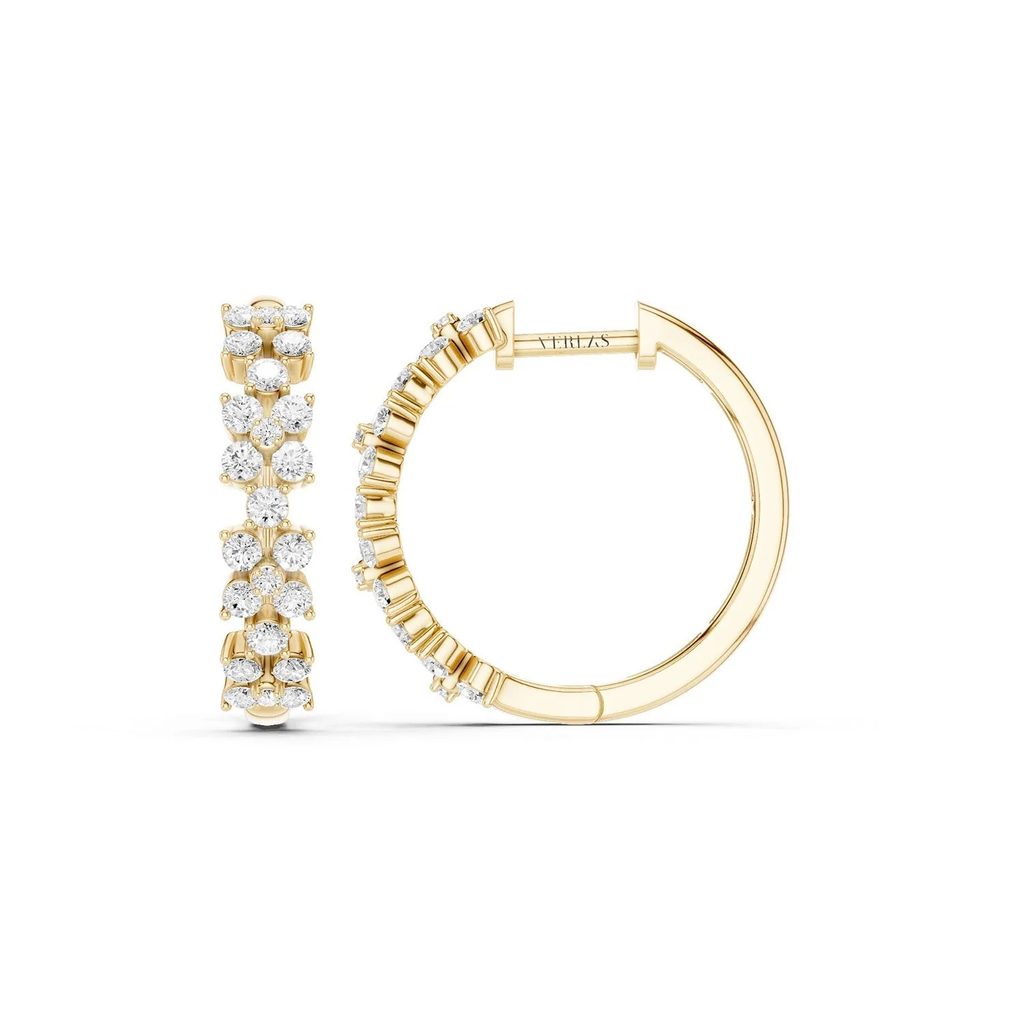
Among the highlights are the Alyssa Cuatro Floral Hoops, featuring five round lab-grown diamonds arranged in a delicate floret on a solid gold hoop. For a softer, more elegant look, these round-cut diamonds bring a classic appeal – perfect for those who prefer understated sparkle.
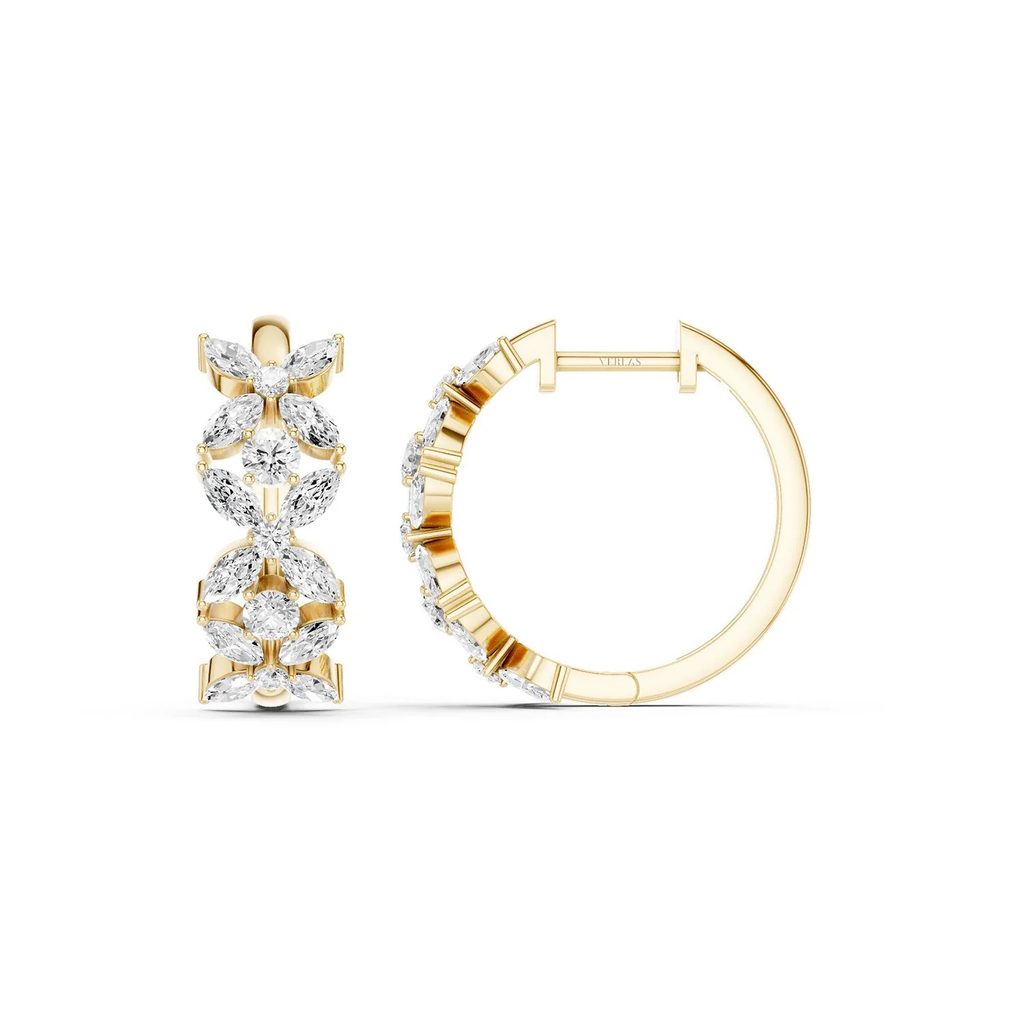
If bold and distinctive is more your style, the Alyssa Tres Marquise Diamond Huggies bring an elongated floral silhouette with marquise-cut diamond petals.
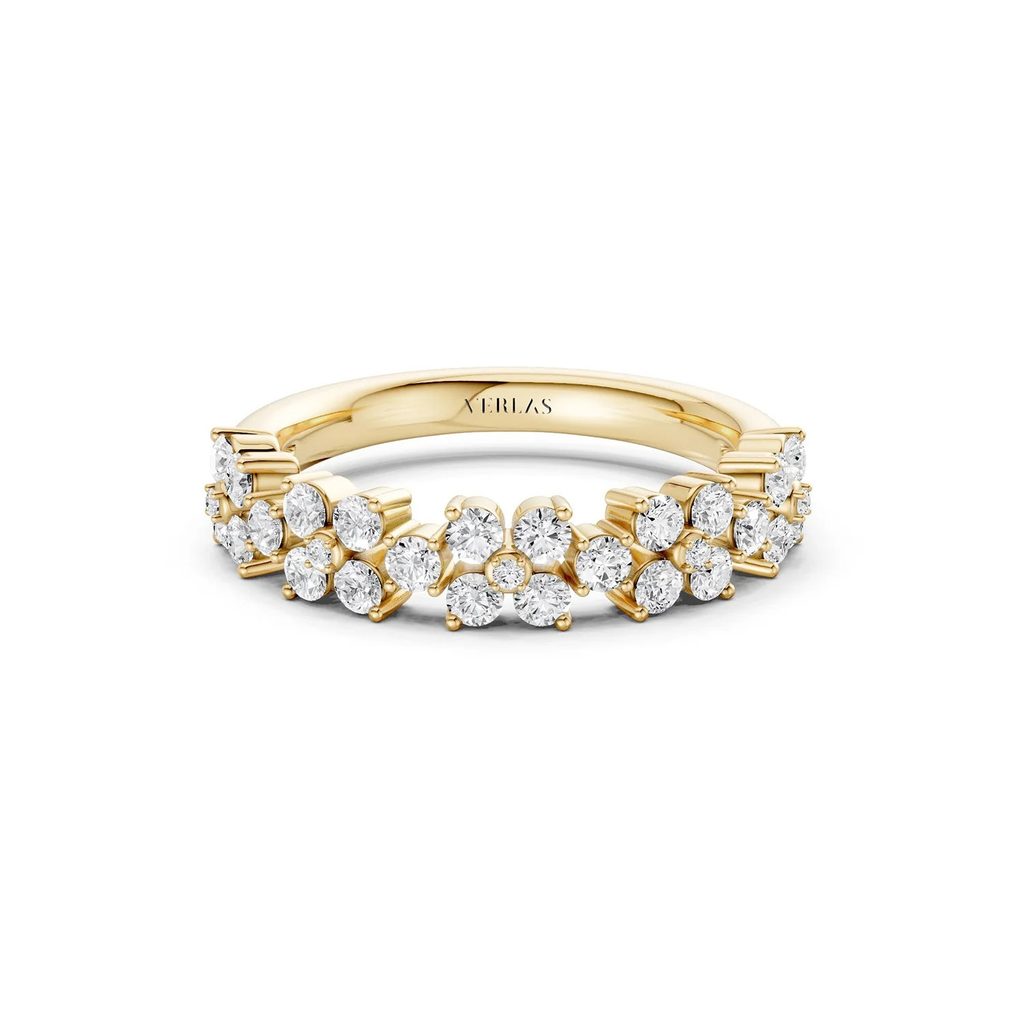
The Alyssa Radiant Bloom Ring offers another take on the floral motif, bringing together round-cut diamonds for a radiant, feminine look.
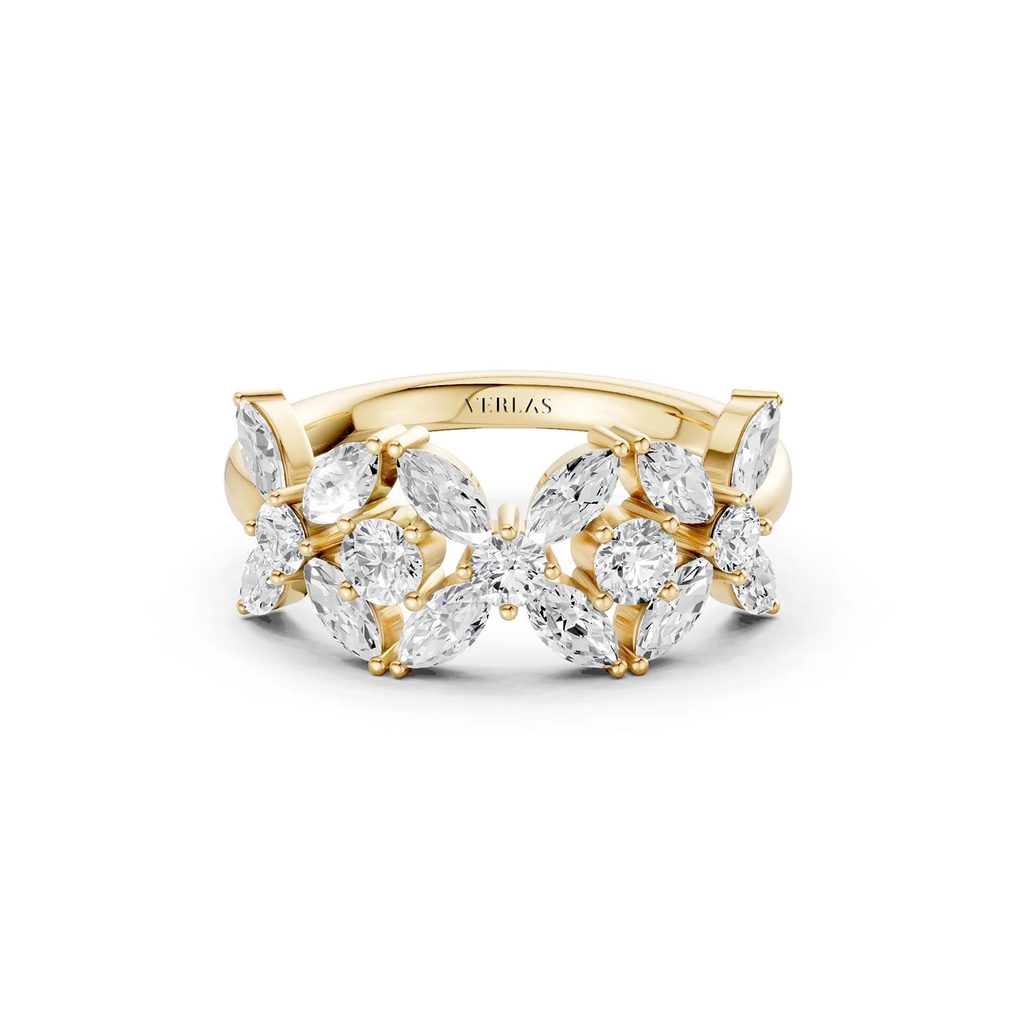
Meanwhile, the Alyssa Trio Marquise Bouquet Ring takes a bolder approach, featuring three diamond florets crafted with marquise diamond petals. Whether you lean towards the elegant simplicity of round cuts or the bolder character of marquise cuts, the Alyssa collection offers a floral style to match.
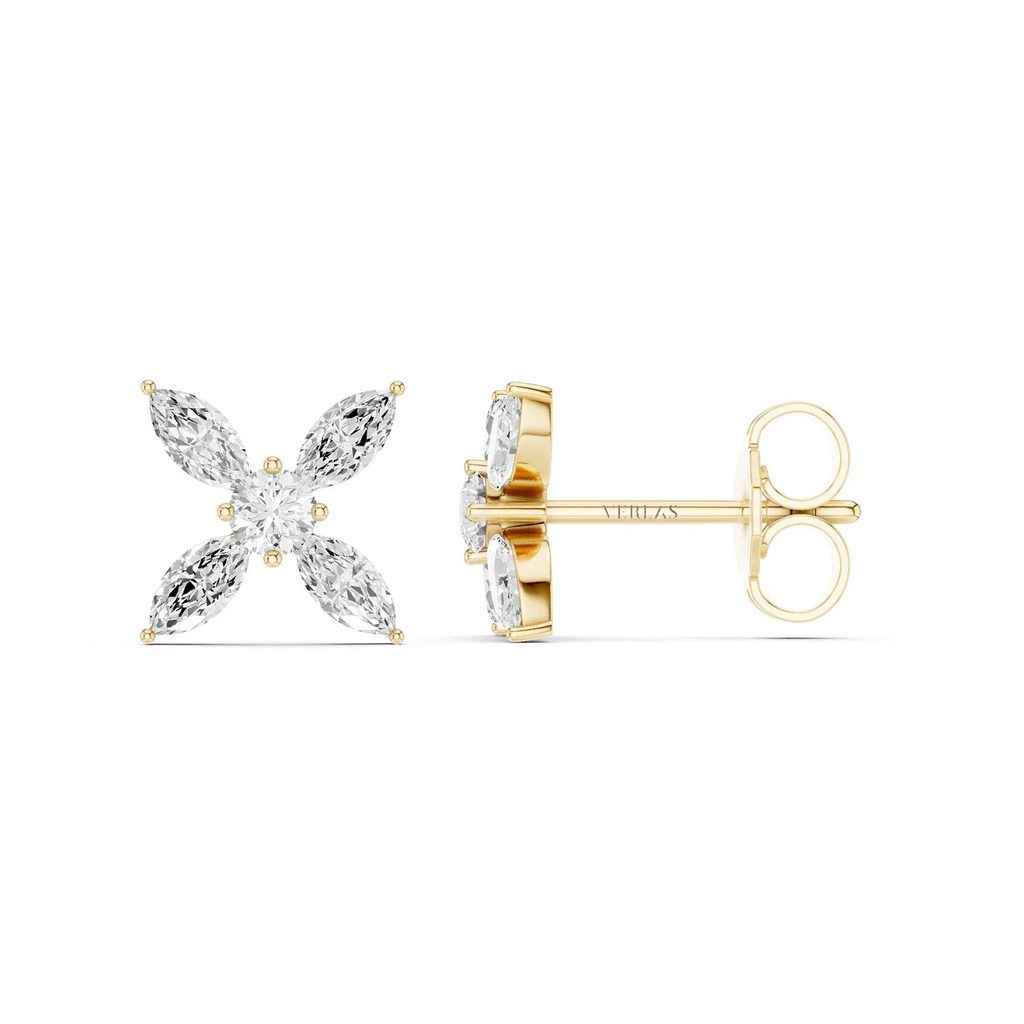
The Alyssa Marquise Studs bring a fresh take on florals, with marquise-cut diamonds forming an X-shaped motif around a round centre. Easy enough for everyday, yet special enough for evenings out, they’re the kind of pair you’ll keep reaching for.
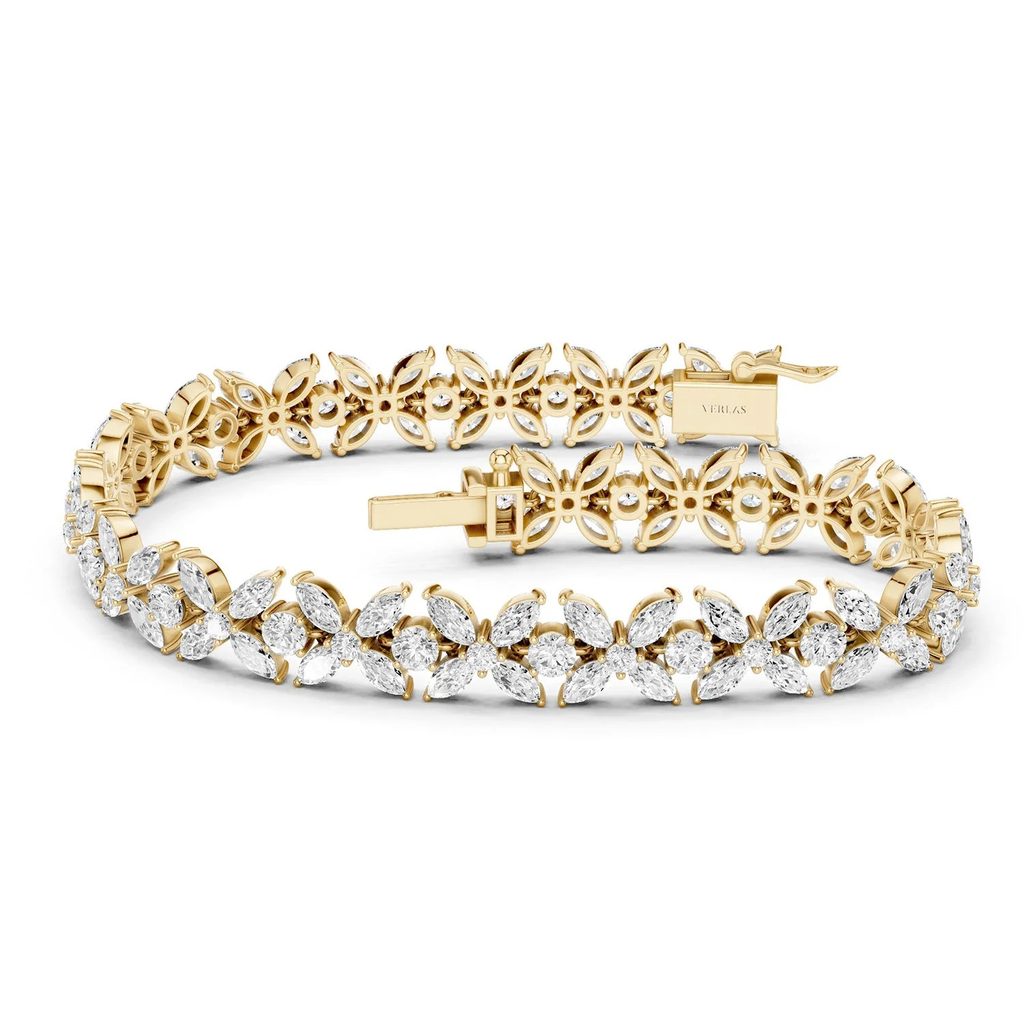
For a little more sparkle, the Alyssa Marquise-Cut Floral Tennis Bracelet makes a statement without feeling reserved for just one occasion. Its floral diamond motifs bring a touch of drama to wedding celebrations, festive evenings and everything in between.
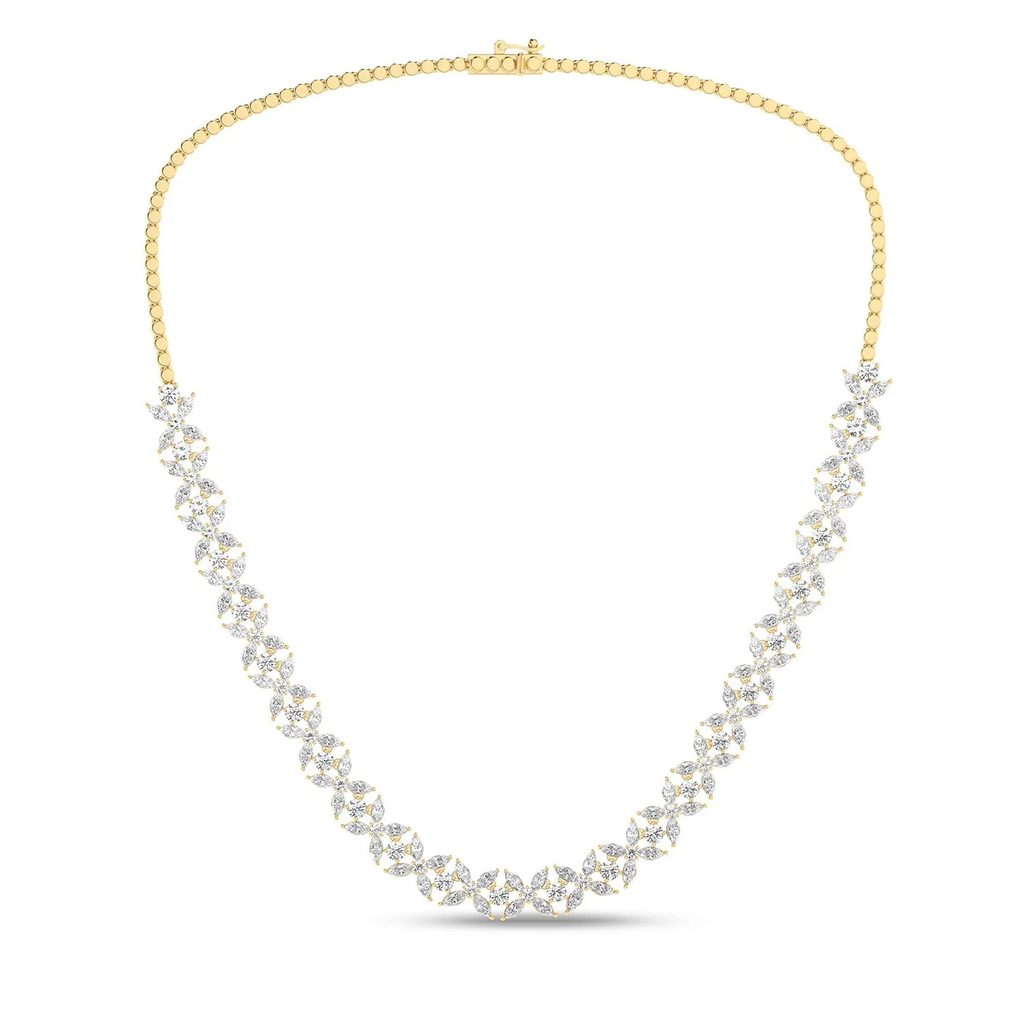
And when you’re ready to go all out, the Alyssa Marquise Radiant Tennis Necklace takes the floral story up a notch. With twenty-three diamond florets and a total weight of 13 carats, it brings together marquise-cut petals and round diamond centres for a look made to shine at the wedding, reception, or your next big celebration.
Available in white, yellow, and rose gold in 14K and 9K, the Alyssa collection reflects Verlas philosophy of creating jewelry that is beautiful, meaningful, and responsibly crafted. Perfect for elevating bridal looks and everyday romance alike.
With its growing presence in India, Verlas continues to bring its modern design and craftsmanship approach to fine jewelry to new audiences, combining considered design, conscious choice, and a more approachable jewelry experience.



Belgian Prime Minister Bart De Wever opens expanded HRD Antwerp laboratory in Mumbai

Verlas Introduces the ‘Alyssa’ Collection in India, Bringing Modern Luxe Floral-Inspired Design to Lab-Grown Diamond Jewelry Crafted in Fine Gold

Gold rebounds,Silver reclaims Rs 2.33 lakh mark

Limelight Lab Grown Diamonds Inaugurates Showroom In Kalyan, Its 8th Exclusive Store MMR
Verlas Introduces the ‘Alyssa’ Collection in India, Bringing Modern Luxe Floral-Inspired Design to Lab-Grown Diamond Jewelry Crafted in Fine Gold
Belgian Prime Minister Bart De Wever opens expanded HRD Antwerp laboratory in Mumbai
-
 National News3 days ago
Limelight Lab Grown Diamonds Inaugurates Showroom In Kalyan, Its 8th Exclusive Store MMR
-
 BrandBuzz2 days ago
Verlas Introduces the ‘Alyssa’ Collection in India, Bringing Modern Luxe Floral-Inspired Design to Lab-Grown Diamond Jewelry Crafted in Fine Gold
-
 DiamondBuzz2 days ago
Belgian Prime Minister Bart De Wever opens expanded HRD Antwerp laboratory in Mumbai
-
 National News2 days ago
Gold rebounds,Silver reclaims Rs 2.33 lakh mark
