
DiamondBuzz
US Diamond Acquisition Study By De Beers Suggest That Diamonds Continue To Hold Strong Emotional and Aspirational Appeal For Today’s Consumer
Eleven Percent Of Women Rank Them As Their Top Luxury Gift, Placing Them Ahead Of Synthetic Lab-Grown Diamonds (8%), Other Gemstones (5%), and Plain Gold Jewelry (4%)

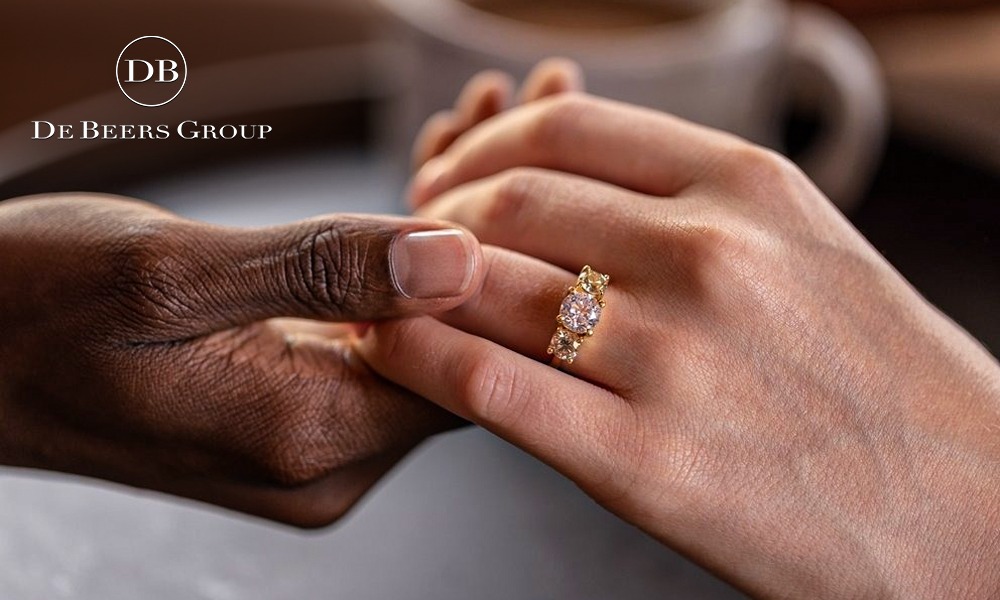
US Diamond Acquisition Study by De Beers offers compelling insights into diamond-buying behaviour, drawing on a study of 18,500 women across the industry’s largest consumer market. The findings clearly suggest that diamonds continue to hold strong emotional and aspirational appeal for today’s consumer.
Core Desirability & Pricing Trends
- Top Luxury Choice: Natural diamonds remain the most desired luxury jewelry product. Eleven percent of women rank them as their top luxury gift, placing them ahead of synthetic lab-grown diamonds (8%), other gemstones (5%), and plain gold jewelry (4%).
- Surging Average Prices: The average price for a piece of natural diamond jewelry rose significantly to $4,063 in 2025, compared to $3,242 in 2023 (a 25% increase).
- Larger Carat Sizes: This price growth is being driven by consumers purchasing larger diamonds, with the average total carat weight increasing to 1.86 carats (up from 1.65 carats in 2023).
The Rise of Gen Z
- Major Market Force: Gen Z has become the second-largest generation buying diamonds. They account for 23% of the total natural diamond demand value, despite making up only 18% of the population.
- High Spending Habits: Gen Z spends nearly double what Baby Boomers spend on natural diamonds, averaging $4,080 per piece compared to the Boomers’ $2,250.
- More Occasions & Self-Expression: Gen Z buys or receives diamonds for an average of 1.83 occasions per year (higher than the 1.7 overall average). They strongly associate diamonds with personal identity and rely heavily on social media for purchase research.
- Gifting and Birthdays: While bridal accounts for 45% of Gen Z demand, family gifting is highly influential—birthdays make up 17% of Gen Z diamond acquisitions compared to 13% across other generations.
Shifting Consumer Motivations
- Rise of Non-Bridal Demand: Non-bridal occasions now account for three-quarters (75%) of overall US diamond demand.
- Personal Milestones: While love remains the core driver, people are increasingly buying diamonds for personal celebrations like a new job, a promotion, recognizing an achievement, or “just because.”
Retail & Market Performance
- Independent Retail Growth: Point-of-sale data from 950 independent US jewelers showed natural diamond sales grew 4% year-on-year in Q4 2025 and 9% in Q1 2026.
- Campaign Success: Colored and low-colored diamonds (K–Z range) featured in De Beers’ “Desert diamonds” campaign outperformed the market, growing 15% and 19% respectively.
- Supply Balance: Declining global production of natural diamonds is expected to support a healthier, improved supply-demand balance in the coming years.
Natural vs. Synthetic Lab-Grown Diamonds (LGDs)
- Value Dominance: While LGD volumes are increasing, declining retail prices keep their total value share low. Natural diamonds command 85% of independent jewelers’ sales value, compared to just 15% for LGDs.
- The 3-Carat Ceiling: LGD sales drop off significantly once stones reach 3 carats or larger, as consumers feel they look too big.
- Profit Risks for Retailers: Due to declining LGD prices and the inability to upsell past 3 carats, retailers risk lower overall sales and tighter long-term gross profits if they rely too heavily on synthetic alternatives.


DiamondBuzz
De Beers Group Sets Out Portfolio and Organisational Actions to Support Long-Term Value Creation
Company outlines strategic cost optimisation, portfolio streamlining and operational changes to strengthen resilience while positioning for long-term growth in the natural diamond industry.
De Beers Group is advancing delivery of its business streamlining by setting out a number of planned portfolio and organisational changes to ensure an efficient cost base that strengthens resilience in the near-term while enhancing future competitiveness and retaining optionality as industry conditions improve.
Since 2024, De Beers has been streamlining its business in line with its Origins strategy to reduce costs, divest non-core assets and prioritise investment in activities that create the most value. Significant progress has been made, with more than $100 million of annual overhead costs removed from the business, the sale or closure of a number of non-core assets and significant capital and cost reconfigurations to asset expansion projects.
Simultaneously, De Beers has reinvested in natural diamond category marketing to support the industry’s efforts to grow natural diamond demand, launching new large-scale campaigns and collaborating with key stakeholders across the value chain to foster industry-wide investment. Global consumer demand for natural diamond jewellery returned to growth in 2025, while natural diamond sales increased across US independent jewellers in 2025 and into Q1 2026, led by higher value diamonds and those promoted by De Beers’ Desert Diamonds marketing campaign.
On the supply side, global rough diamond production is now decreasing, with several producers closing mines during 2026. Whilst the increasing rarity of diamonds and the emerging signs of improvement in consumer demand are likely to support longer-term value creation, rough diamond trading conditions are expected to remain challenging in the near-term due to cyclical and industry-specific factors.
Consistent with recent actions to improve business resilience, De Beers intends to pause production at the Venetia mine in South Africa for two years to reduce costs while also rephasing capital expenditure on its underground project. This will involve critical infrastructure investment to enhance the capacity and efficiency of the mine, with the intention to support future production growth as business and industry conditions improve.
De Beers is engaging with stakeholders in accordance with relevant requirements and the company’s values as it moves through this process, and will both support impacted employees and continue to invest in its community and Social and Labour Plan commitments.
This proposed action at Venetia Mine follows the decision earlier this year to pause the Tuzo Phase 3 expansion project at the Gahcho Kué Mine in Canada.
In parallel, De Beers plans to reconfigure its global operating model to refocus and prioritise resources on the core operational businesses and reduce its central corporate cost base.
Al Cook, CEO of De Beers Group, said:

“In line with our commitment to focus and streamline our business, we are making a number of changes to De Beers to ensure greater business resilience in the near-term, while supporting long-term value creation. We recognise the protracted challenging conditions as the diamond industry evolves, though we are encouraged by signs of consumer demand growth in the US and beyond, particularly in higher quality diamonds.
Global rough diamond supply is falling, bringing more support to the market. The changes we are making to our business are focused on underpinning our efficiency now and into the future, favourably positioning De Beers in its leadership role.”
De Beers Group will maintain current production levels through its other operations, and previous production guidance remains unchanged.


Regal Jewellers appoints Vijay Sethupathi and Simran as brand ambassadors for Tamil Nadu

Fluorescent Diamonds: GIA to Introduce Clearer Guidance

India’s Consul General to Dubai, Shri V V Reddy, Interacts with BDB Committee
Fluorescent Diamonds: GIA to Introduce Clearer Guidance
Regal Jewellers appoints Vijay Sethupathi and Simran as brand ambassadors for Tamil Nadu
India’s Consul General to Dubai, Shri V V Reddy, Interacts with BDB Committee
-
 International News14 hours ago
Fluorescent Diamonds: GIA to Introduce Clearer Guidance
-
 GlamBuzz14 hours ago
Regal Jewellers appoints Vijay Sethupathi and Simran as brand ambassadors for Tamil Nadu
-
 National News14 hours ago
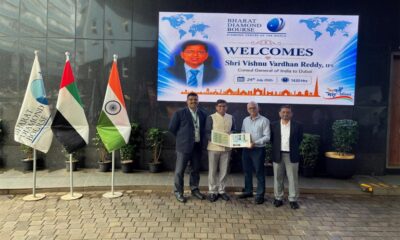
India’s Consul General to Dubai, Shri V V Reddy, Interacts with BDB Committee
-
 National News15 hours ago
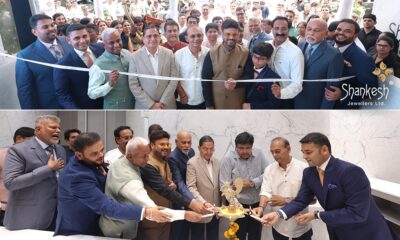
Shankesh Jewellers Ltd. Unveils New Corporate Office at Kalbadevi Road, Mumbai
