DiamondBuzz
De Beers – The New Power Move: Why Natural Diamonds Are The Definitive Daily Essential For The Modern Indian Man
Natural Diamonds Are Emerging As the Ultimate Symbol Of Personal Style, Achievement, and Everyday Luxury For India’s Modern Male Consumer.


Masculine style in 2026 has a new focal point. The conversation around men’s jewellery has moved away from traditional ceremonial wear toward a more personal, everyday expression of identity. Whether it is a signature chain, a sculptural pendant, or a bold ring, natural diamonds have become the primary medium for this new aesthetic.
The data confirms this shift: recent industry research shows that 52% of acquired diamonds in India are now worn every day.
This cultural transformation is most visible where performance meets high-profile style. Indian cricketers are leading the charge, wearing natural diamonds both on and off the field as a mark of their personal journey and quiet confidence. From training sessions to post-match press conferences, icons like Suryakumar Yadav, Abhishek Sharma, and Hardik Pandya treat their bespoke diamond pieces as an extension of their professional “armour.”
This ease with luxury is mirrored globally; Formula 1 icons like Lewis Hamilton have long made natural diamonds central to their paddock style, while the red carpet has seen a surge in unconventional masculine styling. Recent appearances by Jay-Z, who wore a vintage diamond brooch at the collar, highlight that natural diamonds are a core part of the modern fashion vocabulary.
The primary driver of this shift is the Gen Z and Millennial male. Broadly the 18 to 38 age group, this demographic is urban, digitally fluent, and possesses a strong personal aesthetic. Gen Z alone now generates 51% of the total natural diamond market value in India, a 19% increase since 2022.
Most importantly, self-purchase is replacing gifting as the dominant entry point. Men are now research-driven and decisive, choosing to buy natural diamonds to mark professional achievements or simply to refine their daily personal brand.
While Tier 1 metros remain the primary base, aspiration is expanding rapidly into Tier 2 and Tier 3 cities. As high-income Indian households are forecast to grow by 16% through 2030, the male natural diamond consumer of tomorrow is younger, more stylistically confident, and far more willing to invest in himself.
This demand is also shaping a new design language. The lone solitaire stud is being replaced by architectural silhouettes, layered chains, chunky bracelets, and rings with clean, geometric lines. Princess and baguette cuts are increasingly preferred for their sharp, masculine appeal.
As we look toward the next decade, this momentum is only set to accelerate. What began as a styling choice on the cricket pitch has matured into a cultural standard of authenticity and permanence. For the modern Indian man, a natural diamond is more than a luxury, it is an enduring signature of his unique journey.
In an era of fleeting trends, this shift toward the rare and the timeless signals a future where masculinity is defined by a legacy that stays forever.




DiamondBuzz
South African Task Team To Help Struggling Diamond Producers
The South African Government Has Partnered With Mining Industry Leaders To Form A Joint Task Team Aimed At Saving Jobs and Supporting Diamond Producers Facing Severe Market Pressures.
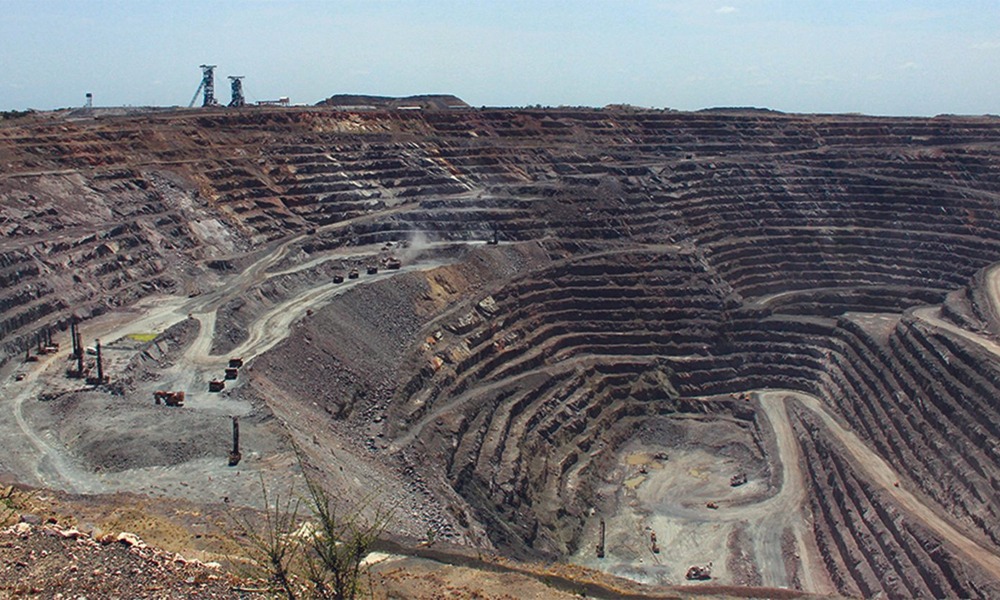
The quick intervention follows major disruptions in the local sector, including Petra Diamonds placing its Finsch mine under business rescue and De Beers announcing a two-year production pause at Venetia, the country’s largest diamond mine.
In a parliamentary reply on October 26, Minister of Mineral and Petroleum Resources Gwede Mantashe confirmed that the team—which includes the Minerals Council South Africa and local diamond producers—will develop strategies to help mines survive current economic headwinds.
The immediate focus is finding practical solutions to protect operations across the entire sector, especially junior and small-scale miners who are being hit the hardest,
Key Industry Challenges
The local diamond sector faces a combination of falling global prices, rising operating costs, and intense competition from lab-grown synthetic diamonds. Official figures highlight the severity of the crisis:
Production Downturn: South African diamond output dropped 19.5% year-to-date through August.
Commodity Slump: According to Statistics South Africa, diamond mining was the weakest-performing mining sub-sector in August, with output falling 23.0% in the three months ending August compared to the previous three months.
Significant Mine Reductions: De Beers reported a 37% year-on-year drop in South African production for Q3 2026 (down to 418,000 carats) as operations wrap up ahead of Venetia’s pause. De Beers expects zero further production in South Africa for the remainder of 2026.
Price Pressures: Lower market values and a strong South African rand reduced average tender prices at the Finsch mine from $56 to $47 per carat, making ongoing operations unviable under current conditions.
The task team will focus on measures to ease cost pressures and address global market shifts. Further details regarding the team’s specific work plan, timelines, and financial resources will be announced as proposals are finalized.


Antistatus and Vandals: Jewellery For The Rebellious and The Defiant

Kushals Fashion Jewellery Celebrates The Festival Of Lights With New Diwali Collection

Keemti Jewels Continues Retail Expansion In Chhattisgarh With New Store Launch In Bhilai

Dhanteras Shopping Guide 2026:Gold, Silver, Diamonds & Festive Jewellery Trends To Watch

From Diya Puja To Diwali Soirées: Jewellery Designed To Go Beyond The Festive Season

The Solenne Collection: A Celebration Of Diwali By Bharti Bangur Fine Jewels
-
 JB Insights1 week ago
Dhanteras Shopping Guide 2026:Gold, Silver, Diamonds & Festive Jewellery Trends To Watch
-
 BrandBuzz1 week ago
From Diya Puja To Diwali Soirées: Jewellery Designed To Go Beyond The Festive Season
-
 BrandBuzz1 week ago
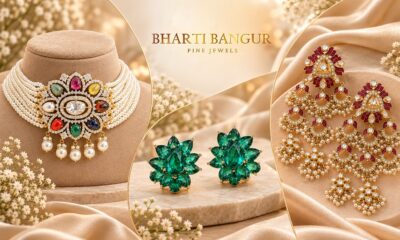
The Solenne Collection: A Celebration Of Diwali By Bharti Bangur Fine Jewels
-
 National News1 week ago
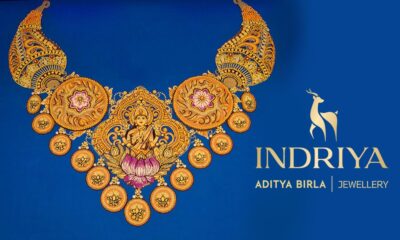
Indriya, Aditya Birla Jewellery Unveiled India’s Largest Sustainable Jewellery Rangavalli