
JB Insights
Silver Show Of India – 4th Edition, Bengaluru concludes successfully
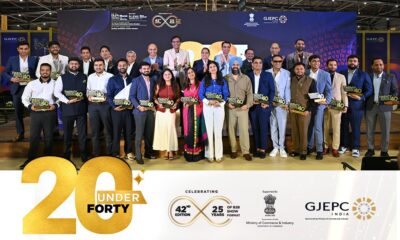
Silver Show Of India (SSI) – 4th Edition Bengaluru once again reiterated how the show has been an agent of transformation for the silver jewellery and articles segment.

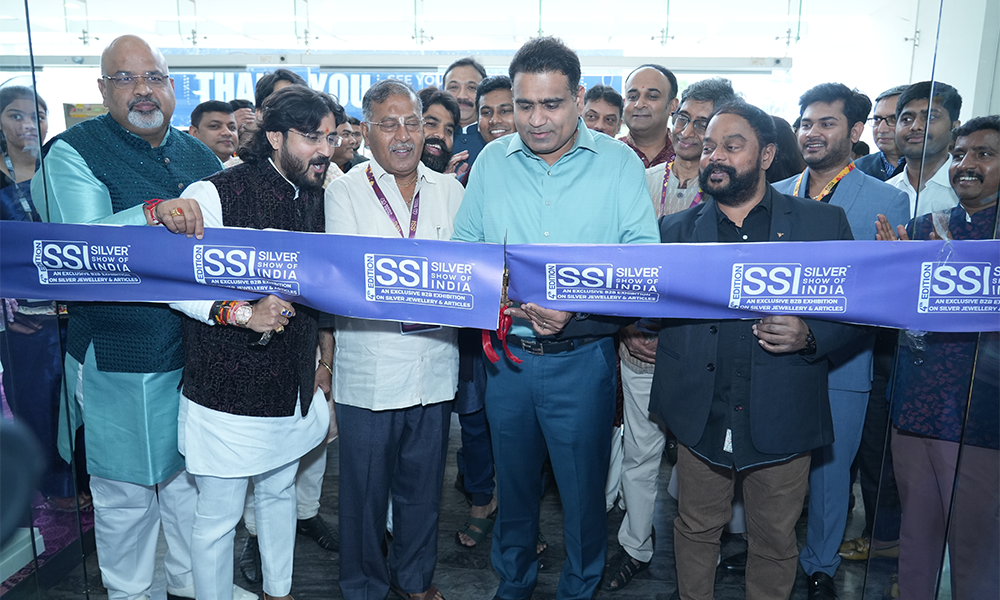

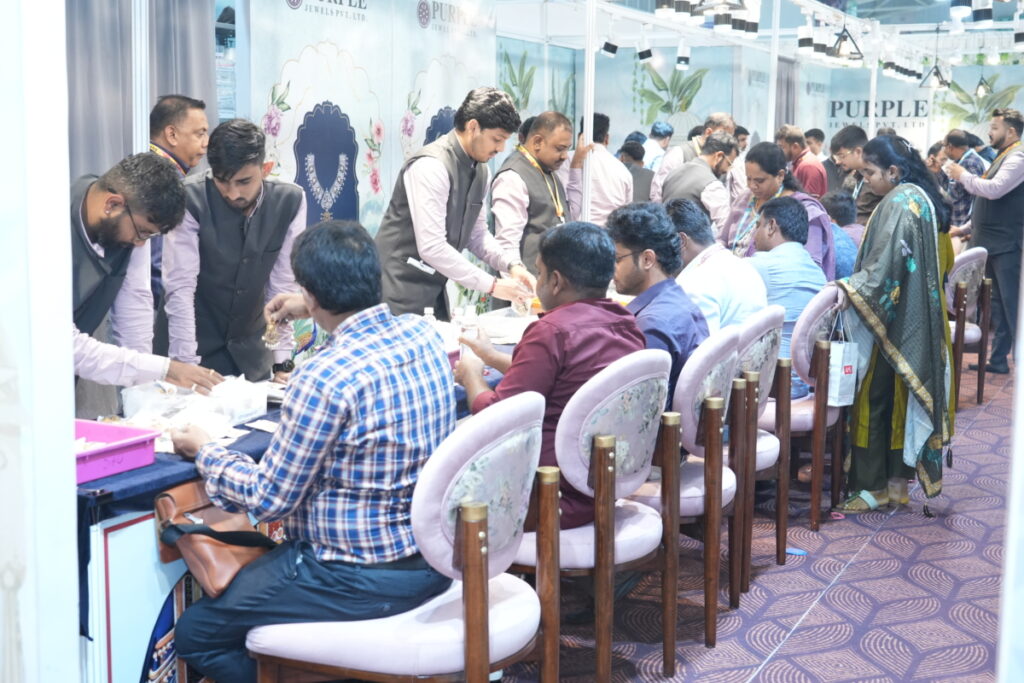
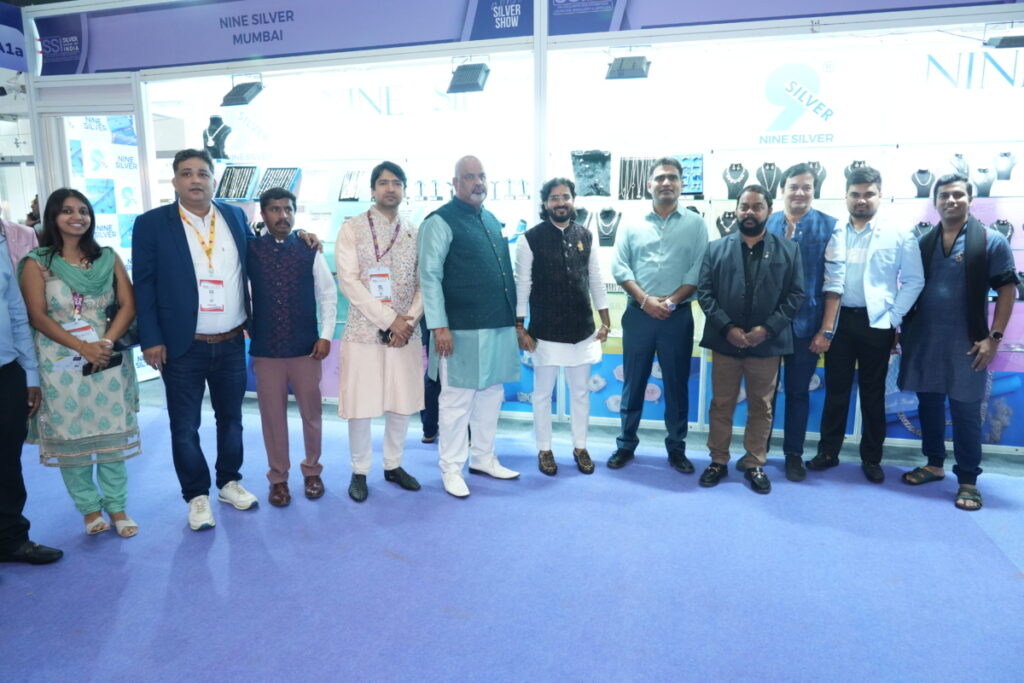
This edition of SSI featured 220 exhibitors across various segments and saw around 11000 visitors in attendance. Besides Karnataka and south India, visitors came from all major silver manufacturing centres across the country.
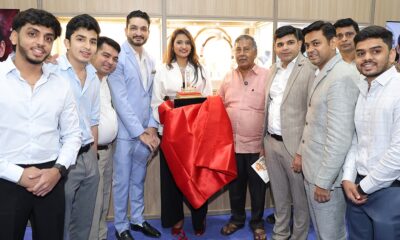
SSI-4th Edition was formally inaugurated at BIEC, Bengaluru by Chief Guest Rajesh Kalyanaraman, Executive Director -Kalyan Jewellers in the presence of Guests of Honour Dr T A Sharavana, Member -Karnataka Legislative Council, Ba. Ramesh, Jt MD -Thangamayil Jewellery Ltd. Present at the inauguration were Dr Chetan Kumar Mehta, President -JAB & President, Jewellery Division- IBJA, Suresh Ganna, Chairman – Exhibitions Committee- JAB, Directors and Silver Committee Members of JAB, Sreekanth Urs, MD – GES India Inc. and dignitaries from the GJ industry.

SSI has been a catalyst for the growth of the silver segment. Corporate retailers to single showroom are all bullish on silver. Stand alone silver jewellery outlets are also the increase. The faith in silver was put into perspective by Rajesh Kalyan, Executive Director -Kalyan Jewellers ; speaking at the inauguration of SSI, said, “We at Kalyan stand focussed on silver. Our product requirements are met, industry is growing and there is great demand from consumer.”
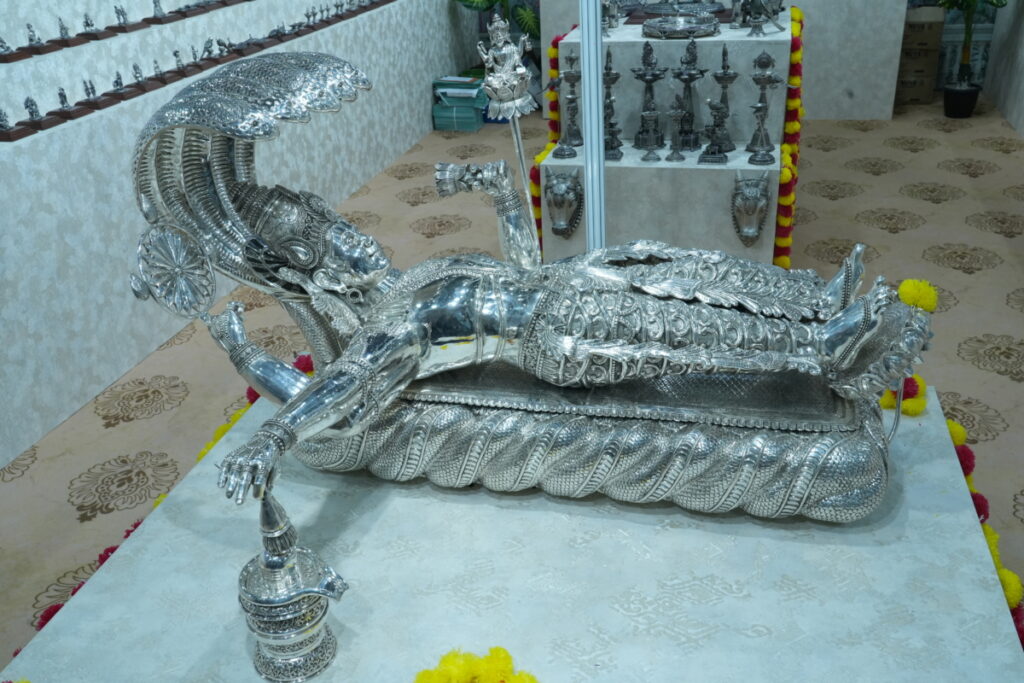
SSI had everything—the finest silver jewellery and artefacts, astounding craftsmanship, artistic masterpieces. The exhibitors, retailers and all others in the value chain are overwhelmed by the demand for silver jewellery, artefacts and articles.
Exhibitors at SSI said that besides staple segments like silver utensils, pooja items and payals and chains, the segment that saw a surge in sales was bridal jewellery. The bridal jewellery and couture jewellery showcased at SSI was opulent and exquisite. And given the surge in gold prices, silver couture jewellery saw many takers.

SSI has given silver the prominence it deserves and put the spotlight on silver. Exhibitors and visitors alike expressed that this is silvers moment. Silver is truly in the spotlight.










JB Insights
Jewellery-Inspired Eyewear Emerges As Fashion’s Latest Luxury Statement
Crystal embellishments, sculptural silhouettes and gemstone-inspired details are redefining luxury eyewear as collectible fashion accessories.

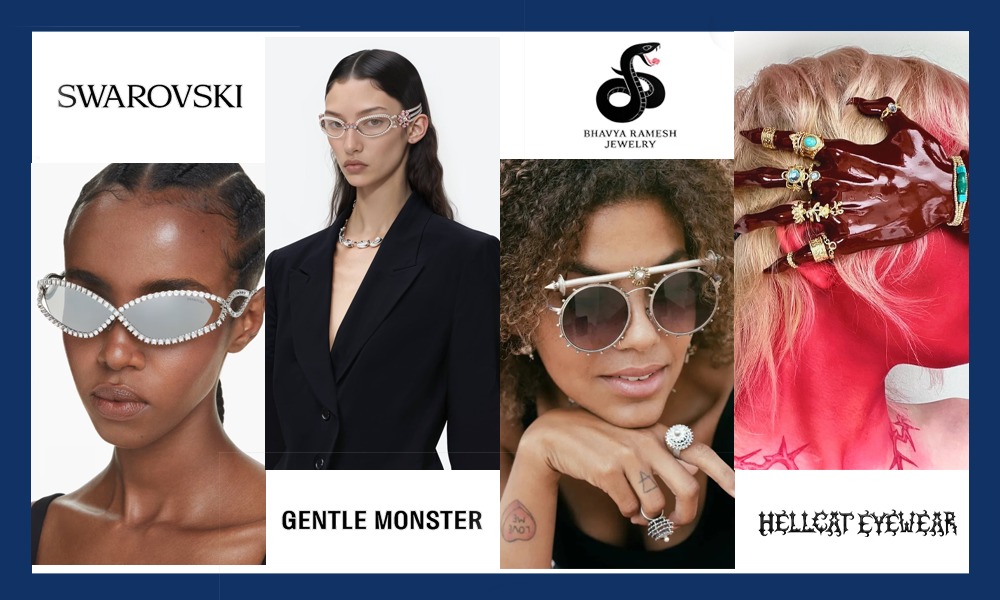
Jewellery-inspired eyewear is emerging as one of fashion’s biggest trends, with luxury sunglasses becoming statement accessories that go far beyond sun protection. Designed with crystal embellishments, sculptural silhouettes and jewellery-inspired detailing, these pieces are transforming everyday looks into standout style statements.
From weddings and brunches to holidays, race days and special occasions, statement eyewear is becoming an essential fashion investment. More than just accessories, these designs are meant to spark conversations, complement personal style and elevate any outfit.
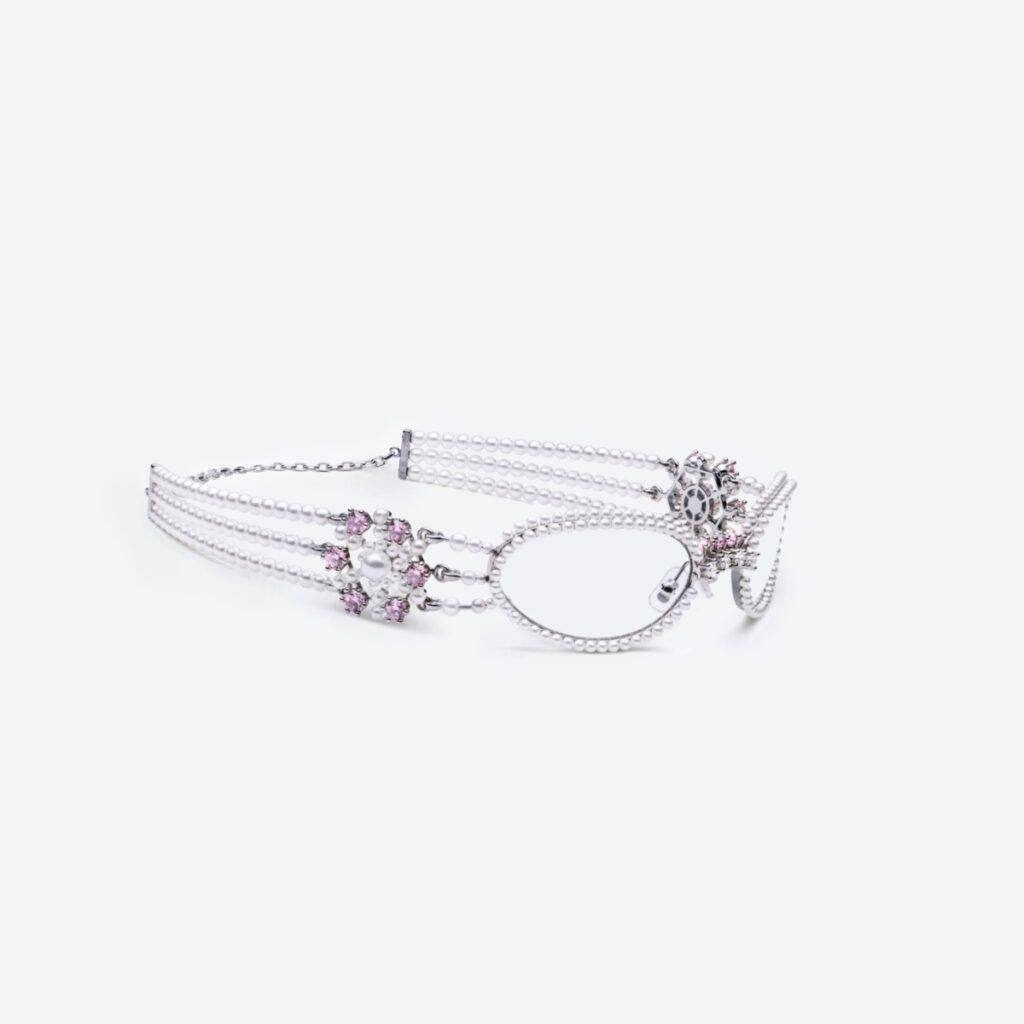
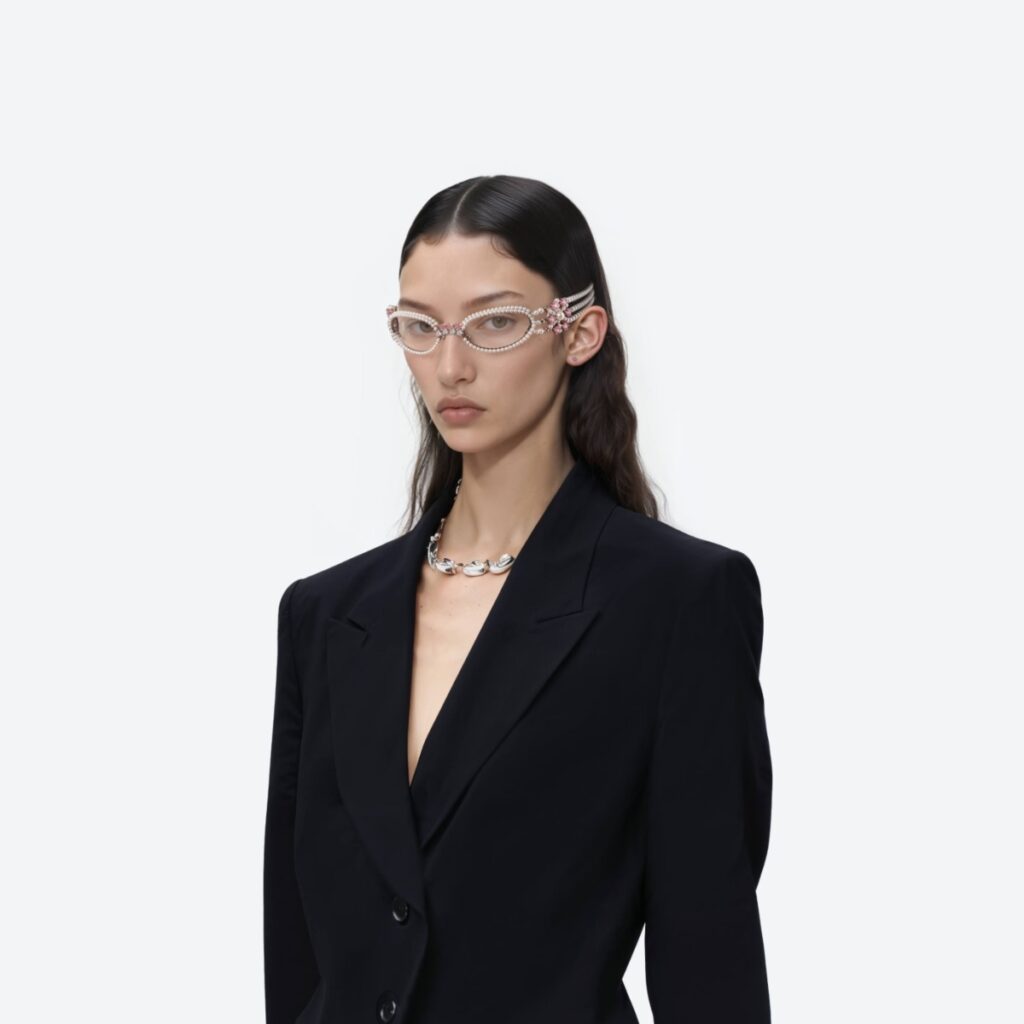
Among the standout names driving this trend is Gentle Monster, whose Bijou De 02 from its 2025 Jewelry Collection features an oval silver-metal frame inspired by precious jewellery. The collection reimagines eyewear as wearable jewellery with intricate structural detailing, making each piece both a fashion accessory and a design object.
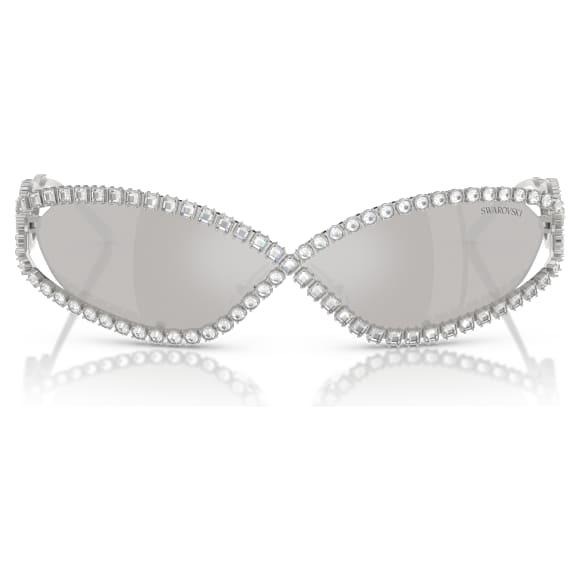
Swarovski continues to elevate crystal-studded eyewear with its Mask Shape SK7024, inspired by the brand’s Hyperbola jewellery family. The wraparound design incorporates flowing silver-tone curves adorned with round- and square-cut crystals, reflecting Swarovski’s signature approach to crystal craftsmanship.
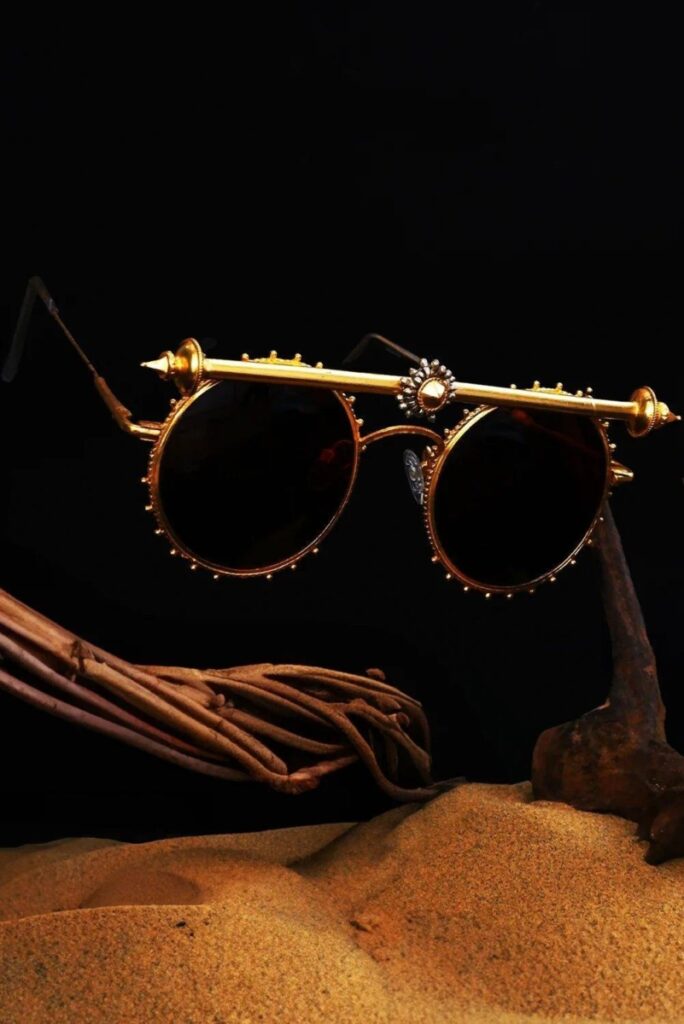
Indian designer Bhavya Ramesh brings handcrafted artistry into eyewear with the Hysteria Sunglasses, featuring sterling silver, tribal-inspired metalwork, brass ghungroos and intricate handcrafted detailing by Jaipur artisans. The design celebrates India’s jewellery-making traditions while offering a bold contemporary aesthetic.
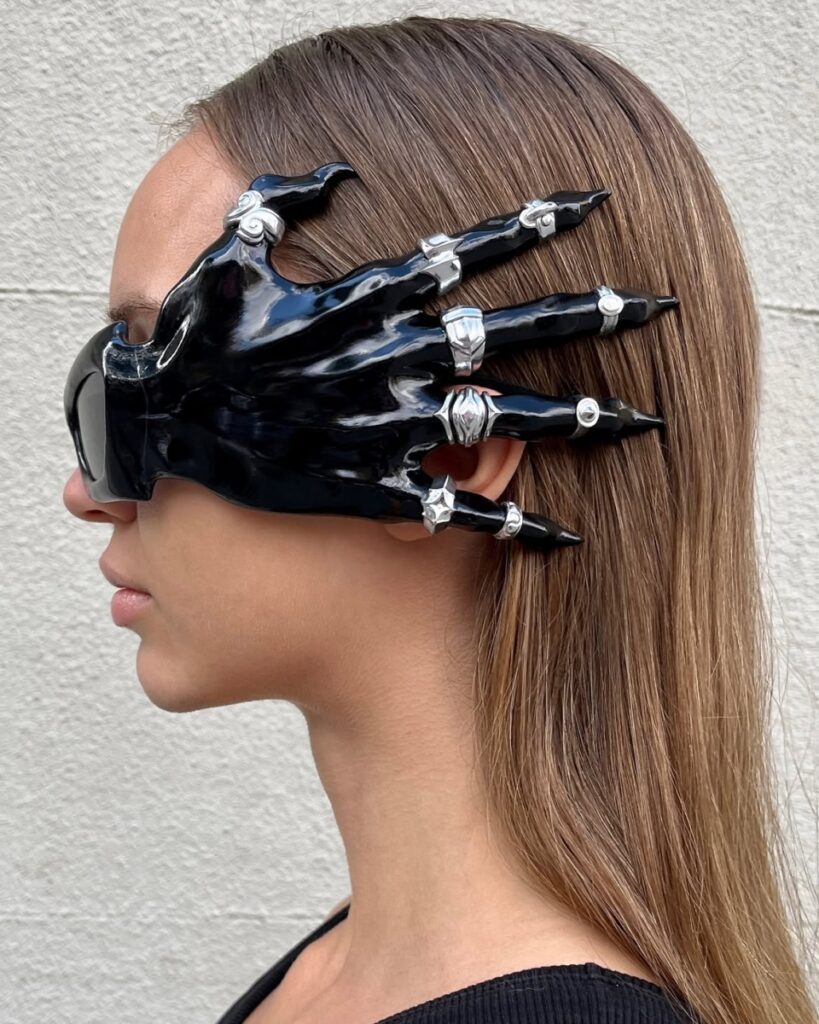
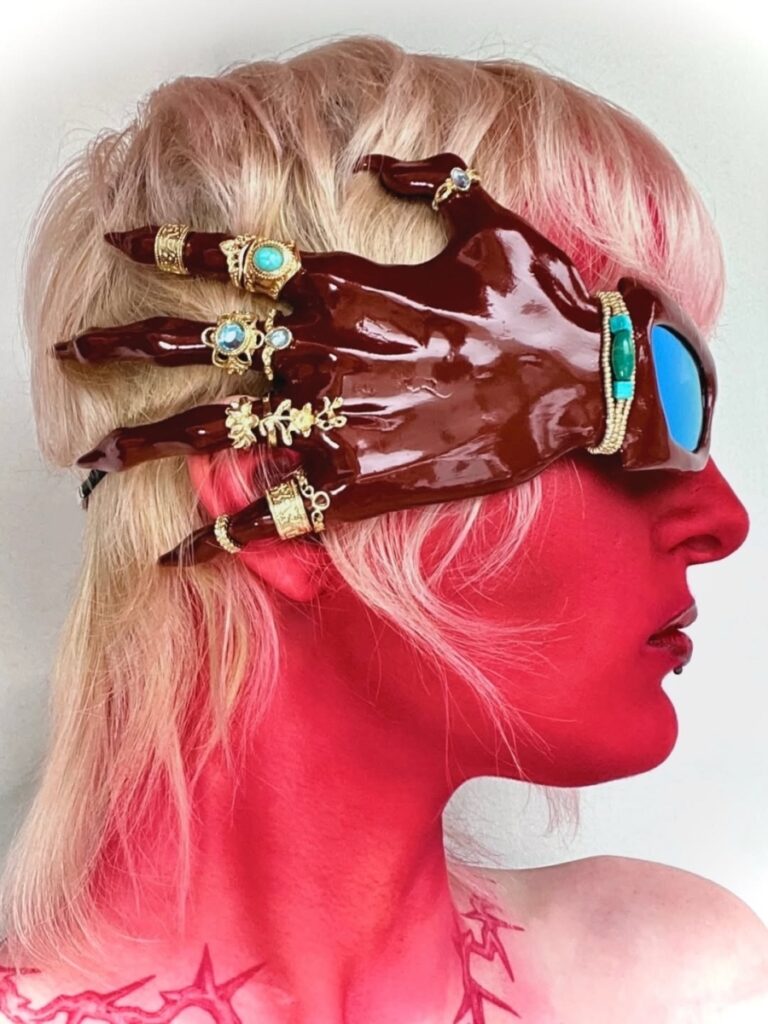
Hellcat Eyewear’s Red Hand Sunglasses embrace the growing trend of sculptural, jewellery-inspired frames with bold artistic detailing, reflecting fashion’s shift towards statement eyewear that doubles as wearable art.


-

 National News1 hour ago
MCX Gold and Silver Decline Sticky Inflation Fears
-
 DiamondBuzz58 minutes ago
Lucara Sells 2,488-Carat Motswedi,The World’s Second-Largest Diamond
-
 International News20 minutes ago
Sabyasachi, The Metropolitan Museum Of Art Partnered For A Multi-Year Collaboration
-
 BrandBuzz4 hours ago
Nebula By Titan And Tarun Tahiliani Unveil Phool Chadar: Modern Heirlooms For India’s Wedding Season
