
JB Insights
Silver Show Of India – 4th Edition, Bengaluru concludes successfully
Silver Show Of India (SSI) – 4th Edition Bengaluru once again reiterated how the show has been an agent of transformation for the silver jewellery and articles segment.

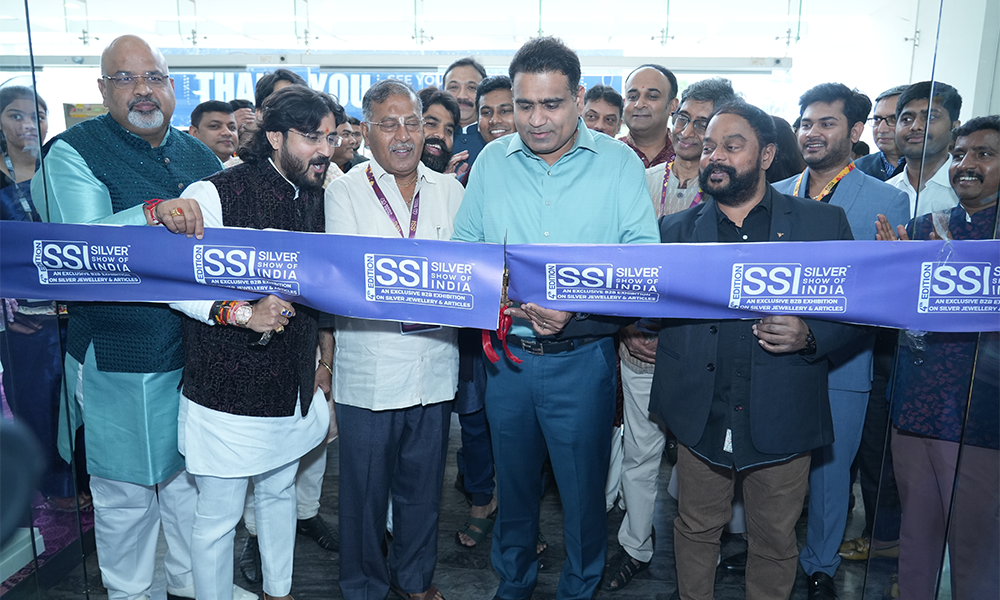

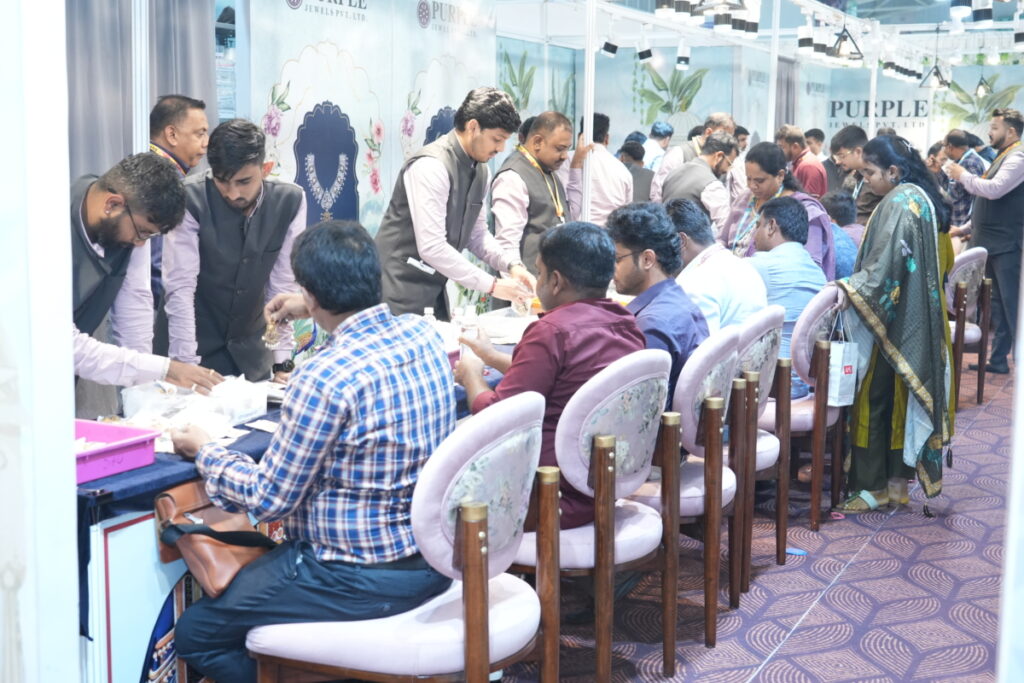
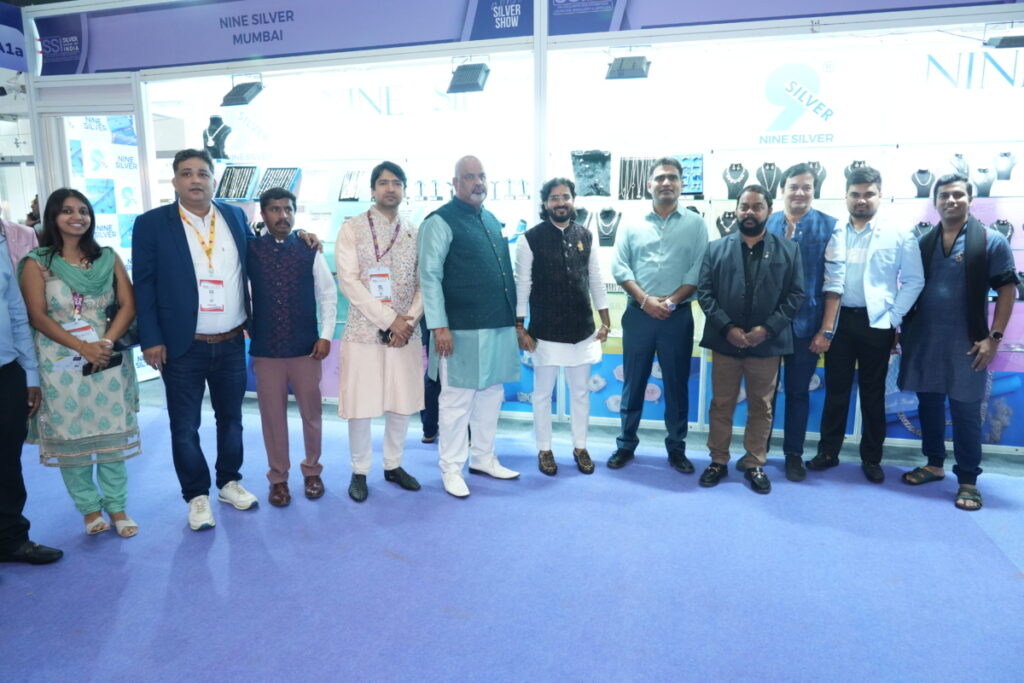
This edition of SSI featured 220 exhibitors across various segments and saw around 11000 visitors in attendance. Besides Karnataka and south India, visitors came from all major silver manufacturing centres across the country.
SSI-4th Edition was formally inaugurated at BIEC, Bengaluru by Chief Guest Rajesh Kalyanaraman, Executive Director -Kalyan Jewellers in the presence of Guests of Honour Dr T A Sharavana, Member -Karnataka Legislative Council, Ba. Ramesh, Jt MD -Thangamayil Jewellery Ltd. Present at the inauguration were Dr Chetan Kumar Mehta, President -JAB & President, Jewellery Division- IBJA, Suresh Ganna, Chairman – Exhibitions Committee- JAB, Directors and Silver Committee Members of JAB, Sreekanth Urs, MD – GES India Inc. and dignitaries from the GJ industry.

SSI has been a catalyst for the growth of the silver segment. Corporate retailers to single showroom are all bullish on silver. Stand alone silver jewellery outlets are also the increase. The faith in silver was put into perspective by Rajesh Kalyan, Executive Director -Kalyan Jewellers ; speaking at the inauguration of SSI, said, “We at Kalyan stand focussed on silver. Our product requirements are met, industry is growing and there is great demand from consumer.”
SSI had everything—the finest silver jewellery and artefacts, astounding craftsmanship, artistic masterpieces. The exhibitors, retailers and all others in the value chain are overwhelmed by the demand for silver jewellery, artefacts and articles.
Exhibitors at SSI said that besides staple segments like silver utensils, pooja items and payals and chains, the segment that saw a surge in sales was bridal jewellery. The bridal jewellery and couture jewellery showcased at SSI was opulent and exquisite. And given the surge in gold prices, silver couture jewellery saw many takers.

SSI has given silver the prominence it deserves and put the spotlight on silver. Exhibitors and visitors alike expressed that this is silvers moment. Silver is truly in the spotlight.









JB Insights
Devotion, Heritage & Diversification: The defining trends of SSI Delhi’s 3rd Edition
From sacred artistry to lifestyle-driven expansion, how top exhibitors bridged timeless tradition with modern market demand.
Spirituality as a design anchor
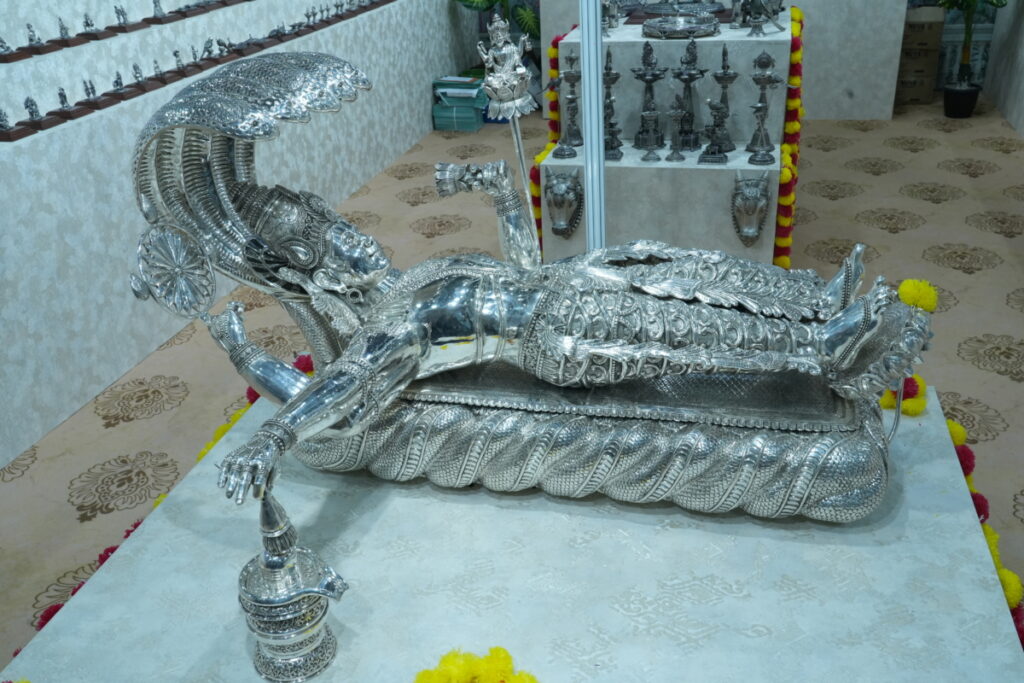
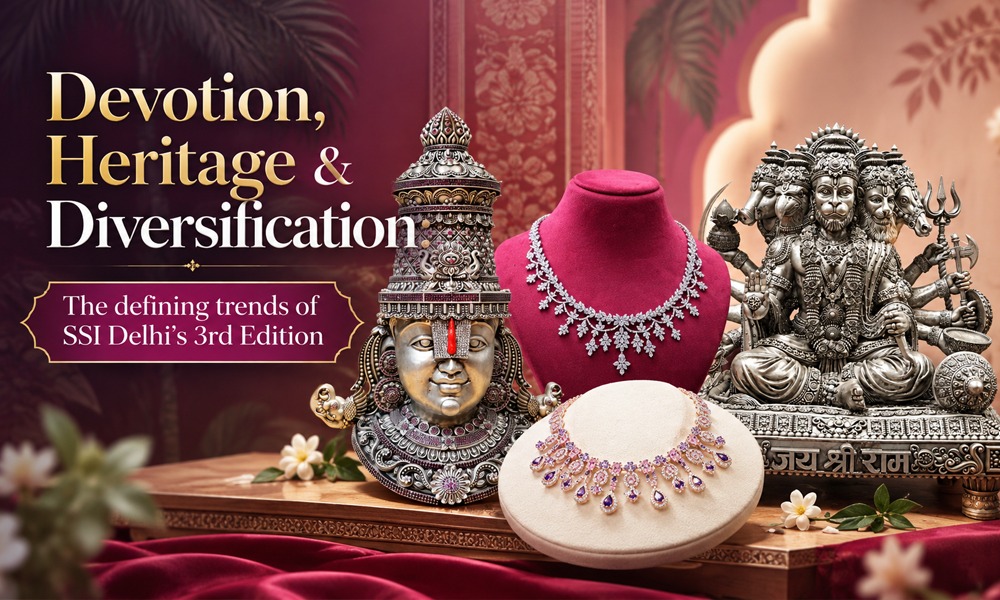
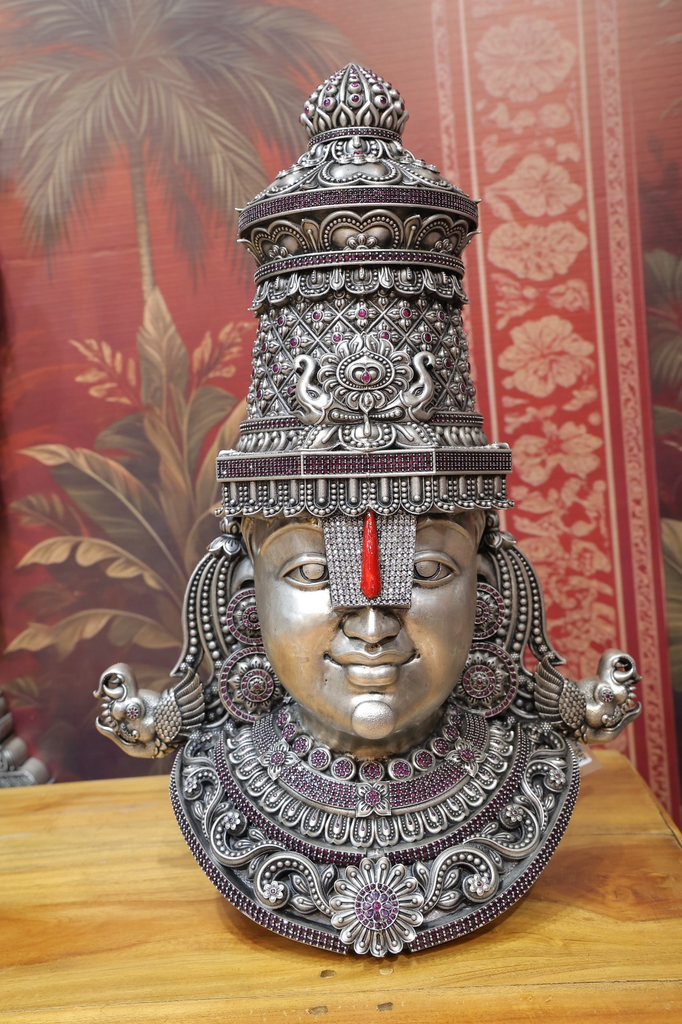
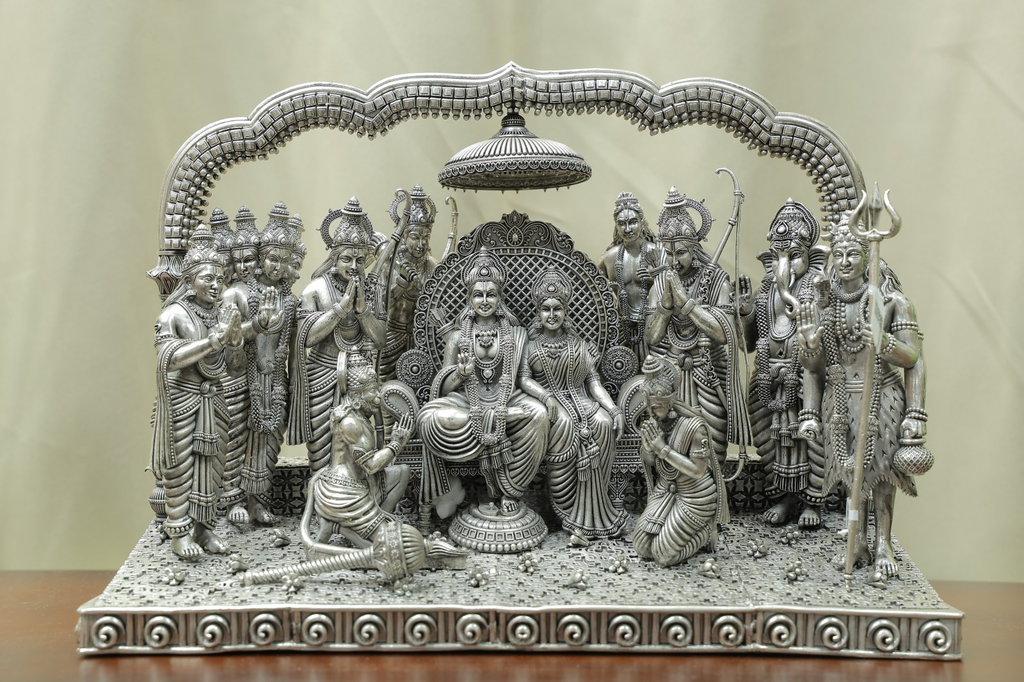
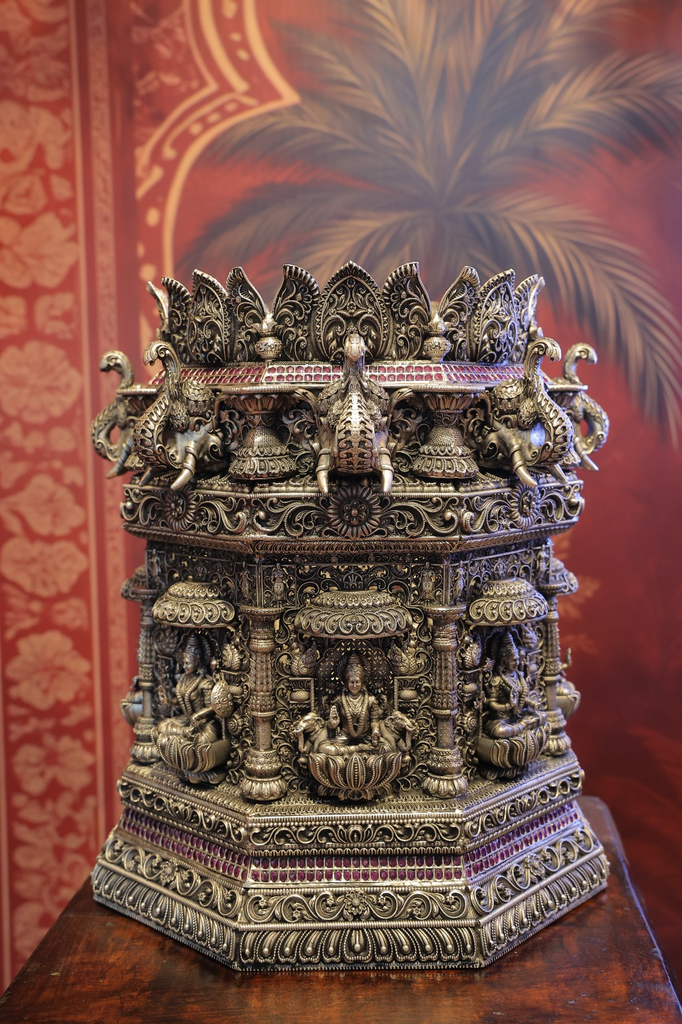
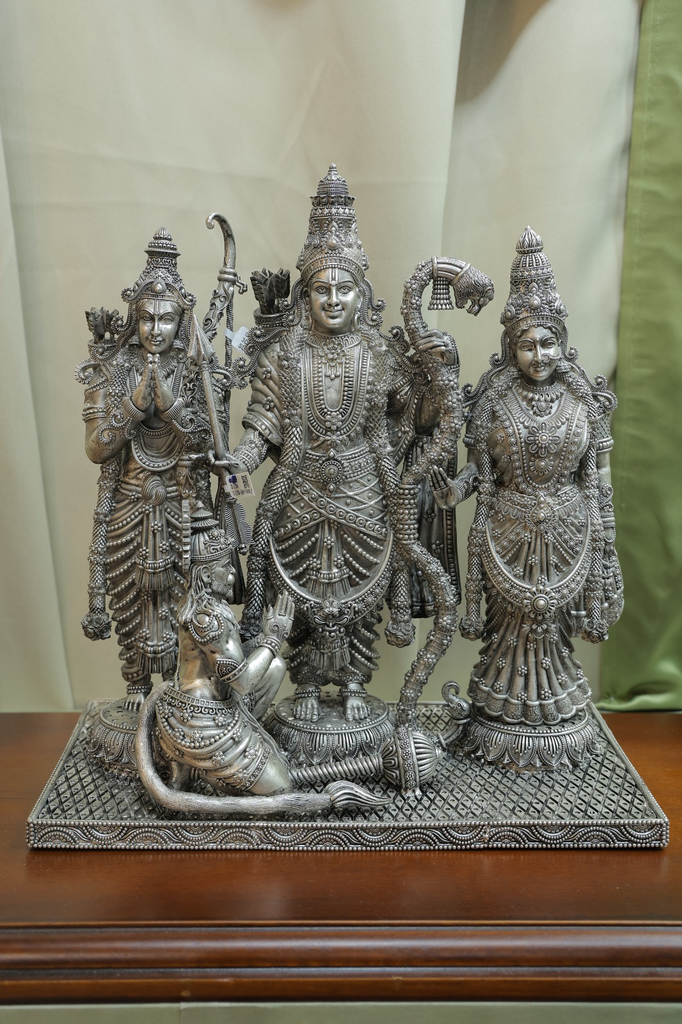
Devotional and spiritual artistry emerged as the single strongest thread of the show. Ricchezza’s Idols Collection, SILORA’s Shrinathji timepiece, Purple Jewels’ Balaji idols and Shiva Lingam, and Anmol Jewellers’ extensive range of silver and gold idols (Vishwarupa, Panchmukhi Hanuman, Ram Parivaar, and more) together show that sacred and devotional pieces are no longer a niche category but a mainstream, premium-positioned offering across exhibitors.
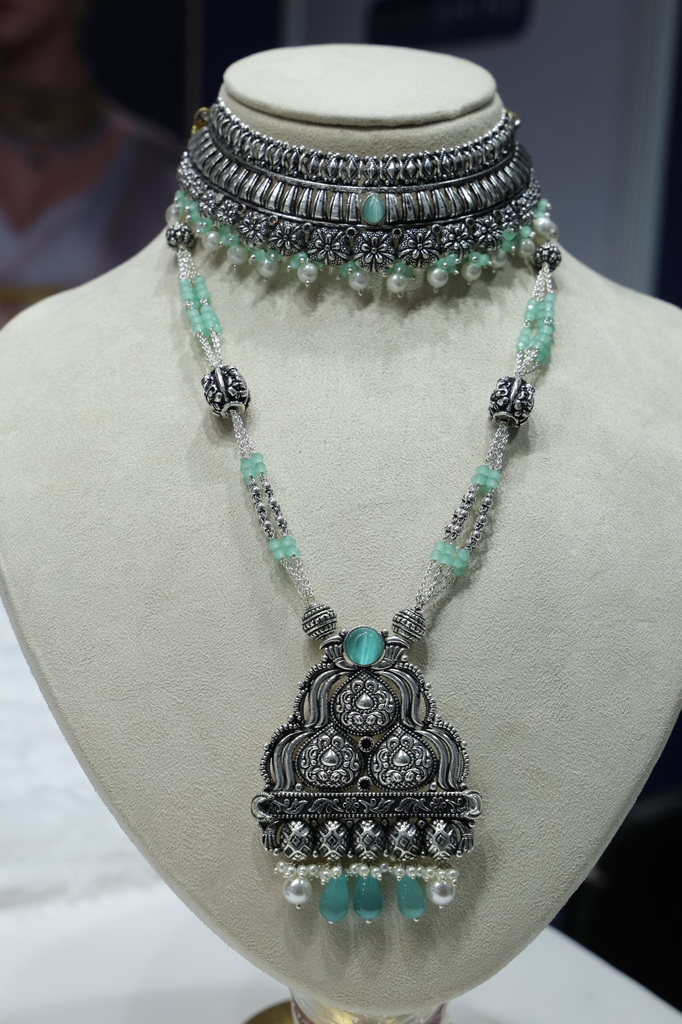
Antique, oxidized and heritage finishes
SILORA’s glorious Antique Finish Collection and Oxidized Silver Jewellery reflect a broader pull toward deep patina, folk-tribal textures, and traditional Indian artistry — a counterpoint to high-polish contemporary pieces and a signal that heritage aesthetics remain commercially strong.
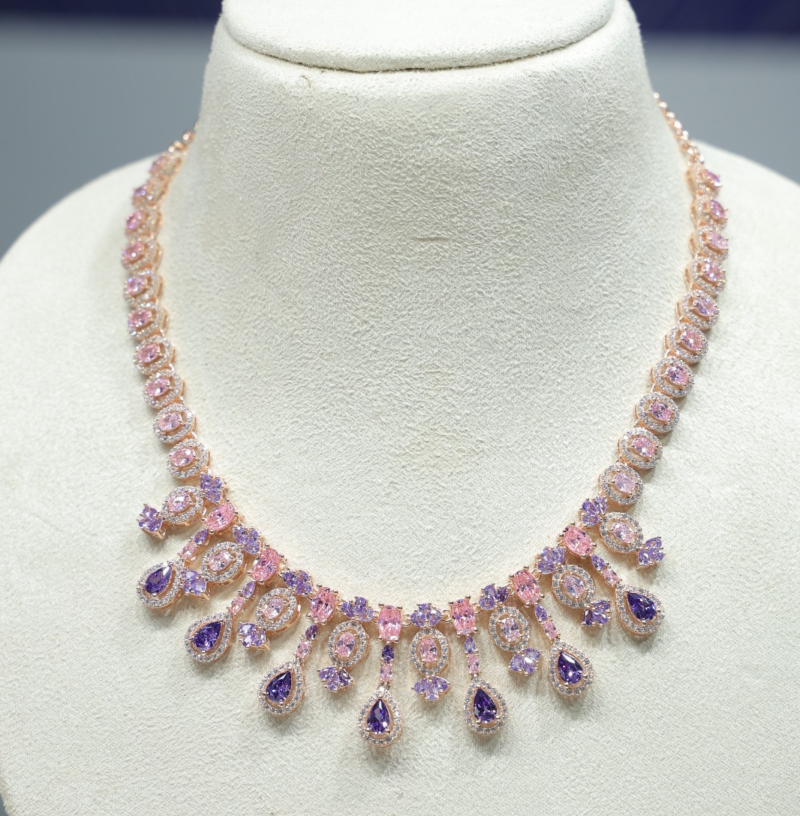
Rose gold’s continued momentum
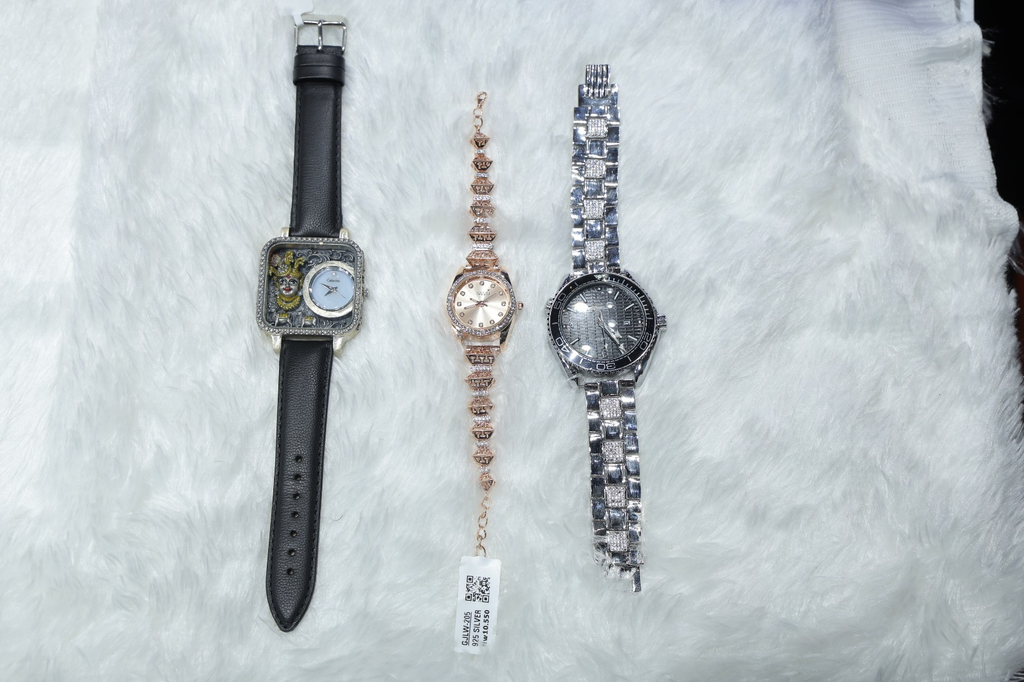
Rose gold surfaced across multiple product types — not just jewellery but also timepieces — as seen in SILORA’s Luxe Rose Gold Finish Jewellery and rose-gold-finished watches, reinforcing its position as a staple modern finish rather than a passing trend.
Category expansion beyond traditional jewellery
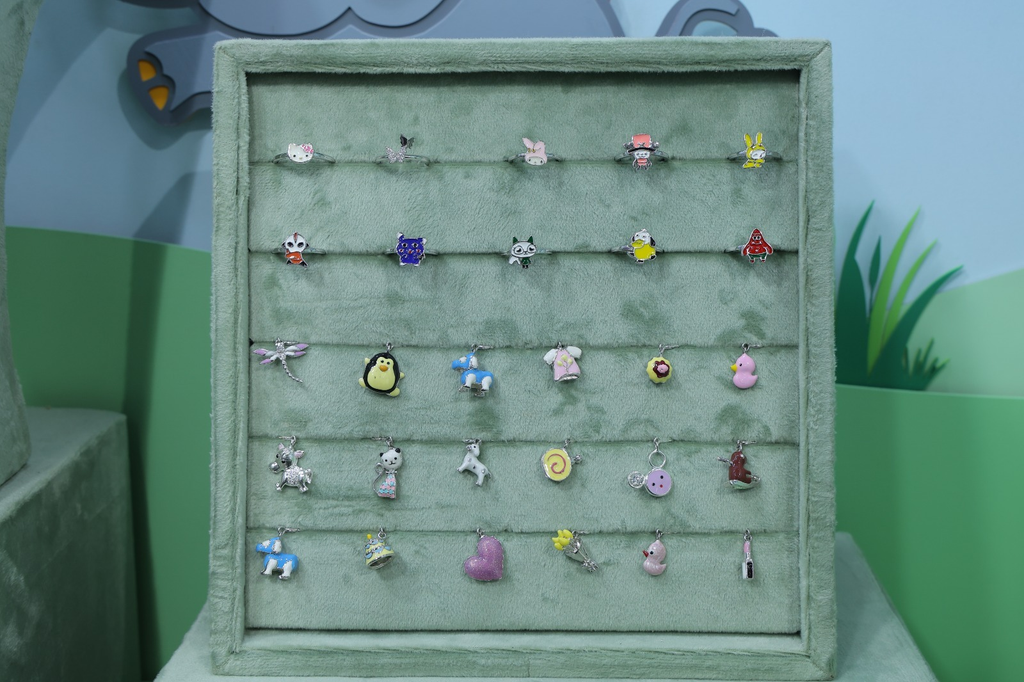
Exhibitors are widening their range beyond rings, chains, and bangles. Ricchezza’s Anamitra line targets infants, while SILORA’s Exclusive Timepieces extend a jewellery brand into horology — both pointing to lifestyle-driven diversification as a growth strategy.
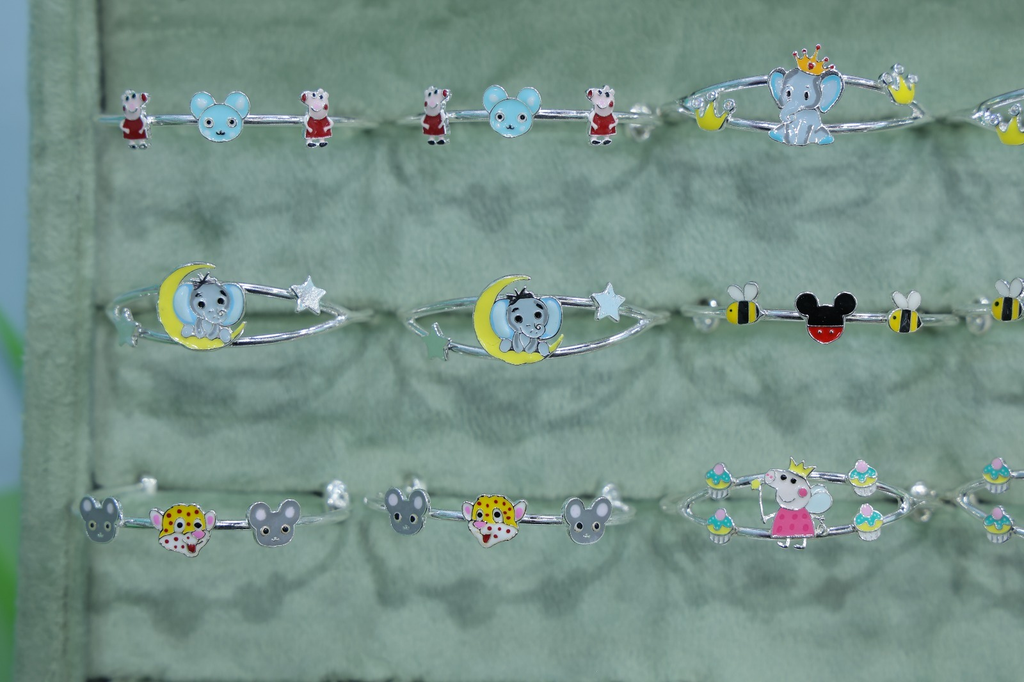
Gender-Specific Design Lines
Distinct masculine and feminine lines were a notable feature, exemplified by Ricchezza’s Cuban Collection (bold, masculine) alongside Tixty (chic, feminine) — indicating that targeted, gender-specific collections continue to be a deliberate merchandising strategy rather than a one-size-fits-all approach.
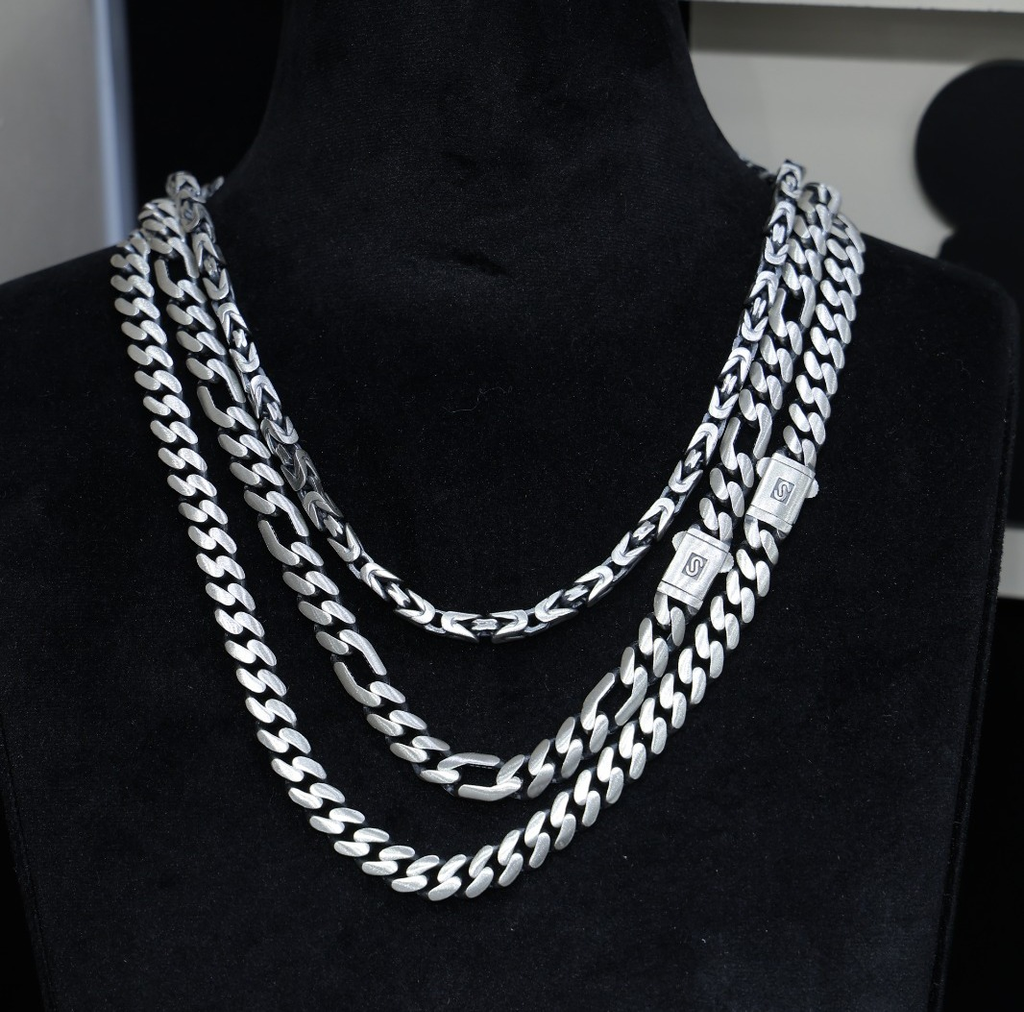
Mastery in Silver Artefacts and Idols
Both Purple Jewels and Anmol Jewellers demonstrated the depth of skill in silver idol-making, from the Saptashwa Vase’s mythological detailing to the technical complexity of Vishwarupa and Panchmukhi Hanuman forms, underscoring silver artefacts as a distinct and thriving craft category alongside wearable jewellery.
Balancing tradition and modernity
Taken together, the exhibitors at the 3rd edition of SSI Delhi painted a picture of an industry balancing tradition and modernity — where antique finishes and devotional artistry sit comfortably alongside rose gold sophistication, gender-targeted lines, and category extensions such as infant jewellery and timepieces. This blend of heritage craftsmanship and contemporary lifestyle relevance appears to be the defining character of the show.



QWEEN Becomes India’s First Jewellery Brand To Introduce 7 Colours Of Gold

A Simple Guide To Silver Investing

Silver Specific Trade Shows, Silver Pavilions Surge Heralds Silver’s Supremacy
A Simple Guide To Silver Investing
QWEEN Becomes India’s First Jewellery Brand To Introduce 7 Colours Of Gold

NSPL Season 2 Launched At SSI DELHI 3rd Edition Featuring SSI As Title Sponsor Season 2 Builds Upon The Inaugural Edition’s Success By Bringing Together Sports, Youth Engagement, and Trade Community Networking
-
 Special Reports12 hours ago
A Simple Guide To Silver Investing
-
 National News9 hours ago
QWEEN Becomes India’s First Jewellery Brand To Introduce 7 Colours Of Gold
-
 JB Exclusive14 hours ago
NSPL Season 2 Launched At SSI DELHI 3rd Edition Featuring SSI As Title Sponsor Season 2 Builds Upon The Inaugural Edition’s Success By Bringing Together Sports, Youth Engagement, and Trade Community Networking
-
 Special Reports13 hours ago
Silver Specific Trade Shows, Silver Pavilions Surge Heralds Silver’s Supremacy
