
By Invitation
Jewellery industry sees Union Budget 2025-26 stimulating consumer demand, streamlining regulations and focusing on growth
Increased disposable income, coupled with stable gold and silver tariffs, is expected to create a favorable increase in jewellery demand


The Indian jewellery industry welcomed the Budget 2025 announcements, particularly the significant increase in the personal income tax exemption limit to ₹12 lakh. This increased disposable income, coupled with stable gold and silver tariffs, is expected to create a favorable increase in jewellery demand. The abolition of Tax Deducted at Source (TDS) and Tax Collected at Source (TCS) on high-value transactions above ₹50 lakh was welcomed for simplifying compliance. The continued focus on supporting the lab-grown diamond (LGD) sector is welcomed.
While some in the industry expressed a desire for clarity on gold tariffs, particularly regarding alloys, the overall sentiment remains positive. The unchanged import duty on gold and silver is viewed as providing stability and predictable pricing for consumers.
Overall, the Budget 2025 is perceived as a positive step for the Indian jewellery industry, with tax relief measures expected to stimulate consumer demand and streamlined regulations fostering a more efficient and transparent business environment.
GJEPC welcomes the recognition of exports as the fourth engine of growth and the new Export Promotion Mission with sectoral and ministerial targets, driven jointly by Union Commerce, Finance & MSME Ministries. This will facilitate easy access to export credit cross border and factor support to MSMEs to tackle non-tariff barriers in exports. GJEPC welcomes the digital public infrastructure, ‘BharatTradeNet’ (BTN) for international trade to be set-up as a unified platform for trade documentation and financing solutions.

The announcement of National Manufacturing Mission & the National Centres of Excellence Skilling furthering ‘Make for India ‘Make for the World’ is positive and is set to have direct benefit to the sector. GJEPC welcomes income tax relief incentives to boost consumer demand. Overall, Union Budget presented by Hon. Finance Minister Smt. Nirmala Sitharaman puts India in the growth path to Viksit Bharat.
Vipul Shah, Chairman, GJEPC
The reduction in personal income tax rates, along with the tax exemption limit raised to 12 lakh, is a positive move that will significantly boost consumer spending and drive demand for jewellery. This increase in disposable income is expected to particularly benefit the gold and branded jewellery sectors.
Additionally, the abolition of TDS and TCS on high-value transactions above *50 lakh will streamline operations, ease compliance burdens, and bring more transactions into the formal, hallmarked market. These reforms will foster transparency, trust, and sustainable growth in the jewellery industry.
Rajesh Rokde, Chairman, GJC


“The reduction in personal income tax rates is a welcome move as it will enhance disposable income, leading to increased consumer spending, including in the jewellery sector. Additionally, the abolition TDS and TCS on specific goods purchases and sales above ₹50 lakh will significantly ease compliance burdens for jewellers and bullion dealers, fostering a more seamless and efficient business environment. These measures will collectively boost industry growth and strengthen consumer confidence.”
Avinash Gupta, Vice Chairman – GJC
Finance Minister has announced a populist Union Budget 2025 with a main aim to continue growth momentum of the Viksit Bharat. There have been no announcements on Gold and Silver import duties as market expected. There are few things specified in the finance bill about increase in tariffs on gold and silver, which is not clear, so we will have to wait for DGFT notifications.
Prithviraj Kothari, MD- RiddiSiddhi Bullions Limited (RSBL)
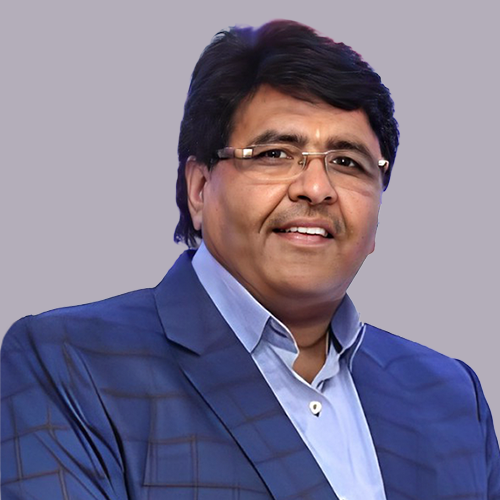

The fiscal budget announced by Finance Minister Nirmala Sitharaman is advantageous for the gold industry as it increases disposable income, encourages spending, and promotes economic growth across various income levels.
Overall, this consumption-led budget prioritises both investments and spending, with the increase in disposable incomes due to an enhanced tax exemption limit expected to boost overall consumer demand, including that for gold and jewellery.
Sachin Jain, Regional CEO, India-World Gold Council
The reduction in tariffs on platinum and findings is a welcome move, but the industry awaits clarity on gold tariffs post-May 1, especially regarding alloys. While no direct duty cuts have been announced, the relaxation of TDS and TCS on high-value jewellery is a step in the right direction. The budget’s consumer-friendly measures, including the extension of the non-taxable income limit to ₹12 lakh, will encourage higher spending and drive growth in the jewellery sector.
Saiyam Mehra, Director -Unique Chains Pvt. Ltd.


There will be no change in the gold, platinum, and silver import duty rates. This stability in duty will greatly benefit the industry. The new tariff lines, set to be introduced on May 1, 2025, will assist the government in levying the correct duty, addressing the confusion that has affected all sectors of gold, silver, and platinum.
Surendra Mehta, National Secretary – IBJA
We sincerely thank the Honourable Finance Minister for presenting a robust budget. The reduction in the customs duty from 25% to 6.4% on platinum findings and the reduction in the tariff rate from 25% to 20% on finished jewellery— is a significant step. We are confident that these measures will stimulate renewed demand and drive growth for platinum in the coming years.”
Vaishali Banerjee, Managing Director – India, Platinum Guild International

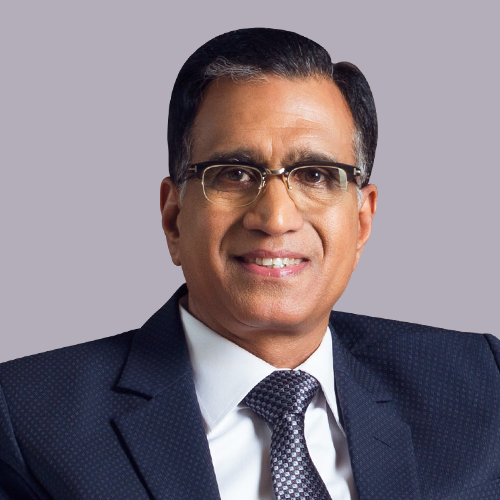
The Union Budget 2025-26 has a laser sharp focus on boosting economic growth. With definitive steps in infrastructure investment and key support for agriculture, manufacturing and urban development, there is a deep commitment to continue on the growth momentum.
As brands continue their growth in the real Bharat, the Centres of Excellence for Skilling, coupled with global skilling partnerships, will add to the available talent pool.
The tax reforms proposed in the Budget will ensure that the consuming class will have enhanced discretionary income in their hands leading to a significant demand stimulus.
TS Kalyanaraman, MD – Kalyan Jewellers
The budget reflects the government’s continued focus on revitalizing consumption, strengthening domestic manufacturing, and fostering job creation. Therefore, the budget has rightly focussed on offering fiscal impulse to boost consumption. With personal income tax reform, it will free up disposable income to boost urban consumption. It will boost the spending power of the middle-income segment and enhance consumer sentiment—both critical drivers of economic growth. For the retail and jewellery sector, a rise in consumption directly translates into stronger demand, fuelling expansion and employment generation.
MP Ahammed, Chairman, Malabar Group


The Budget 2025 reflects a forward-thinking approach with a strong focus on growth, infrastructure development, and social welfare. The significant increase in the income tax exemption threshold is a commendable move. By enhancing the spending power of the middle class, we anticipate a positive ripple effect on consumer demand, which will invigorate various sectors of the economy. I see this budget as a positive sign for future growth and innovation, paving the way for a stronger, more competitive economy.
Dr. B.Govindan, Chairman, Bhima Jewellery- Trivandrum
This budget is a classic bend of boosting the economy in the near term through income tax relief and in the long run through job creation measures (particularly MSME sector which ia biggest job creator). This will help sustain the growth momentum. Jewellery industry will benefit from the consumption thrust. Stability in tariffs on Gold and Silver comes as a positive.
Jignesh Mehta, Founder & MD- Divine Solitaires


The budget has set the right objective of driving growth of India by focussing on middle class consumption, agricultural sector that will drive rural demand and rural productivity , focusing on women and youth, that will drive future growth of India . Gold and Silver duty has remained the same, thus that will avoid additional burden on Indian Consumer . Tech development is need of the hour and should be focused, to becoming a more futuristic country . I think the intent is well planned
Suvankar Sen, MD & CEO, Senco Gold & Diamonds
We are deeply grateful to the Finance Minister for increasing the income tax slab from 7.5 lakhs to 12 lakhs, which will significantly boost the flow in the jewellery industry and drive demand from more consumers. As an industry, we are pleased with the decision to maintain the current customs duty. While a 1% GST would have been ideal, we remain hopeful that the Finance Minister will consider this in the months to come.
Anantha Padmanabhan, CMD-NAC JEWELLERS PVT LTD


The Indian government’s proposed income tax relief up to Rs. 12 lakhs is expected to benefit a significant portion of the population.
The government has also addressed concerns raised by the Indian Bullion and Jewellers Association regarding import policy loopholes.
Additionally, the removal of Tax Collected at Source (TCS) will ease business operations, reduce compliance burdens, and promote economic growth. These developments are expected to have a positive impact on the Indian economy, putting it on a growth path.
Deepak Soni, Kartikey Bullion – East India Head- IBJA
We welcome and commend the government’s efforts to reduce income tax for the middle-class households which would facilitate more savings and also increase their purchasing power.
The reduction of the Basic Customs Duty on Platinum findings from 25 per cent to 6.4 per cent is a welcome step for the jewellery industry.
This inclusive budget with special focus on investing in people by setting up National Centres of Excellence for skilling with global expertise and partnership will strengthen many industries including gems and jewellery industry.
Amarendra Vummidi, Managing Partner, VBJ











By Shivaram A
The Core Issue
The owner carries the entire risk of the business — investment, gold stock, working capital, loans, everything is in their name. The long-term asset also belongs to the owner — reputation, brand, the customer base built over years, often meant to pass to the next generation. But the moment that matters most — when the customer is standing at the counter, when trust is being built or broken — that moment is entirely controlled by the staff.
The person with the most risk is not present at the decisive moment. And the person with the least to lose holds the most power in that moment. This structural mismatch creates frustration on both sides — and it’s rarely discussed openly.
Making the Conflict Explicit
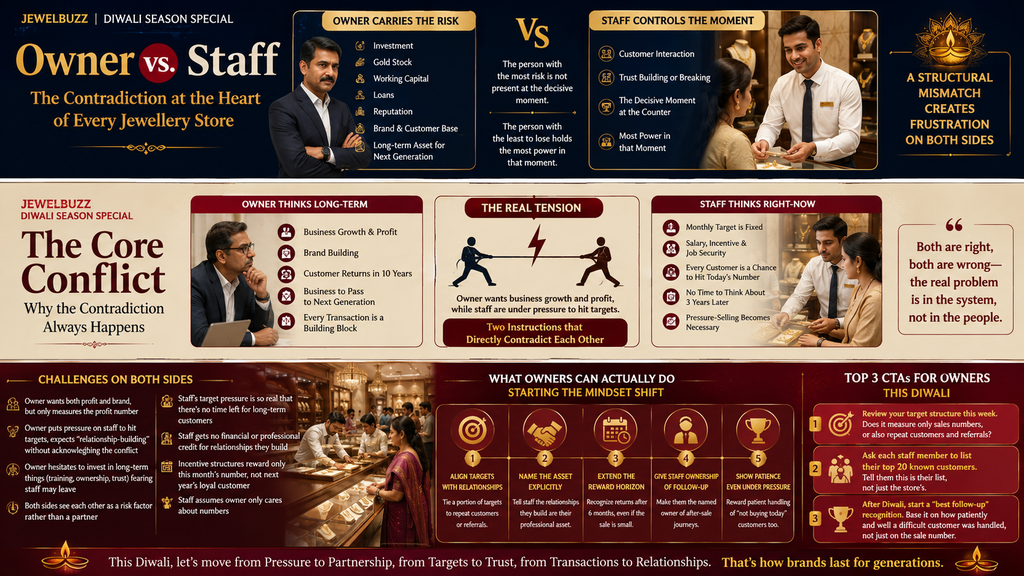
The real tension is this: the owner wants business growth and profit, while staff are under pressure to hit targets.
The owner thinks long-term — how does the brand grow, how does a customer come back after ten years, how does the business pass to the next generation. For the owner, every transaction is a building block toward something bigger.
The staff’s reality is completely different. Their monthly target is fixed. Their salary, incentive, and sometimes even job security depend on how much they sold this month, this Diwali. For staff, every customer is a chance to hit today’s number — right now, this moment. They cannot afford to think about whether this customer comes back in three years, because their performance is reviewed at month-end, not three years later.

So when the owner says “build the relationship, be patient,” and in the same breath increases the target by 20%, these two instructions directly contradict each other. Staff are not confused about what they should ideally do — they understand it perfectly. But they don’t have the choice. The target has to be met, so pressure-selling becomes necessary — even if it means pushing a customer slightly, or using lines like “buy today, rate will go up tomorrow” that create small cracks in trust.
These cracks don’t show up immediately. But after Diwali, when that customer doesn’t return a second time, the owner assumes it’s the staff’s fault. The staff believes the owner set an unrealistic target. Both are right, and both are wrong — because the real problem is in the system, not in the people.
The Challenges on Both Sides
- Owner wants both profit and brand, but only measures the profit number
- Owner puts pressure on staff to hit targets, then also expects “relationship-building” — without acknowledging the two often can’t coexist
- Owner hesitates to invest in long-term things (training, ownership, trust) due to fear that staff will leave anyway
- Staff’s target pressure is so real that there’s no time left to think about the long-term customer
- Staff gets no financial or professional credit for the relationships they build
- Incentive structures reward only this month’s number, not next year’s loyal customer
- Both sides see each other as a risk factor rather than a partner — the owner assumes staff will eventually leave, staff assumes the owner only cares about numbers
What Owners Can Actually Do — Starting the Mindset Shift
- Stop treating targets and relationships as separate — align them. Don’t set targets purely on sales numbers. Tie a small portion of the target to repeat customers or referrals, so staff know that long-term customers count too.
- Name the asset explicitly. Tell staff directly: the relationship you’re building with a customer is your professional asset, not just the store’s. This has to be shown in practice, not just said out loud.
- Extend the reward horizon. Don’t reward only Diwali-week sales — when a customer returns six months later and asks for that staff member by name, recognize that, even if the sale itself is small.
- Give staff ownership of the follow-up. Make each staff member the named owner of their customers’ after-sale journey — repairs, exchanges, the next occasion. This helps them feel the relationship is theirs, not just a transaction.
- Show patience even under pressure. If Diwali week only rewards closed sales, staff will only chase closing. If a staff member who handles a “not buying today” customer well is also appreciated, that’s when the mindset actually starts to shift — because staff notices what the owner actually rewards, not just what they say.
Top 3 CTAs for owners this Diwali
- Review your target structure this week. Does it only measure sales numbers, or does it also give weight to repeat customers and referrals? If not, try a small adjustment starting this Diwali.
- Ask each staff member to list their top 20 known customers. Tell them this is their list, not just the store’s. This builds a sense of ownership.
- After Diwali, start a “best follow-up” recognition. Base it not on the sale number, but on how patiently and well a difficult customer was handled. Staff need to see that patience is rewarded too, not just closing.
Shivaram A
Retail Gurukul


-

 National News2 days ago
Limelight Lab Grown Diamonds Crosses 100 Stores Milestone This Dussehra: Targets 200 In 2027
-

 National News37 minutes ago
Dussehra Jewellery Sales Remain Resilient
-

 National News4 minutes ago
De Beers Q3 Sales Volume Rises 71% Year On Year On Price Cuts
-

 National News28 minutes ago
Gold and Silver Prices Drop Post-Dussehra On Stronger US Dollar
