
International News
Platinum Jewellery demonstrates resilience amidst record price rally
Platinum jewellery is demonstrating notable resilience, supported by substitution trends versus gold

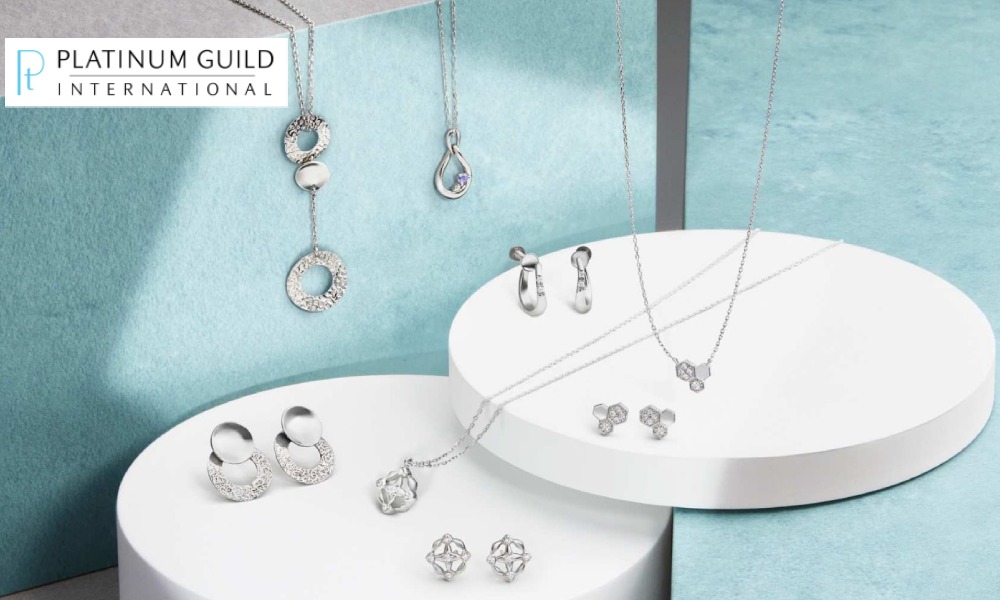
Amid record precious metals pricing and shifting luxury demand dynamics, platinum jewellery is demonstrating notable resilience, supported by substitution trends versus gold and continued strength in the bridal and high-end segments.

Speaking at a recent platinum group metals panel during the Mining Indaba event, Tim Schlick, CEO of the Platinum Guild International (PGI), offered key insights into the global jewellery market. He noted that while the recent price rally presents notable challenges for the sector, platinum has demonstrated remarkable resilience and is successfully capturing opportunities arising from sustained high gold prices.
Key Insights:
- Despite the sharp price rally, platinum jewellery has outperformed gold in multiple markets. While mass-market retailers express growing unease over rising metal costs, the high-end segment and bridal category remain robust, highlighting a shift toward higher-value consumer segments where platinum’s premium positioning remains attractive
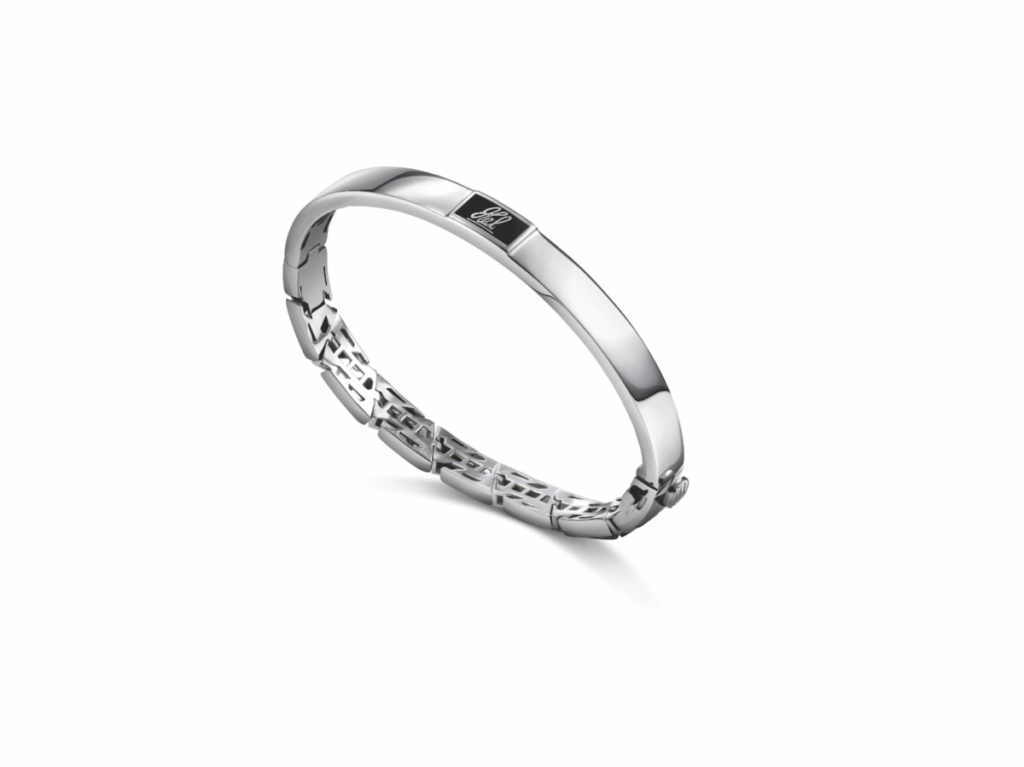
- The rally has significantly impacted Chinese retailers, with some scaling back Q4 promotions after platinum price surged in December 2025. Despite this, a group of PGI retail partners have launched platinum jewellery collections and new SKUs, and a PGI collaborated marketing campaign and shopping carnival with the leading ecommerce platform JD.com at the year-end drove a significant increase in platinum sales value and volume for the 14 participating retailers.
- In the U.S., a broader consumer shift toward spending on precious metals over diamonds – accelerated by the growing market share of lab-grown diamonds – has benefited platinum. While the platinum-to-gold price ratio remains favourable, substitution continues to gain traction. In Europe, despite volatility creating headwinds for the mid-market, the high jewellery segment and bridal market remain resilient. Luxury brands are increasingly exploring platinum for high-quality gemstone settings, attracted by its superior attributes and premium positioning.
- Platinum’s competitive pricing relative to gold, combined with expanded retail networks and co-operative marketing programmes – such as Men of Platinum, Platinum Days of Love, and Platinum Evara – has strengthened trade confidence in India. These initiatives are successfully driving demand among targeted consumer segments and for key occasions, creating new market opportunities and reinforcing platinum’s relevance in the domestic market, and also expanding the platinum jewellery market into the Middle Eastern market, such as the UAE.
- Mild weather and a favourable holiday calendar supported active year-end sales campaigns across Japan. Retailers reported a noticeable increase in platinum jewellery fabrication and assortment, driven by sustained high gold prices and growing consumer interest in the metal.
- In response to rising metal costs, the industry is seeing a wave of product innovation. Leading manufacturers are increasingly turning to advanced technologies—including new alloy development, 3D printing, additive manufacturing, and electroforming.
Looking Ahead:
The Platinum Guild International (PGI) expects the continued favourability of the platinum-to-gold price ratio to further drive substitution, particularly within the bridal and luxury segments. Sustained investment in marketing and product innovation will be instrumental in maintaining global momentum and capturing emerging opportunities.


International News
Fluorescent Diamonds: GIA to Introduce Clearer Guidance
According to GIA, around 25% to 35% of all diamonds show some level of fluorescence. Greater transparency about this significant segment of the market could help improve confidence among both consumers and the jewellery trade.

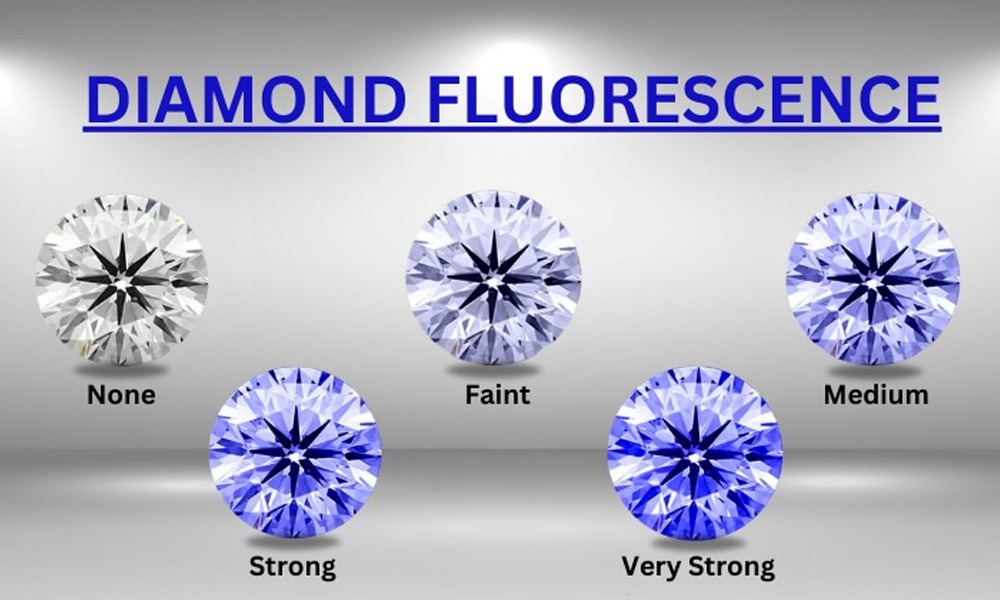
Later this year, the Gemological Institute of America (GIA) will introduce new wording in its diamond grading reports to reduce confusion about fluorescent diamonds. The update, expected in the fourth quarter, is one of the most important steps taken by a grading laboratory to explain this feature more clearly to both the jewellery trade and consumers.
Rapaport Intelligence Report explores what this change could mean for the diamond market. Fluorescence has had a long and complicated history. In the past, fluorescent diamonds often sold at premium prices. However, attitudes changed during the diamond boom of the 1970s and again after a grading controversy in South Korea in the early 1990s. Although later gemological research helped improve confidence in fluorescent diamonds, many buyers still view them negatively, and they often sell at discounted prices.
The report also looks at how these discounts have changed over the past six years through both strong and weak market conditions. In addition, the report explains two key questions: how fluorescence affects a diamond’s appearance and whether it influences its color grade. It also considers whether GIA’s new report comments could change how buyers view fluorescent diamonds.
The report revisits a long-debated issue—does fluorescence really affect a diamond’s beauty, or are today’s concerns mainly based on old perceptions that continue to influence buying decisions?
According to GIA, around 25% to 35% of all diamonds show some level of fluorescence. Greater transparency about this significant segment of the market could help improve confidence among both consumers and the jewellery trade.



Legacy, Loyalty & Local Insight: How Karan Kothari Jewellers Is Shaping Vidarbha’s Jewellery Narrative

Fiona Diamonds: Combining AI, Sustainability, Customization and Allure Of LGD

Reimagining Luxury Jewellery Retail: How Technology Is Empowering The New-Age Indian Consumer

Regal Jewellers appoints Vijay Sethupathi and Simran as brand ambassadors for Tamil Nadu
Reimagining Luxury Jewellery Retail: How Technology Is Empowering The New-Age Indian Consumer
Fiona Diamonds: Combining AI, Sustainability, Customization and Allure Of LGD
-
 JB Insights43 minutes ago
Fiona Diamonds: Combining AI, Sustainability, Customization and Allure Of LGD
-
 JB Insights11 minutes ago
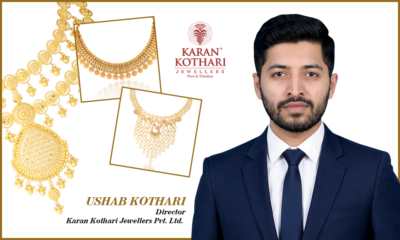
Legacy, Loyalty & Local Insight: How Karan Kothari Jewellers Is Shaping Vidarbha’s Jewellery Narrative
-
 GlamBuzz18 hours ago
Regal Jewellers appoints Vijay Sethupathi and Simran as brand ambassadors for Tamil Nadu
-
 JB Insights1 hour ago
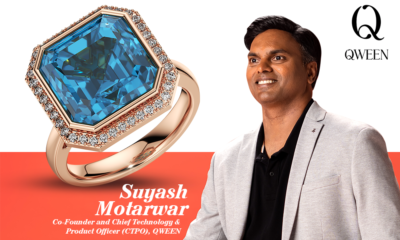
Reimagining Luxury Jewellery Retail: How Technology Is Empowering The New-Age Indian Consumer
