

By Invitation
Building your audience-One contact at a time – By Juhee Jain
Juhee Jain is the founder and CEO of Dibiaa, a company that provides eco-friendly branding and packaging solutions for jewellers.

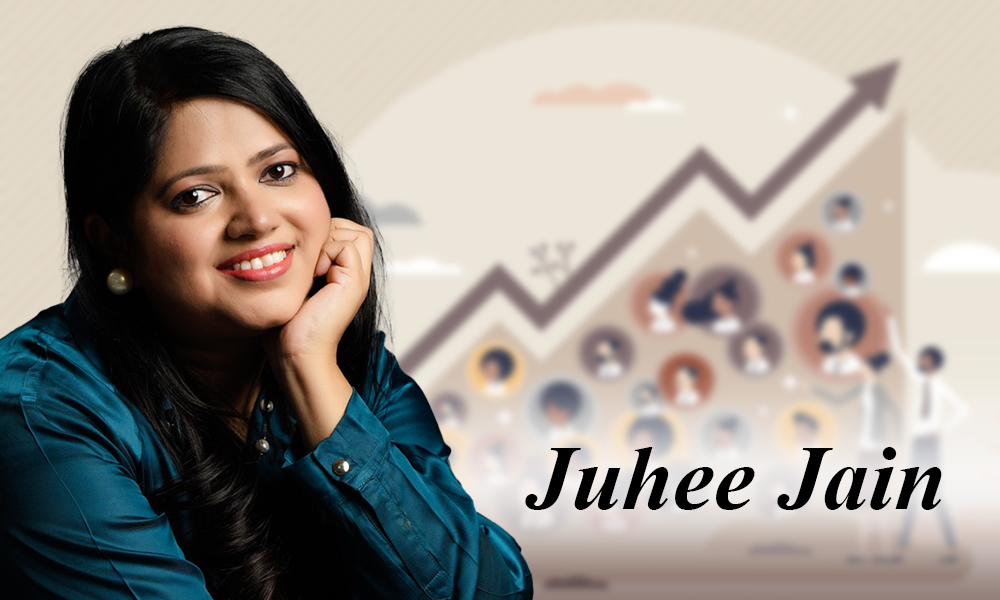
She is the author of “Unboxing Success,” a book that chronicles her entrepreneurial journey and the lessons she has learned along the way.
Juhee is a respected and influential thought leader in her field. She has over 200 regular attendees who benefit from her monthly ‘6C Blueprint’ webinars, where she shares her expertise and insights on the industry.
In my previous article I talked about the importance of regularly communicating with your target audience.
You might be thinking, “Great, but what if nobody’s listening?” Let’s be honest, talking into a void is about as exciting as watching paint dry on the wall.
But here’s the good news: building an audience is no longer reserved for big businesses and celebrities. Forget buying followers or renting email lists – the digital age has given even the smallest entrepreneur the tools to become a magnet for loyal customers.
Think back to the “olden days” – if you weren’t Amitabh Bachchan or Ratan Tata, your message had limited reach. Newspapers and radio were expensive, not always effective, and definitely out of reach for most businesses.
Enter the digital revolution! Platforms like YouTube, Instagram, and even simple email newsletters have empowered ordinary people to build massive followings. Now, I’m not saying you need to become the next social media superstar, but building an audience who trusts you enough to buy from you? That’s definitely achievable.
You can use the following digital tools and platforms to build an audience for your business:
- Mailing list (for email marketing).
- Company blog.
- Social networking platforms.
- Digital media platforms like -YouTube & Facebook
Let’s have a deeper look into the above-mentioned tools and platforms you can tap into.
Building a mailing list
Email marketing delivers impressive returns – over Rs. 32 for every rupee spent. It’s a powerhouse strategy, with 89% of businesses relying on it to generate leads. With the average person checking email 15 times daily, it’s no wonder why.
Cultivating an engaged mailing list takes time and effort, but it can become one of your most powerful digital marketing tools. With a base of opt-in subscribers who want to hear from you, you have a direct line to their inbox to deliver targeted messages when they matter most.
Tactics for list-building include capturing emails from visiting cards, encouraging sign-ups during purchases, and offering incentives like e-books in exchange for email sign-ups on your website.
It takes time – sometimes over a year – to build an effective subscriber list. But the investment pays dividends in the long run.
Company blog
Your company blog is a powerful platform. Firstly, it serves as a potent tool for increasing website traffic by providing fresh, relevant content that attracts visitors and encourages them to explore further. Additionally, a well-maintained blog enhances brand visibility by consistently showcasing your expertise. Your blog also helps you establish you as an industry authority. It attract new visitors and establishes credibility among existing visitors. Once you build traffic, it is a perfect channel for your business.
Social networking platforms
Grabbing attention with your content comes down to three key strategies: choosing the right platform, staying relevant, and being consistent.
Rather than spreading yourself thin across every social network, focus your efforts on the one or two platforms where your target audience is most active. If your research shows your customers hang out on Instagram, make that your social media home base.Once you’ve chosen a platform, stay relevant to your industry and audience. For a jewelry business, for instance, share content centered on jewelry – new trends, materials, celebrity endorsements, care tips, etc. Essentially, stick to topics your followers care about.
Finally, consistency is critical. Post on a regular schedule, whether it’s daily, a few times a week, etc. It takes time before people take notice of your content. Persistently publishing valuable material is what will ultimately grab their attention.
Digital media platforms
These are like YouTube or Instagram reels or YouTube Shorts. Among businesses that spend money on digital marketing, 85% use video. 81% marketers admit increased leads and sales through videos.
The objective here is to gain subscribers for your channel. Publish consistently. Focus on quality and not on quantity. Upload meaningful videos that are relevant to your audience.
Don’t have much time? You don’t need to focus on all the platforms at once. Focus on a single platform and be persistent. My suggestion would be, using your mailing list. It is because these are the people who have already interacted with you. For example, most of the email ids in your database would be from your existing customers or people who have already made queries. They will be more eager to listen to you.
My key point here is: Start building your audience from this very minute. Take at least one step. Every day.







By Invitation
Mangalsutra Revival 2025–26: How India’s wedding boom is powering a new era of cultural jewellery
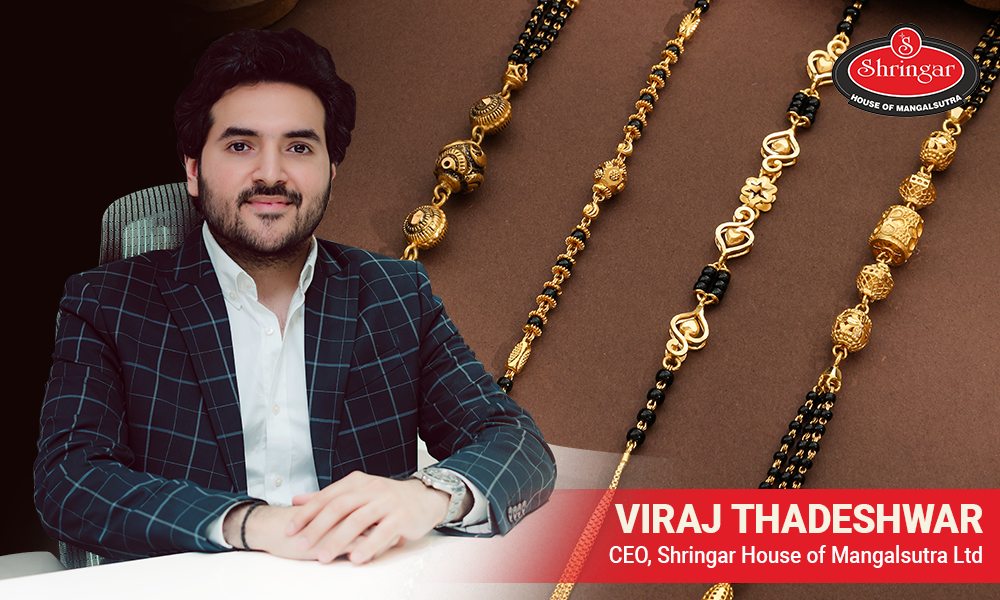
by Viraj Thadeshwar-CEO, Shringar House of Mangalsutra Ltd
A Historic Wedding Season Driving Jewellery Demand
India is entering one of the most robust wedding seasons in recent years, with a record number of auspicious dates and full-scale celebrations making a strong comeback. This renewed vibrancy is expected to fuel significant demand for bridal jewellery across the country.
Weddings continue to remain the single-largest consumption driver for gold and diamond jewellery in India, and 2025–26 is poised to be no different. Retailers are already reporting heightened customer interest and increased pre-bookings for bridal collections, signalling bullish sentiment for the months ahead.
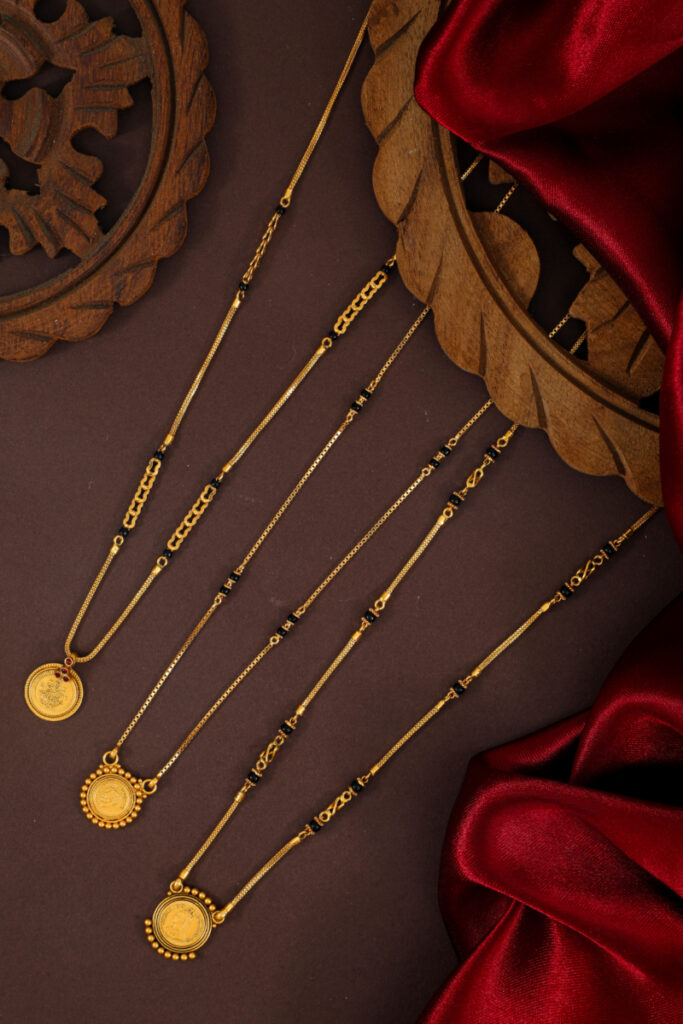
The Mangalsutra: A Timeless Symbol Strengthened by Tradition
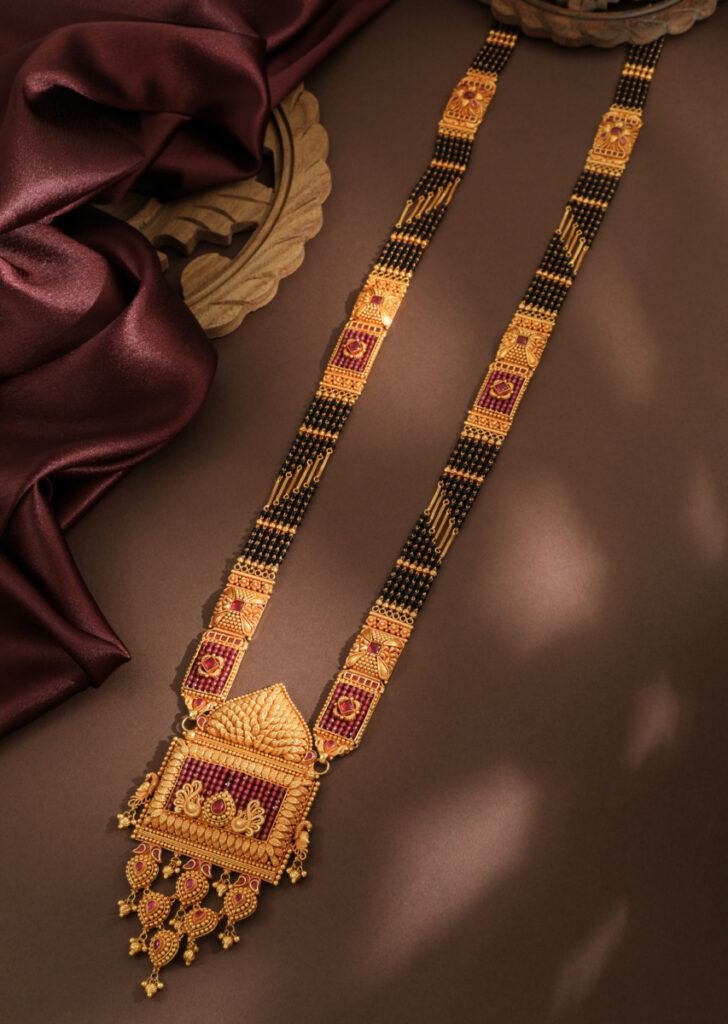
At the core of this surge lies the most meaningful and culturally significant ornament in Hindu marriage — the mangalsutra.
More than a piece of jewellery, it is a sacred symbol of marital commitment, emotional connection, and lifelong partnership.
For generations, the mangalsutra has been considered non-negotiable in a bride’s trousseau. Even as tastes evolve, this deep-rooted sentiment remains unchanged. Every bride, regardless of region or style preference, views the mangalsutra as the ultimate expression of tradition and identity.

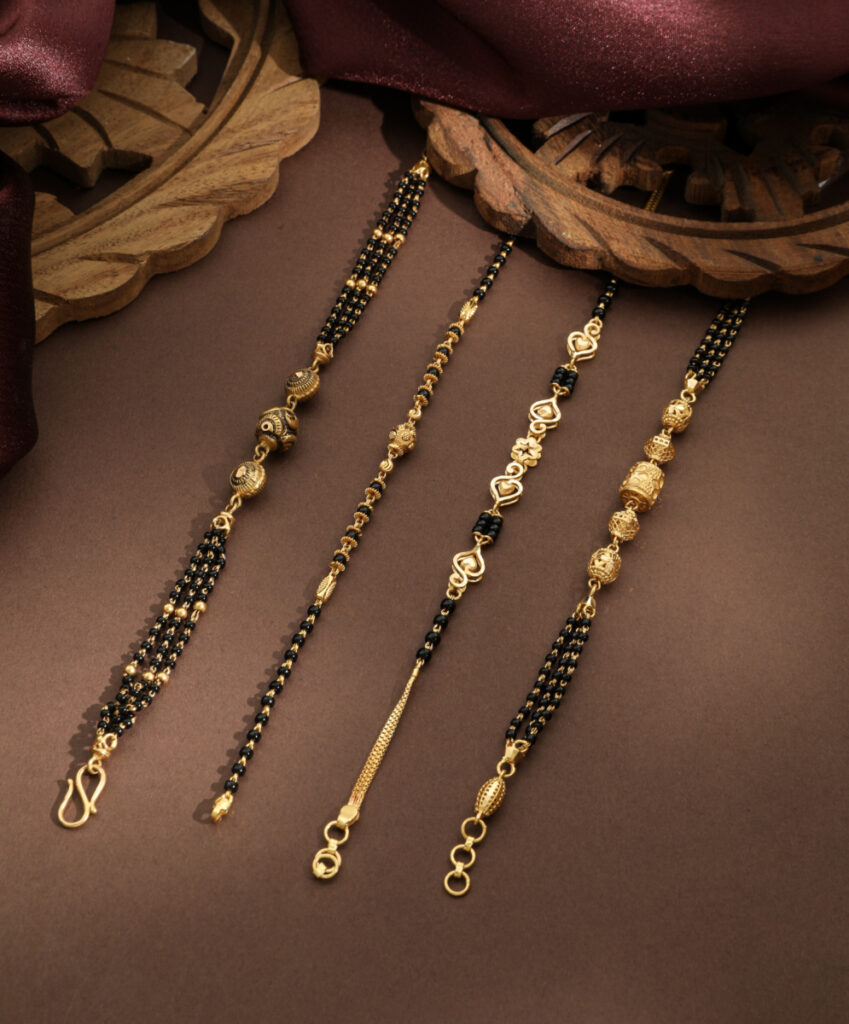
Renewed Traction as Weddings Return to Full Scale
With weddings regaining their pre-pandemic scale, the mangalsutra category is witnessing a strong revival. Retailers across India are expecting double-digit growth this season, driven by cultural significance, modern design innovation, and the desire for multiple variations of this essential ornament.
At Shringar House of Mangalsutra Ltd, this trend is even more pronounced. The brand is witnessing record retailer inquiries nationwide, indicating a clear shift toward curated mangalsutra assortments.
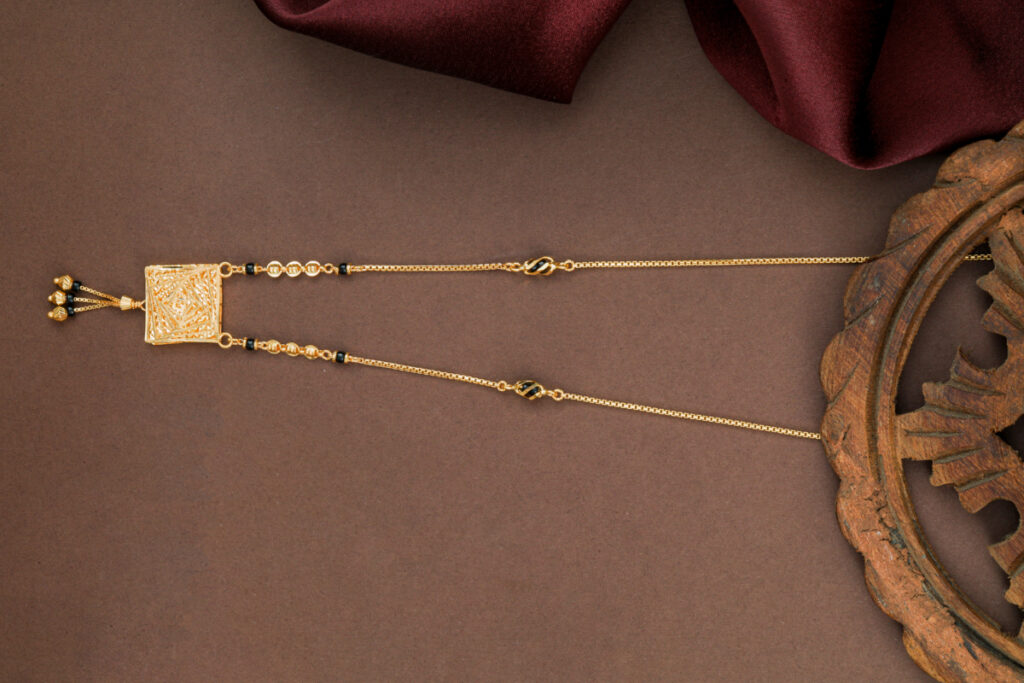
Modern Brides Want More Than One Mangalsutra
A key evolution shaping demand is the changing mindset of young brides. Today’s bride is both rooted in tradition and expressive in personal style, balancing heritage with contemporary fashion sensibilities.
Brides are increasingly purchasing three distinct types of mangalsutras:
- Traditional / Heavy Pieces — for rituals and wedding ceremonies
- Lightweight Daily-Wear Designs — prioritising comfort and practicality
- Occasion-Wear / Diamond Mangalsutras — designed to complement modern outfits
Versatility has become a major purchasing driver, with brides seeking jewellery suitable for both ethnic and western wear. Personal identity and styling preferences now play a stronger role in design decisions, making multi-category buying behaviour a significant growth contributor.
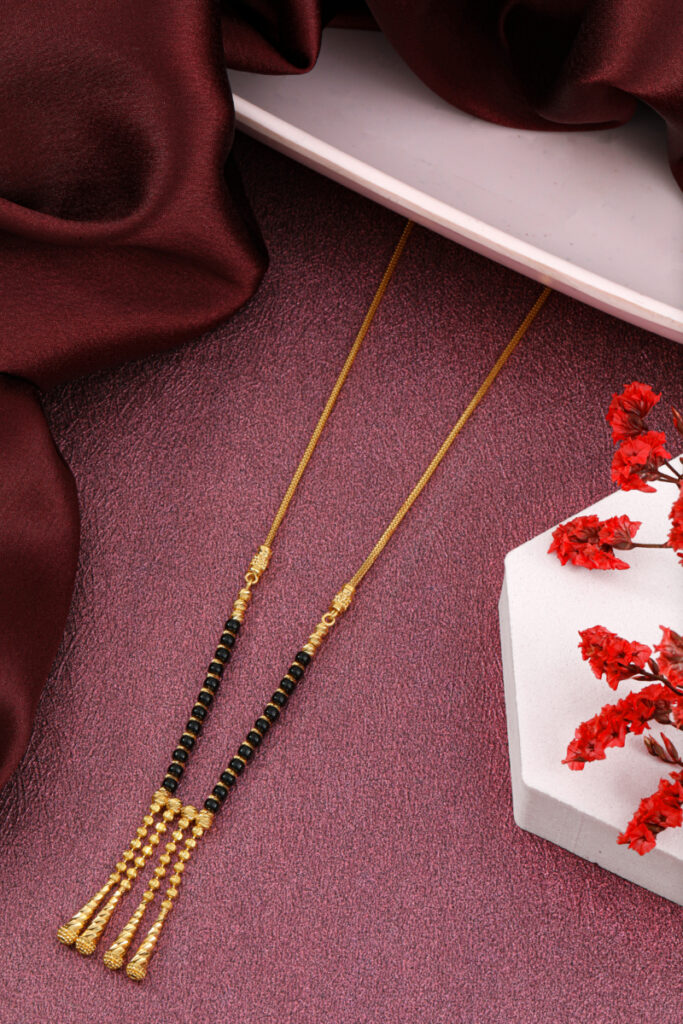
The Rise of Lightweight & Diamond-Styled Mangalsutras
Design trends are evolving rapidly, with rising demand for:
Lightweight, Minimalist Mangalsutras
Perfect for daily wear, these designs deliver elegance without heaviness. They are especially popular among working women and younger brides who prioritise comfort, versatility, and subtle sophistication.
Diamond-Studded Mangalsutras
This segment has emerged as the fastest-growing category. With refined brilliance and contemporary appeal, diamond mangalsutras are becoming a trousseau essential for fashion-conscious brides.
At Shringar, the design philosophy focuses on preserving the emotional essence of the mangalsutra while integrating global aesthetics, fine craftsmanship, and modern versatility.
A Powerful Moment for the Mangalsutra Category
As India embraces full-scale weddings supported by strong consumer sentiment, the mangalsutra stands at the centre of this resurgence — not merely as jewellery, but as a living cultural legacy growing stronger with every generation.
The upcoming season presents a tremendous opportunity for both retailers and manufacturers. For Shringar House of Mangalsutra Ltd, it marks a moment to celebrate heritage, drive design innovation, and strengthen its commitment to serving the emotional and cultural heartbeat of Indian weddings.


-

 National News4 hours ago
NATIONAL Gold, Silver Decline In India On Oil Price Rebound
-

 National News3 hours ago
Heer by GIVA Launches First Offline Store with ‘Alfaaz-e-Heer’ Poetry Night
-

 BrandBuzz3 hours ago
Natural Diamond Council Launches World Diamond Day on April 8, 2026
-

 National News4 hours ago
World Water Day 2026: Inauguration of the CIBJO Lake Marks a Powerful Commitment to Water Conservation and Sustainability
