
National News
WGC India gold market update: Investment appetite upheld


Highlights
- Gold’s price momentum remains strong, breaching records, with domestic gold prices gaining 13% y-t-d
- Price rises dampen jewellery purchases but boost old gold sales; investment demand is sustained: gold ETFs see healthy inflows in February, although below January’s peak
- The Reserve Bank of India (RBI) gold holdings remains unchanged in February
- Gold imports drop to an 11-month low in February.
Looking ahead
- Expectation is growing that seasonal factors (auspicious days and festivals) and wedding related purchases could lend support to gold demand over the next couple of months. This may not, however, fully compensate for the price-driven constraints in jewellery demand.
Gold’s unprecedented momentum
Gold’s momentum has been exceptionally strong in 2025. So far this year prices have hit 13 new highs1 and have crossed the psychological threshold of US$3,000/oz.2 This performance, which has been replicated across major currencies, is driven by economic trends and sustained investment demand. Geopolitical and economic uncertainty, a weaker USD, lowering of interest rates across economies, and inflation concerns are fuelling investment demand and influencing prices.
So far in 2025,3 the LBMA gold price AM in USD has risen by US$330/oz or 12%, to US$2,999/oz, with over 4% of that increase taking place in the first half of March. The Indian domestic landed price4 has risen in tandem, gaining 17% to reach a record INR88,946/10g. The larger gains can be attributed to weakness in the INR against the USD (1.3% depreciation y-t-d). However, given the weakness in demand – particularly in jewellery – the domestic gold price remains at a discount relative to the landed price. The discount, or spread, between local and landed prices averaged US$12/oz in the first half of March, slightly narrower than the US$17/oz spread observed in February.
Gold remains India’s top performing asset, with y-t-d gains of 13%,5 in sharp contrast with the negative return from domestic equities and notably surpassing gains in fixed income assets (bonds and bank deposits). This underscores the strategic significance of gold in investor portfolios.
Gold ETFs maintain momentum
Indian gold ETFs continued their inflow in February. While lower than January’s record high, they remained healthy, driven by broadening investor interest amid global economic and market uncertainty and the positive momentum in the gold price.
According to the Association of Mutual Funds in India (AMFI), gold ETFs recorded net inflows of INR19.8bn(~US$227mn) in February,6 marking the tenth consecutive month of positive flows. Although lower than January’s peak,7 this surpassed the average net inflow figure (INR14.8bn/US$175mn) recorded over the preceding nine months. February also witnessed significant redemptions, totalling INR7.8bn/US$89.7mn – the highest since April 2024. This may be attributed to profit taking as gold prices surged.
Despite these redemptions, investor participation remained strong with 0.3mn investor accounts (or folios) added during the month, bringing the total number of gold ETF investor accounts to a record 6.8mn, reflecting a growing investor interest in this instrument. Cumulative assets under management (AUM) of gold ETFs grew to INR55.7bn(~US$6.4bn), up 7% m/m and 95% y/y. Overall holdings increased by 2.2t, taking collective holdings to 64.6t. These figures are in line with our initial estimates based on information available at the time.8 Rising investor interest has encouraged fund houses to introduce new gold ETF products, two of which were launched in February, bringing the total number of domestic gold ETFs to 20. At the end of February gold ETFs accounted for 0.9% of total AUM of mutual funds, up from 0.5% a year ago – an indication of the growing traction among investors.
RBI gold reserves stable, share of gold in forex reserves rising
The RBI held off buying gold in February, marking its second pause in three months, according to our estimates based on the bank’s weekly reporting of forex reserves. However, the bank has been increasing its gold holdings consistently since the beginning of 2024, purchasing an average of 6.3t in 12 of the last 14 months. While its gold reserves remained steady at 879t in February, the share of gold in total forex reserves rose to 11.5%,9 the highest on record and almost 4% higher than a year ago. This highlights the RBI’s continued diversification of its forex reserves.
Gold imports decline further
February gold imports fell to their lowest level since March 2024, marking the third consecutive month of decline and a steep drop from November’s highs. This trend reflects the weak demand environment amid high prices. According to Ministry of Commerce data10 the gold import bill for February totalled $2.3bn – a 14% m/m and 63% y/y decline. We estimate that import volume in February ranged between 25t and 30t.








GlamBuzz
Aisshpra Gems & Jewels Opens Four Stores in One Day, Takes Network to 20; Targets 30 Stores by March 2028
Four franchise showrooms add approximately 12,000 sq. ft. of retail space, taking the brand’s total retail footprint beyond 90,000 sq. ft.; Bettiah marks its entry into Bihar.
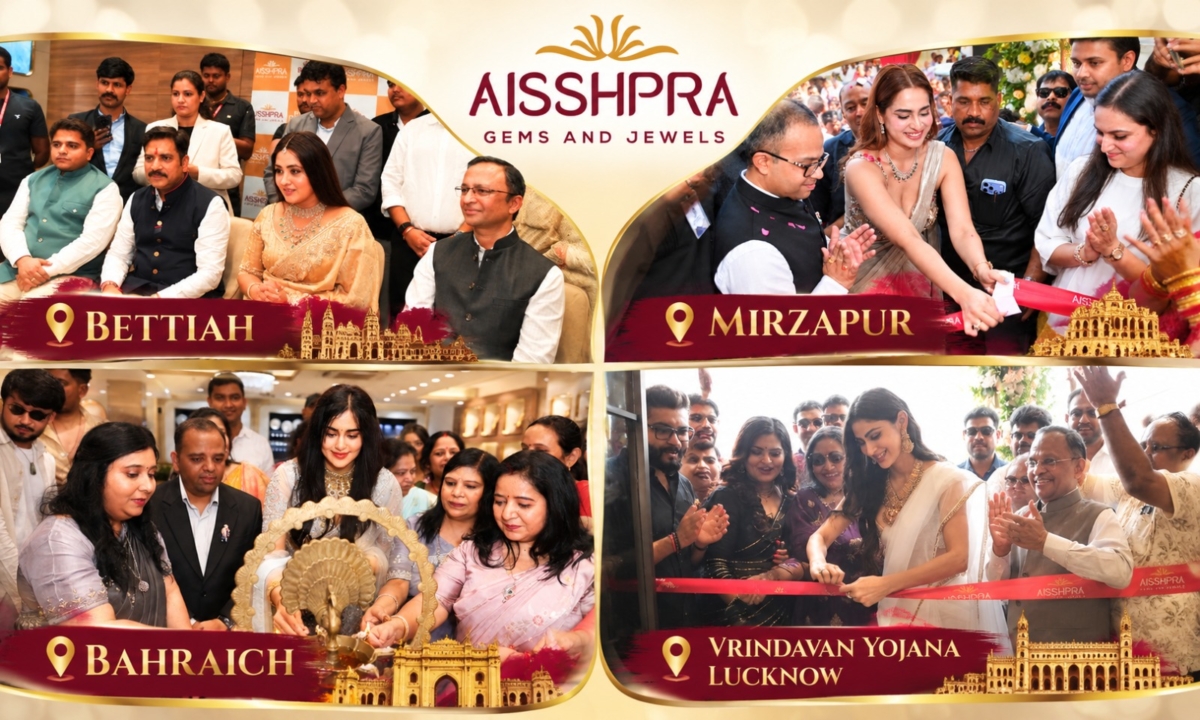
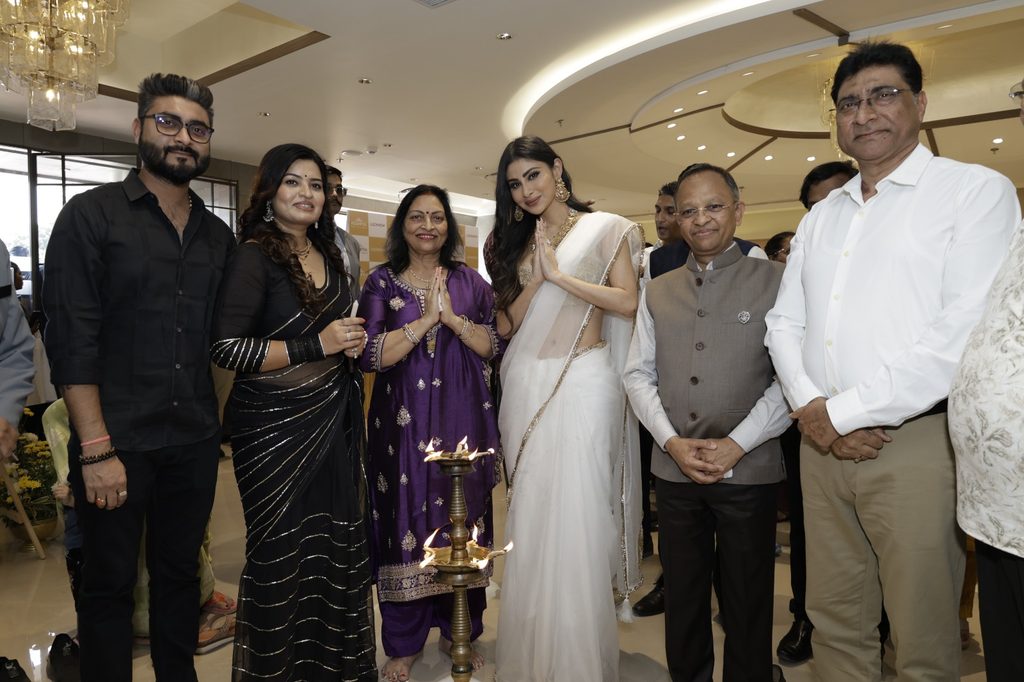
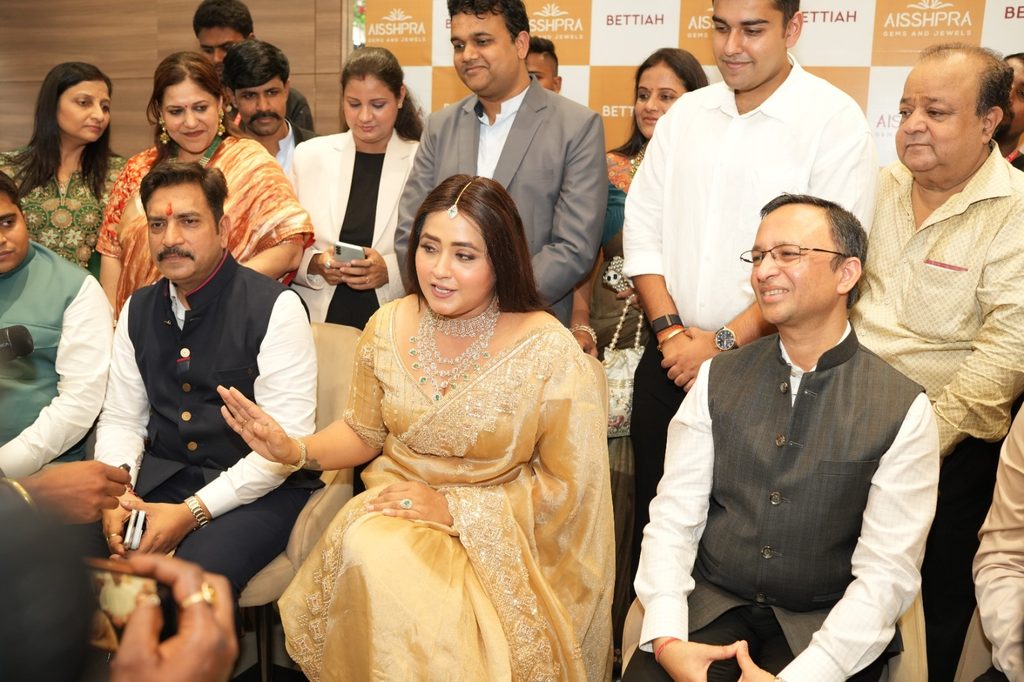
Aisshpra Gems & Jewels, the jewellery retail brand established in Gorakhpur in 1940, today announced the simultaneous opening of four showrooms in Bahraich, Bettiah, Lucknow and Mirzapur. The milestone takes its operational network from 16 to 20 stores in a single day, with three more stores under construction and a target of 30 operational stores by March 2028.
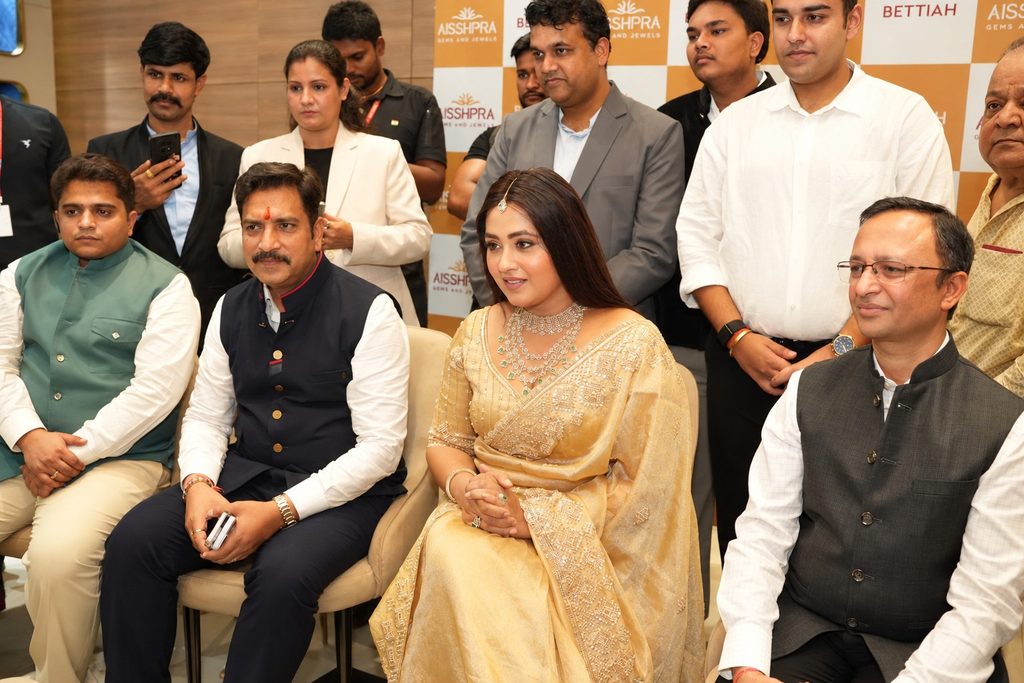
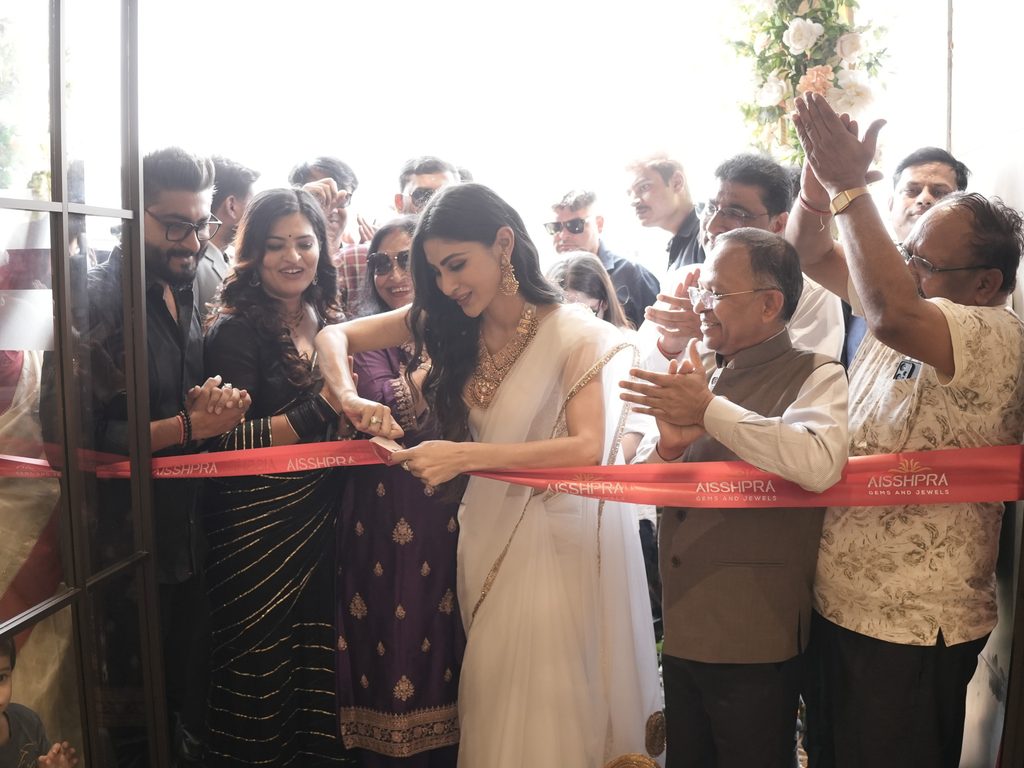
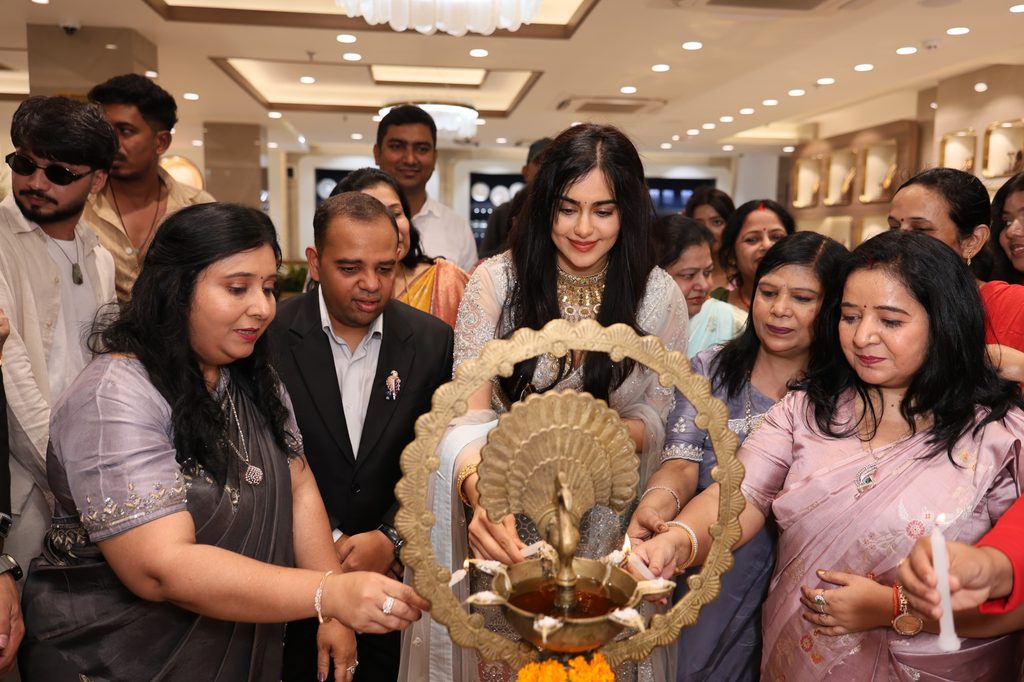
Each new franchise-operated showroom measures approximately 3,000 sq. ft. Together, the openings add around 12,000 sq. ft. of retail space and take the brand’s overall retail footprint to more than 90,000 sq. ft. The Bettiah opening is Aisshpra’s first in Bihar, where Siwan and Gopalganj are also in its expansion pipeline. The Lucknow launch marks its third showroom in the city.
Jewel Story takes centre stage across all four stores
All four showrooms feature a dedicated store-in-store presence for Jewel Story, Aisshpra’s lifestyle jewellery brand. Designed for teenagers, young adults and customers up to around 40 years of age, Jewel Story focuses on lightweight, wearable, modern jewellery across 9KT to 22KT gold purity. The concept seeks to make jewellery relevant to everyday personal style, alongside Aisshpra’s traditional, bridal and occasion-wear collections.
Leadership on expansion and legacy
Atul Saraf, Director, Aisshpra Gems & Jewels
“Since 1940, our most important achievement has been the trust we have earned across generations. Opening four stores together is a proud milestone, and every new showroom brings the responsibility of preserving that trust.”
Anoop Saraf, Director, Aisshpra Gems & Jewels
“As we enter new markets, Trust, Integrity and Ethics remain our guiding principles. We want customers in every city to experience the same transparency, quality and care that have defined Aisshpra for decades.”
Vaibhav Saraf, Director, Aisshpra Gems & Jewels
“Moving from 16 to 20 stores in one day is a major jump in our network. Our footprint now exceeds 90,000 sq. ft., three additional stores are under construction, and we are working towards 30 stores by March 2028. Bettiah opens the door to Bihar, while our third Lucknow showroom deepens our presence in a key market.”
Saumitra Saraf, Director, Aisshpra Gems & Jewels
“Younger customers increasingly want jewellery that feels contemporary, versatile and easy to wear. Jewel Story brings that proposition to every new showroom, with modern designs spanning 9KT to 22KT.”
Inauguration celebrations and opening offers
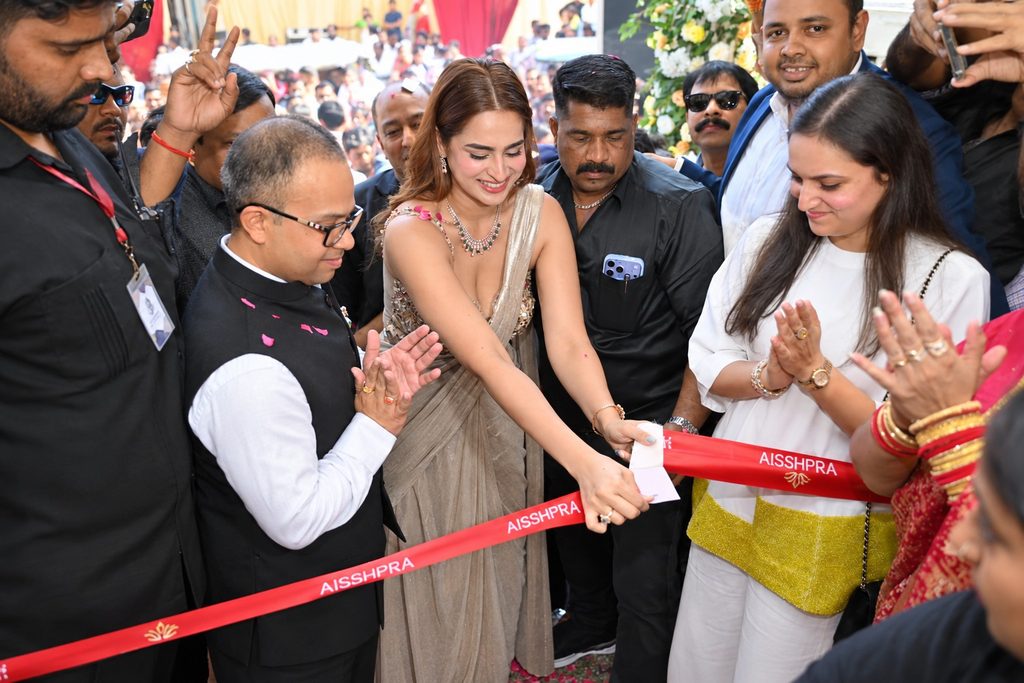
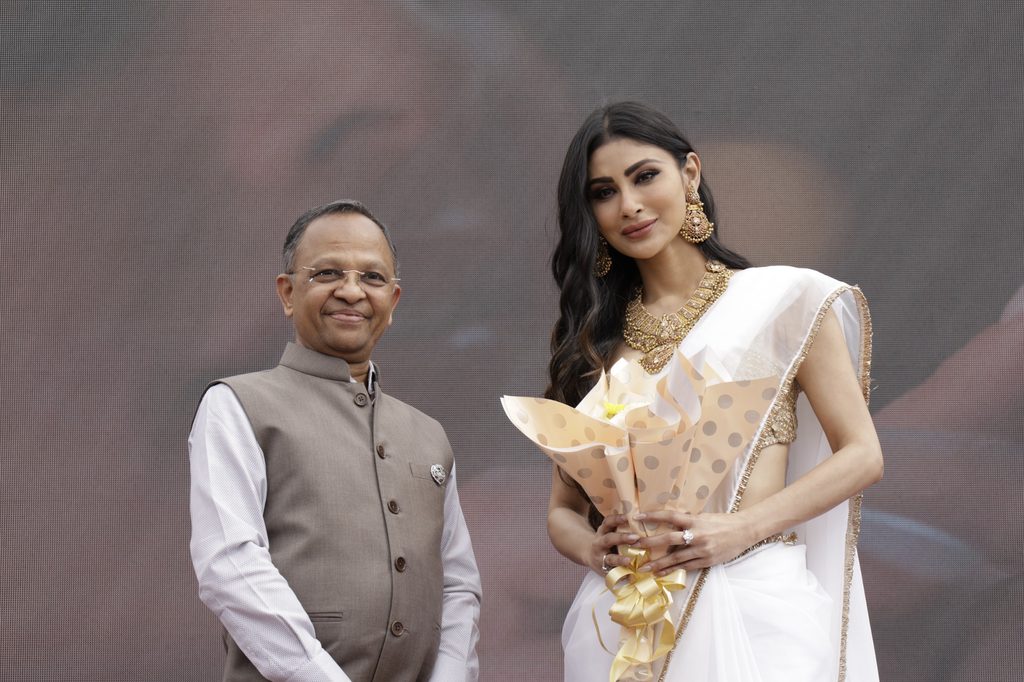
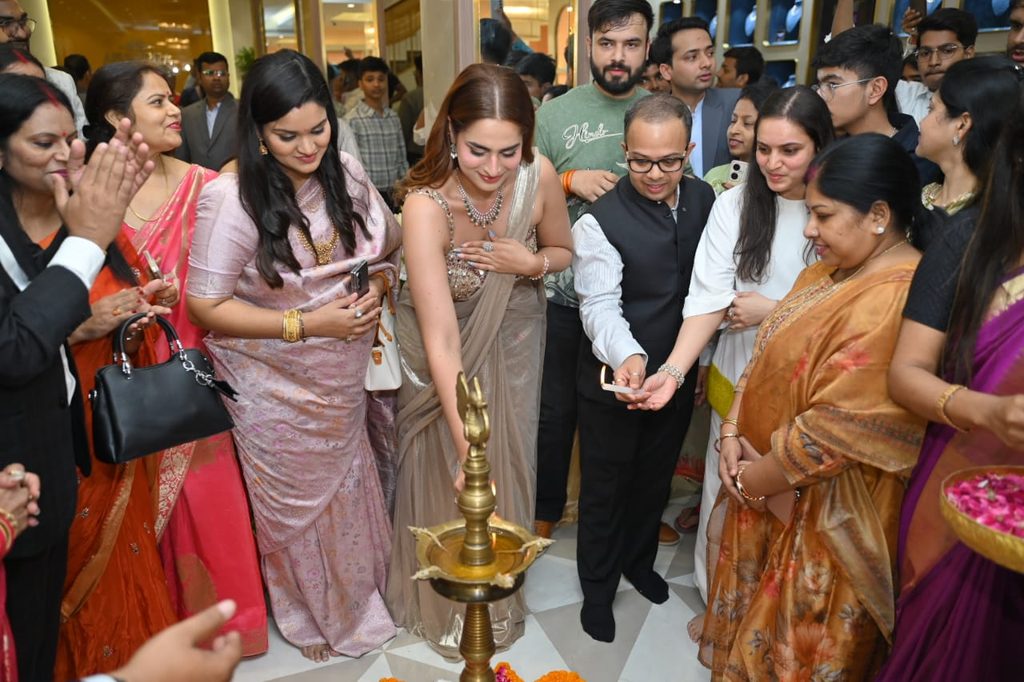
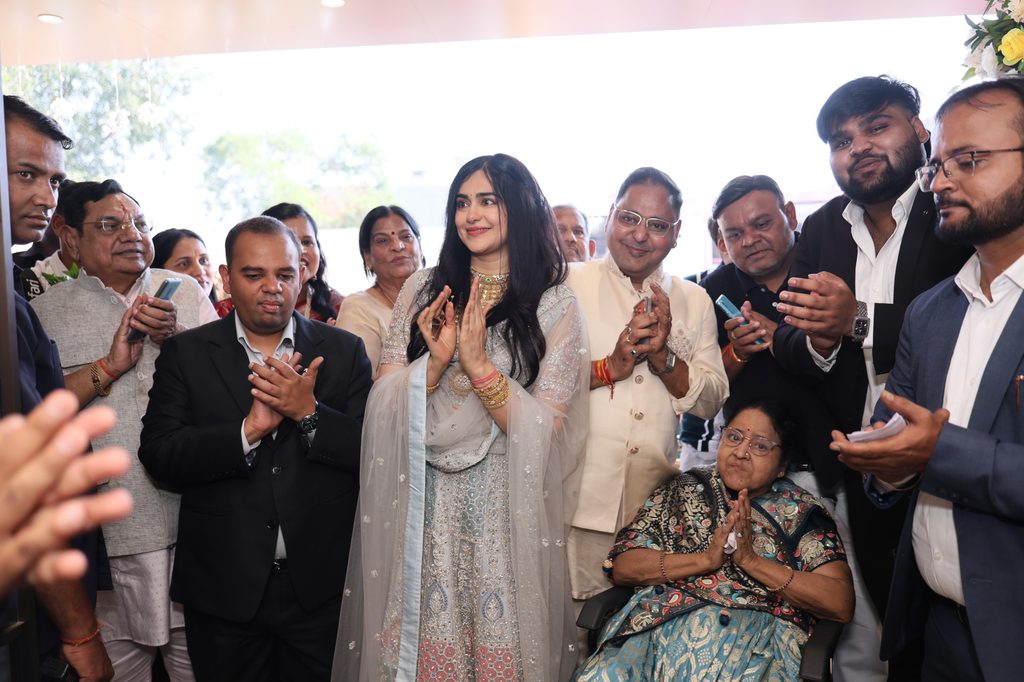
The celebrations featured Mouni Roy in Lucknow, Adah Sharma in Bahraich and Ayesha Khan in Mirzapur. The Bettiah inauguration took place in the presence of local dignitaries.
Customers can avail inaugural offers of up to 30% off gold jewellery making charges and diamond value, subject to applicable terms and conditions. Offer validity is to be confirmed.



Aisshpra Gems & Jewels Opens Four Stores in One Day, Takes Network to 20; Targets 30 Stores by March 2028

The Met Goes Desi: Inside Sabyasachi’s Showstopping Diwali Dhamaka in New York

Jewellers Expect Healthy Festive and Wedding Demand Amid Evolving Consumer Preferences

Dhanteras Shopping Guide 2026:Gold, Silver, Diamonds & Festive Jewellery Trends To Watch

Indriya, Aditya Birla Jewellery Unveiled India’s Largest Sustainable Jewellery Rangavalli

From Diya Puja To Diwali Soirées: Jewellery Designed To Go Beyond The Festive Season
-
 JB Insights2 days ago
Dhanteras Shopping Guide 2026:Gold, Silver, Diamonds & Festive Jewellery Trends To Watch
-
 National News2 days ago
Indriya, Aditya Birla Jewellery Unveiled India’s Largest Sustainable Jewellery Rangavalli
-
 BrandBuzz2 days ago
From Diya Puja To Diwali Soirées: Jewellery Designed To Go Beyond The Festive Season
-

 BrandBuzz2 days ago
The Solenne Collection: A Celebration Of Diwali By Bharti Bangur Fine Jewels
