
National News
WGC India gold market update: Investment appetite upheld


Highlights
- Gold’s price momentum remains strong, breaching records, with domestic gold prices gaining 13% y-t-d
- Price rises dampen jewellery purchases but boost old gold sales; investment demand is sustained: gold ETFs see healthy inflows in February, although below January’s peak
- The Reserve Bank of India (RBI) gold holdings remains unchanged in February
- Gold imports drop to an 11-month low in February.
Looking ahead
- Expectation is growing that seasonal factors (auspicious days and festivals) and wedding related purchases could lend support to gold demand over the next couple of months. This may not, however, fully compensate for the price-driven constraints in jewellery demand.
Gold’s unprecedented momentum
Gold’s momentum has been exceptionally strong in 2025. So far this year prices have hit 13 new highs1 and have crossed the psychological threshold of US$3,000/oz.2 This performance, which has been replicated across major currencies, is driven by economic trends and sustained investment demand. Geopolitical and economic uncertainty, a weaker USD, lowering of interest rates across economies, and inflation concerns are fuelling investment demand and influencing prices.
So far in 2025,3 the LBMA gold price AM in USD has risen by US$330/oz or 12%, to US$2,999/oz, with over 4% of that increase taking place in the first half of March. The Indian domestic landed price4 has risen in tandem, gaining 17% to reach a record INR88,946/10g. The larger gains can be attributed to weakness in the INR against the USD (1.3% depreciation y-t-d). However, given the weakness in demand – particularly in jewellery – the domestic gold price remains at a discount relative to the landed price. The discount, or spread, between local and landed prices averaged US$12/oz in the first half of March, slightly narrower than the US$17/oz spread observed in February.
Gold remains India’s top performing asset, with y-t-d gains of 13%,5 in sharp contrast with the negative return from domestic equities and notably surpassing gains in fixed income assets (bonds and bank deposits). This underscores the strategic significance of gold in investor portfolios.
Gold ETFs maintain momentum
Indian gold ETFs continued their inflow in February. While lower than January’s record high, they remained healthy, driven by broadening investor interest amid global economic and market uncertainty and the positive momentum in the gold price.
According to the Association of Mutual Funds in India (AMFI), gold ETFs recorded net inflows of INR19.8bn(~US$227mn) in February,6 marking the tenth consecutive month of positive flows. Although lower than January’s peak,7 this surpassed the average net inflow figure (INR14.8bn/US$175mn) recorded over the preceding nine months. February also witnessed significant redemptions, totalling INR7.8bn/US$89.7mn – the highest since April 2024. This may be attributed to profit taking as gold prices surged.
Despite these redemptions, investor participation remained strong with 0.3mn investor accounts (or folios) added during the month, bringing the total number of gold ETF investor accounts to a record 6.8mn, reflecting a growing investor interest in this instrument. Cumulative assets under management (AUM) of gold ETFs grew to INR55.7bn(~US$6.4bn), up 7% m/m and 95% y/y. Overall holdings increased by 2.2t, taking collective holdings to 64.6t. These figures are in line with our initial estimates based on information available at the time.8 Rising investor interest has encouraged fund houses to introduce new gold ETF products, two of which were launched in February, bringing the total number of domestic gold ETFs to 20. At the end of February gold ETFs accounted for 0.9% of total AUM of mutual funds, up from 0.5% a year ago – an indication of the growing traction among investors.
RBI gold reserves stable, share of gold in forex reserves rising
The RBI held off buying gold in February, marking its second pause in three months, according to our estimates based on the bank’s weekly reporting of forex reserves. However, the bank has been increasing its gold holdings consistently since the beginning of 2024, purchasing an average of 6.3t in 12 of the last 14 months. While its gold reserves remained steady at 879t in February, the share of gold in total forex reserves rose to 11.5%,9 the highest on record and almost 4% higher than a year ago. This highlights the RBI’s continued diversification of its forex reserves.
Gold imports decline further
February gold imports fell to their lowest level since March 2024, marking the third consecutive month of decline and a steep drop from November’s highs. This trend reflects the weak demand environment amid high prices. According to Ministry of Commerce data10 the gold import bill for February totalled $2.3bn – a 14% m/m and 63% y/y decline. We estimate that import volume in February ranged between 25t and 30t.





National News
Vummidi Bangaru Jewellers Partners with Ignition presented by Shiv Nadar Foundation, Chennai Edition
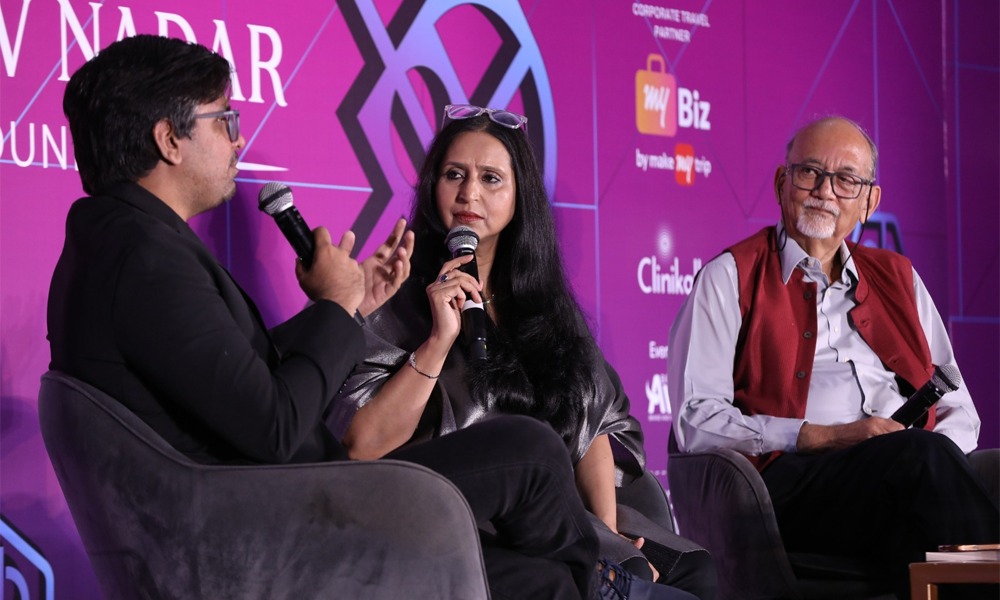
Vummidi Bangaru Jewellers (VBJ Since 1900), India’s most trusted heirloom jewellery brand joined hands with Ignition presented by Shiv Nadar foundation, Chennai edition, a stage that united young professionals, like-minded individuals from varied disciplines. Ignition is a platform created and curated by the award-winning journalist Shoma Chaudhury under the umbrella of her company Lucid Lines Productions, to deepen public discourse. The event took place at ITC Grand Chola and was attended by over 500 powerful voices from the city.
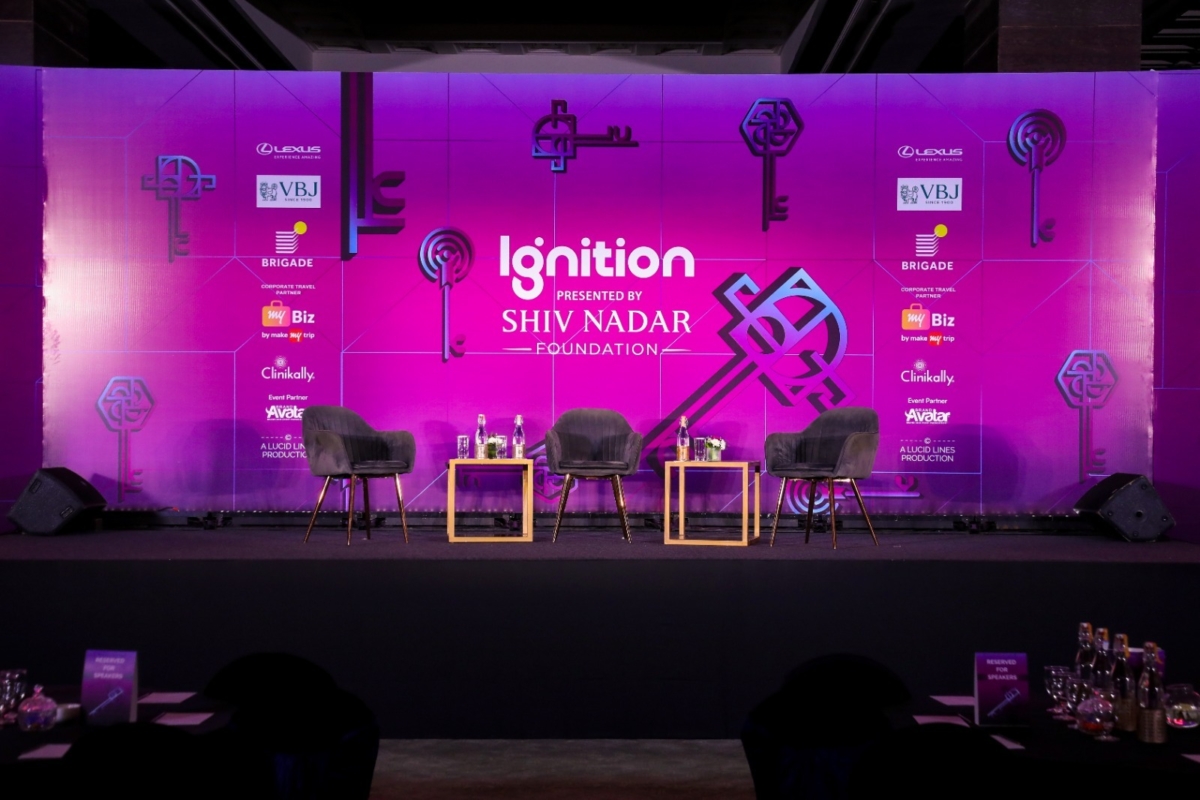
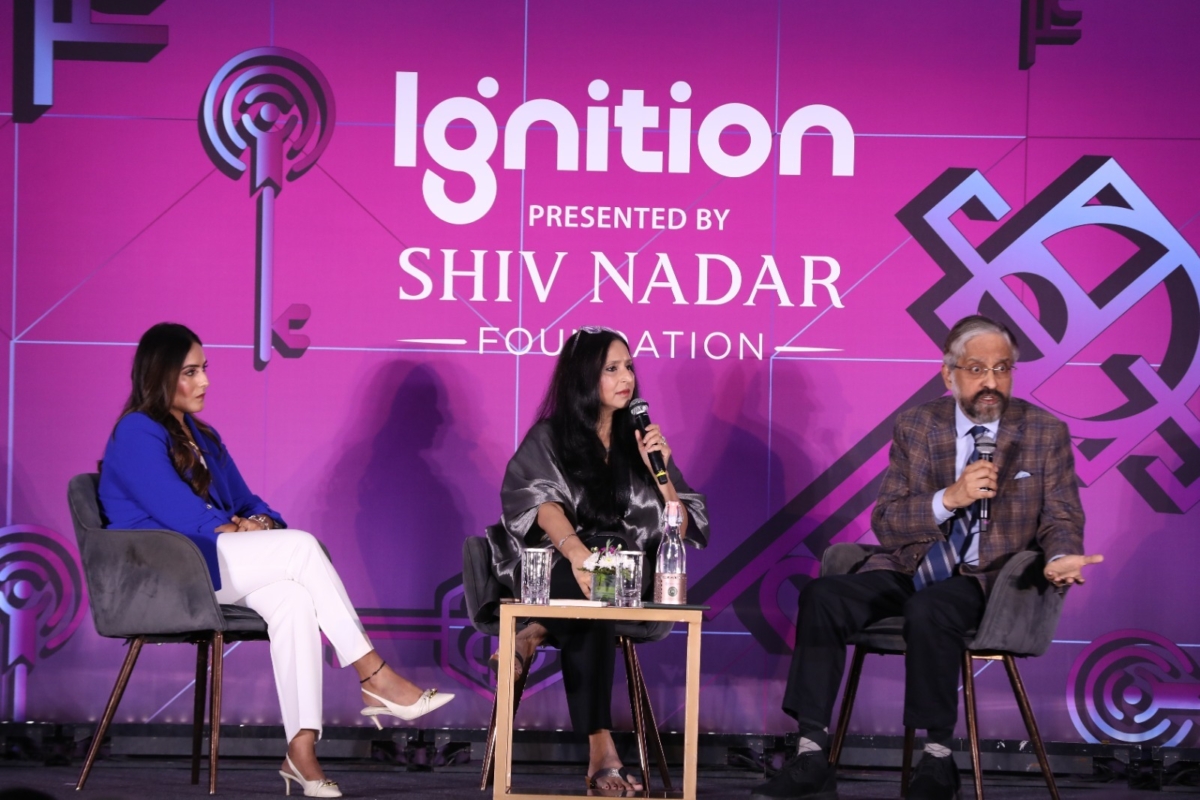
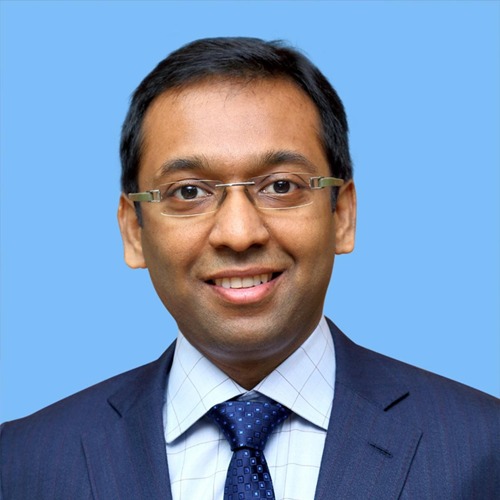
Speaking about the association, Amarendran Vummidi, Managing Partner, VBJ Since 1900, said, “We are proud to be associated with Ignition presented by Shiv Nadar foundation, Chennai edition as we share similar principles and ideologies. Ignition presented by Shiv Nadar foundation, Chennai edition celebrates accomplishments and encourages younger generation. These healthy conversations truly ignite the minds and promotes diverse thinking amongst the youth. As a 125-year-old brand, we have the responsibility towards the society, and this is one small step towards that direction.”
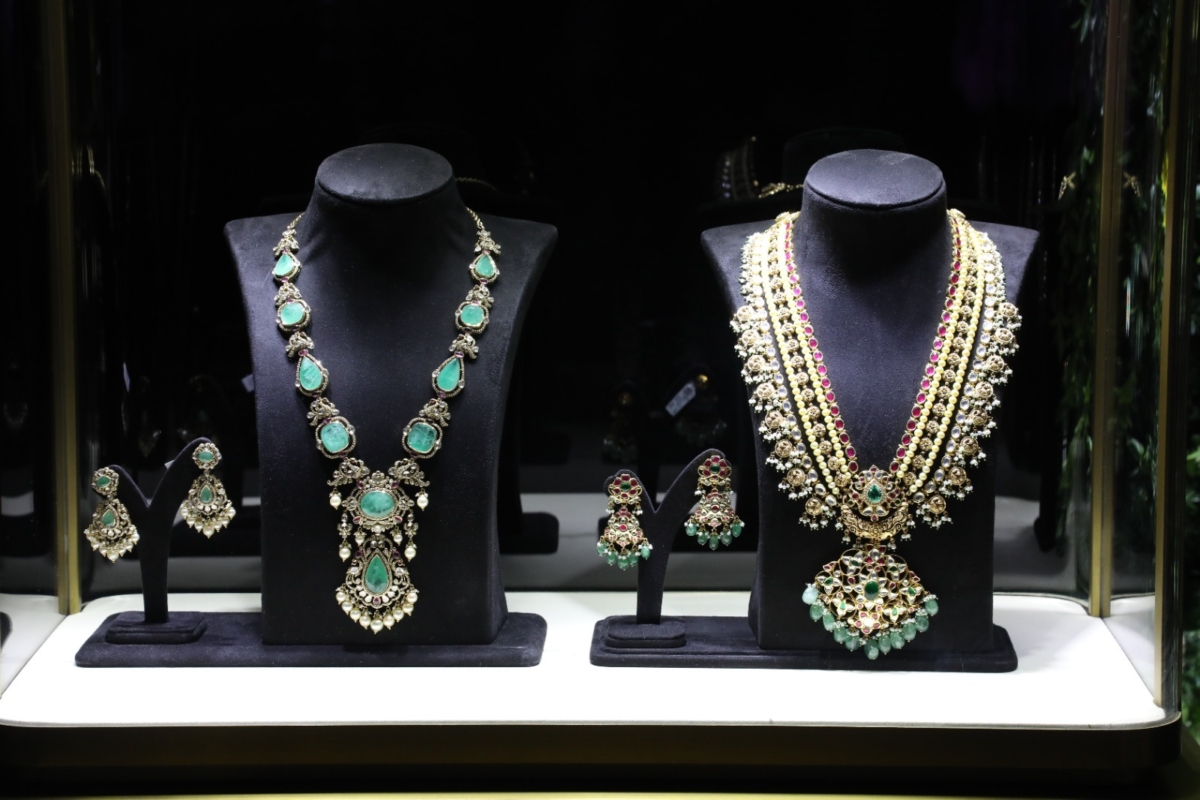
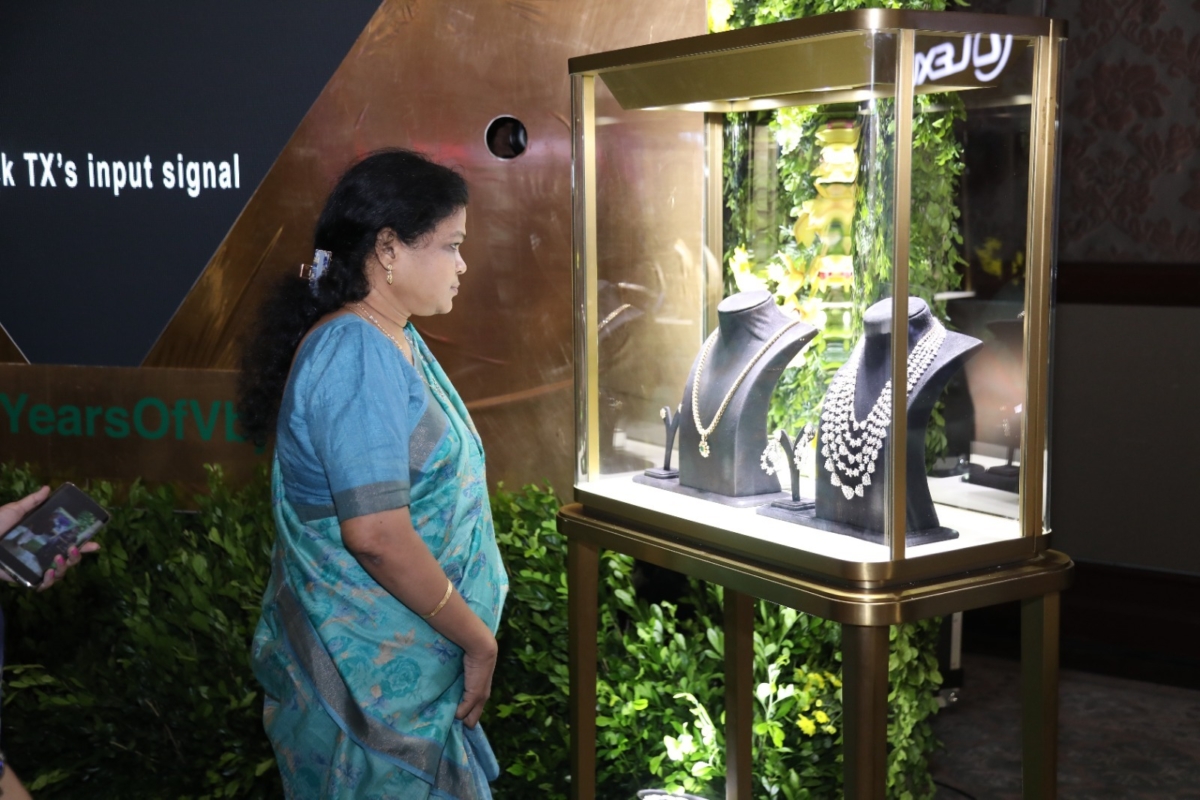
Adding a rich cultural layer to this event, VBJ Since 1900 showcased a curated selection of its heritage and contemporary jewellery through a specially designed display panel at the venue.
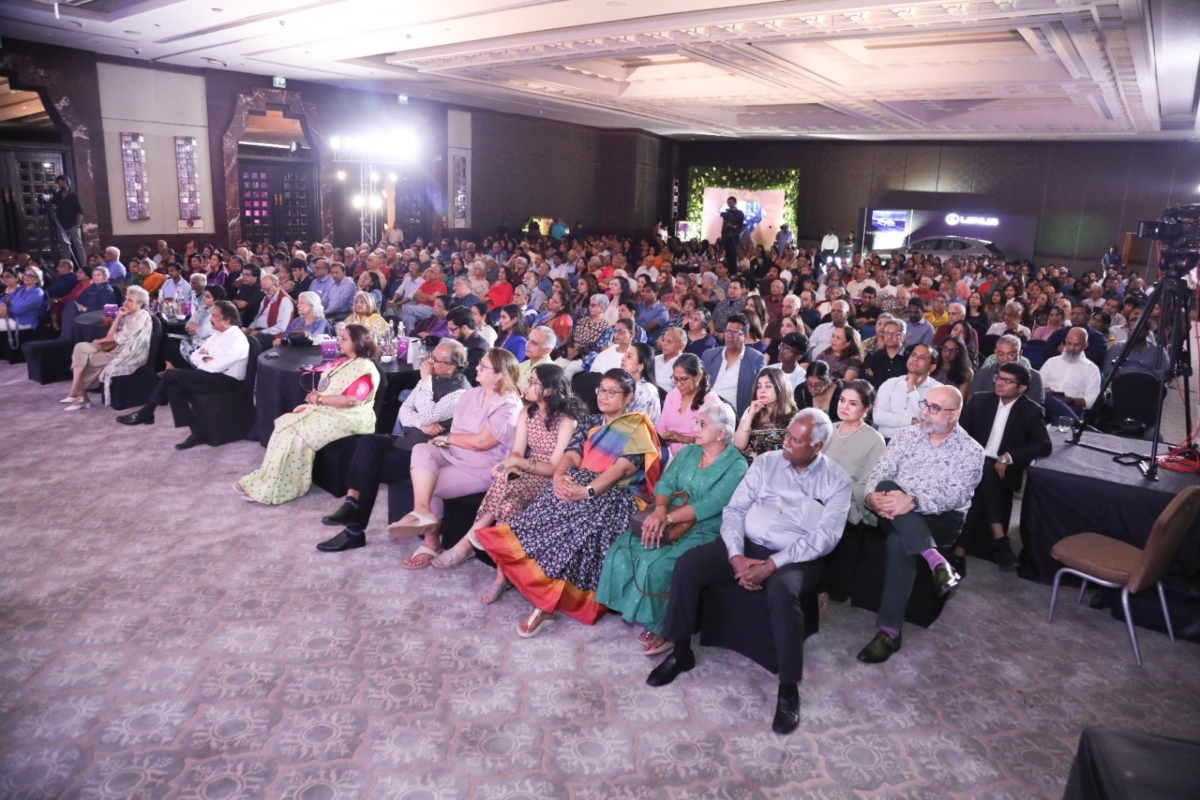
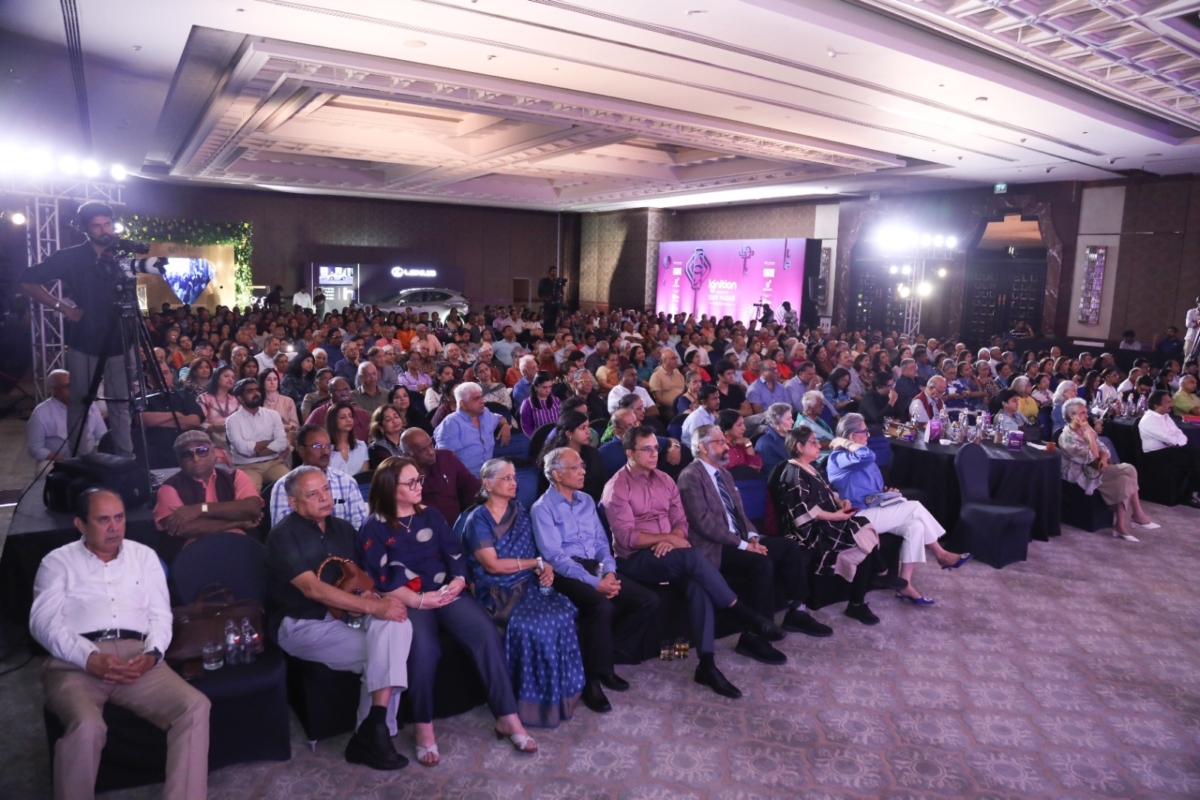
Hosted by veteran journalist, Shoma Chaudhury, the event brought together India’s most influential minds — Sanjaya Baru (Policy Analyst and Author), Dr. Ambrish Mithal (Padma Bhushan awardee), D.P. Srivastava (former Ambassador to Iran), Kabir Taneja (Strategic Affairs Expert), and Wellness Advisor Richa Gangani offered a compelling exchange of ideas.
Central banks have accumulated over 1,000t of gold in each of the last three years, up significantly from the 400-500t average over the preceding decade. This marked acceleration in the pace of accumulation has occurred against a backdrop of geopolitical and economic uncertainty, which has clouded the outlook for reserve managers and investors alike.
2025 Central Bank Gold Reserves (CBGR) survey, conducted between 25 February and 20 May, helps us shine a light on the continued importance of gold reserve management in these challenging times. This year we set a new benchmark, drawing in 73 responses – the highest since our survey commenced eight years ago.
Key highlights
- Similar to findings from previous surveys, central banks continue to hold favourable expectations on gold. Respondents overwhelmingly (95%) believe that global central bank gold reserves will increase over the next 12 months.
- This year, a record 43% of respondents believe that their own gold reserves will also increase over the same period. Interestingly, none of our respondents anticipate a decline in their gold reserves.
- Gold’s performance during times of crisis, portfolio diversification and inflation hedging are some key themes driving plans to accumulate more gold over the coming year. In addition, gold’s unique characteristics and role as a strategic asset continue to be valued by central banks: its performance in times of crisis, ability to act as a store of value, and its role as an effective diversifier, continue to be cited as key reasons for an allocation to gold.
- The majority of respondents (73%) see moderate or significantly lower US dollar holdings within global reserves over the next five years. Respondents also believe that the share of other currencies, such as the euro and renminbi, as well as gold, will increase over the same period.
- The survey highlighted an uptick in respondents who actively manage their gold reserves, from 37% in 2024 to 44% in 2025. While enhancing returns remained the primary reason for this, risk management leapfrogged tactical trading as the second most selected reason.
- The Bank of England remains the most popular vaulting location for gold reserves amongst respondents (64%); a significantly higher percentage of respondents reported some domestic storage of gold reserves this year than they did last year (59% in 2025 vs 41% in 2024). Just 7% of respondents indicated that they plan to increase domestic storage of gold reserves over the next 12 months.
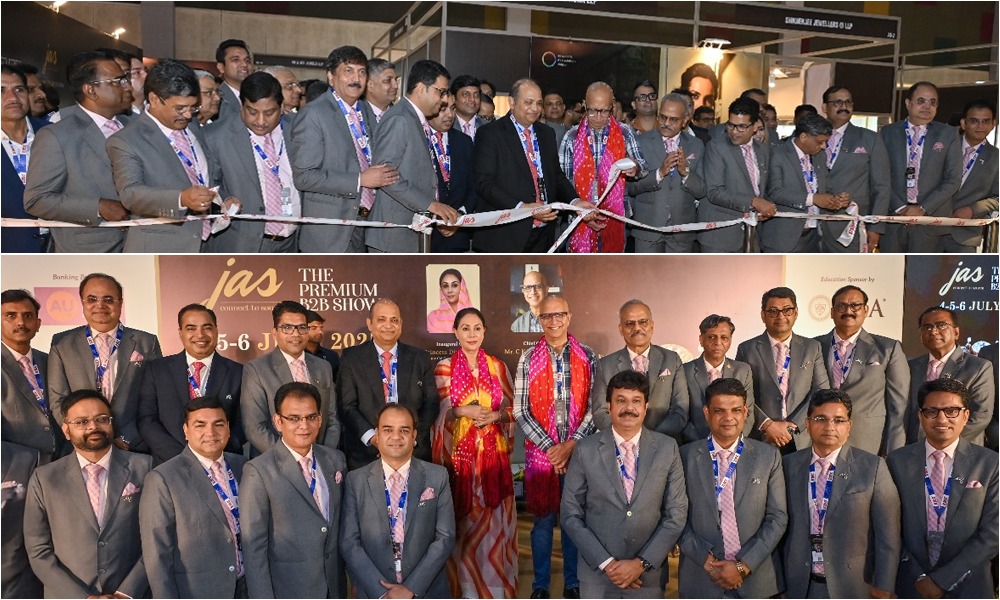
The brilliance of Jaipur’s gems and jewellery industry lit up the Novotel Jaipur Convention Center as JAS: The Premium B2B Show was inaugurated today. Hon’ble Deputy Chief Minister of Rajasthan, Princess Diya Kumari , our Inaugural Guest, and Chief Guest C.K. Venkatraman, MD – Titan Company Ltd along with Pramod Derewala, Chairman – NGJCI, and Yogendra Garg, Regional Chairman – GJEPC, inaugurated JAS: The Premium B2B Show with ribbon cutting, lamp lighting, inspiring addresses, and warm mementos.
Committee members — Alok Sonkhiya President, Ashok Maheshwari Convenor, JAS, Neeraj Lunawat Honorary Secretary, Raju Mangodiwala Vice President & Co-Convenor, JAS, Ajay Godha Joint Secretary, and Naresh Agroya Co-Convenor, JAS & Coordinator, JEA — extended heartfelt gratitude to all dignitaries and guests.



Deepika Padukone Honoured with Coveted Star on Hollywood Walk of Fame

Vummidi Bangaru Jewellers Partners with Ignition presented by Shiv Nadar Foundation, Chennai Edition

Kushal’s Fashion Jewellery launches ‘Everyday’ Collection: Effortless jewellery for every kind of day
Deepika Padukone Honoured with Coveted Star on Hollywood Walk of Fame
Vummidi Bangaru Jewellers Partners with Ignition presented by Shiv Nadar Foundation, Chennai Edition
Kushal’s Fashion Jewellery launches ‘Everyday’ Collection: Effortless jewellery for every kind of day
-

 National News3 days ago
Malabar Gold & Diamonds Inaugurates Landmark Integrated Manufacturing Site in Hyderabad, Cementing Its Position as a Global Manufacturing Leader
-

 National News2 months ago
Emmadi Silver Jewellery Launches First Karnataka Store with Grand Opening in Bengaluru’s Malleshwaram
-

 BrandBuzz3 months ago
Mia by Tanishq Unveils ‘Fiora’ Collection This Akshaya Tritiya: A Celebration of Nature’s Blossoms and New Beginnings
-

 GlamBuzz2 months ago
Gokulam Signature Jewels Debuts in Hyderabad with Glamorous Launch at KPHB