
DiamondBuzz
Significant potential in LGD fashion as customers seek “bolder” looks, lower price points: Signet CEO
Signet Jewelers sees significant potential in lab-created diamond fashion, as customers seek “bolder” looks at lower price points, CEO J.K. Symancyk told an audience of business analysts on Jan. 14 at the ICR Conference in Orlando, Fla.

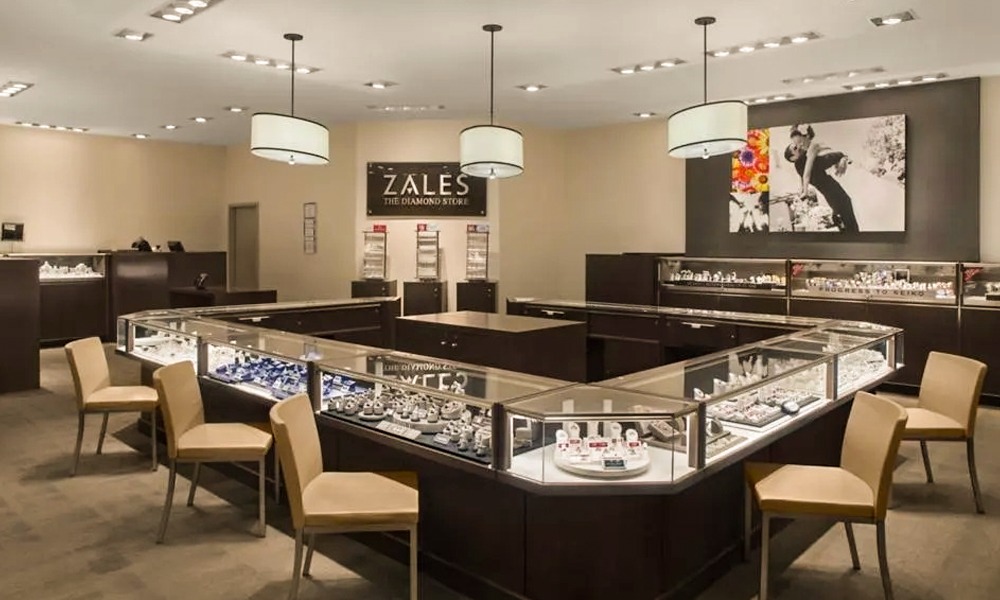
“There’s growth and momentum within fashion that we need to do a better job of tapping into,” he said. “There’s customer demand within the sub-$1,000 and sub-$500 gift-giving price point, but the way the customer shops that category has changed. Within our assortment, there’s an opportunity to amplify lab-created diamonds more in that space.”Signet’s sales of lab-created diamond fashion have risen more than 30%, he noted.
“Unlike the way this dialogue happens with regards to engagement, that’s a good thing, as it pushes [average unit retail] up and helps margin, because it’s a chance for customers to trade up in what they’re buying,” he said. “Lab-grown diamonds make diamonds more accessible to categories of fashion that they didn’t exist in before.”





DiamondBuzz
Kylie Jenner Debuts At Victoria’s Secret Show In $50 Million Fantasy Bra By Jacob & Co.
Kylie Jenner Walks The Ramp In Bra Crafted By Jacob & Co. From 4,410 Natural Diamonds Surrounding A 75.54-Carat Radiant-Cut Fancy Vivid Yellow Diamond


This year, the famous Fantasy Bra returned to the runway for the first time since 2018. Made by New York jeweler Jacob & Co., it costs $50 million—making it the most expensive Fantasy Bra ever and about $35 million more expensive than any previous version.
Making her Victoria’s Secret Fashion Show runway debut,Kylie Jenner wore the show-stopping bedazzled bra, a gauzy white mini skirt and expansive white feathered angel wings.
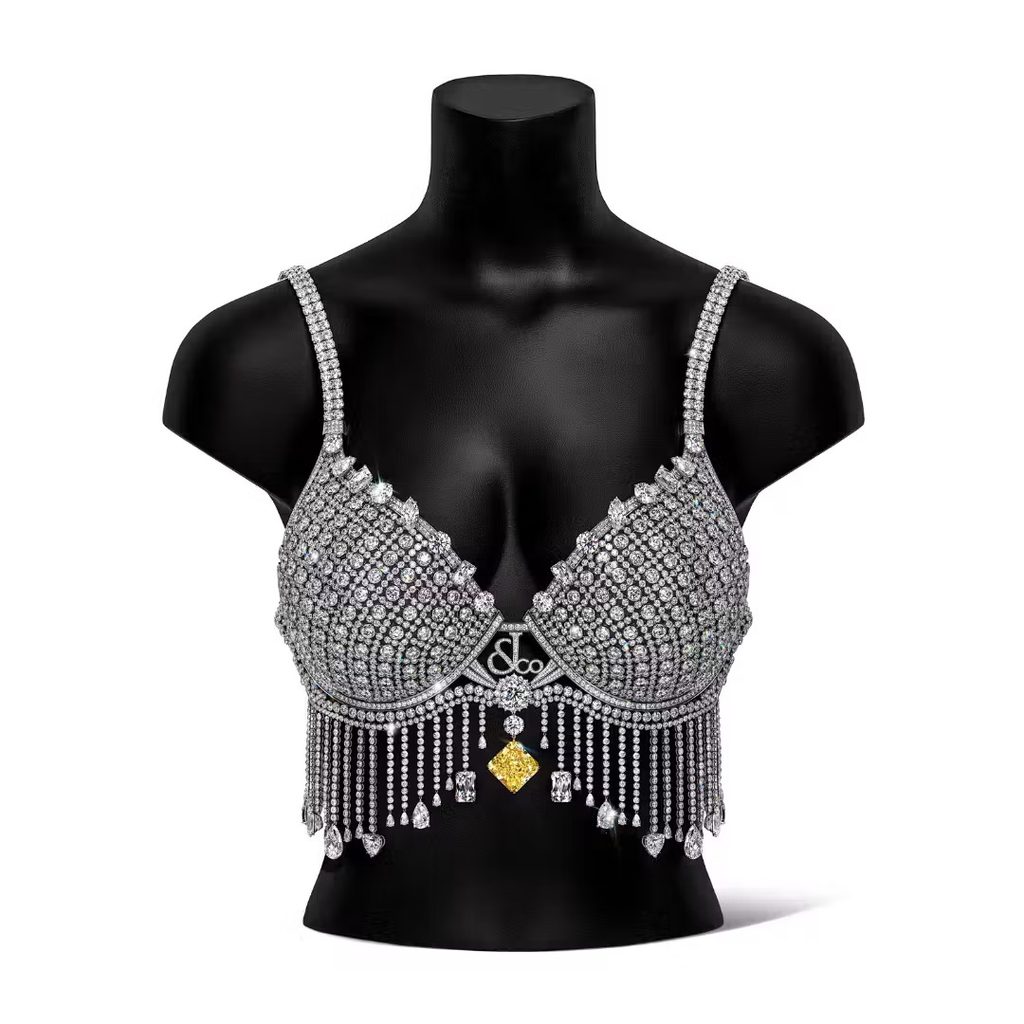
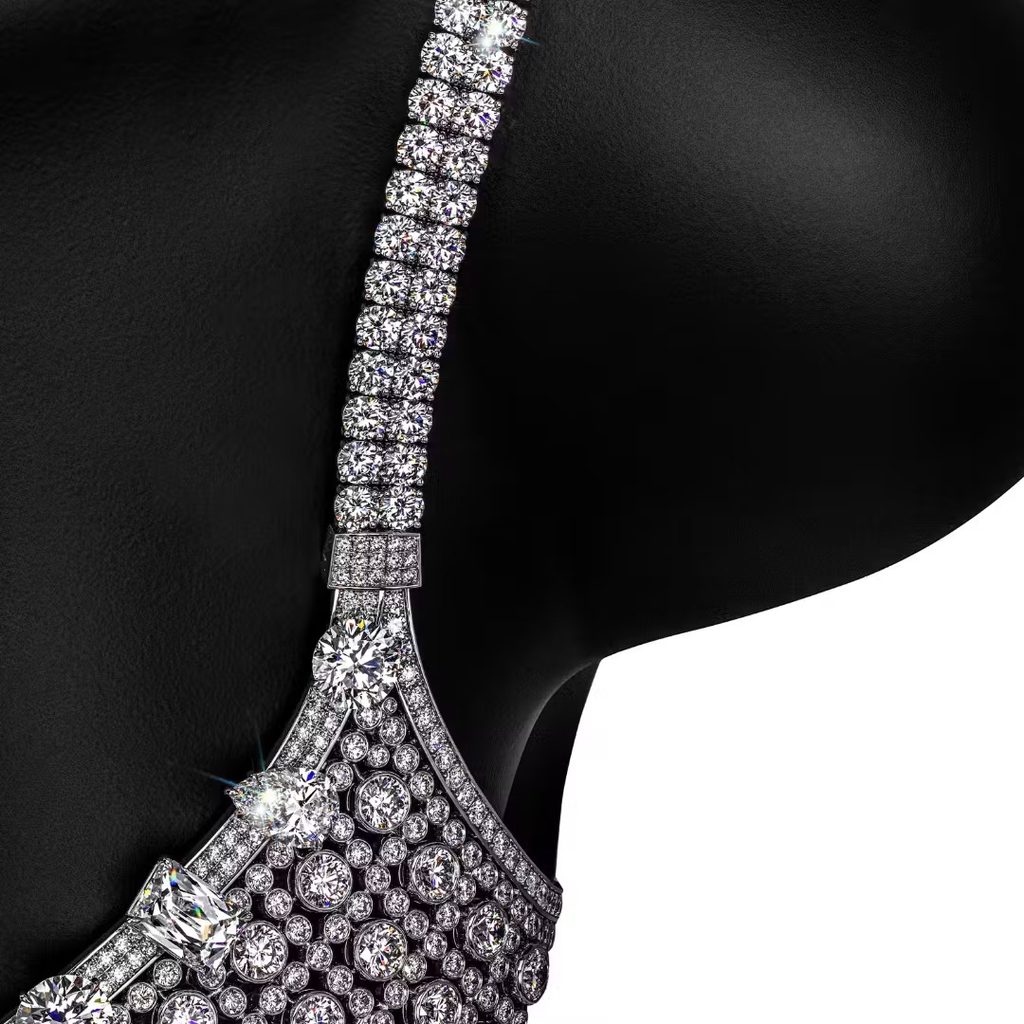
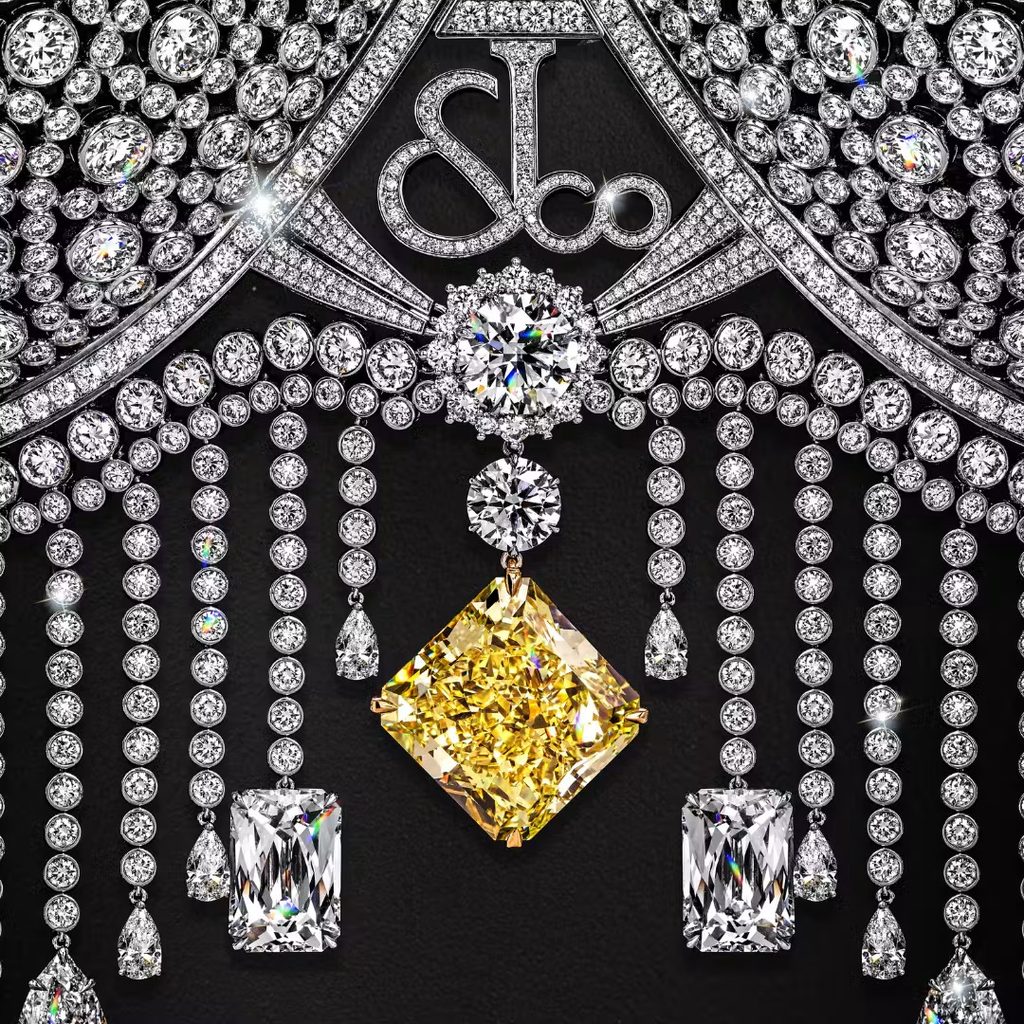
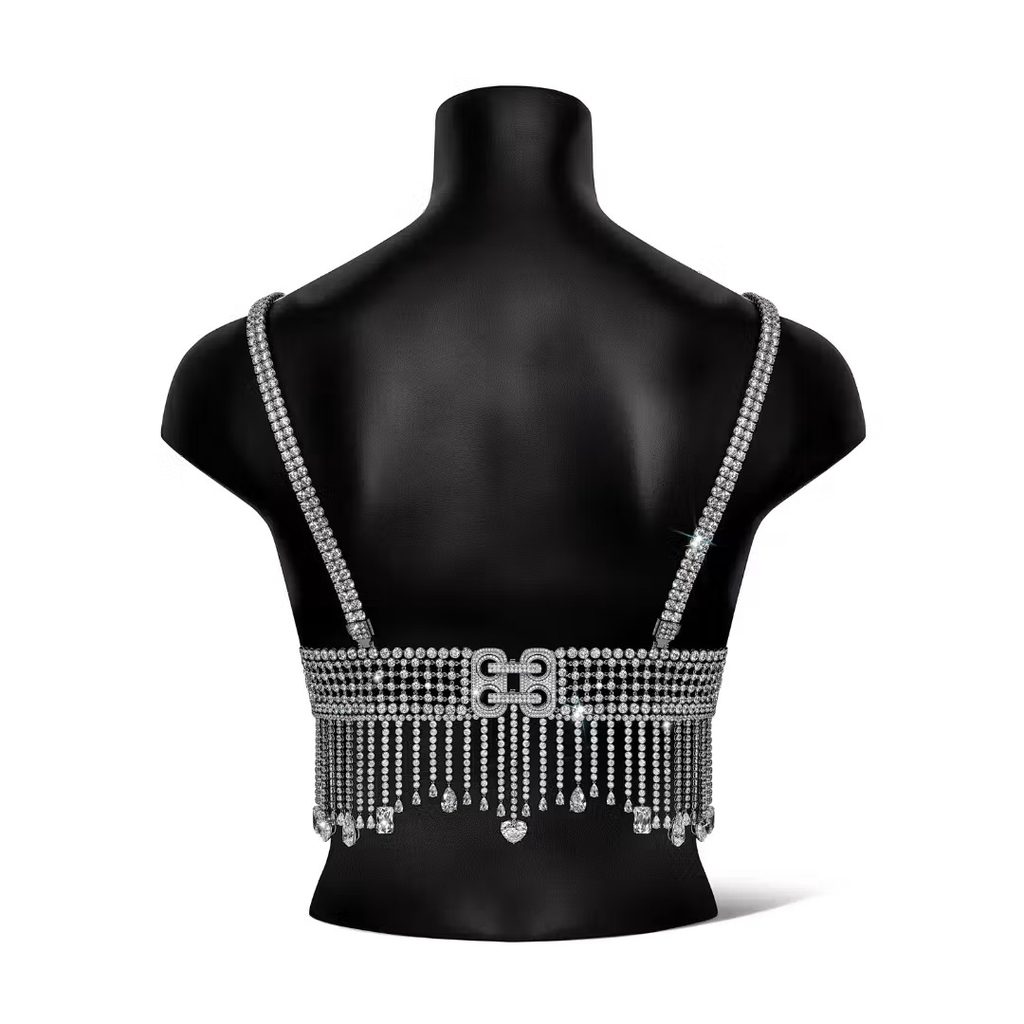
The bra features 4,410 natural diamonds set around a large, bright yellow 75.54-carat diamond. A team of 15 craftspeople spent over 1,000 hours creating the piece, which weighs just under two kilograms (about 4.4 pounds).
-

 National News2 days ago
Limelight Lab Grown Diamonds Crosses 100 Stores Milestone This Dussehra: Targets 200 In 2027
-

 BrandBuzz16 hours ago
Malabar Gold & Diamonds Unveils ‘SWAYE’, A Natural Diamond Collection Inspired By Spiral Forms and Modern Elegance
-
 National News11 hours ago
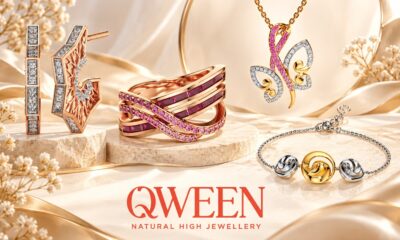
Festive Dressing, But Make It QWEEN: 10 Jewellery Pieces To Add To Your Festive Wardrobe
-

 International News12 hours ago
WGC Report-Digital Gold: Unlocking a $700bn Opportunity
