JB Insights
Jewellery and watches have remained standout performers in the global personal luxury market

The global luxury industry stands at an inflection point. Following years of vigorous recovery, the personal luxury segment is now entering what experts describe as a “reset” phase. Yet amid this broader slowdown, fine jewelry and watches have distinguished themselves by demonstrating remarkable resilience and sustained momentum—defying the challenges that have tempered growth in other luxury categories.
The latest True-Luxury survey by Boston Consulting Group (BCG) and Italian luxury think tank Altagamma reveals that the personal luxury market—which includes jewelry, apparel, and leather goods—is contending with significant headwinds driven by economic uncertainty and evolving consumer behavior. Despite this, fine jewelry and watches have continued on a stable growth trajectory, with positive projections for the near term.
A major driver behind this resilience is the steadfast loyalty of top-tier clients. This ultra-affluent group, representing just 0.1% of the global population, accounts for an outsized 23% of total luxury spending. Notably, over half of these consumers plan to increase their expenditure on luxury jewelry and watches by 5% to 25% over the next 18 months—providing a solid foundation for continued growth.
By contrast, the aspirational segment—comprising consumers who value luxury but face tighter financial constraints—paints a different picture. Around 35% of aspirational shoppers have cut back or paused luxury purchases in the past year, channeling spending instead toward savings, wellness, and the secondhand market. This divergence underscores a growing polarization within the luxury landscape.
Beyond consumption, fine jewelry and watches hold a distinct allure as tangible assets. The survey found that 34% of high-net-worth individuals view these purchases as investments—valuing them as both symbols of craftsmanship and stores of enduring value.
Looking ahead, Generation Z emerges as a promising growth driver for luxury jewelry and watches. According to the survey, 80% of Gen Z respondents plan to buy premium goods in the next year, and 70% feel represented by luxury brands.
To stay competitive, luxury brands must evolve alongside these shifting dynamics. BCG emphasizes the need to recommit to core values: exceptional quality, exclusivity, and cultivating deep personal relationships with clients. Many jewelry houses are responding by investing in “clienteling”—an approach that builds one-on-one connections and offers highly personalized services—aimed at strengthening loyalty and maintaining brand prestige.
Ultimately, the enduring success of jewelry and watches reflects a unique blend of attributes: emotional resonance, investment potential, superior craftsmanship, and cultural symbolism. As the broader luxury market undergoes its reset, these products remain highly sought after for their ability to offer immediate gratification coupled with long-term value.





JB Insights
Jewellers Expect Healthy Festive and Wedding Demand Amid Evolving Consumer Preferences
India’s jewellery industry is entering the festive and wedding season with cautious optimism, supported by positive consumer sentiment, relatively stable bullion prices and sustained demand for wedding-led purchases.
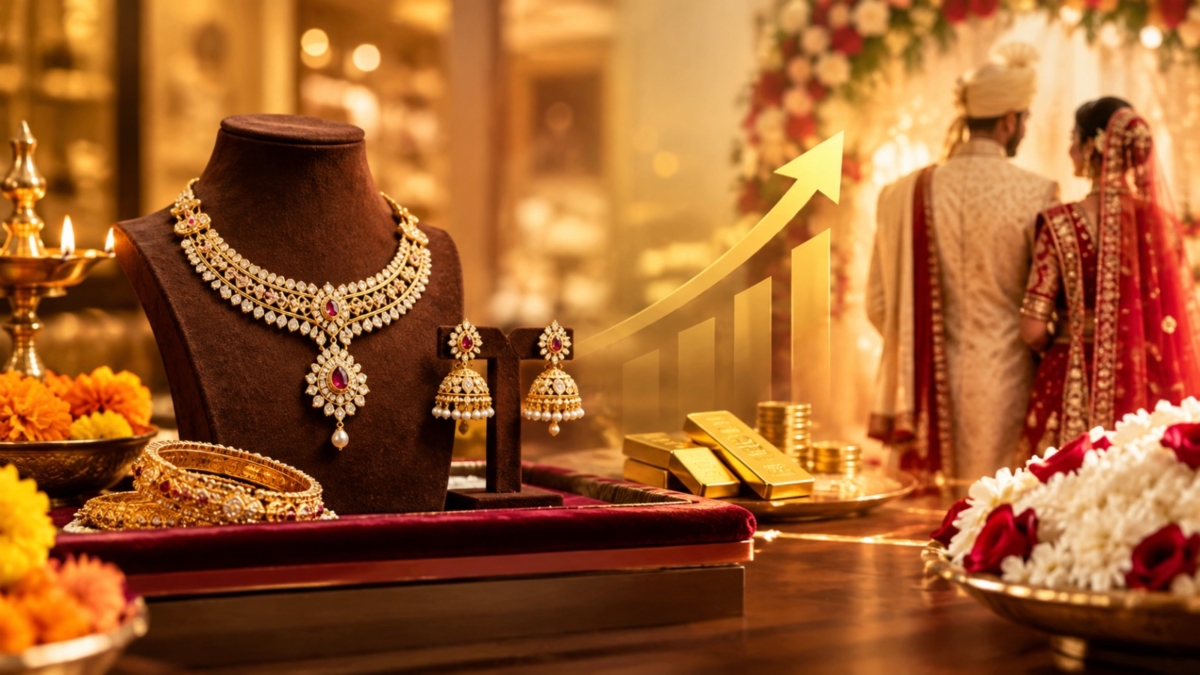
India’s jewellery industry is entering the festive and wedding season with cautious optimism, supported by positive consumer sentiment, relatively stable bullion prices and sustained demand for wedding-led purchases. While elevated gold prices are influencing buying behaviour, jewellers expect lightweight designs, contemporary styling, natural diamonds and innovative bridal collections to drive sales.
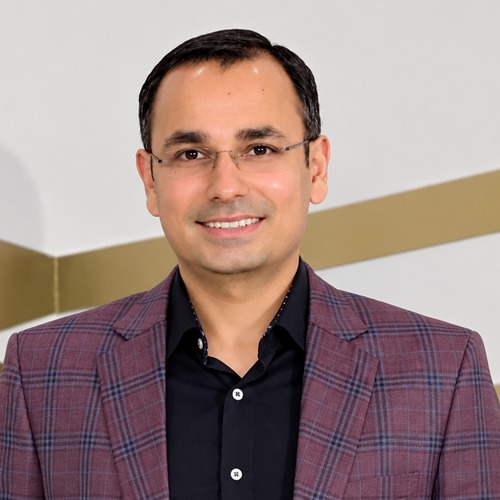
Vinay Bamalwa, Director, Nemichand Bamalwa and Sons, said consumer sentiment remains positive, with gold prices staying range-bound over the past three to four months. Sentiment towards natural diamonds has also improved over the last 12–18 months. The company’s 2026–27 Eden bridal collection has received an encouraging response, reinforcing expectations for the season.
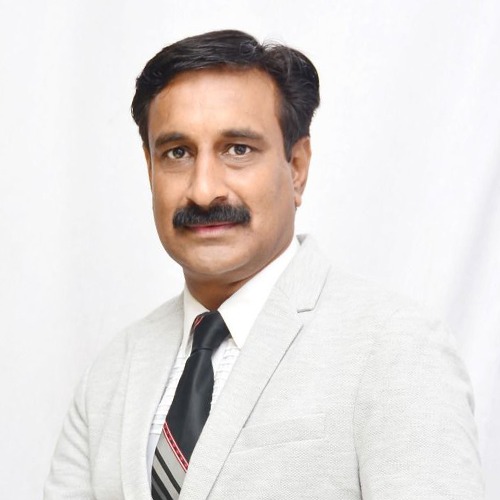
Anil Kataria, Director, DP Abhushan Ltd., see favourable conditions for jewellery sales. He cited positive consumer sentiment and conducive gold and silver prices as encouraging factors. We see a positive sentiment in consumers, and foresee healthy sales in the festive season. We are optimistic we will meet our targets this festive season.
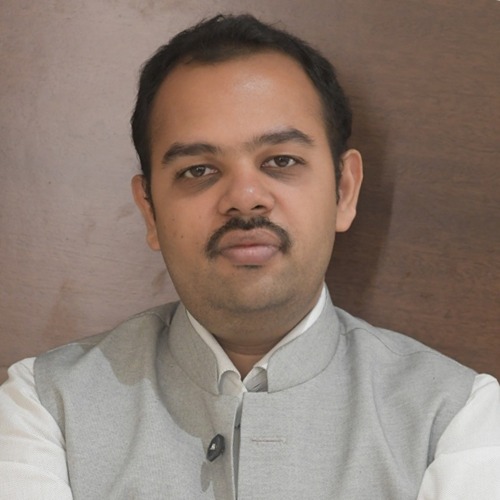
Vaibhav Saraf, Director, Aisshpra Gems & Jewels, expects healthy festive and wedding demand despite elevated gold prices, noting that customers are becoming more thoughtful and value-conscious. Lightweight, versatile jewellery is gaining preference, while bridal buyers increasingly seek statement pieces offering multiple styling options. The company has introduced Navni, a diamond bridal collection featuring innovative 9-in-1 jewellery designs, alongside contemporary and everyday-wear offerings.
Vastupal Ranka, Director, Ranka Jewellers, said current gold and silver prices are creating a favourable backdrop for jewellery sales. “We are seeing strong consumer sentiment and anticipate healthy demand leading into the festive season. While volume may see a slight dip, we remain confident that customers will continue to buy with optimism,” he said.
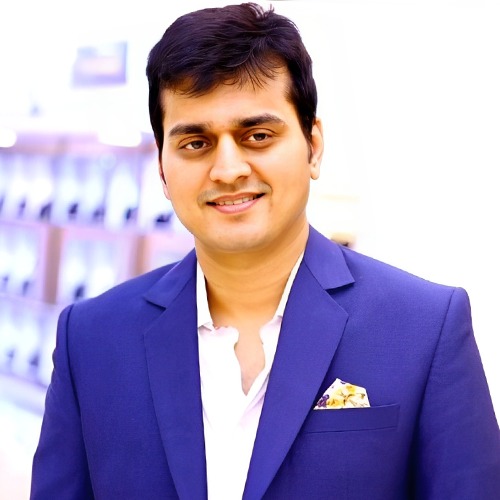
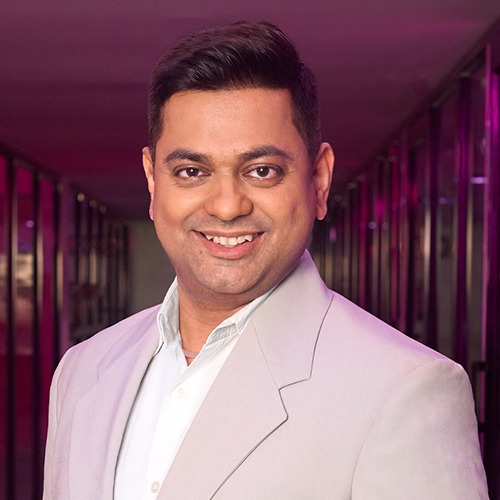
Darshan Chauhan, Whole-time Director, Sky Gold & Diamonds Ltd., expects wedding-led consumption, cultural traditions and demand for design-led, value-conscious jewellery to support the season. He highlighted the importance of inventory efficiency, faster stock rotation, consistent quality and market-relevant designs in helping retailers capture seasonal opportunities.
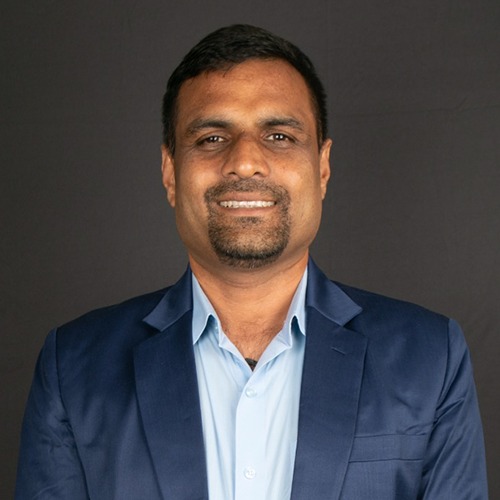
Vijay Pokharna, Founder, Pure Platinum Jewellery Pvt. Ltd., expects platinum jewellery to gain momentum as consumers increasingly favour premium, contemporary and meaningful purchases. Beyond traditional occasions, everyday luxury and self-purchase—particularly among younger consumers—present significant growth opportunities. He emphasised that innovation, accessible products, compelling designs and greater consumer awareness will be crucial to expanding the category.
Overall, industry leaders expect a healthy festive and wedding season, with success increasingly dependent on design innovation, value perception, product differentiation and efficient inventory management. Rather than signalling a retreat in jewellery demand, changing consumer preferences are creating opportunities for brands and retailers to broaden their offerings and strengthen customer engagement.


Aisshpra Gems & Jewels Opens Four Stores in One Day, Takes Network to 20; Targets 30 Stores by March 2028

The Met Goes Desi: Inside Sabyasachi’s Showstopping Diwali Dhamaka in New York

Jewellers Expect Healthy Festive and Wedding Demand Amid Evolving Consumer Preferences

Dhanteras Shopping Guide 2026:Gold, Silver, Diamonds & Festive Jewellery Trends To Watch

Indriya, Aditya Birla Jewellery Unveiled India’s Largest Sustainable Jewellery Rangavalli

From Diya Puja To Diwali Soirées: Jewellery Designed To Go Beyond The Festive Season
-
 JB Insights2 days ago
Dhanteras Shopping Guide 2026:Gold, Silver, Diamonds & Festive Jewellery Trends To Watch
-
 National News2 days ago
Indriya, Aditya Birla Jewellery Unveiled India’s Largest Sustainable Jewellery Rangavalli
-
 BrandBuzz2 days ago
From Diya Puja To Diwali Soirées: Jewellery Designed To Go Beyond The Festive Season
-
 BrandBuzz2 days ago
The Solenne Collection: A Celebration Of Diwali By Bharti Bangur Fine Jewels