JB Insights
De Beers divestment: A strategic pivot amid diamond industry decline

Anglo American is poised to formally initiate the sale of its troubled diamond division, De Beers, within weeks, marking the end of an era for one of the world’s most iconic luxury brands. According to Financial Times reports, the mining giant may have to accept approximately $2.5 billion for the asset—roughly half of its current $4.9 billion book value and a dramatic decline from the $7.6 billion valuation recorded in December 2023.
This precipitous value erosion reflects the severe structural challenges plaguing the natural diamond industry. The sector faces a perfect storm of weakened global luxury demand, persistent economic uncertainty, and the rapid ascendancy of lab-grown diamonds. These synthetic alternatives, chemically identical to natural stones but produced in weeks rather than millennia, have captured significant market share while offering consumers similar aesthetics at substantially lower prices.
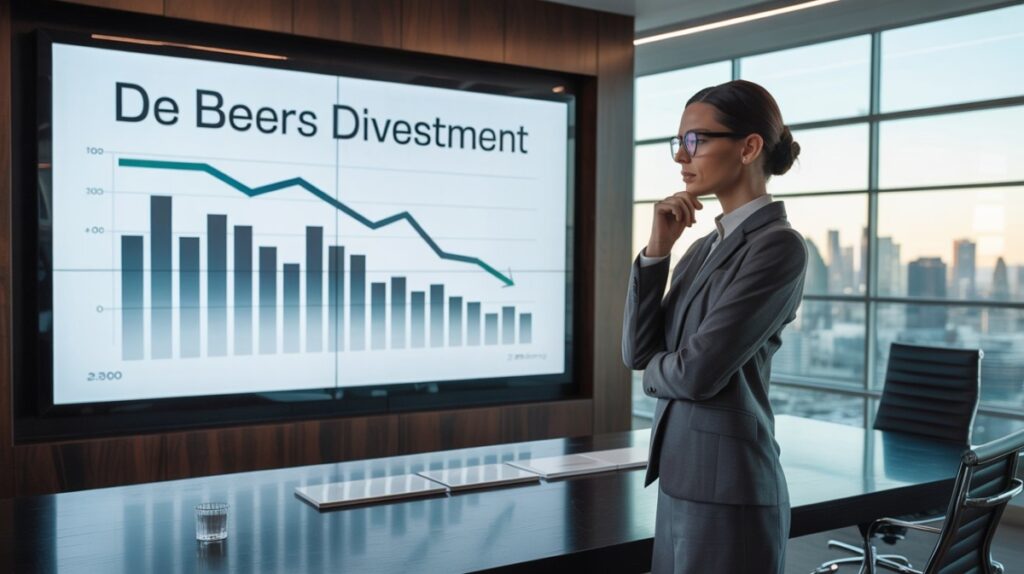
The urgency behind Anglo’s divestment stems from CEO Duncan Winblad’s commitment to complete the sale by end-2025, but more fundamentally from the company’s strategic transformation following BHP’s failed acquisition attempt. Having already divested steelmaking coal, nickel, and platinum operations, De Beers represents the final piece of Anglo’s portfolio restructuring. The company is pivoting toward assets with stronger long-term fundamentals, particularly copper, which benefits from electrification and renewable energy trends.

De Beers’ own adaptation efforts have proven insufficient. Its controversial entry into the lab-grown market through the Lightbox brand failed to stem declining profitability, while the traditional “A Diamond is Forever” positioning becomes increasingly difficult to maintain against cost-effective synthetic alternatives focused on value and ethical sourcing.
The challenge for Anglo extends beyond finding a buyer willing to pay $2.5 billion—it requires identifying an acquirer with a credible turnaround strategy for a structurally challenged business. Private equity firms might pursue leveraged restructuring opportunities, while sovereign wealth funds could view diamond assets as portfolio diversifiers. However, any serious buyer will demand significant operational improvements and cost reductions that could fundamentally reshape De Beers’ business model.
This divestment reflects broader mining industry trends, with companies increasingly prioritizing assets aligned with energy transition demands while shedding sectors facing structural headwinds. The diamond industry’s struggles serve as a cautionary tale about technological disruption’s capacity to rapidly erode even the most established market positions.
Whether Anglo achieves its $2.5 billion target or settles for less, the transaction represents pragmatic acknowledgment of changed market realities and demonstrates the importance of strategic flexibility over emotional attachment to legacy assets in an era of rapid transformation.






JB Insights
Jewellers Expect Healthy Festive and Wedding Demand Amid Evolving Consumer Preferences
India’s jewellery industry is entering the festive and wedding season with cautious optimism, supported by positive consumer sentiment, relatively stable bullion prices and sustained demand for wedding-led purchases.
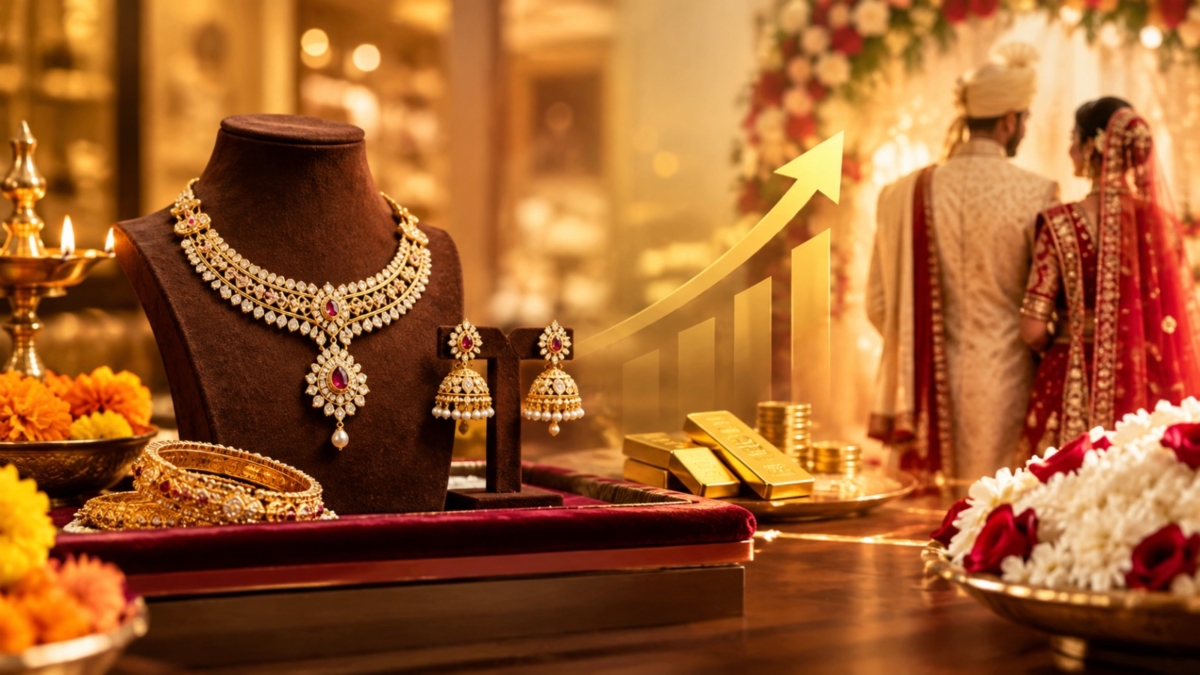
India’s jewellery industry is entering the festive and wedding season with cautious optimism, supported by positive consumer sentiment, relatively stable bullion prices and sustained demand for wedding-led purchases. While elevated gold prices are influencing buying behaviour, jewellers expect lightweight designs, contemporary styling, natural diamonds and innovative bridal collections to drive sales.
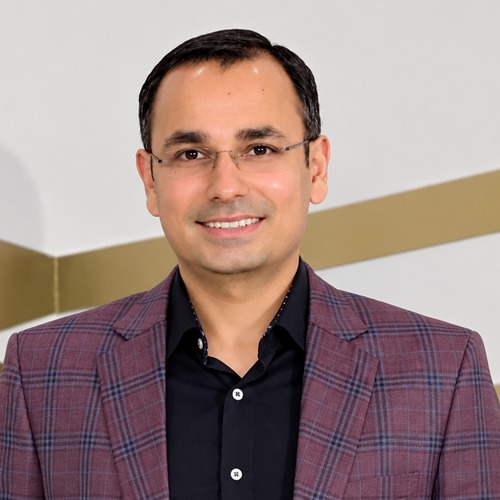
Vinay Bamalwa, Director, Nemichand Bamalwa and Sons, said consumer sentiment remains positive, with gold prices staying range-bound over the past three to four months. Sentiment towards natural diamonds has also improved over the last 12–18 months. The company’s 2026–27 Eden bridal collection has received an encouraging response, reinforcing expectations for the season.
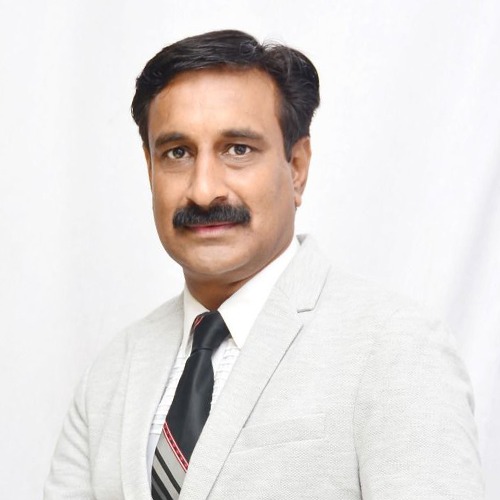
Anil Kataria, Director, DP Abhushan Ltd., see favourable conditions for jewellery sales. He cited positive consumer sentiment and conducive gold and silver prices as encouraging factors. We see a positive sentiment in consumers, and foresee healthy sales in the festive season. We are optimistic we will meet our targets this festive season.

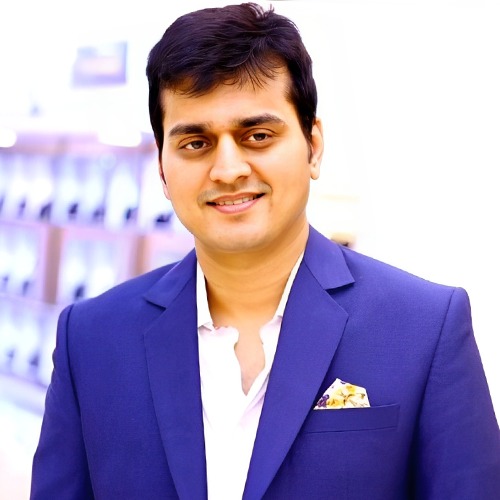
Vaibhav Saraf, Director, Aisshpra Gems & Jewels, expects healthy festive and wedding demand despite elevated gold prices, noting that customers are becoming more thoughtful and value-conscious. Lightweight, versatile jewellery is gaining preference, while bridal buyers increasingly seek statement pieces offering multiple styling options. The company has introduced Navni, a diamond bridal collection featuring innovative 9-in-1 jewellery designs, alongside contemporary and everyday-wear offerings.
Vastupal Ranka, Director, Ranka Jewellers, said current gold and silver prices are creating a favourable backdrop for jewellery sales. “We are seeing strong consumer sentiment and anticipate healthy demand leading into the festive season. While volume may see a slight dip, we remain confident that customers will continue to buy with optimism,” he said.
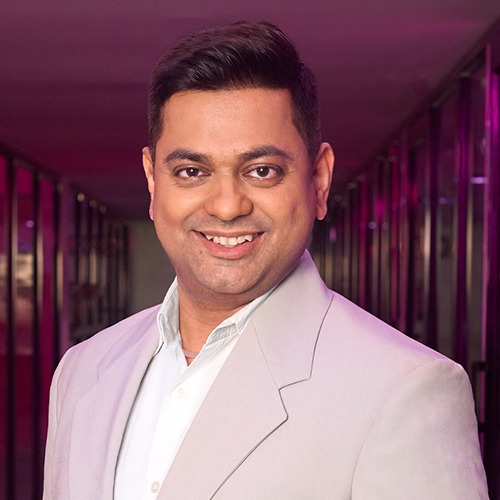
Darshan Chauhan, Whole-time Director, Sky Gold & Diamonds Ltd., expects wedding-led consumption, cultural traditions and demand for design-led, value-conscious jewellery to support the season. He highlighted the importance of inventory efficiency, faster stock rotation, consistent quality and market-relevant designs in helping retailers capture seasonal opportunities.
Vijay Pokharna, Founder, Pure Platinum Jewellery Pvt. Ltd., expects platinum jewellery to gain momentum as consumers increasingly favour premium, contemporary and meaningful purchases. Beyond traditional occasions, everyday luxury and self-purchase—particularly among younger consumers—present significant growth opportunities. He emphasised that innovation, accessible products, compelling designs and greater consumer awareness will be crucial to expanding the category.

Overall, industry leaders expect a healthy festive and wedding season, with success increasingly dependent on design innovation, value perception, product differentiation and efficient inventory management. Rather than signalling a retreat in jewellery demand, changing consumer preferences are creating opportunities for brands and retailers to broaden their offerings and strengthen customer engagement.


Aisshpra Gems & Jewels Opens Four Stores in One Day, Takes Network to 20; Targets 30 Stores by March 2028

The Met Goes Desi: Inside Sabyasachi’s Showstopping Diwali Dhamaka in New York

Jewellers Expect Healthy Festive and Wedding Demand Amid Evolving Consumer Preferences

Dhanteras Shopping Guide 2026:Gold, Silver, Diamonds & Festive Jewellery Trends To Watch

Indriya, Aditya Birla Jewellery Unveiled India’s Largest Sustainable Jewellery Rangavalli

From Diya Puja To Diwali Soirées: Jewellery Designed To Go Beyond The Festive Season
-
 JB Insights2 days ago
Dhanteras Shopping Guide 2026:Gold, Silver, Diamonds & Festive Jewellery Trends To Watch
-
 National News2 days ago
Indriya, Aditya Birla Jewellery Unveiled India’s Largest Sustainable Jewellery Rangavalli
-
 BrandBuzz2 days ago
From Diya Puja To Diwali Soirées: Jewellery Designed To Go Beyond The Festive Season
-

 BrandBuzz2 days ago
The Solenne Collection: A Celebration Of Diwali By Bharti Bangur Fine Jewels