
JB Insights
HIJS 2024 exceeds expectations: booming visitor traffic and flourishing business deals

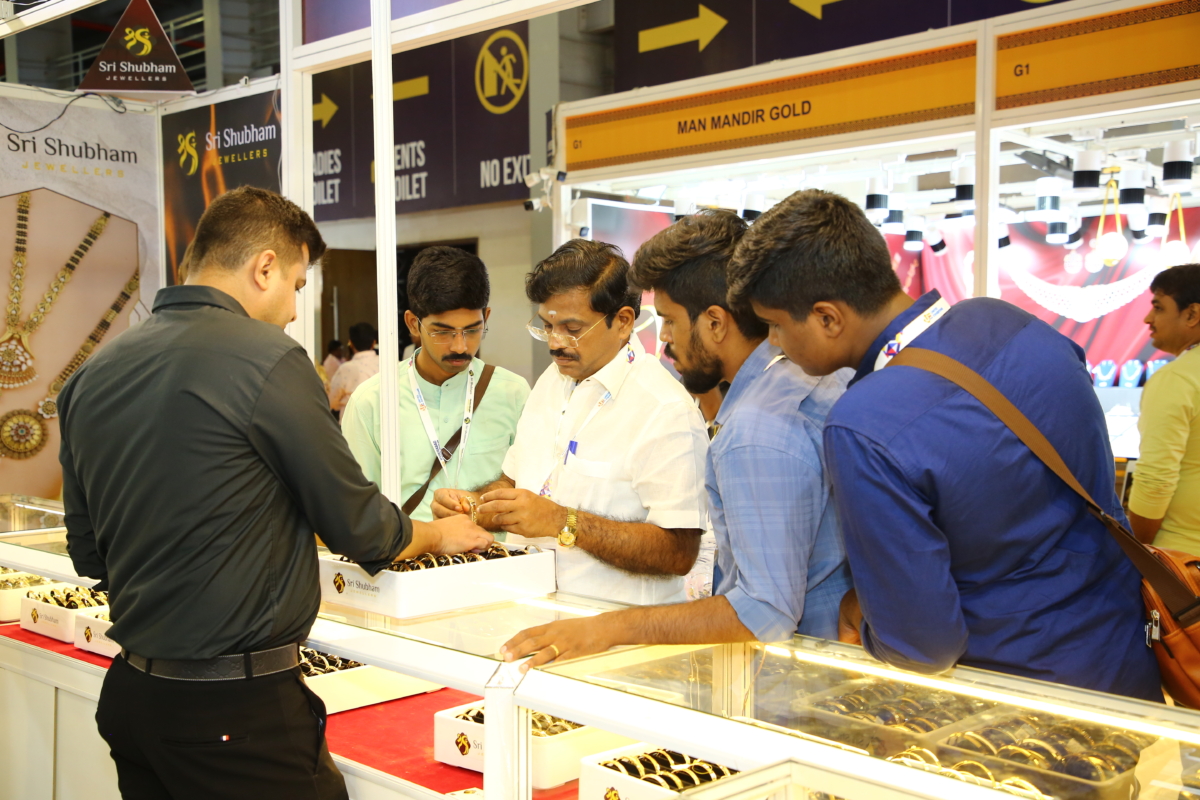
South India’s Largest B2B Jewellery Exhibition attracts record breaking trade visitors; exhibitors elated with the volume of business done

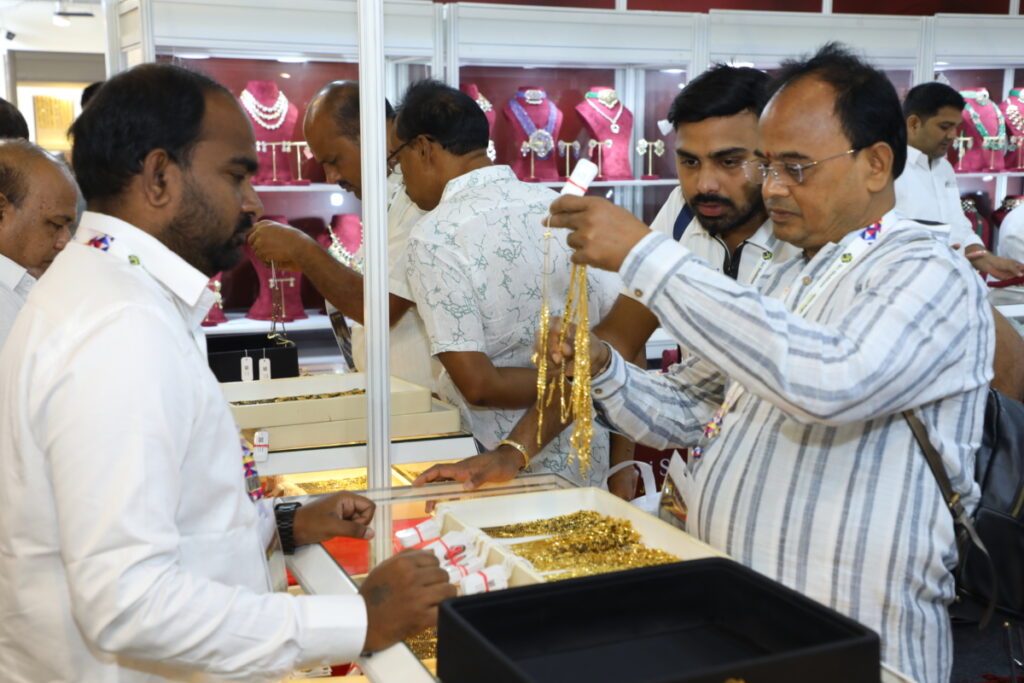
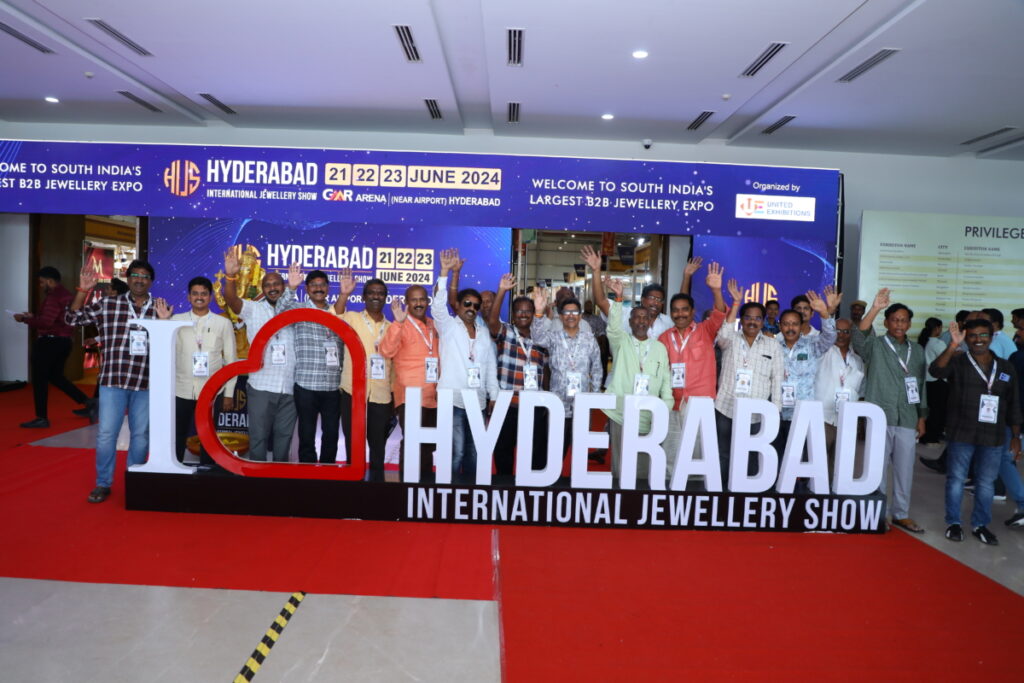
The Hyderabad International Jewellery Show (HIJS) 2024, South India’s premier B2B jewellery exhibition, was a resounding success. Held at the GMR Arena near Hyderabad Airport from June 21-23, 2024, the event received high praise from exhibitors, visitors, and trade bodies alike. The exhibition concluded on a high note, with booths bustling with activity until the final moments on the last day.
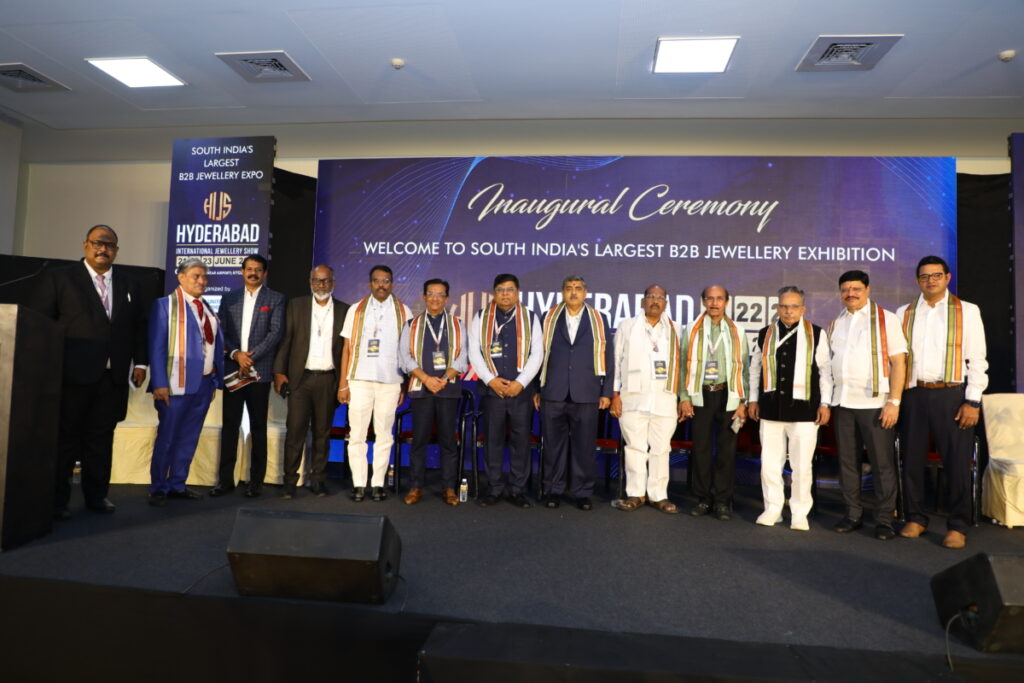
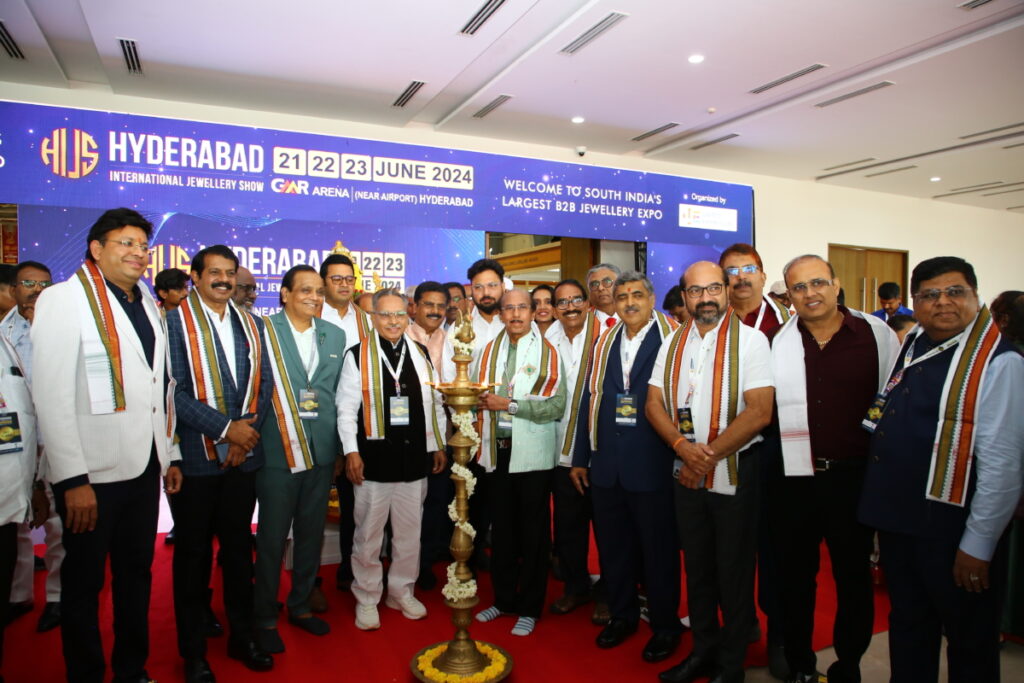
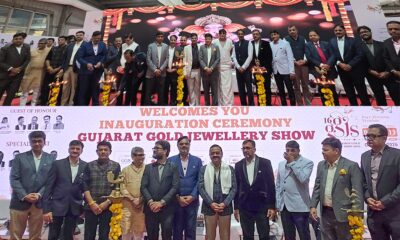
The show was inaugurated in the presence of as Dr B. Govindan, State President, AKGSMA; Jayantilal Challani, President, MJDTA; Kailash Charan, President, Twin Cities Jewellers Association; Jagdish Prasad Verma, President, Telangana Bullion Gems & Jewellers Federation; Paul Alukka and John Alukka, Managing Directors, Jos Alukkas; Parasmal Ranka, President, Telangana Pawn Broker Jewellers Association; Shantilal Jain, Chief Organiser, A.P. Bullion Gold, Silver and Diamond Merchant’s Association; Yogesh Kothari, President, IBJA – Tamil Nadu; Mohanlal Jain, COA, GJC; Adv. S. Abdul Nazar, Treasurer, AKGSMA & Director, GJC; V K Manoj, Project Director- United Exhibitions and other dignitaries of the GJ industry.

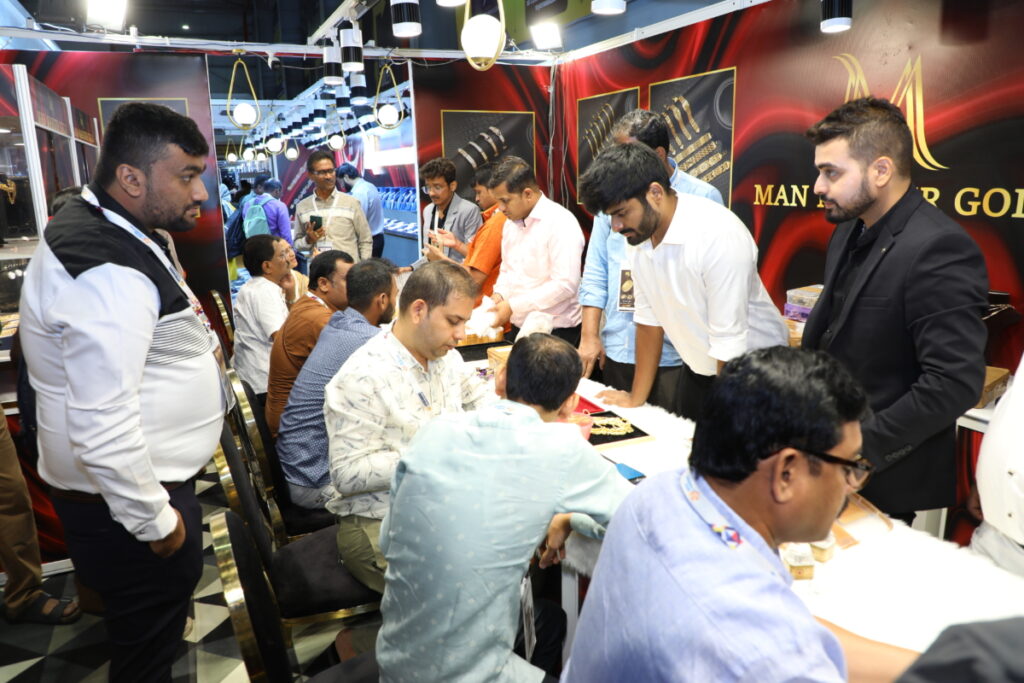
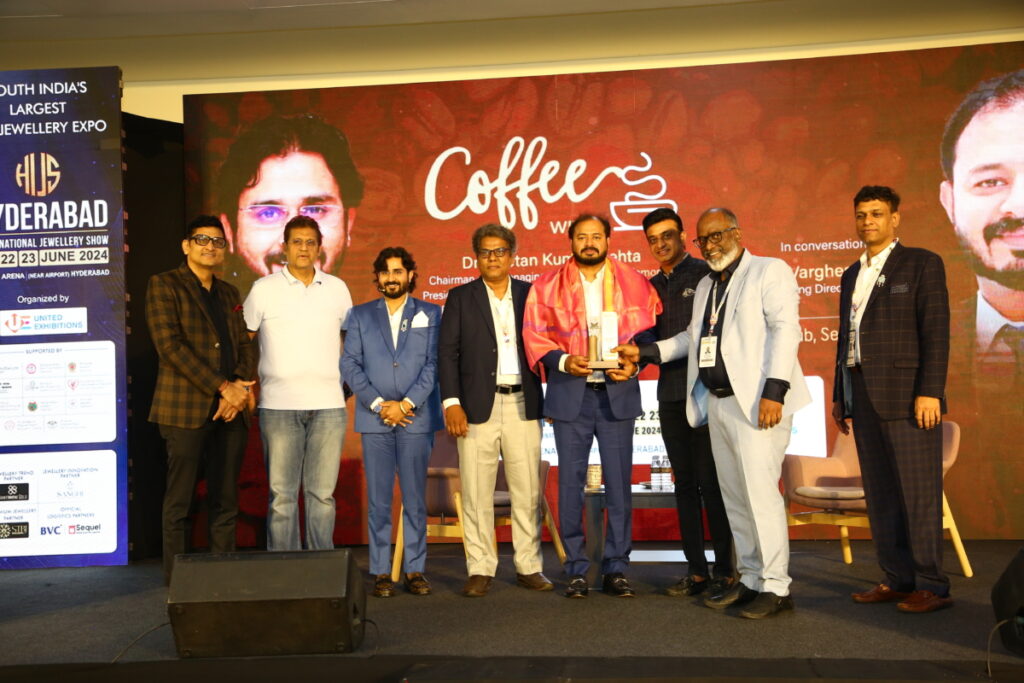
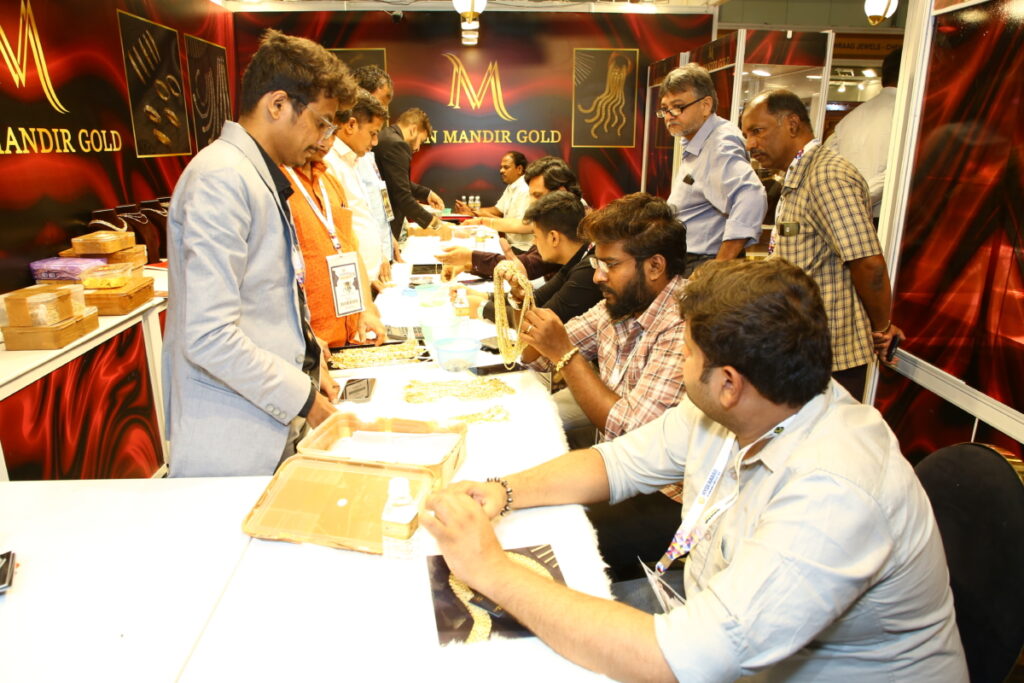
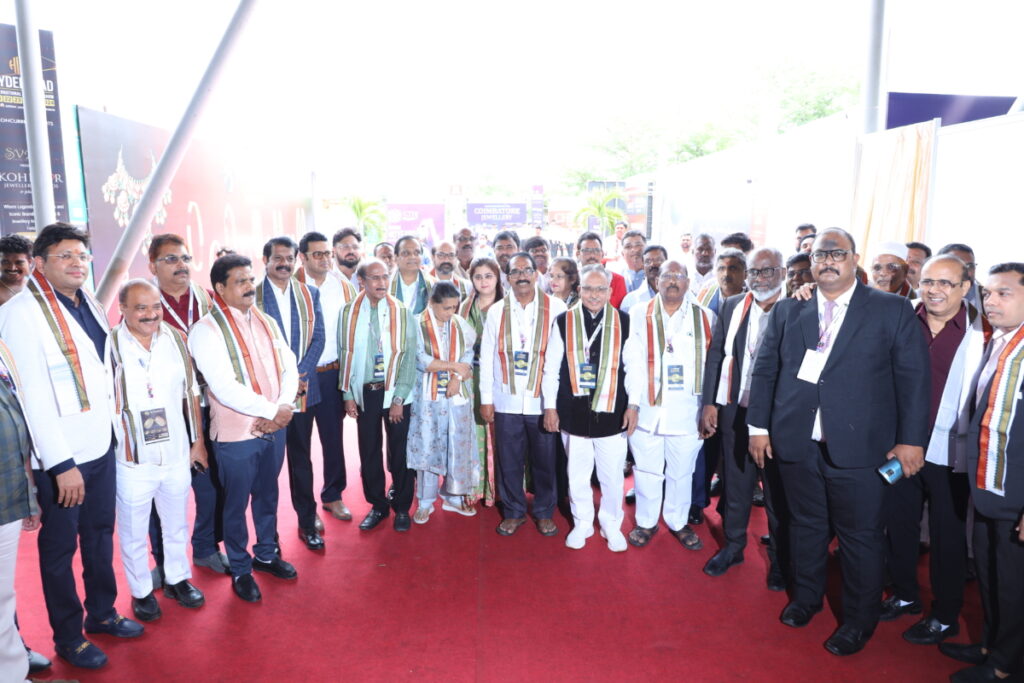
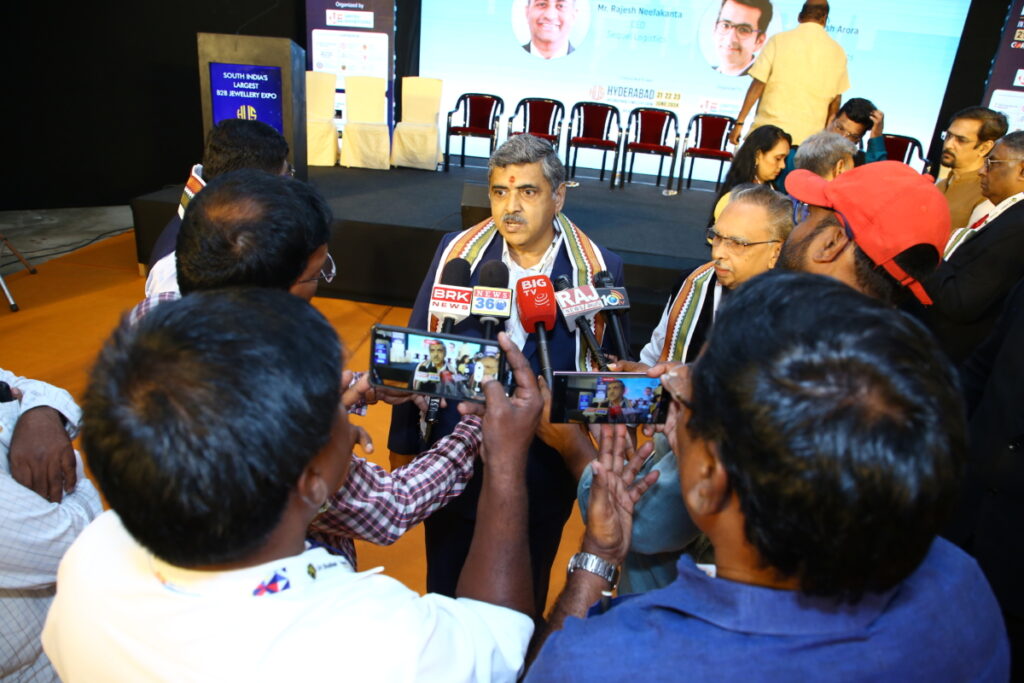

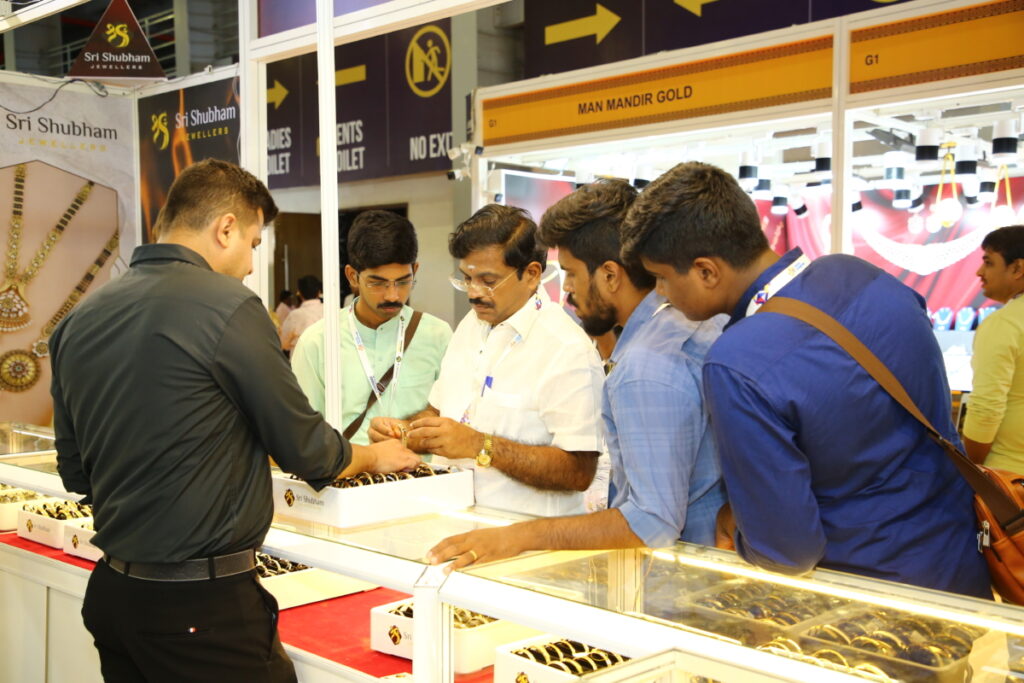
V K Manoj, Project Director of United Exhibitions, the organizer of HIJS 2024, remarked, “The overwhelming response to HIJS 2024 surpassed our expectations. Exhibitors were highly satisfied, particularly with the strict implementation of business-only entry norms and the quality of facilities provided. The success of HIJS 2024 and the industry support we received have been immensely encouraging.”
Broad-based Support
HIJS 2024 was enthusiastically received by all stakeholders. Dr. B Govindan, Chairman, Bhima Jewellery, South Zone Chairman, GJC and also the chief guest, lauded the event and reaffirmed the industry’s support to the serious trade shows like HIJS
A vigorous promotional campaign, including roadshows and door-to-door drives in key jewellery hubs, significantly boosted awareness, backed by local trade associations. Leading personalities from major associations across southern states graced the opening day, highlighting the event’s significance.
Significant Pan-India Participation
HIJS 2024 provided a platform that brought together leading manufacturers from across the country to cater the needs of jewellery retailers from both the South and other key regions. The diverse visitor profile from various states led some participants to compare the show favourably with other national exhibitions.
The show featured 250+ exhibitors in around 600 booths spread over 1,25,000 sq ft of exhibition space. An estimated 25,00,000 jewellery designs were showcased, offering a vast array of choices across gold, diamond, and silver jewellery, as well as loose gemstones. Additionally, the latest technology and software solutions for the jewellery industry were on display.
High Footfalls, Brisk Business
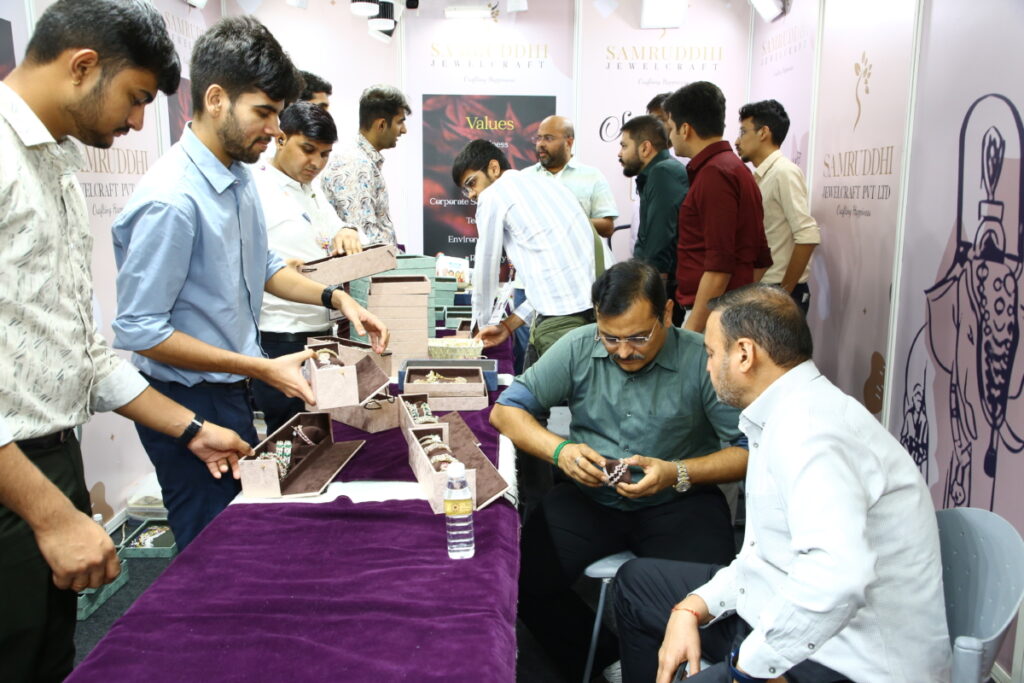
Exhibitors expressed extreme satisfaction with the steady flow of trade visitors over the three days. Many noted the significant number of footfalls, even on the last day, comparable to the opening day. Large groups of buyers from Telangana, Andhra Pradesh, and South India attended, alongside a significant number of trade visitors from various parts of India.
Concurrent Events
The significance of HIJS 2024 as a business networking event was highlighted by various key concurrent events which included:
- Coffee with Dr Chetan Kumar Mehta, in conversation with Mr Varghese Alukkas, Managing Director, Jos Alukkas Jewellers.
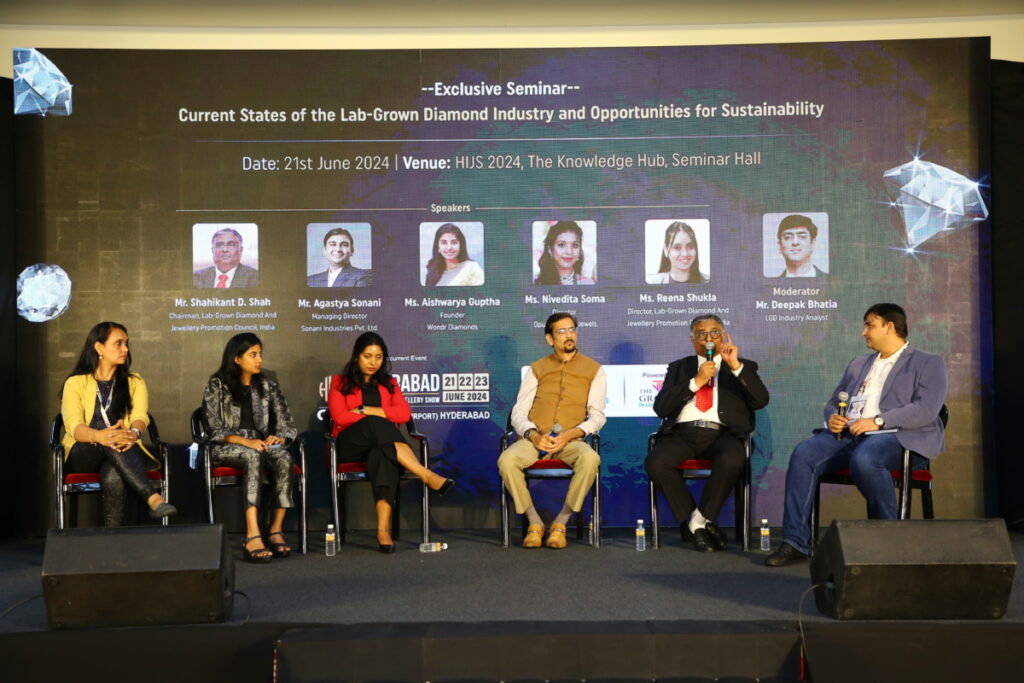
- Panel Discussion on Lab Grown Diamond Market
- Kohinoor Jewellery Awards
United Exhibitions confirmed that nearly all exhibitors have already signed up for HIJS Diwali Edition 2024, scheduled to be held from 18th to 20th October 2024 at HITEX Exhibition Centre, Madhapur, Hyderabad.







JB Insights
India’s Festive Jewellery Market Eyes Growth As Consumers Shift Towards Lightweight Designs and Value-Led Purchases
JewelBuzz speaking to GJ sector leadership saw that positive consumer sentiment, wedding-led demand, innovative collections and price-sensitive buying are shaping the outlook for India’s jewellery industry ahead of Dhanteras and Diwali 2026. While retailers anticipate healthy value growth, the conversion of advance bookings into actual purchases will be critical.

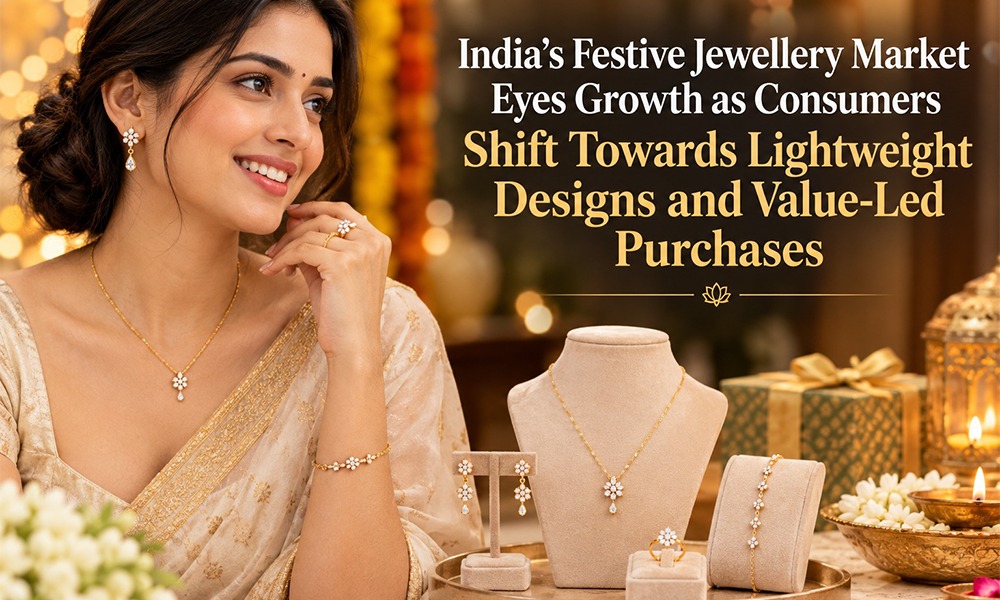
India’s gems and jewellery industry is entering the festive and wedding season with cautious optimism, supported by positive consumer sentiment, renewed buying interest and evolving product preferences. From traditional gold jewellery and contemporary lightweight designs to silver coins and lab-grown diamond (LGD) jewellery, the market is witnessing demand across multiple categories as consumers balance festive traditions with budget considerations.
Industry leaders expect the upcoming festive calendar to provide a significant impetus to jewellery sales. However, elevated gold prices, price-conscious consumers and changing purchasing patterns are influencing how customers allocate their budgets, encouraging retailers and brands to sharpen their product offerings, pricing strategies and customer engagement initiatives.
The recent movement in gold and silver prices has added another dimension to the market outlook. While softer prices can improve affordability and encourage buying, consumers remain discerning, comparing designs, quality, certification and overall value before committing to purchases. Consequently, the ability to offer products across price points, supported by transparent pricing and flexible booking schemes, could determine which businesses capitalise most effectively on festive demand.
Lightweight Designs and Contemporary Aesthetics Gain Ground
A prominent trend emerging this season is the shift towards lightweight jewellery that combines traditional appeal with contemporary styling. Higher gold prices are encouraging consumers to reconsider weight and design, with greater interest in versatile pieces that can serve both everyday and occasion-led requirements.
Rajesh Rokde, Chairman of the Gem & Jewellery Council (GJC), highlighted the positive demand environment, noting that consumers are increasingly responding to changing product propositions.
“Higher gold prices are encouraging a shift towards lightweight designs and innovative collections.”
He added that silver jewellery and coins were also gaining traction, while steady retail footfalls and advance bookings indicated that consumers remained confident about making jewellery purchases during the festive period.
Avinash Gupta, Vice Chairman of GJC, similarly pointed to changing consumer aspirations, particularly among younger buyers who increasingly seek jewellery that blends heritage with modern aesthetics.
“We are witnessing a clear preference for contemporary, lightweight designs that blend tradition with modern aesthetics, especially among younger buyers.”
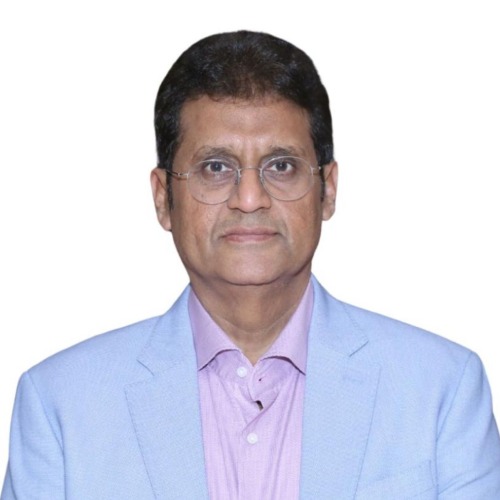
He observed that retailers were responding through more diverse collections and digital engagement, helping them connect with customers whose expectations are evolving. The combination of traditional purchasing occasions and contemporary product development, he suggested, would highlight the industry’s creativity and resilience.
For manufacturers and brands, this shift presents an opportunity to rethink product architecture, including lighter gold pieces, contemporary styling, versatile designs and collections tailored to specific consumer budgets. For retailers, a carefully curated assortment could help sustain conversion even when customers are reluctant to increase their overall spending.
Lab-Grown Diamonds Seek a Larger Share of Festive Spending
Lab-grown diamond jewellery is emerging as another category to watch during the festive and wedding season, particularly among younger consumers and first-time diamond buyers. Its appeal lies in the opportunity to purchase larger stones and contemporary designs at accessible price points, giving customers an alternative within their jewellery budgets.
Aarav Bafna, Director of Akoirah by Augmont, expects LGD jewellery to outperform the broader jewellery category during the season.

“Sentiment has matured from curiosity to conviction,” Bafna said, describing the growing willingness of consumers to choose lab-grown diamonds deliberately rather than merely experiment with the category.”
According to Bafna, Dhanteras and Diwali are likely to support demand for lightweight 14K and 18K LGD jewellery suited to gifting, while the wedding season could generate interest in solitaires, engagement rings and bridal sets.
He also identified certification and transparent pricing as important trust factors, citing IGI and SGL certification as key considerations for buyers seeking assurance. Growing acceptance in Tier 2 and Tier 3 cities could further broaden the category’s reach.
For jewellery businesses, the opportunity extends beyond offering LGD as a lower-priced alternative. Clear communication about stone characteristics, certification, pricing and the distinction between lab-grown and natural diamonds will be essential to building customer confidence. Retailers that understand the different motivations of gifting customers, couples purchasing engagement rings and wedding shoppers may be better positioned to develop targeted collections.
The category’s performance this season will also offer an indication of how effectively LGD jewellery can expand its role in mainstream festive retail, especially as consumers seek a balance between design, perceived quality and affordability.
Softer Bullion Prices Could Encourage Buying
Price movements remain a significant influence on purchasing decisions. A recent decline in gold and silver prices has generated fresh interest, potentially improving affordability for customers who had postponed purchases or were waiting for a more favourable buying opportunity.
Harshal Khandelwal, Director – Khandelwal Jewellers Akola Pvt Ltd., said the recent decline in gold prices was creating an opportunity for retailers to encourage customers to make festive purchases.
“The recent drop in gold rates is a great opportunity for customers.”
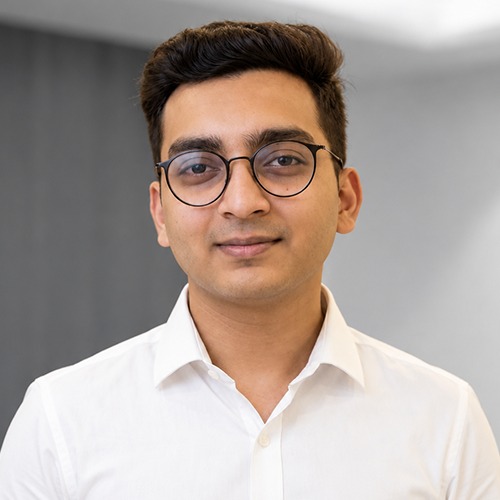
His company is using a large lucky-draw campaign to attract buyers, while rate-booking programmes are helping customers secure gold prices amid bullion-market volatility and plan their festive purchases.
These initiatives underline how retailers are leveraging price movements and promotional campaigns to convert consumer interest into confirmed orders ahead of the festive season.
These initiatives reflect a broader retail strategy: converting market movements into a reason to visit stores and commit to purchases. Rate-locking schemes can provide customers with greater clarity over their jewellery budgets, while promotional campaigns may generate additional footfalls and engagement.
However, retailers will need to structure such offers carefully, ensuring that terms are transparent and that promotional activity supports sustainable sales rather than merely increasing store traffic.
Value-Conscious Consumers Demand Better Assortment and Pricing
Despite the positive sentiment, customers are not necessarily spending without hesitation. They are comparing products more carefully, assessing quality and price, and seeking designs that deliver value within defined budgets.
Chetan Thadeshwar, CMD of Shringar House of Mangalsutra Ltd., expressed optimism about demand, citing the combined influence of Diwali, wedding purchases and improved affordability following the recent decline in gold and silver prices.
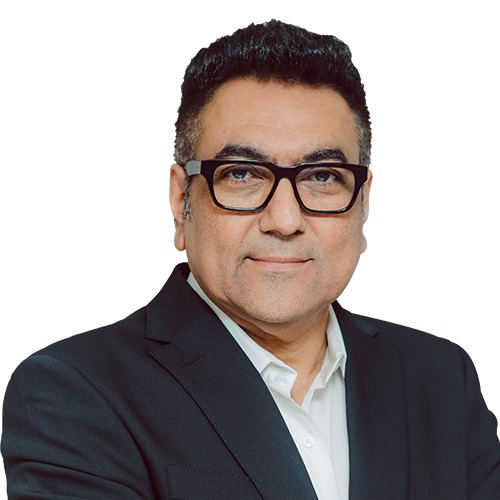
“Retail sentiment is positive, though customers remain value-conscious and are comparing designs, quality and price before making a decision.”
He expects the festive and wedding calendar to sustain demand in the coming months, particularly for retailers that offer well-curated collections across budgets, including lightweight and occasion-ready jewellery.
This outlook has important implications for retail planning. Rather than relying exclusively on high-value purchases, jewellers may benefit from offering a balanced product mix that includes entry-level gifting options, lightweight gold jewellery, traditional wedding pieces, silver products and contemporary designs.
Manufacturers and wholesalers, meanwhile, will need to align inventory and production with the changing retail requirement. Assortments that provide flexibility in weight, design and price could help retailers serve a broader customer base without compromising on presentation or perceived quality.
Sales Value May Rise Even as Volumes Remain Under Pressure
The difference between sales value and jewellery volumes is likely to be a defining feature of the 2026 festive season. Higher bullion prices can lift the value of sales even when consumers purchase fewer pieces or reduce the quantity of gold they buy.
Prithviraj Kothari, MD- RiddiSiddhi Bullions Ltd.,and National President-IBJA, expects festive jewellery sales to grow by 15–20% year-on-year in value, even as volumes remain flat or decline slightly.He also pointed to reported revenue growth of 20–30% among listed jewellers during July–September, while stressing that advance bookings would need to translate into actual purchases for the sector to achieve its anticipated performance.
Khandelwal noted that sales volumes had declined by approximately 15% year-on-year around Ganesh Chaturthi and that Dussehra had been subdued. Nevertheless, he said footfalls were picking up as gold prices held relatively steady in the ₹1.42 lakh–₹1.44 lakh range.
“The key thing to watch is how many advance bookings turn into actual purchases, because that will decide the final number.”
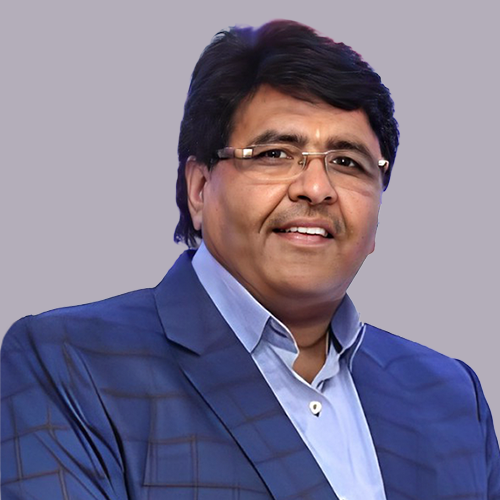
His assessment highlights the need to distinguish between headline revenue growth and underlying consumer demand. An increase in the value of jewellery sold does not necessarily indicate that more pieces are being purchased or that physical volumes are expanding.
For manufacturers, wholesalers and retailers, monitoring average transaction values, unit sales, gold weight sold, customer conversion rates and booking cancellations will therefore be essential to evaluating the season’s actual performance.
Advance Bookings and Bridal Orders Could Support Dhanteras
With Dhanteras falling on 6 November 2026, retailers are banking on advance bookings, rate-lock schemes and early bridal orders to strengthen festive sales. While these initiatives improve demand visibility and help manage bullion-price volatility, converting bookings into actual purchases will determine the season’s performance. Retailers must ensure transparent pricing, timely follow-ups and product availability. The wedding calendar also offers opportunities across bridal jewellery, engagement rings, gifting and occasion wear.
What the Outlook Means for the Jewellery Trade
Positive sentiment presents opportunities across gold, silver and lab-grown diamonds (LGDs), but consumers remain value-conscious. Manufacturers must prioritise lightweight, design-led collections, while wholesalers need flexible assortments and efficient replenishment. Retailers can improve conversions through curated collections, digital engagement and transparent pricing. Jewellery brands must strengthen trust through contemporary designs, certification and clear product information. Across the trade, tracking sales value alongside volumes, margins, average transaction values and booking conversions will provide a more accurate performance assessment.
Conclusion: Conversion Will Decide the Season
Festive and wedding demand remains encouraging, but sustainable growth will depend on affordability, product relevance and customer confidence. The winners this season will be those who convert consumer interest into profitable, completed sales.



Dubai Diamond Conference Urges Natural Diamond Industry To Rethink Its Future

QWEEN Launches Its First Store In Noida With India’s First Self-Discovery Experiential Luxury Jewellery Format

India’s Festive Jewellery Market Eyes Growth As Consumers Shift Towards Lightweight Designs and Value-Led Purchases

Dhanteras Shopping Guide 2026:Gold, Silver, Diamonds & Festive Jewellery Trends To Watch

The Solenne Collection: A Celebration Of Diwali By Bharti Bangur Fine Jewels

Indriya, Aditya Birla Jewellery Unveiled India’s Largest Sustainable Jewellery Rangavalli
-
 JB Insights4 days ago
Dhanteras Shopping Guide 2026:Gold, Silver, Diamonds & Festive Jewellery Trends To Watch
-
 BrandBuzz4 days ago
The Solenne Collection: A Celebration Of Diwali By Bharti Bangur Fine Jewels
-
 National News4 days ago
Indriya, Aditya Birla Jewellery Unveiled India’s Largest Sustainable Jewellery Rangavalli
-
 BrandBuzz4 days ago
From Diya Puja To Diwali Soirées: Jewellery Designed To Go Beyond The Festive Season
