
DiamondBuzz
Earth’s Billion-Year Secret Unearthed: 42-Carat Diamond Discovery Shocks Experts
A historic natural blue diamond from South Africa’s iconic Cullinan Mine captures global scientific and luxury attention

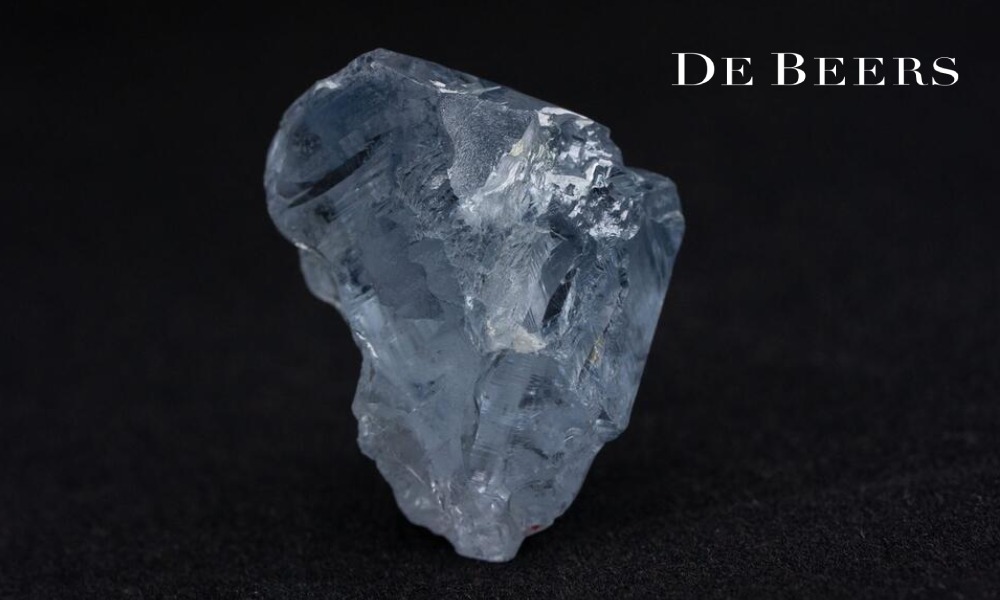
A rare and fascinating discovery has caught the attention of the world. A natural blue diamond weighing 41.82 carats has been found at the Cullinan Mine in South Africa, one of the most famous diamond mines in history. The diamond was discovered by Petra Diamonds, a South African mining company known for uncovering some of the world’s most exceptional stones.
For readers unfamiliar with the mine, the Cullinan Mine has a legendary reputation. It is the same mine that produced the original Cullinan Diamond, the largest rough diamond ever found, parts of which are now set in the British Crown Jewels. Discoveries from this mine have shaped global diamond history for more than a century.
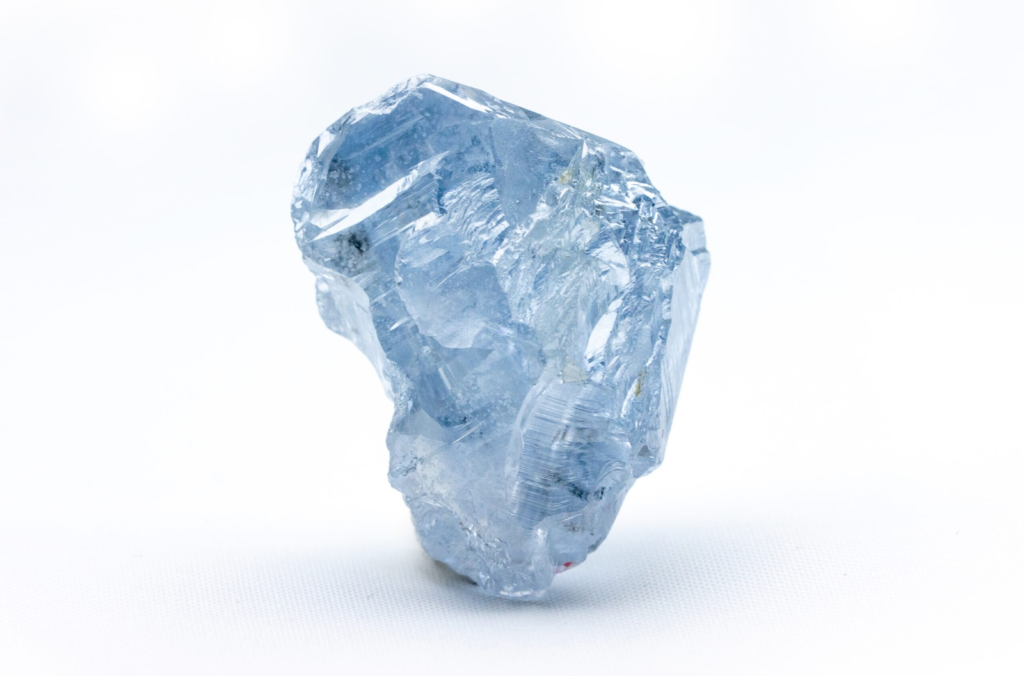
This newly found blue diamond stands out not just because of its size, but because of its deep natural colour and clarity. Blue diamonds are among the rarest diamonds on earth. Even more unusual is finding a stone where size, colour and clarity come together so perfectly. Experts believe diamonds like this often go on to become historic jewels or prized museum pieces.
A Jewellery expert and author said, “The discovery of a 41.82-carat natural blue diamond at the Cullinan Mine is a rare and globally significant event. Combining exceptional size, vivid blue colour, and high clarity—an exceedingly uncommon alignment—this Type IIb diamond stands out as both a historic gemstone and a scientific marvel. Such discoveries reinforce South Africa’s legacy of extraordinary diamond finds and capture the imagination of collectors, museums, and the global luxury world.”
What makes blue diamonds especially fascinating is how they are formed. Their colour comes from tiny traces of boron that enter the crystal structure deep inside the earth. These diamonds are created billions of years below the surface under intense pressure and heat, making each stone a natural wonder shaped long before human civilisation began.
For Indian audiences, this discovery holds special meaning. India has a deep historical connection with diamonds, from the legendary Golconda mines to its position today as one of the world’s largest jewellery markets. Rare natural diamonds continue to hold emotional and cultural value for Indian consumers who see them as symbols of legacy, permanence, and artisanship.
As this 42-carat blue diamond begins its journey from the mine to a possible polished masterpiece, it has already secured its place as one of the most talked about diamond discoveries in recent times. It serves as a reminder that some of the world’s greatest treasures are still hidden beneath the earth, waiting to be found.


DiamondBuzz
Botswana Looks Beyond Rough Diamond Sales, Eyes U.S. Jewelry Market
The Duty Exemption By US Presents An Opportunity For Domestic Jewelry Manufacturers In Gaborone To Bypass Traditional Middle-Market Hubs and Establish A Direct Pipeline To American Consumers


Grappling with a painful downturn in global rough-diamond demand, Botswana is pivoting its economic strategy: expanding up the supply chain directly into American retail shelves while leveraging its resource wealth to fund conservation and diversification.
Speaking on the sidelines of New York Climate Week, Bogolo Joy Kenewendo, Botswana’s Minister of Minerals and Energy, highlighted the southern African nation’s plan to capitalize on a 0% import-tariff rate to the U.S. market. The duty exemption presents an opportunity for domestic jewelry manufacturers in Gaborone to bypass traditional middle-market hubs and establish a direct pipeline to American consumers.
shift The push into value-added manufacturing comes as the world’s top diamond producer by value navigates a broader structural Diamond revenues have long formed the bedrock of Botswana’s post-independence balance sheet, underwriting universal secondary education and tuition-free university funding. However, recent market volatility has underscored the vulnerabilities of a mono-sectoral economy.
Under the Botswana Economic Transformation Programme (BETP)—an initiative spearheaded directly by President Duma Boko and his vice president—the government is directing resources toward manufacturing, agriculture, and broader mining sectors to reduce its heavy reliance on rough diamond sales.
To support its luxury exports, Botswana is recalibrating its brand narrative around origin, environmental stewardship, and social impact. The country recently announced a five-year extension of the “Okavango Eternal” partnership alongside De Beers Group and the National Geographic Society. The initiative aims to protect the ecological integrity of the Okavango River Basin while tying diamond purchases to conservation efforts.
With De Beers currently facing an impending ownership change, officials remain optimistic that any capital restructuring could bring additional funds into Botswana to accelerate its domestic economic transition.



GJS 2026 Diwali Edition Concludes On A High Note With Record Sales

GJEPC Launches UNNATI: Powering Women In GJ Sector To Drive Industry Growth Towards Viksit Bharat

Divine Solitaires and SGL Launch The Know Your Diamond Zone At GJS Diwali Edition 2026
GJEPC Launches UNNATI: Powering Women In GJ Sector To Drive Industry Growth Towards Viksit Bharat

KEYA By Adbhut Brings Wearable Art and Indian Craftsmanship To Delhi Art Weekend 2026
Divine Solitaires and SGL Launch The Know Your Diamond Zone At GJS Diwali Edition 2026
-
 National News14 hours ago
GJEPC Launches UNNATI: Powering Women In GJ Sector To Drive Industry Growth Towards Viksit Bharat
-
 National News16 hours ago
KEYA By Adbhut Brings Wearable Art and Indian Craftsmanship To Delhi Art Weekend 2026
-
 National News14 hours ago
Divine Solitaires and SGL Launch The Know Your Diamond Zone At GJS Diwali Edition 2026
-

 National News18 hours ago
Titan, Kalyan, Malabar, Senco and Indriya Lead 54 Champions Crowned At The First India International Jewellery Awards
