
JB Insights
Top 10 India’s Jewellery Traditions: Where Craft Becomes Identity
-By JewelBuzz
From Centuries-Old Techniques To Regional Artistry, These 10 Jewellery Traditions Reflect India’s Cultural Legacy, Craftsmanship, and Enduring Human Touch


India’s jewellery is far more than ornamentation—it is a reflection of identity, heritage, and regional storytelling. Across the country, every piece carries the imprint of its origin, shaped by local traditions, cultural influences, and generations of skilled artisans. From intricate silverwork to vibrant enamel detailing, these designs are deeply tied to the communities that create them.
What sets Indian jewellery apart is its deep-rooted connection to time and tradition. These crafts were not born in factories but evolved within homes and workshops, passed down through families and perfected over centuries. Each technique reflects patience, precision, and human touch, making every creation unique and meaningful.
In today’s fast-paced world of mass production and uniform design, these traditional jewellery forms stand as a reminder of authentic craftsmanship and enduring legacy. They are not just objects of beauty but living traditions, preserving stories of culture, survival, and artistic excellence that continue to define India’s diverse identity.
Top 10 Regional Jewellery Traditions
Silver Filigree, Cuttack (Odisha)
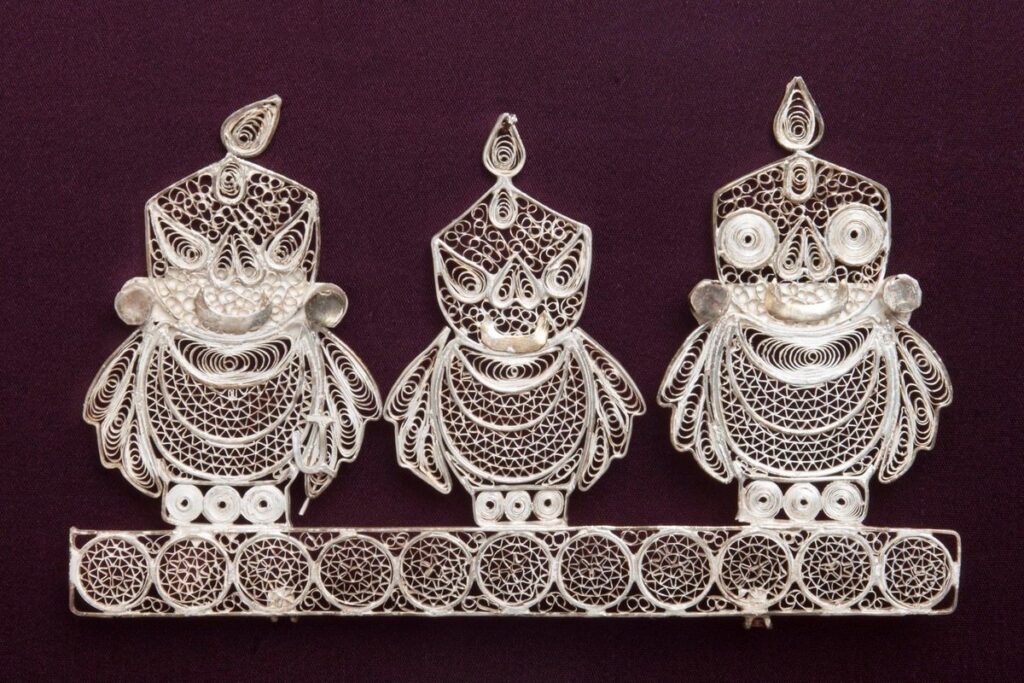
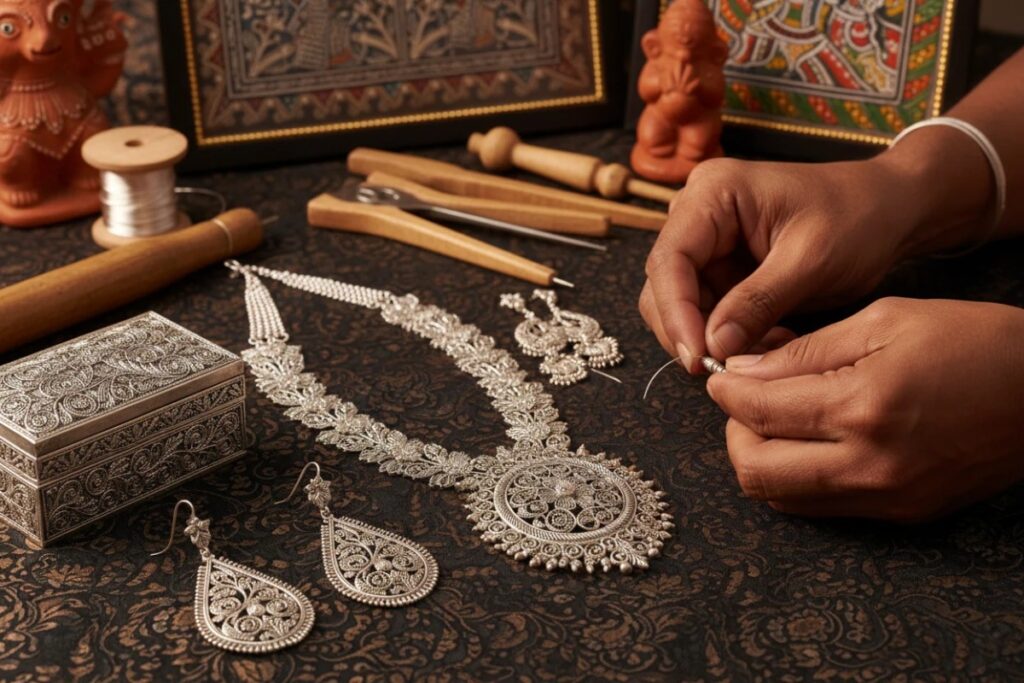
Delicate like lace, yet crafted entirely from silver, this art—known as Tarakasi—dates back to the 13th century. Artisans twist ultra-fine silver wires into intricate patterns.
The process requires immense precision, often taking days to complete a single piece. It is widely used in creating decorative items, bridal jewellery, and heritage collectibles.
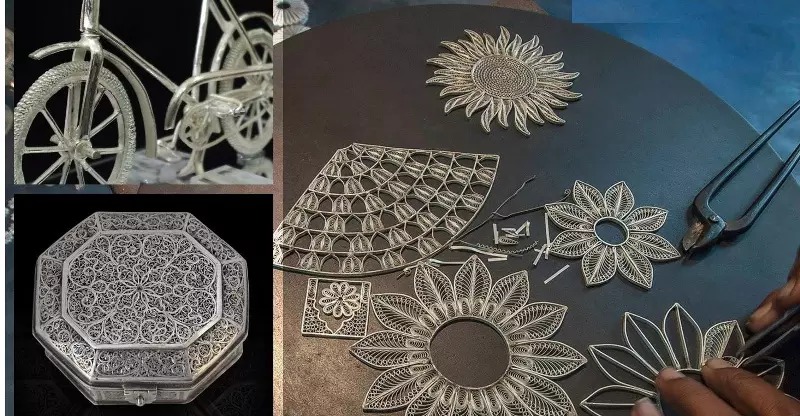
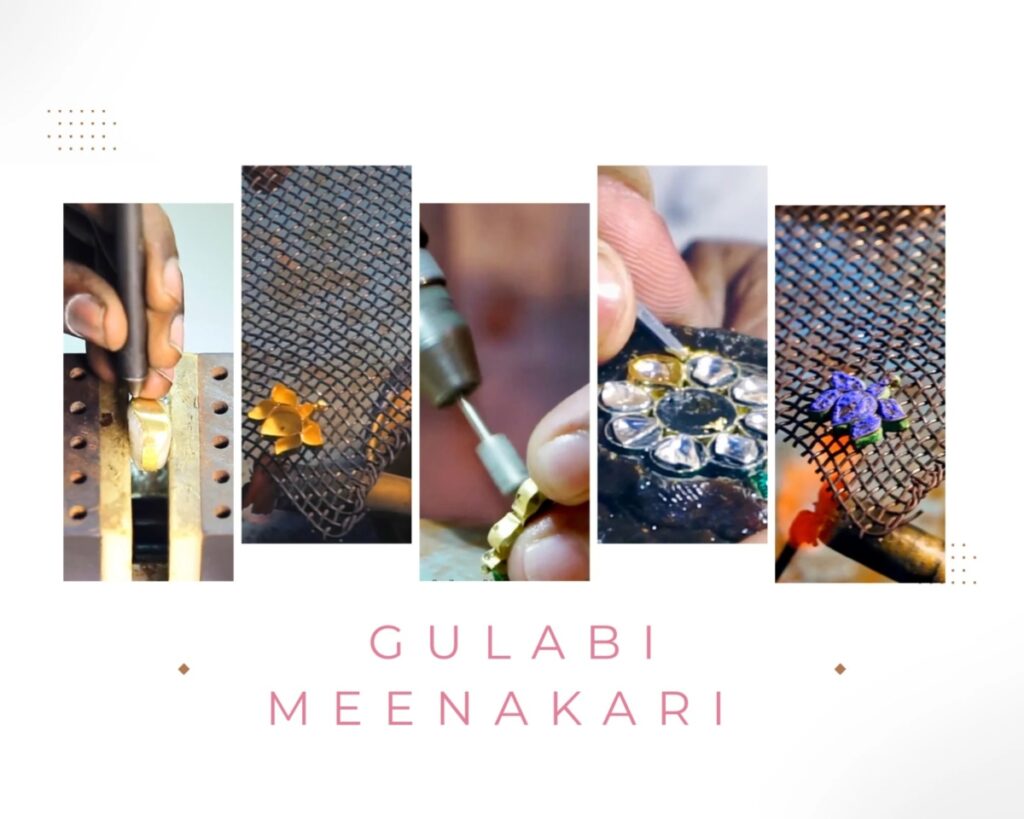
Gulabi Meenakari, Varanasi (Uttar Pradesh)
Jewellery that appears hand-painted, known for its signature pink enamel work. The craft involves fusing metal oxides onto gold and silver at high temperatures. Its distinctive pastel hues set it apart from other meenakari styles in India. The craft flourished under royal patronage and remains closely associated with Varanasi’s artistic legacy.
Thewa, Pratapgarh (Rajasthan)
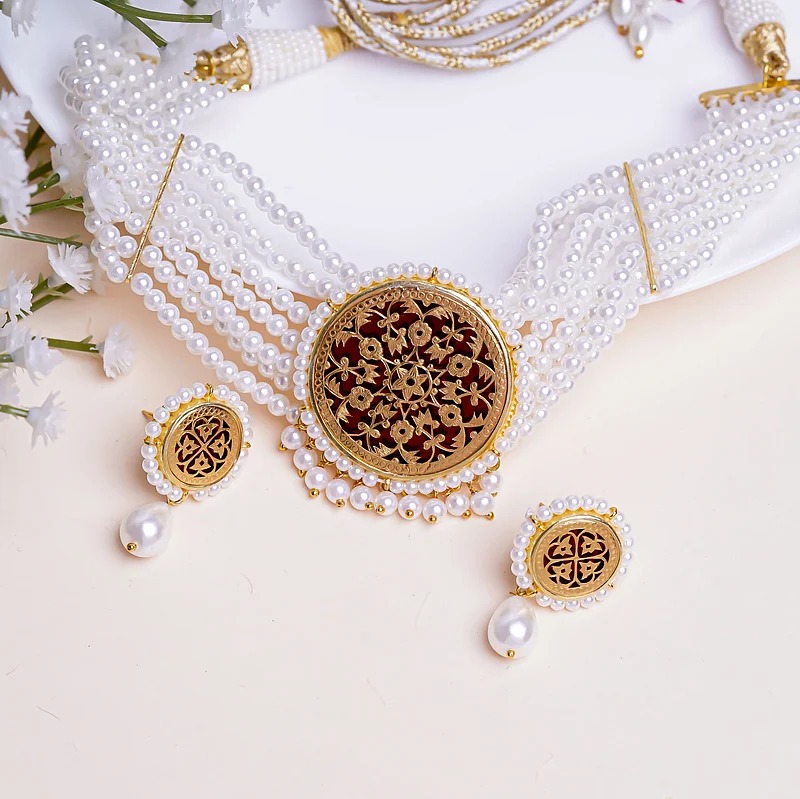
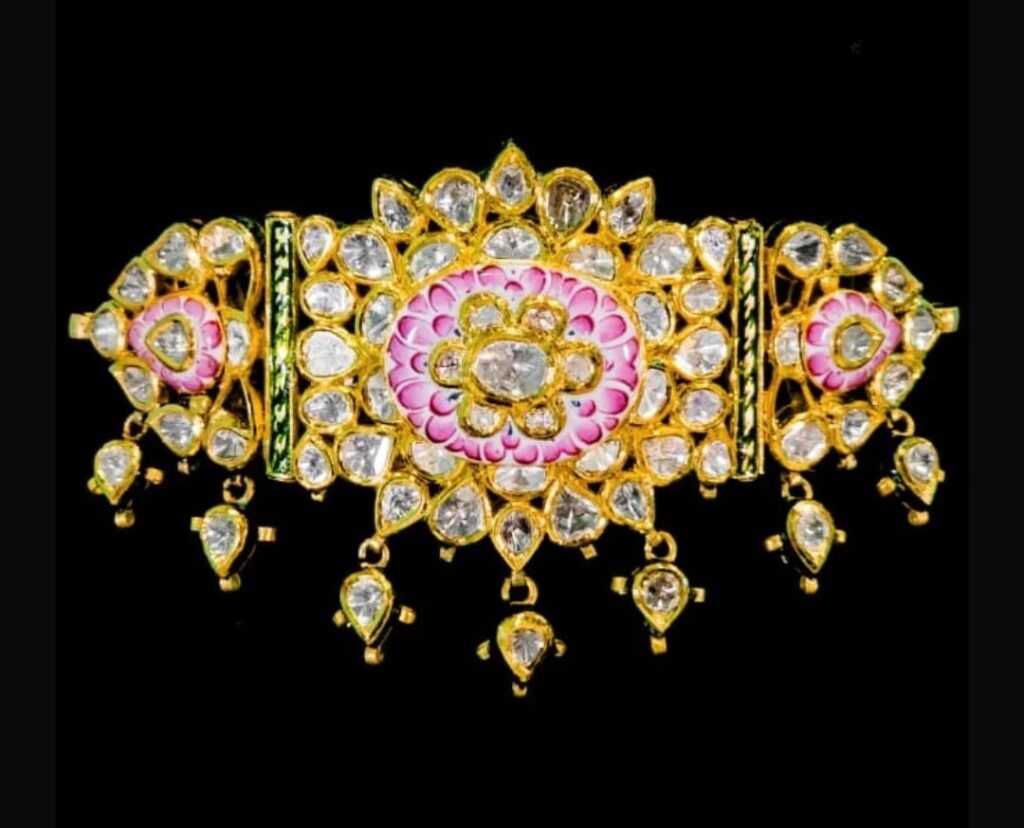
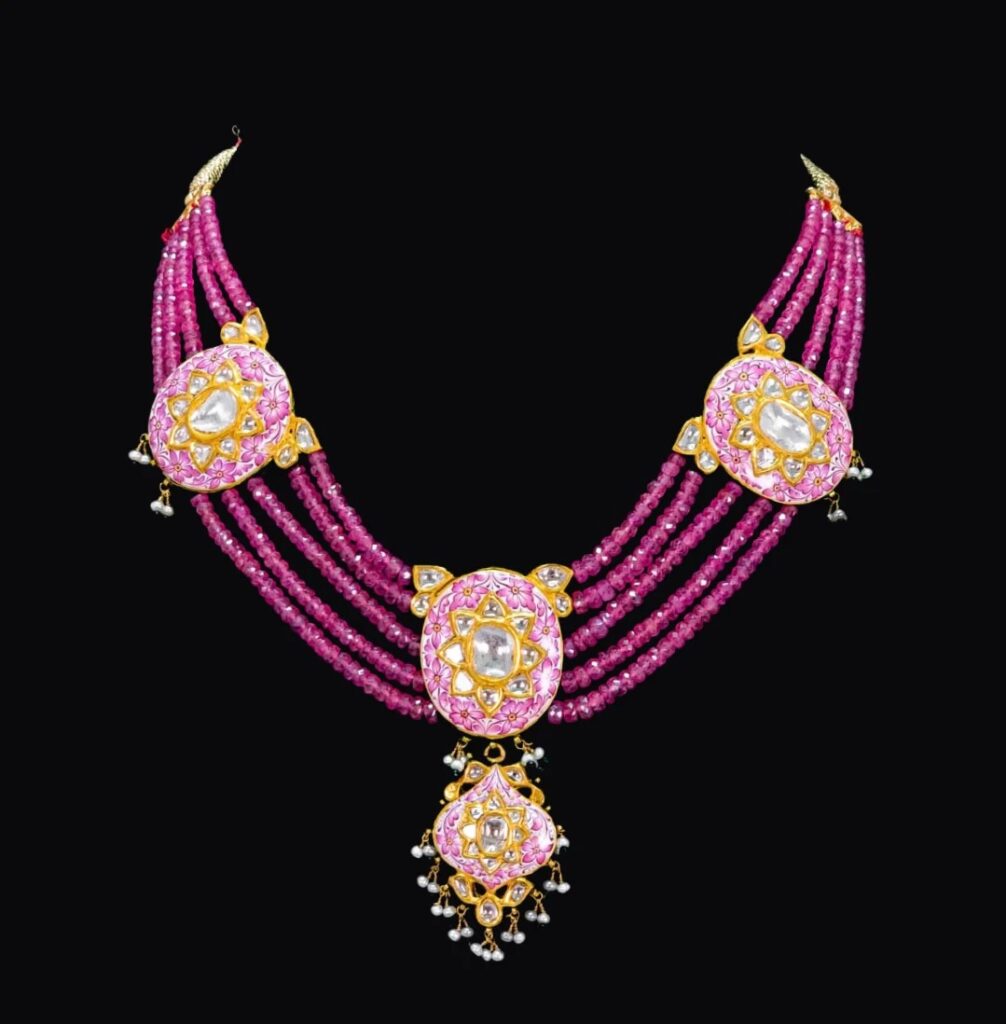
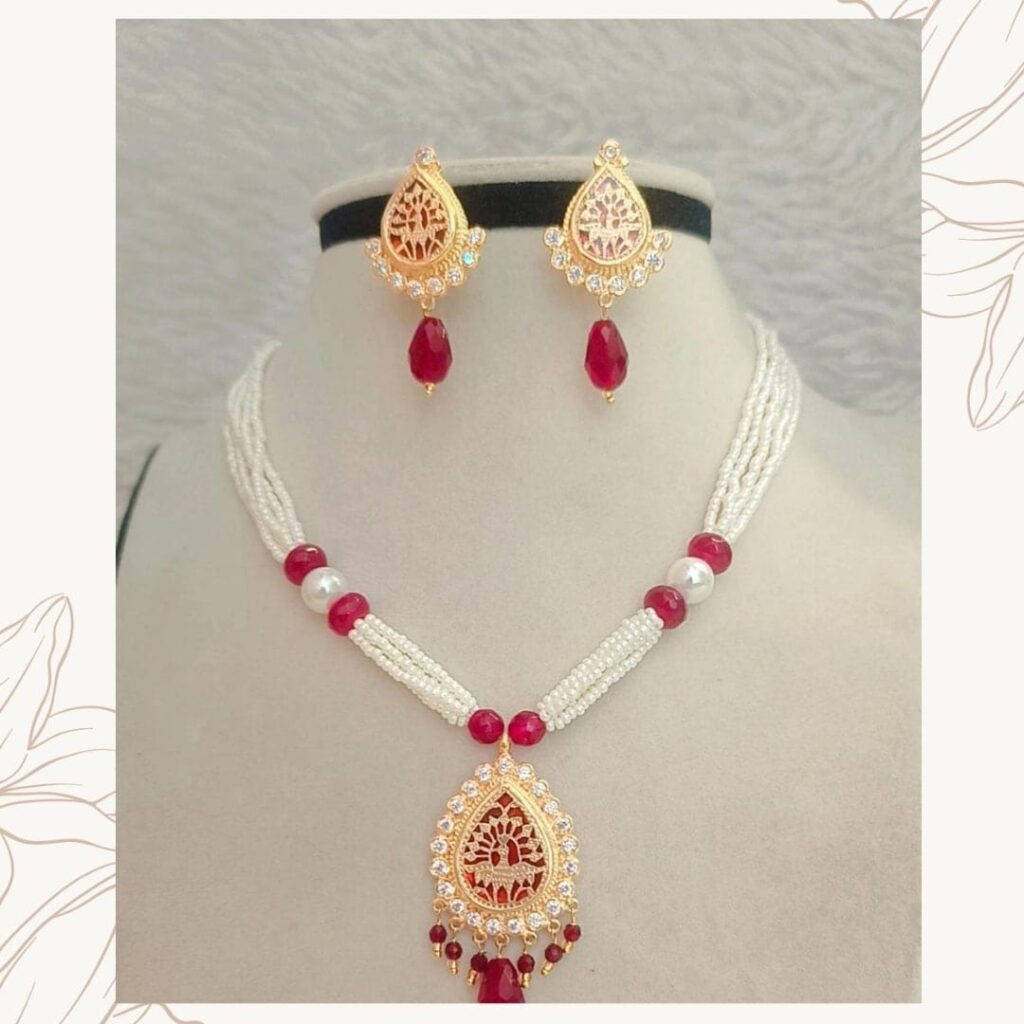
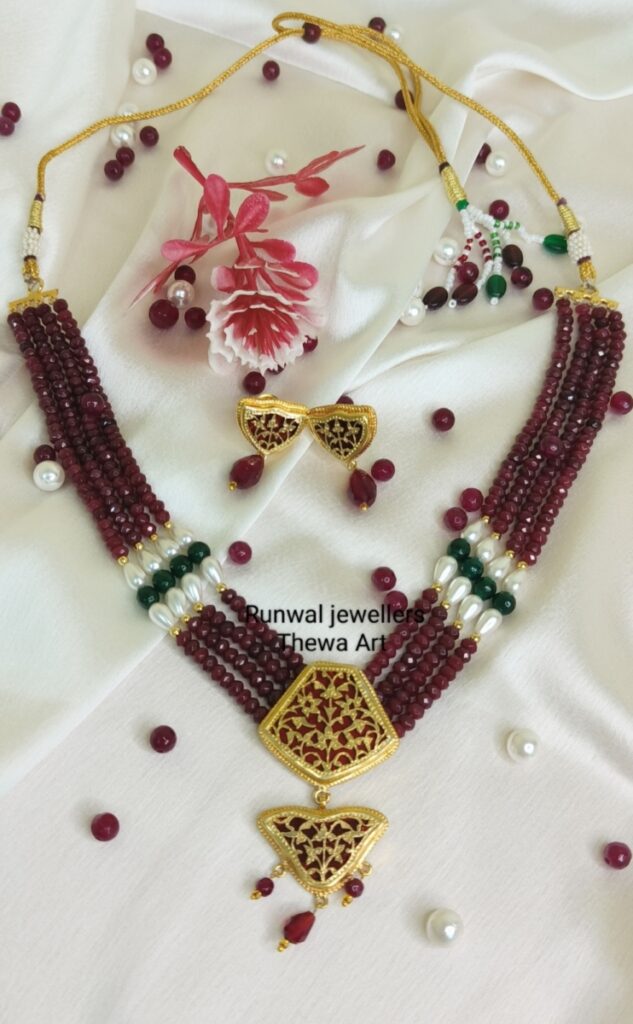
A unique technique where intricately carved gold sheets are fused onto coloured glass, often depicting royal hunts, folklore, and nature.
Each piece is handcrafted using age-old skills preserved within artisan families. The vibrant glass backgrounds—typically red, green, or blue—enhance its regal appeal.
Hupari Silver Jewellery, Kolhapur (Maharashtra)
In Hupari, jewellery-making is a family tradition. Known for durability and fine detailing, each piece reflects generational skill. The town is one of India’s largest hubs for handcrafted silver jewellery. Its artisans are known for blending traditional motifs with contemporary designs.
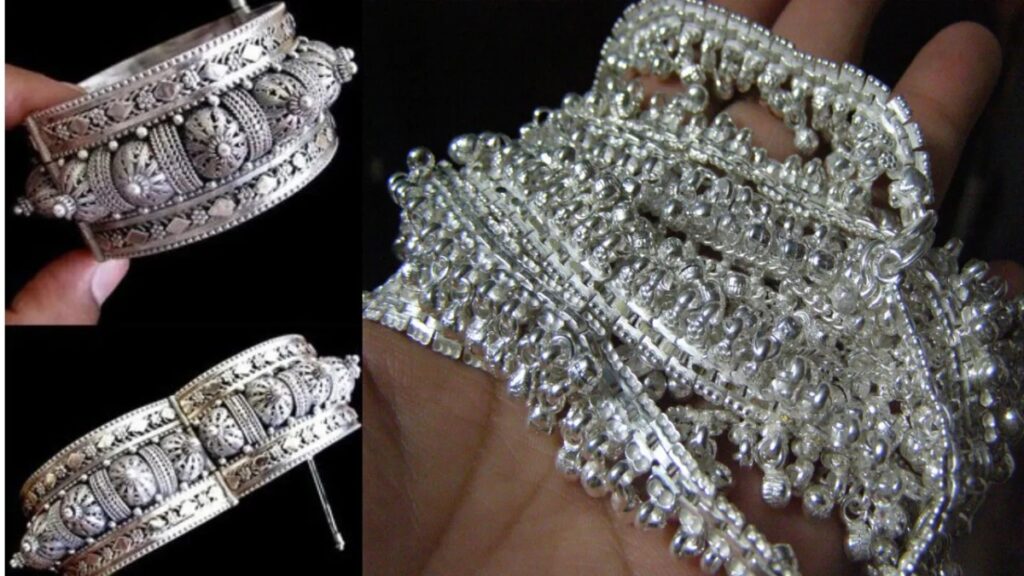
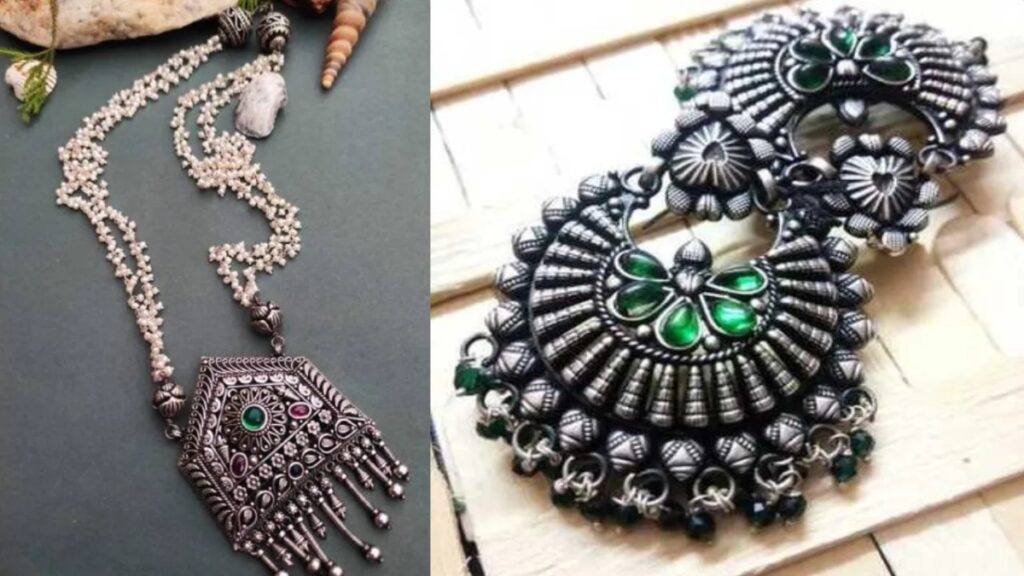
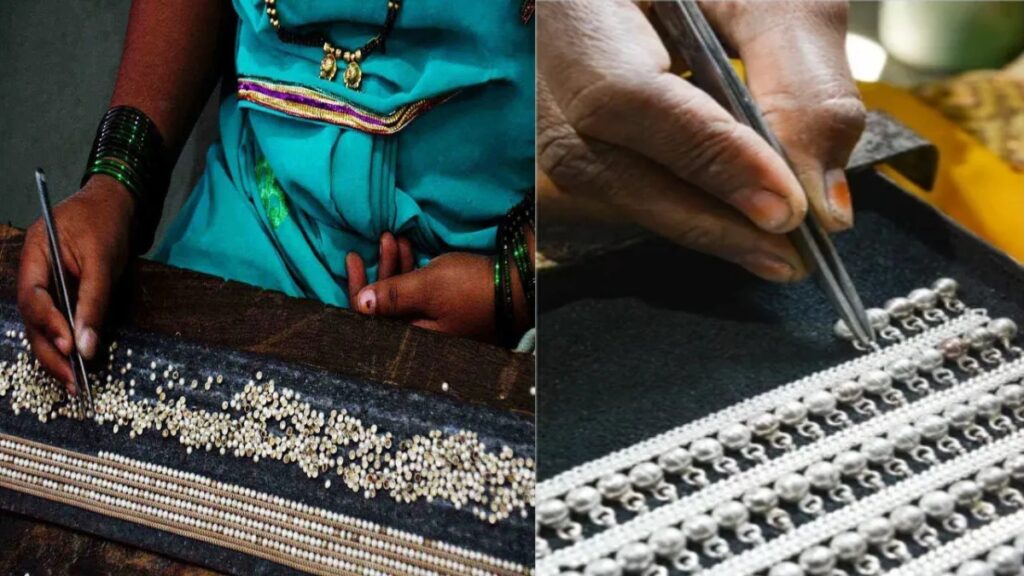
Karimnagar Silver Filigree (Telangana)
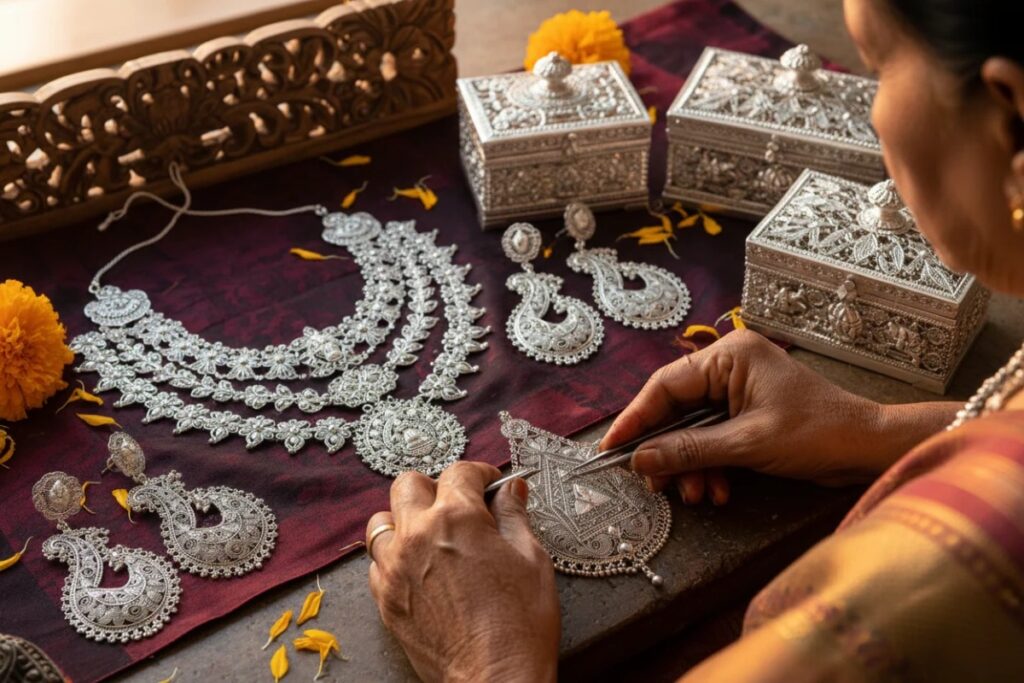
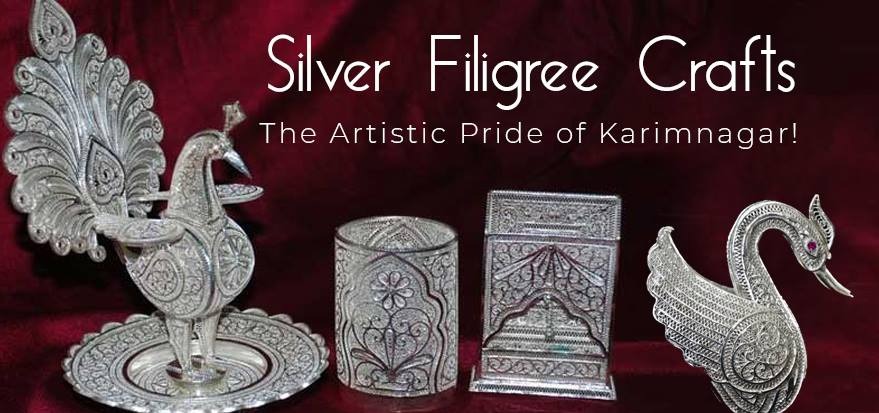
Distinct from Cuttack’s style, this form features bolder motifs like peacocks, swans, and geometric patterns, giving it a unique identity.
The craft often produces statement pieces and decorative artefacts. It has been recognised for its craftsmanship and continues to support local artisan communities.
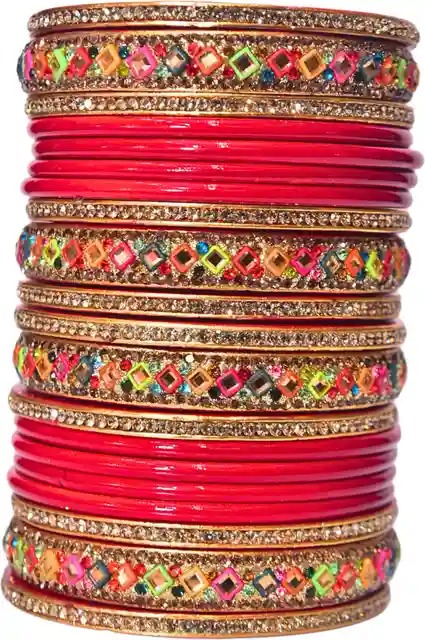
Hyderabad Lac Bangles (Telangana)
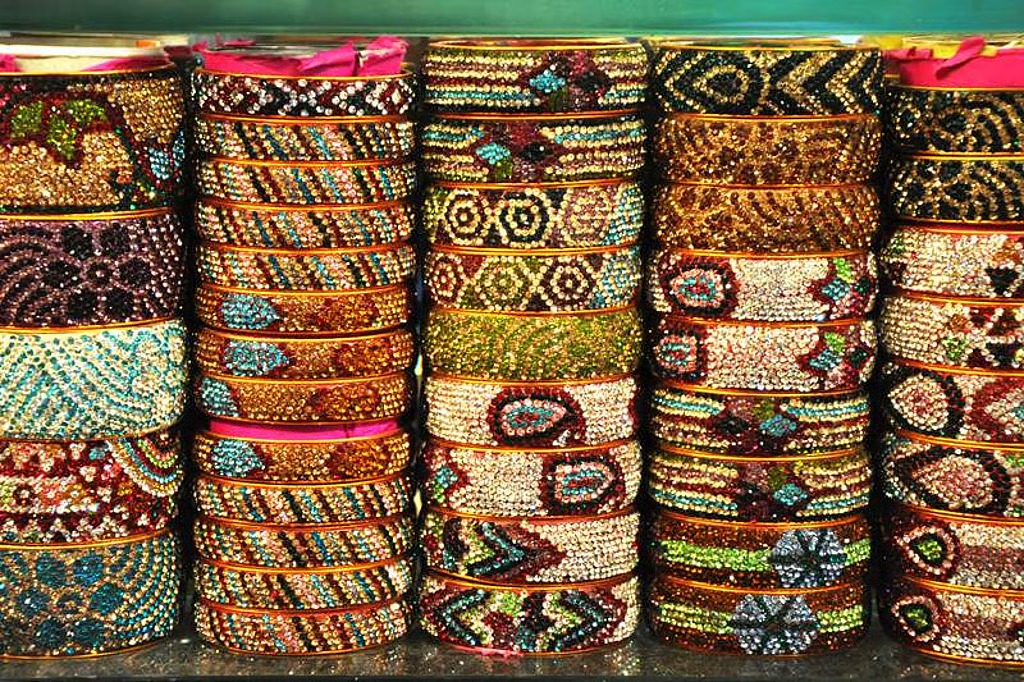
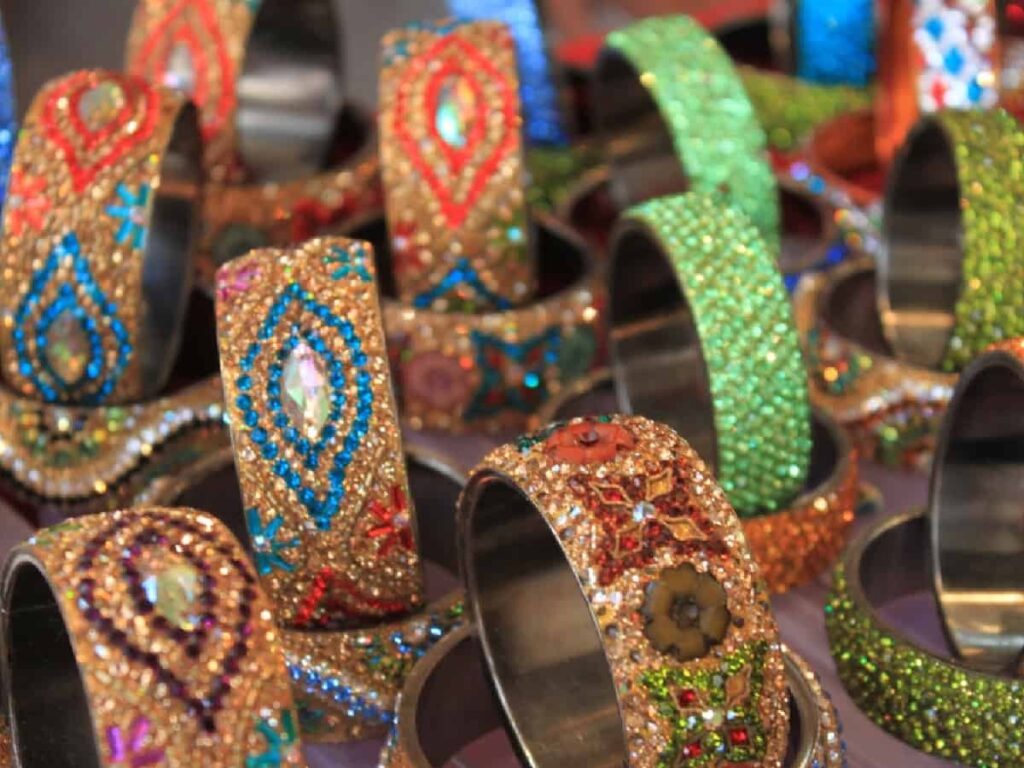
Crafted using heated lac, these bangles are hand-moulded and studded with stones, making them vibrant and deeply tied to bridal traditions.
They are especially popular during weddings and festive occasions. The process involves multiple stages of heating, shaping, and embellishment by skilled craftsmen.
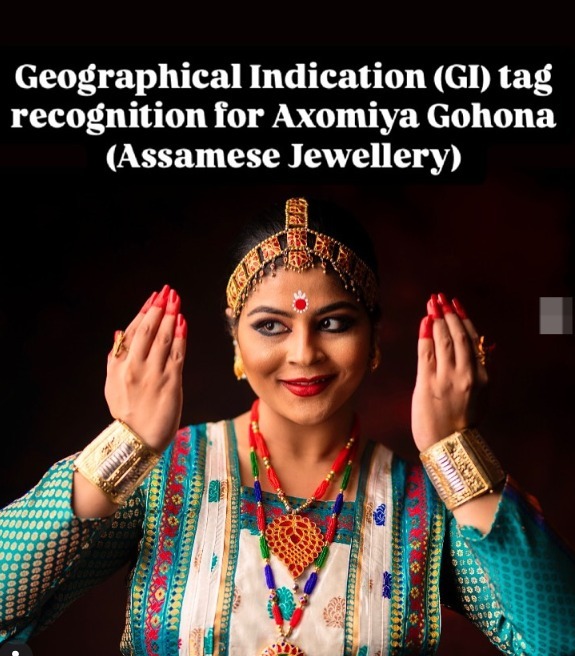
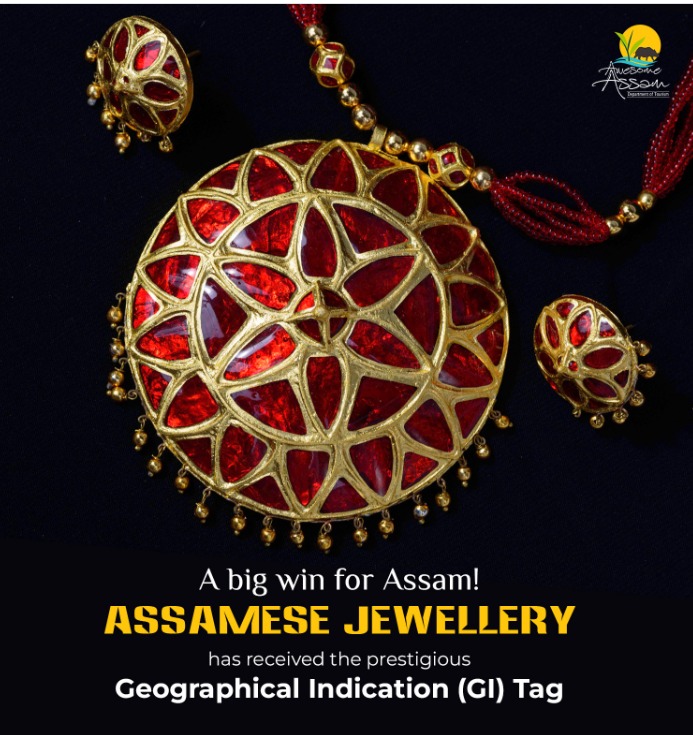
Axomiya Gohona (Assam)
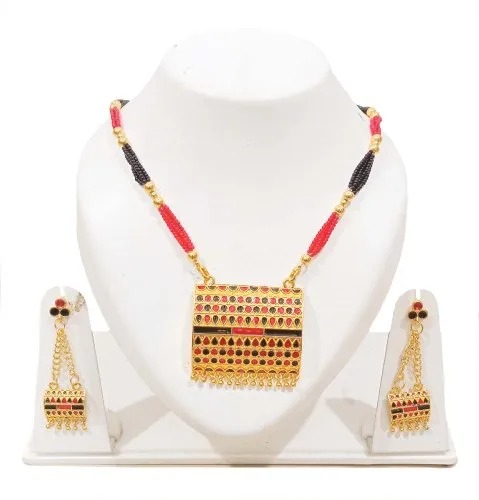
Traditional Assamese jewellery made primarily in gold, featuring motifs like junbiri (crescent moon), dholbiri, and lokaparo, is inspired by nature and Ahom-era royalty.
These pieces are often worn during festivals like Bihu and weddings. The bold designs reflect Assam’s rich cultural symbolism and heritage.
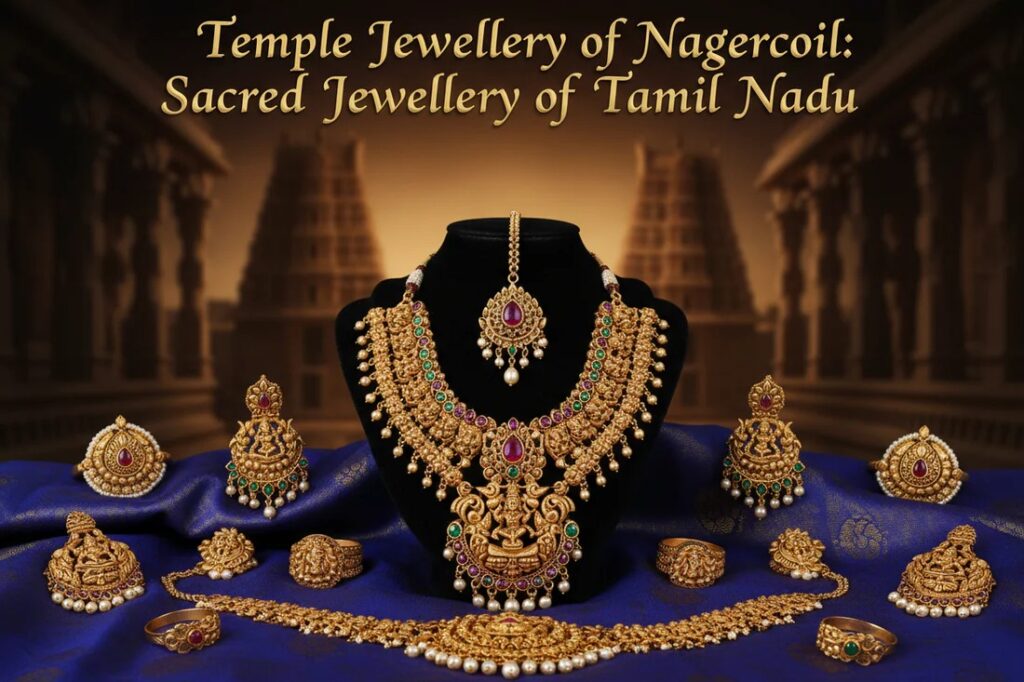
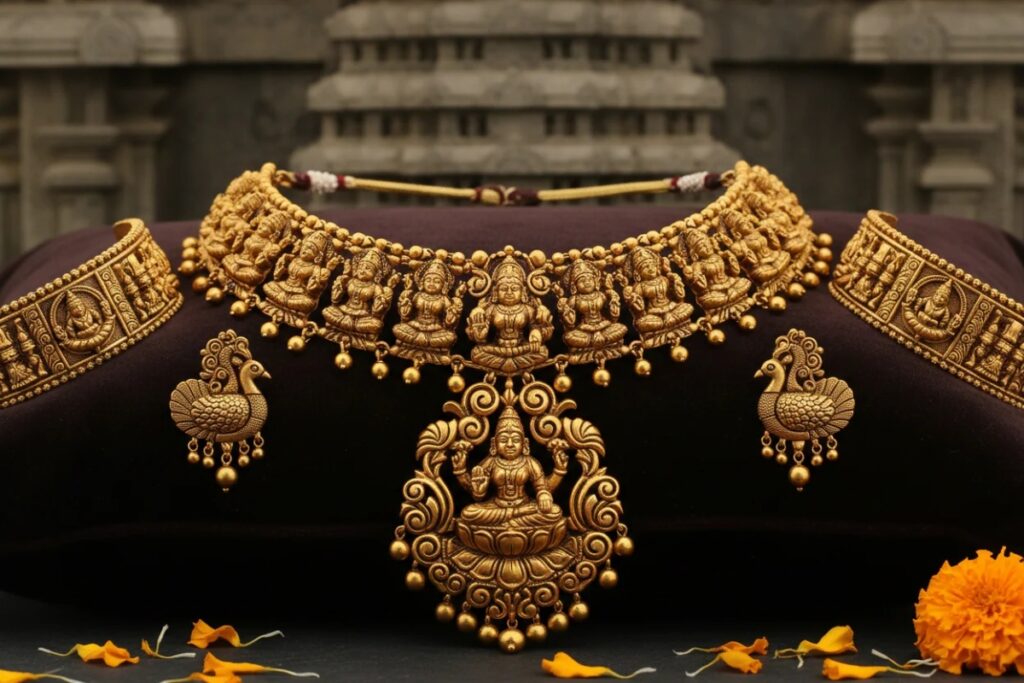
Temple Jewellery of Nagercoil (Tamil Nadu)
Originally designed for temple idols, now worn by Bharatanatyam dancers and brides, often depicting gods, goddesses, and temple architecture.
Crafted mainly in gold, these pieces are known for their antique finish and intricate carvings. They remain an essential part of South Indian bridal trousseaus.
Agates of Cambay (Gujarat)
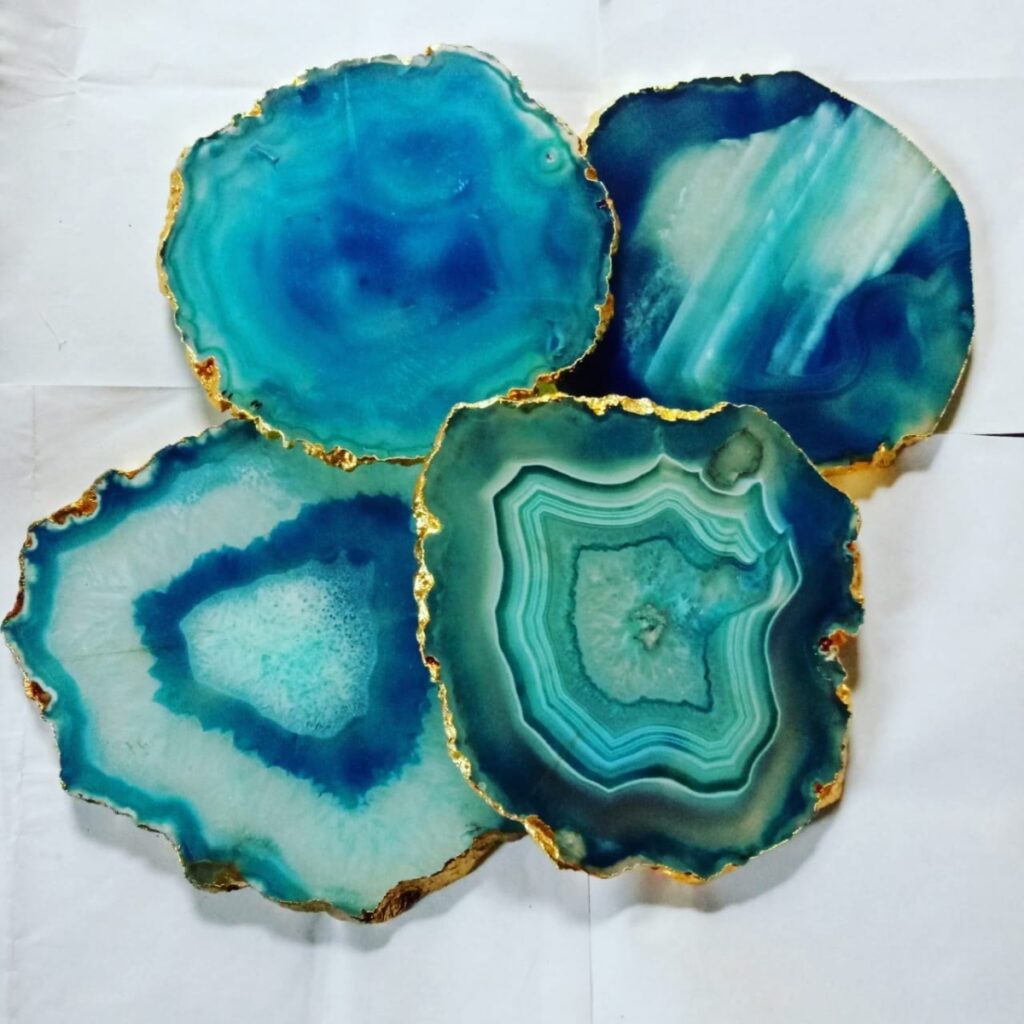
Crafted in Khambhat, artisans heat, dye, and polish agate stones into beads and jewellery. This is a 4,000-year-old craft with global appeal.
Khambhat has been a historic trading centre for agates since ancient times. The finished stones are exported worldwide for use in jewellery and decorative items.
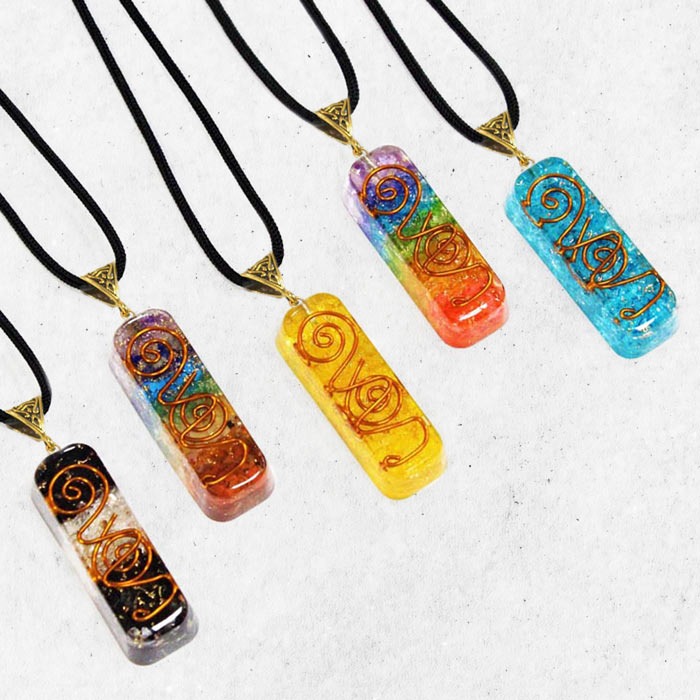
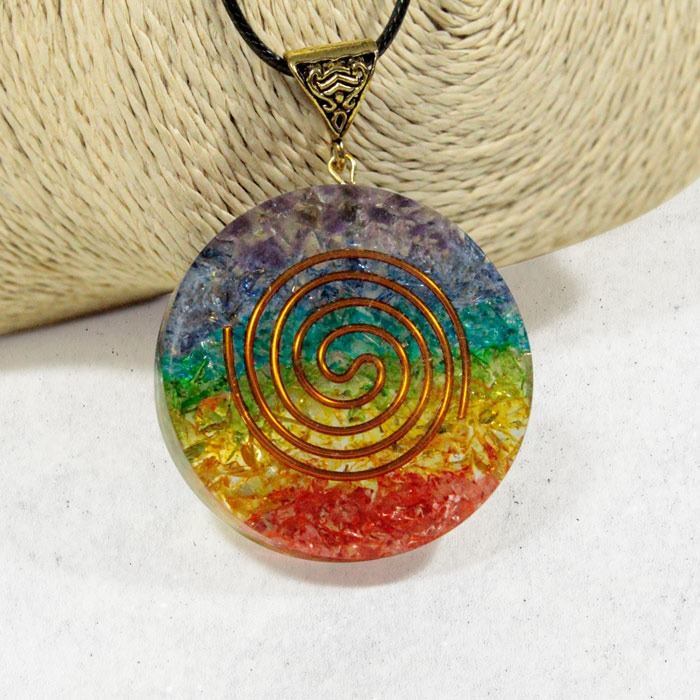
Odisha Brass & Bell Metal Tribal Jewellery
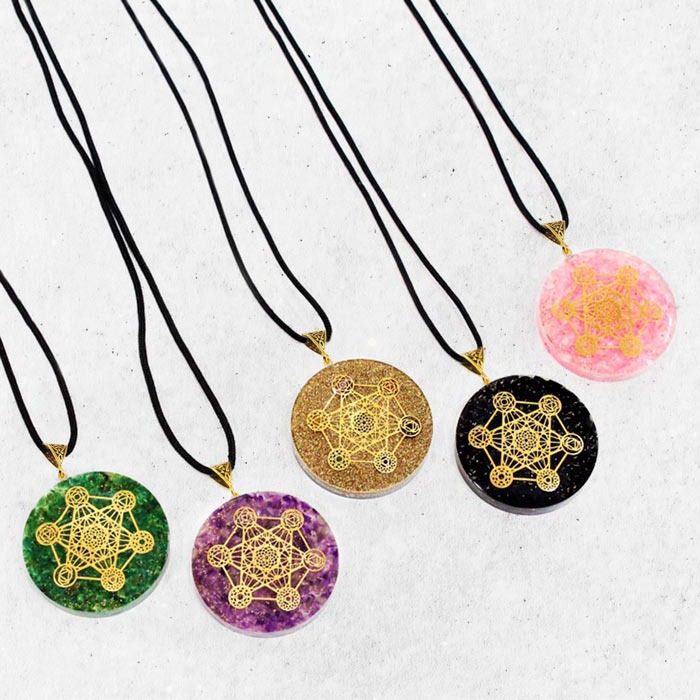
Created using age-old casting techniques, molten metal is hand-poured into moulds to form bold, earthy ornaments that reflect tribal identity and rituals.
These pieces are deeply symbolic, often representing social status and community traditions. The raw, rustic aesthetic makes them distinct from mainstream jewellery styles.
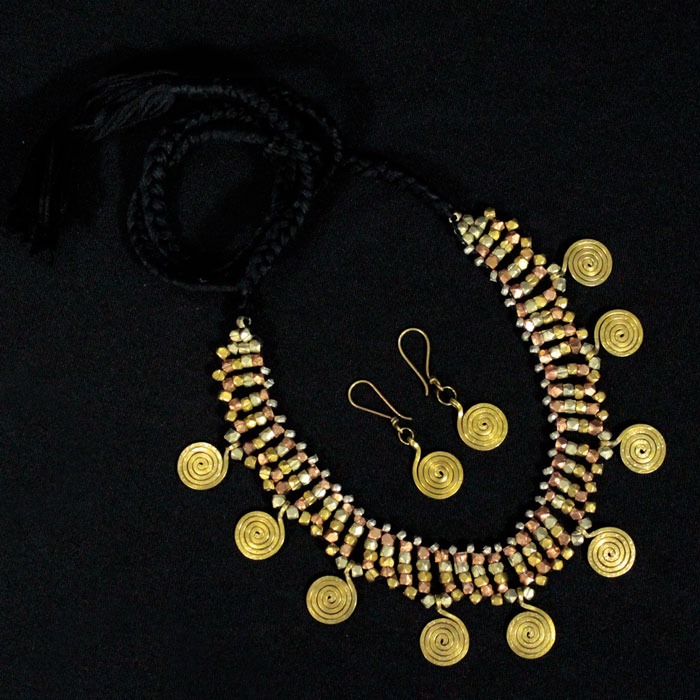
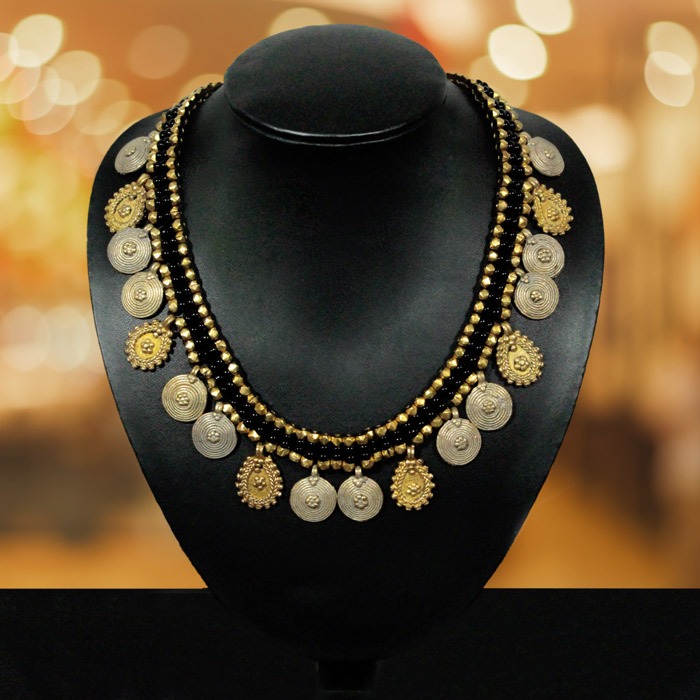
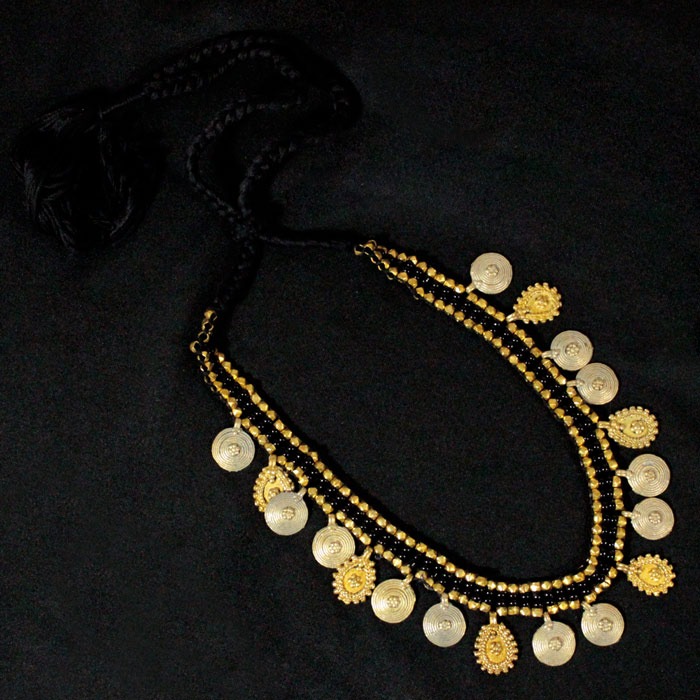
These jewellery traditions are more than decorative forms—they are living expressions of India’s cultural identity and craftsmanship. Each piece carries the legacy of its region, shaped by generations of artisans, local narratives, and time-honoured techniques.
As the industry evolves, the value of these traditions lies in their authenticity, individuality, and human touch—qualities that cannot be replicated by mass production. Preserving them is not just about sustaining craft, but about protecting heritage and supporting artisan communities.
In celebrating these traditions, we don’t just admire their beauty—we honour the stories, skills, and identities that continue to define India’s jewellery landscape.


JB Insights
From Customer Intelligence To Autonomous Growth Intelligence: Deepansh Bhargava Senior Vice President & Head Marketing at VBJ
From Customer Intelligence To AI-powered Growth Decisions, The Next-Gen CDP Is Built To Create Measurable Incremental Value.
For the last 6 years, Customer Data Platforms have transformed how brands understand their customers. They have brought fragmented data together, created unified customer profiles, enabled segmentation and made personalisation more intelligent. But the next evolution of CDPs will not be defined by how much customer data they can organise. It will be defined by how intelligently AI can convert that data into consumer value and incremental business outcomes.
The shift is from Customer Intelligence to Growth Intelligence.
Businesses today know more about their existing customers than ever before their purchase history, frequency, preferences, lifetime value and likelihood of buying again. Yet the larger opportunity lies in moving beyond what customers did to understanding what they need next, where their behaviour is changing and where the next phase of growth will come from. This also requires a sharper focus on incrementality.
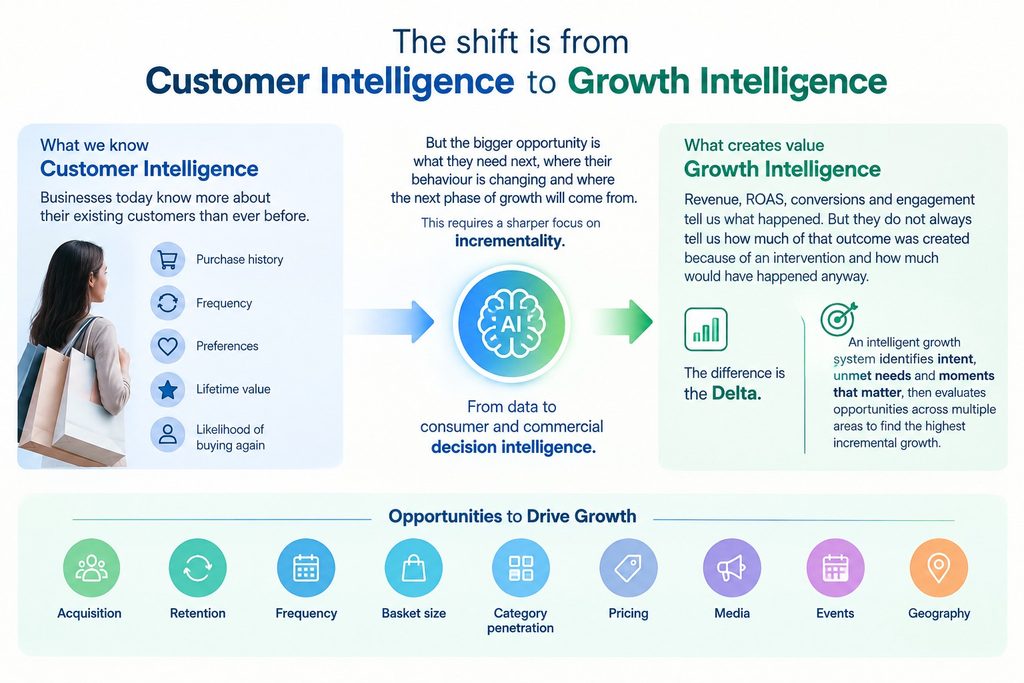
Revenue, ROAS, conversions and engagement tell us what happened. But they do not always tell us how much of that outcome was created because of an intervention and how much would have happened anyway.
That difference is the Delta. AI can help take CDPs beyond systems of customer intelligence and turn them into systems of consumer and commercial decision intelligence. Instead of simply identifying customers with a high propensity to purchase, an intelligent growth system could identify intent, unmet needs and moments that matter then evaluate opportunities across acquisition, retention, frequency, basket size, category penetration, pricing, media, events and geography to identify where the highest incremental growth opportunity lies.
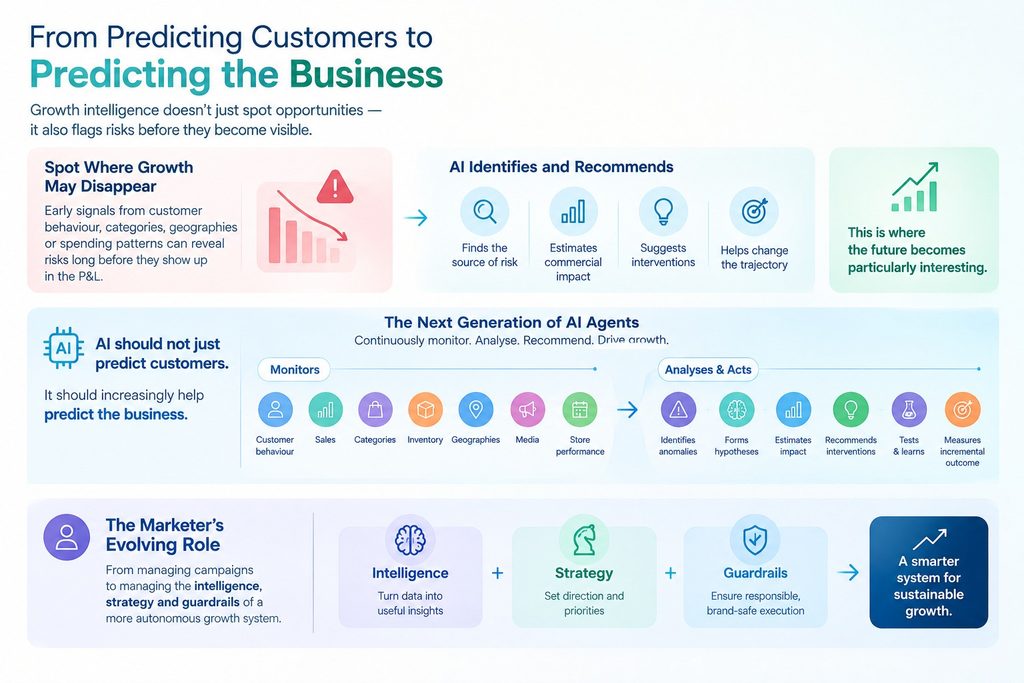
Growth intelligence should also help businesses identify where growth is likely to disappear. Early signals from customer behaviour, categories, geographies or spending patterns could reveal risks long before they become visible in the P&L. AI could identify the source of the risk, estimate its potential commercial impact and recommend interventions to change the trajectory. This is where the future becomes particularly interesting.
AI should not just predict customers. It should increasingly help predict the business.
The next generation of AI agents could continuously monitor customer behaviour, sales, categories, inventory, geographies, media and store performance. They could identify anomalies, form hypotheses, estimate commercial impact, recommend interventions, test them and measure the incremental outcome.
The role of the marketer would evolve from simply managing campaigns to managing the intelligence, strategy and guardrails around a more autonomous growth system.
This evolution can be built around three principles: Anticipate, Act and Account.
1. Anticipate where consumer needs and growth will emerge and where they may disappear.
2. Act by identifying and eventually executing the most relevant intervention for the consumer and the business.
3. Account for whether that intervention genuinely created incremental value.
The CDP of the future, therefore, should move beyond being a platform that simply manages customer data. It should become a Growth Decision Platform one that helps businesses understand consumers better, identify opportunities, detect risks, recommend actions, measure incrementality and continuously learn from every intervention. The ultimate measure of such a platform should not be the volume of data it manages.
It should be much simpler:
Show me the Delta you create.
Because ultimately, consumer centricity is not the opposite of growth. It is where sustainable growth begins.



Belgian Prime Minister Bart De Wever opens expanded HRD Antwerp laboratory in Mumbai

Verlas Introduces the ‘Alyssa’ Collection in India, Bringing Modern Luxe Floral-Inspired Design to Lab-Grown Diamond Jewelry Crafted in Fine Gold

Gold rebounds,Silver reclaims Rs 2.33 lakh mark

Limelight Lab Grown Diamonds Inaugurates Showroom In Kalyan, Its 8th Exclusive Store MMR
Verlas Introduces the ‘Alyssa’ Collection in India, Bringing Modern Luxe Floral-Inspired Design to Lab-Grown Diamond Jewelry Crafted in Fine Gold
Belgian Prime Minister Bart De Wever opens expanded HRD Antwerp laboratory in Mumbai
-
 National News2 days ago
Limelight Lab Grown Diamonds Inaugurates Showroom In Kalyan, Its 8th Exclusive Store MMR
-
 BrandBuzz19 hours ago
Verlas Introduces the ‘Alyssa’ Collection in India, Bringing Modern Luxe Floral-Inspired Design to Lab-Grown Diamond Jewelry Crafted in Fine Gold
-
 DiamondBuzz19 hours ago
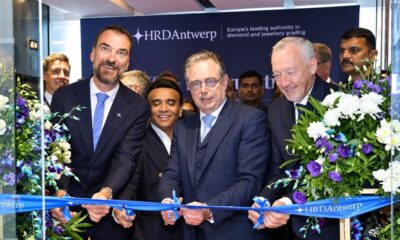
Belgian Prime Minister Bart De Wever opens expanded HRD Antwerp laboratory in Mumbai
-
 National News21 hours ago
Gold rebounds,Silver reclaims Rs 2.33 lakh mark
