
National News
Candere Founder Rupesh Jain Launches Lab-Grown Diamond jewelry Brand Lucira; Taps into Booming Industry Potential
The company plans aggressive two-year roadmap for phased omnichannel expansion

Rupesh Jain, the digital jewelry pioneer who built Candere into one of India’s most successful online fine jewelry platforms before its acquisition by Kalyan Jewellers, is returning to the spotlight with a bold new venture, Lucira. A modern lab-grown diamond jewelry brand, Lucira is built for today’s conscious, design-forward consumer and aims to transform the way people engage with fine jewelry.
Positioning itself as the unrivalled “Rings King,” Lucira focuses exclusively on celebrating proposals, weddings, anniversaries, and personal achievements with intentional design and ethical brilliance. Lucira is born out of a simple but powerful idea: that luxury can be meaningful, personal, and responsible. Inspired by the Latin word Lucent, meaning “to shine,” the brand represents purity, brilliance, and a commitment to illuminating life’s most cherished moments with jewelry that reflects values as much as beauty. Merging heritage craftsmanship with cutting-edge innovation, Lucira combines AI-led personalization, certified lab-grown diamonds, and a seamless digital-first experience to build trust and intimacy in an industry that has traditionally relied on opaqueness and excess.
The launch of Lucira comes at a time when lab-grown diamonds are reshaping the fine jewelry landscape, both in India and globally. These diamonds are physically, visually, and chemically identical to mined diamonds, offering the same brilliance and longevity—but at a significantly lower financial cost. Certified by IGI, GIA, SGL, and Hallmark, Lucira diamonds offer complete transparency and assurance of quality. Each piece is handcrafted by artisans who blend traditional techniques with contemporary elegance, creating jewelry that celebrates individuality and connection.
Currently available online with nationwide delivery, Lucira will soon debut its flagship experience stores in key metros, followed by an ambitious retail expansion across India and global markets. With a phased omnichannel growth strategy, the brand is poised to become India’s first global lab-grown diamond luxury house.

Rupesh Jain, Founder of Lucira said, “Our vision is to create a premium, design-led fine jewelry destination that begins online and extends into beautifully curated physical spaces. With AI-powered customization, virtual try-ons, and seamless e-commerce, we’re meeting customers where they are digitally native, value-conscious, and experience-driven. Our upcoming flagship stores will bring this vision to life, blending the ease of technology with the emotion of touch. As we expand across India and into global markets, our goal is simple: to make Lucira synonymous with modern luxury that’s personal, purposeful, and proudly Indian.”
Lucira is carving a niche in the fast-evolving bridal jewelry space, with a sharp focus on solitaires, bespoke engagement rings, eternity bands, and convertible pieces for everyday wear. The brand has introduced five exclusive signature cuts, each designed to maximize light, emotion, and brilliance. These aren’t just rings, they’re declarations of love, symbols of milestones, and heirlooms reimagined for a new generation.
Jain added, “Lucira is about elevating meaningful moments with timeless design and ethical brilliance. We’re not just shaping rings, we’re shaping what they represent in today’s world.
For Rupesh Jain, Lucira is more than a comeback, it’s a vision for the future of fine jewelry. One where innovation, ethics, and emotional resonance converge. India’s robust diamond manufacturing ecosystem and supportive government policies provide an ideal backdrop for Lucira’s ambitions. Jain believes India is uniquely positioned to become a major supplier and brand builder in the global LGD market, which has already seen strong demand in international markets as well.







National News
IBJA, SAARTHI 360 Sign MoU To Launch ‘NextGen CEO: Leadership for the Future’
Executive Education Initiative To Equip The Next Generation Of Jewellery Manufacturers With The Leadership Capabilities, Strategic Perspective and Decision-Making Skills Required To Lead Family Businesses.

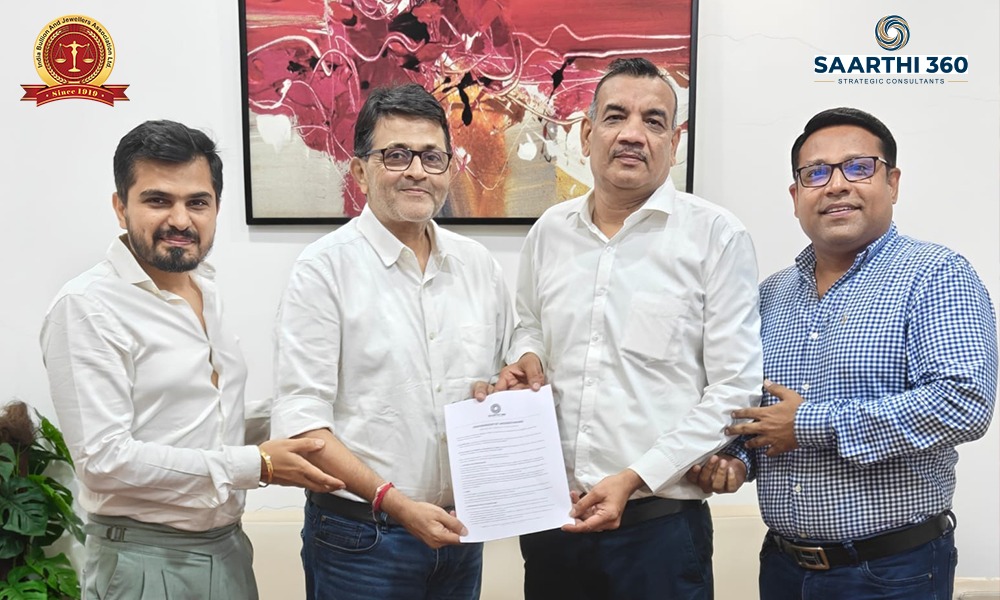
The India Bullion and Jewellers Association (IBJA) and SAARTHI 360 have signed a Memorandum of Understanding (MoU) to launch ‘NextGen CEO: Leadership for the Future’, an executive education programme designed to prepare the next generation of jewellery manufacturers for CEO and senior leadership roles in family-owned businesses.
The programme will help emerging leaders move beyond day-to-day operations by strengthening their strategic thinking, leadership judgement and managerial capabilities to improve organisational performance and support sustainable growth.
Building the Next Generation of Jewellery Business Leaders
Centred on ‘NextGen CEO — Becoming the CEO of a Family Jewellery Business’, the programme addresses leadership succession and executive decision-making in family-owned jewellery enterprises.
- Understanding the CEO’s role: Defining a CEO’s responsibilities and expectations in a jewellery business.
- Clarifying leadership and governance roles: Distinguishing among an owner, promoter, director, managing director and CEO.
- Strategic leadership versus daily operations: Moving from routine management to long-term business direction and priorities.
- Decision-making and strategic thinking: Applying structured frameworks to complex business situations.
- Managing stakeholders: Navigating relationships with family members, shareholders, employees and other stakeholders.
- Performance measurement: Using a CEO dashboard to monitor performance and support informed decisions.
- The first 100 days as CEO: Establishing priorities for the transition into executive leadership.
- Second-generation leadership challenges: Addressing succession, authority, accountability and organisational change.
- Ethics and integrity: Building trust through responsible leadership, sound governance and ethical decision-making.
Surendra Mehta, National Secretary, IBJA, said:

“Family-owned jewellery businesses play a significant role in India’s gems and jewellery industry. As these businesses grow and prepare for generational transitions, developing capable and confident future leaders becomes increasingly important. Through this initiative, we aim to help the next generation build the clarity, discipline and leadership capabilities needed to take their businesses forward while preserving the strengths of their family legacy.”
Binit Bhatt, Partner, SAARTHI 360, said:
“Becoming a CEO is about much more than inheriting a title. It requires a fundamental shift in mindset—from managing day-to-day operations to setting direction, making informed decisions, building accountability and earning the confidence of family members, employees and other stakeholders. The NextGen CEO programme is designed to equip emerging leaders with practical frameworks and perspectives that they can apply to the realities of their own businesses.”

Hitesh Khandelwal, Partner, SAARTHI 360, said:

“Jewellery businesses are navigating an important generational transition, where preserving a strong legacy must go hand in hand with professional management and strategic thinking. Through NextGen CEO, we aim to help emerging leaders develop the confidence, capabilities and business perspective required to lead effectively, drive sustainable growth and prepare their organisations for the future.”



Gargi By P N Gadgil & Sons Invites Women To #GETNOTICED This Diwali In New Campaign With Mithila Palkar

IBJA, SAARTHI 360 Sign MoU To Launch ‘NextGen CEO: Leadership for the Future’

Jos Alukkas Unveils New Website For A Seamless Online Jewellery Shopping Experience

Dhanteras Shopping Guide 2026:Gold, Silver, Diamonds & Festive Jewellery Trends To Watch

The Solenne Collection: A Celebration Of Diwali By Bharti Bangur Fine Jewels

From Diya Puja To Diwali Soirées: Jewellery Designed To Go Beyond The Festive Season
-
 JB Insights4 days ago
Dhanteras Shopping Guide 2026:Gold, Silver, Diamonds & Festive Jewellery Trends To Watch
-
 BrandBuzz4 days ago
The Solenne Collection: A Celebration Of Diwali By Bharti Bangur Fine Jewels
-
 BrandBuzz4 days ago
From Diya Puja To Diwali Soirées: Jewellery Designed To Go Beyond The Festive Season
-
 National News4 days ago
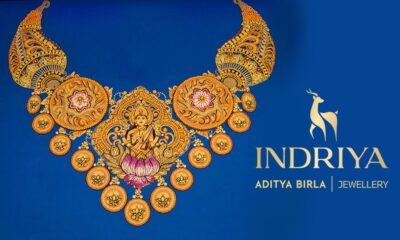
Indriya, Aditya Birla Jewellery Unveiled India’s Largest Sustainable Jewellery Rangavalli
