National News
India’s GJ sector to hit t $128 Billion by 2029: 1Lattice Report


India’s gems and jewellery market is poised for robust growth, projected to reach $128 billion by 2029, growing at a CAGR of 9.5%, according to 1Lattice’s latest report, Glimmers of Growth. This surge is driven by rising disposable incomes among the middle class, growing demand for certified and branded jewellery, and increased adoption of digital retail platforms. Gold continues to dominate the market, accounting for 86% of the overall share.
The report noted that government initiatives such as reductions in gold import duties and mandatory hallmarking have boosted consumer confidence and affordability. The rise of online retail, with virtual try-on tools and digital marketing strategies, is reshaping consumer engagement, especially among younger demographics.
Lab-grown diamonds (LGDs) have emerged as a key growth driver within the sector. The Indian LGD market is projected to reach $1.2 billion by 2033, growing at a CAGR of nearly 15%. Exports of LGDs have grown eightfold since FY21, and India now contributes around 15% of global LGD production, the report states. However, the lack of domestic HPHT machine fabrication presents an opportunity for investment to establish a full-fledged supply chain. LGDs are increasingly favoured for their affordability, ethical sourcing, and environmental benefits, aligning well with global ESG goals.
The report also maps major jewellery manufacturing clusters across India, including Surat, Mumbai, Jaipur, Thrissur, and Coimbatore, each specialising in distinct styles and techniques. Consumer preferences vary by region, age, gender, and spending behaviour, with a notable shift towards minimalistic, personalised, and sustainable jewellery.
Despite its promising outlook, the industry faces several challenges, including volatile gold prices, high labour costs, fragmented inventory systems, and the slow adoption of advanced retail technologies. Nonetheless, India’s position as a global leader in both natural and lab-grown diamond processing, supported by favourable policy frameworks and rising international demand, sets the stage for sustained growth, 1Lattice said.
To capitalise on this momentum, the report suggests that industry players should enhance transparency through certification, invest in technology, and tap into global trade opportunities while promoting jewellery as both a fashion statement and a long-term investment.








National News
GJEPC, IndusInd Bank Host Webinar On FEMA Guidelines For GJ Exporters
Webinar Outlined How The Updated Regulatory Framework Enhances Operational Ease While Adjusting Key Trade Timelines.

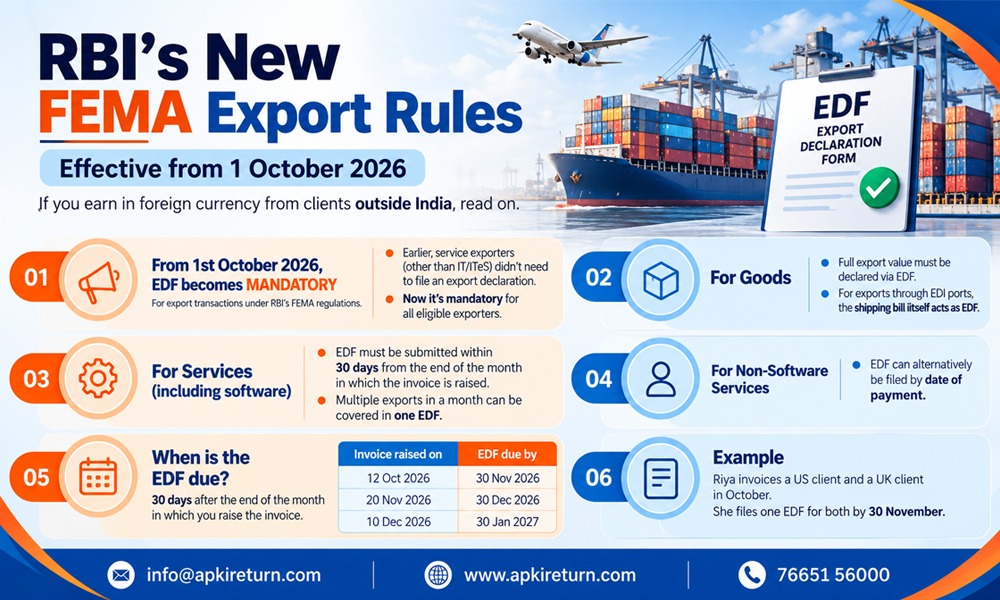
GJEPC in association with IndusInd Bank, held a joint online webinar aimed at explaining the revised Foreign Exchange Management Act (FEMA) guidelines and their direct operational impact on the gem and jewellery trade.
The interactive session featured key industry figures and financial experts, including Prakash Kumar Rath (Head – Gems, Jewellery and Diamond Division, IndusInd Bank), Mital Doshi (Convenor – Banking, Insurance and Taxation Sub-committee, GJEPC), and Sumit Dolwani (Manager – Trade Policy, GJEPC). Together, they outlined how the updated regulatory framework enhances operational ease while adjusting key trade timelines.
Shorter Export Realisation Periods: Timelines for foreign currency invoices have been adjusted from 12 months down to 9 months, while Rupee invoices have been revised from 15 months down to 12 months.
Greater Flexibility for Extensions: Authorised Dealer (AD) banks can now grant time extensions based on individual transaction circumstances, significantly reducing the requirement for routine Reserve Bank of India (RBI) referrals.
Revised Import Payment Timelines: Import payments will now be governed primarily by commercial contracts, replacing the former rigid six-month and 360-day restrictions.
Greater Discretion on Advance Payments: Banks have been given enhanced flexibility in framing internal policies for advance remittances instead of strictly adhering to fixed monetary thresholds.
Flexibility in Third-Party Payments: Third-party payments are now permitted subject to prescribed regulatory conditions and the satisfaction of the AD bank.
Simplified Handling of Pending Cases: AD banks can directly resolve outstanding EDPMS and IDPMS cases without needing to refer every individual matter to the RBI.
Speakers emphasized that exporters must maintain precise records and complete supporting documentation for all transactions, including those monitored through EDPMS and IDPMS.



GJEPC, IndusInd Bank Host Webinar On FEMA Guidelines For GJ Exporters

US Holiday Shopping Expected To Top $1 Trillion For The First Time: NRF

De Beers Returns To IDE After Nine Years
US Holiday Shopping Expected To Top $1 Trillion For The First Time: NRF

MCX Bullion Futures Rise On Positive Momentum In Global Precious Metal Markets.
GJEPC, IndusInd Bank Host Webinar On FEMA Guidelines For GJ Exporters
-
 International News3 hours ago
US Holiday Shopping Expected To Top $1 Trillion For The First Time: NRF
-
 National News6 hours ago
MCX Bullion Futures Rise On Positive Momentum In Global Precious Metal Markets.
-
 National News3 hours ago
GJEPC, IndusInd Bank Host Webinar On FEMA Guidelines For GJ Exporters
-

 National News5 hours ago
The Government Reduces Duty Drawback Rate For Gold, Silver Jewellery Exports.