
DiamondBuzz
Attempts to sanction Russian diamonds are “ineffective: Alrosa official
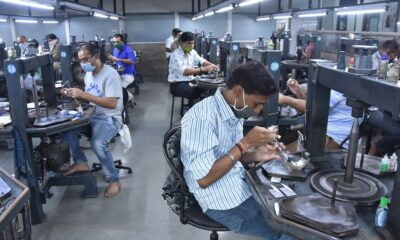
G7 nations to attempt to curtail the flow of Russian diamonds into Western markets through sanctions are proving “ineffective,” according to Alrosa, the state-controlled Russian mining giant.


The G7’s strategy hinges on preventing Russian gemstones from entering Western markets by implementing a system that can accurately track the origin of diamonds. This was initially slated for introduction in September 2024, following the initial sanctions in January 2024. However, the timeline has faced significant delays, first pushed to March 2025 and subsequently to January 2026. This postponement was largely welcomed by the diamond industry, which expressed concerns that a rushed implementation of traceability technology could lead to operational disruptions and inefficiencies.
Karakchiyev seized upon these delays and the lack of a viable technological solution, directly criticizing the understanding of the US and EU officials regarding the intricacies of the diamond industry and the complexities of imposing unified sanctions. He highlighted the absence of a “technical solution” for tracing, which the G7 itself identified as a key condition for the sanctions to be effective.
This situation presents a significant challenge to the G7’s geopolitical strategy. Without a reliable method to verify the origin of diamonds, Russian stones can potentially enter Western markets through indirect routes, undermining the intended impact of the sanctions. The delays in implementing traceability technology raise questions about the feasibility and effectiveness of using such measures in the complex global diamond trade.
For the diamond industry, the postponement of traceability implementation offers a temporary reprieve from potential disruptions. However, it also underscores the ongoing debate surrounding the practicality and cost-effectiveness of different tracing solutions. The industry remains wary of solutions that could add significant costs or complexities to the supply chain without demonstrably achieving their intended goal of preventing the trade of sanctioned goods.

Pyotr Karakchiyev, head of international cooperation at Alrosa, asserted that the sanctions lack the crucial underpinning of robust traceability technology, rendering them largely toothless. Speaking at the Khozaktiv-2025 corporate forum in Astana, Kazakhstan, Pyotr Karakchiyev stated, “The sanctions that our adversaries dreamed up were supposed to affect us in a big way but they are not achieving the necessary effect, at least for them.” He further claimed that no other country possesses the capacity to offer the same diverse range of rough diamonds as Russia.
Looking ahead, the effectiveness of future sanctions on Russian diamonds will likely depend heavily on the successful development and implementation of a reliable and widely adopted traceability system. Until such a system is in place, Alrosa’s assessment of the current sanctions as “ineffective” appears to hold weight, highlighting a critical gap in the G7’s strategy to pressure the Russian economy through the diamond sector. The industry will be closely watching the progress towards a viable traceability solution and its potential impact on global diamond trade flows.





DiamondBuzz
Belgian Prime Minister Bart De Wever opens expanded HRD Antwerp laboratory in Mumbai
HRD Antwerp is increasing its research capacity in Mumbai by 30%. The official opening, which takes place as part of a two-day visit by Prime Minister Bart De Wever to India, marks an important next step in the growth of HRD Antwerp in India
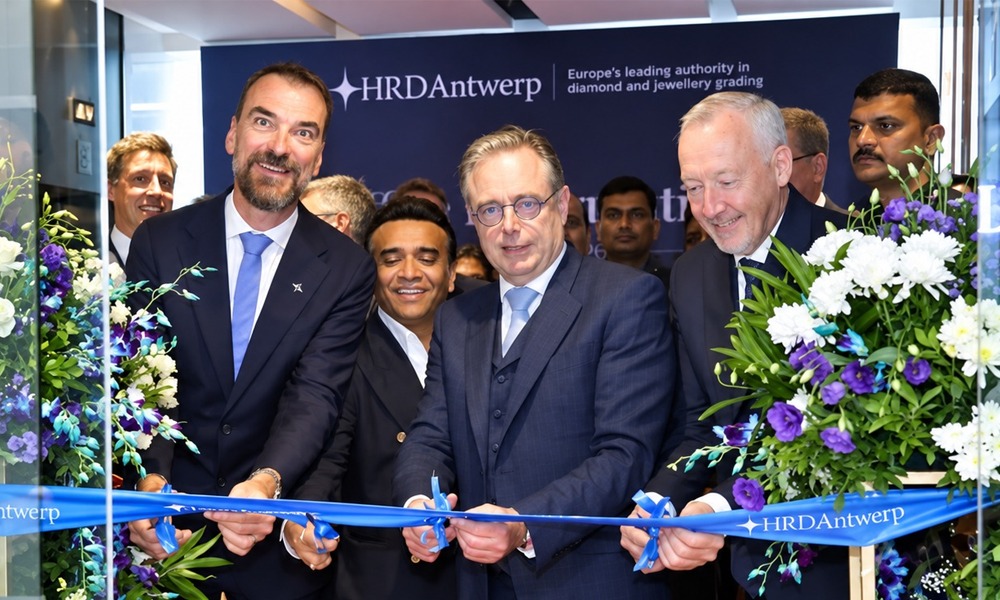
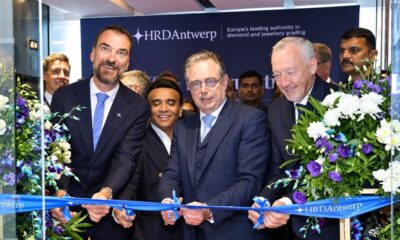
In the presence of Belgian Prime Minister Bart De Wever, HRD Antwerp, Europe’s leading authority in diamond and jewellery grading and a subsidiary of the Antwerp World Diamond Centre (AWDC), officially opened its renovated and significantly expanded laboratory in the Bandra Kurla Complex (BKC) in Mumbai, India. Thanks to the expansion, HRD Antwerp is increasing its research capacity in Mumbai by 30%. The official opening, which takes place as part of a two-day visit by Prime Minister Bart De Wever to India, marks an important next step in the growth of HRD Antwerp in India, one of the world’s leading centres for the trade and cutting of natural diamonds.
For HRD Antwerp, a grading report is not an administrative document but a guarantee of trust, transparency and authenticity. As an independent, neutral party between science, industry and consumer, HRD Antwerp is a worldwide guarantor of objective and reliable diamond and jewellery grading, a principle the organisation has upheld since its founding. HRD Antwerp was established in 1973 and has been active in India since 2012. Today it serves around 1,500 clients there, including jewellery manufacturers and retailers, as well as companies that produce and trade cut diamonds.
The Indian branch now accounts for 59% of HRD Antwerp’s total group revenue and is expected to grow by 15.4% this year, compared with a projected growth of 12.6% for the group as a whole. Jewellery grading is an important growth driver in this respect: as much as 47% of HRD Antwerp’s total revenue increase comes from that segment.
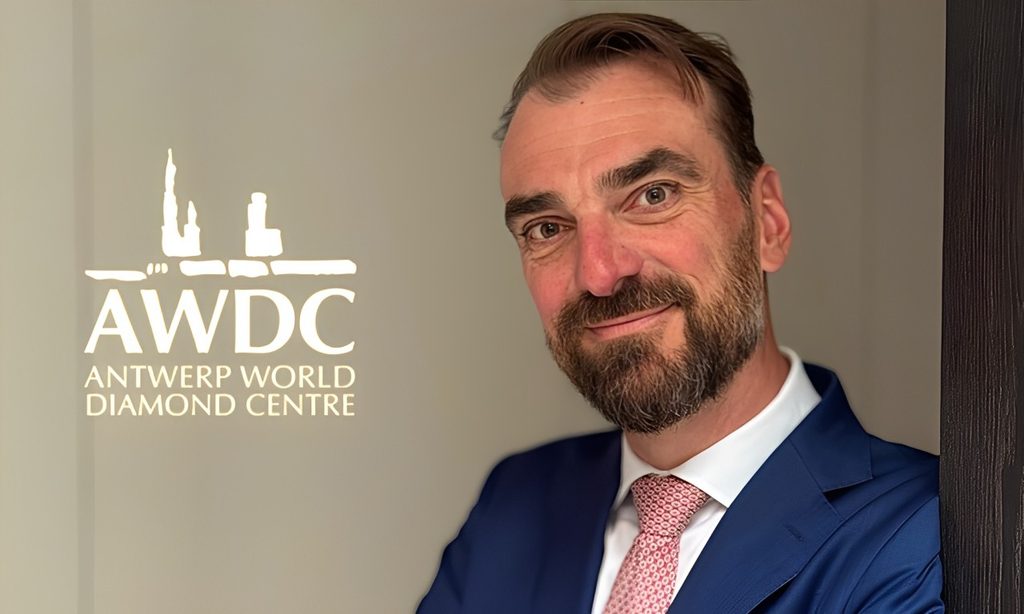
“As the authority in grading reports for natural diamonds and diamond jewellery, and in research into natural diamonds, we are already firmly established in India today”, says Paul De Wachter, CEO of HRD Antwerp. “India remains the world’s most important centre for diamond cutting. For a diamond laboratory such as HRD Antwerp, which provides cut natural diamonds with an independent and objective grading report, it is therefore essential to keep investing in this market.”
Thanks to the expansion, HRD Antwerp in Mumbai can now examine and grade up to 2,000 diamonds per day, a capacity increase of 30%. To support this additional capacity, HRD Antwerp is recruiting 40 additional employees to work full time. The investment underlines HRD Antwerp’s confidence in the Indian market and strengthens the longstanding cooperation between Belgium and India within the international diamond and jewellery sector.
During the opening, Prime Minister Bart De Wever was given a tour of the renovated office. He was shown the diamond grading process and was able to examine a diamond up close himself using a microscope. The demonstration was provided by HRD Antwerp’s Indian experts.
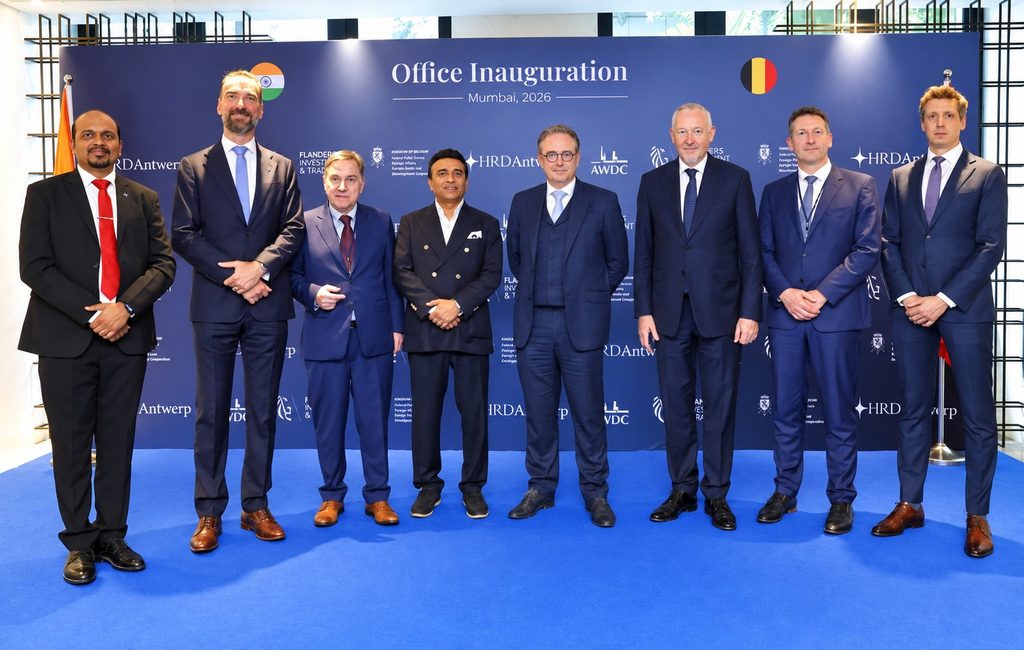
Alongside the Prime Minister, also present were Paul De Wachter, CEO of HRD Antwerp, Ramakant Mitkar, Managing Director of HRD Antwerp India, Chirag Shah, Vice Chairman of AWDC, Didier Vanderhasselt, Belgian Ambassador to India, and Frank Geerkens, Consul General of Belgium in Mumbai.
Paul De Wachter, CEO of HRD Antwerp: “The visit of our Prime Minister underlines the importance of cooperation between Belgium and India within the global diamond sector. India and Antwerp together form two indispensable links in the international diamond chain. With this expansion, we are investing not only in additional capacity, but above all in the future of our cooperation with the Indian diamond and jewellery sector.”
Bart De Wever, Prime Minister of Belgium wrote the following message in HRD Antwerp’s guestbook during his visit: ” Sicut adamas fulget, ita fiducia inter gentes monet. As a diamond shines, so trust endures between nations “



Belgian Prime Minister Bart De Wever opens expanded HRD Antwerp laboratory in Mumbai

Verlas Introduces the ‘Alyssa’ Collection in India, Bringing Modern Luxe Floral-Inspired Design to Lab-Grown Diamond Jewelry Crafted in Fine Gold

Gold rebounds,Silver reclaims Rs 2.33 lakh mark

Limelight Lab Grown Diamonds Inaugurates Showroom In Kalyan, Its 8th Exclusive Store MMR
Verlas Introduces the ‘Alyssa’ Collection in India, Bringing Modern Luxe Floral-Inspired Design to Lab-Grown Diamond Jewelry Crafted in Fine Gold
Belgian Prime Minister Bart De Wever opens expanded HRD Antwerp laboratory in Mumbai
-
 National News2 days ago
Limelight Lab Grown Diamonds Inaugurates Showroom In Kalyan, Its 8th Exclusive Store MMR
-
 BrandBuzz1 day ago
Verlas Introduces the ‘Alyssa’ Collection in India, Bringing Modern Luxe Floral-Inspired Design to Lab-Grown Diamond Jewelry Crafted in Fine Gold
-
 DiamondBuzz1 day ago
Belgian Prime Minister Bart De Wever opens expanded HRD Antwerp laboratory in Mumbai
-
 National News1 day ago
Gold rebounds,Silver reclaims Rs 2.33 lakh mark
