
International News
Precious Metals Under Pressure: Diplomatic Shifts, Geopolitical Risk, and Central Bank Outlook AUGMONT BULLION REPORT

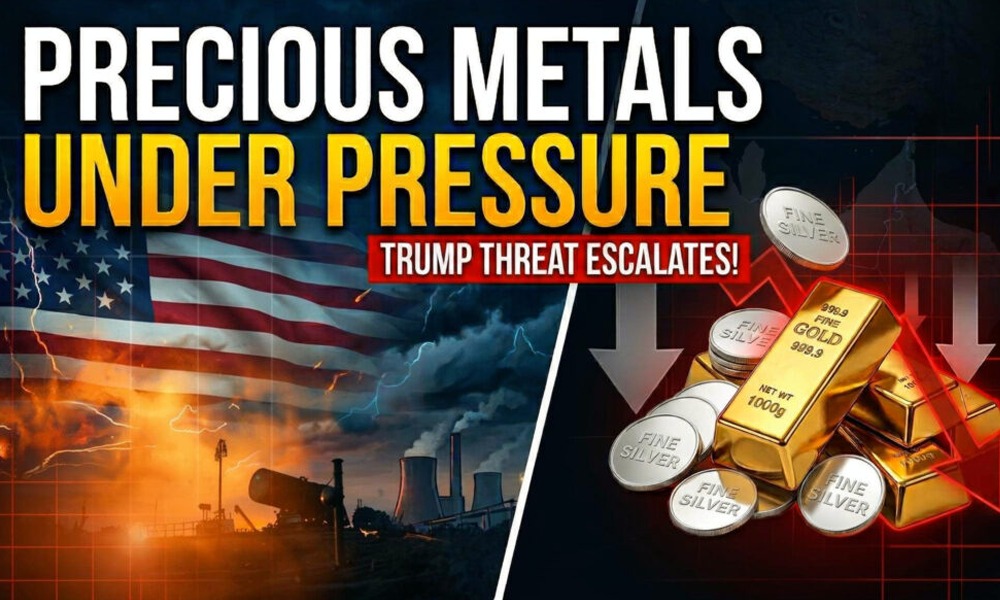
- Safe-Haven Dynamics – Gold is trading below $4650 as investors evaluate ongoing diplomatic efforts to resolve the US–Iran conflict. The crisis has caused a significant energy supply disruption and heightened inflation concerns. Iran has proposed halting its operations in the Strait of Hormuz in exchange for a complete ceasefire and removal of the US blockade on Iranian ports.
- Geopolitical Developments – Tehran has submitted a new proposal to Washington via Pakistani intermediaries, offering to reopen the Strait of Hormuz conditional on the US lifting its blockade, while postponing discussions on its nuclear program. Washington remains skeptical and is likely to respond with counter-proposals in the near term. Iran’s nuclear ambitions remain the central point of disagreement between the two sides.
- Macro-economic Signals – Markets are also focused on upcoming monetary policy decisions by the Fed, ECB, and BOJ this week. Persistent energy price inflation, driven by Middle East tensions, has strengthened expectations that central banks may maintain or further raise interest rates. This monetary tightening outlook is exerting downward pressure on gold prices.
Technical Triggers
- Gold has broken the important support of $4650 (~ Rs 151,000), the next target is $4550 (~ Rs 147,500).
- Silver is on the verge of breaking $73 (~ Rs 235,000). If prices sustain below this level, the next target is $70 (~ Rs 225,000).
Support and Resistance
| International Gold Support Level International Gold Resistance Level Domestic Gold Support Level Domestic Gold Resistance Level | : $4550/oz : $4850/oz : Rs 147,500/10 gm : Rs 155,000/10 gm |
| International Silver Support Level International Silver Resistance Level Domestic Silver Support Level Domestic Silver Resistance Level | : $70/oz : $77/oz : Rs 225,000/kg : Rs 245,000/kg |


International News
Fluorescent Diamonds: GIA to Introduce Clearer Guidance
According to GIA, around 25% to 35% of all diamonds show some level of fluorescence. Greater transparency about this significant segment of the market could help improve confidence among both consumers and the jewellery trade.
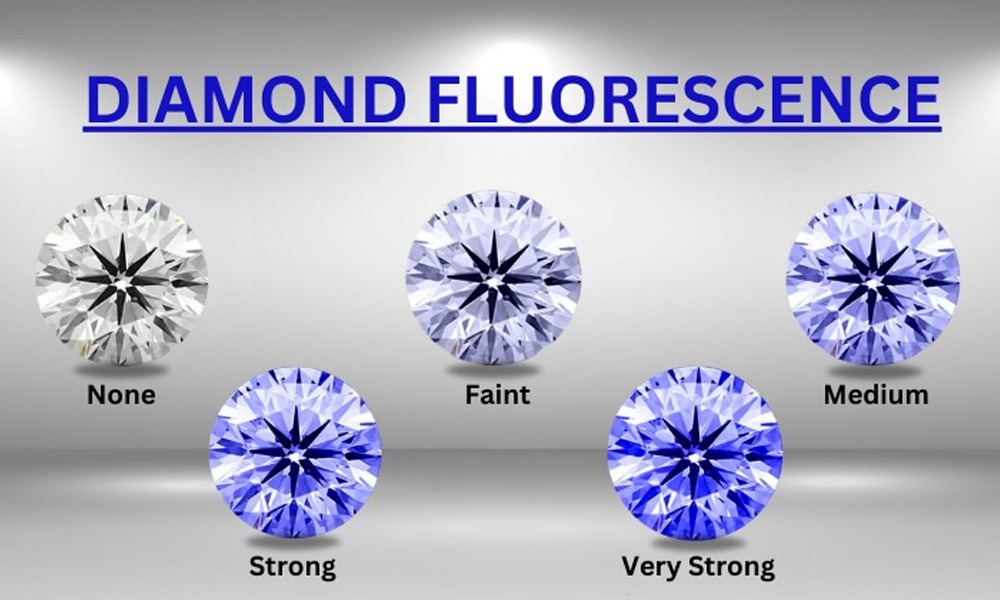
Later this year, the Gemological Institute of America (GIA) will introduce new wording in its diamond grading reports to reduce confusion about fluorescent diamonds. The update, expected in the fourth quarter, is one of the most important steps taken by a grading laboratory to explain this feature more clearly to both the jewellery trade and consumers.
Rapaport Intelligence Report explores what this change could mean for the diamond market. Fluorescence has had a long and complicated history. In the past, fluorescent diamonds often sold at premium prices. However, attitudes changed during the diamond boom of the 1970s and again after a grading controversy in South Korea in the early 1990s. Although later gemological research helped improve confidence in fluorescent diamonds, many buyers still view them negatively, and they often sell at discounted prices.
The report also looks at how these discounts have changed over the past six years through both strong and weak market conditions. In addition, the report explains two key questions: how fluorescence affects a diamond’s appearance and whether it influences its color grade. It also considers whether GIA’s new report comments could change how buyers view fluorescent diamonds.
The report revisits a long-debated issue—does fluorescence really affect a diamond’s beauty, or are today’s concerns mainly based on old perceptions that continue to influence buying decisions?
According to GIA, around 25% to 35% of all diamonds show some level of fluorescence. Greater transparency about this significant segment of the market could help improve confidence among both consumers and the jewellery trade.


-
 International News5 hours ago
Fluorescent Diamonds: GIA to Introduce Clearer Guidance
-

 GlamBuzz4 hours ago
Regal Jewellers appoints Vijay Sethupathi and Simran as brand ambassadors for Tamil Nadu
-

 National News5 hours ago
India’s Consul General to Dubai, Shri V V Reddy, Interacts with BDB Committee
-

 National News6 hours ago
Shankesh Jewellers Ltd. Unveils New Corporate Office at Kalbadevi Road, Mumbai
