
DiamondBuzz
Angola Seeks Anglo’s Majority Stake in De Beers
Angola has intensified its pursuit of De Beers, shifting from its earlier interest in a minority stake to a proposal to buy Anglo American’s entire majority share in the diamond giant.

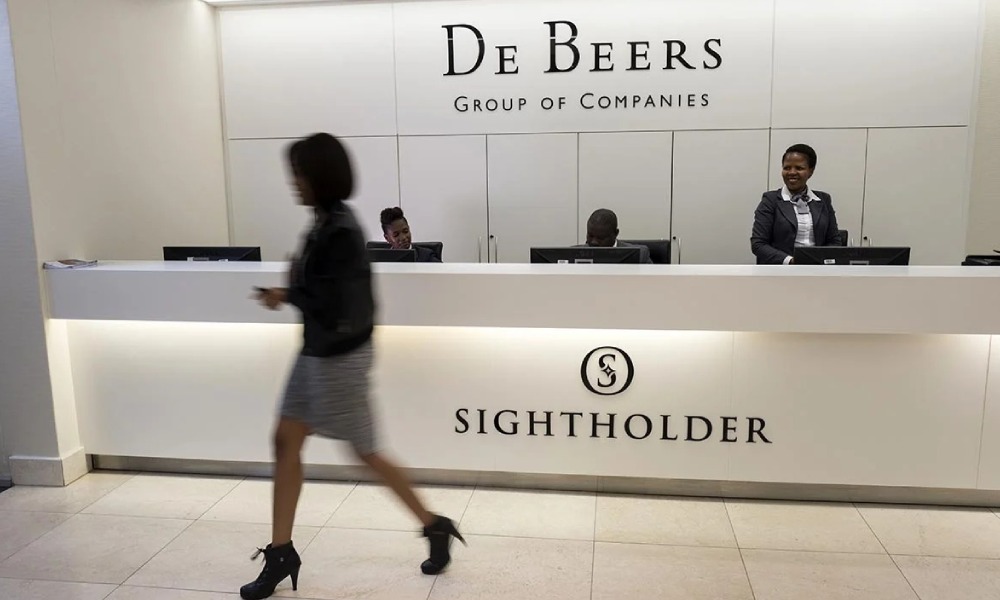
The move positions Angola’s state-owned diamond company, Endiama, to compete directly with several high-profile bidders — including former De Beers CEOs Gareth Penny (backed by a Qatari investment fund) and Bruce Cleaver, who is leading a separate consortium. Other interested parties reportedly include Australian mining veteran Michael O’Keeffe, Indian billionaire Anil Agarwal, and the government of Botswana, which already holds a 15% stake in De Beers.
Endiama has submitted “a concrete and well-defined proposal” and is advancing its bid, according to CEO José Manuel Ganga Júnior. Both he and Anglo American declined to disclose further details.
Angola’s interest marks a significant escalation from last month, when it proposed forming a Pan-African consortium with Botswana, Namibia, and South Africa to jointly acquire a minority share. The country already maintains close ties with De Beers through an exploration joint venture, which recently announced the discovery of a new kimberlite field — the first in Angola in 30 years.
However, Botswana retains the first right of refusal to match any external bids, given its existing shareholder status.
Anglo American first declared its intention to divest De Beers in May 2024, as part of a broader strategy to streamline its operations and concentrate on core assets. The decision follows a prolonged downturn in the diamond sector, driven by weak consumer demand, growing competition from lab-grown diamonds, trade tariffs, and a slump in global luxury spending.


DiamondBuzz
Richemont and Signet Jewelers Could Join Global Diamond Consortium In Bid For De Beers
Richemont, Signet Would Connect The Consortium To Key Global Growth Vectors Spanning Luxury High Jewelry and Mass-Market Retail.


The Global Diamond Consortium (GDC)
Richemont and Signet Jewelers are reported to be in talks about joining the Global Diamond Consortium (GDC), the preferred bidder for De Beers according to a Bloomberg News report.
GDC was selected in July 2026 as one of Anglo American’s preferred bidders for De Beers as part of Anglo American’s ongoing corporate restructuring.
The potential inclusion of Richemont—owner of luxury Maisons including Cartier and Van Cleef & Arpels—and Signet Jewelers—the world’s largest retailer of diamond jewelry, operating brands such as Kay Jewelers, Zales, and Jared—would connect the consortium to key global growth vectors spanning luxury high jewelry and mass-market retail.
Strengthening the Natural Diamond Ecosystem: Participation by major luxury brands and global retail leaders reinforces commitment across the entire value chain—from responsible mining and manufacturing to consumer engagement.
Balanced Governance Structure: Discussions center on potential minority equity positions that would support long-term category growth while maintaining appropriate separation between ownership and commercial strategy.
Broad Stakeholder Participation: The consortium continues to advance talks with host governments, including discussions with the Government of Botswana regarding a potential increase in its equity share in De Beers from 15% to approximately 25%, alongside participation from private investors and southern African host nations.
Discussions between GDC, Richemont, Signet, and participating government stakeholders remain ongoing. Terms of any potential participation, including the size of equity interests, have not been finalized and remain subject to regulatory approvals and definitive documentation.



Belgian Consul General H. E. Mr. Pierre Stverlynck Graces BDB Annual Day

Limelight Lab Grown Diamonds Crosses 100 Stores Milestone This Dussehra: Targets 200 In 2027

Joyalukkas Opens Its 2nd Bengaluru Showroom in Jayanagar

US Holiday Shopping Expected To Top $1 Trillion For The First Time: NRF
Belgian Consul General H. E. Mr. Pierre Stverlynck Graces BDB Annual Day
Limelight Lab Grown Diamonds Crosses 100 Stores Milestone This Dussehra: Targets 200 In 2027
-
 International News18 hours ago
US Holiday Shopping Expected To Top $1 Trillion For The First Time: NRF
-
 National News12 hours ago
Belgian Consul General H. E. Mr. Pierre Stverlynck Graces BDB Annual Day
-
 National News13 hours ago
Limelight Lab Grown Diamonds Crosses 100 Stores Milestone This Dussehra: Targets 200 In 2027
-
 New Premises13 hours ago
Joyalukkas Opens Its 2nd Bengaluru Showroom in Jayanagar
