
DiamondBuzz
Lesotho’s Largest Diamond Mine Faces Imminent Closure Without State Tax Relief
Government Refusal to Waive Taxes and Royalties Threatens 750 Jobs and 10% of National GDP Amid Diamond Price Collapse.

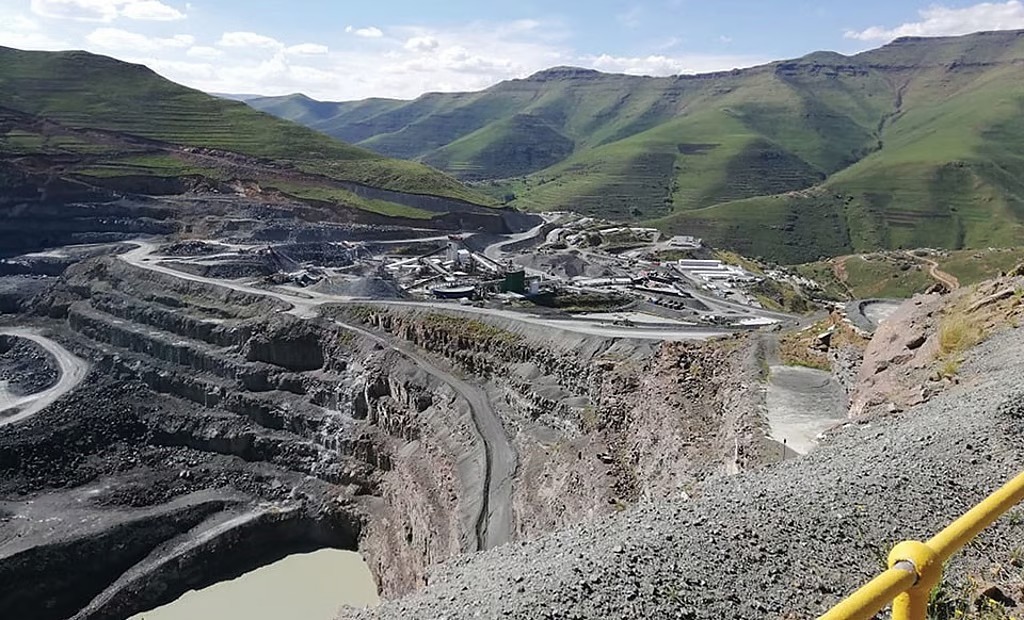
The Kao Diamond Mine, Lesotho’s largest diamond operation and a crucial contributor to the national economy, is facing imminent closure within weeks, according to operator Storm Mountain Diamonds (SMD). The company, which is 75% owned by Namakwa Diamonds Limited and 25% by the Government of Lesotho (GOL), has issued a dire warning, appealing for urgent financial relief to avoid shutdown.
The crisis is driven by a steep global decline in diamond prices and demand, coupled with a deepening dispute over tax and royalty obligations.
- Financial Strain: SMD’s revenue has plummeted, with 2024 sales hitting only $50 million from approximately 250,000 carats sold—less than half of its $105 million revenue in 2022.
- Urgent Need: The company requires approximately $13 million in new investment to maintain operations over the next year.
- Regulatory Deadlock: SMD claims the Lesotho Revenue Services (LRS) has breached binding original mining agreements by imposing higher tax rates, restricting deductions, and withholding VAT refunds. This lack of a stable regulatory environment is deterring potential investors.
- Sought Relief: SMD has formally requested the GOL to suspend tax assessments and waive royalty payments to secure the necessary investment and extend the mine’s lifespan.
Economic Fallout:
The potential closure poses a significant threat to Lesotho’s economy. The diamond mining sector accounts for around 10% of the country’s GDP and up to a quarter of its total exports by value. The shutdown would result in the loss of approximately 750 jobs and could severely undermine investor confidence in one of Southern Africa’s key mining industries.
The GOL faces a difficult decision: offering assistance to a company in which it is a direct shareholder while managing public perception and the demands of its tax authority. Industry analysts warn that a failure to reach an agreement swiftly could trigger a major economic and employment blow.



DiamondBuzz
Botswana Looks Beyond Rough Diamond Sales, Eyes U.S. Jewelry Market
The Duty Exemption By US Presents An Opportunity For Domestic Jewelry Manufacturers In Gaborone To Bypass Traditional Middle-Market Hubs and Establish A Direct Pipeline To American Consumers


Grappling with a painful downturn in global rough-diamond demand, Botswana is pivoting its economic strategy: expanding up the supply chain directly into American retail shelves while leveraging its resource wealth to fund conservation and diversification.
Speaking on the sidelines of New York Climate Week, Bogolo Joy Kenewendo, Botswana’s Minister of Minerals and Energy, highlighted the southern African nation’s plan to capitalize on a 0% import-tariff rate to the U.S. market. The duty exemption presents an opportunity for domestic jewelry manufacturers in Gaborone to bypass traditional middle-market hubs and establish a direct pipeline to American consumers.
shift The push into value-added manufacturing comes as the world’s top diamond producer by value navigates a broader structural Diamond revenues have long formed the bedrock of Botswana’s post-independence balance sheet, underwriting universal secondary education and tuition-free university funding. However, recent market volatility has underscored the vulnerabilities of a mono-sectoral economy.
Under the Botswana Economic Transformation Programme (BETP)—an initiative spearheaded directly by President Duma Boko and his vice president—the government is directing resources toward manufacturing, agriculture, and broader mining sectors to reduce its heavy reliance on rough diamond sales.
To support its luxury exports, Botswana is recalibrating its brand narrative around origin, environmental stewardship, and social impact. The country recently announced a five-year extension of the “Okavango Eternal” partnership alongside De Beers Group and the National Geographic Society. The initiative aims to protect the ecological integrity of the Okavango River Basin while tying diamond purchases to conservation efforts.
With De Beers currently facing an impending ownership change, officials remain optimistic that any capital restructuring could bring additional funds into Botswana to accelerate its domestic economic transition.



Kangana Ranaut Unveils PNG Jewellers New Showroom In Ayodhya~

GGJS 2026 Concludes With High-Volume Trade and Strategic Focus On Next-Gen Leadership

The Solitaire Festival Of India Concludes; Bumper Prize Winner At Ranka Jewellers Wins XUV 7XO
GGJS 2026 Concludes With High-Volume Trade and Strategic Focus On Next-Gen Leadership

ABARAN Commemorates The 125th Birth Anniversary Of Founder Shri Burde Sadananda Kamath With Special Gold Coin Launch

MCX Gold Silver Futures See Dip
-
 National News2 hours ago
GGJS 2026 Concludes With High-Volume Trade and Strategic Focus On Next-Gen Leadership
-
 National News7 hours ago
ABARAN Commemorates The 125th Birth Anniversary Of Founder Shri Burde Sadananda Kamath With Special Gold Coin Launch
-
 National News7 hours ago
MCX Gold Silver Futures See Dip
-
 National News49 minutes ago
Kangana Ranaut Unveils PNG Jewellers New Showroom In Ayodhya~
