International News
Angara Debuts in India, Set to Transform Fine Jewellery with Customisable D2C Experience
With over 300 years of gemstone legacy and a $100M global presence, Angara brings personalised, digital-first fine jewellery to Indian consumers.


US-based fine jewellery brand Angara has officially entered the Indian market, bringing a rich heritage in gemstone craftsmanship and a disruptive direct-to-consumer (D2C) model designed to reshape how Indians shop for fine jewellery.
Founded by Indian-origin entrepreneurs Ankur and Aditi Daga, Angara has grown into a $100 million+ enterprise across the US, UK, and Australia, renowned for its handcrafted pieces featuring gemstones, diamonds, and pearls. Now, the brand is bringing its unique approach to India’s dynamic jewellery landscape, offering bespoke, made-to-order creations that combine traditional artistry with modern technology.

“India’s jewellery market is at a pivotal moment,” said Ankur Daga, Founder & CEO. “People are moving away from generic, mass-produced designs and gravitating towards pieces that reflect their individuality. We’ve perfected this digital-first model globally, and now it’s time to bring that innovation home.”
Angara’s India strategy is anchored in its vertically integrated, digital-first model, which empowers customers to personalise every aspect of their jewellery—from gemstone and carat size to metal type and setting. The brand leverages an intuitive online platform enhanced with AI-driven recommendations, delivering both superior quality and transparent pricing by cutting out intermediaries.
“Indian buyers have traditionally faced a choice between conventional jewellers and expensive luxury brands,” added Aditi Daga, Co-founder. “Angara bridges that gap by offering elegant, meaningful, and affordable fine jewellery—tailored to each individual.”

The brand’s entry comes at a time when Indian consumers are shifting from heirloom pieces to more expressive, everyday elegance. As interest in coloured gemstones rises and the diamond market evolves with lab-grown alternatives, Angara’s expertise in rubies, emeralds, sapphires, and other precious stones positions it well to meet emerging demands.
With over 1 million customers globally and operations in Ireland, Canada, Thailand, and now India, Angara is also eyeing a future offline presence. Plans are underway to launch experiential retail spaces that will complement its digital platform, offering hands-on interaction without compromising the brand’s hallmark of customisation.
To support its Indian expansion, Angara has built an end-to-end supply chain that ensures ethical sourcing, exceptional craftsmanship, and consistent quality. Its made-to-order model aligns with the growing appetite for sustainable, conscious luxury in India.
Angara’s launch marks more than just the arrival of a new brand—it signals a bold reimagining of India’s fine jewellery market. With a legacy of craftsmanship, a passion for innovation, and a focus on personalisation, Angara is ready to redefine how Indian consumers experience jewellery.








International News
Indian Consulate In New York Hosts India-USA Virtual Jewellery Exhibition; Facilitated By GJEPC
The Exhibition Brought Together 35 Indian Companies, Many Of Them Micro, Small and Medium Enterprises (MSMEs), Offering US Buyers An Opportunity To Explore Indian Jewellery Collections and Establish Direct Business Connections.


The Consulate General of India in New York, in collaboration with the Gem & Jewellery Export Promotion Council (GJEPC), organised the India-USA Virtual Exhibition on Gems & Jewellery on 23 October 2026, connecting Indian exporters with American buyers through a digital platform.
The inaugural ceremony featured welcome remarks by Ambassador HE . Binaya S. Pradhan, Consul General of India in New York, an inaugural address by Kirit Bhansali, Chairman, GJEPC, and closing remarks by Rajlakshmi Kadam, Consul (Trade), Consulate General of India, New York.
The exhibition brought together 35 Indian companies, many of them micro, small and medium enterprises (MSMEs), offering US buyers an opportunity to explore Indian jewellery collections and establish direct business connections. The event was designed to help exporters reach new customers and develop partnerships in one of India’s most important markets.
Addressing participants, Kirit Bhansali, Chairman, GJEPC, highlighted the importance of the US market, which accounted for around 30% of India’s gem and jewellery exports, worth nearly US$10 billion, in FY2024-25. He noted that tariff uncertainty had affected trade significantly, with India’s gem and jewellery exports to the US falling by more than 44% between April and December 2025.
However, trade has begun to recover. Between April and September 2026, India’s gem and jewellery exports to the US grew nearly 6% year-on-year to almost US$3 billion, compared with US$2.77 billion in the corresponding period of 2025.
Kirit Bhansali also referred to progress on the proposed India-US Bilateral Trade Agreement, expressing hope that it would provide greater clarity and predictability for exporters and buyers once its terms are finalised.
With the US holiday season approaching, followed by Valentine’s Day and retailers’ sourcing plans for 2027, he urged American buyers to explore India’s manufacturing capabilities across diamonds, coloured gemstones and gold jewellery. He also encouraged buyers to engage directly with participating MSMEs, highlighting their skills, flexibility and ability to meet varied sourcing requirements.
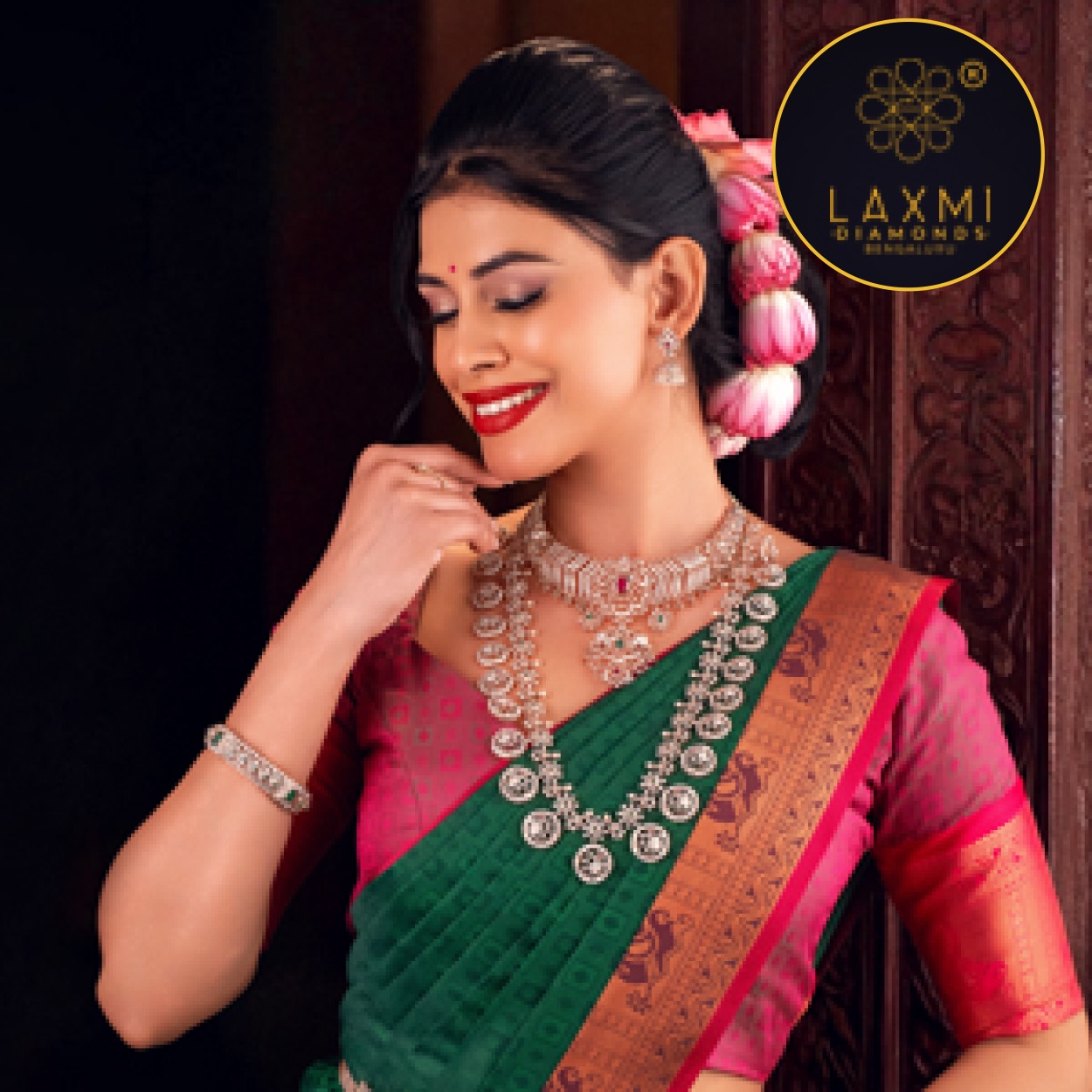


Gold and Silver Prices Navigate Volatility Amid Crucial US FED Policy Meeting

Gold Rate-Locking and Advance-Booking Ahead Of Dhanteras 2026

888.88-Carat Infinity Diamond Unveiled At Dubai Diamond Conference 2026

Dhanteras Shopping Guide 2026:Gold, Silver, Diamonds & Festive Jewellery Trends To Watch

The Solenne Collection: A Celebration Of Diwali By Bharti Bangur Fine Jewels

From Diya Puja To Diwali Soirées: Jewellery Designed To Go Beyond The Festive Season
-
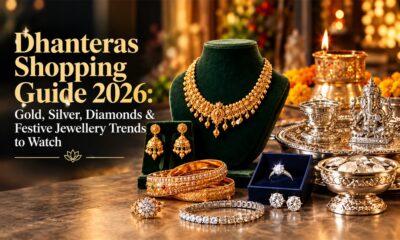 JB Insights4 days ago
Dhanteras Shopping Guide 2026:Gold, Silver, Diamonds & Festive Jewellery Trends To Watch
-
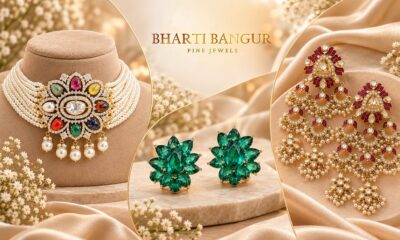 BrandBuzz4 days ago
The Solenne Collection: A Celebration Of Diwali By Bharti Bangur Fine Jewels
-
 BrandBuzz4 days ago
From Diya Puja To Diwali Soirées: Jewellery Designed To Go Beyond The Festive Season
-
 National News4 days ago
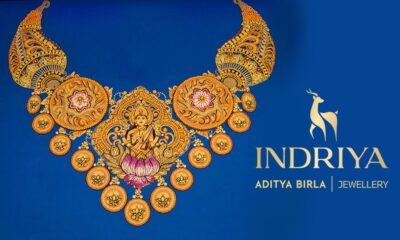
Indriya, Aditya Birla Jewellery Unveiled India’s Largest Sustainable Jewellery Rangavalli