
By Invitation
THE RISING ROMANCE OF COLOURED GEMSTONES
By Akash Talesara
Vice President, Design & Merchandising – Asian Star Group

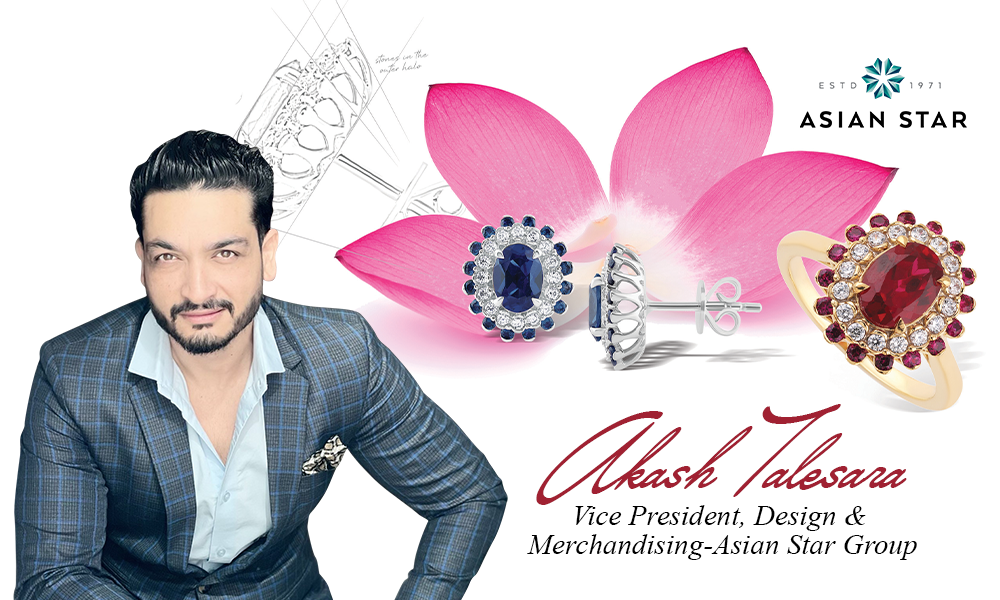
Role of gemstones in jewellery
It’s not just about accessorizing; it’s about wearing jewellery pieces that define your entire look and make a fashion statement on their own. Think attention-demanding pieces that help you express yourself boldly with—you’re really saying a word—and maybe even two—with every wear moment IRL. We’re talking jewellery with innovative designs, shapes, colours and textures which ultimately translates to statement unawares.
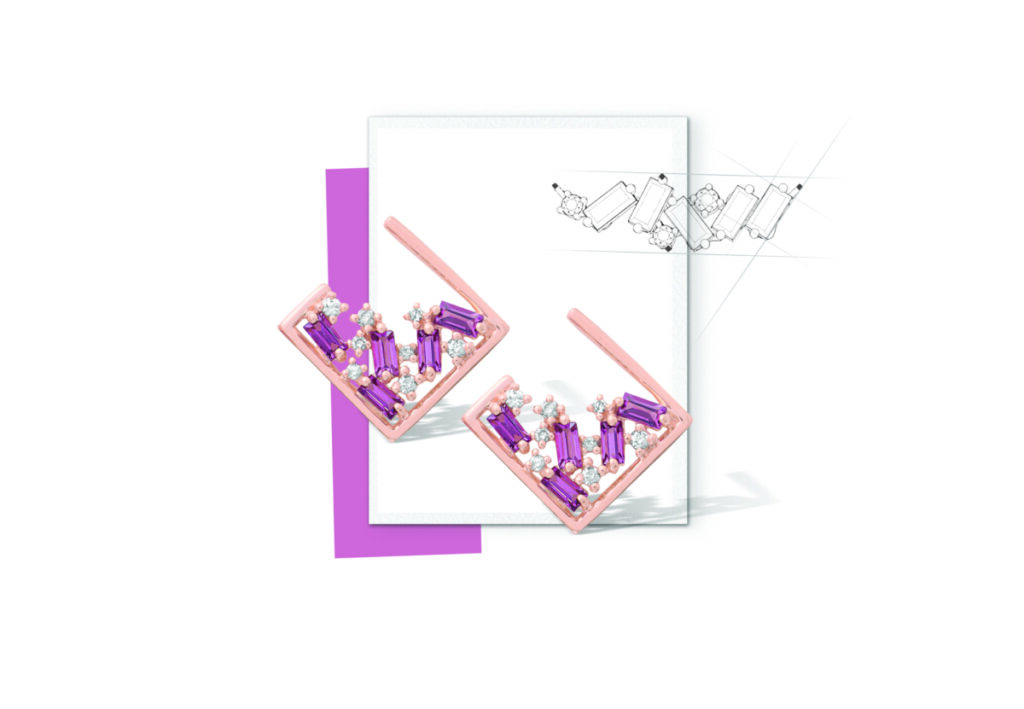
Gemstones are trending in jewellery
The sparkle and lustre of gemstones have made them prized objects for thousands of years. Gems are valued for their colour, lustre, transparency, durability, and high value-to-volume ratio. In the jewellery design world gems and coloured stones are majorly used to break the monotony. Highlight a particular part or use it as a dominating element. Sometimes to add an element of detailing. It also gives a lot of scope to designers to flourish their creativity. And in today’s world when the gold prices are so volatile it also adds to creating more value for money; pieces with better perceived value if the choice of colour stones are done wisely.
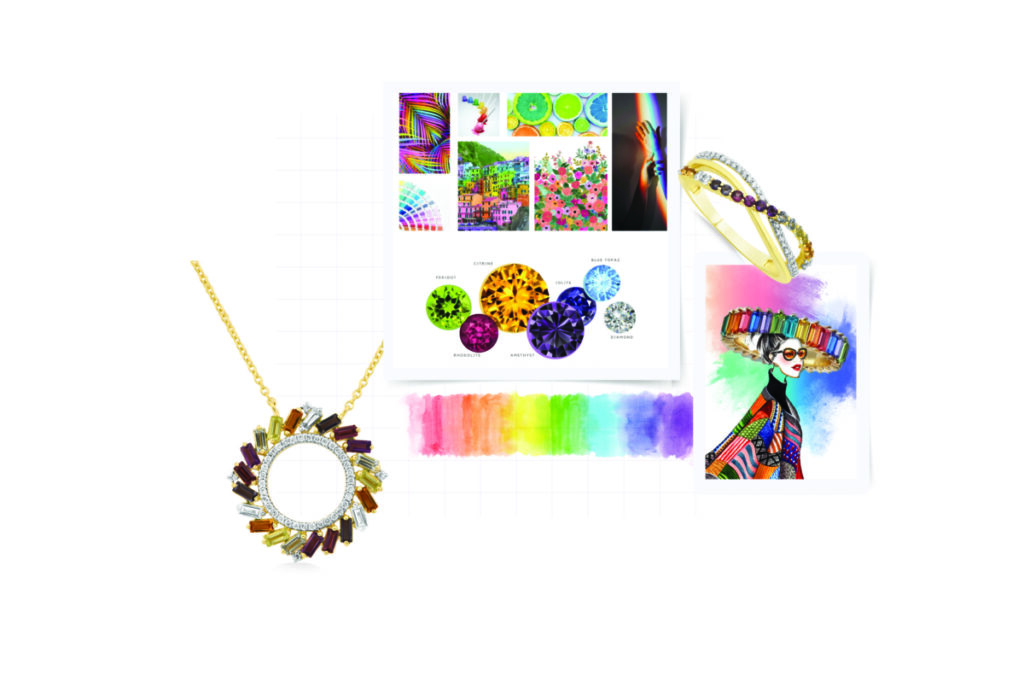
Gemstone trends for this year
Gemstone and colour trends are subject to global fads and even fashion trends. Some of my best picks of Gemstones are:
– Peach morganite: Morganite jewellery that resembles the Pantone Colour of the Year 2024, “Peach Fuzz”.
– Blue sapphires: Bright gemstones that are popular in engagement rings.
– Red tourmalines: Bright gemstones that are popular in engagement rings.
– Teal missionaries: Bright gemstones that are popular in engagement rings.
– Multicolour Sapphires: One of the most sought-after gemstones in the world.
– Rainbow sapphires: A popular gemstone that offers a wide range of hues and characteristics.
– Ceylon sapphires: A popular gemstone that offers a wide range of hues and characteristics.
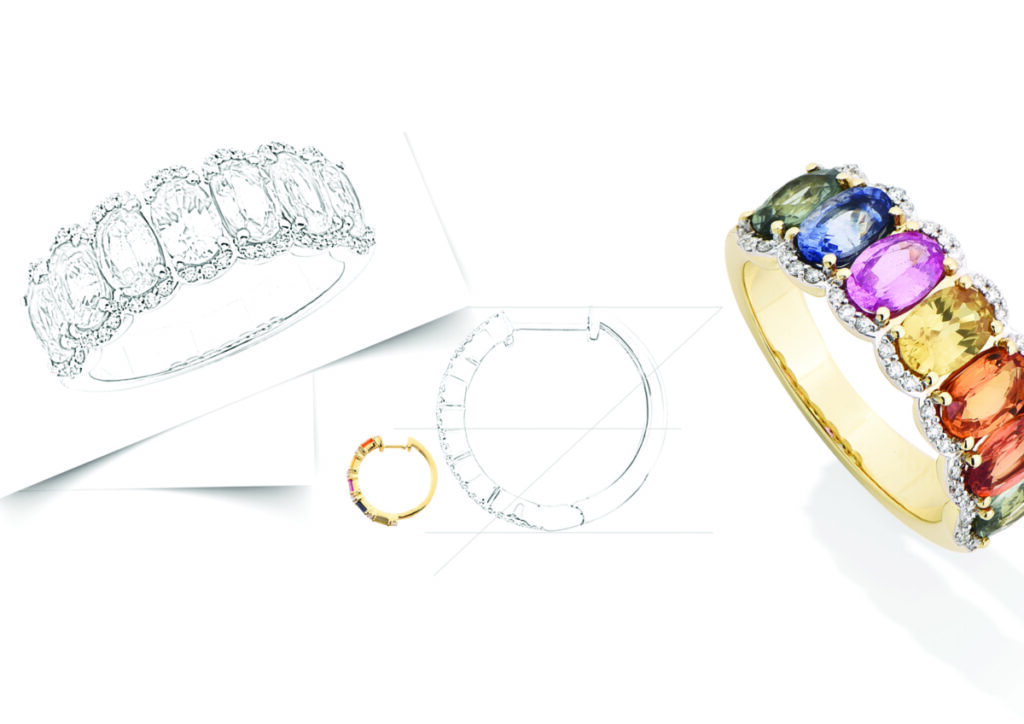
Vintage/Victorian looks seen as gemstone jewellery trends
The jewellers across globe often keep an eye on Hollywood to get inspired. This year, in Grammy Awards Celebs like Dua Lipa wore Over 11-carat unenhanced padparadscha sapphires and diamonds, set in 18-carat yellow gold and platinum. Trevor Noah wore “Bird on a Rock” brooch, 3-carat round brilliant-cut diamonds, featuring a pink sapphire and a central citrine weighing over 54 carats, set in 18-carat yellow gold and platinum.
Camila Rodrigo wore 15.90-carat cushion aquamarine high jewellery cocktail ring.
Kelly Clarkson burned the red carpet with magnificent Earrings taking 8.95-carat diamonds and a pear-shaped natural blue topaz, set in platinum. Even at the Golden Globes Awards ceremony this year. While JLo left a lasting impression with her morganite and diamond-encrusted hummingbird earrings, Jennifer Lawrence completed her look with blue sapphire and diamond sea coral earrings.
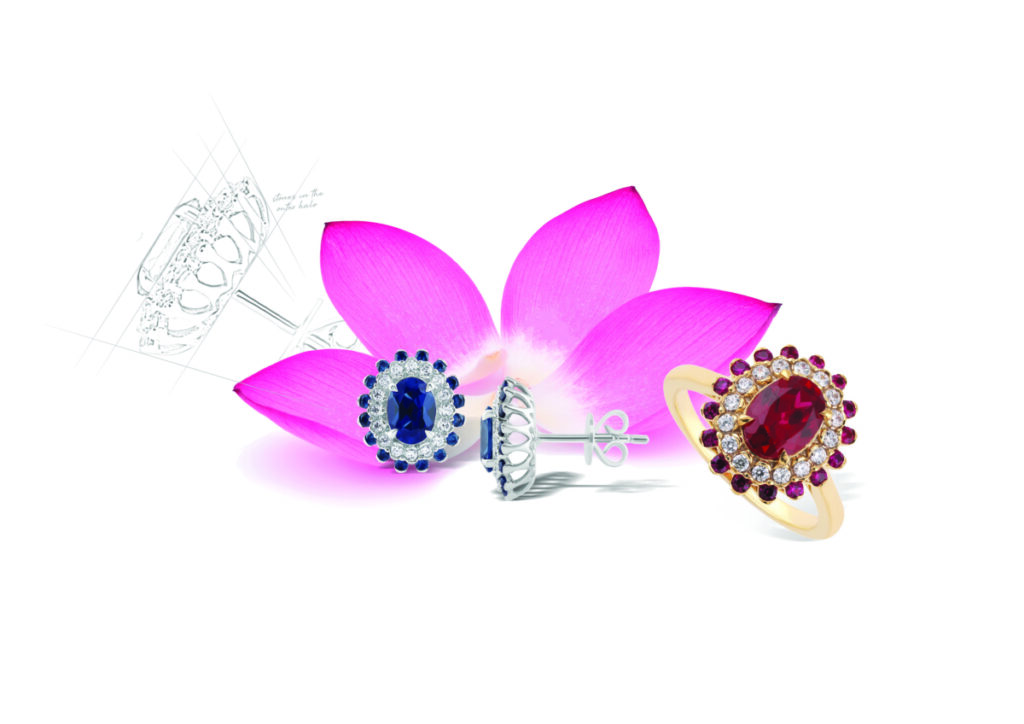
Functional and contemporary styles when it comes to colorstones
While the notion of the “quiet luxury” aesthetic has been very much rooted in minimalism, you’re about to see timeless functional jewellery take centre stage in everyday wardrobes. These pieces will be versatile and feel super contemporary at the same time. Think Gemstone focused classic halo pendants, elegant rings and multi-wear earrings. You can also explore more of this trend by opting for east-west pendants, bar necklaces and chain bracelets with coloured gemstones for an updated, unique twist.







By Invitation
Artisan Perspectives: Rethinking Craft In The Age Of Lab-Grown Stones
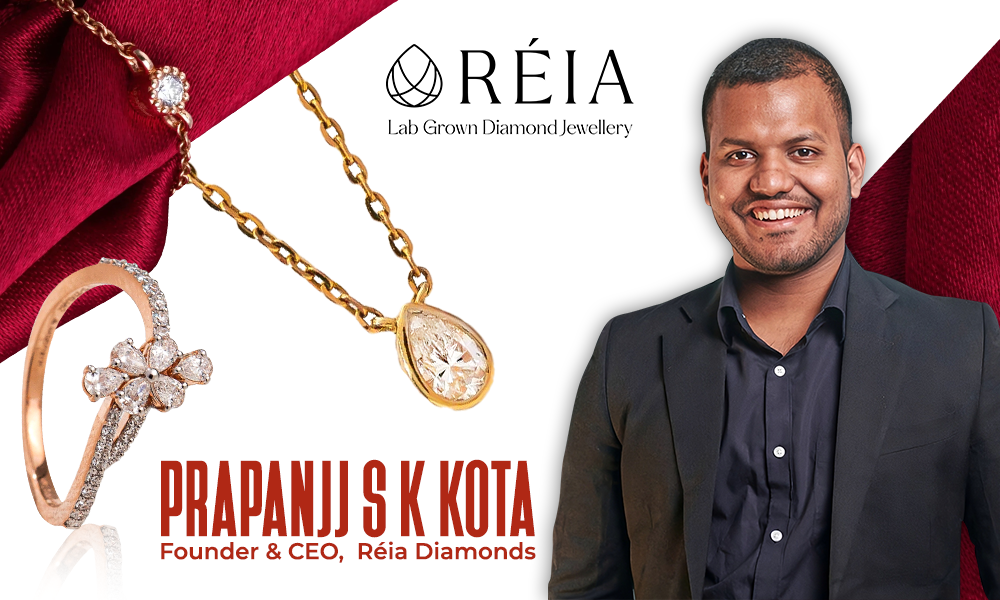
Prapanjj S K Kota
Founder & CEO at Réia Diamonds

- Traditionally, diamond value was driven by rarity, origin, and size, with craftsmanship playing a secondary role.
- With the rise of lab-grown diamonds, abundance is shifting focus from rarity to design and craftsmanship.
- Jewellery-making is returning to a craft-first approach, placing artisans at the core of value creation.
- Skill, precision, and finishing quality are becoming primary differentiators.
The rarity of diamonds has historically dictated their market value, and most of the conversation surrounding a diamond’s value has revolved around where (and how rare) it came from, and how large it was. While craftsmanship has always been important, it has often remained secondary, simply supporting the diamond rather than receiving the buyer’s focus.
As lab-grown diamonds begin to enter the market in greater numbers, the conversation surrounding them is also changing. With an increasing supply of diamonds, being a differentiating factor in jewellery becomes much more about design, craftsmanship, and the quality of work than about rarity.
For artisans, this shift means that the focus of making jewellery has returned to the craft itself.
From a technical perspective, lab-grown diamonds do not affect the fundamentals of jewellery making. They will continue to have the same hardness, brilliance, and structural properties that natural diamonds do; therefore, using traditional setting techniques, including precision settings, pavé work, micro-setting, and polishing, will be just as essential. While the tools may be more modern, the knowledge to work with diamonds continues to be based on many years of training and experience.
The major change comes with the new opportunities presented by working with lab-created stones.
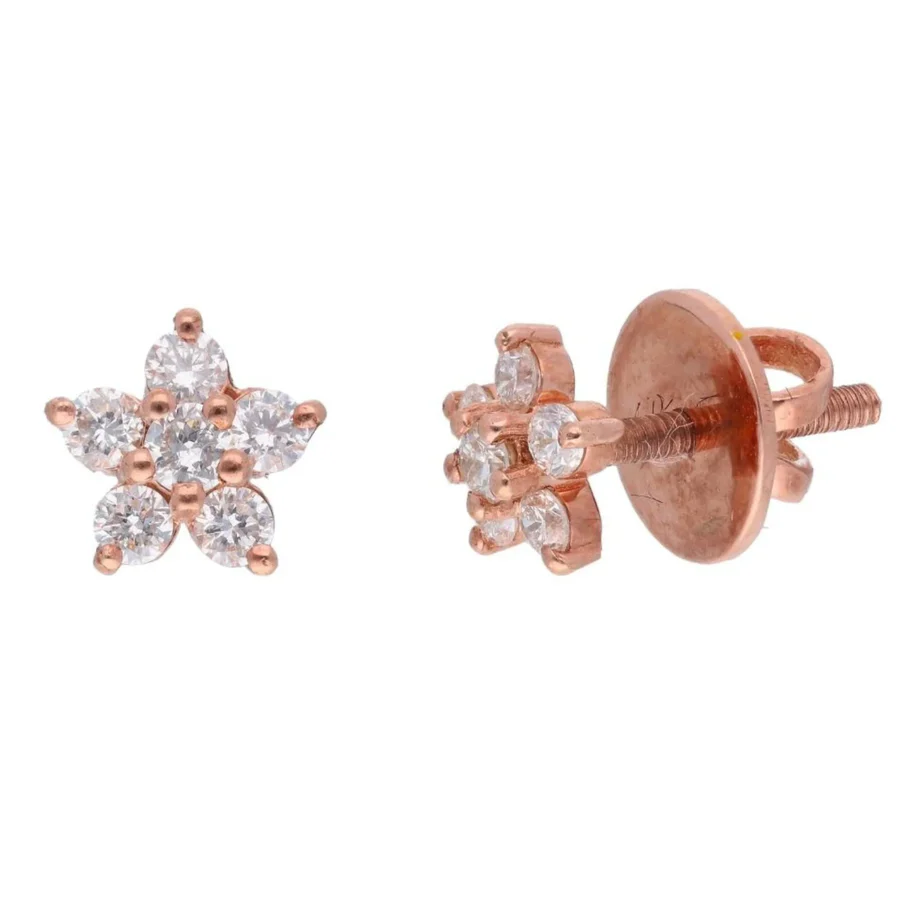
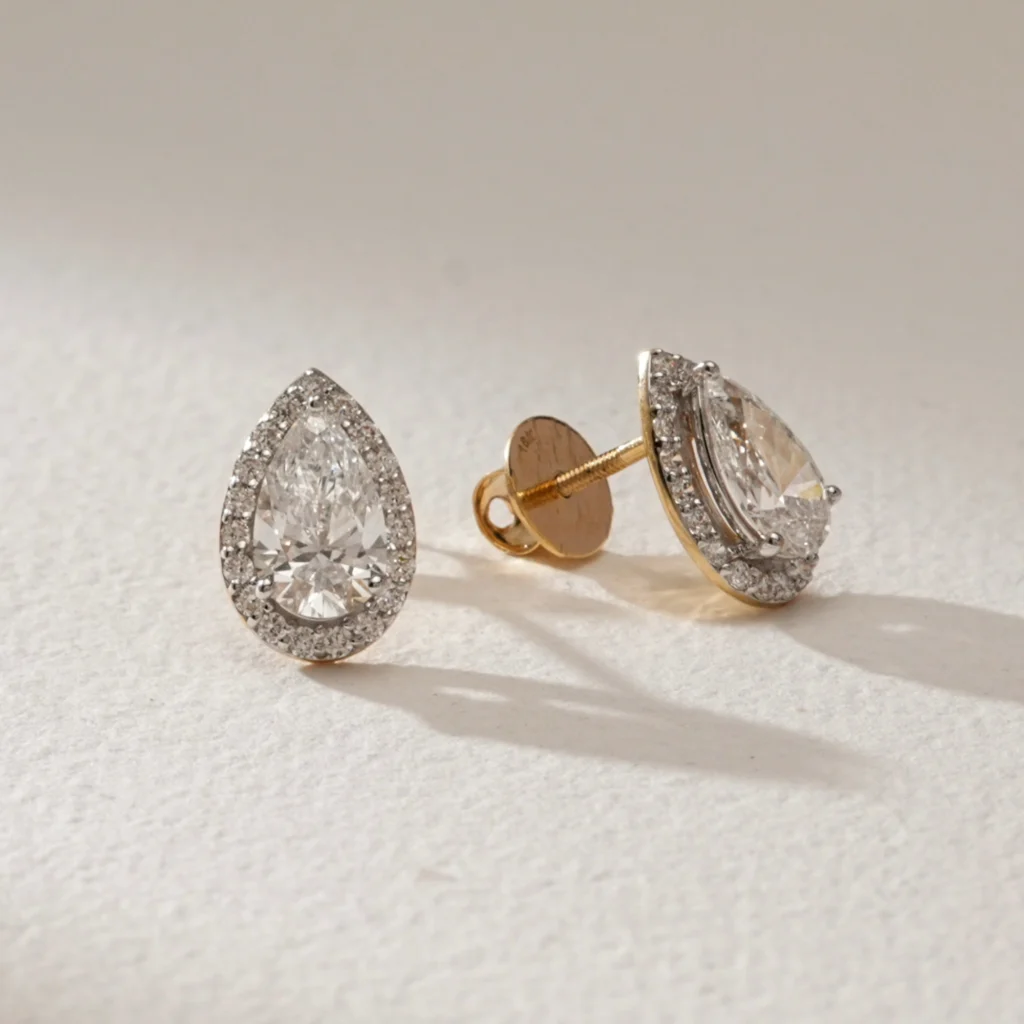
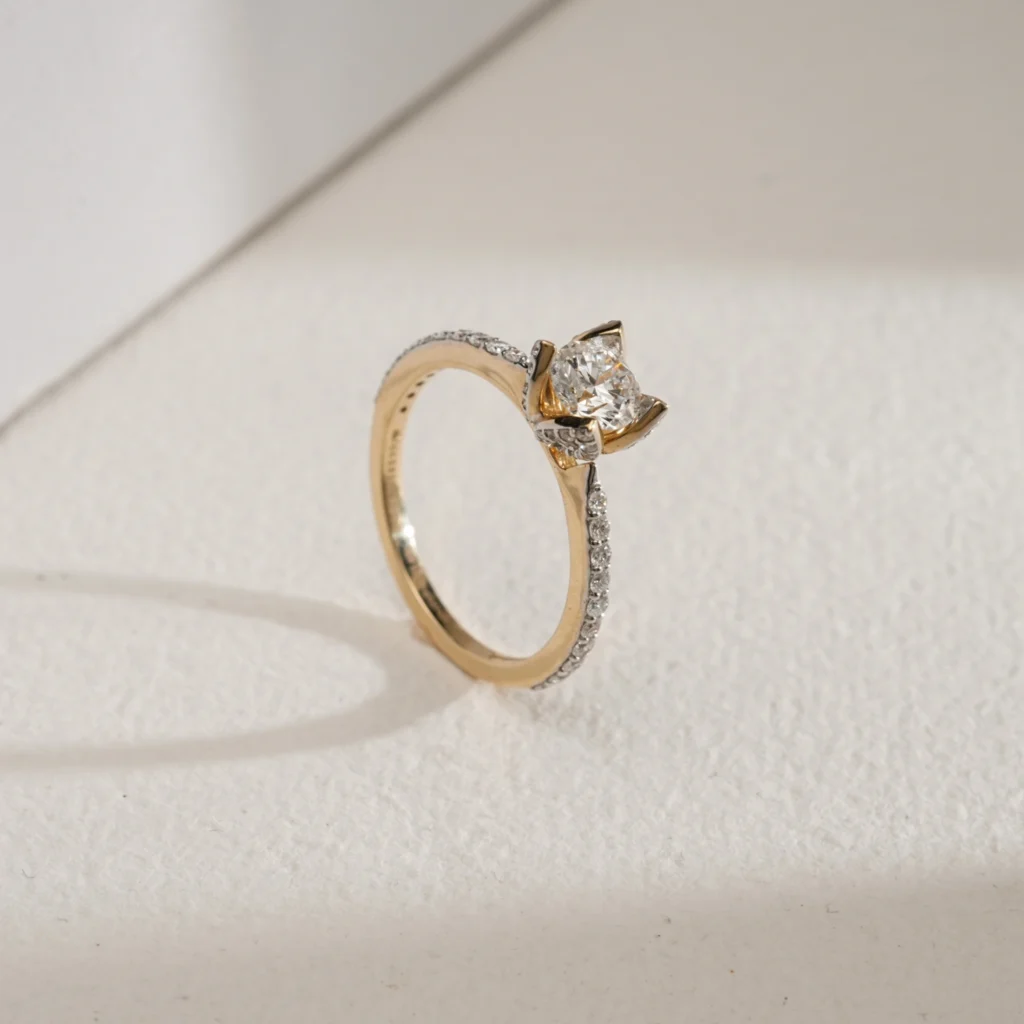
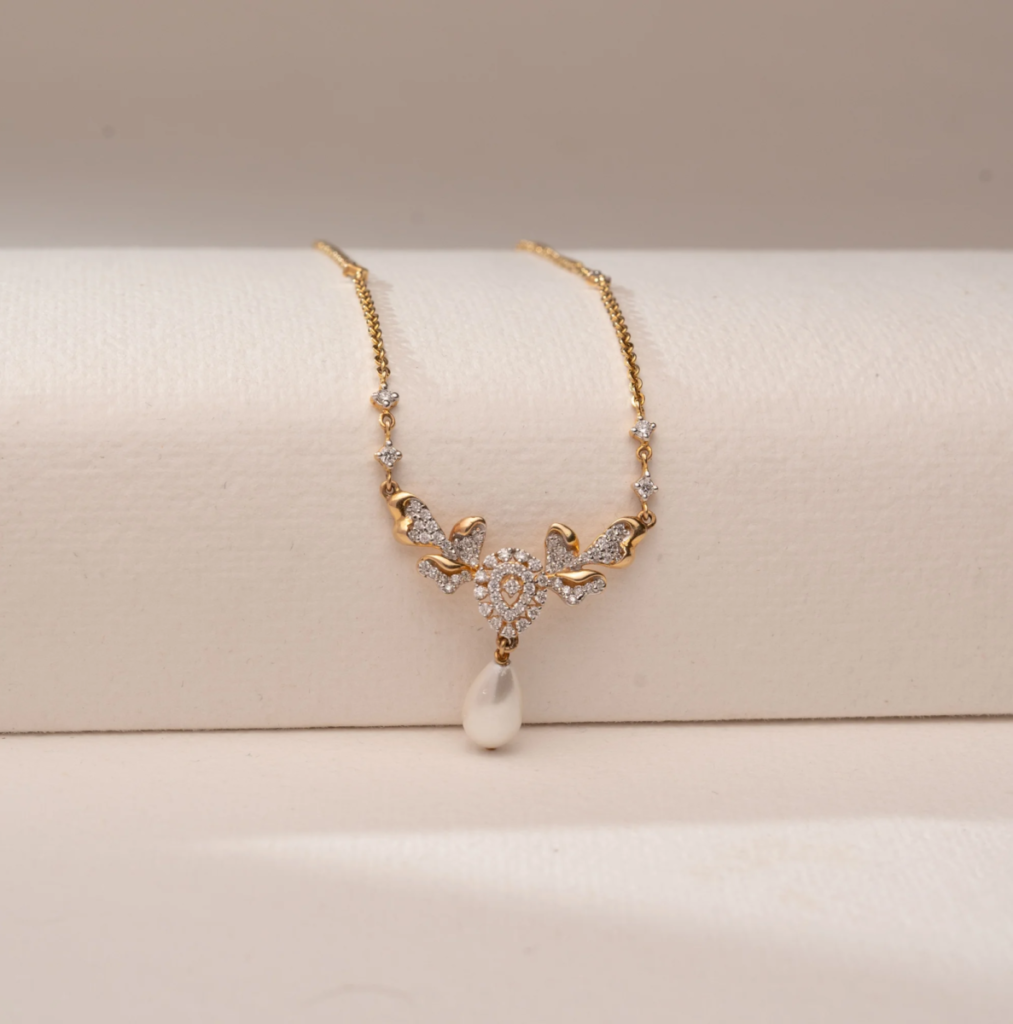
Designers are utilising the increased access to stones to try new layouts incorporating a greater focus on symmetry, scale and intricate detail. As jewellery changes, so does its craftsmanship. Today, with designs that involve numerous stones, layered settings, and modern silhouettes, artisans must have an intentional focus on the structural integrity and balance of the pieces being created, elevating their role more than ever before.
As we see craftsmanship play a supporting role to design when jewellery becomes design-centric, the specifics of how stones are aligned, how strong the setting is, and how well metal surfaces are finished will have an impact on how a piece looks, feels, and holds up over time; and therefore, they cannot be replicated with technology alone.
This change also highlights the importance of India’s historical craft traditions. Surat’s experience in the production of diamonds has established it as a leading force in the world of fine jewellery. This industry relies heavily on a team of talented craftsmen and manufacturing expertise, which plays a very important role in the overall development of jewellery that uses natural as well as lab-grown diamonds.
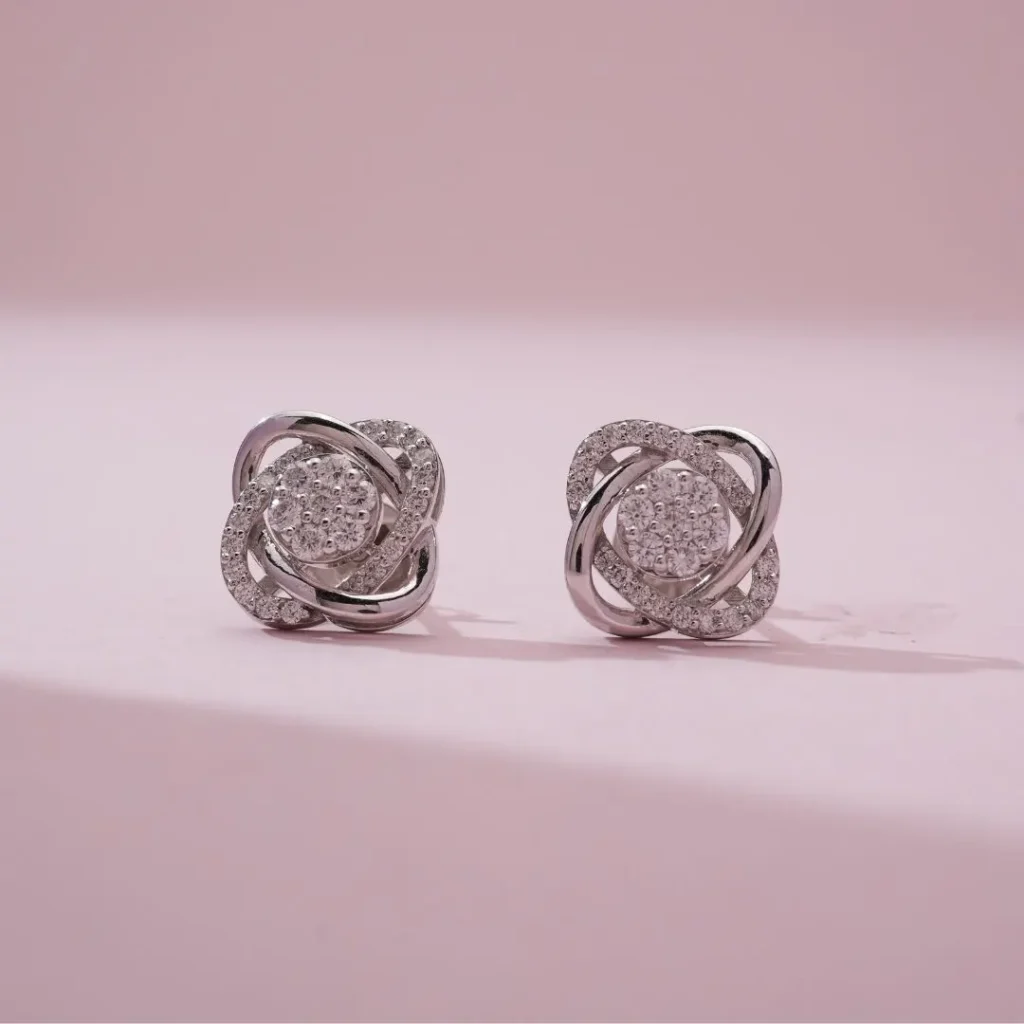
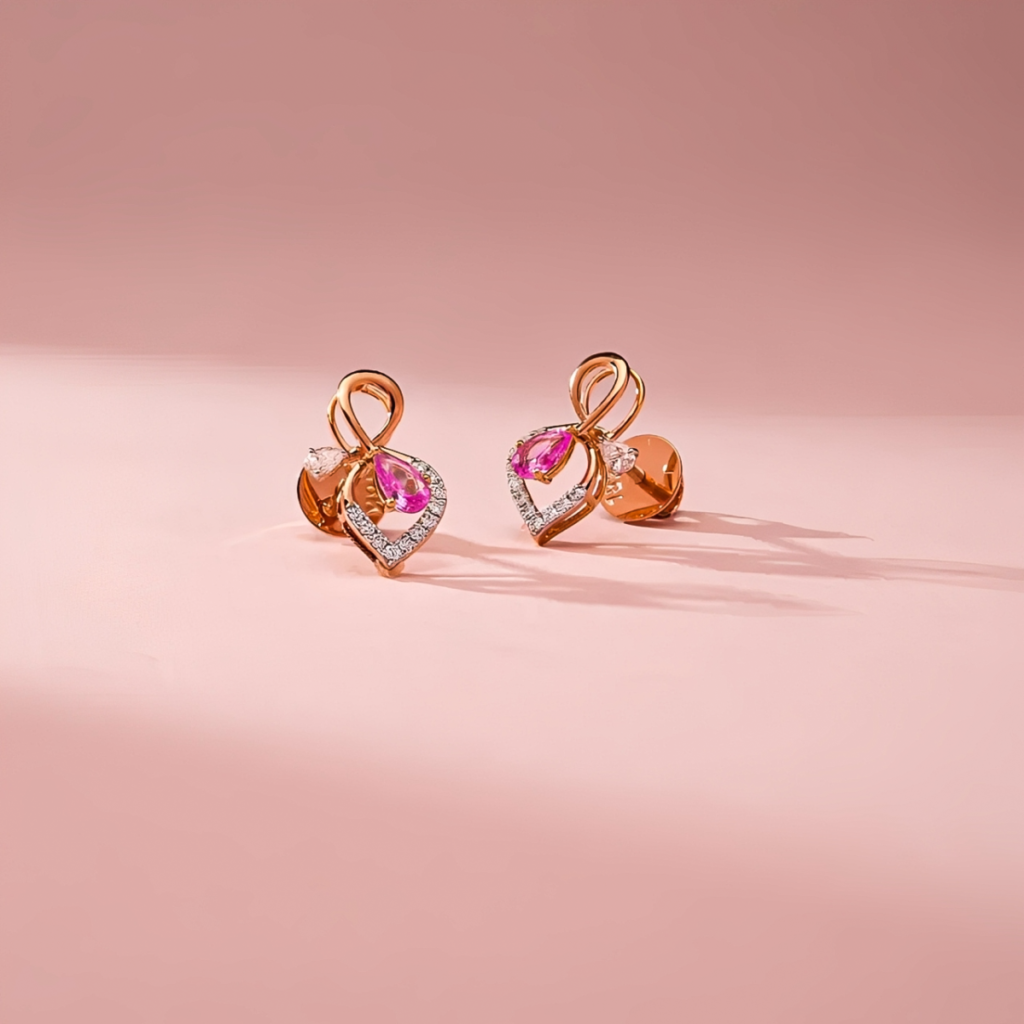
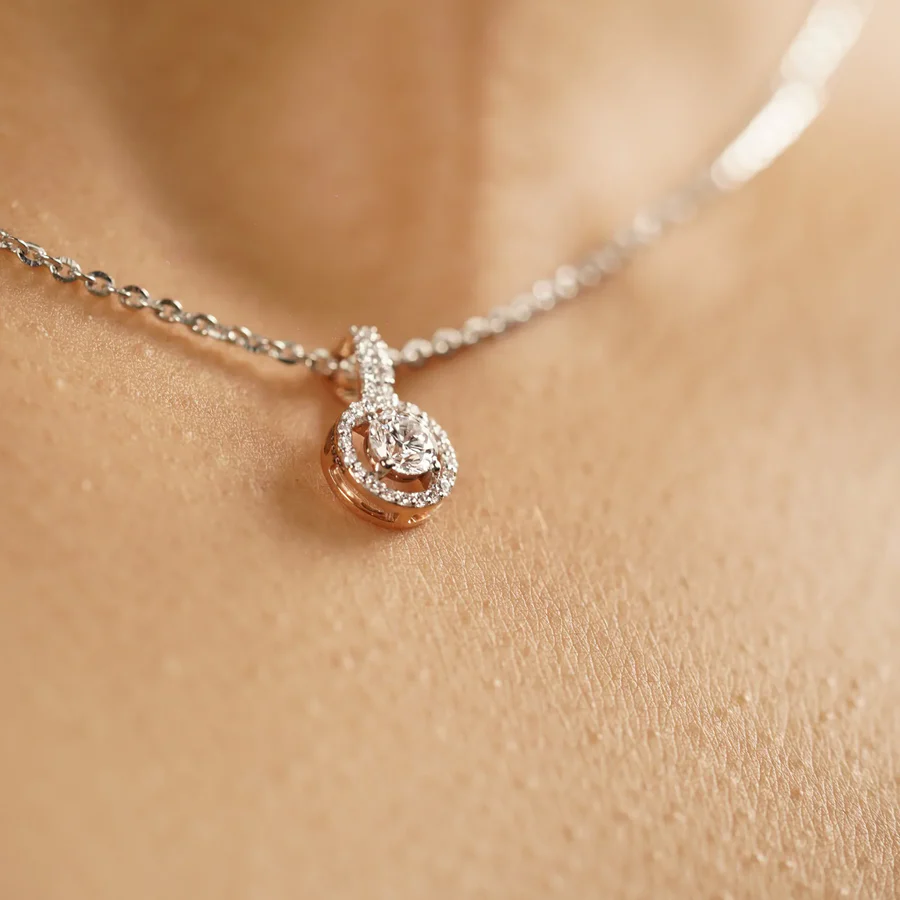
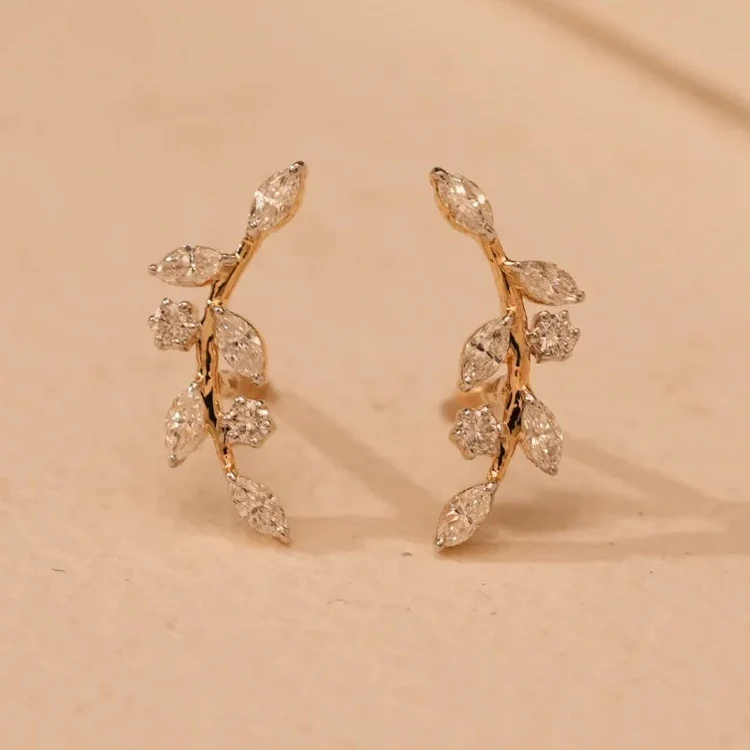
The introduction of lab-grown diamonds offers a fresh new direction for many artisans, as well as introducing something new into the world of fine jewellery. As it becomes less critical to know where a stone comes from, knowing the quality of the craftsmanship around a piece of jewellery will become increasingly essential. Design integrity, structural engineering, and finishing standards will all contribute to defining the real value of a finished piece.
Therefore, there is an opportunity for artisans; thoughtful design with precise execution requires a high level of technical proficiency. The better the craft, the more evident the difference is.
With the rise of lab-grown diamonds, the discussion about value will slowly evolve to include what has always been considered great jewellery: the skill, time, and craftsmanship it takes to create a piece of art from a design.



De Beers Group Reports H1 2026 Production Surge

Canada Faces 50% US Import Tariffs; Gemstone Exemption Under Review

India’s Consul General To Dubai Visits GJEPC Headquarters

Akoirah by Augmont Celebrates The Family We Choose With A Thoughtfully Curated Friendship Day Gifting Edit
De Beers Group Reports H1 2026 Production Surge
Canada Faces 50% US Import Tariffs; Gemstone Exemption Under Review
-
 National News1 day ago
Akoirah by Augmont Celebrates The Family We Choose With A Thoughtfully Curated Friendship Day Gifting Edit
-
 International News2 hours ago
De Beers Group Reports H1 2026 Production Surge
-
 International News2 hours ago
Canada Faces 50% US Import Tariffs; Gemstone Exemption Under Review
-

 National News2 hours ago
US Retains 10% Tariff On Indian Exports Under New Section 301 Regime
