
National News
AKSHAY TRITIYA 2026 – Healthy Footfalls, Jewellery Sales Across India, Estimated 18–20 Tonnes Of Business Recorded
Buyers Gravitate Toward Coins, Lightweight Jewellery and Investment-Led Bullion Over Traditional Heavy Ornaments

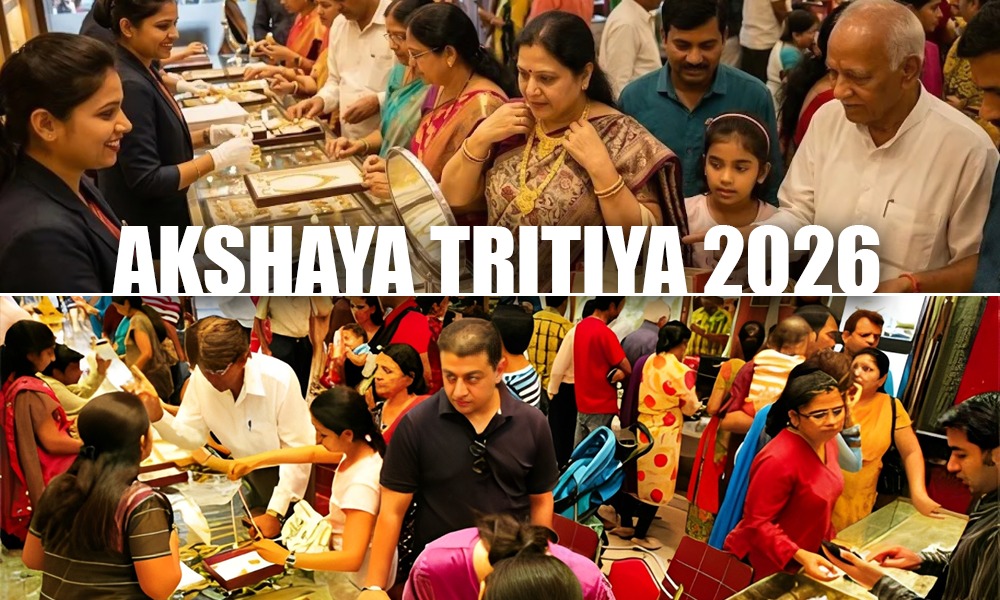
Akshay Tritiya 2026, one of India’s most commercially significant gold-buying occasions, unfolded against a complex and divergent backdrop. Elevated gold prices — with 24-carat gold trading at approximately Rs. 1,54,200 per 10 grams, nearly 70% higher than the previous year’s festival levels — acted as a structural headwind to volume-based demand, even as the value of transactions rose sharply.
Market outcomes were strikingly uneven: organized retail chains reported strong revenue momentum and healthy footfalls, regional hubs like Nagpur and parts of South India recorded vigorous activity, while Kolkata saw a muted opening, weighed down by regulatory uncertainty linked to Election Commission of India directives on cash and gold movement. Consumer behaviour is also undergoing a structural shift, with more buyers gravitating toward coins, lightweight jewellery, and investment-led bullion over traditional heavy ornaments.
1. The Price Environment: The Defining Variable of 2026
No single factor shaped consumer behaviour on Akshay Tritiya 2026 more profoundly than gold prices. Domestic futures remained significantly elevated relative to last year’s festival levels, crossing Rs. 1.54 lakh per tola for 24-carat gold. This pricing reality informed virtually every dimension of demand — category choices, quantum of purchase, and regional participation.
— Amit Modak | CEO, PN Gadgil and Sons, Pune said:
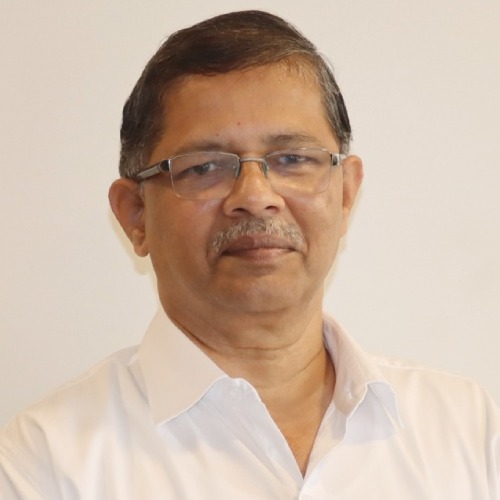
“The sharp rally in prices has curbed jewellery demand in volume terms, even though spending has increased due to elevated prices.”
Modak’s observation captures the central paradox of this year’s market: ticket sizes are up, but grams bought per transaction are down. For retailers, this means revenues can hold or even grow, but inventory turns and volume benchmarks tell a more cautious story.
The price surge has also accelerated a structural shift in what consumers choose to buy. Heavy, traditional jewellery — long the centrepiece of Akshay Tritiya purchases — faced the sharpest demand compression. In its place, coins, lightweight pieces, and silver articles have stepped up as more accessible entry points.
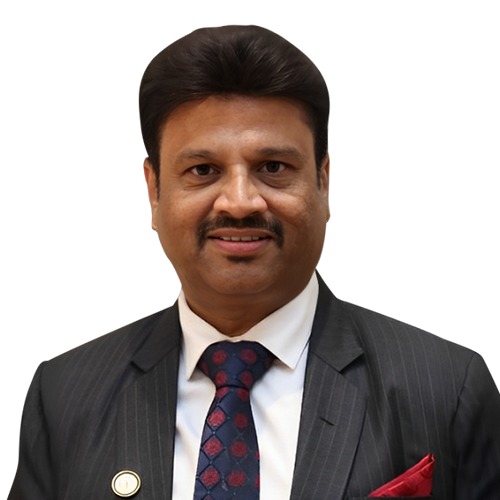
— Rajesh Rokde | Chairman, GJC said:
“On the occasion of Akshaya Tritiya today, overall trade across India has been very strong. With gold prices rising from around Rs. 90,000 per 10 grams last year to approximately Rs. 1,54,000 per 10 grams now, the attraction towards this sector has increased significantly. People are not only buying gold, silver, and diamonds for religious or auspicious reasons but are also viewing it as a solid investment.”
Rokde’s framing is significant: even as high prices suppress volume, they appear to be reinforcing gold’s appeal as an investment vehicle. The price appreciation itself has become a selling point for asset-minded buyers, who see Akshay Tritiya as a strategic entry into a high-performing asset class.
Rajesh Rokde also noted that nationally, an estimated 18 to 20 tonnes of business was recorded on the day — a figure that, at current price levels, would translate into substantially higher rupee value than comparable tonnage in prior years.
2. Regional Picture: A Tale of Divergent Markets
2.1 Maharashtra and South India: Robust Activity
Maharashtra emerged as one of the stronger-performing markets. Nagpur’s major jewellery clusters — Sarafa Market in Itwari, Mahal market, and Dharampeth main market — remained abuzz well into the night. Total jewellery sales in Nagpur district, which stood at approximately Rs. 125 crore last year, are expected to cross ₹150 crore this year, a gain of roughly 20%.
“In most Maharashtrian households, poojas are conducted in the early afternoon. Due to the intense heat, people preferred stepping out in the evening. The rush continued till late at night.”
— Rajesh Rokde | Chairman, GJC
Rokade’s account highlights an important timing dynamic unique to Maharashtra: the mid-afternoon pooja window effectively deferred peak footfall to the evening, yet demand sustained well beyond typical retail hours. South India similarly delivered “first strong reports,” according to GJC’s national-level tracking.
In Kolhapur, customers remain eager to buy gold jewellery for Akshaya Tritiya, and many are opting for smaller, lighter pieces. Demand remains strong, with growing interest in lower carat options, particularly 18kt gold, and lightweight diamond jewellery.
— Bharat Oswal | President-Kolhapur District Jewellers Association said:
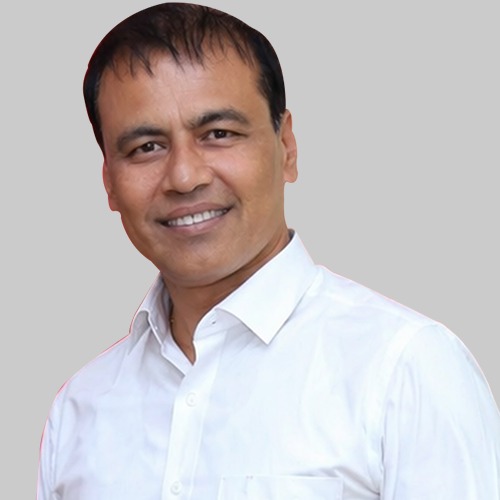
“In Kolhapur district, it was heartening to see healthy sales of jewellery, with demand for lightweight and 18k jewellery. While there was a sense of uncertainty because of volatility, it was encouraging to see the enthusiasm of consumers. We are hoping that this enthusiasm provides momentum for jewellery sales, as we move towards festive seasons, including Ganesh Chaturthi and Diwali
In Nagpur’s jewellery lanes, retailer sentiment was unambiguously positive. A jeweller from Itwari noted that customers arrived in large numbers post-pooja and that high prices did not act as a deterrent. Retailer from Dharampeth opined that there was steady footfall throughout the evening with families buying clothes and gifts.
For organized chains operating in Maharashtra and beyond, the day was also strong. PNG Jewellers, one of western India’s leading chains, reported results well ahead of expectations.
— Dr. Saurabh Gadgil | CMD, PNG Jewellers said:
“Akshay Tritiya has begun on a very positive and strong note, in line with our expectations. With the occasion falling on a Sunday, we have witnessed encouraging footfalls across our stores since morning, with strong consumer sentiment visible right from the start of the day. Based on the momentum witnessed so far, we expect business growth to exceed our initial estimate of 20-25%, and trend in the range of 35% plus over last year.”
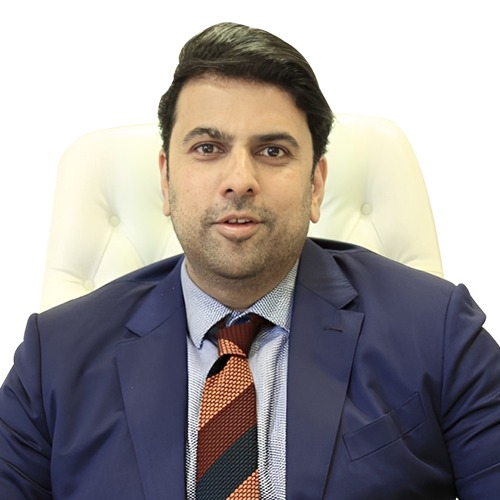
Dr. Gadgil also attributed part of the positive momentum to the festival’s mid-month timing, which aligns with higher consumer liquidity following salary cycles, and to relative gold price stability in the days immediately preceding the festival, which gave planned buyers the confidence to commit.
2.2 Kolkata and East India: Caution and Regulatory Friction
Kolkata presented a markedly different picture. The city saw a muted opening, with jewellers reporting lower-than-expected footfall as the day began. The primary cause was an unusual and location-specific headwind: confusion among consumers over Election Commission of India directives concerning the movement of cash and gold, amid an active election period. Cases of seizure are also being reported, and buyers are confused about carrying old gold or cash.
This regulatory friction had a compound effect. Old gold exchange — a common practice in Kolkata during Akshay Tritiya, where consumers bring heirloom pieces to offset the cost of new jewellery — was severely disrupted, as buyers feared interception at checkpoints. Certainly, people are now afraid to carry heirloom jewellery to our stores as most of the family gold doesn’t have any receipt. This has created a lot of uncertainty among buyers this Akshay Tritiya, and people are avoiding any untoward incident at naka checkpoints.
Despite the hesitant start, not all Kolkata jewellers reported a washout. Some presented a more optimistic reading, pointing to a value-driven uptick: Akshaya Tritiya, as prices have softened, which has increased the purchasing power of the client, as they’re able to buy more gold and diamonds for the amount they are paying. Customers today are able to derive far greater value for their spend, translating into higher quantity purchases as well as an increased inclination towards diamond jewellery, alongside gold
The industry in Kolkata anticipated a catch-up on Monday, as the auspicious tithi extended across two days. Many buyers also traditionally prefer Monday purchases, as a tithi is considered incomplete without being preceded by a sunrise.
2.3 National Aggregate
Synthesizing regional inputs, GJC Chairman Rajesh Rokde estimated total national business at 18 to 20 tonnes for the occasion, with South India leading early and Maharashtra building momentum through the evening. These figures, when translated at current price levels, represent a significant step-up in rupee terms even if volume growth remains moderate.
“On the occasion of Akshaya Tritiya today, overall trade across India has been very strong. South India picked up momentum early and delivered the first strong reports. In Maharashtra, the rush increased after 2 PM, and as we are observing, shops have remained open till late at night with excellent business activity. Overall, positive and encouraging reports are coming in from across the country.”
— Rajesh Rokde | Chairman, GJC
3. Demand by Category: Shifts in Consumer Preference
3.1 Gold Jewellery: Value Up, Volume Under Pressure
Gold jewellery remained the centrepiece of Akshay Tritiya purchasing, but the composition of demand shifted meaningfully. Heavy ornaments — necklaces, bridal sets, and traditional heirloom-style pieces — saw the sharpest volume deceleration in response to price levels. Lightweight designs, which offer the cultural resonance of gold jewellery at a lower gram weight and therefore lower absolute cost, gained significant traction.
The World Gold Council’s data provides important structural context: India’s jewellery demand declined sharply in the previous year, even as investment demand climbed to multi-year highs, evidencing an ongoing rebalancing in how Indian consumers relate to gold.
3.2 Investment Gold: Coins, Bars, and Bullion
Investment-led buying — gold coins, sovereign coins, and small bars — emerged as a resilient and growing category. This reflects a broader consumer evolution: Akshay Tritiya is increasingly treated as an investment occasion, not solely a ritual one. Buyers who might historically have purchased ornamental jewellery are now using the auspicious window as a deliberate entry point into gold as a financial asset.
“Gradually, people have understood the benefits of systematic investment buying on every auspicious occasion, and this has worked in their favour. Therefore, on this major occasion of Akshaya Tritiya, which also coincides with Parshuram Jayanti today, the buying has been truly significant and ‘Akshaya’ (everlasting).”
— Rajesh Rokde | Chairman, GJC
PNG Jewellers similarly noted healthy traction from investment-focused customers, with bullion demand running in parallel to strong jewellery sales across their store network.
3.3 Diamond Jewellery
Diamond jewellery registered encouraging offtake at several retailers, particularly those with strong brand positioning and promotional activity. In Kolkata, Anjali Jewellers noted increased consumer inclination toward diamonds alongside gold purchases, as buyers sought to maximize the value of their spend. Kalyan Jewellers also reported bridal purchase demand that often encompasses diamond-set jewellery.
3.4 Silver: A Rising Complementary Category
Silver demand continued its strong upward trajectory across multiple formats — coins, artifacts, and jewellery — positioning it firmly as a complementary purchase to gold. At current gold prices, silver offers an accessible and culturally relevant alternative, particularly for buyers making smaller gifts or for households seeking to participate in the occasion at a lower price point. PNG Jewellers specifically called out strong demand for silver articles alongside gold and diamond jewellery.
3.5 Wedding Jewellery
Bridal and wedding-related jewellery remained a significant demand driver, particularly for organized retail chains with strong wedding collections. The proximity of Akshay Tritiya to the peak wedding season makes it a natural anchor for pre-bridal purchases.
— Ramesh Kalyanaraman | Executive Director, Kalyan Jewellers said:

“Demand remained strong across multiple regions, driven by a mix of bridal purchases and traditional offerings such as coins and lightweight designs. Extended auspicious timings and improved accessibility, including quick-commerce integrations, supported customer participation.”
Kalyan Jewellers’ reference to quick-commerce integrations highlights how the industry is evolving its distribution model — meeting consumers where they are, including digital and hyperlocal delivery channels, rather than relying solely on in-store footfall.
4. Industry Response: Promotions, Retail Chains, and Regional Players
4.1 Promotional Activity
Faced with a price-sensitive consumer, jewellers across the country deployed a range of demand-stimulation tactics. Discounts on making charges — which can represent 10–25% of total jewellery cost — were widely offered. Retailers also ran time-limited promotional schemes, extended exchange offers for old gold, and enhanced in-store experiences to drive footfall and close hesitant buyers.
4.2 Organized Chains: Outperforming
Organized chains with multi-region presence reported some of the strongest outcomes of the occasion. Their advantages — brand trust, standardized quality assurance, certified gold and hallmarked products, and promotional scale — proved particularly resonant in an environment of elevated prices where consumers are more cautious about value assurance.
Paras Rokde of Rokde Jewellers, operating in Nagpur’s Vidarbha market, captured the tone of consumer engagement at the local level:
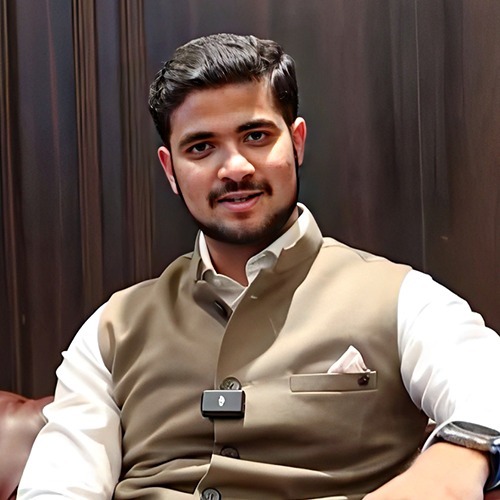
— Paras Rokde | Director, Rokde Jewellers, Nagpur said:
“Rokde Jewellers is overjoyed by the tremendous response on Akshay Tritiya. The massive crowds and keen interest in our gold, diamond, and silver collections reflect our customers’ deep trust in our quality and variety. This day reaffirms that we are Vidarbha’s best, with Nagpur leading the way in proving our leadership.”
4.3 Government Action: Import Authorization Update
In a parallel development during the festival, the government issued a revised list of banks authorized to import gold and silver. This administrative step is expected to ease operational constraints for financial institutions that had paused imports due to earlier procedural delays, and should support supply-chain normalization ahead of the wedding season.
5. Structural Shifts in Consumer Behaviour
5.1 Distributed Buying Through the Year
A recurring theme across industry conversations is the gradual de-concentration of gold buying from festival occasions toward a more distributed, year-round pattern. Consumers are increasingly timing purchases around price corrections rather than calendar dates, treating gold acquisition as a disciplined financial activity rather than an episodic cultural event.
This trend has meaningful implications for the industry: while Akshay Tritiya and Dhanteras remain outsized demand events, their share of annual gold volumes is gradually moderating. Retailers who have invested in year-round engagement — through EMI schemes, savings-linked gold plans, and digital access — are better positioned to capture this distributed demand.
5.2 Investment vs. Consumption: The Rebalancing
World Gold Council data underscores a structural rebalancing in the Indian gold market: jewellery demand (consumption) fell sharply last year while investment demand — coins, bars, ETFs — rose to multi-year highs. Akshay Tritiya 2026 reflects this transition in real time, with consumers explicitly referencing financial motives for their gold purchases.
This shift is not a threat to the jewellery industry per se, but it does require a strategic response. Jewellers who can credibly bridge the jewellery-investment divide — offering certified, hallmarked gold, transparent buyback policies, and coin/bar products alongside ornamental lines — are best placed to capture both cohorts.
5.3 Lightweight and Affordable: The New Volume Driver
As heavy traditional jewellery prices move out of reach for many middle-class consumers, lightweight jewellery has become the volume growth engine for the category. Designs that deliver the cultural significance and aesthetic of gold jewellery at a fraction of the gram weight are attracting a new generation of buyers — particularly younger consumers who prioritize everyday wearability over heirloom weight.
6. The Cultural Dimension: Akshay Tritiya Beyond Commerce
While market data and industry commentary naturally dominate coverage of Akshay Tritiya, the occasion’s commercial energy is inseparable from its cultural and spiritual foundations. The festival — celebrated as one of the three-and-a-half ‘muhurats’ in the Hindu calendar — is regarded as a completely auspicious period, making it ideal for initiating new ventures, making significant purchases, and performing acts of charity.
Its Sanskrit meaning, Akshaya — that which never diminishes — imbues purchases made on the day with a sense of permanence and prosperity. This belief translates directly into consumer motivation: buying gold on Akshay Tritiya is not merely a financial decision but a gesture of faith in future well-being.
In Nagpur, spiritual observance ran alongside commercial activity. Many households conducted poojas in the early afternoon, a tradition that Rajesh Rokade of the All India GJC noted as shaping the timing of consumer footfall. On the charitable front, acts of annadan — offering food to the needy — were widely observed, reflecting the day’s dual character as both a celebration and a moment of communal giving.
This year, Akshay Tritiya coincided with Parshuram Jayanti, adding an additional layer of auspiciousness that GJC’s Rajesh Rokde credited as further supporting the significance of purchases made on the day.
7. Conclusion: A Market of Contrasts, A Metal of Conviction
Akshay Tritiya 2026 will be remembered as an occasion of sharp contrasts. Prices at historic highs created real friction in volume demand, dampening heavy jewellery sales and generating caution in markets like Kolkata. Yet the overall market demonstrated a resilience that underscores gold’s uniquely entrenched position in Indian consumer culture and financial life.
Organized retail chains outperformed; regional markets like Nagpur and South India delivered vigorous activity; investment-led buying provided structural ballast where traditional demand softened; and silver offered a growing parallel story. Consumer behaviour is clearly evolving — more price-aware, more financially motivated, more digitally accessible — but the underlying conviction in gold has not wavered.
Across the \voices captured in this report, the picture that emerges is of an industry adapting with agility: through promotions, lightweight collections, digital channels, investment products, and extended shopping hours. The diversity of experience — from Nagpur’s crowded Sarafa market to Kolkata’s election-cautious lanes, from PNG’s 35%+ growth to PN Gadgil’s candid volume commentary — is itself a reflection of how complex and multi-dimensional India’s jewellery market has become.
— Dr. Saurabh Gadgil | CMD, PNG Jewellers said, “This clearly reflects that consumers’ faith in gold as both an auspicious purchase and a trusted asset class remains strong. Overall, the market sentiment is highly positive, and we expect Akshay Tritiya 2026 to emerge as a strong business day for the jewellery industry.”
“People are not only buying gold, silver, and diamonds for religious or auspicious reasons but are also viewing it as a solid investment. On this major occasion of Akshaya Tritiya, the buying has been truly significant and ‘Akshaya’ — everlasting.”
— Rajesh Rokde | Chairman, GJC
The contemporary ecosystem is witnessing a significant structural pivot regarding the traditional temporal concentration of retail gold procurement. We are observing a definitive de-siloing of demand, wherein the legacy reliance on high-velocity cultural milestones is being superseded by a perpetual engagement model.
Essentially, the consumer base is transitioning from a reactive, calendar-driven posture to a proactive, valuation-optimized strategy.
The overarching narrative in the current marketplace is the disintermediation of the festival calendar as the primary driver of top-line growth. Modern stakeholders are increasingly adopting a cost-averaging methodology, prioritizing price-correction windows over historical auspiciousness.


- Event marks 42 years of Incorporation and 16 years of Operations
- Recently-appointed Consul-General’s first visit to the Bourse helps strengthen a century-old bond
- Long service awards presented to outstanding employees
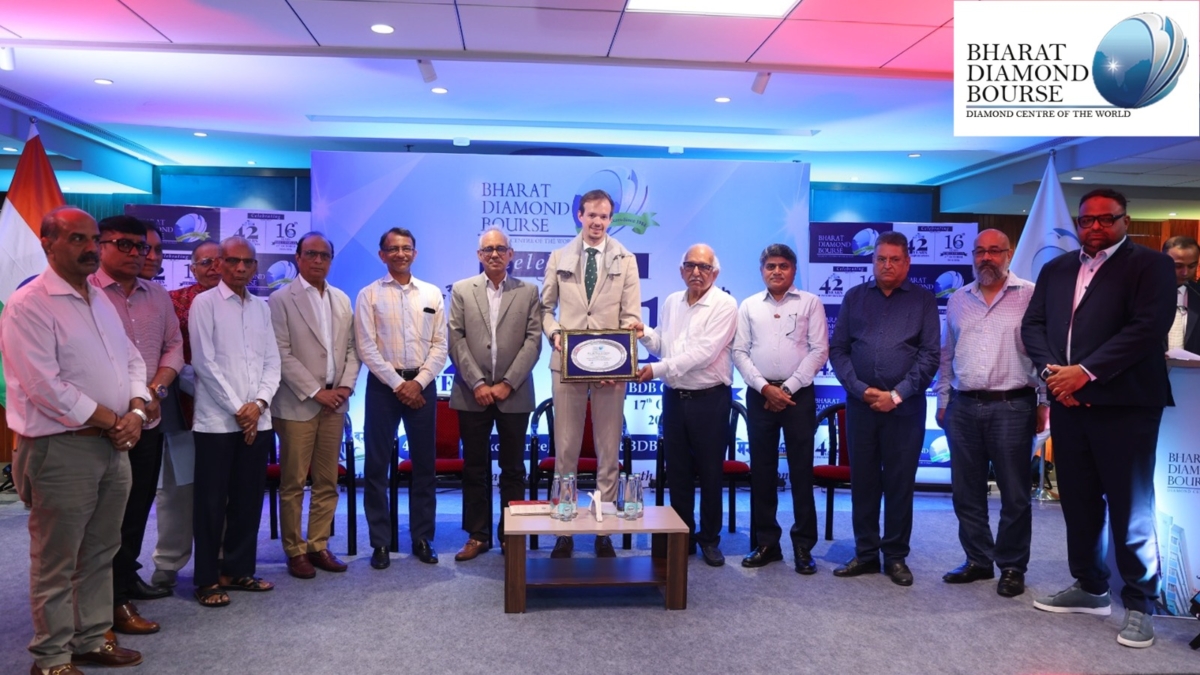
Bharat Diamond Bourse today marked 42 years of incorporation and 16 years since the commencement of operations at the BDB Complex in BKC with a special programme graced by H. E. Pierre Stverlynck – Consul General of Belgium in Mumbai as Chief Guest and a number of leading diamantaires.
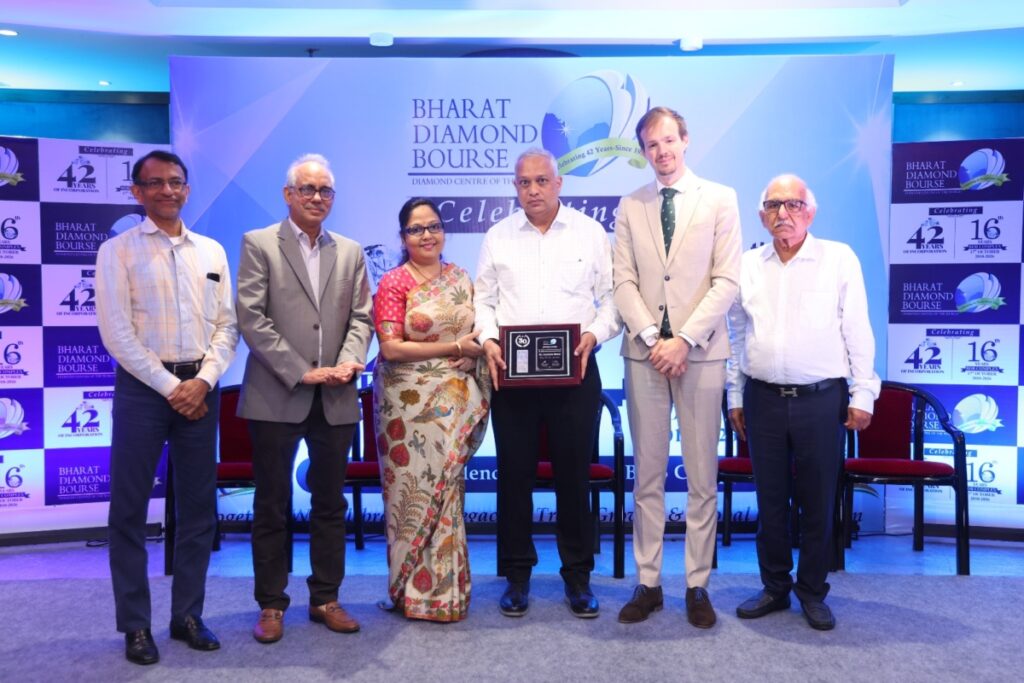
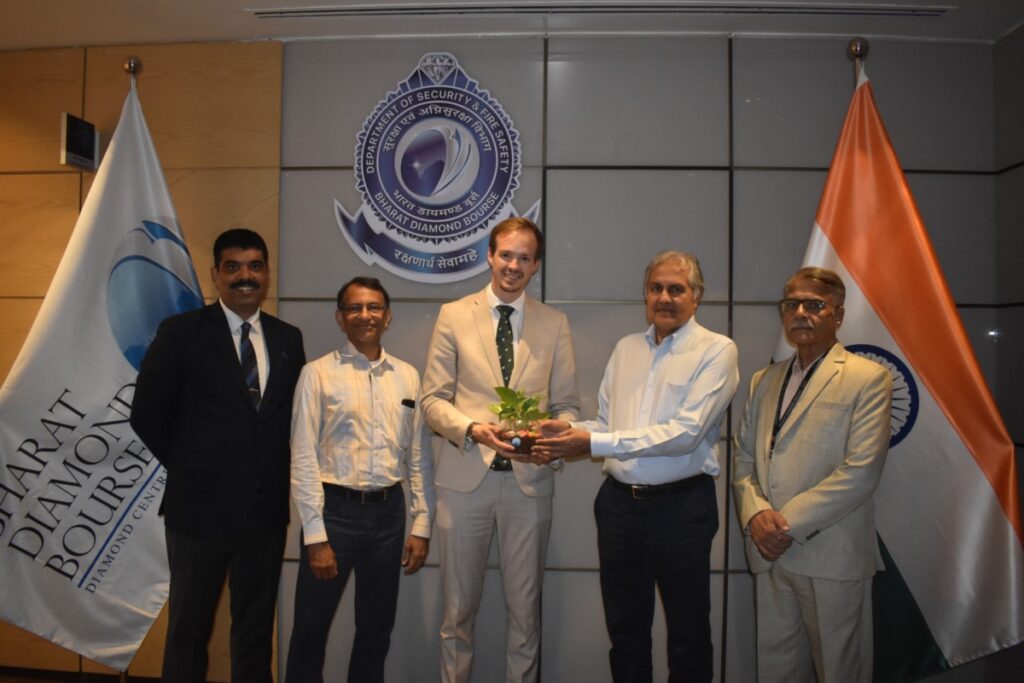
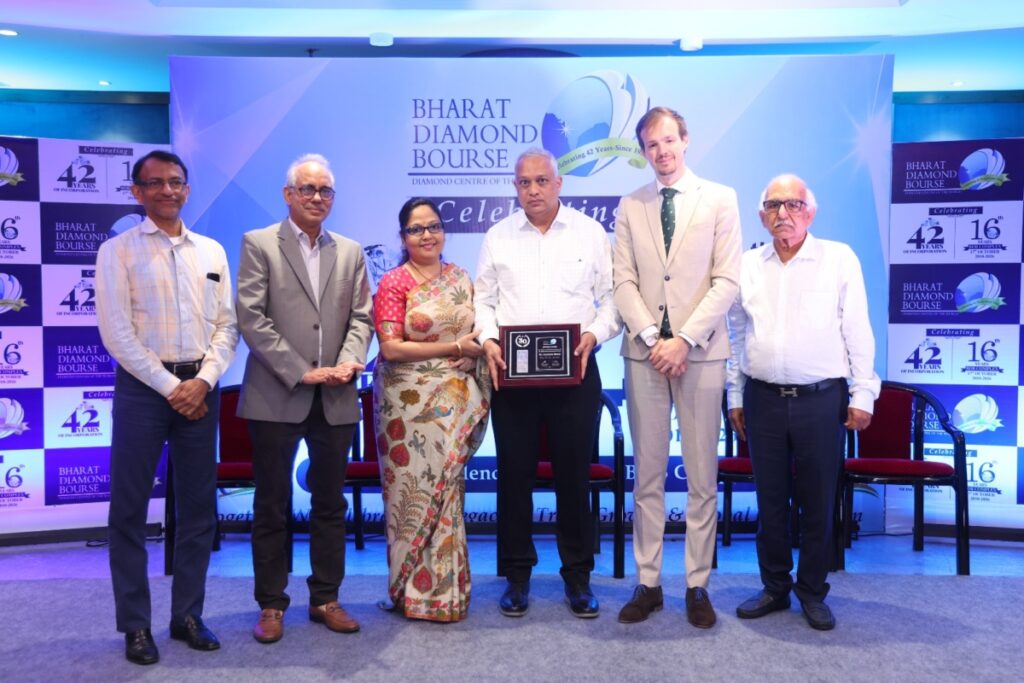
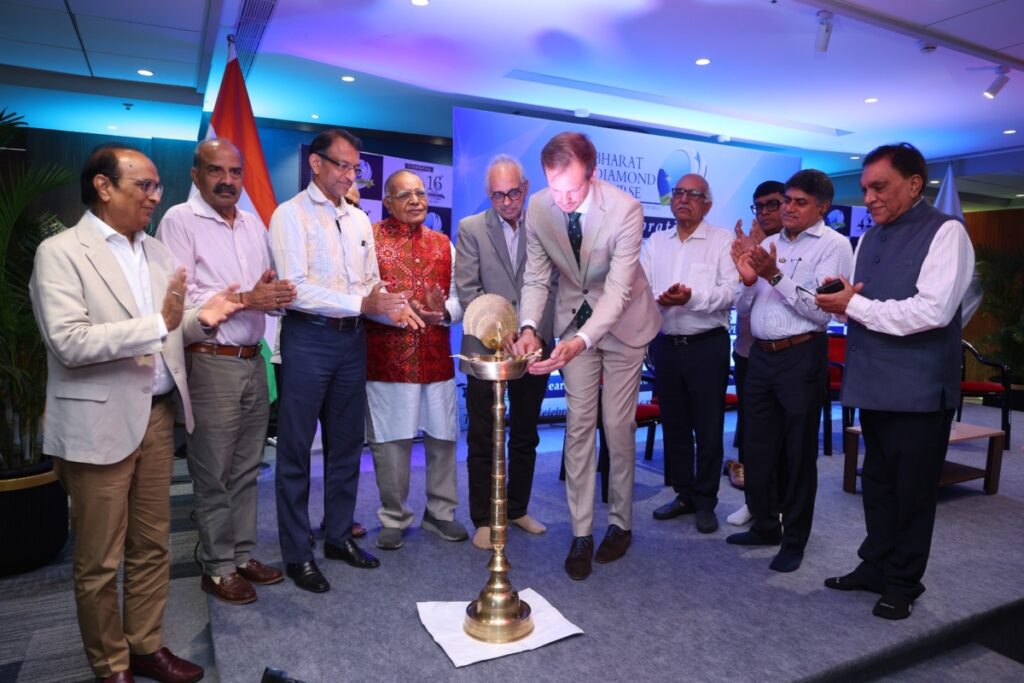
The function was organised to celebrate the crucial roles played both by the visionaries who conceptualised the need for a centralised infrastructure to boost the diamond trade over four decades ago, and the employees who have run the daily operations in a highly efficient and professional manner.
In his Welcome Address, BDB Vice President, Mehul Shah explained the significance of celebrating twin milestones – 42 years of incorporation and 16 years of operations. He said:
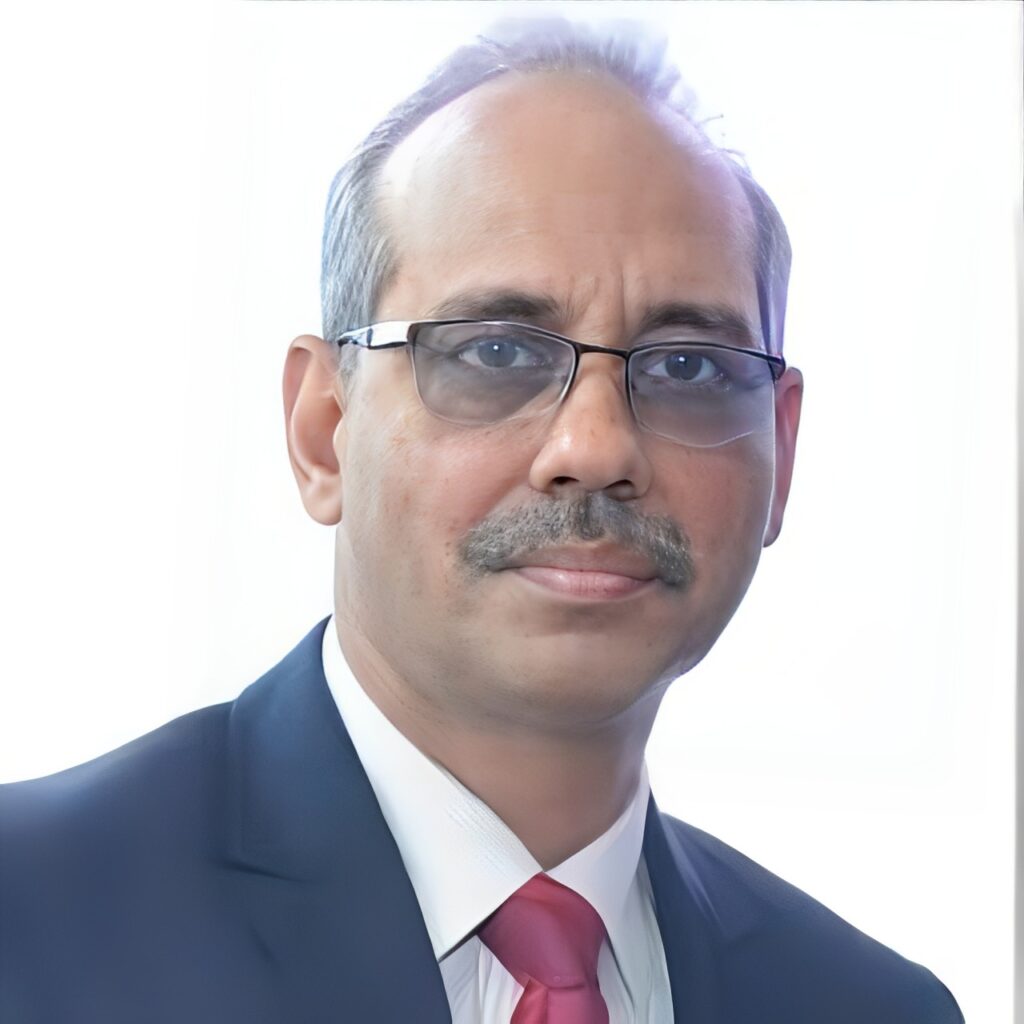
“BDB began with a vision and is now the world’s largest operational bourse, and a symbol of India’s leadership in the diamond world and excellence in every aspect of operations.”
He added, “It is significant that the Consul General of Belgium is with us on this special occasion. Antwerp and Mumbai have a very close relationship, going back more than 100 years. Today the two cities have bonds based on trust, trade and friendship. We are committed to strengthening this bond over the next century as well.”
Congratulating the awardees he said that members may be the owners, but it is the staff who run the complex and have helped build it as the “best of the best” centres for diamonds. “Personal integrity combined with hi-tech surveillance have made BDB one of the safest places in the world,” he explained, and urged all present never to forget that “it is the soldiers who fight and win the wars.” Mr Shah offered compliments to all the awardees and congratulated Team BDB.
Speaking on the occasion, Anoop Mehta, President BDB, welcomed Mr Stverlynck who has recently assumed charge as Consul General of Belgium in Mumbai.
“We are sure that this will be the first of many visits to our Bourse,” he said, noting that the Consulate is the nearest neighbour of the complex.
“The BDB leadership has always enjoyed a very special relationship with the Belgian consulate,” he added, “built on the longstanding bonds between the diamond industry in our two countries.”
Mr Mehta said it was heartening that so many employees had remained loyal to the BDB for multiple years, and urged all gathered to reach out through their department heads to put forward suggestions for further changes and improvements
Mr Stverlynck, who was on his first visit to the Bourse after assuming charge as Consul General, said he was extremely impressed with the facilities available for exporters within the complex. Assuring the trade of cooperation and support, he said he was happy to be personally present to celebrate such a remarkable institution as BDB that has become a key pillar of the India diamond industry.
Congratulating the leadership for its role in steering the bourse, as well as those employees who had received long service awards, Mr. Stverlynck said:

“The consolidated knowledge and experience of so many from those at the top to a number of others who contributed in various ways, is an asset to the industry.”
Special long service awards were presented to employees who completed special milestones during the year. These included 30-year, 25-, 15-, 10- and 5-year service awards to a few employees.


-
 International News11 hours ago
US Holiday Shopping Expected To Top $1 Trillion For The First Time: NRF
-
 National News5 hours ago
Belgian Consul General H. E. Mr. Pierre Stverlynck Graces BDB Annual Day
-

 National News6 hours ago
Limelight Lab Grown Diamonds Crosses 100 Stores Milestone This Dussehra: Targets 200 In 2027
-
 New Premises6 hours ago
Joyalukkas Opens Its 2nd Bengaluru Showroom in Jayanagar
