
DiamondBuzz
The Reality of The Diamond Industry; All You Need To Know
Over the past 18 months, we have significantly enhanced this report, incorporating new data and insights that reflect the evolving landscape of the diamond industry


The Natural Diamond Council recently released the second edition of the Diamond Facts Report, continuing its mission to dispel myths and protect consumers from misinformation about the diamond industry. This report serves as a comprehensive guide, offering accurate and transparent information to help consumers make informed choices, backed by updated data. By addressing key questions and providing insights, the report reinforces NDC’s commitment to educating and empowering buyers while supporting the integrity of the natural diamond industry.
Highlights from the NEW Diamond Facts Report:
● Positive impact of natural diamonds with new examples from producing countries
The natural diamond industry supports 10 million livelihoods globally. NDC member companies contribute to communities through local employment, sourcing, and investments in health, education, and infrastructure, aiming to share the mine’s success and prepare communities for post-closure stability.
● Environmental stewardship
The majority of our manufacturing partners in India are adopting renewable energy and implementing sustainable practices throughout their operations. Efforts include using solar and wind energy, achieving Net Zero goals, reforestation projects, and investments in biodiversity and water management to create lasting environmental benefits.
● Diamond verification
The Natural Diamond Council started the ASSURE Program in 2019 to test how well Diamond Verification Instruments work. The results, including details on accuracy, false positive rates, and referral rates, are available in the ASSURE Directory.
● Updated information on pricing and production
Laboratory-grown diamond prices have dropped significantly, with a 1.5-carat stone declining 83% since 2015. Natural diamonds, with prices influenced by rarity, have shown a long-term annual growth rate of 3% since 1970 and a 2% yearly increase in rough diamond prices since 2007, despite market fluctuations
● Disclosure and diamond terminology
Legal definitions and advertising guidelines are in place to protect consumers and ensure they can clearly distinguish between natural and laboratory-grown diamonds.
● Traceability and responsible sourcing of natural diamonds
The diamond industry is heavily regulated under the Kimberley Process, established by the United Nations and the World Trade Organization, ensuring all rough diamond trade is conflict-free. A strong system of checks and balances, including audits of major industry players, upholds the importance of ethical sourcing.
● Responsible mine closure
It takes, on an average, 10 years to open a mine. Having a closure plan is a prerequisite to opening a mine, in addition to social and environmental impact assessments which are audited, approved, and monitored by governments and local communities.
David Kellie, CEO of Natural Diamond Council said, “Natural diamonds are Earth’s real treasures, exceptionally rare, responsibly sourced in a way that supports livelihoods and contributes to conservation efforts around the world. This new edition of Diamond Facts sets out to address the most common myths about the diamond industry, covering everything from synthetic diamonds to natural stones mined from deep underground.
We also encourage you to explore our other reports in this series, including Diamonds of Canada. We will regularly be issuing reports in partnership with leading experts, data organisations and diamond industry representatives.”
Richa Singh, Managing Director, NDC India and Middle East said, “Diamonds have long been symbols of enduring value and connection, carrying a legacy that extends beyond their inherent beauty. This latest edition of Diamond Facts reflects our commitment to providing transparent, data-driven insights and highlighting the positive social and economic contributions of the diamond industry in producing countries. Showcasing India’s role as a global leader in diamond manufacturing, the report empowers consumers and retailers to make informed choices.”.
NDC is committed to sharing education and transparency throughout the natural diamond industry. Along with the Diamonds of Canada report, these studies will serve as additional assets to complement NDC’s Education Program giving retailers and consumers the information they need right at their fingertips.







DiamondBuzz
Botswana Looks Beyond Rough Diamond Sales, Eyes U.S. Jewelry Market
The Duty Exemption By US Presents An Opportunity For Domestic Jewelry Manufacturers In Gaborone To Bypass Traditional Middle-Market Hubs and Establish A Direct Pipeline To American Consumers


Grappling with a painful downturn in global rough-diamond demand, Botswana is pivoting its economic strategy: expanding up the supply chain directly into American retail shelves while leveraging its resource wealth to fund conservation and diversification.
Speaking on the sidelines of New York Climate Week, Bogolo Joy Kenewendo, Botswana’s Minister of Minerals and Energy, highlighted the southern African nation’s plan to capitalize on a 0% import-tariff rate to the U.S. market. The duty exemption presents an opportunity for domestic jewelry manufacturers in Gaborone to bypass traditional middle-market hubs and establish a direct pipeline to American consumers.
shift The push into value-added manufacturing comes as the world’s top diamond producer by value navigates a broader structural Diamond revenues have long formed the bedrock of Botswana’s post-independence balance sheet, underwriting universal secondary education and tuition-free university funding. However, recent market volatility has underscored the vulnerabilities of a mono-sectoral economy.
Under the Botswana Economic Transformation Programme (BETP)—an initiative spearheaded directly by President Duma Boko and his vice president—the government is directing resources toward manufacturing, agriculture, and broader mining sectors to reduce its heavy reliance on rough diamond sales.
To support its luxury exports, Botswana is recalibrating its brand narrative around origin, environmental stewardship, and social impact. The country recently announced a five-year extension of the “Okavango Eternal” partnership alongside De Beers Group and the National Geographic Society. The initiative aims to protect the ecological integrity of the Okavango River Basin while tying diamond purchases to conservation efforts.
With De Beers currently facing an impending ownership change, officials remain optimistic that any capital restructuring could bring additional funds into Botswana to accelerate its domestic economic transition.



Make Karwa Chauth Special With Palmonas 9KT Gold Mangalsutra Collection

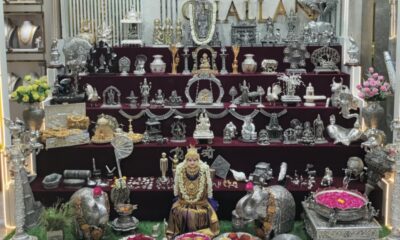
First time In India, Golu Showcase Made Entirely Of Silver and Gold At Challani House Of Silver

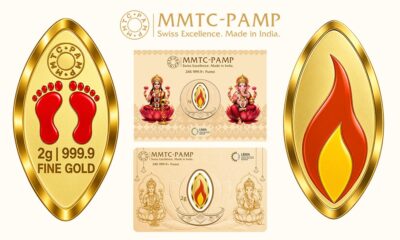
MMTC-PAMP Unveils Jyoti 2gm Gold Coin, Celebrating The Spirit Of Dhanteras and Diwali
First time In India, Golu Showcase Made Entirely Of Silver and Gold At Challani House Of Silver
Make Karwa Chauth Special With Palmonas 9KT Gold Mangalsutra Collection
MMTC-PAMP Unveils Jyoti 2gm Gold Coin, Celebrating The Spirit Of Dhanteras and Diwali
-
 National News16 hours ago
First time In India, Golu Showcase Made Entirely Of Silver and Gold At Challani House Of Silver
-
 National News16 hours ago
Make Karwa Chauth Special With Palmonas 9KT Gold Mangalsutra Collection
-
 National News17 hours ago
MMTC-PAMP Unveils Jyoti 2gm Gold Coin, Celebrating The Spirit Of Dhanteras and Diwali
-

 National News19 hours ago
GIA Board Of Governors In India To Discuss Industry Priorities and Expand Grading Services Scope
