DiamondBuzz
NDC’s LGD Report highlights price declines, soaring retailer margins, concerns over sustainability claims


The Natural Diamond Council (NDC) has released a comprehensive report titled ‘Laboratory-Grown Diamond Facts’ shedding light on the current state of the laboratory-grown diamond (LGD) market, highlighting dramatic price declines, soaring retailer margins, and concerns over sustainability claims.
The report draws on data from leading industry analysts Edahn Golan and Paul Zimnisky and aims to equip consumers, retailers, and the media with transparent, fact-based insights to navigate a complex and fast-evolving category.
The report notes that the average price of a 1.5-carat LGD has plummeted 86%, from $10,750 in 2015 to $1,455 in 2025. Wholesale prices for 1ct VS1 F-G-H colour LGDs have fallen 95% since 2018, while retail prices have dropped 76%. Average retail margins have jumped from 85% in 2018 to over 500% today.

“Laboratory-grown diamonds are mass-produced in limitless quantities, but their sustainability claims often lack scrutiny,” said Natural Diamond Council’s CEO, David Kellie. “Our goal is to give consumers and other stakeholders a balanced picture that will inform more nuanced conversations and help consumers confidently make informed decisions.”
The report comes at a time when LGDs are increasingly positioned as eco-friendly alternatives to natural diamonds. However, the NDC cautions that such claims can be misleading, especially given the high energy and fossil-fuel dependence of many production facilities.
Adding to the growing distinction between natural and lab-grown diamonds, the Gemological Institute of America (GIA) recently announced it will no longer use the 4Cs grading system for LGDs. Instead, the GIA will categorise LGDs broadly as “premium” or “standard”—or omit grading if quality is subpar—further underlining the need for clearer differentiation between the two products.
Kellie noted, “All too often, laboratory-grown diamonds are unfairly pitted against natural diamonds in comparisons that only leave consumers in the dark. Consumers deserve more. They need clear, honest information that will help them understand their choices. Without this clarity, the two different product categories natural and laboratory-grown diamonds will become obscured. This isn’t simply about pricing – it’s a wake-up call for greater clarity and integrity across all facets of the market.”
The NDC report also offers context on LGDs’ industrial origins, legal labelling requirements, and the role of certification bodies like GIA, IGI and GSI in ensuring proper disclosure







DiamondBuzz
South African Task Team To Help Struggling Diamond Producers
The South African Government Has Partnered With Mining Industry Leaders To Form A Joint Task Team Aimed At Saving Jobs and Supporting Diamond Producers Facing Severe Market Pressures.

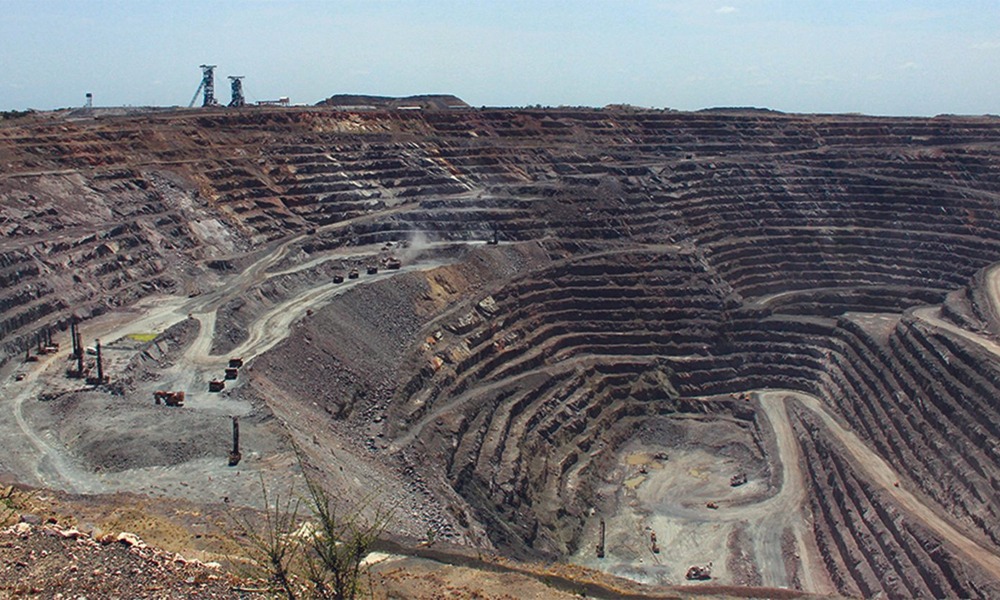
The quick intervention follows major disruptions in the local sector, including Petra Diamonds placing its Finsch mine under business rescue and De Beers announcing a two-year production pause at Venetia, the country’s largest diamond mine.
In a parliamentary reply on October 26, Minister of Mineral and Petroleum Resources Gwede Mantashe confirmed that the team—which includes the Minerals Council South Africa and local diamond producers—will develop strategies to help mines survive current economic headwinds.
The immediate focus is finding practical solutions to protect operations across the entire sector, especially junior and small-scale miners who are being hit the hardest,
Key Industry Challenges
The local diamond sector faces a combination of falling global prices, rising operating costs, and intense competition from lab-grown synthetic diamonds. Official figures highlight the severity of the crisis:
Production Downturn: South African diamond output dropped 19.5% year-to-date through August.
Commodity Slump: According to Statistics South Africa, diamond mining was the weakest-performing mining sub-sector in August, with output falling 23.0% in the three months ending August compared to the previous three months.
Significant Mine Reductions: De Beers reported a 37% year-on-year drop in South African production for Q3 2026 (down to 418,000 carats) as operations wrap up ahead of Venetia’s pause. De Beers expects zero further production in South Africa for the remainder of 2026.
Price Pressures: Lower market values and a strong South African rand reduced average tender prices at the Finsch mine from $56 to $47 per carat, making ongoing operations unviable under current conditions.
The task team will focus on measures to ease cost pressures and address global market shifts. Further details regarding the team’s specific work plan, timelines, and financial resources will be announced as proposals are finalized.



Aspect Bullion & Refinery Unveils Signature Collection At Two-Day Launch Event At Oberoi Mall, Mumbai

This Diwali, Say It With A Candere: Thoughtful Gifting Picks From Candere By Kalyan

Gold Is Back On The Moodboard: Palmonas’ 9KT Jewellery Picks For Festive Gifting

Dhanteras Shopping Guide 2026:Gold, Silver, Diamonds & Festive Jewellery Trends To Watch

From Diya Puja To Diwali Soirées: Jewellery Designed To Go Beyond The Festive Season

The Solenne Collection: A Celebration Of Diwali By Bharti Bangur Fine Jewels
-
 JB Insights1 week ago
Dhanteras Shopping Guide 2026:Gold, Silver, Diamonds & Festive Jewellery Trends To Watch
-
 BrandBuzz1 week ago
From Diya Puja To Diwali Soirées: Jewellery Designed To Go Beyond The Festive Season
-
 BrandBuzz1 week ago
The Solenne Collection: A Celebration Of Diwali By Bharti Bangur Fine Jewels
-

 National News1 week ago
Indriya, Aditya Birla Jewellery Unveiled India’s Largest Sustainable Jewellery Rangavalli