
DiamondBuzz
GIA Introduces New Grading Terminology for Lab-Grown Diamonds to Differentiate from Naturals

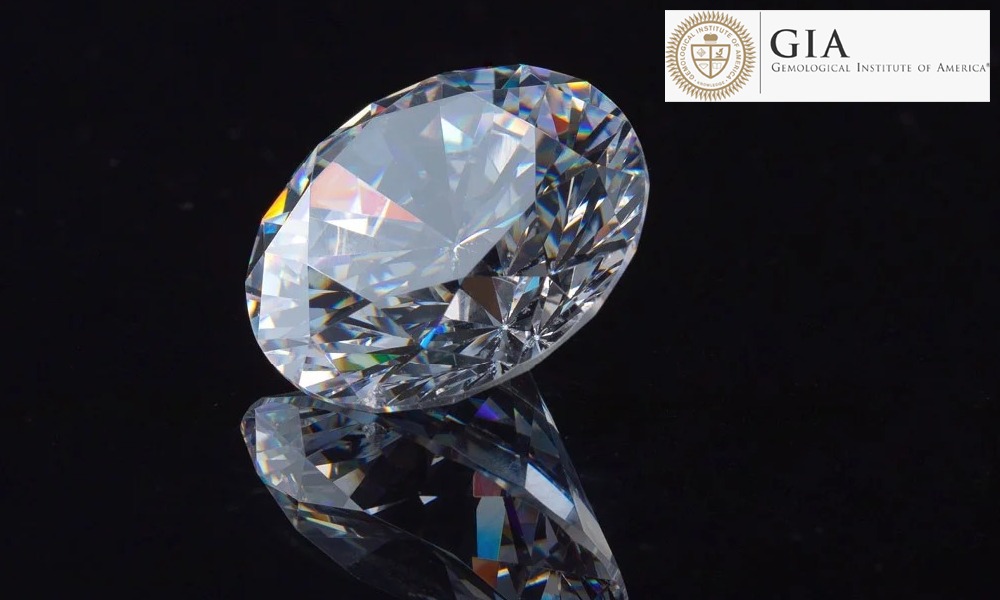
The Gemological Institute of America (GIA) is revamping how it grades and describes lab-grown diamonds, further separating them from their natural counterparts in its reports.
Announced Monday, the updated system will introduce new descriptive categories — premium and standard — based on a combination of color, clarity, and finish. This marks a shift away from using the same color and clarity scale the GIA developed for natural diamonds.
“The GIA will no longer apply the traditional grading nomenclature used for natural diamonds when describing lab-grown stones,” the institute said. “Instead, it will use quality-based descriptions that more accurately reflect the characteristics and manufacturing consistency of synthetic diamonds.”
Lab-grown diamonds that do not meet the minimum threshold for either the premium or standard designation will not receive a quality label. This change is intended to help consumers better understand the key distinctions between natural and lab-grown stones, the GIA emphasized.

“More than 95% of lab-grown diamonds fall within a narrow band of color and clarity, making the traditional grading system less relevant for them,” said Tom Moses, executive vice president and chief laboratory and research officer at GIA. “This update aligns lab-grown diamond grading with how we already handle other man-made gem materials.”
The GIA will continue its current grading system for lab-grown diamonds until the new approach is finalized. Updated pricing and submission procedures will be released by the end of the third quarter. Existing reports already issued for lab-grown diamonds will remain valid.








DiamondBuzz
Richemont and Signet Jewelers Could Join Global Diamond Consortium In Bid For De Beers
Richemont, Signet Would Connect The Consortium To Key Global Growth Vectors Spanning Luxury High Jewelry and Mass-Market Retail.


The Global Diamond Consortium (GDC)
Richemont and Signet Jewelers are reported to be in talks about joining the Global Diamond Consortium (GDC), the preferred bidder for De Beers according to a Bloomberg News report.
GDC was selected in July 2026 as one of Anglo American’s preferred bidders for De Beers as part of Anglo American’s ongoing corporate restructuring.
The potential inclusion of Richemont—owner of luxury Maisons including Cartier and Van Cleef & Arpels—and Signet Jewelers—the world’s largest retailer of diamond jewelry, operating brands such as Kay Jewelers, Zales, and Jared—would connect the consortium to key global growth vectors spanning luxury high jewelry and mass-market retail.
Strengthening the Natural Diamond Ecosystem: Participation by major luxury brands and global retail leaders reinforces commitment across the entire value chain—from responsible mining and manufacturing to consumer engagement.
Balanced Governance Structure: Discussions center on potential minority equity positions that would support long-term category growth while maintaining appropriate separation between ownership and commercial strategy.
Broad Stakeholder Participation: The consortium continues to advance talks with host governments, including discussions with the Government of Botswana regarding a potential increase in its equity share in De Beers from 15% to approximately 25%, alongside participation from private investors and southern African host nations.
Discussions between GDC, Richemont, Signet, and participating government stakeholders remain ongoing. Terms of any potential participation, including the size of equity interests, have not been finalized and remain subject to regulatory approvals and definitive documentation.



Belgian Consul General H. E. Mr. Pierre Stverlynck Graces BDB Annual Day

Limelight Lab Grown Diamonds Crosses 100 Stores Milestone This Dussehra: Targets 200 In 2027

Joyalukkas Opens Its 2nd Bengaluru Showroom in Jayanagar

US Holiday Shopping Expected To Top $1 Trillion For The First Time: NRF
Belgian Consul General H. E. Mr. Pierre Stverlynck Graces BDB Annual Day
Limelight Lab Grown Diamonds Crosses 100 Stores Milestone This Dussehra: Targets 200 In 2027
-
 International News13 hours ago
US Holiday Shopping Expected To Top $1 Trillion For The First Time: NRF
-
 National News7 hours ago
Belgian Consul General H. E. Mr. Pierre Stverlynck Graces BDB Annual Day
-
 National News7 hours ago
Limelight Lab Grown Diamonds Crosses 100 Stores Milestone This Dussehra: Targets 200 In 2027
-
 New Premises8 hours ago
Joyalukkas Opens Its 2nd Bengaluru Showroom in Jayanagar
