

National News
Lukson Jewels expands retail presence amid rising demand for LGD jewellery
The brand, backed by JK Star Group, is witnessing 25% month on month growth and plans to scale from five to over 30 stores across key Indian markets

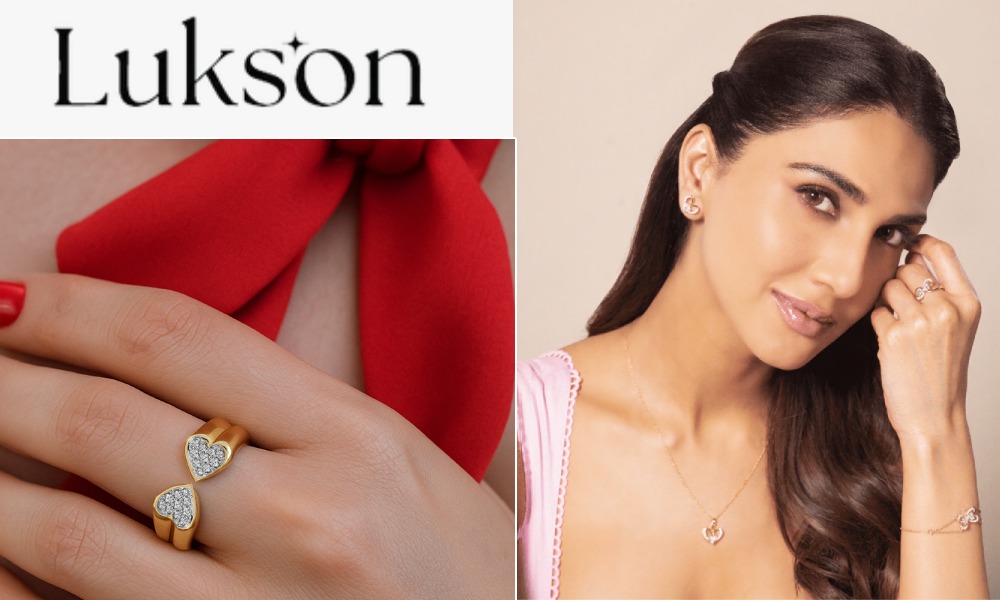
Lukson Jewels, India’s emerging lab grown diamond jewellery brand founded by third generation diamantaire Anand Lukhi, is witnessing accelerated growth as demand for conscious luxury and everyday fine jewellery rises among Millennial and Gen Z consumers. Backed by the 34-year legacy of the JK Star Group, the brand continues to strengthen its position within the evolving fine jewellery landscape through vertical integration, omnichannel expansion, and design led innovation.
Since launch, Lukson has recorded a sustained 25 percent month on month growth rate, signalling strong product market alignment and repeat customer adoption. Within the first six months of operations, the brand has served over 20,000 customers, achieving more than 99 percent customer satisfaction, reinforcing consumer trust across quality, pricing transparency, and overall buying experience.
The brand’s traction reflects a broader shift in jewellery consumption patterns, particularly among working professionals and younger buyers who increasingly prioritise sustainability, transparency, and versatility over traditional occasion driven purchases.
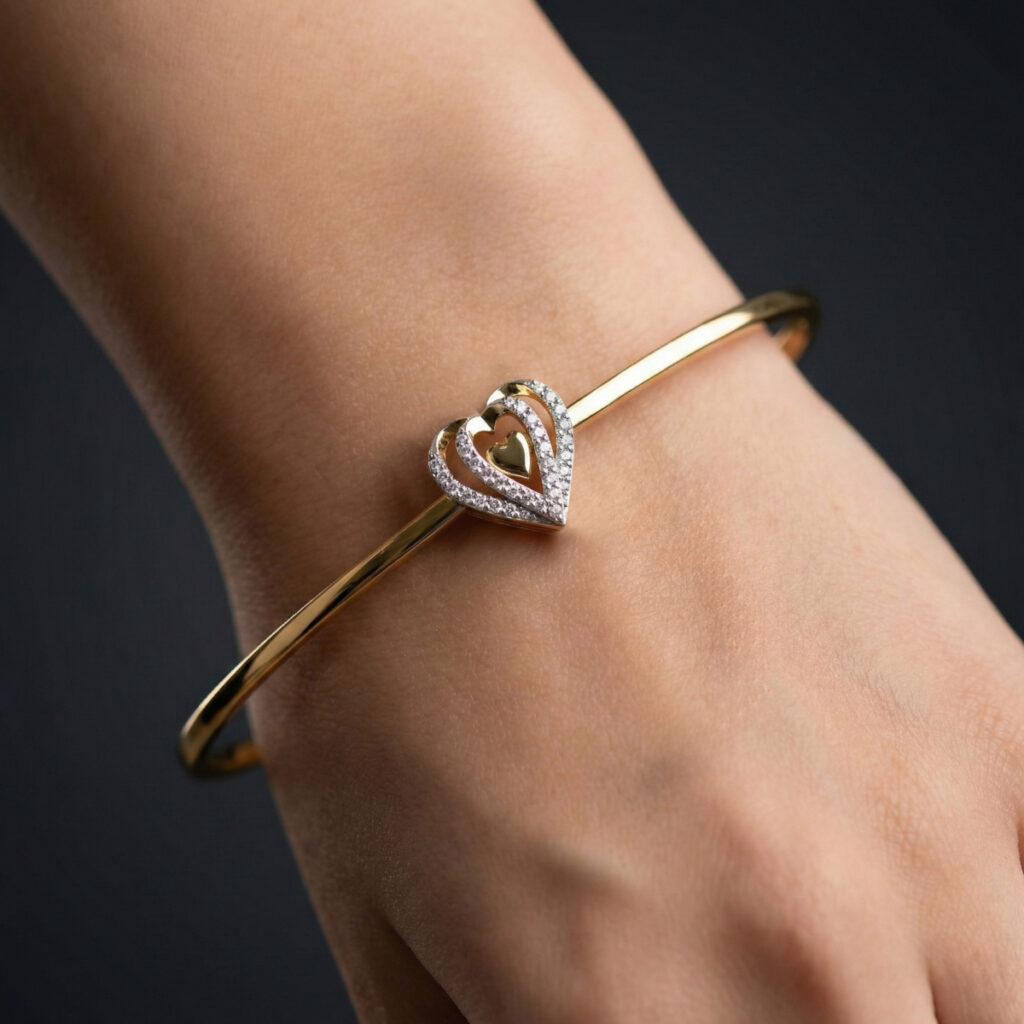
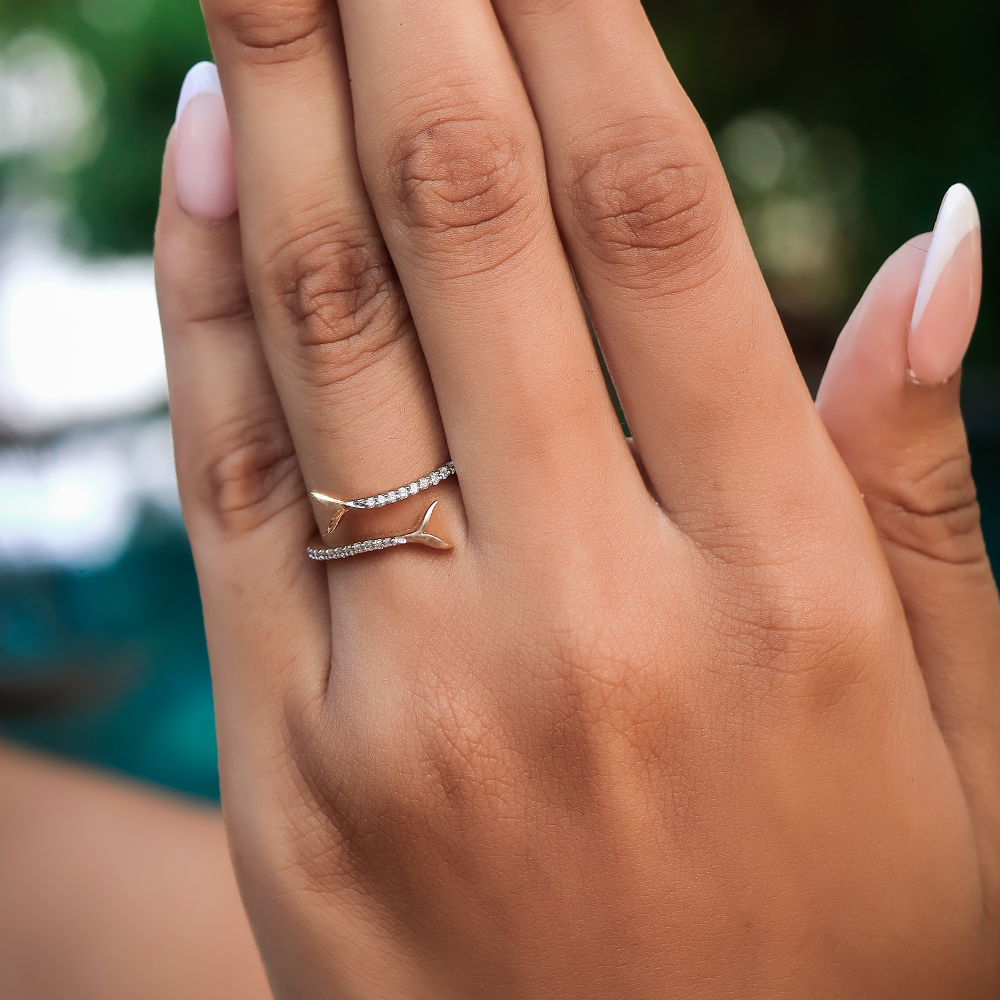
Today, Lukson offers over 1,500 unique jewellery designs across online and offline channels, spanning earrings, rings, necklaces, and bracelets crafted with SGL certified lab grown diamonds. New collections are introduced every 15 days, enabling the brand to remain trend responsive while sustaining engagement across categories.
The onboarding of actor Vaani Kapoor as Brand Ambassador has further strengthened Lukson’s positioning at the intersection of modern elegance, ethical sourcing, and aspirational affordability. The association reflects the brand’s intent to build cultural relevance alongside commercial scale.
Currently operating five offline retail stores across five cities, Lukson plans to scale to over 30 stores across key Indian markets, reinforcing its omnichannel strategy and enabling deeper consumer access through experiential retail formats.
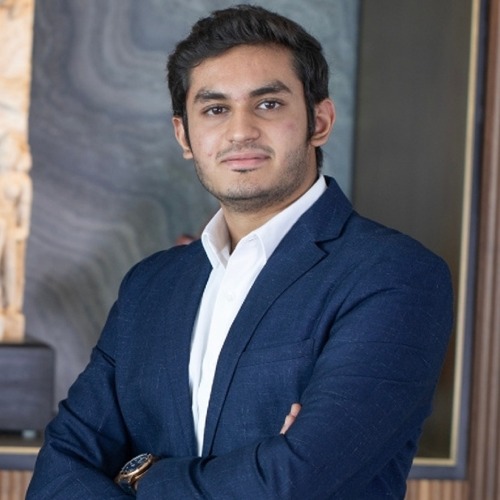
Speaking on the brand’s growth trajectory, Anand Lukhi, Founder and CEO, Lukson, said, “Lukson was created around a simple insight that modern consumers want jewellery that reflects both personal style and personal values. Lab grown diamonds allow us to offer the same brilliance and craftsmanship associated with fine jewellery while addressing concerns around sustainability and transparency. Our growth validates that conscious luxury is no longer niche. It is becoming the new mainstream.”
Rooted in JK Star Group’s vertically integrated diamond ecosystem, Lukson combines decades of expertise in grading, craftsmanship, and manufacturing with contemporary D2C retail strategies. This integration allows the brand to maintain tighter quality control while offering premium designs at accessible price points.

Vedant Lukhi, Co-Founder of Lukson, added, “Our focus has been to build systems that support scale without compromising trust. Vertical integration gives us supply security and cost efficiency, while design innovation and fast collection cycles allow us to stay culturally relevant. The goal is not just growth, but sustainable and disciplined expansion.”
Expansion Strategy and Manufacturing Investments
As part of its next phase of growth, Lukson is investing in strengthening its supply chain infrastructure. The company plans to expand its lab grown diamond cultivation capacity to over 400 growing units, ensuring long term supply reliability, enhanced quality control, and improved cost optimisation.
On the retail front, Lukson aims to scale across India through a hybrid retail model comprising exclusive brand stores and shop in shop formats across malls and high street locations in Tier 1 and Tier 2 cities. This expansion supports the brand’s vision of building deeper national penetration while maintaining a consistent omnichannel experience.
Lab grown diamonds, which possess the same physical, chemical, and optical properties as mined diamonds, continue to gain acceptance globally due to reduced environmental impact and ethical sourcing advantages. Lukson’s model aligns this technological advancement with evolving consumer expectations around transparency, accessibility, and responsible luxury.
With strong early growth momentum, expanding retail infrastructure, and continued investment across manufacturing and brand development, Lukson is positioning itself as a rising name in India’s conscious luxury jewellery segment.




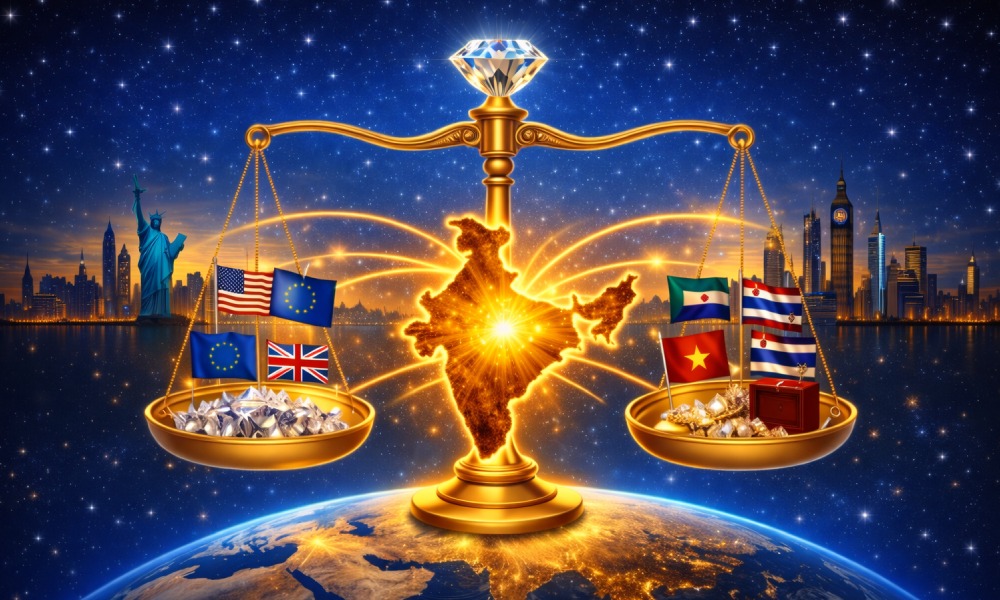
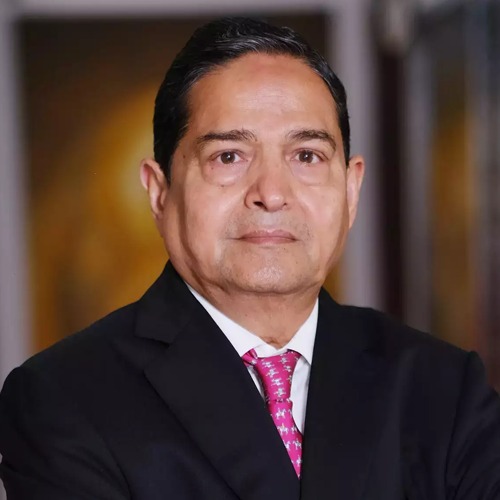
The year 2025 proved to be one of recalibration for the global gem and jewellery trade, shaped by shifting markets, policy changes and geopolitical uncertainty. Reflecting on the year gone by, Kirit Bhansali, Chairman, GJEPC, examines how India’s industry adapted through diversification, strategic outreach and renewed resilience.
Global trade rarely moves in straight lines, and the Indian gem and jewellery industry experienced this reality first-hand in 2025. The year unfolded against a backdrop of shifting consumer sentiment, evolving trade policies and geopolitical uncertainty, compelling exporters to recalibrate strategies even as they strengthened long-term fundamentals. What emerged was not a story of disruption alone, but one of adjustment, diversification and structural resilience.
Key consumption markets displayed uneven demand patterns. The United States, traditionally India’s largest export destination, witnessed a moderation in buying as tariff-related developments and a more protectionist trade environment weighed on sentiment. This had a tangible impact on margins and order volumes, particularly in diamonds and diamond-studded jewellery. China’s recovery, meanwhile, remained selective and cautious, with retailers maintaining tight inventory levels and adopting conservative procurement strategies.
In such an environment, sustaining export momentum required a shift from volume-driven growth to a more balanced, risk-mitigated approach. This transition is visible in India’s export performance during April–November 2025. Gem and jewellery exports during this period stood at US$ 18.87 billion, marginally higher than US$ 18.85 billion in the corresponding period last year. While growth was modest, the stability itself is significant, reflecting the industry’s capacity to absorb external volatility without losing ground.
This outcome was shaped by a conscious, multi-year effort to reduce dependence on a handful of mature markets and build a broader geographic base. Indian exporters increasingly focused on product-market alignment, deeper buyer relationships and entry into non-traditional destinations across Latin America, Southeast Asia and the Middle East. These efforts ensured that softness in one region was offset by traction in others.
The results of this diversification are evident in market-wise performance. During April–November 2025, exports to the UAE rose sharply by 32.4% to US$ 6.25 billion, underlining the growing importance of the Gulf as a strategic hub. Hong Kong recorded growth of 22.72% to US$ 3.78 billion, while markets such as Australia, Thailand and Israel also delivered double-digit expansion. A wide set of emerging destinations contributed incremental gains, collectively strengthening the export base.
Supporting this geographic expansion has been sustained international outreach under the Brand India showcase. Through curated platforms such as India Design Galleries, India Experience Lounges, Buyer–Seller Meets and India Pavilions at global exhibitions, Indian exporters have been able to engage new buyers while reinforcing trust in established markets. These initiatives have positioned India not merely as a volume supplier, but as a reliable sourcing partner offering design depth, manufacturing scale and consistency.
A central pillar of this ecosystem is IIJS Bharat, now the world’s second-largest gem and jewellery trade fair. Across its multiple editions, the show has evolved into a key driver of business discovery, market signalling and buyer engagement. For international buyers, IIJS offers a comprehensive view of India’s capabilities across product categories, price points and technologies, reinforcing the country’s role as a global sourcing destination.
Another notable development has been the launch of the Saudi Arabia Jewellery Exposition (SAJEX) in Jeddah. The initiative marks a strategic push into one of the region’s fastest-growing jewellery markets. With Saudi Arabia’s jewellery sector projected to approach US$ 8.34 billion by 2030, SAJEX provides a structured platform for Indian exporters to build direct trade linkages and long-term partnerships in the Kingdom.
Beyond exports, the industry’s demand base itself is becoming more balanced. Indian jewellery retailers are expanding their overseas presence, particularly in the UK, the US and the Middle East, adding stability to order flows. Organised retail is playing a growing role, both domestically and internationally, smoothing demand cycles and improving visibility for manufacturers. At the same time, India’s domestic jewellery market—estimated at around US$ 85 billion—continues to serve as a critical anchor. Steady economic growth and evolving consumer preferences are sustaining demand across gold, diamonds, platinum and coloured gemstones.
Trade agreements have further enhanced India’s competitive positioning. Tariff benefits under the India–UAE CEPA contributed to a near 44% rise in plain gold jewellery exports to the UAE during April–November 2025, while diamond-set jewellery continues to gain traction in premium retail segments across the Gulf. Free Trade Agreements with partners such as the UAE, Australia, EFTA countries, the UK, Oman, New Zealand, and EU, are steadily improving market access for Indian exporters.
A landmark development has been the recent securing of the India–EU Free Trade Agreement—often described as the “mother of all FTAs” given the scale and sophistication of the 27-member European bloc. The agreement eliminates the 2–4% import duties on Indian gem and jewellery products entering the EU, creating a significantly more competitive environment for Indian exporters in one of the world’s most affluent consumer markets.
Policy support has complemented these market-driven shifts. Initiatives aimed at streamlining trade processes and improving ease of doing business are beginning to show results. Digital platforms like the Trade Connect Portal are enabling early-stage market access by linking exporters with verified buyers. The Export Promotion Mission launched in November 2025 is particularly relevant for the sector, enhancing access to credit and institutional support in an industry where MSMEs form the backbone.
Category-level promotion also remains essential. Collaborative campaigns to stimulate diamond demand in key markets and sustained efforts to strengthen gold jewellery consumption are reinforcing long-term demand drivers alongside trade expansion.
Taken together, these developments point to a structural rebalancing of India’s gem and jewellery export model. The industry is becoming more diversified, less market-concentrated and better equipped to manage cyclical shifts. As it works towards a medium-term export target of US$ 45 billion by 2030 and a longer-term vision of US$ 100 billion by 2047, the emphasis will remain on disciplined growth, market expansion and close coordination between industry and government.
Going forward, the outlook is one of cautious confidence. With wider market access, a resilient domestic base and a strengthening policy framework, the industry is positioned to navigate near-term uncertainties while laying the foundation for sustainable, long-term growth.



Lukson Jewels expands retail presence amid rising demand for LGD jewellery

How India Has rebalanced its jewellery exports

Gold faces selling pressure, MCX Gold sees single day drop of Rs 11000
Precious Metals Face Macro Headwinds Amid Persistent Inflation and Geopolitical Uncertainty: AUGMONT BULLION REPORT

Amoura by D.P. Jewellers Celebrates Women’s Day with an Exclusive Evening in Indore

Platinum Jewellery demonstrates resilience amidst record price rally
-
 International News18 hours ago
Precious Metals Face Macro Headwinds Amid Persistent Inflation and Geopolitical Uncertainty: AUGMONT BULLION REPORT
-
 National News20 hours ago
Amoura by D.P. Jewellers Celebrates Women’s Day with an Exclusive Evening in Indore
-
 International News18 hours ago
Platinum Jewellery demonstrates resilience amidst record price rally
-

 International News24 hours ago
Bullion Dips in India Despite Safe-Haven Demand as Dollar Firms
