
JB Insights
Limelight is built on the pillars of innovation, ethics, and education

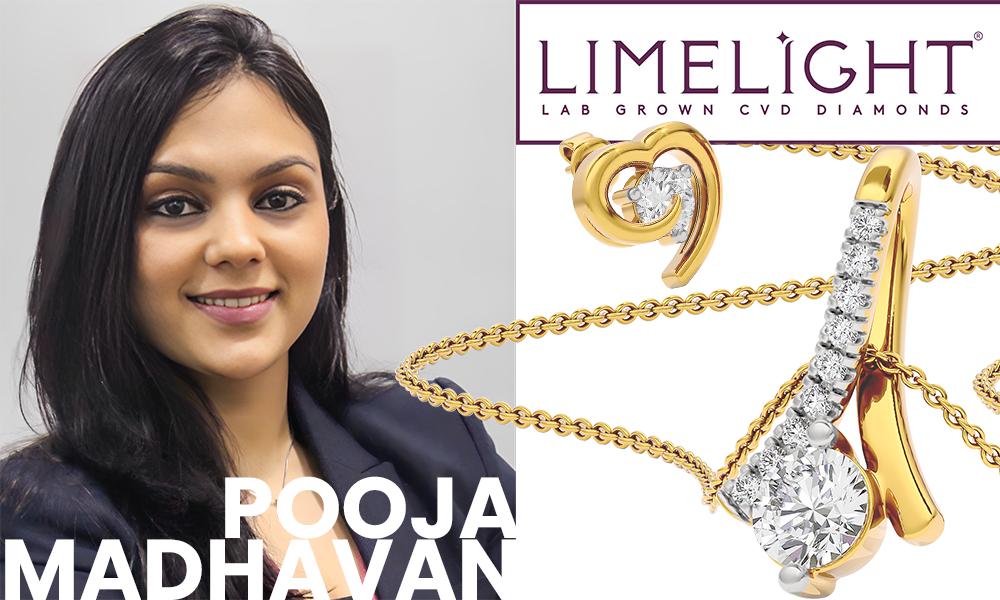
Pooja Madhavan, Founder & MD– Limelight Lab Grown Diamonds, speaking to JewelBuzz offers compelling insights into the lab grown diamonds (LGDs)sector. She says that LGDs are increasingly being positioned not as rivals to natural diamonds, but as complementary alternatives that align with evolving consumer values. She said that
Limelight is built on the pillars of innovation, ethics, and education. Brands like Limelight emphasize accessibility, ethical sourcing, and modern luxury, allowing consumers to choose larger or more innovative designs without sacrificing quality or emotional value.
How would you describe the current state of the lab-grown diamond market in India?
The lab-grown diamond market in India is in a transformative phase. What started as a niche segment has now entered mainstream awareness, especially over the last 2–3 years. Consumers are more informed, curious, and open to alternatives that offer the same physical, chemical, and optical properties as natural diamonds but with added benefits in terms of value, ethics, and sustainability. The industry is experiencing double-digit growth, and we’re just beginning to tap into its full potential.

How are lab-grown diamonds positioned in relation to natural diamonds — are they competing or complementing?
At Limelight, we don’t view lab-grown diamonds as a competitor to natural diamonds, but rather as a complementary choice that meets the evolving preferences of today’s consumer. While natural diamonds continue to hold deep cultural and emotional value, lab-grown diamonds provide an accessible luxury, often allowing consumers to upgrade in size or design without compromising on quality or ethics.
What strategies are LGD brands using to build trust in a market long dominated by natural diamonds?
Transparency and education are at the heart of our strategy. We actively engage in consumer awareness campaigns, retail training, and influencer collaborations to dispel myths and explain the science and sustainability behind lab-grown diamonds. Certification by reputed gemological institutes like IGI and SGL also ensures credibility. Trust builds when customers understand that LGDs are not imitations but real diamonds created through advanced technology.
Which consumer segments are driving demand for lab-grown diamonds in India — Gen Z, millennials, or value-conscious families?
We’re seeing strong traction from Gen Z and millennial consumers, particularly those in metro cities who are environmentally conscious, digitally savvy, and financially astute. However, it’s not just limited to the younger demographic. Increasingly, value-conscious families are also recognizing the benefits of lab-grown diamonds, especially for occasions like weddings and milestone gifting.
Are you seeing growing demand from Tier 2 and Tier 3 cities, or is it still urban-centric?
While the early adoption was definitely urban-centric, the narrative is now shifting. Thanks to digital penetration and growing retail footprints, we’re witnessing rising interest from Tier 2 and Tier 3 cities. These markets are curious and aspirational – they’re asking the right questions and seeking value without compromising on quality or tradition.


What motivates Indian consumers to choose lab-grown over natural diamonds — price, size, ethics, or fashion?
It’s a mix of all these factors. Price and size remain the most compelling reasons, consumers love that they can afford a larger, more dazzling stone at a better value. But ethics and sustainability are becoming increasingly important, especially for younger buyers. There’s also a strong fashion-forward trend, where consumers enjoy experimenting with contemporary and bespoke designs that LGDs make more accessible.


How do you position your lab-grown diamond brand differently from traditional jewellers?
Limelight is built on the pillars of innovation, ethics, and education. Unlike traditional jewellers who may carry LGDs as an extension, we specialize in them. Our focus is on offering globally certified, high-quality lab-grown diamonds that are stylish yet sustainable. Our storytelling, marketing, and design aesthetics are all tailored to reflect the modern consumer’s values and lifestyle.
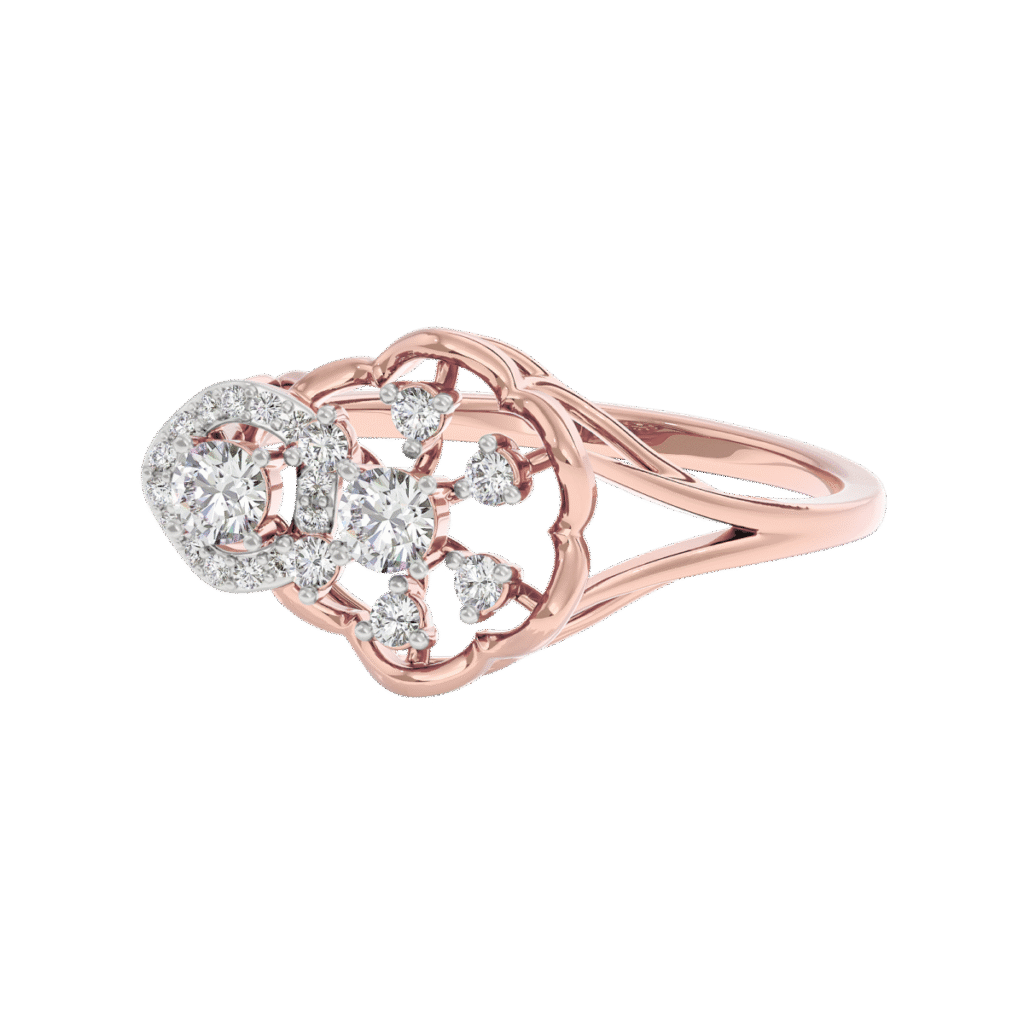
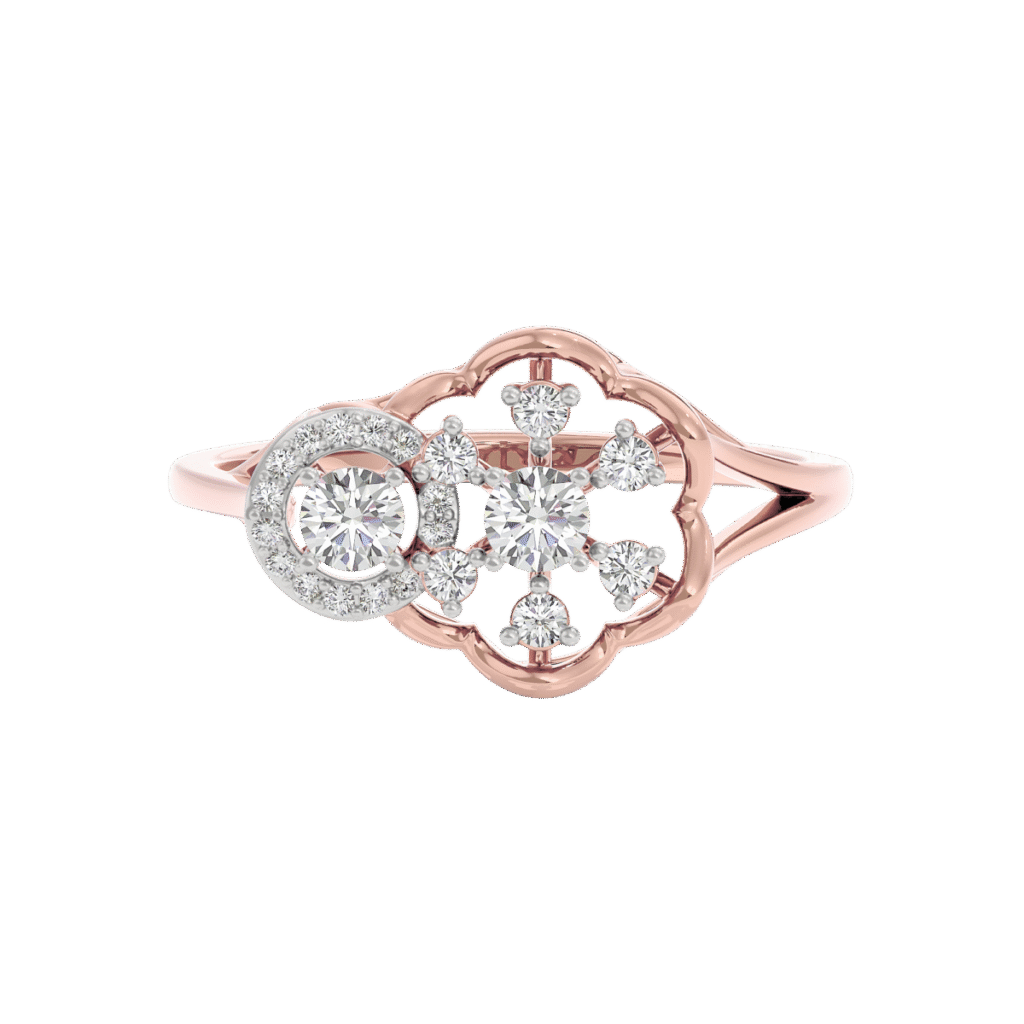
Are Indian weddings opening up to LGDs as a viable choice for bridal jewellery?
Absolutely. We’re seeing more brides and families opting for lab-grown diamond bridal sets, especially in urban India. The younger generation is reimagining traditions and they want elegance with ethics. With LGDs, brides can now wear their dream designs with larger stones without the premium price tag, and with the confidence of making a responsible choice.

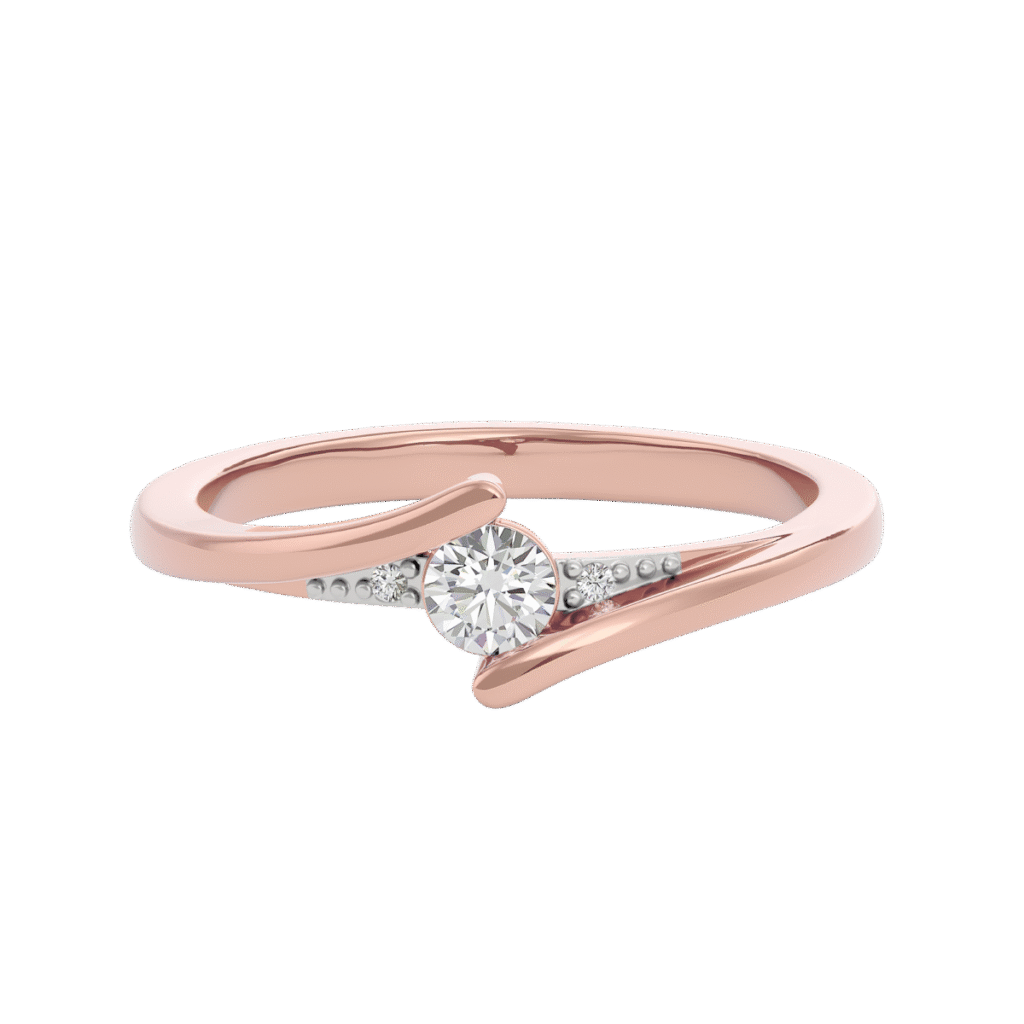
What innovations in design or tech are helping LGD brands stand out?
Technology is the backbone of LGDs, but design innovation is what sets brands apart. At Limelight, we use CAD-driven design, 3D prototyping, and AI-enabled customization to deliver precision-crafted pieces. Additionally, the use of blockchain and digital certificates enhances traceability and transparency giving consumers confidence in their purchase.
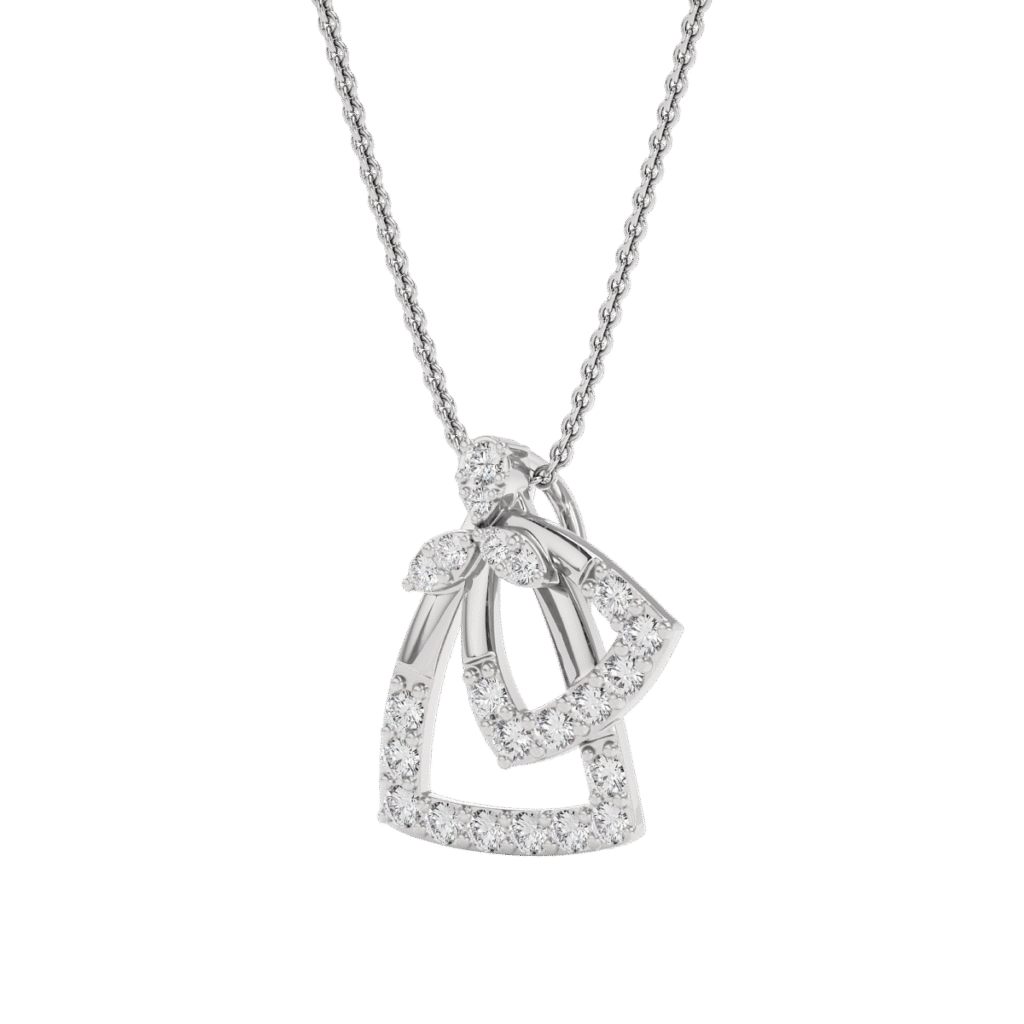
Where do you see the lab-grown diamond market in India heading over the next five years?
We foresee exponential growth. As awareness deepens, prices stabilize, and acceptance broadens, LGDs will become a significant part of India’s fine jewellery market potentially contributing to 15–20% of the sector. Retail expansion, government support, and innovation will further catalyze this shift. We believe India can also become a global hub for both the manufacturing and consumption of lab-grown diamonds.

How can the LGD industry work collectively to create stronger ethical and environmental standards?
Collaboration is key. Industry stakeholders must come together to establish unified standards for sustainability, traceability, and ethical production. Third-party audits, global certifications, and industry-wide guidelines can build consumer confidence. Associations like IGDA (International Grown Diamond Association) are already making strides, and with collective effort, the LGD industry can lead a new era of conscious luxury.








JB Insights
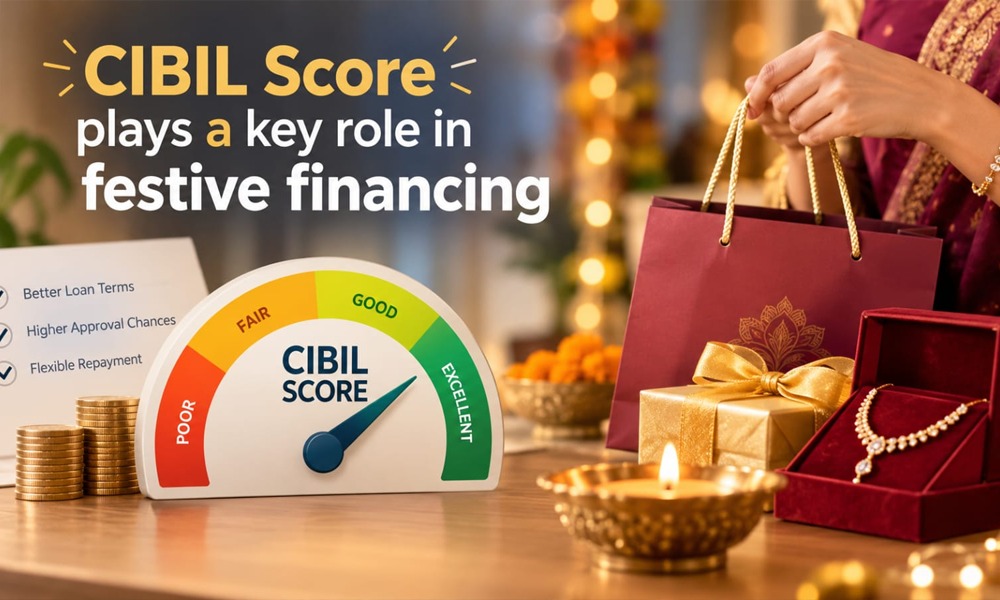
CIBIL Score Plays A Key Role In Festive Financing
A Consumer’s CIBIL Score and Report Play A Decisive Role In Determining Loan Eligibility, Interest Rates, and Overall Borrowing Terms During High-Spending Seasons.

Gold in India is more than just a precious metal; it represents tradition, emotion, and long-term financial security. As major celebrations such as Dhanteras, Diwali, and the upcoming wedding season approach, consumer demand for gold reaches its annual peak.
However, with gold prices rising due to both global macroeconomic pressures and heightened domestic demand, an increasing number of buyers are turning to credit options—specifically gold loans and personal loans—to finance their festive purchases.
In light of these market dynamics, maintaining awareness of one’s financial profile is critical.
A consumer’s CIBIL Score and Report play a decisive role in determining loan eligibility, interest rates, and overall borrowing terms during high-spending seasons.
The Mechanics Behind Festive Gold Price Surges
Gold prices do not move in isolation. The seasonal increase in retail price is driven by a combination of key domestic and international factors:
Global Economic Uncertainty: International market volatility frequently drives capital into gold as a traditional safe-haven asset.
Macroeconomic Indicators: Currency fluctuations and persistent inflation impact local procurement costs.
Domestic Seasonal Demand: Concentrated buying during auspicious cultural dates creates short-term supply-demand imbalances, further driving up retail costs.
The Strategic Role of Your CIBIL Score in Festive Financing
When household budgets face pressure during peak shopping periods, credit-based financing offers immediate liquidity. Whether securing an uncollateralized personal loan or a loan against existing gold holdings, financial institutions rely heavily on credit risk assessments.
The CIBIL Score—a 3-digit numerical summary ranging from 300 to 900—serves as the primary benchmark for creditworthiness:
Approval Probability: A high CIBIL Score significantly increases the likelihood of quick loan sanctioning.
Cost of Capital: Lenders offer competitive, lower interest rates to high-scoring applicants, reducing total borrowing costs.
Flexible Repayment Structure: Favorable credit profiles grant borrowers stronger leverage to negotiate manageable tenure options.
Best Practices for Smart Festive Borrowing
To enjoy festive celebrations without compromising long-term financial stability, consumers are advised to adopt responsible borrowing strategies:
Check Credit Reports Early: Review your CIBIL Report prior to applying for financing to resolve any discrepancies or evaluate your standing.
Borrow Within Limits: Limit loan amounts strictly to what can be comfortably serviced within monthly household budgets.
Maintain Timely Repayments: Ensure all equated monthly installments (EMIs) are paid on time to avoid negative marks on your credit profile.
By pairing festive financial planning with active credit monitoring, consumers can meet their cultural commitments while preserving robust financial health for the future.



-
 New Premises4 hours ago
JGP Jewellers Opens Its 26th Store In Nipani, Marking Its Entry Into Karnataka
-

 National News11 minutes ago
BHIMA Jewellery Receives Prestigious IAGES Accreditation
-

 New Premises3 hours ago
ICA | GemLab India Inaugurates Gemological Laboratory In Surat
-

 GlamBuzz4 hours ago
The Art Of Festive Dressing: Celebrity Jewellery Moments From Kalyan Navaratri
