
JB Insights
VEDA By GIVA Redefines Jewellery Retail With An Experience-Led Luxury Destination


As India’s jewellery landscape evolves beyond conventional retail, brands are increasingly focusing on experience, emotion, and meaningful design narratives. Stepping into this new era is VEDA by GIVA, a premium jewellery destination that blends timeless Indian craftsmanship with contemporary luxury sensibilities. Launched in Bangalore, VEDA represents a bold new chapter for GIVA—one that moves beyond transactional retail to create an immersive, storytelling-led space for the modern jewellery consumer.
In an exclusive interaction with JewelBuzz, Ishendra Agarwal shares the story behind the inspiration established for VEDA, the growing prominence of silver and lab-grown diamonds, the rise of conscious luxury, and how experiential retail is shaping the future of the Indian jewellery industry.
Q. VEDA marks a significant milestone for GIVA—what inspired the creation of this premium, experience-led jewellery destination?
A: VEDA was born from a very clear insight. Customers today are not just buying jewellery, they are seeking meaning, connection, and experience. At GIVA, we saw a growing segment that appreciates fine craftsmanship and heritage, but wants it presented in a contemporary, elevated way.
VEDA is our response to that shift. It’s not just a store; it’s a curated space where storytelling, design, and personal connection come together. We wanted to create a destination where jewellery isn’t just transacted, but discovered, felt, and remembered.
Q. The concept of ‘ancient wisdom meets contemporary luxury’ is central to VEDA—how have you translated this philosophy into both design and retail experience?
A: For us, “ancient wisdom” comes from India’s deep-rooted jewellery traditions—techniques like kundan, temple work, and intricate handcrafting. “Contemporary luxury” is about how today’s customer wants to experience it: minimal, intentional, and deeply personal.
In design, this translates into reinterpreting traditional forms into lighter, more versatile pieces without losing their soul. In retail, it comes alive through a calm, immersive environment, personalised consultations, and storytelling-led discovery—where every piece has context and meaning, not just price.
Q. VEDA offers a diverse product mix—from silver kundan, pearl, and temple collections to everyday gold, occasion jewellery, Polki, and lab-grown diamonds. How do you balance heritage craftsmanship with evolving consumer preferences?
A: The balance comes from respecting the craft while designing for modern life. Today’s customer wants jewellery that is rooted in culture but fits seamlessly into their everyday wardrobe.
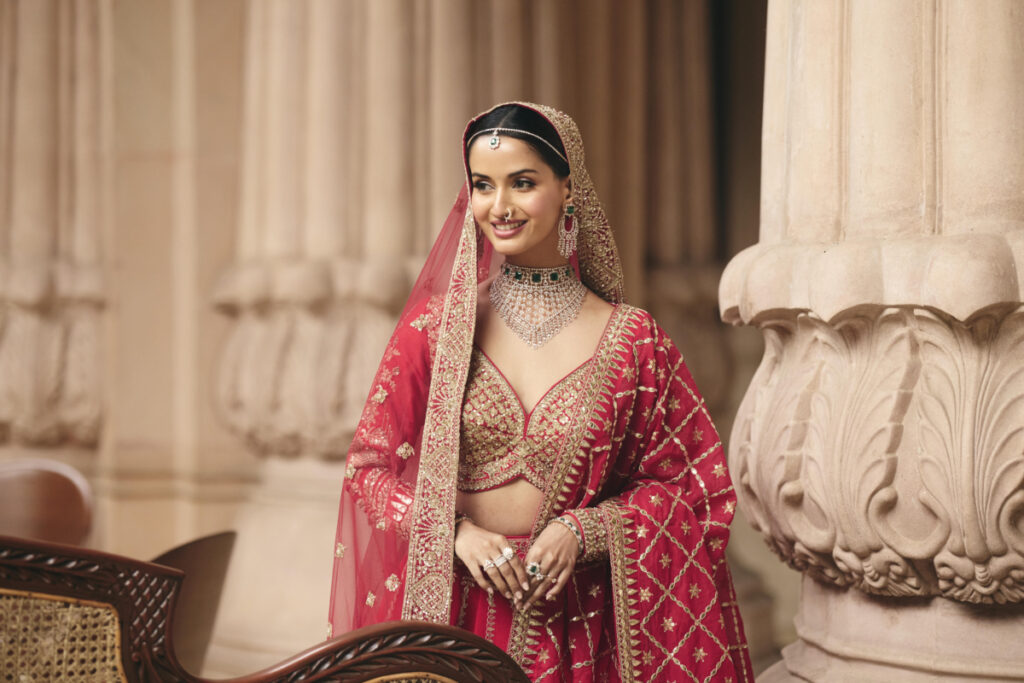

So, while we work with traditional techniques like silver kundan or temple jewellery, we adapt scale, weight, and usability. At the same time, categories like lab-grown diamonds and everyday gold help us remain relevant to evolving aspirations.
It’s less about choosing between heritage and modernity and more about creating a dialogue between the two.
Q. In the context of consumer preferences, comment on the silver jewellery segment in India.
A: Silver in India is undergoing a significant premiumisation. It is no longer seen as just an entry-level category—it’s becoming a conscious choice for design, versatility, and value.


Consumers today are more experimental, and silver allows that freedom without the rigidity of traditional buying. At the same time, with the right craftsmanship, like kundan or pearls, silver can feel just as elevated and occasion-worthy. We see silver as one of the strongest growth drivers, especially among younger, design-conscious consumers.
Q. The Made-to-Order service promises delivery within 12–14 days—how are you managing speed without compromising artisanal quality?
A: Speed without compromise comes from building the right backend ecosystem. We’ve streamlined design-to-production workflows, worked closely with specialised karigars, and optimised small-batch manufacturing.
Importantly, we are not rushing craftsmanship. We are removing inefficiencies around it. That allows us to maintain the integrity of handwork while meeting timelines that match today’s customer expectations.
Q. Lab-grown diamonds are a key highlight—how is customer perception shifting towards sustainable alternatives in the premium segment?
A: There is a clear shift from curiosity to acceptance. Customers today are far more informed. They understand what lab-grown diamonds are, and importantly, what they stand for.
In the premium segment, the appeal is twofold: design freedom and conscious consumption.
Customers can choose larger, more expressive pieces without the traditional constraints, while also aligning with sustainability values. It’s not replacing natural diamonds—it’s expanding the category and bringing in a new mindset.
Q. With a strong emphasis on conscious and ethical luxury, how does VEDA ensure transparency and traceability across its collections?
A: For us, conscious luxury is not a narrative—it’s a responsibility. We work with trusted sourcing partners, ensure clear material disclosures, and maintain consistency in quality standards across categories.
Transparency also extends to how we communicate—whether it’s lab-grown diamonds, silver purity, or craftsmanship techniques, we make sure the customer understands what they are buying and why it holds value.
Q. The private viewing room and personalised consultations set VEDA apart—how important is bespoke storytelling in today’s jewellery buying journey? How does VEDA redefine the role of a jewellery store?
A: Bespoke storytelling is becoming central to jewellery buying. Jewellery is deeply emotional—it marks milestones, relationships, and identity. Customers don’t just want options; they want guidance and context.
At VEDA, we’ve designed the space to enable that—private consultations, slower discovery, and meaningful conversations. We see VEDA less as a retail store and more as an immersive destination—where customers engage, reflect, and build a personal connection with what they choose.
Q. With Bangalore as the launch city, what makes this market ideal for introducing a concept like VEDA?
A: Bangalore has a unique consumer mindset—it’s progressive, design-aware, and open to new concepts. There’s a strong appreciation for both tradition and innovation, which aligns perfectly with what VEDA represents.
It’s also a market where experience matters as much as product, making it an ideal starting point for an experience-led retail format like ours.
Q. Looking ahead, comment on the growth and expansion strategy for VEDA. Given geopolitical turmoil, economic uncertainty, and precious metals price volatility, what is your forecast for the Indian jewellery sector?
A: Our focus with VEDA is to build depth before scale—refining the experience, understanding customer behaviour, and strengthening our design language. Expansion will be thoughtful, targeting markets that value premium, experiential retail.
Our second store is coming up in Sarjapur Road, which is fast emerging as one of Bangalore’s most dynamic lifestyle and retail corridors. The area has seen rapid residential and commercial growth, with a strong influx of affluent, design-conscious consumers. It’s also evolving into a jewellery high street, with an increasing presence of premium brands, making it a natural next step for VEDA’s expansion.
As for the industry, while short-term volatility in gold prices and global uncertainties may influence buying cycles, the long-term outlook for the Indian jewellery industry remains very strong. Jewellery in India is not just discretionary—it’s cultural, emotional, and increasingly design-driven.
We expect continued growth, with sharper segmentation between value-led and experience-led brands, and VEDA is positioned strongly in the latter.
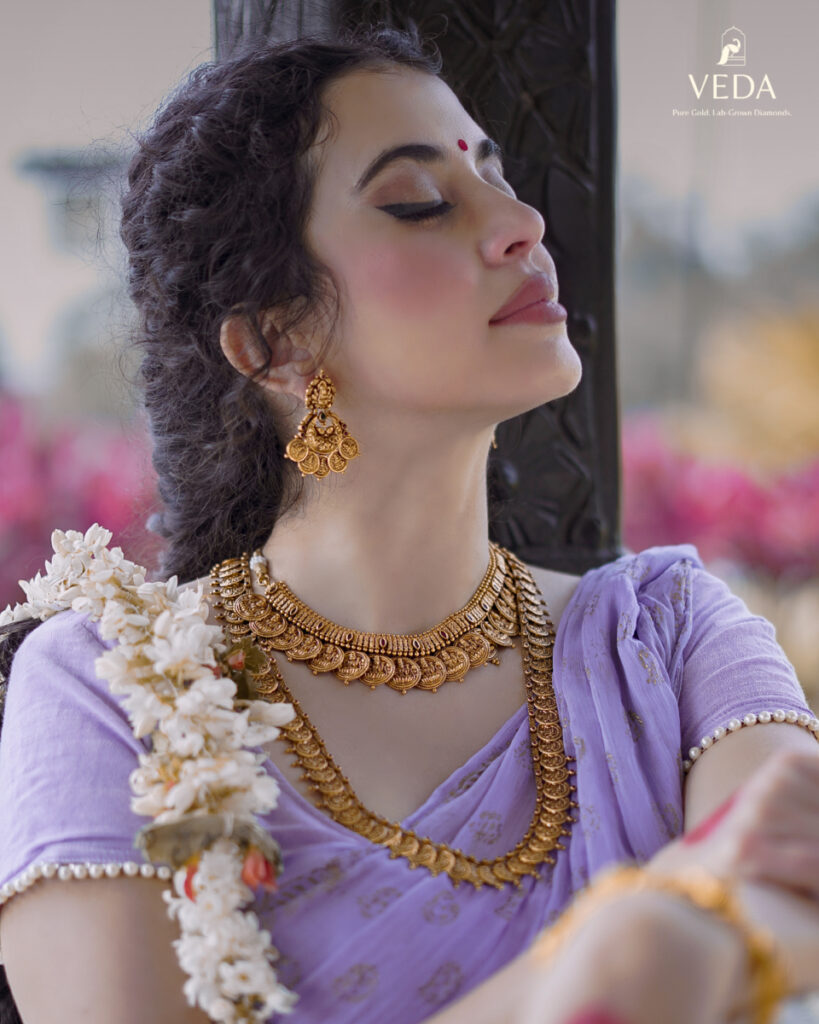

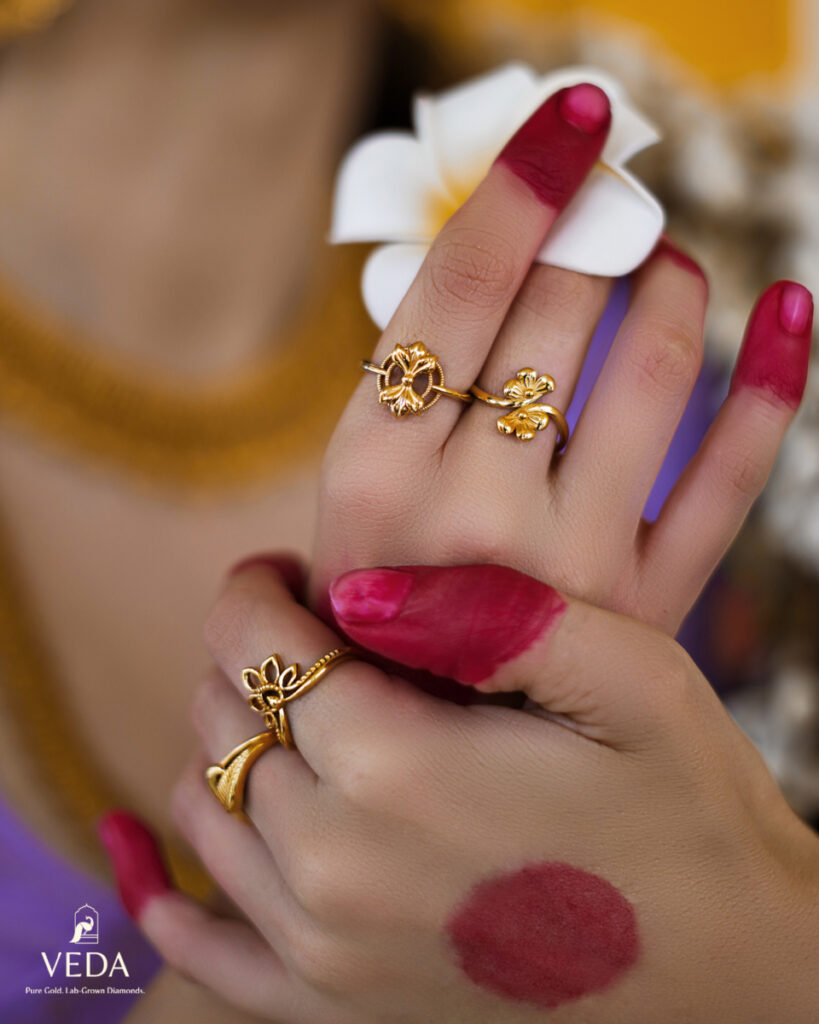
With VEDA, GIVA is not merely expanding its retail footprint—it is reimagining how jewellery is experienced in modern India. By combining heritage-inspired craftsmanship, conscious luxury, personalised storytelling, and experiential retail, the brand is positioning itself at the intersection of tradition and contemporary aspiration. As consumer preferences continue to evolve towards meaningful, design-led purchases, VEDA’s immersive approach signals a larger shift in the jewellery industry—one where emotion, identity, and experience are becoming as valuable as the jewellery itself.


JB Insights
CIBIL Score Plays A Key Role In Festive Financing
A Consumer’s CIBIL Score and Report Play A Decisive Role In Determining Loan Eligibility, Interest Rates, and Overall Borrowing Terms During High-Spending Seasons.

Gold in India is more than just a precious metal; it represents tradition, emotion, and long-term financial security. As major celebrations such as Dhanteras, Diwali, and the upcoming wedding season approach, consumer demand for gold reaches its annual peak.
However, with gold prices rising due to both global macroeconomic pressures and heightened domestic demand, an increasing number of buyers are turning to credit options—specifically gold loans and personal loans—to finance their festive purchases.
In light of these market dynamics, maintaining awareness of one’s financial profile is critical.
A consumer’s CIBIL Score and Report play a decisive role in determining loan eligibility, interest rates, and overall borrowing terms during high-spending seasons.
The Mechanics Behind Festive Gold Price Surges
Gold prices do not move in isolation. The seasonal increase in retail price is driven by a combination of key domestic and international factors:
Global Economic Uncertainty: International market volatility frequently drives capital into gold as a traditional safe-haven asset.
Macroeconomic Indicators: Currency fluctuations and persistent inflation impact local procurement costs.
Domestic Seasonal Demand: Concentrated buying during auspicious cultural dates creates short-term supply-demand imbalances, further driving up retail costs.
The Strategic Role of Your CIBIL Score in Festive Financing
When household budgets face pressure during peak shopping periods, credit-based financing offers immediate liquidity. Whether securing an uncollateralized personal loan or a loan against existing gold holdings, financial institutions rely heavily on credit risk assessments.
The CIBIL Score—a 3-digit numerical summary ranging from 300 to 900—serves as the primary benchmark for creditworthiness:
Approval Probability: A high CIBIL Score significantly increases the likelihood of quick loan sanctioning.
Cost of Capital: Lenders offer competitive, lower interest rates to high-scoring applicants, reducing total borrowing costs.
Flexible Repayment Structure: Favorable credit profiles grant borrowers stronger leverage to negotiate manageable tenure options.
Best Practices for Smart Festive Borrowing
To enjoy festive celebrations without compromising long-term financial stability, consumers are advised to adopt responsible borrowing strategies:
Check Credit Reports Early: Review your CIBIL Report prior to applying for financing to resolve any discrepancies or evaluate your standing.
Borrow Within Limits: Limit loan amounts strictly to what can be comfortably serviced within monthly household budgets.
Maintain Timely Repayments: Ensure all equated monthly installments (EMIs) are paid on time to avoid negative marks on your credit profile.
By pairing festive financial planning with active credit monitoring, consumers can meet their cultural commitments while preserving robust financial health for the future.


-

 TechBuzz6 hours ago
K. Srinivasan Unveils Doit Coimbatore Experience Centre
-

 GlamBuzz7 hours ago
Kalyan Jewellers’ Navratri Celebrations Bring Stars From All Industries To Thrissur
-

 National News6 hours ago
IFSCA Notifies India Good Delivery Gold Framework
-

 National News7 hours ago
World Gold Council Unveils Immersive Gold Experience At Phoenix Palladium, Lower Parel, Mumbai
