
JB Insights
Aupulent is crafting the future of luxury: Redefining Indian fine jewellery with lab-grown diamonds


In this insightful conversation, fifth-generation jeweller Surya Jain, Founder & CEO of Aupulent Jewellery, shares his journey with JewelBuzz of bridging legacy craftsmanship with future-forward innovation. He speaks candidly about shifting consumer mindsets, the evolving definition of value, and how Aupulent is designing for a new generation that wears its values as proudly as its diamonds. . With a sharp focus on sustainability, modern aesthetics, and personalized experiences, Aupulent positions itself as a premium, conscious alternative in India’s fine jewellery space.
Brand Origins & Vision
What inspired the creation of Aupulent, and how does it reflect a departure from your family’s traditional jewellery legacy?
Aupulent was born out of a desire to reimagine what fine jewellery means to a new generation—one that seeks purpose along with beauty. As a fifth-generation jeweller, I’ve grown up surrounded by timeless craftsmanship and tradition. But I also saw a gap: while the legacy jewellery industry excelled in heritage and opulence, it often lagged in sustainability and accessibility. With Aupulent, I wanted to create a brand that honoured this legacy but evolved it—one that marries age-old craftsmanship with cutting-edge innovation in the form of lab-grown diamonds. It’s a brand for conscious consumers who don’t want to compromise on luxury or ethics.
How has your experience as a fifth-generation jeweller shaped your perspective on the future of fine jewellery?
My upbringing gave me an intimate understanding of the emotional and cultural value of jewellery in Indian households. I witnessed how every piece tells a story—of celebration, tradition, and identity. But I also realised that the next chapter in this story demands responsibility. The future of fine jewellery is not just about karigari; it’s about consciousness. That’s why Aupulent doesn’t just sell jewellery—we create experiences that are rooted in meaning, transparency, and a future-forward mindset.
Design Philosophy & Identity
How do you view jewellery as a reflection of conscious living in today’s world? Why is ethical luxury more relevant than ever?
Today’s consumers are asking harder questions—where was this made, how, and at what cost to the planet or people? Jewellery, which has always symbolised personal values, is now being scrutinized through the lens of ethics and sustainability. Ethical luxury is no longer a niche—it’s becoming the new norm. With Aupulent, I wanted to offer jewellery that speaks not just to a moment, but to a mindset. Our customers wear their values, quite literally, and we take pride in being part of that journey.

Walk us through Aupulent’s design approach. How do you ensure each piece feels timeless yet modern?
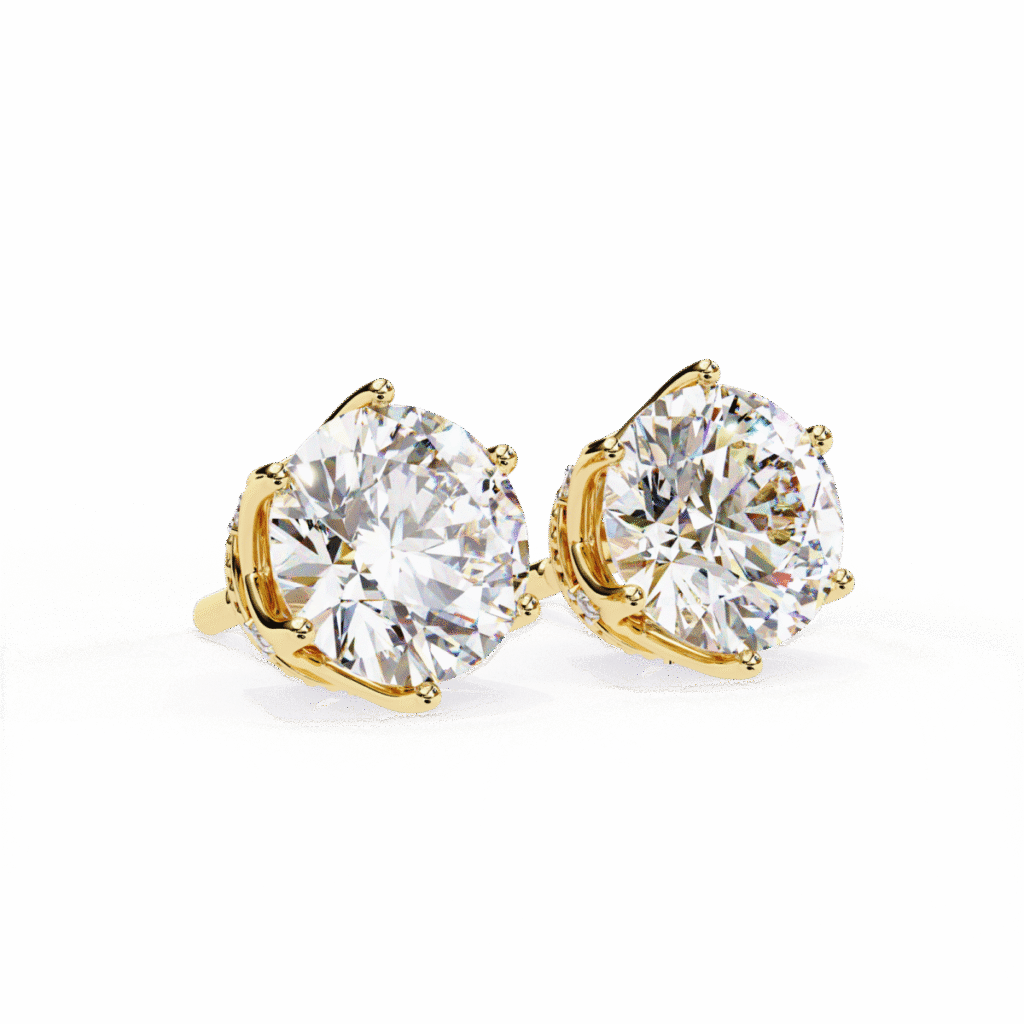
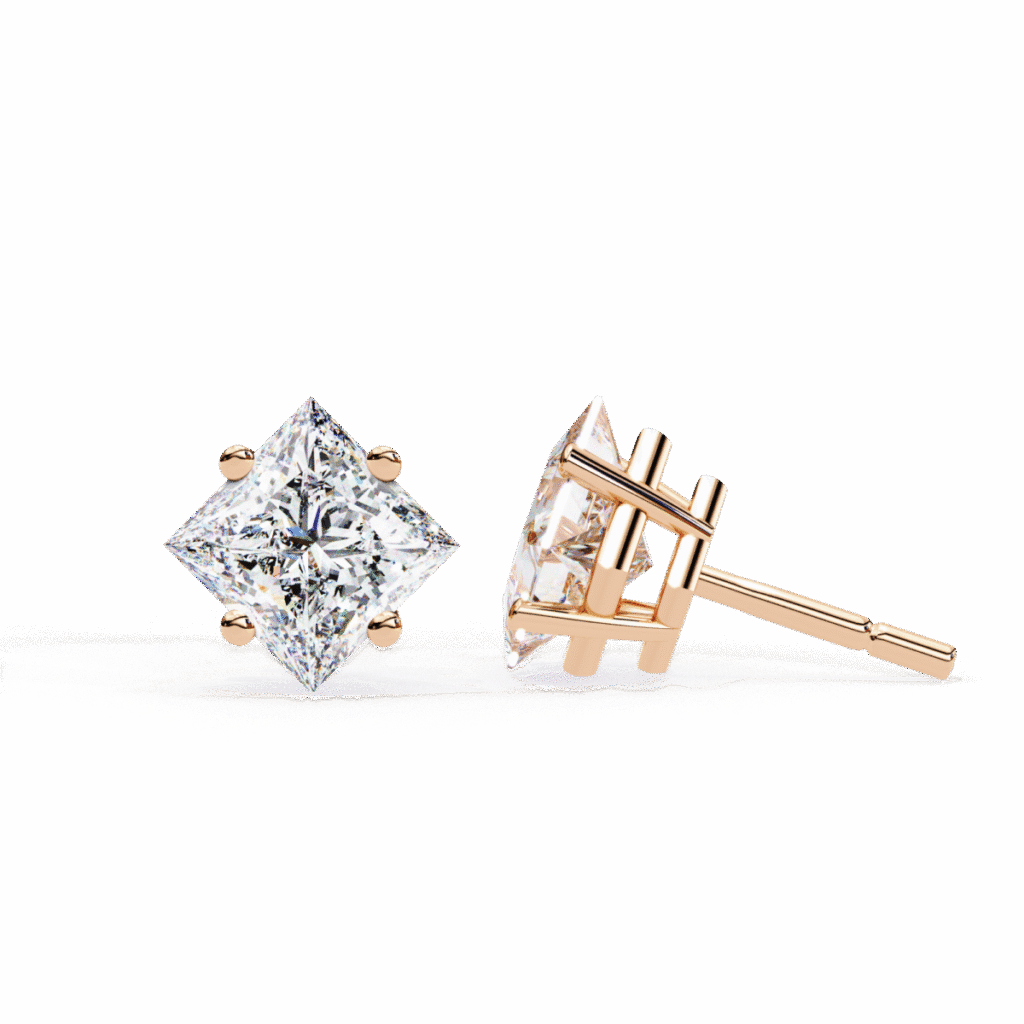
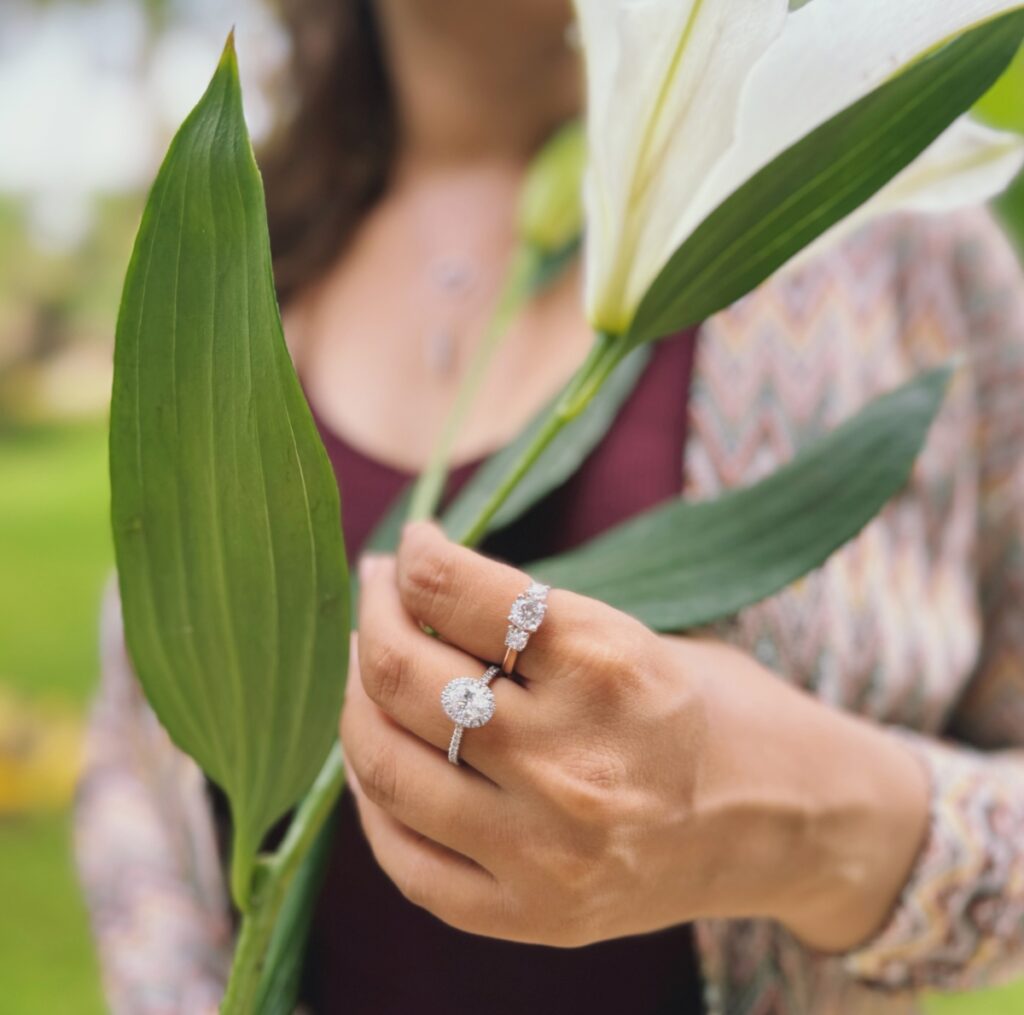
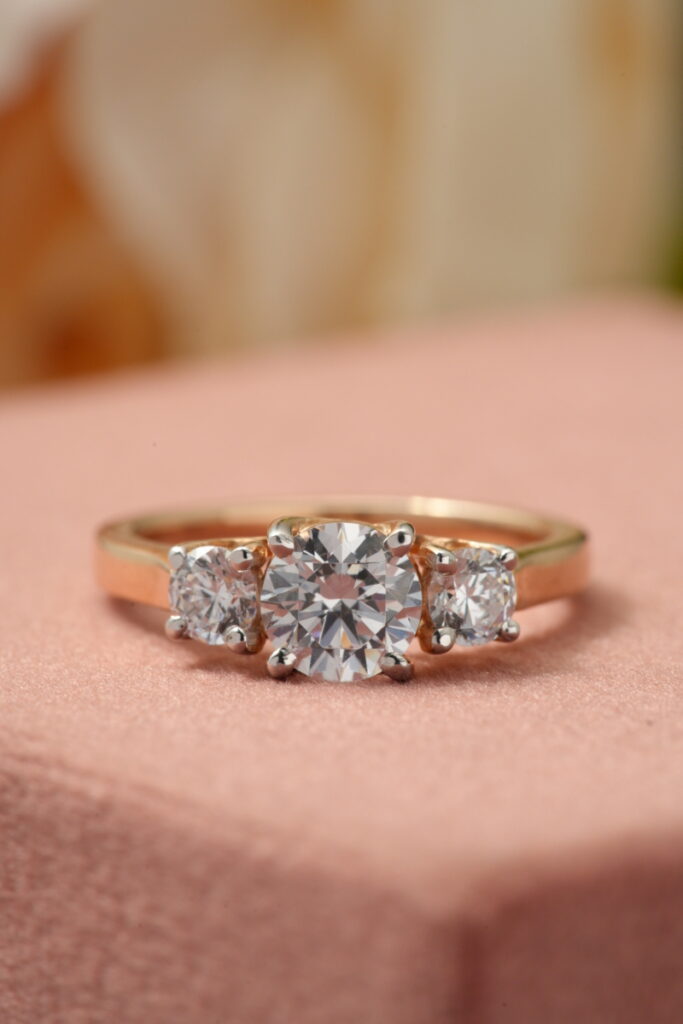
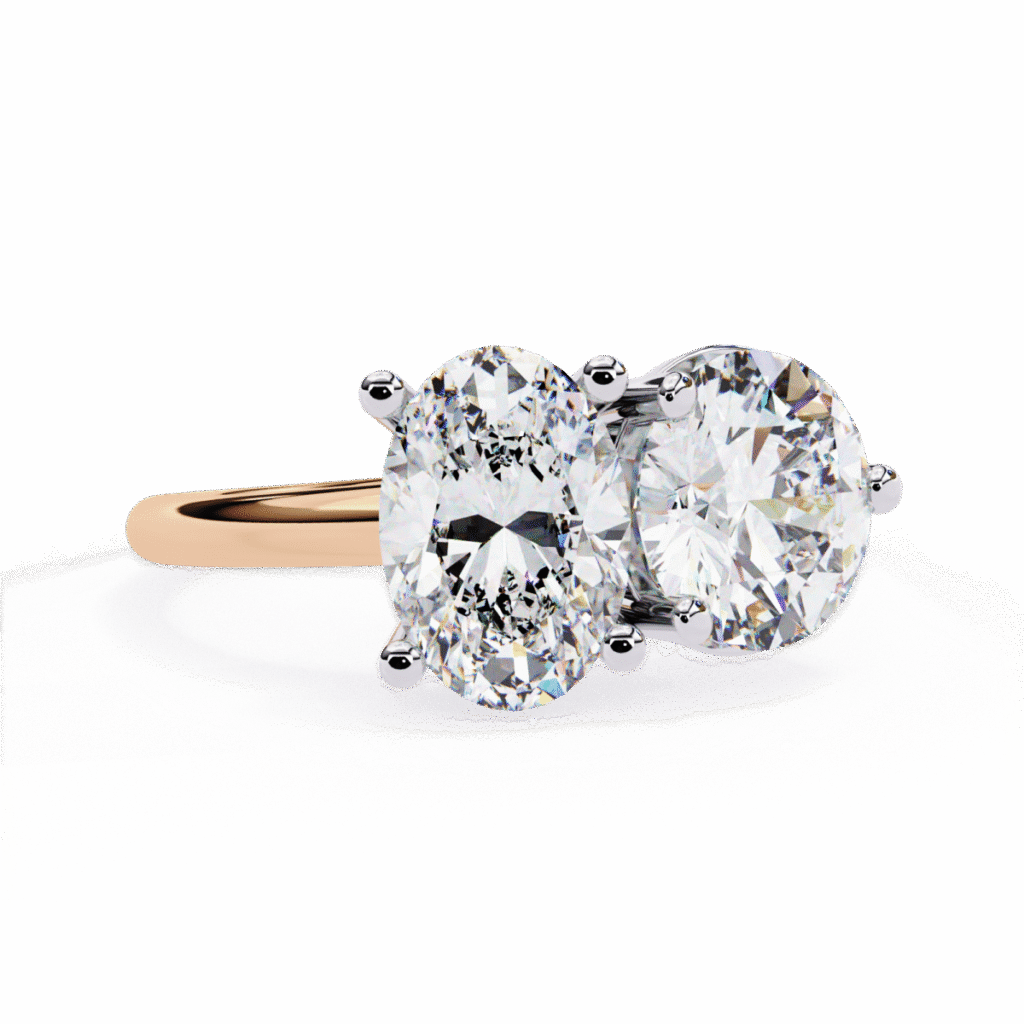
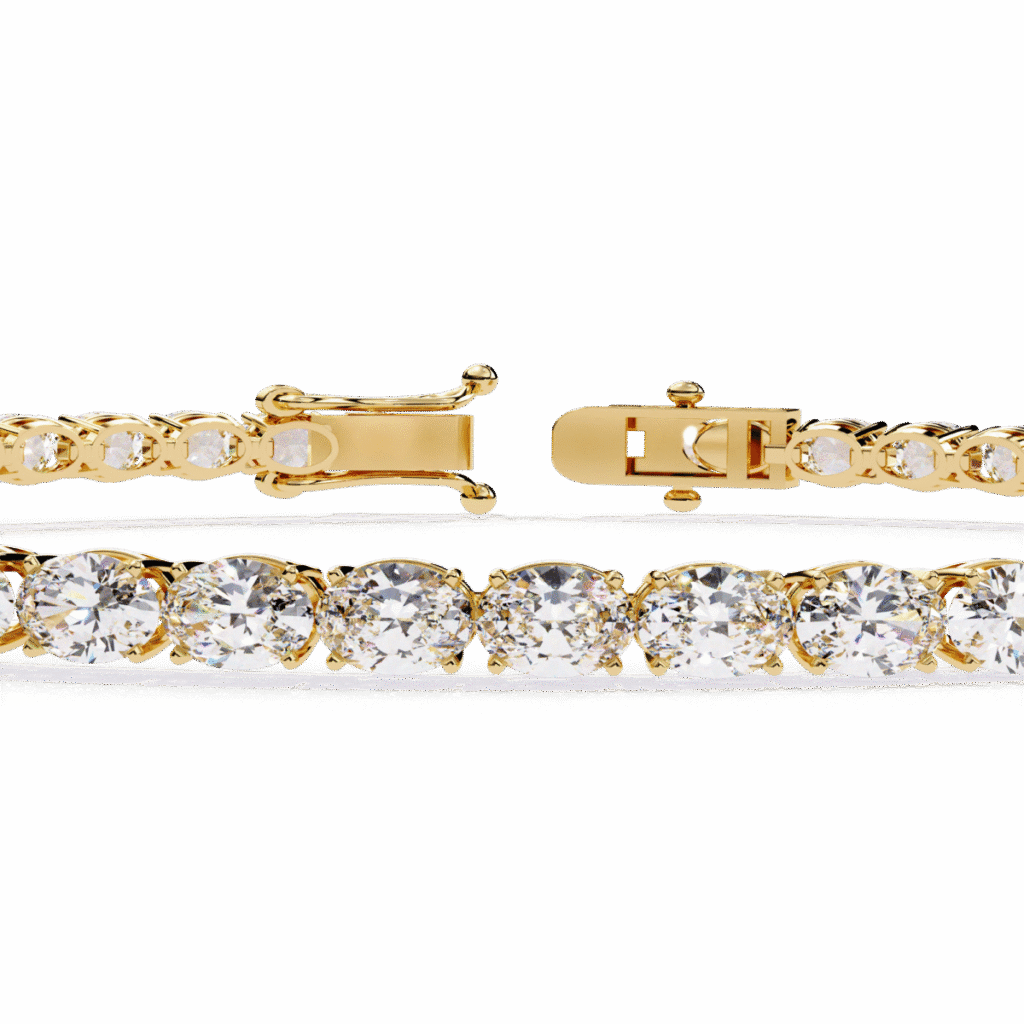
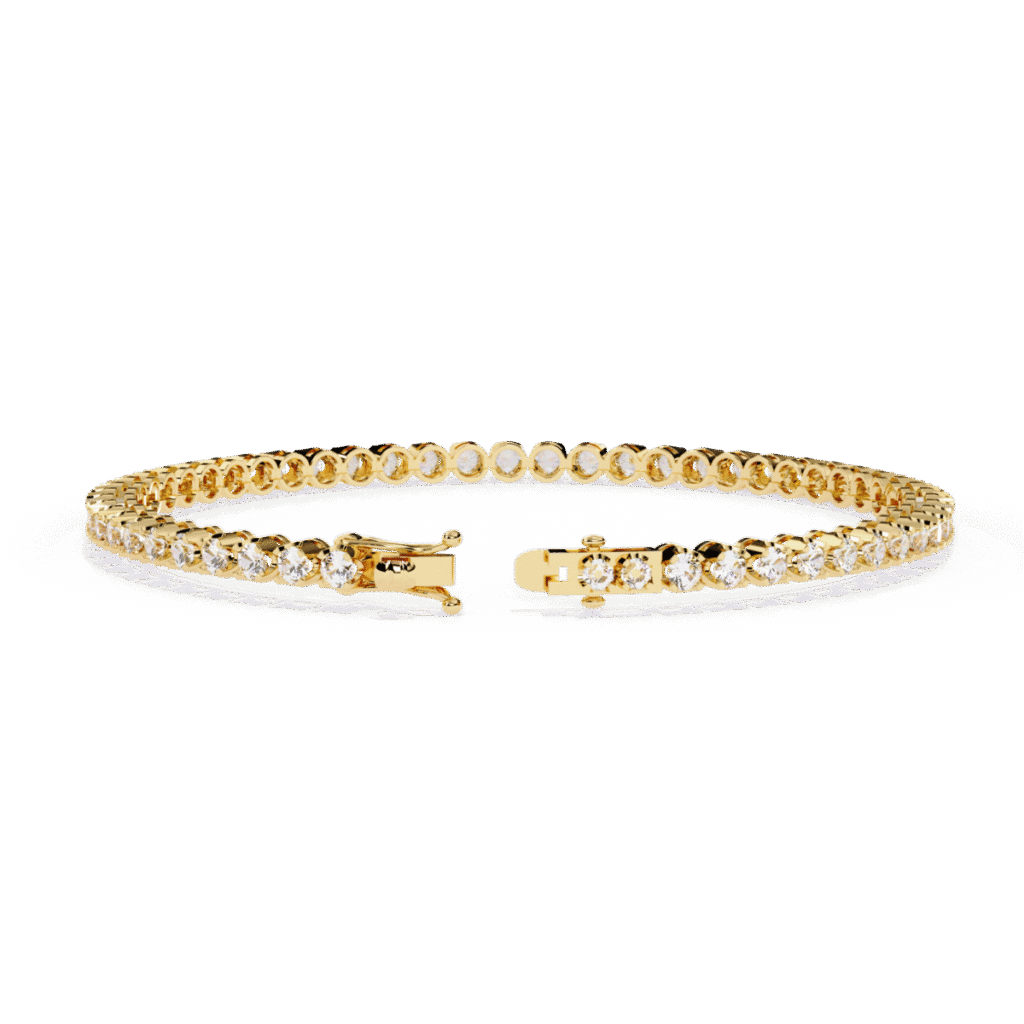
We design with duality in mind—balancing timeless elegance with contemporary flair. Each piece is sketched with versatility at its core: it should look just as striking at a cocktail event as it does at a quiet family celebration. We also draw inspiration from architectural forms, heritage motifs, and modern femininity. The use of lab-grown diamonds gives us the freedom to play with structure and scale, allowing innovation without the traditional constraints of cost or sourcing ethics.
Product Innovation & Development
Lab-grown diamonds are central to your offering. Can you take us through the idea, process, and evolution of this choice?
When I first came across lab-grown diamonds, I was intrigued—not just by the science, but by the possibility. Here was a diamond chemically and optically identical to a mined one, but with a dramatically lower environmental footprint. It aligned perfectly with what I believed the future should look like. We source only certified Type IIa lab-grown diamonds—known for their superior purity—and work with cutting-edge growers who align with our ethical standards. Over time, we’ve built systems to ensure traceability, consistent quality, and transparency, which are foundational to the Aupulent promise.
What makes Aupulent’s craftsmanship distinct, and how do you ensure quality while embracing sustainable materials?
Craftsmanship is our bridge between heritage and innovation. Every Aupulent piece is hand-finished by skilled artisans—many of whom have worked with our family for generations. We’ve invested in upgrading our manufacturing to accommodate lab-grown diamonds, which behave slightly differently during setting. But our obsession with detail remains the same. From the alloys we use to our recycled gold and minimal-waste processes, we treat sustainability not as an afterthought but as an integral design and production principle.
Market Insights & Consumer Behavior
What consumer shifts have you noticed, especially among younger buyers? How do these shape Aupulent’s brand direction?
Younger buyers are re-writing the playbook. They’re value-driven, research-oriented, and keen to support brands that reflect their worldview. We’ve seen a rise in customers choosing lab-grown diamonds not just for the cost advantage, but because they resonate with the story of innovation, responsibility, and empowerment. This shapes everything we do—from how we engage on social media to the kind of collections we launch. We’re not just selling jewellery; we’re co-creating a lifestyle with our audience.
How do you tackle common myths around lab-grown diamonds and build trust with your customers?
Education is key. Many consumers still confuse lab-grown with imitation stones or assume they’re somehow ‘less real.’ We address this head-on through transparent communication, certified documentation, and in-store storytelling. Our team is trained to explain the science and philosophy behind lab-grown diamonds in a way that feels approachable, not preachy. The moment a customer understands that a lab-grown diamond is identical in brilliance, structure, and value—they’re not just convinced, they’re converted.
Entrepreneurial Journey
As someone bridging heritage with innovation, what challenges have you faced building a digitally native, ethical jewellery brand?
One of the biggest challenges has been changing mindsets—both inside and outside the industry. Building a premium brand on the back of something ‘new’ like lab-grown diamonds meant facing skepticism. Being digital-first in a traditionally high-touch industry also required us to rethink trust, luxury, and user experience from the ground up. But these challenges became our fuel. We leaned into storytelling, customer service, and authenticity to build credibility. Every doubt became an opportunity to educate.
Looking ahead, what are your goals for Aupulent? How do you see it evolving in the Indian and global luxury landscape?
Our immediate goal is to deepen our presence across India, especially through our flagship Chandigarh store and expanding our digital footprint. In the long run, we aim to make Aupulent synonymous with conscious luxury—whether in India or overseas. I see us collaborating with global designers, expanding into fine bespoke pieces, and perhaps even exploring crossover collections that blend astrology and aesthetics—something uniquely Indian, yet universally appealing. The dream is to not just lead the lab-grown movement, but to redefine what Indian luxury stands for in the 21st century.







JB Insights
CIBIL Score Plays A Key Role In Festive Financing
A Consumer’s CIBIL Score and Report Play A Decisive Role In Determining Loan Eligibility, Interest Rates, and Overall Borrowing Terms During High-Spending Seasons.


Gold in India is more than just a precious metal; it represents tradition, emotion, and long-term financial security. As major celebrations such as Dhanteras, Diwali, and the upcoming wedding season approach, consumer demand for gold reaches its annual peak.
However, with gold prices rising due to both global macroeconomic pressures and heightened domestic demand, an increasing number of buyers are turning to credit options—specifically gold loans and personal loans—to finance their festive purchases.
In light of these market dynamics, maintaining awareness of one’s financial profile is critical.
A consumer’s CIBIL Score and Report play a decisive role in determining loan eligibility, interest rates, and overall borrowing terms during high-spending seasons.
The Mechanics Behind Festive Gold Price Surges
Gold prices do not move in isolation. The seasonal increase in retail price is driven by a combination of key domestic and international factors:
Global Economic Uncertainty: International market volatility frequently drives capital into gold as a traditional safe-haven asset.
Macroeconomic Indicators: Currency fluctuations and persistent inflation impact local procurement costs.
Domestic Seasonal Demand: Concentrated buying during auspicious cultural dates creates short-term supply-demand imbalances, further driving up retail costs.
The Strategic Role of Your CIBIL Score in Festive Financing
When household budgets face pressure during peak shopping periods, credit-based financing offers immediate liquidity. Whether securing an uncollateralized personal loan or a loan against existing gold holdings, financial institutions rely heavily on credit risk assessments.
The CIBIL Score—a 3-digit numerical summary ranging from 300 to 900—serves as the primary benchmark for creditworthiness:
Approval Probability: A high CIBIL Score significantly increases the likelihood of quick loan sanctioning.
Cost of Capital: Lenders offer competitive, lower interest rates to high-scoring applicants, reducing total borrowing costs.
Flexible Repayment Structure: Favorable credit profiles grant borrowers stronger leverage to negotiate manageable tenure options.
Best Practices for Smart Festive Borrowing
To enjoy festive celebrations without compromising long-term financial stability, consumers are advised to adopt responsible borrowing strategies:
Check Credit Reports Early: Review your CIBIL Report prior to applying for financing to resolve any discrepancies or evaluate your standing.
Borrow Within Limits: Limit loan amounts strictly to what can be comfortably serviced within monthly household budgets.
Maintain Timely Repayments: Ensure all equated monthly installments (EMIs) are paid on time to avoid negative marks on your credit profile.
By pairing festive financial planning with active credit monitoring, consumers can meet their cultural commitments while preserving robust financial health for the future.



-

 New Premises4 hours ago
JGP Jewellers Opens Its 26th Store In Nipani, Marking Its Entry Into Karnataka
-

 New Premises3 hours ago
ICA | GemLab India Inaugurates Gemological Laboratory In Surat
-

 GlamBuzz3 hours ago
The Art Of Festive Dressing: Celebrity Jewellery Moments From Kalyan Navaratri
-

 National News2 hours ago
Global and Domestic Precious Metals Trading Under Pressure
