
National News
Kalyan Jewellers Q4 Update:Revenue Surges 37% Year-on-Year

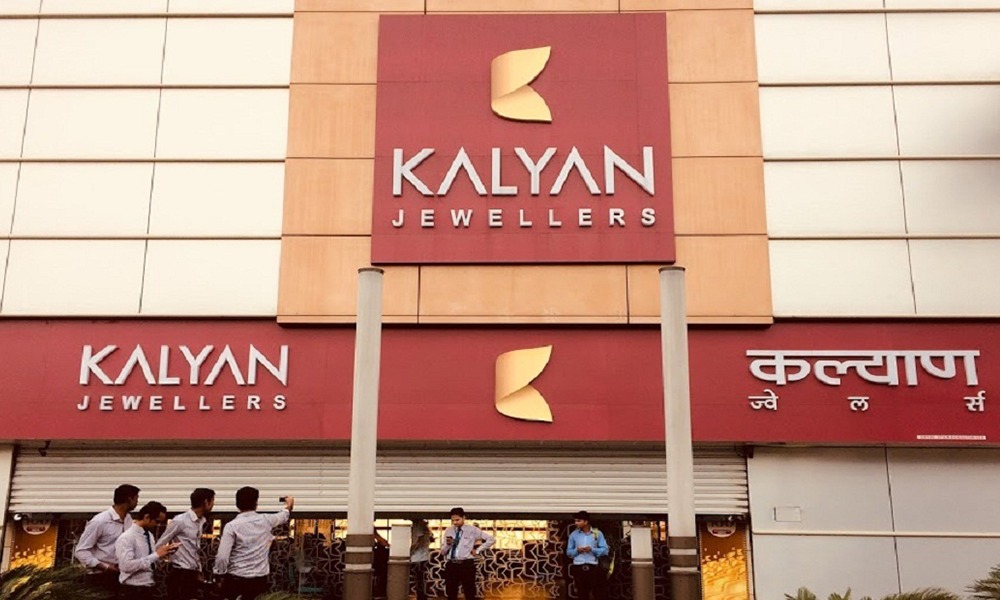
The recently concluded quarter has been a very fulfilling one recording consolidated revenue growth of approximately 37% when compared to the same period in the previous financial year despite extreme volatility in the gold prices.Our India operations witnessed revenue growth of approximately 39% during Q4 FY2025 as compared to Q4 FY2024, driven primarily by robust wedding demand. The quarter recorded healthy same-store-sales-growth of approximately 21%.
We launched 25 Kalyan showrooms in India during the recently concluded quarter, and another 3 showrooms during the first week of April 2025. We launched 14 Candere showrooms during Q4 FY 2025.
In the Middle East, we witnessed revenue growth of approximately 24% when compared to the same period in the previous financial year driven primarily by same-store-sales-growth. Middle East contributed approximately 12% to our consolidated revenue for the recently concluded quarter.
Our digital-first jewellery platform, Candere, recorded a revenue de-growth of approximately 22% during the recently concluded quarter as compared to the same period during the last year.
As communicated earlier, for FY 2026, we have drawn up plans to launch 170 showrooms across Kalyan and Candere formats – 75 Kalyan showrooms (all FOCO) in non-south India (including 5 larger-format flagship Kalyan showrooms), 15 Kalyan showrooms (all FOCO) across south India and international markets and 80 Candere showrooms in India. We have completed signing LOIs for the Franchisee Owned Company Operated (FOCO) showrooms planned for the year in India.
Kalyan is upbeat about the ongoing quarter and are witnessing encouraging trends in the advance collections for both Akshaya Tritiya as well as for wedding purchases for the festive/wedding season.As of March 31, 2025, our total number of showrooms across India and the Middle East stood at 388 (Kalyan India – 278, Kalyan Middle East – 36, Kalyan USA – 1, Candere – 73).







National News
IBJA, SAARTHI 360 Sign MoU To Launch ‘NextGen CEO: Leadership for the Future’
Executive Education Initiative To Equip The Next Generation Of Jewellery Manufacturers With The Leadership Capabilities, Strategic Perspective and Decision-Making Skills Required To Lead Family Businesses.

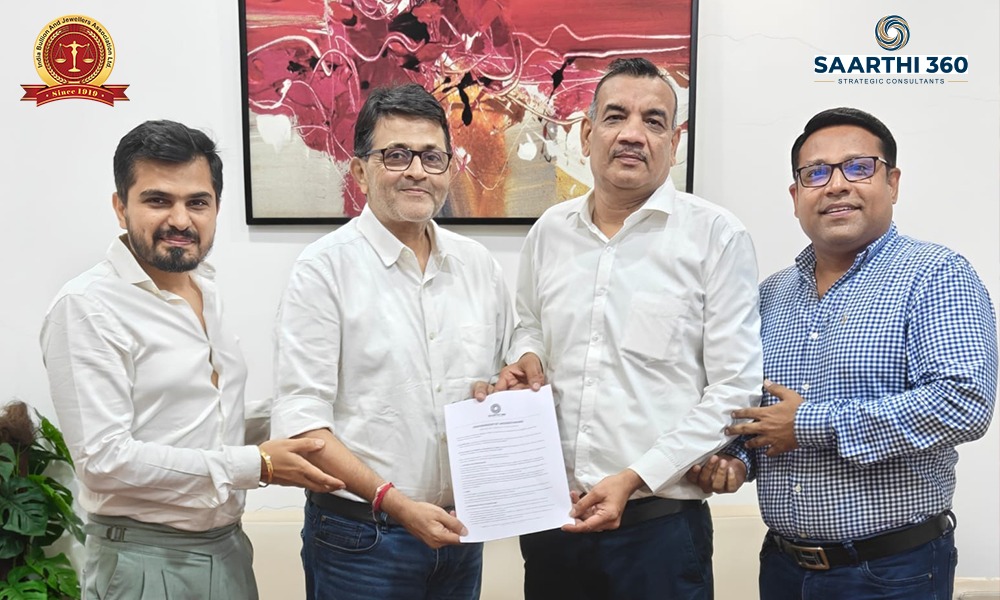
The India Bullion and Jewellers Association (IBJA) and SAARTHI 360 have signed a Memorandum of Understanding (MoU) to launch ‘NextGen CEO: Leadership for the Future’, an executive education programme designed to prepare the next generation of jewellery manufacturers for CEO and senior leadership roles in family-owned businesses.
The programme will help emerging leaders move beyond day-to-day operations by strengthening their strategic thinking, leadership judgement and managerial capabilities to improve organisational performance and support sustainable growth.
Building the Next Generation of Jewellery Business Leaders
Centred on ‘NextGen CEO — Becoming the CEO of a Family Jewellery Business’, the programme addresses leadership succession and executive decision-making in family-owned jewellery enterprises.
- Understanding the CEO’s role: Defining a CEO’s responsibilities and expectations in a jewellery business.
- Clarifying leadership and governance roles: Distinguishing among an owner, promoter, director, managing director and CEO.
- Strategic leadership versus daily operations: Moving from routine management to long-term business direction and priorities.
- Decision-making and strategic thinking: Applying structured frameworks to complex business situations.
- Managing stakeholders: Navigating relationships with family members, shareholders, employees and other stakeholders.
- Performance measurement: Using a CEO dashboard to monitor performance and support informed decisions.
- The first 100 days as CEO: Establishing priorities for the transition into executive leadership.
- Second-generation leadership challenges: Addressing succession, authority, accountability and organisational change.
- Ethics and integrity: Building trust through responsible leadership, sound governance and ethical decision-making.
Surendra Mehta, National Secretary, IBJA, said:
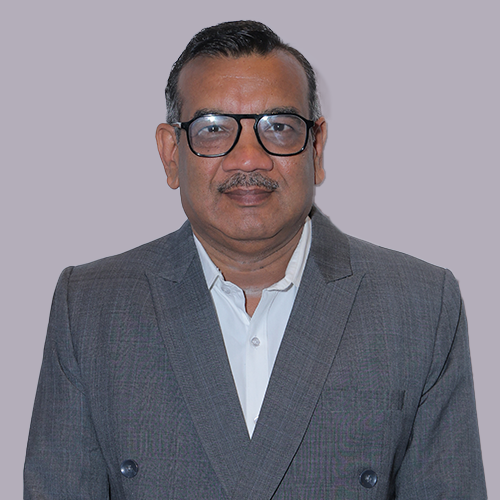
“Family-owned jewellery businesses play a significant role in India’s gems and jewellery industry. As these businesses grow and prepare for generational transitions, developing capable and confident future leaders becomes increasingly important. Through this initiative, we aim to help the next generation build the clarity, discipline and leadership capabilities needed to take their businesses forward while preserving the strengths of their family legacy.”
Binit Bhatt, Partner, SAARTHI 360, said:
“Becoming a CEO is about much more than inheriting a title. It requires a fundamental shift in mindset—from managing day-to-day operations to setting direction, making informed decisions, building accountability and earning the confidence of family members, employees and other stakeholders. The NextGen CEO programme is designed to equip emerging leaders with practical frameworks and perspectives that they can apply to the realities of their own businesses.”
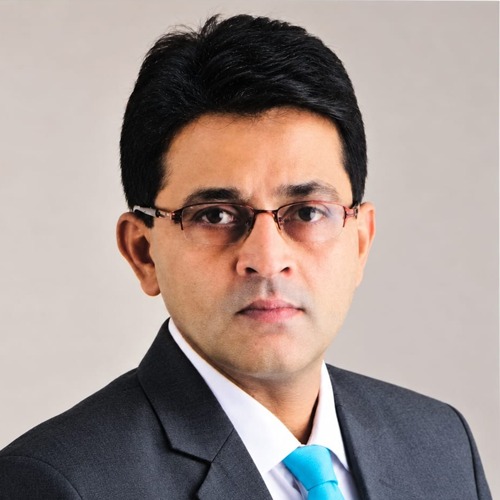
Hitesh Khandelwal, Partner, SAARTHI 360, said:
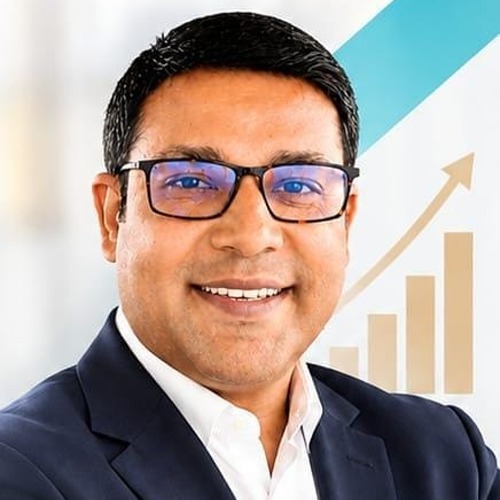
“Jewellery businesses are navigating an important generational transition, where preserving a strong legacy must go hand in hand with professional management and strategic thinking. Through NextGen CEO, we aim to help emerging leaders develop the confidence, capabilities and business perspective required to lead effectively, drive sustainable growth and prepare their organisations for the future.”



Gargi By P N Gadgil & Sons Invites Women To #GETNOTICED This Diwali In New Campaign With Mithila Palkar

IBJA, SAARTHI 360 Sign MoU To Launch ‘NextGen CEO: Leadership for the Future’

Jos Alukkas Unveils New Website For A Seamless Online Jewellery Shopping Experience

Dhanteras Shopping Guide 2026:Gold, Silver, Diamonds & Festive Jewellery Trends To Watch

The Solenne Collection: A Celebration Of Diwali By Bharti Bangur Fine Jewels

From Diya Puja To Diwali Soirées: Jewellery Designed To Go Beyond The Festive Season
-
 JB Insights4 days ago
Dhanteras Shopping Guide 2026:Gold, Silver, Diamonds & Festive Jewellery Trends To Watch
-
 BrandBuzz4 days ago
The Solenne Collection: A Celebration Of Diwali By Bharti Bangur Fine Jewels
-
 BrandBuzz4 days ago
From Diya Puja To Diwali Soirées: Jewellery Designed To Go Beyond The Festive Season
-
 National News4 days ago
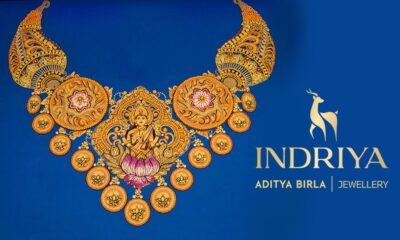
Indriya, Aditya Birla Jewellery Unveiled India’s Largest Sustainable Jewellery Rangavalli
