
International News
Jewellery exporters leveraging digital marketing to access US market


Indian jewellery exporters are leveraging digital marketing to enhance online sales in the US to mitigate potential tariff impacts. Taking advantage of the de minimis exemption, they aim to boost ecommerce transactions by promoting direct-to-consumer sales and simplifying cross-border logistics with partners like DHL.
Indian jewellery exporters are using digital marketing to push online sales among potential buyers in the US, as they look for ways to minimize the impact of reciprocal tariffs, which the Trump administration has threatened to bring into effect from April 2.
The US allows jewellery worth up to $800 to enter the country free of tariffs and with minimal customs inspection and processing. Most of these imports, shipped by postal and express delivery services, are retail products purchased online.
In early February, the Trump administration announced it would immediately eliminate the “de minimis exemption” for low-value shipments arriving from China. The announcement led to a backlog of packages at the US ports of entry. When the Customs and Border Protection (CBP) realised that it was not prepared to deal with the huge volume of packages, the Trump administration backed off and instead announced it would create a process for eventually eliminating the exemption for China.

“As global trade shifts from multilateral to bilateral frameworks, the de minimis principle-allowing small-value, direct to consumer (D2C) parcels to enter duty-free-offers Indian exporters, especially in gems and jewellery, a significant advantage,” Kirit Bhansali, Chairman GJEPC said. “This simplified process provides direct access to consumers worldwide without duties. It is estimated that 70-80% of ecommerce exports fall under US$ 200, making gems and jewellery an ideal fit due to their low weight, which reduces logistics costs.
According to GJEPC’s forecast, the US jewellery ecommerce market is expected to reach $6,608.1 million in 2025. The expected compound annual growth rate for the next four years (CAGR for 2025-2029) is 3.9%, resulting in a projected market volume of $7,714.9 million by 2029.
Trade sources said that many mid- and small-sized Indian jewellery retailers are selling their products in the US through different e-commerce sites.






GlamBuzz
The Met Goes Desi: Inside Sabyasachi’s Showstopping Diwali Dhamaka in New York
Sabyasachi transformed the grand museum halls into a lavish celebration of Indian heritage and global luxury. The decor was a masterclass in maximalist artistry.
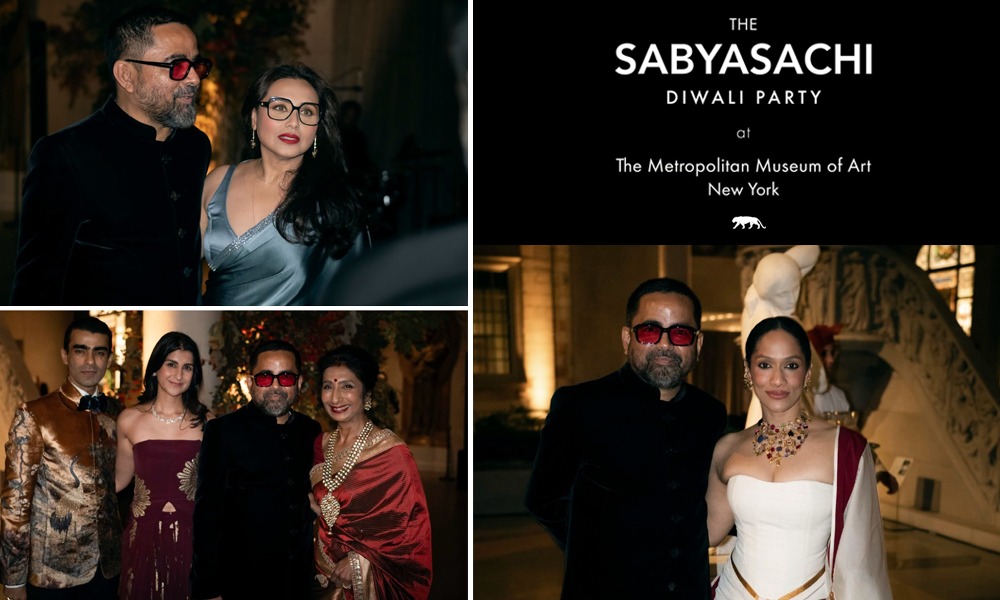
On October 21, Indian craftsmanship, high fashion, and luminous festive spirit converged at New York City’s Metropolitan Museum of Art as designer Sabyasachi Mukherjee hosted a grand Diwali gathering at one of the world’s most prestigious cultural landmarks.
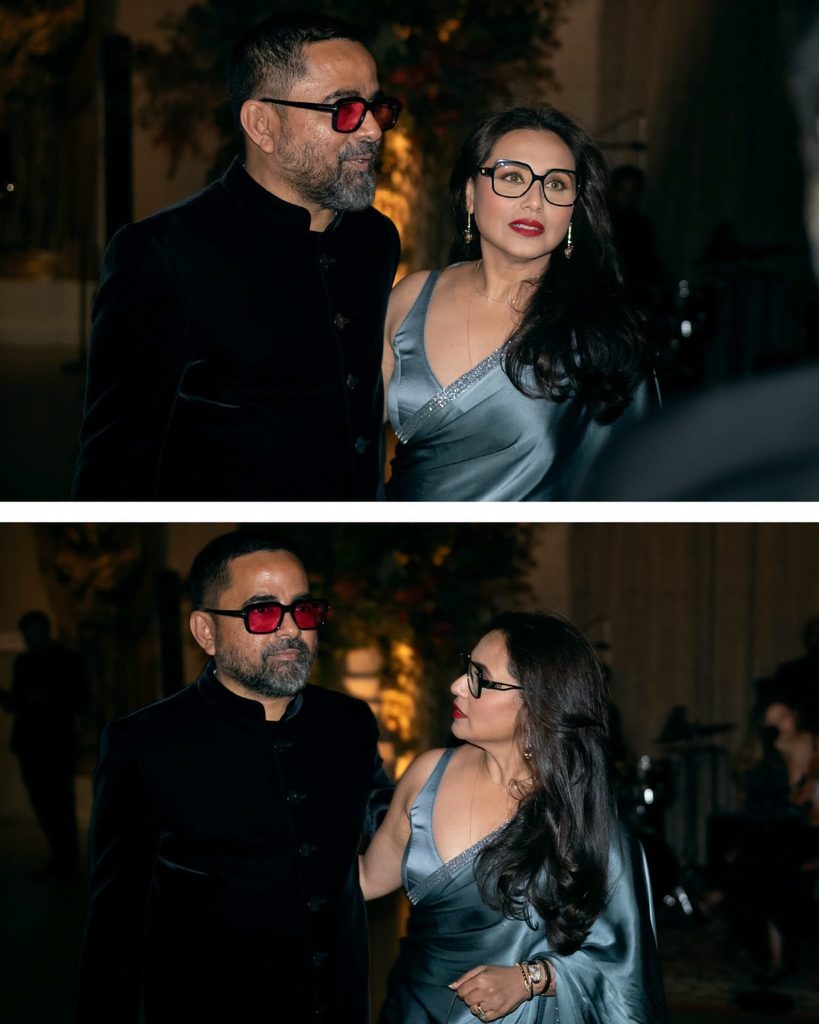
Where the legendary Met Gala annually redefines Western fashion, Sabyasachi transformed the grand museum halls into a lavish celebration of Indian heritage and global luxury. Waiters in vermilion safas moved gracefully beneath the Tiffany loggia, while a jazz ensemble set a soulful tone for an evening where traditional grandeur met modern elegance.
The decor was a masterclass in maximalist artistry. Rich autumn hues, dramatic floral arrangements, cascading pomegranates, and a extraordinarily lifelike peacock installation turned the venue into a lush, garden-inspired masterpiece. At the center sat an opulent, 16-foot grazing table draped in brocade, showcasing a feast that seamlessly paired international delicacies with traditional Indian mithai.
Rani Mukerji: quiet sparkle
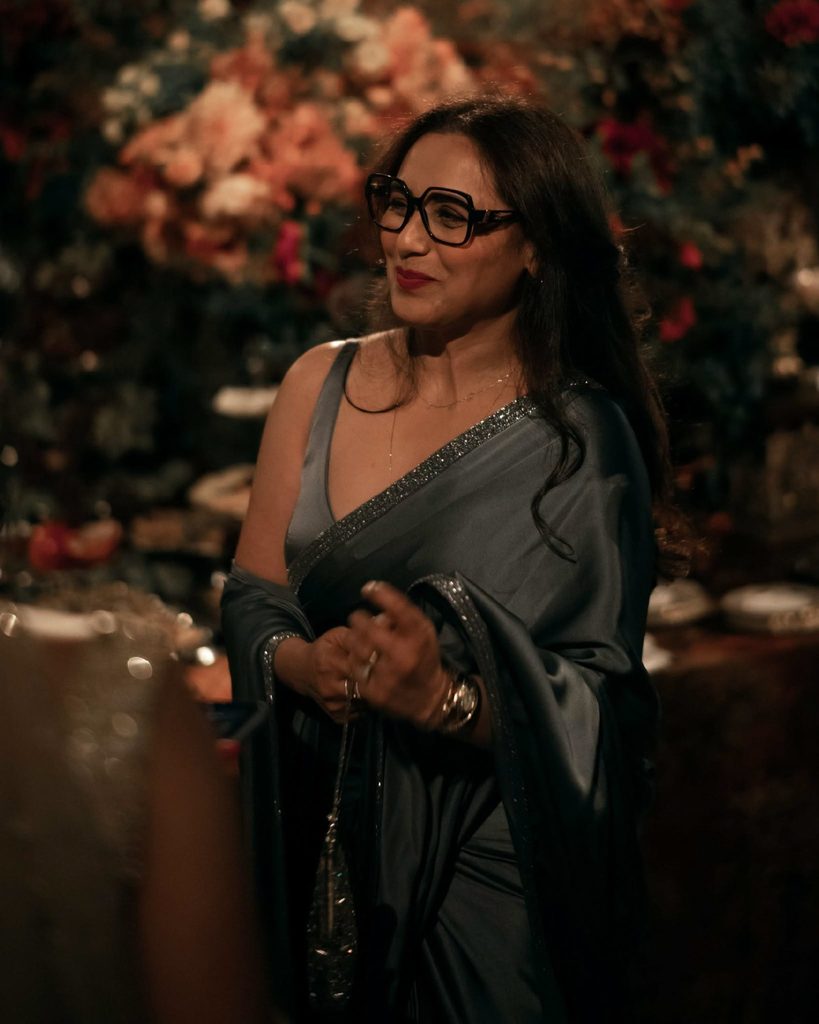
Actor Rani Mukerji, a longtime muse and close friend, turned heads in a fluid, gunmetal satin saree edged with subtle crystal, paired with a matching sleeveless blouse, oversized black frames, and a sparkling silver clutch. She paired her liquid-grey satin saree with deliberately understated jewellery: delicate drop earrings, layered bracelets and a metallic wristwatch. The effect was polished rather than ornate, letting the saree’s sheen and her bold black square glasses carry the styling.
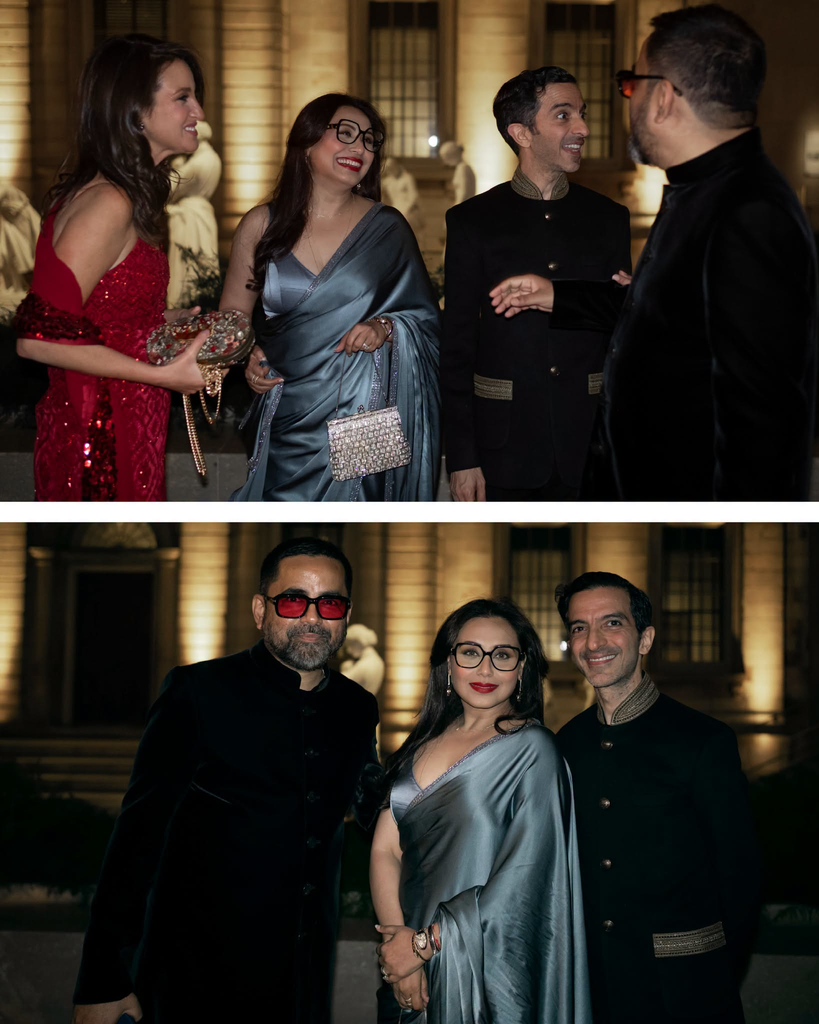
Her silver-embellished mini chain bag added the evening’s main hit of sparkle, making the look a strong example of contemporary festive minimalism—ideal for a museum setting where the outfit needed to feel elegant without competing with the art.
Masaba Gupta: colour-led statement
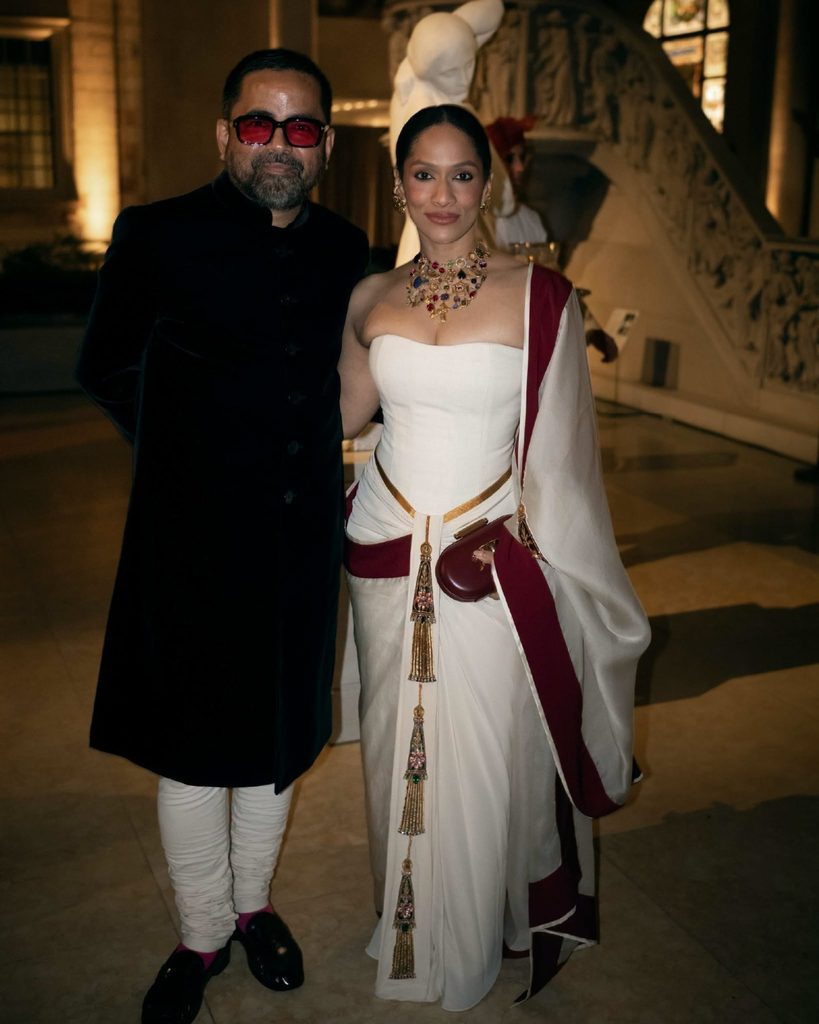
Masaba Gupta chose the evening’s most jewellery-forward look: a multicoloured gemstone statement necklace from the House of Masaba x Amrapali collaboration, reportedly the “Trinket Hoarder” neckpiece in 18-karat antique-finish gold, diamonds and mixed colourful gemstones.
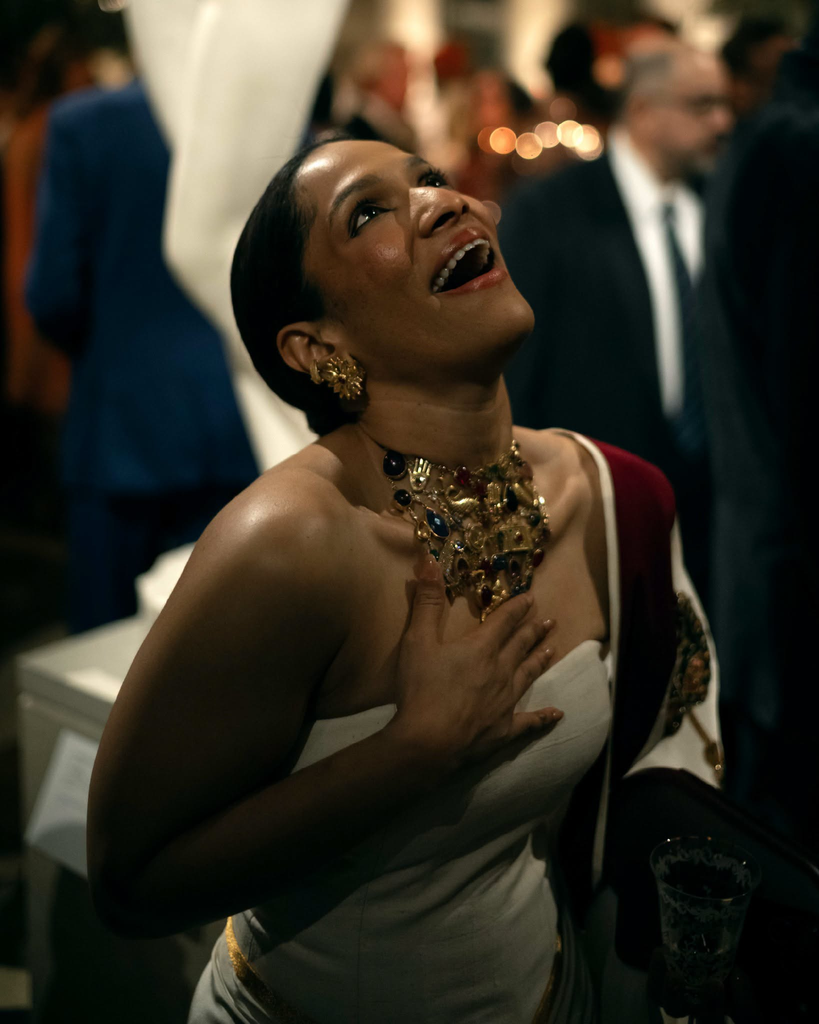
She balanced the vibrant choker with large gold sunburst earrings, a sleek centre-parted bun, black sunglasses and Sabyasachi’s maroon tiger-emblem clutch. The jewellery gave her ivory-and-crimson “laal paar”-inspired ensemble a distinctly maximal, heritage-meets-pop edge.
The wider Jewellery mood
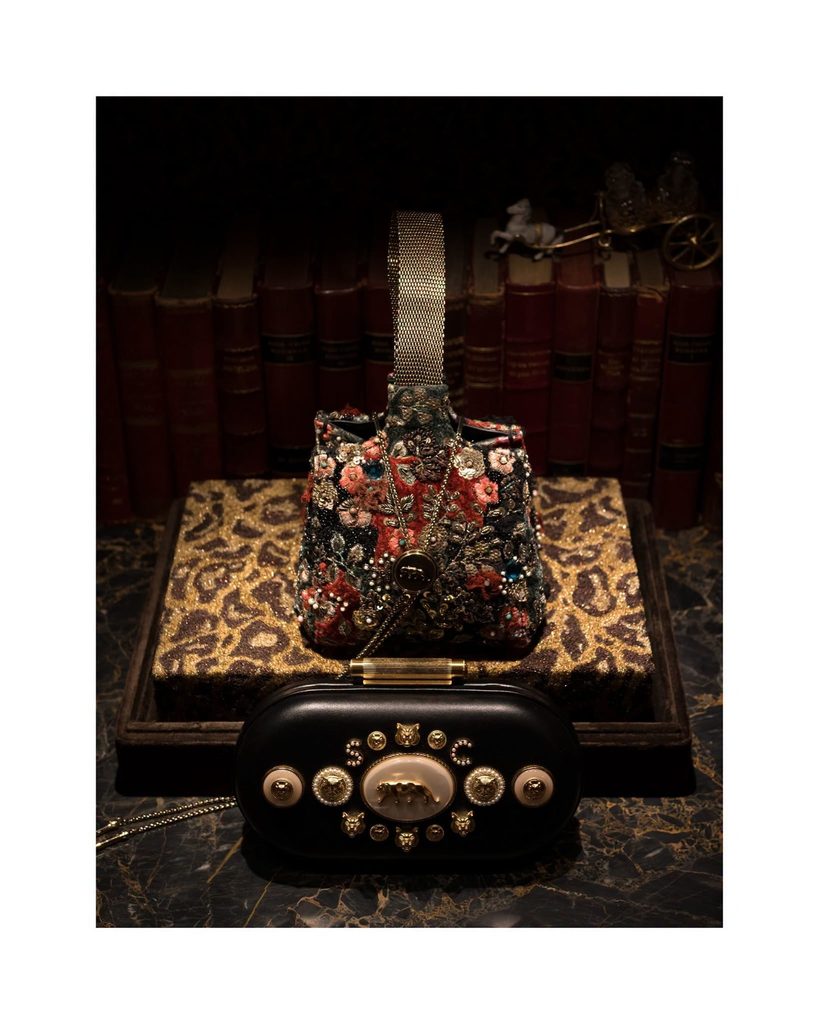
Guests broadly favoured rich Indian craft codes—brocade jackets, sequined sarees, lehengas and embellished Sabyasachi layers—while accessories ranged from subtle metallic accents to bold gem-set neckpieces. Sabyasachi’s signature Pineapple bag, handcrafted with metalwork, stone or crystal inlay and bead or sequin detailing, reinforced the party’s jewellery-adjacent luxury language.
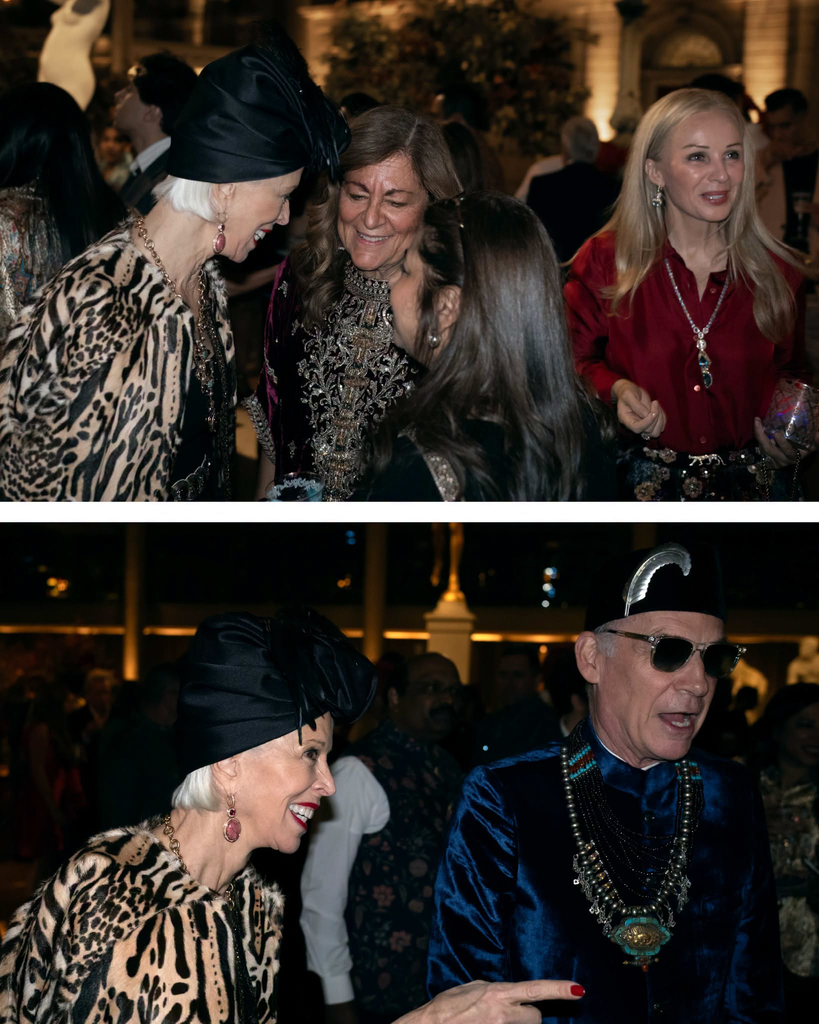
The Met celebration signalled a shift in high-profile Diwali dressing: instead of layered traditional gold, the standout formula was either one exceptional gemstone statement or clean metallic minimalism, with craft-led bags and eyewear used as styling punctuation.



Aisshpra Gems & Jewels Opens Four Stores in One Day, Takes Network to 20; Targets 30 Stores by March 2028

The Met Goes Desi: Inside Sabyasachi’s Showstopping Diwali Dhamaka in New York

Jewellers Expect Healthy Festive and Wedding Demand Amid Evolving Consumer Preferences

Dhanteras Shopping Guide 2026:Gold, Silver, Diamonds & Festive Jewellery Trends To Watch

From Diya Puja To Diwali Soirées: Jewellery Designed To Go Beyond The Festive Season

Indriya, Aditya Birla Jewellery Unveiled India’s Largest Sustainable Jewellery Rangavalli
-
 JB Insights1 day ago
Dhanteras Shopping Guide 2026:Gold, Silver, Diamonds & Festive Jewellery Trends To Watch
-
 BrandBuzz1 day ago
From Diya Puja To Diwali Soirées: Jewellery Designed To Go Beyond The Festive Season
-
 National News1 day ago
Indriya, Aditya Birla Jewellery Unveiled India’s Largest Sustainable Jewellery Rangavalli
-
 BrandBuzz1 day ago
The Solenne Collection: A Celebration Of Diwali By Bharti Bangur Fine Jewels
