
JB Insights
India Doesn’t Have Any Jewellery Brands; They Are Marketplaces Masquerading As Brands

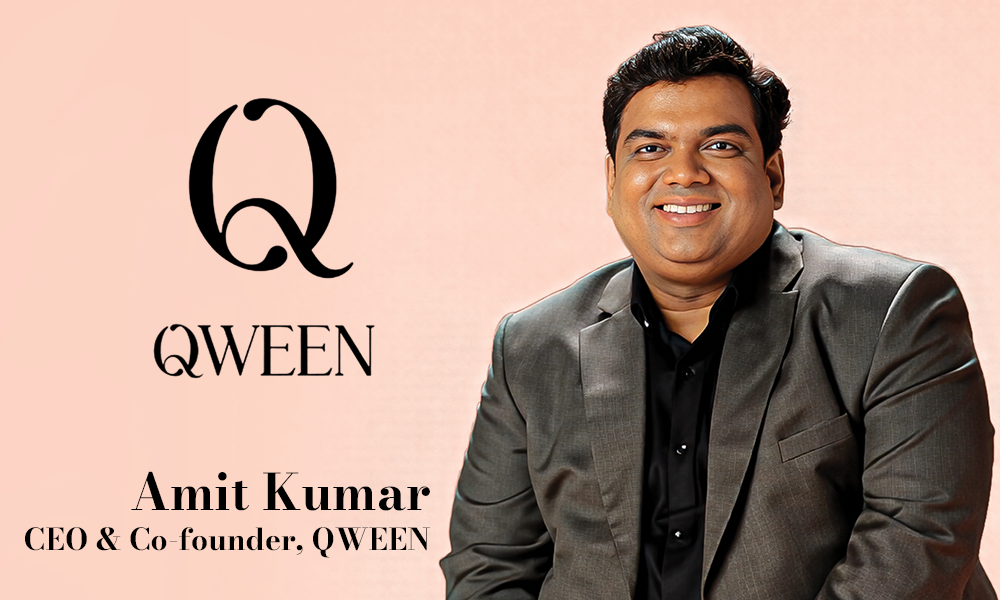
Amit Kumar, CEO & Co-founder, QWEEN, speaking to JewelBuzz, said jewellery brands are actually “marketplaces masquerading as brands.” QWEEN disrupts the fragmented diamond industry by replacing “aggregator” models with a 100% natural, Mine-to-Market approach. By sourcing exclusively from Rosy Blue, they maintain a closed-loop supply chain that guarantees a documented, audited journey for every stone. Moving beyond marketing jargon, QWEEN prioritises transparency and ethical integrity through Kimberley Process compliance, transforming the intimidating traditional buying process into a confident, self-discovery experience for the modern woman.
You’ve made a bold claim that most Indian jewellery brands are actually “marketplaces masquerading as brands.” What do you mean by that?
For decades, the industry has operated on an illusion. Most retailers act like aggregators—they source diamonds from a vast web of multiple vendors in various batches. Much like a restaurant sourcing ingredients from different suppliers to save costs, these jewellers prioritise efficiency over consistency. The result is a fragmented supply chain where even the jeweller often cannot tell you the true origin of the stones they are selling. We felt modern luxury deserved better than that ambiguity.
QWEEN calls itself India’s first “100% natural, Mine-to-Market” brand. How does your sourcing model actually differ from the norm?
We chose a path that is intentionally harder and slower. Instead of juggling multiple vendors, we source every single diamond from one revered origin: Rosy Blue. With over 63 years of heritage, they aren’t just a supplier; they are our strategic supply-chain investors. Because they are sightholders with direct access to ethically sourced rough diamonds, we have a documented, audited chain of custody. We don’t just trace a diamond to a country; we trace it through its entire journey.
Ethical sourcing is a popular buzzword. How do you move beyond “marketing narratives” to provide verifiable proof to your customers?
We believe trust is built through structural integrity, not just slogans. Every diamond at QWEEN is Kimberley Process compliant, meaning it is verifiably conflict-free by global standards. Because we don’t deal in “mixed batches,” there is zero room for inconsistency. We intend to prove this transparency directly to our customers within our retail stores, showing them the verifiable truth behind their purchase.
You often mention moving away from “jargon and intimidation” in the buying process. What does the “self-discovery” experience look like for a woman shopping at QWEEN?
Historically, buying diamonds has felt transactional or even intimidating. We want to change that. When a woman understands exactly where her diamond came from, who worked on it, and why it’s graded a certain way, the purchase transforms. It’s no longer about pressure; it’s about ownership and confidence. We want our customers to connect the diamond’s journey to their own identity and values.
What is next for QWEEN, and where can customers experience this new model of luxury?
Our philosophy is coming to life in our upcoming experiential stores in Bangalore and Delhi. These won’t just be retail spaces; they are environments designed for clarity and intent. We aren’t building this brand on the size of our assortment, but on the courage to do things differently.
| Feature | Traditional Marketplaces | QWEEN (Mine-to-Market) |
|---|---|---|
| Sourcing | Fragmented: Diamonds pass through many hands, making it hard to pinpoint origin. | Single Source: Sourced directly through Rosy Blue, ensuring a closed-loop system. |
| Traceability | Opaque: Often impossible to guarantee the exact journey of a specific stone. | Fully Documented: Offers a clear, verifiable chain of custody from the mine to the wearer. |
| Ethical Standards | Inconsistent: Rely heavily on vague marketing or secondary certifications. | Strict Compliance: 100% Kimberley Process compliant with rigorous ethical oversight. |
| Customer Vibe | Transactional: Can feel cold, intimidating, and buried in technical jargon. | Experiential: Focuses on the “story” of the diamond, making it personal and relatable. |


JB Insights
Devotion, Heritage & Diversification: The defining trends of SSI Delhi’s 3rd Edition
From sacred artistry to lifestyle-driven expansion, how top exhibitors bridged timeless tradition with modern market demand.

Spirituality as a design anchor
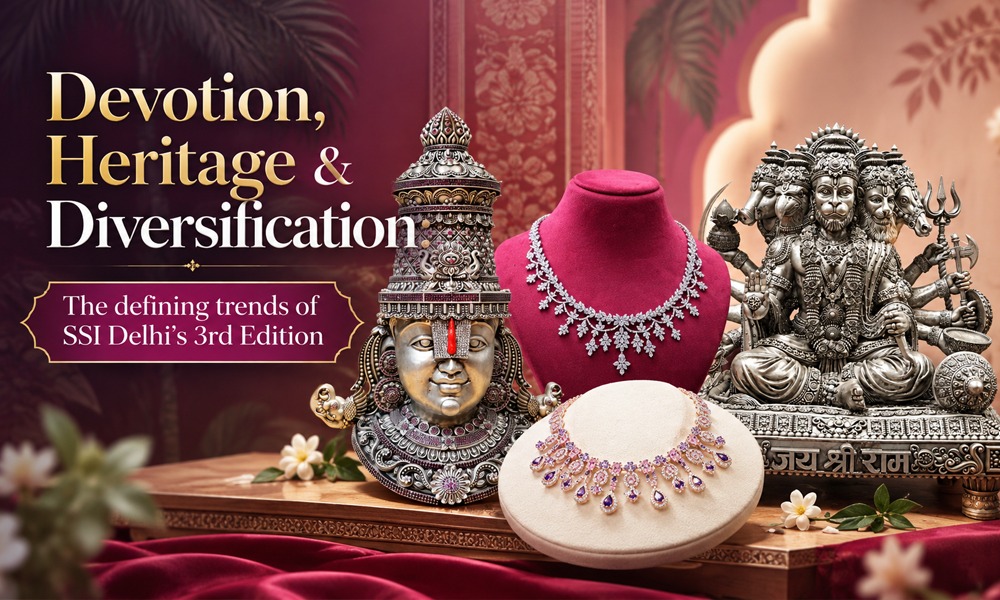
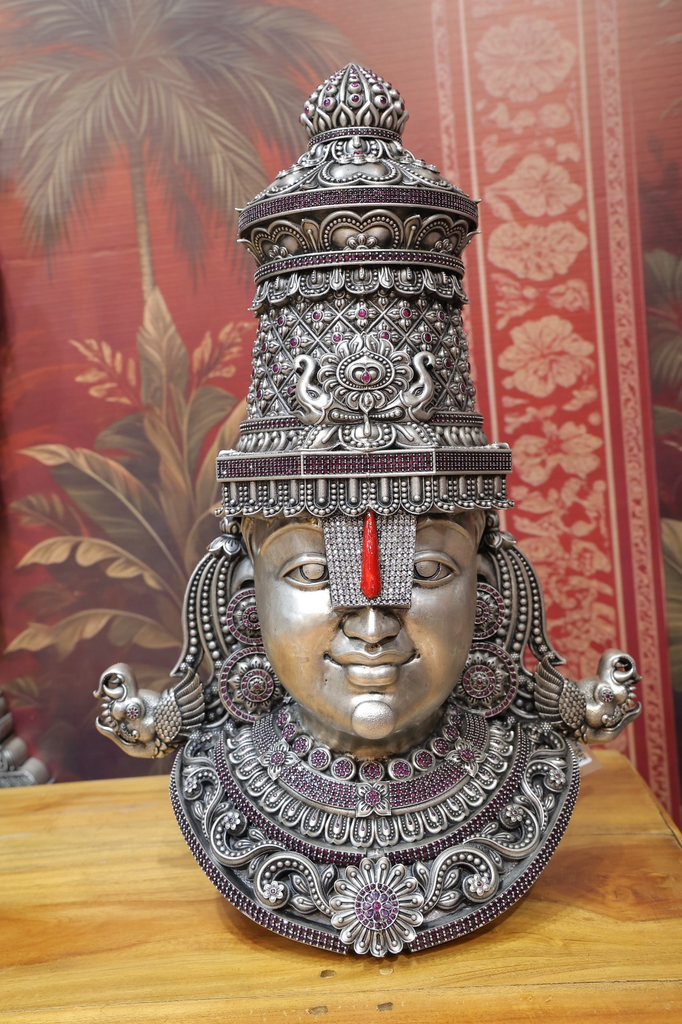
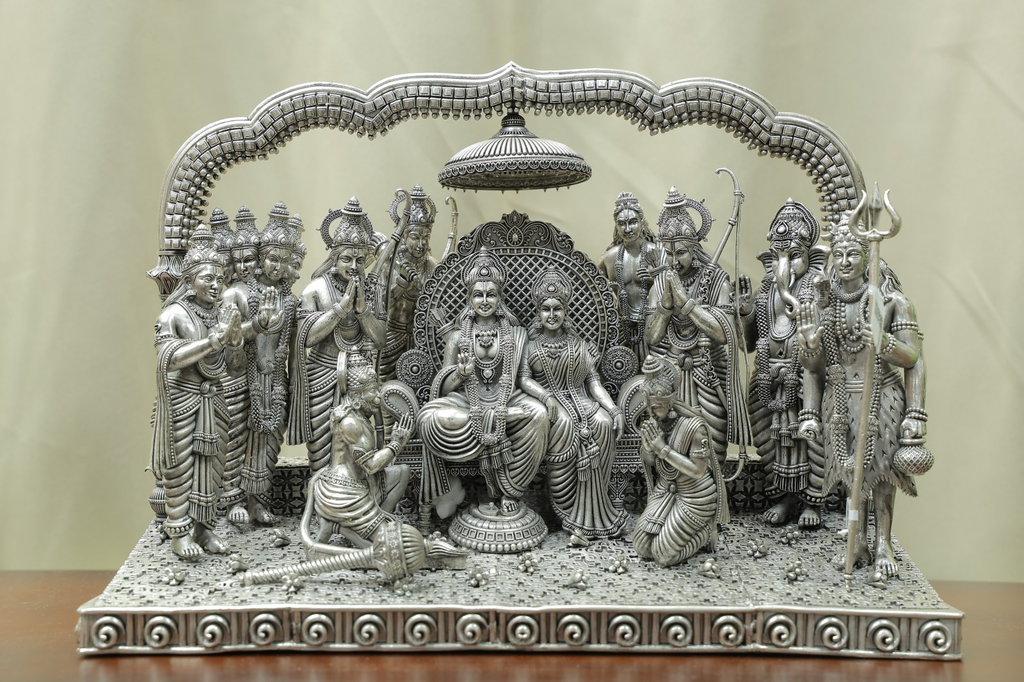
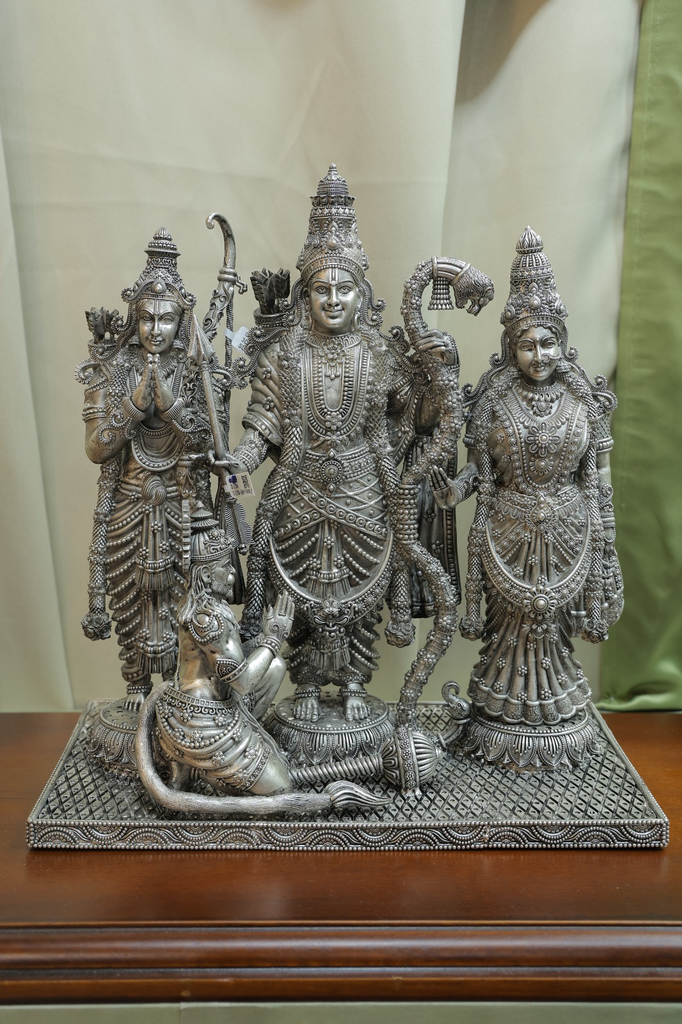
Devotional and spiritual artistry emerged as the single strongest thread of the show. Ricchezza’s Idols Collection, SILORA’s Shrinathji timepiece, Purple Jewels’ Balaji idols and Shiva Lingam, and Anmol Jewellers’ extensive range of silver and gold idols (Vishwarupa, Panchmukhi Hanuman, Ram Parivaar, and more) together show that sacred and devotional pieces are no longer a niche category but a mainstream, premium-positioned offering across exhibitors.
Antique, oxidized and heritage finishes
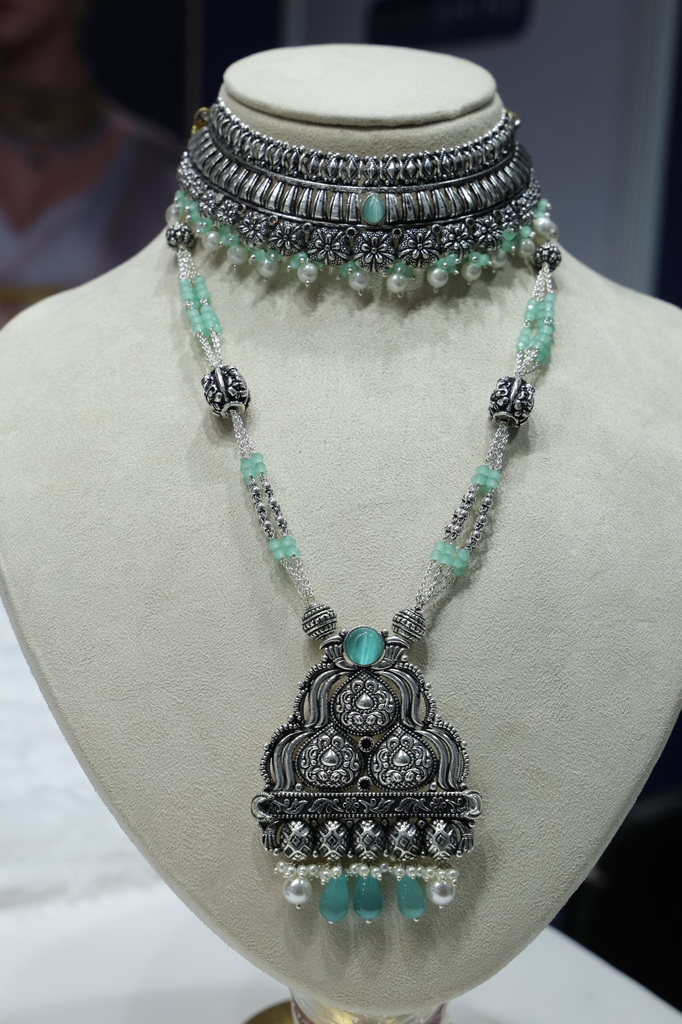
SILORA’s glorious Antique Finish Collection and Oxidized Silver Jewellery reflect a broader pull toward deep patina, folk-tribal textures, and traditional Indian artistry — a counterpoint to high-polish contemporary pieces and a signal that heritage aesthetics remain commercially strong.
Rose gold’s continued momentum
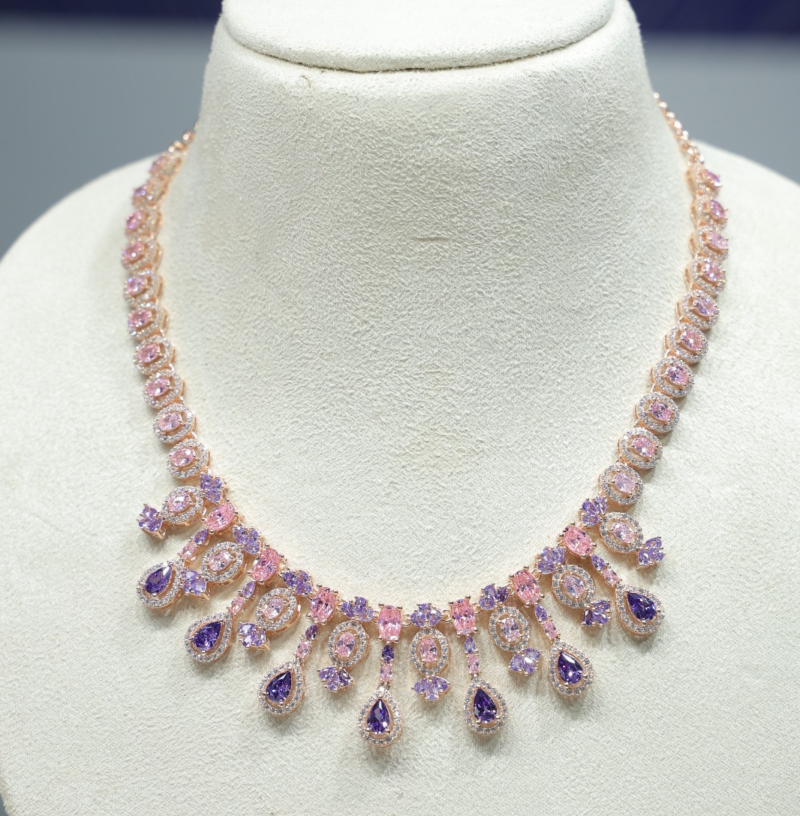
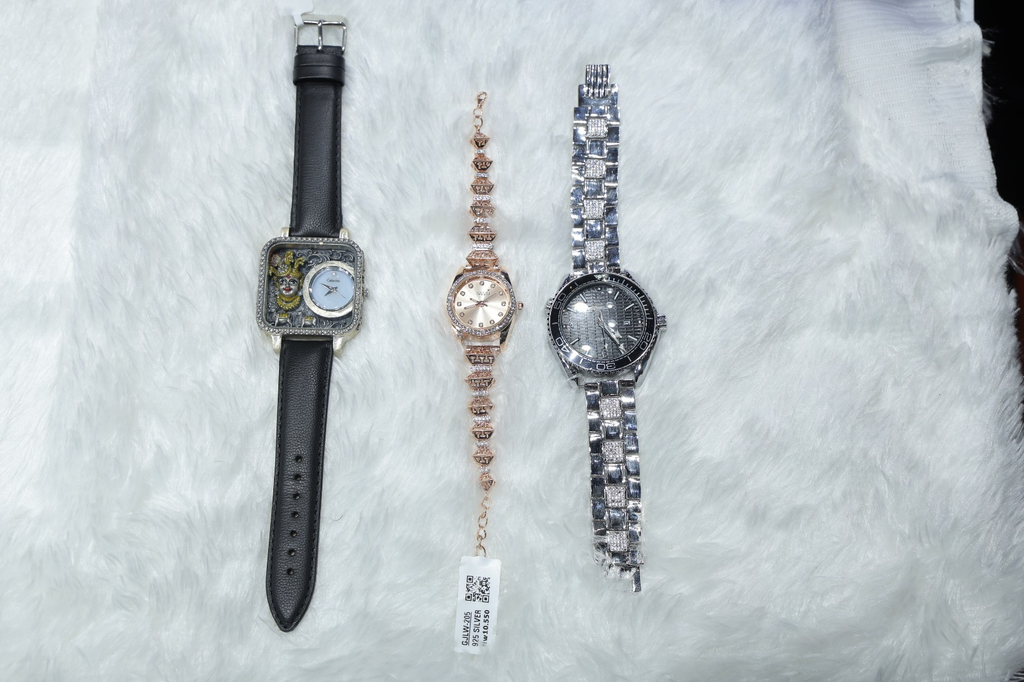
Rose gold surfaced across multiple product types — not just jewellery but also timepieces — as seen in SILORA’s Luxe Rose Gold Finish Jewellery and rose-gold-finished watches, reinforcing its position as a staple modern finish rather than a passing trend.
Category expansion beyond traditional jewellery
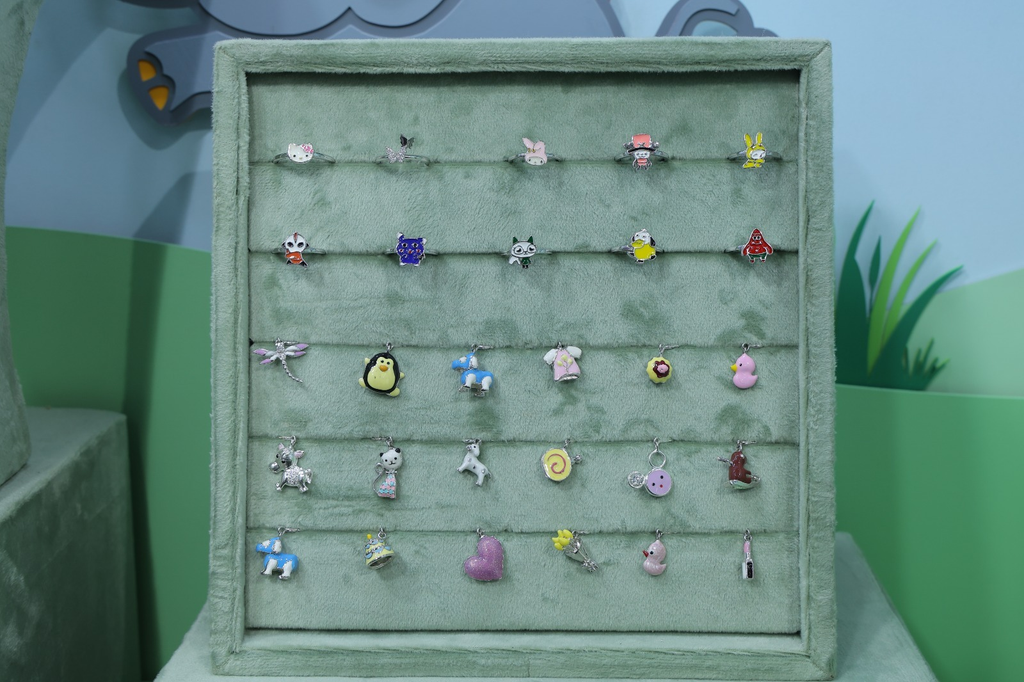
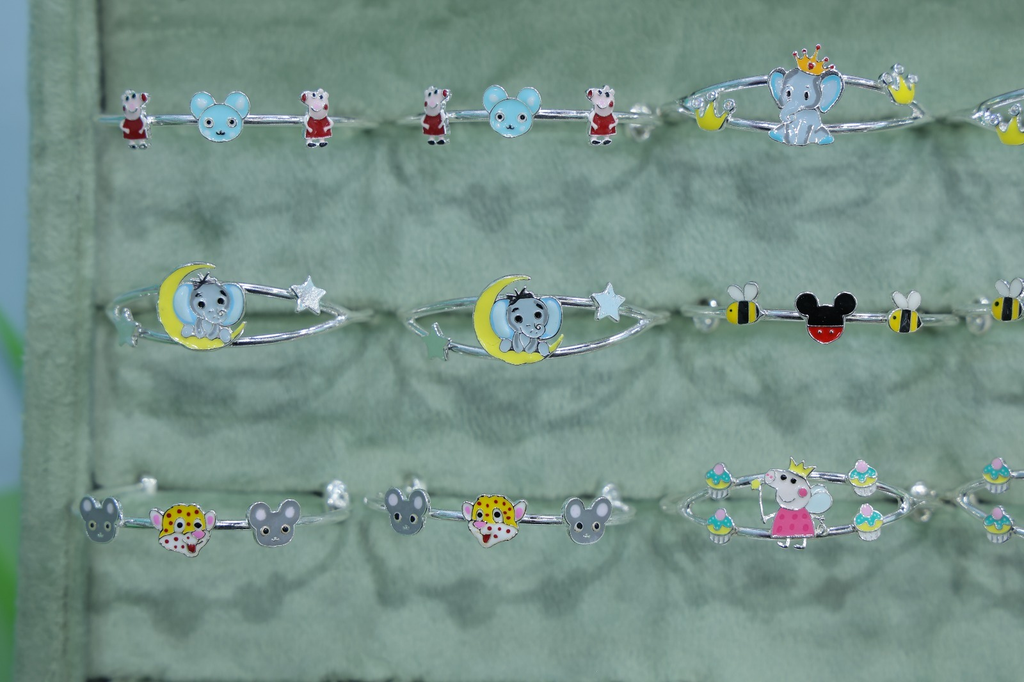
Exhibitors are widening their range beyond rings, chains, and bangles. Ricchezza’s Anamitra line targets infants, while SILORA’s Exclusive Timepieces extend a jewellery brand into horology — both pointing to lifestyle-driven diversification as a growth strategy.
Gender-Specific Design Lines
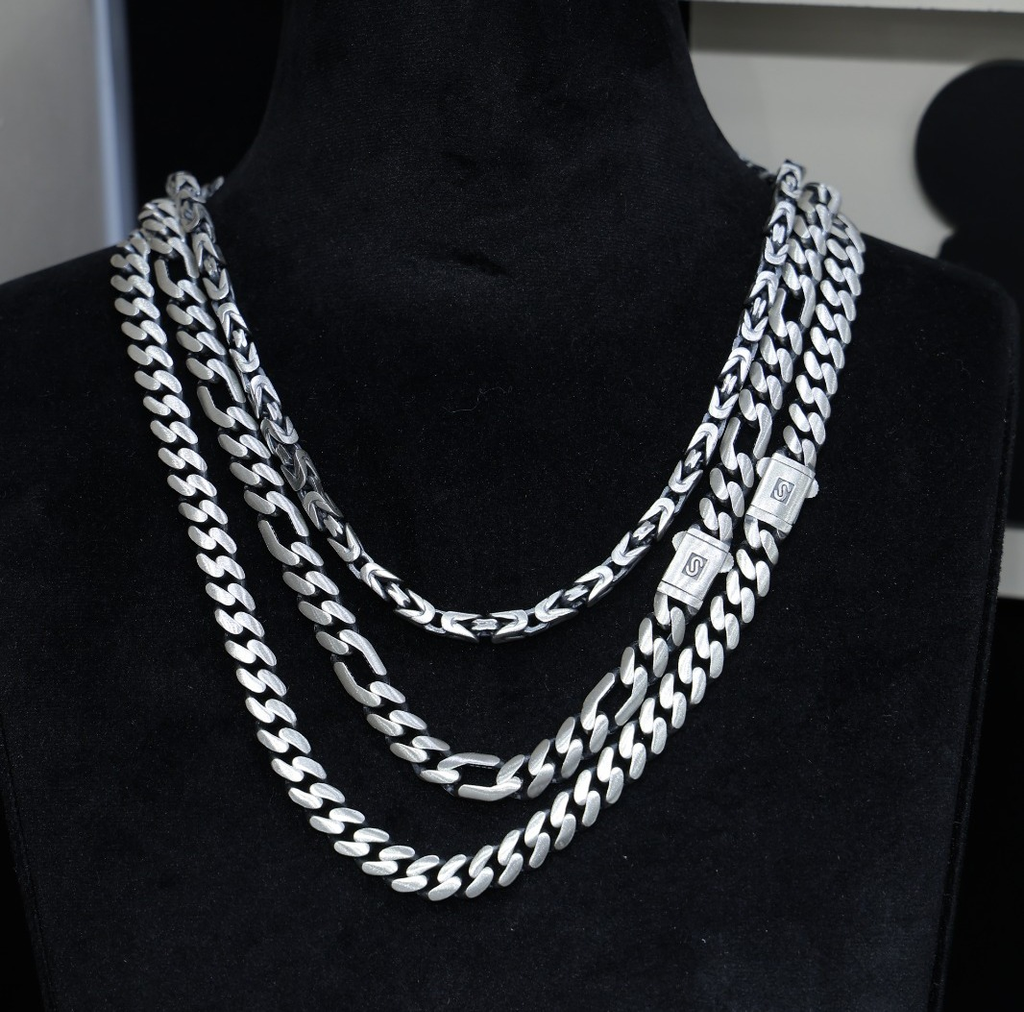
Distinct masculine and feminine lines were a notable feature, exemplified by Ricchezza’s Cuban Collection (bold, masculine) alongside Tixty (chic, feminine) — indicating that targeted, gender-specific collections continue to be a deliberate merchandising strategy rather than a one-size-fits-all approach.
Mastery in Silver Artefacts and Idols
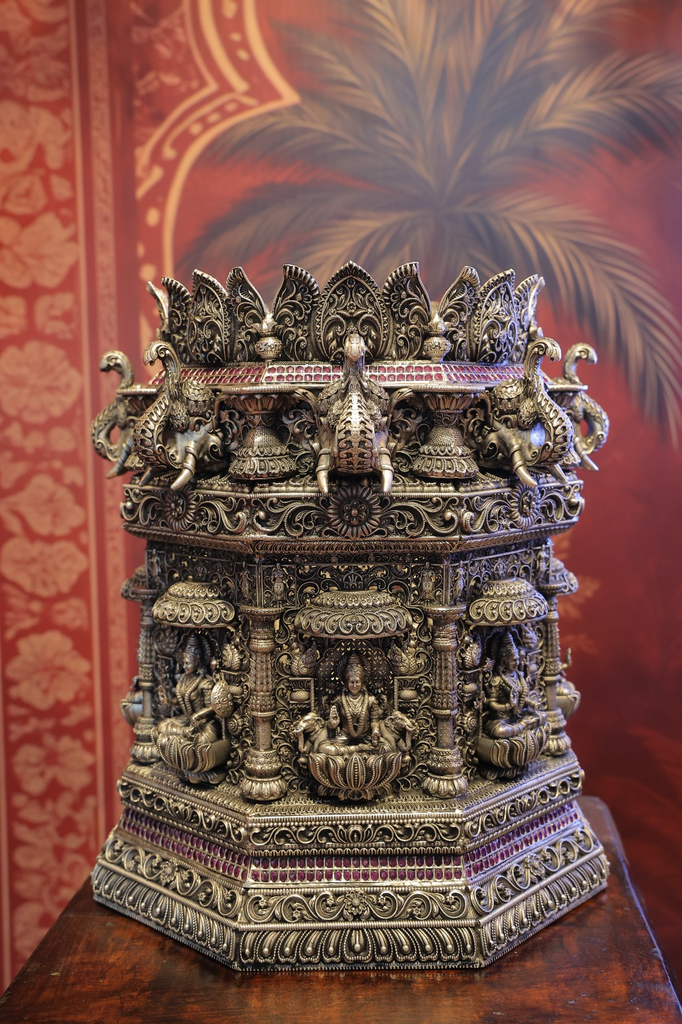
Both Purple Jewels and Anmol Jewellers demonstrated the depth of skill in silver idol-making, from the Saptashwa Vase’s mythological detailing to the technical complexity of Vishwarupa and Panchmukhi Hanuman forms, underscoring silver artefacts as a distinct and thriving craft category alongside wearable jewellery.
Balancing tradition and modernity
Taken together, the exhibitors at the 3rd edition of SSI Delhi painted a picture of an industry balancing tradition and modernity — where antique finishes and devotional artistry sit comfortably alongside rose gold sophistication, gender-targeted lines, and category extensions such as infant jewellery and timepieces. This blend of heritage craftsmanship and contemporary lifestyle relevance appears to be the defining character of the show.


-

 International News1 hour ago
De Beers Assumes 100% Control Of Gahcho Kué Diamond Mine
-

 National News54 minutes ago
Keemti Jewels Unveils Second Lagship Store In Mumbai At Borivali-West
-
 New Premises4 hours ago
Malabar Gold & Diamonds Opens Its Second-Biggest Showroom In Goa
-
 National News1 hour ago
Tanvi Exports Files DRHP For Proposed IPO
