
JB Insights
From Gold Weight to Masterpiece: Storytelling and Craftsmanship Are Redefining Premium Jewellery Value

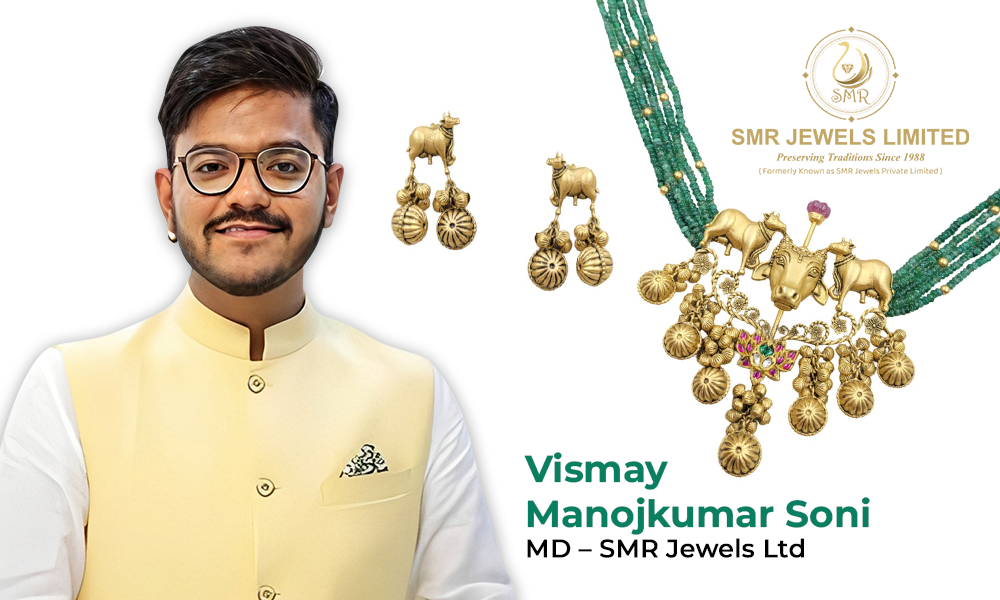
Vismay Manojkumar Soni, MD- SMR Jewels Ltd, speaking to JewelBuzz, underscores how premium jewellery moves from a commodity (gold weight) to jewelry as an object of high art and creativity. To justify counter space for price-conscious consumers, jewelry must transcend mere bullion value. Beyond aesthetics, the strongest “selling” narratives focus on personal identity and heritage. Modern buyers seek “collectible” signature lines—like the Mahabharata or Lotus series—that transform gold from a volatile commodity into a permanent, wearable legacy.
1. The Justification Factor: You mentioned retailers are now asking, “What justifies space on the counter?” Beyond aesthetics, what specific narrative elements are currently “selling” best to a price-conscious consumer?
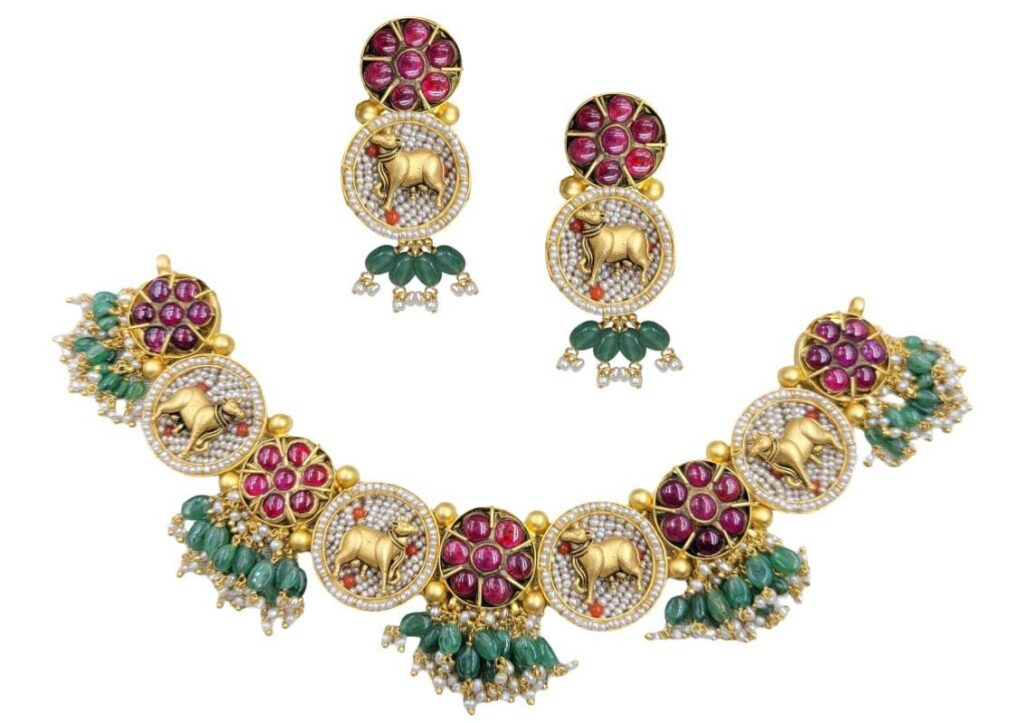
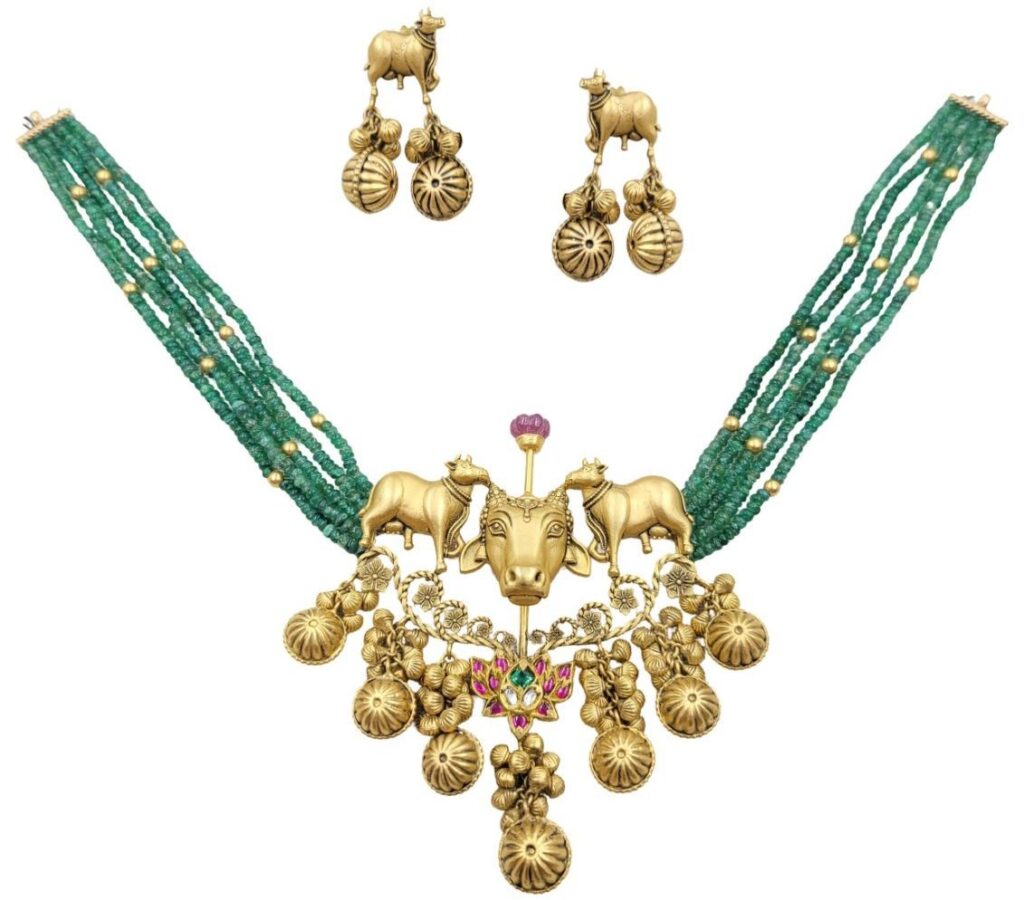
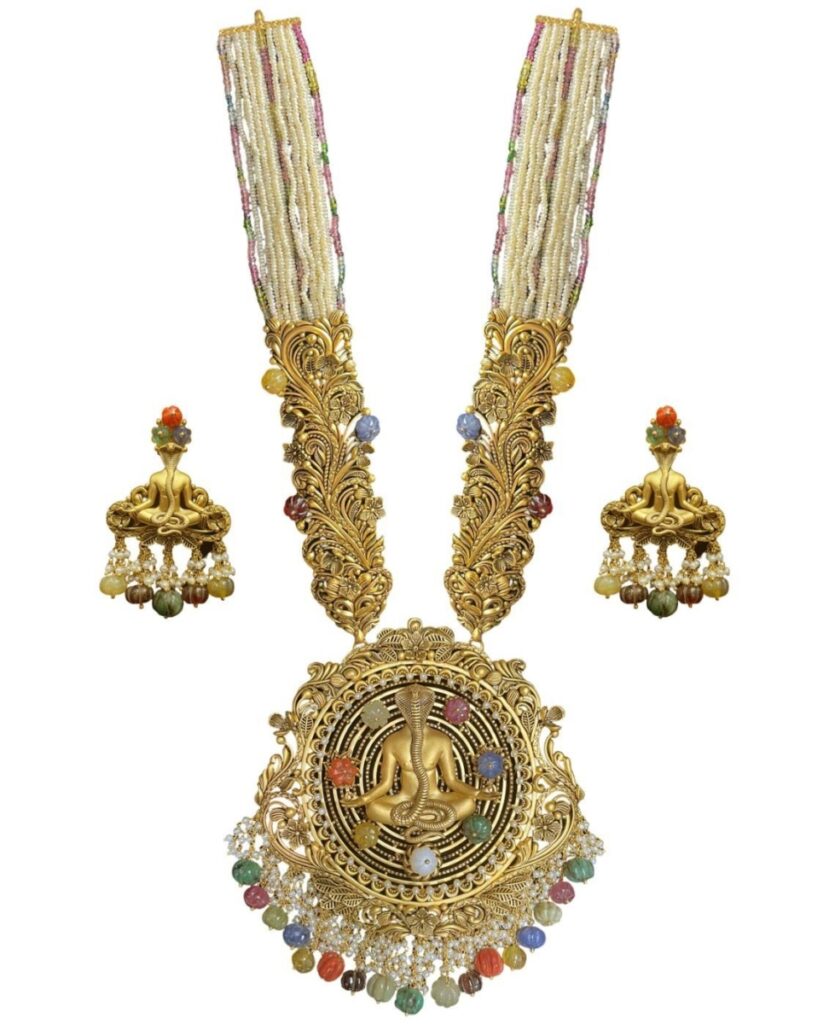
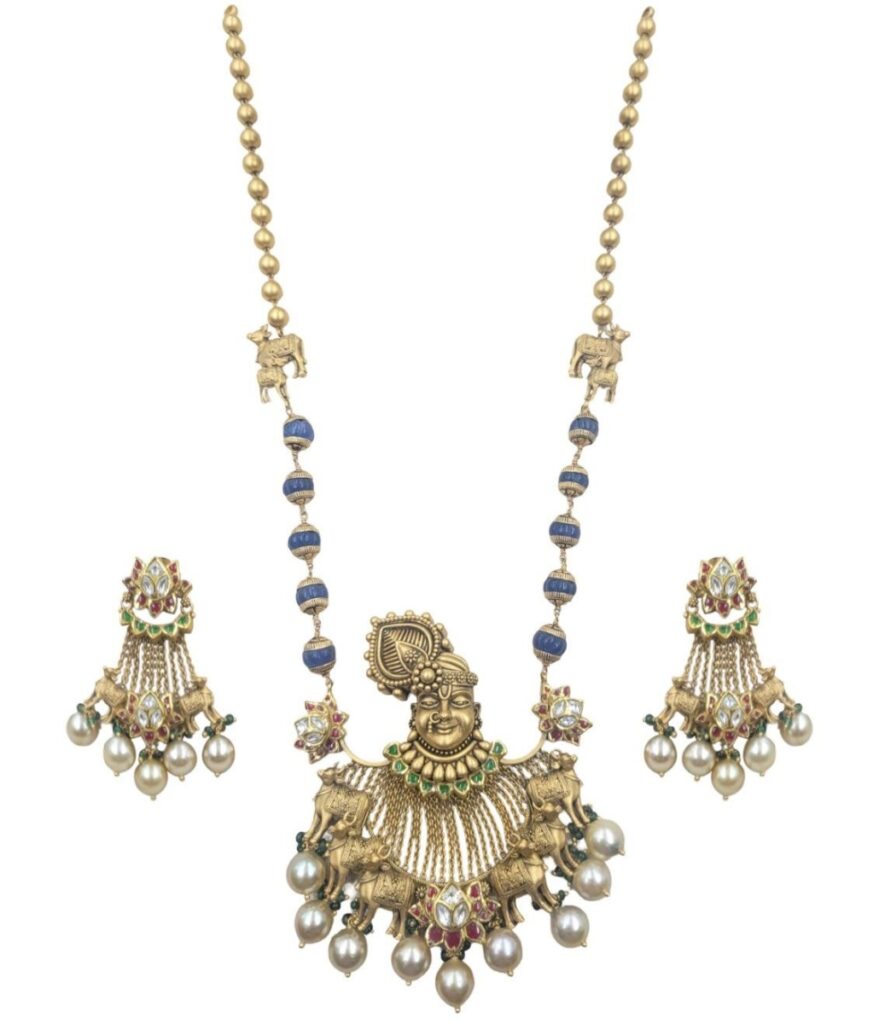
Buyers are increasingly looking to invest in jewellery that offers distinction and sentiment, because that piece has become an extension of their personal identity and lifestyle. Signature lines such as the iconic Cow Motif Collection, Divine Narratives, Lotus Series, and Mahabharata-inspired creations have become defining pillars of the brand’s design language. The portfolio further extends to a thoughtfully curated collection, including Antique Auras, Buddha Collection, Evara (Goddess), Luxe Legacy, Navgraha, Royal Renaissance, and the Victorian Collection, each reflecting a distinct aesthetic rooted in heritage yet adapted for contemporary appeal.
2. The Price Pivot: With gold prices hitting historic highs, how does a “strong narrative” help a retailer overcome a customer’s sticker shock?
As the purchase cycles become more deliberate, in keeping with the gold prices, customers are choosing jewellery that feels personal and unforgettable. So, what one wears often becomes an unspoken introduction, particularly in social and celebratory settings. That is why we are seeing a growing inclination toward motif-led and uncommon designs rather than conventional patterns. At the same time, for retailers too, storytelling has become a powerful selling bridge. A jewel with a narrative does more than complete a look; it creates a connection, and that connection is what ultimately drives confident buying.
3. Inventory Strategy: Are retailers actually carrying less physical gold weight in exchange for more diverse designs, or is the total volume staying the same while the variety increases?
In a rising gold market, consumers prefer jewellery that offers lasting value rather than fleeting trends. Handcrafted detailing, antique finishes, and traditional techniques transform ornaments into collectible pieces, valued for both gold content and heritage artistry. This shift toward intentional buying encourages retailers to carry smarter, design-led inventory where craftsmanship and originality increase the perceived value of every gram.
Retailers working with SMR are therefore carrying smarter inventory, not lighter inventory. The gold weight may be optimized per piece, but the perceived value per gram is elevated through craftsmanship and originality. In short, the strategy is not about reducing volume. It is about increasing the value per unit of gold.
4. The Trust Shift: You noted that “compliance” is now a major trust marker. In an industry historically built on “handshake deals” and informal networks, how difficult has the transition to organized manufacturing been for traditional workshops?
Compliance processes, like hallmarking, have strengthened confidence in the industry. The transition has been seamless as retailers today expect transparency, documentation, and quality assurance. Moreover, proper audits and governance create accountability and ensure consistency in purity and standards.
Every piece of jewellery goes through strict quality checks and is certified by reputed hallmarking agencies to ensure purity, authenticity, and compliance with industry standards. This builds long-term trust, both with retail partners and end consumers.
5. Predictability vs. Art: How do you balance “consistent delivery” (a manufacturing metric) with the unpredictable nature of high-end jewelry creation?
At SMR Jewels, creativity and consistency go hand in hand. Designs are carefully planned with precise structure and weight before moving into a disciplined manufacturing process involving specialized artisans. From Jadau colour selection to finishing by dedicated karigars, every stage is closely monitored. This structured approach ensures each piece delivers consistent quality, craftsmanship, and balanced design.
6. Retailer Education: Since retailers are buying “fewer pieces but stronger concepts,” is SMR Jewels have to play a larger role in educating the retailer’s sales staff on how to tell those stories to the end consumer?
As awareness of traditional art declines, storytelling has become essential in jewellery retail. SMR Jewels invests in researching heritage motifs and translating them into contemporary designs, allowing retailers to present jewellery as culture shaped in gold. By providing written narratives for each piece, sales teams can communicate deeper meaning, shifting customer focus from price to craftsmanship, originality, and lasting value.
Along with jewellery, SMR gives them the story and ideation behind creating each piece, as we don’t randomly make any designs. However, if it is the client’s requirement or order, we provide as per their request as well. S
7. The Hybrid Model: Can you give a specific example of a “handmade essence” piece that was improved or made more scalable by modern technology or systems?
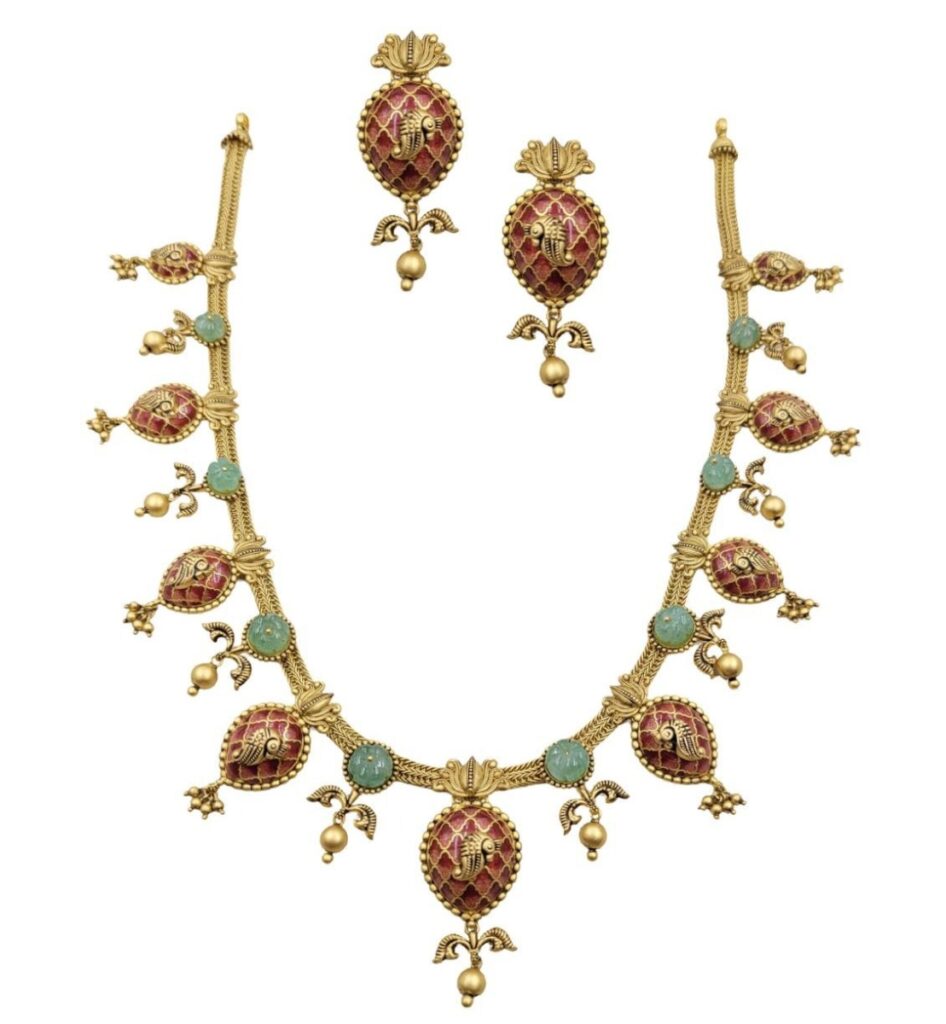
At SMR Jewels, our strength lies in balancing craftsmanship with structure. One example is our traditional jadtar necklace collection. The essence of these pieces remains entirely handmade, from intricate stone-setting to final finishing by skilled karigars.
However, we use CAD modelling to refine the structural framework, control gold weight, and ensure perfect symmetry before the piece reaches the artisan’s bench. Stone placements are digitally mapped to maintain consistency across batches, especially for repeat retail and B2B orders.
This hybrid approach allows us to preserve the handmade character while improving precision, reducing material wastage, and making the design scalable without compromising artistry. For us, technology does not replace craftsmanship. It strengthens it.
8. The Heritage Preservation: Is there a risk that “organized manufacturing” might eventually dilute the unique imperfections that make traditional Indian craftsmanship so desirable? How do you safeguard against that?
We don’t see or foresee any risk in organized manufacturing. In fact, structured manufacturing facilitates better planning, timely execution of orders, and smoothens the overall process. Moreover, it reduces uncertainty and allows us to commit to clear delivery timelines. At the same time, it enables artisans to upgrade their skills and adapt to improved systems, which increases efficiency without compromising on craftsmanship. At the end, the soul of the jewellery always remains handmade.
9. Future Outlook: Looking at the next three to five years, do you see the “weight-led” buyer disappearing entirely, or will there always be a segment of the market that views jewelry primarily as a hedge against inflation?
The weight-led mindset in Indian jewellery buying will not disappear, as gold price sensitivity remains strong. However, trade buyers are becoming more analytical, focusing on sell-through, demand cycles, and consumer sentiment. Seasonality also shapes inventory decisions, with lighter pieces during slower periods. In the coming years, gold weight will matter, but increasingly within the context of demand, occasions, and trends.
10. If you could change one legacy mindset in the Indian jewelry trade overnight to better align with this new “organized” reality, what would it be?
The Indian jewellery trade must move beyond legacy mindsets that resist structured business practices. Transparency, proper billing, and system-driven operations are essential in today’s organized market. The industry must also address its male-dominated leadership by empowering more women in strategic roles within this female-centric sector. Finally, embracing new-age design thinking and originality—rather than relying only on familiar, fast-moving styles—will be crucial for long-term growth and brand value.
Today, business is no longer based on “old connections” or jaan-pehchaan alone. It depends on behaviour, professionalism, clarity of terms, product differentiation, and resilient design identity.


JB Insights
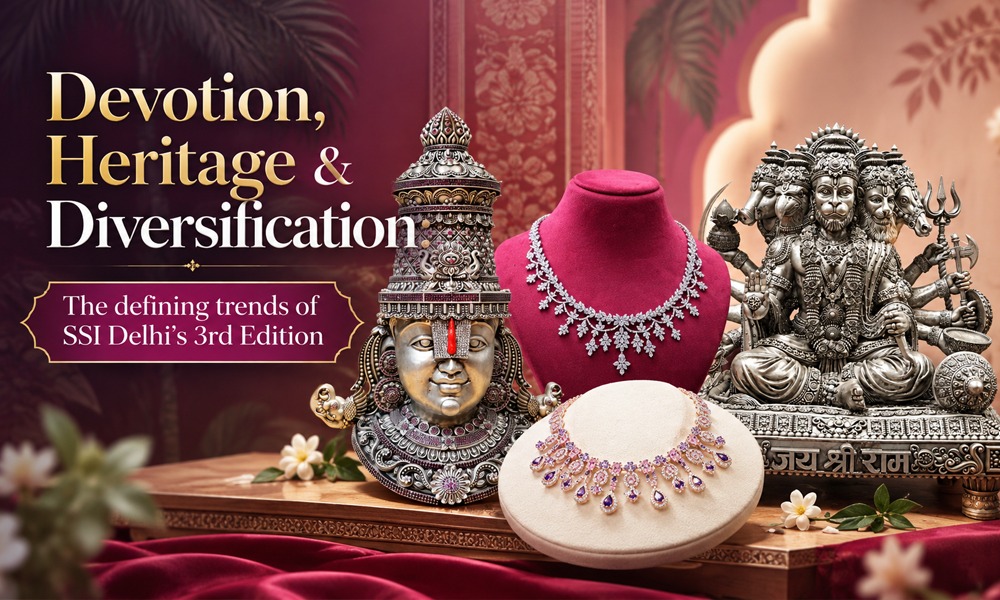
Devotion, Heritage & Diversification: The defining trends of SSI Delhi’s 3rd Edition
From sacred artistry to lifestyle-driven expansion, how top exhibitors bridged timeless tradition with modern market demand.

Spirituality as a design anchor
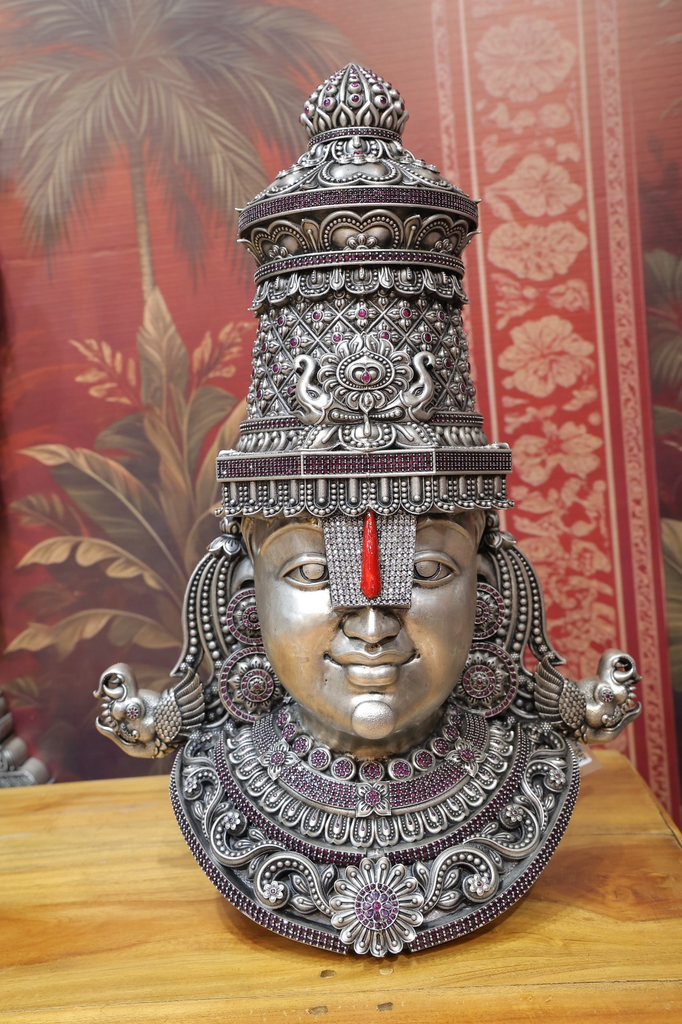
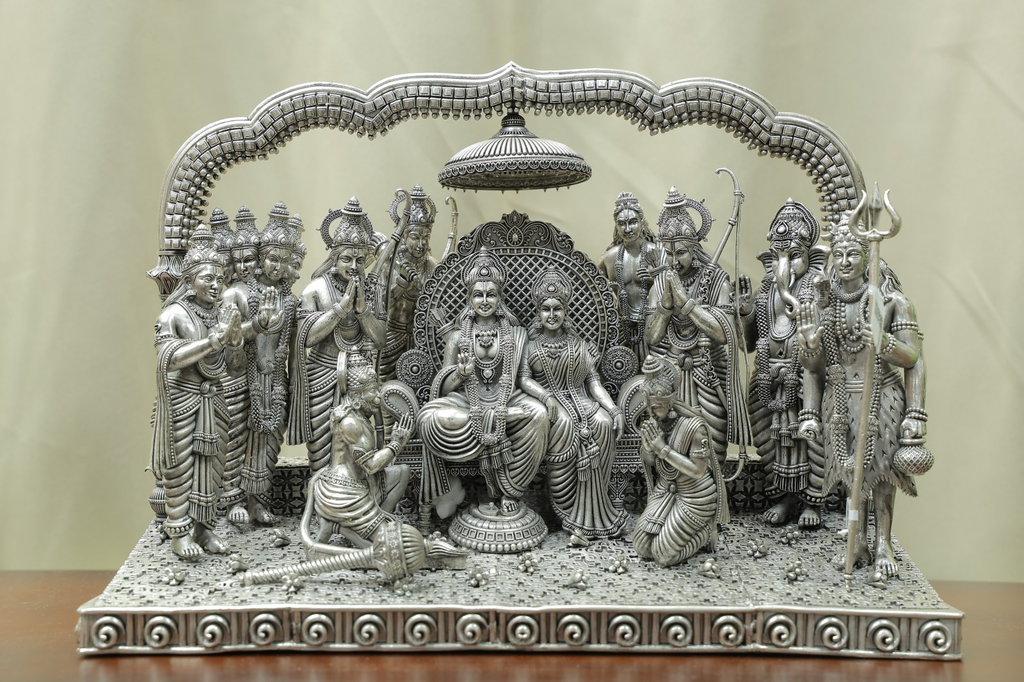
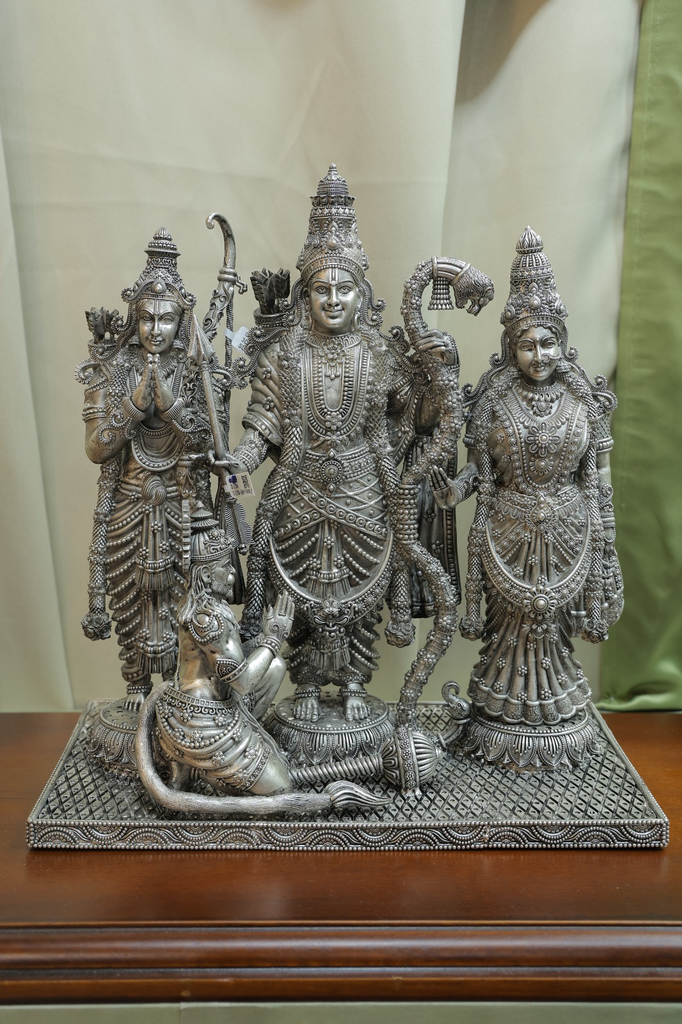
Devotional and spiritual artistry emerged as the single strongest thread of the show. Ricchezza’s Idols Collection, SILORA’s Shrinathji timepiece, Purple Jewels’ Balaji idols and Shiva Lingam, and Anmol Jewellers’ extensive range of silver and gold idols (Vishwarupa, Panchmukhi Hanuman, Ram Parivaar, and more) together show that sacred and devotional pieces are no longer a niche category but a mainstream, premium-positioned offering across exhibitors.
Antique, oxidized and heritage finishes
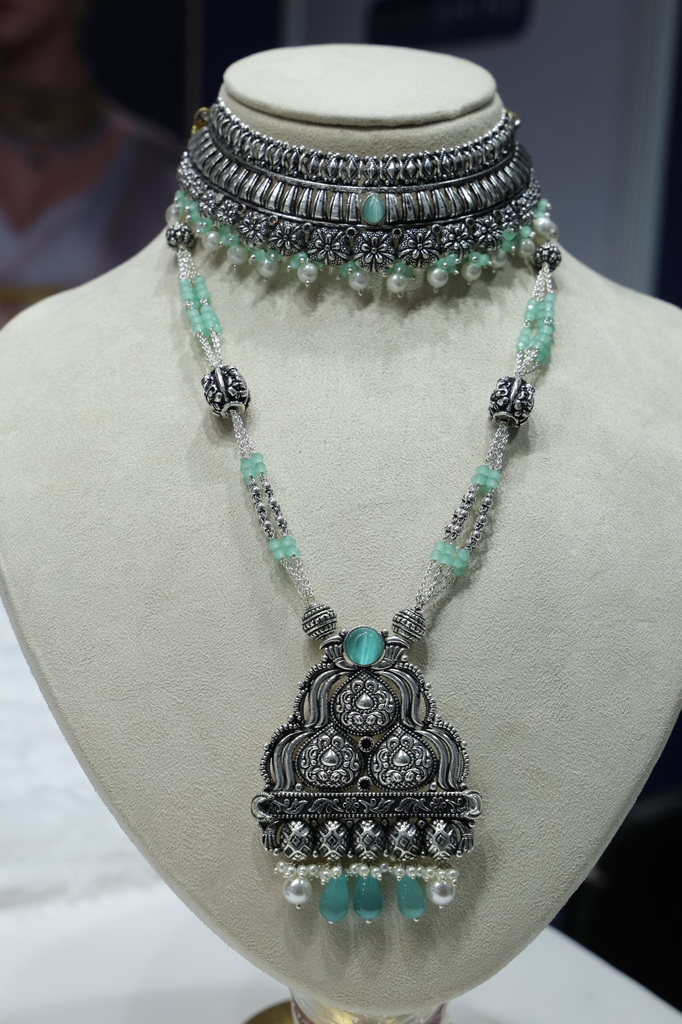
SILORA’s glorious Antique Finish Collection and Oxidized Silver Jewellery reflect a broader pull toward deep patina, folk-tribal textures, and traditional Indian artistry — a counterpoint to high-polish contemporary pieces and a signal that heritage aesthetics remain commercially strong.
Rose gold’s continued momentum
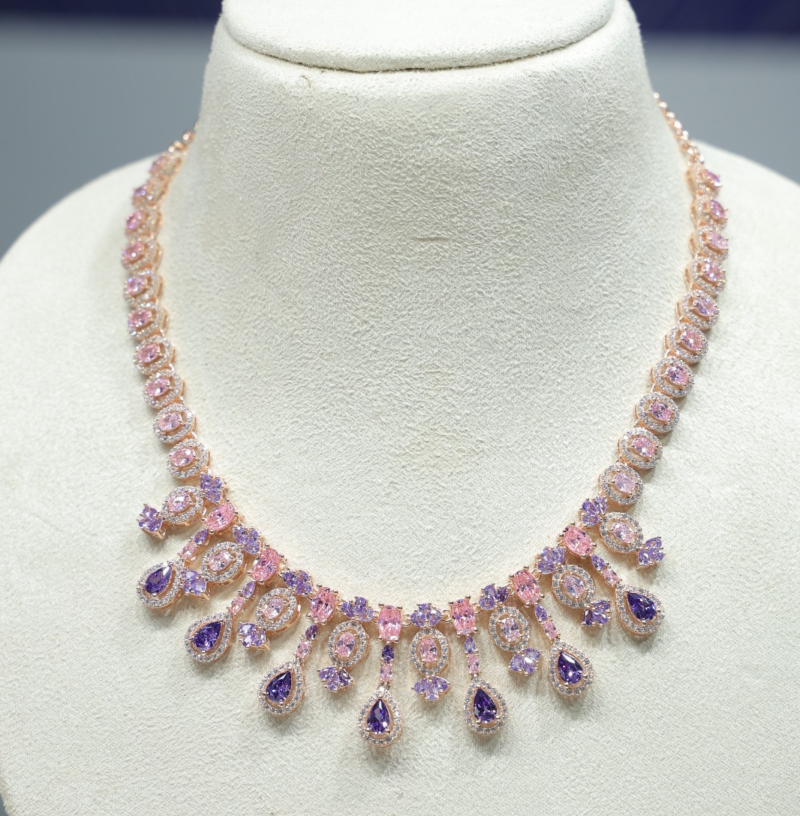
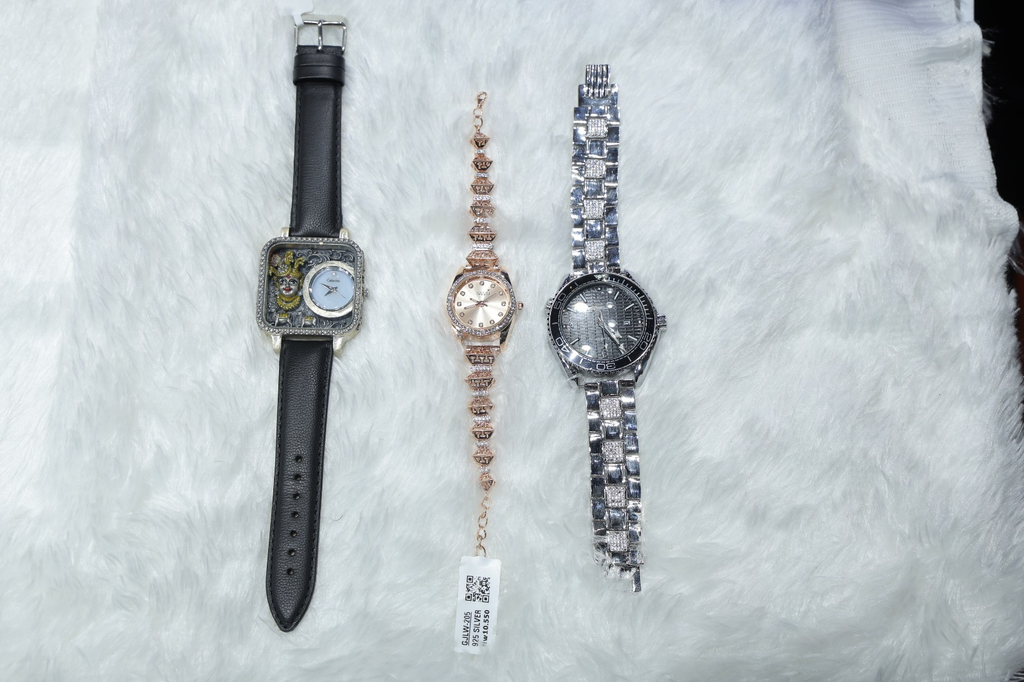
Rose gold surfaced across multiple product types — not just jewellery but also timepieces — as seen in SILORA’s Luxe Rose Gold Finish Jewellery and rose-gold-finished watches, reinforcing its position as a staple modern finish rather than a passing trend.
Category expansion beyond traditional jewellery
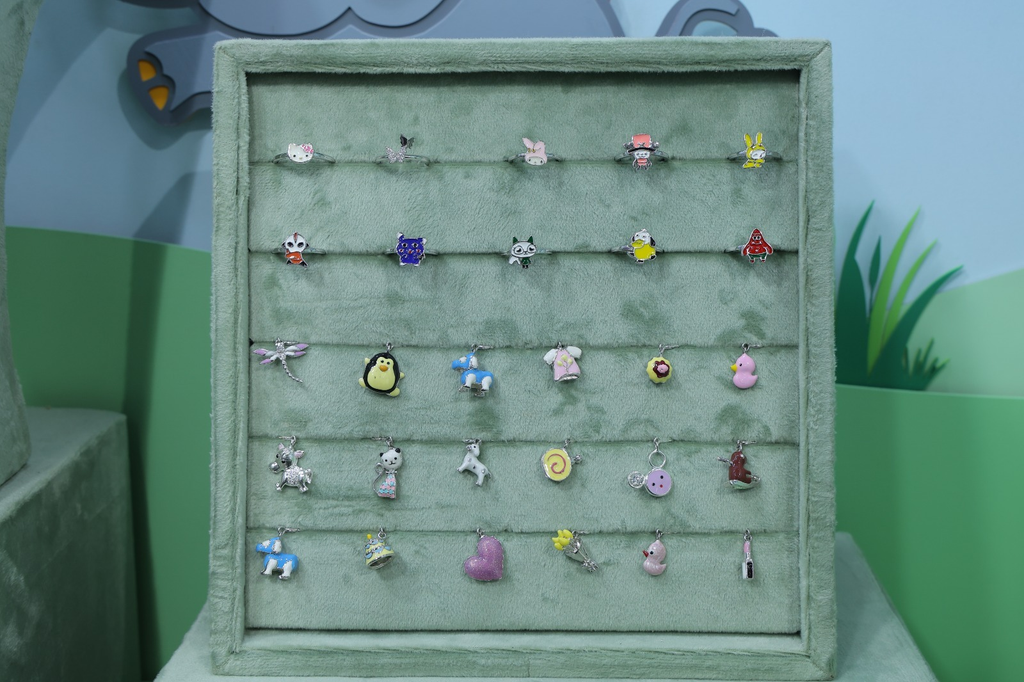
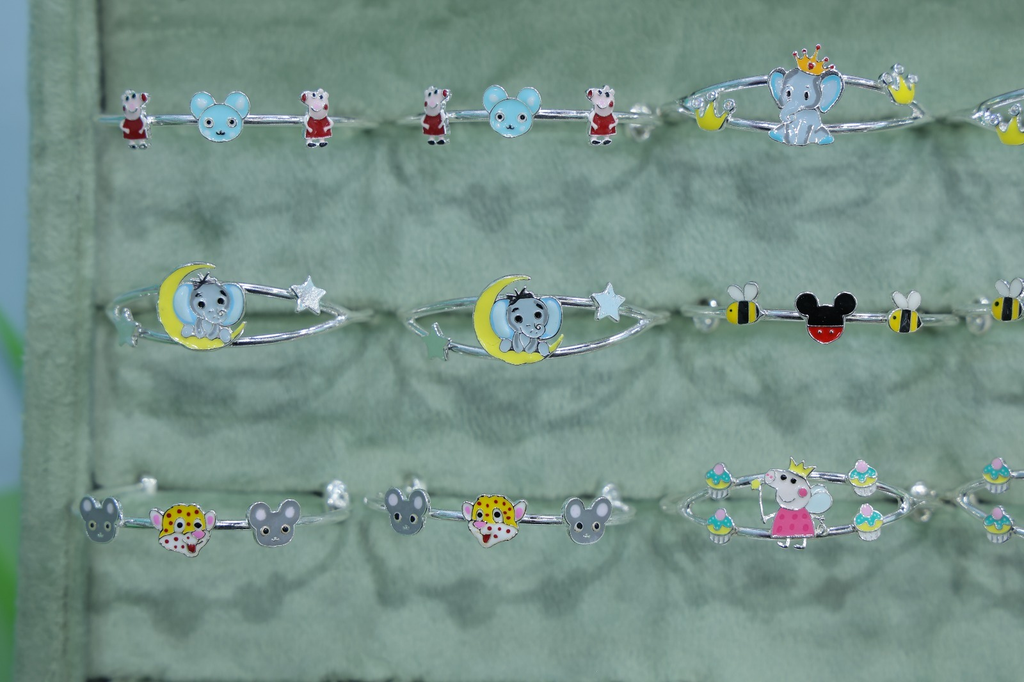
Exhibitors are widening their range beyond rings, chains, and bangles. Ricchezza’s Anamitra line targets infants, while SILORA’s Exclusive Timepieces extend a jewellery brand into horology — both pointing to lifestyle-driven diversification as a growth strategy.
Gender-Specific Design Lines
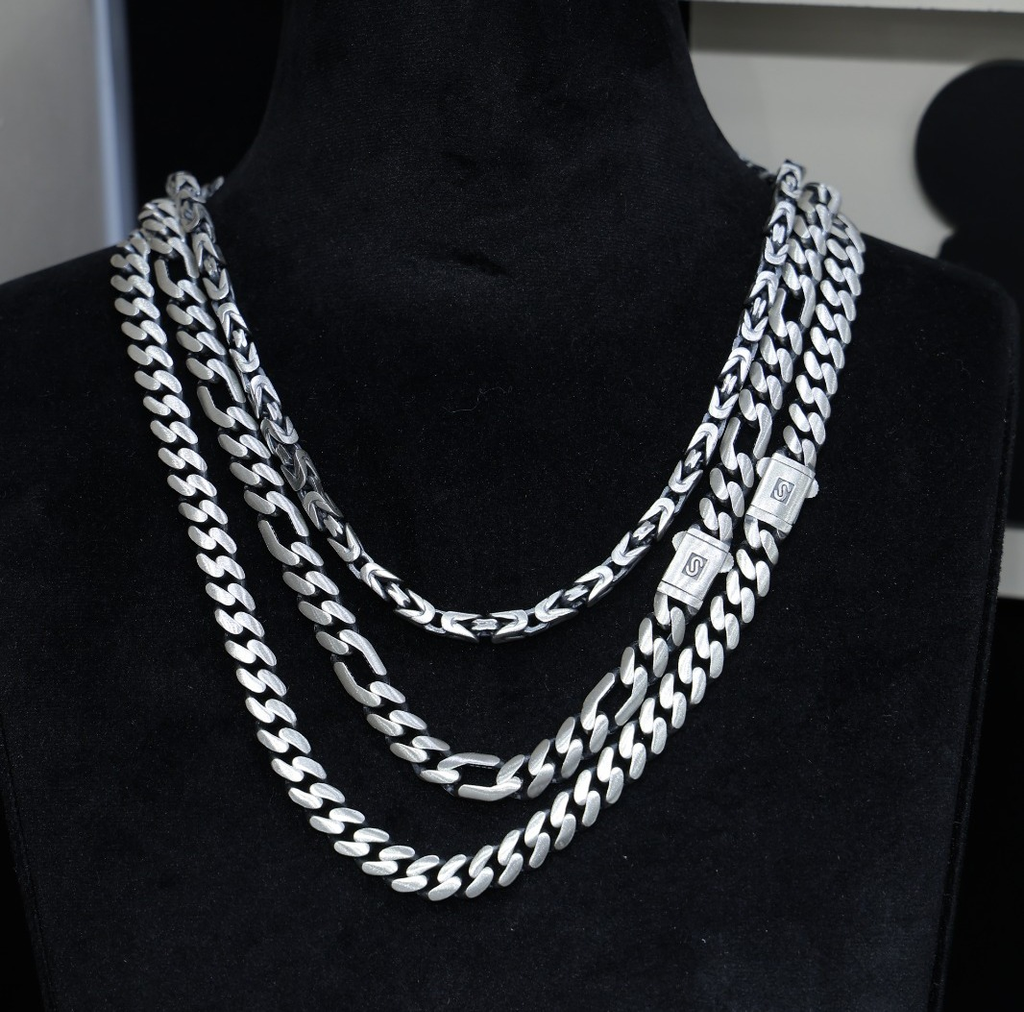
Distinct masculine and feminine lines were a notable feature, exemplified by Ricchezza’s Cuban Collection (bold, masculine) alongside Tixty (chic, feminine) — indicating that targeted, gender-specific collections continue to be a deliberate merchandising strategy rather than a one-size-fits-all approach.
Mastery in Silver Artefacts and Idols
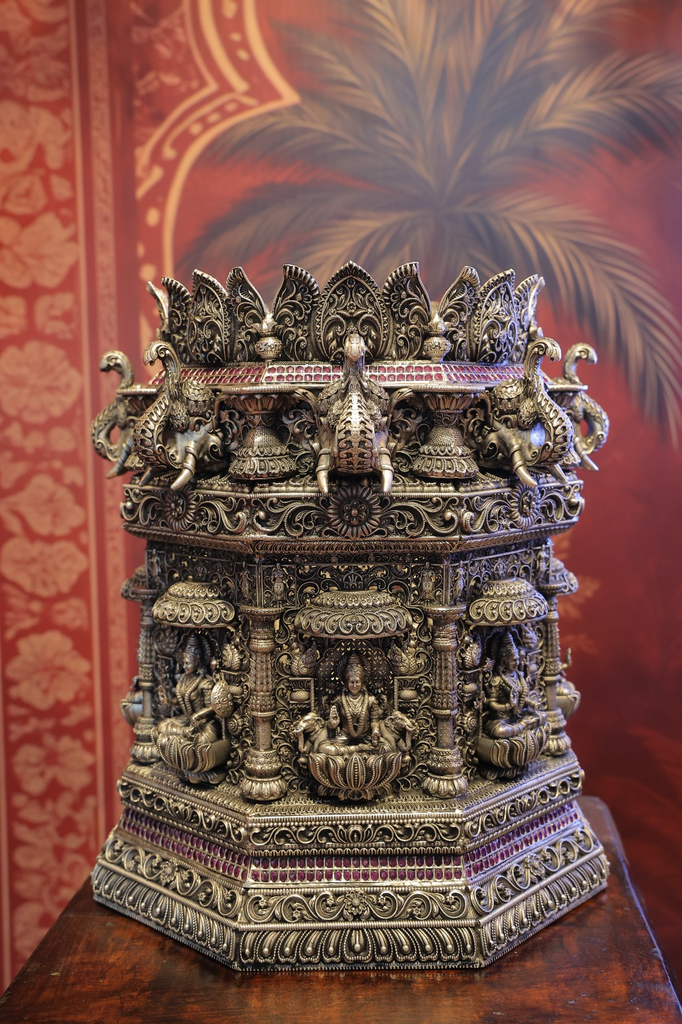
Both Purple Jewels and Anmol Jewellers demonstrated the depth of skill in silver idol-making, from the Saptashwa Vase’s mythological detailing to the technical complexity of Vishwarupa and Panchmukhi Hanuman forms, underscoring silver artefacts as a distinct and thriving craft category alongside wearable jewellery.
Balancing tradition and modernity
Taken together, the exhibitors at the 3rd edition of SSI Delhi painted a picture of an industry balancing tradition and modernity — where antique finishes and devotional artistry sit comfortably alongside rose gold sophistication, gender-targeted lines, and category extensions such as infant jewellery and timepieces. This blend of heritage craftsmanship and contemporary lifestyle relevance appears to be the defining character of the show.


-

 International News5 minutes ago
De Beers Assumes 100% Control Of Gahcho Kué Diamond Mine
-
 New Premises3 hours ago
Malabar Gold & Diamonds Opens Its Second-Biggest Showroom In Goa
-
 National News12 minutes ago
Tanvi Exports Files DRHP For Proposed IPO
-

 National News21 minutes ago
Indian Gold, Silver Prices Edge Upward
