
JB Insights
India Raises Gold, Silver Import Duty To 15% To Curb Soaring Precious Metal Import Bills and Conserve Forex
Higher Duties Could Increase Prices, Impact Exports, and Create Liquidity Pressure For MSME Manufacturers Due To Rising Working Capital Requirements


#JbExclusive
The Finance Ministry on Wednesday raised effective import duty on gold and silver from 6% to 15% — comprising 10% basic customs duty and 5% agriculture infrastructure and development cess (AIDC) — effective 13 May 2026. The move aims to curb soaring precious metal import bills and conserve foreign exchange reserves as the West Asia crisis intensifies pressure on India’s trade balance.
Markets reacted swiftly. Titan fell as much as 1.5% on the day, extending a prior two-session decline of over 10%, while Kalyan Jewellers dropped as much as 5.9%. Gold and silver ETFs rallied sharply on expectations of higher domestic bullion prices. WGC data implies the 9-percentage-point hike could suppress annual consumer demand by roughly 57 tonnes — based on an estimate of 6.4 tonnes of demand suppression per 1% duty rise.
● Industry Voices
“Higher duties could revive gold smuggling, which had eased substantially after the 2024 duty reduction. Every 1% rise in import duty reduces consumer demand by approximately 6.4 tonnes — implying the hike could suppress demand by ~57 tonnes annually.”
Prithviraj Kothari, MD, RiddiSiddhi Bullions | National President, IBJA Bullions | Chairman, JITO
“Higher duties could increase prices, impact exports, and create liquidity pressure for MSME manufacturers due to rising working capital requirements. We urge continued dialogue for balanced solutions that support both economic goals and export growth.”
Kirit Bhansali Chairman, GJEPC
“The increase in customs duty is a temporary and calibrated measure in the present economic scenario. The trade should remain calm and confident — India’s jewellery sector has always demonstrated resilience and adaptability during challenging times.”

Rajesh Rokde Chairman, GJC

“It is important for the trade fraternity to avoid panic and continue business with confidence and responsibility. GJC fully supports the nation’s larger economic priorities and remains committed to constructive engagement with policymakers.”
Avinash Gupta Vice Chairman, GJC
“Due to the simultaneous occurrence of two events—the sudden 9% hike in import duty and statements made by PM Modi—both the jewelry industry and customers find themselves in a state of confusion. This is significantly impacting jewellers, artisans, and large factories alike.
My suggestion to everyone is to remain patient and avoid panicking. Everyone should avoid protests, shop closures, or any form of aggression. Once the government’s complete process is revealed, we can then consider all options through dialogue and discussion.”
Anurag Rastogi, North India Head – IBJA

“Business is already at nearly 50% of normal levels, and the duty increase will reduce consumption volumes further. Promoting lower caratage jewellery — 9ct, 14ct, 18ct — could make products more affordable and reduce gold usage. As an industry, we must stand with the government during this period.”
K. Srinivasan, CMD, Emerald Group
“An increase in import duty on gold typically has a direct impact on retail prices, influencing short-term consumer sentiment — especially for price-sensitive buyers. In the immediate phase, some customers may postpone discretionary purchases or wait for price stability. It can lead to a 10–15% volume decline to help control gold inflows into the country.

However, gold buying in India is deeply linked to weddings, festivals, and long-term wealth preservation, so demand is usually resilient over time.”
Suvankar Sen, MD & CEO, Senco Gold and Diamonds

“Changes in import duties on gold and silver are part of an evolving policy landscape, and the industry has consistently adapted with resilience and stability. We respect the government’s decision and recognize the broader economic considerations behind such measures.
Over the years, gold import duty has moved from 15% to 6% and now back to 15%. However, gold prices have never been driven by changes in duty alone. Global trends, rupee depreciation, and consumer demand remain key factors, while recent revisions reflect an already elevated domestic gold price environment.”
Chetan Thadeshwar, CMD – Shringar House Of Mangalsutra Ltd
“At SwarnShilp, we believe any duty increase is a reminder for the industry to become faster, more efficient, and more design-driven. Our focus remains on strong inventory planning, lightweight innovation, and timely delivery to support our customers despite market volatility.”

Surabi Karthik, President — South India Bullion Association, Secretary— Gold Bullion Association, Coimbatore

The customs duty on gold has gone up from 6% to 15%. This is not a punishment for our trade. Our Prime Minister is trying to protect India’s foreign exchange in a tough global situation — war tensions, Strait of Hormuz disruption, and rising import costs.
But we have a solution from within. India’s households hold 25,000 tonnes of gold sitting idle in lockers. Let us recycle this gold instead of importing more. Instead of borrowing working capital from foreign lenders, let us use India’s own gold through the Gold Monetization Scheme — and pay interest to our own people, not foreigners. This way, we can bring imports down from 700 tonnes to 500 tonnes — saving billions for our nation.
We are 2 crore people in this trade. We are not a burden — we are nation builders. Let us lead with pride and stand by our country in this hour. Together, we can solve this — the Indian way.
N Ananthapadmanabhan, MD, NAC Jewellers
The government’s decision to raise gold import duty from 6% to 15% is unfortunate, especially when closer to 30,000 tonnes of gold remain idle in Indian households. At GJC, we have long urged stronger implementation of the Gold Monetization Scheme by appointing jewellers as collection and mobilization agents, since they can connect with consumers more effectively than banks.

We have also proposed allowing every Indian woman to bring in up to 500 grams of gold without extensive KYC. These steps could unlock 2,000–3,000 tonnes, cut import dependence, and ease forex pressure.
The hike will impact sales in the short run, but in the long run, people have to buy for the weddings, so its impact will be minimal. This hike will encourage gold to come in unofficially to a great extent, which is detrimental, and will encourage hawala transactions to a great extent, contributing to a rise in tension in our country.
Shreyans Kothari, Gen. Secretary MWGJA

“While we support the government’s vision to strengthen the economy and manage imports, it is equally important to safeguard the interests of the jewellery industry, which supports millions of livelihoods across the country. A balanced and practical approach will help both the nation and the trade grow together.”
Khushboo Ranawat, Director – SwarnShilp Chains & Jewellers Pvt Ltd
● Industry Proposals
Lower caratage push
Promote 9K, 14K & 18K jewellery to cut gold consumption and keep prices within reach
Revamp GMS
Overhaul the Gold Monetization Scheme through jeweller networks to mobilize idle household gold
Old Gold Exchange
Scale consumer recycling programmes to reduce dependency on fresh bullion imports
● Risks to watch out for
● Dubai/CEPA arbitrage — GTRI warns that the India–UAE CEPA could make UAE-routed imports cheaper, partially neutralizing the duty’s intent
● Smuggling revival — duty spikes above 10% have historically correlated with the resurgence of grey-market gold flows into India
● Export competitiveness — higher landed costs raise working capital requirements for MSME exporters and could weigh on jewellery export volumes
– Raghav Dhir, Founder & MD, Dhirsons Jewellers, Dhiraj Dhir Group, Lajpat Nagar
“The revision in import duty is a significant policy shift, and while it will inevitably push up costs across the supply chain, it also presents a timely opportunity for consumers to rethink how they engage with gold. We strongly encourage our customers to bring in their old gold and exchange it for new jewellery.
This is one of the smartest ways to stay ahead of rising prices while refreshing your collection. At the same time, we believe this is the right moment for the industry and the government to come together and formalize a robust gold monetization scheme. India holds an estimated 25,000 tonnes of gold sitting idle in homes. Unlocking even a fraction of that through a credible, consumer-friendly programme would reduce our dependence on imports, ease forex pressure, and fuel domestic trade in a meaningful way. The policy intent is clear; what we need now is a structured mechanism that gives consumers the confidence to participate.”


JB Insights
Devotion, Heritage & Diversification: The defining trends of SSI Delhi’s 3rd Edition
From sacred artistry to lifestyle-driven expansion, how top exhibitors bridged timeless tradition with modern market demand.


Spirituality as a design anchor
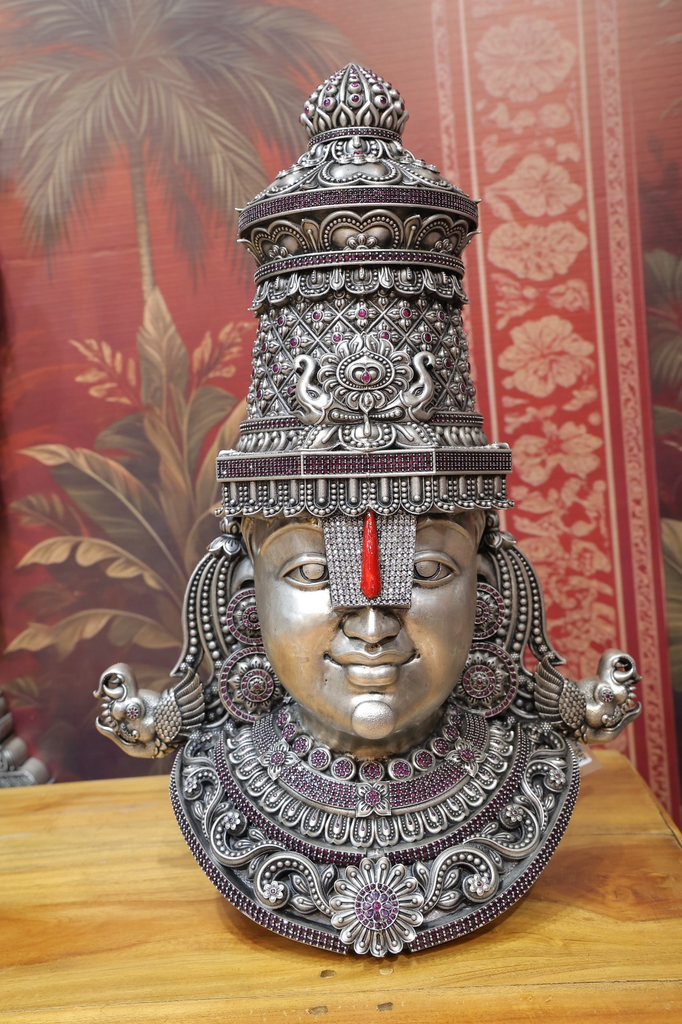
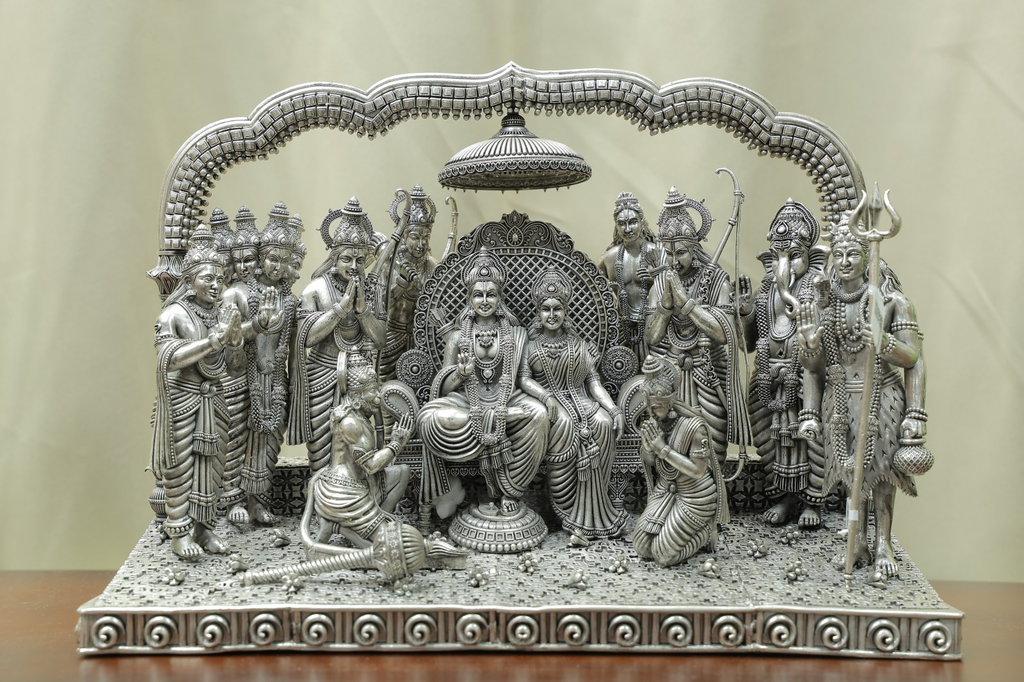
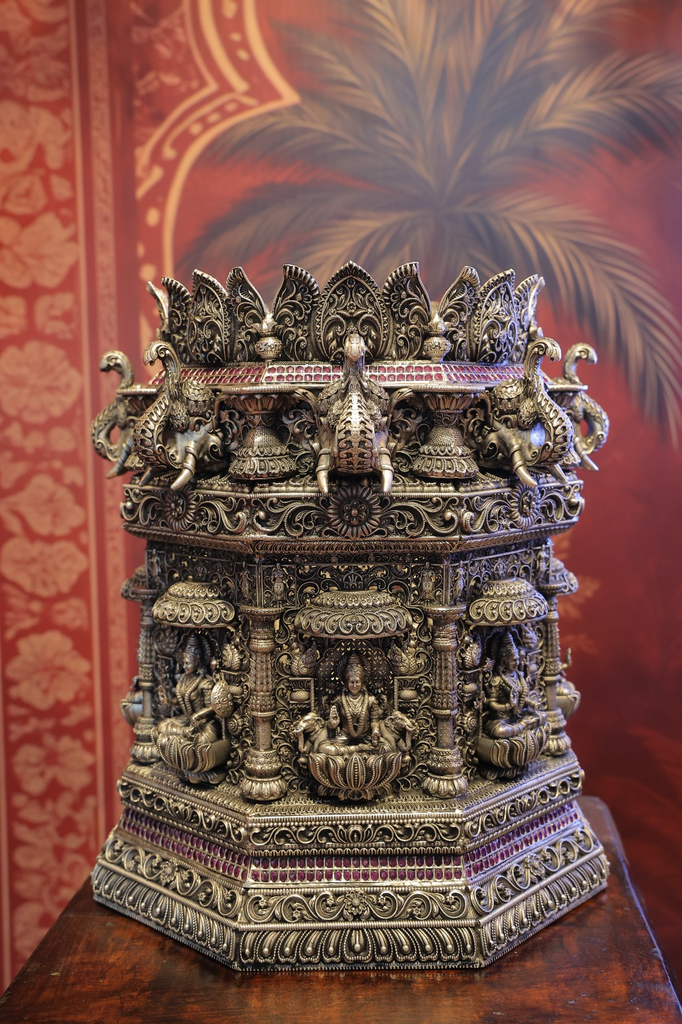
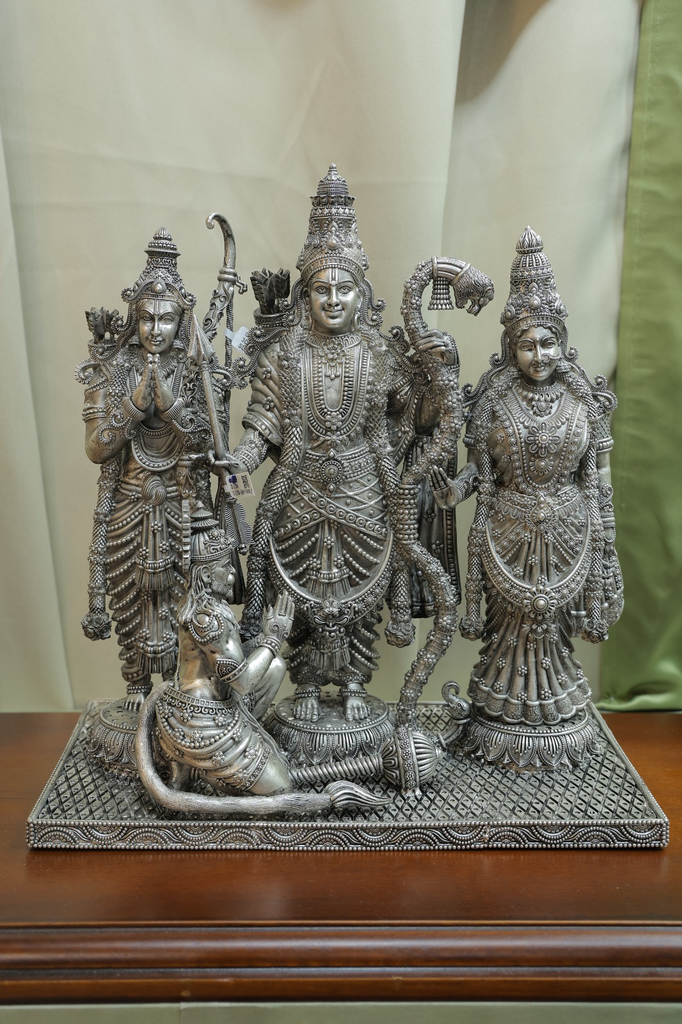
Devotional and spiritual artistry emerged as the single strongest thread of the show. Ricchezza’s Idols Collection, SILORA’s Shrinathji timepiece, Purple Jewels’ Balaji idols and Shiva Lingam, and Anmol Jewellers’ extensive range of silver and gold idols (Vishwarupa, Panchmukhi Hanuman, Ram Parivaar, and more) together show that sacred and devotional pieces are no longer a niche category but a mainstream, premium-positioned offering across exhibitors.
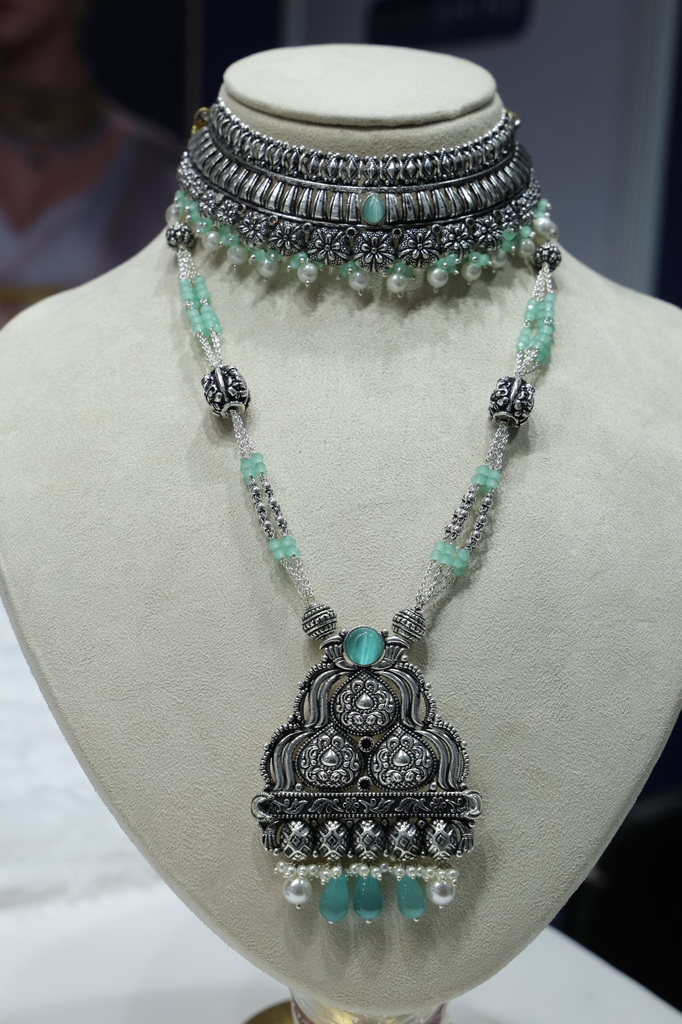
Antique, oxidized and heritage finishes
SILORA’s glorious Antique Finish Collection and Oxidized Silver Jewellery reflect a broader pull toward deep patina, folk-tribal textures, and traditional Indian artistry — a counterpoint to high-polish contemporary pieces and a signal that heritage aesthetics remain commercially strong.
Rose gold’s continued momentum
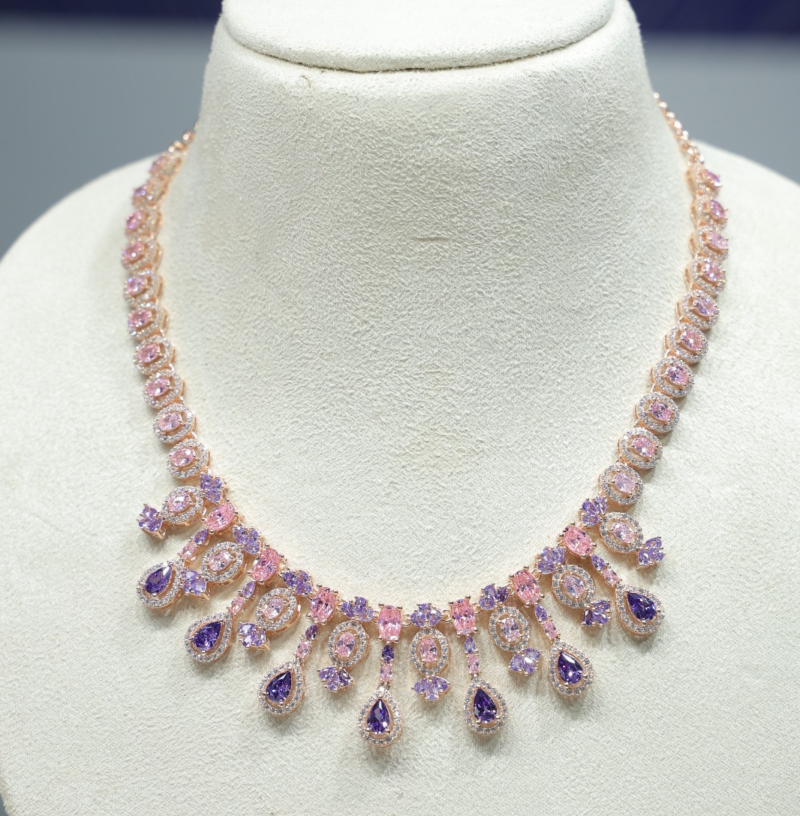
Rose gold surfaced across multiple product types — not just jewellery but also timepieces — as seen in SILORA’s Luxe Rose Gold Finish Jewellery and rose-gold-finished watches, reinforcing its position as a staple modern finish rather than a passing trend.
Category expansion beyond traditional jewellery
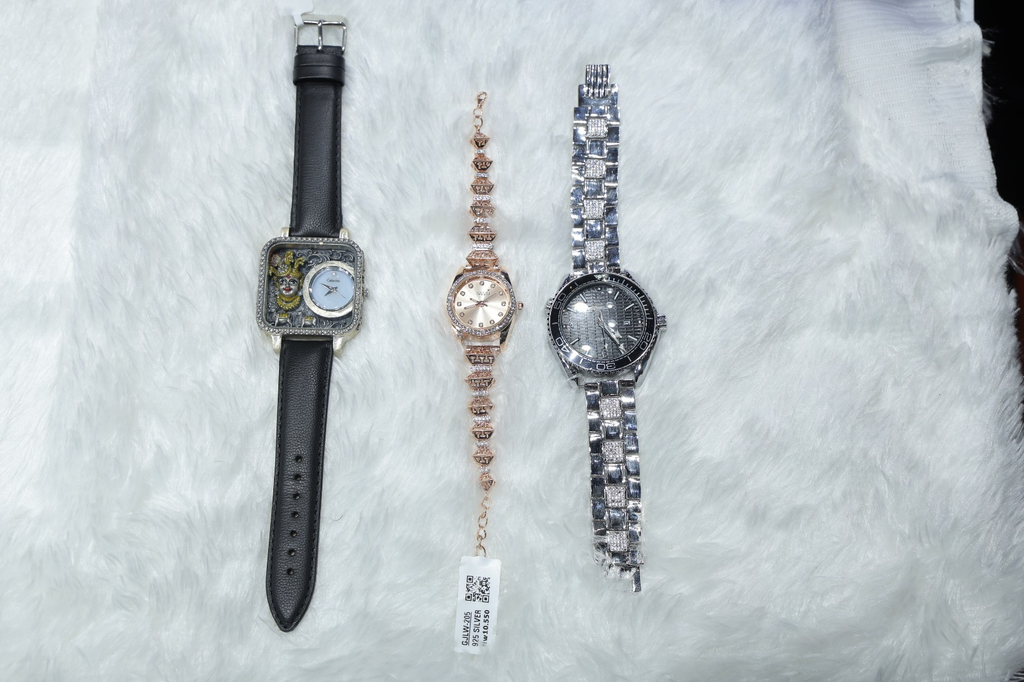
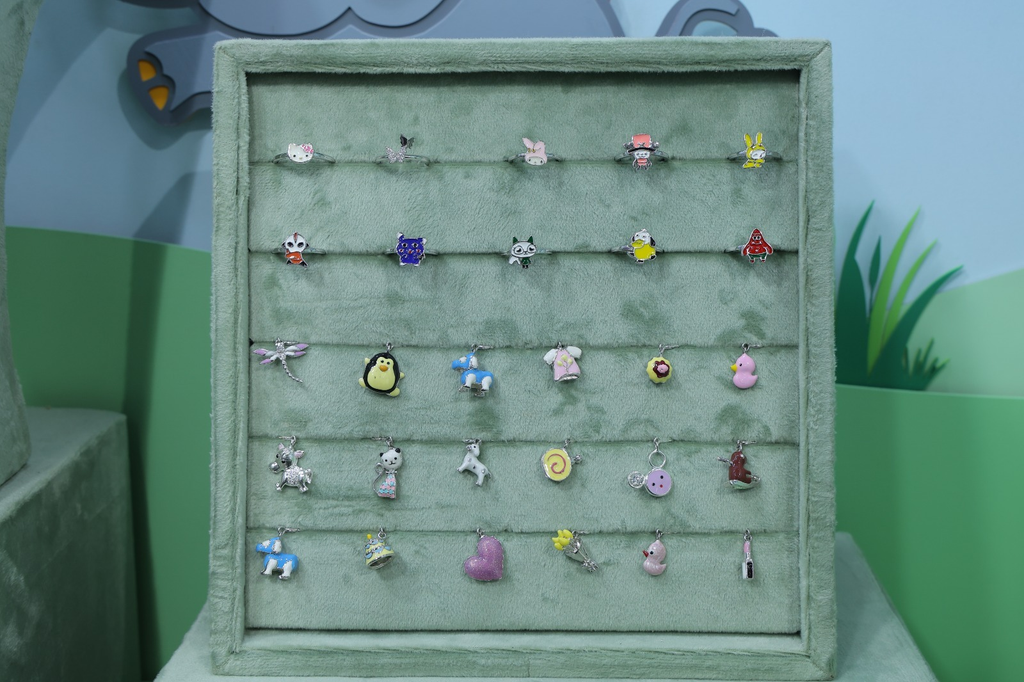
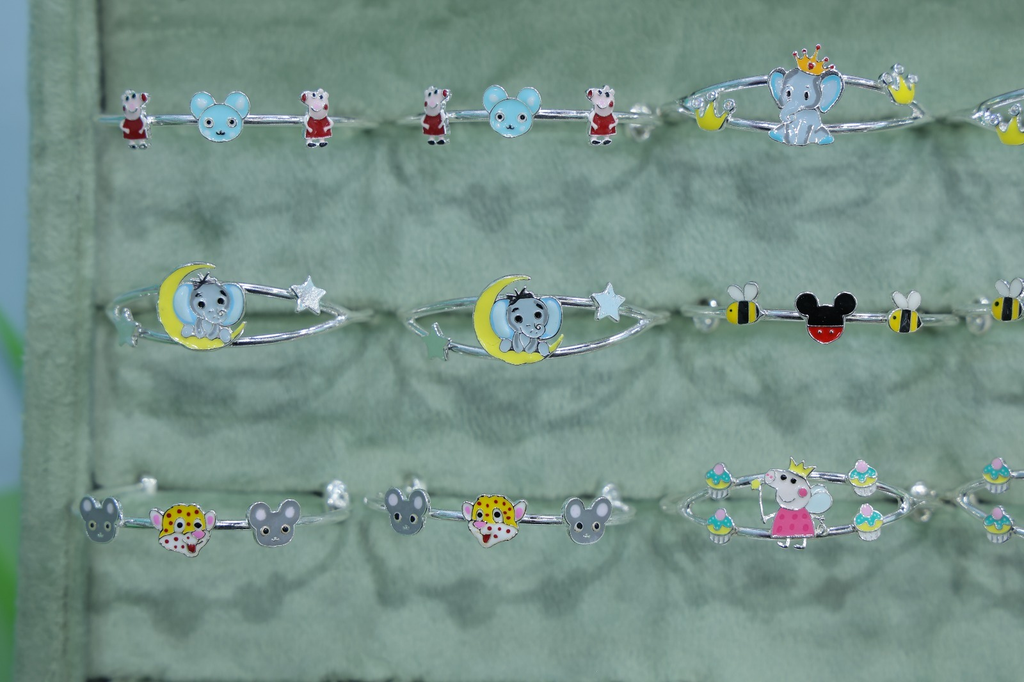
Exhibitors are widening their range beyond rings, chains, and bangles. Ricchezza’s Anamitra line targets infants, while SILORA’s Exclusive Timepieces extend a jewellery brand into horology — both pointing to lifestyle-driven diversification as a growth strategy.
Gender-Specific Design Lines
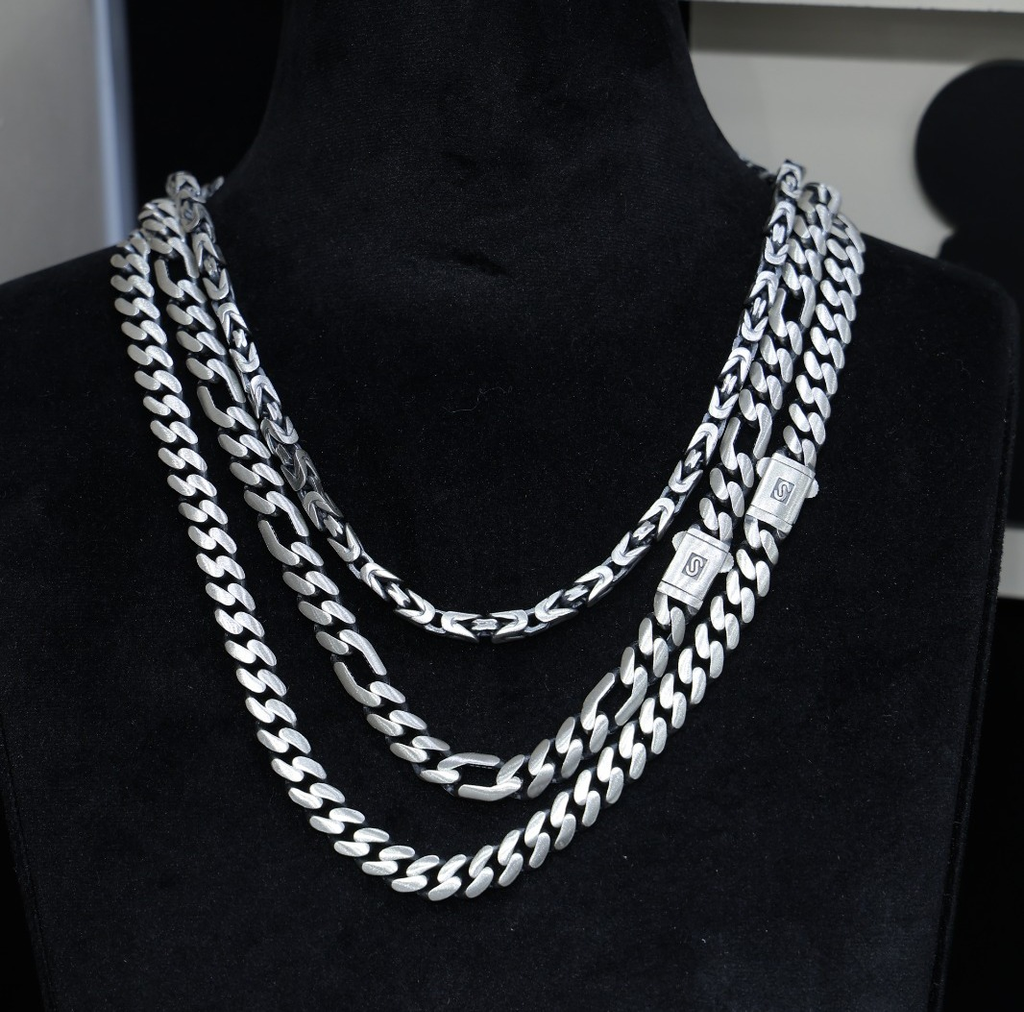
Distinct masculine and feminine lines were a notable feature, exemplified by Ricchezza’s Cuban Collection (bold, masculine) alongside Tixty (chic, feminine) — indicating that targeted, gender-specific collections continue to be a deliberate merchandising strategy rather than a one-size-fits-all approach.
Mastery in Silver Artefacts and Idols
Both Purple Jewels and Anmol Jewellers demonstrated the depth of skill in silver idol-making, from the Saptashwa Vase’s mythological detailing to the technical complexity of Vishwarupa and Panchmukhi Hanuman forms, underscoring silver artefacts as a distinct and thriving craft category alongside wearable jewellery.
Balancing tradition and modernity
Taken together, the exhibitors at the 3rd edition of SSI Delhi painted a picture of an industry balancing tradition and modernity — where antique finishes and devotional artistry sit comfortably alongside rose gold sophistication, gender-targeted lines, and category extensions such as infant jewellery and timepieces. This blend of heritage craftsmanship and contemporary lifestyle relevance appears to be the defining character of the show.


-

 JB Insights10 hours ago
Devotion, Heritage & Diversification: The defining trends of SSI Delhi’s 3rd Edition
-

 JB Insights10 hours ago
Gold-plated silver jewellery is seeing explosive growth
-

 ShowBuzz1 day ago
SSI 2026 SETS A BIGGER STAGE FOR SILVER
-

 ShowBuzz1 day ago
Silver Trends To Watch At SSI Delhi 2026
