
OurBuzz
IIJS Signature 2023 Extended To 5-Day Show


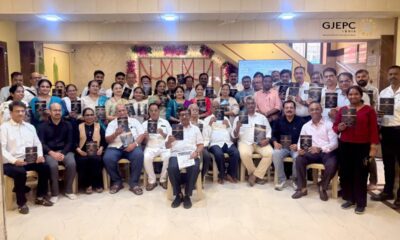
Mumbai, 13th September: The Gem & Jewellery Export Promotion Council (GJEPC) announces that IIJS Signature 2023 has been extended to a five-day show format owing to the popular demand from participants and the gem & jewellery trade at large.
IIJS Signature will be almost double in size compared with IIJS Signature 2022, with more than 2500 stalls and it is estimated that more than 1300 exhibitors will participate. The largest ever IIJS Signature show to date, spread over an area more than 65,000 sq m, will now be held from 5th to 9th January, 2023 at the Bombay Exhibition Centre, Mumbai. The show is expected to draw an estimated 32000+ visitors.

Nirav Bhansali, Convener, National Exhibitions Sub-committee, GJEPC, explained, “The magnitude of the upcoming IIJS Signature show will be similar to that of IIJS Premiere 2022. The astonishing success of the August show has created a ripple effect in terms of demand that is expected to last until IIJS Signature. We had been receiving requests to extend IIJS Signature by one day as the four-day format was limiting the visitors’ ability to cover the entire show floor.”
The show is extended by another day making it a 5-Day show similar to the duration of IIJS Premiere, with no additional participation cost to the exhibitors for the extension to facilitate participation from small exhibitors.
The different product sections of IIJS Signature 2023 will include Gold & Gold CZ Studded Jewellery; Diamond, Gemstone & Other Studded Jewellery; Loose stones, Lab-grown diamonds; Silver Jewellery, Artefacts & Gifting Items; Laboratories & Education; and Machinery & Allied.The Combo Space Application form for the two shows, IIJS Signature 2023 and IIJS Tritiya 2023, is already LIVE and the Registration ends on 15th September, 2022.







BrandBuzz
Jason Sanjay Announced As New Brand Ambassador For Challani Group
The Appointment Marks A New Chapter In The Group’s Brand-Building Journey—Blending Its Celebrated Heritage With Contemporary, Youth-Led Appeal.

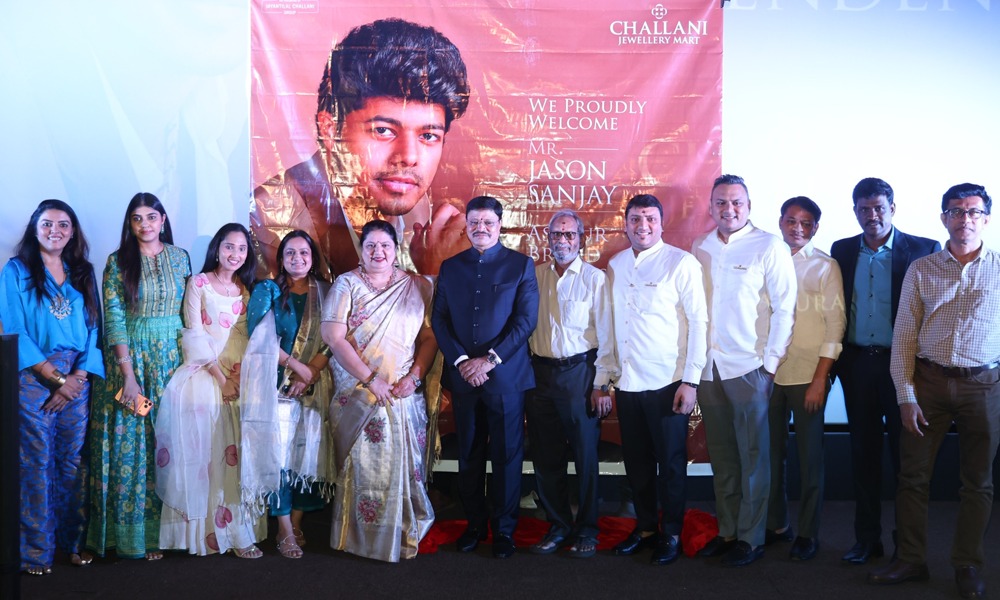
Challani Group, one of South India’s most trusted names in jewellery and precious ornaments, today officially announced the appointment of filmmaker Jason Sanjay as its new Brand Ambassador. The announcement was made at a grand unveiling ceremony held at the iconic Sathyam Cinemas, Royapettah, Chennai, bringing together the Group’s leadership, industry stakeholders, media representatives, and well-wishers.
The appointment signals an exciting new phase for Challani Group as it strengthens its connection with younger audiences while continuing to uphold the craftsmanship, trust, and legacy that have defined the brand for generations. The partnership brings together the timeless world of fine jewellery and the dynamic influence of contemporary cinema.
The official declaration was made by Jayanthilal Challani, Chairman of the Challani Group, who formally welcomed Jason Sanjay into the Challani family. The event was marked by an atmosphere of celebration, anticipation, and shared optimism as the Group introduced its new ambassador to the audience.
The high-profile event was also attended by the group’s key leadership, including Directors Gautam Chalani, Rishabh Challani, and Sripal Challani, alongside Chief Executive Officer Chandrasekhar, Chief Financial Officer Ganesh Babu Vice Presidents Elayaraja and Meena.
Their presence underscored the strategic importance of the association and the Group’s collective commitment to its next phase of growth.
Jayanthilal Challani, Chairman, Challani Group, said:
“We are incredibly delighted to welcome Jason Sanjay to the Challani Group family. This partnership represents a powerful synergy that will infuse new energy, fresh momentum, and a dynamic spirit into our brand’s growth and future market initiatives.”
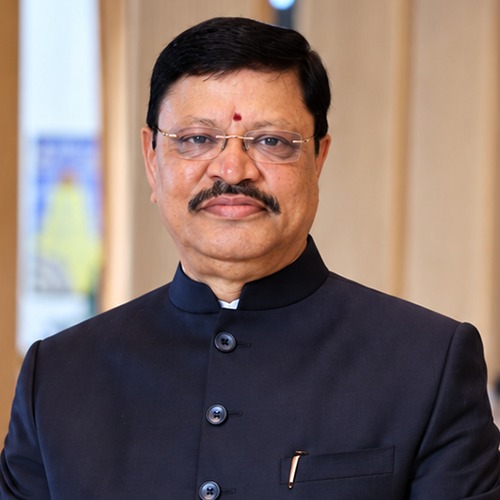
He added that Jason Sanjay’s association reflects the Group’s intent to remain relevant across generations while preserving the values of authenticity, quality, and customer trust that have long been central to Challani’s identity.
M. Elayaraja, Vice President, Challani Group, said:
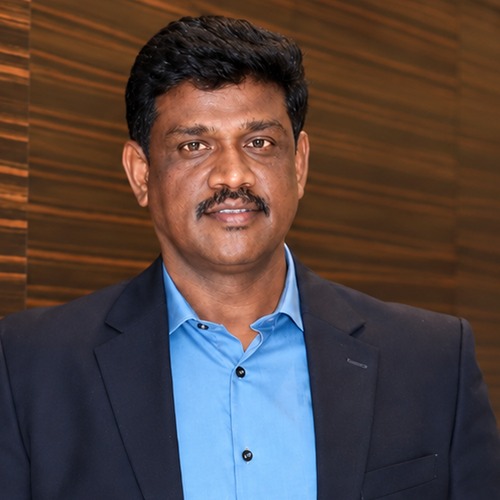
“As Challani Group continues its strong growth journey, integrating Jason Sanjay as our brand ambassador marks a pivotal milestone. Looking ahead, we have a strategic lineup of major projects and expansion plans that this alliance will beautifully complement. The collaboration signifies a prominent step forward for the brand, bridging corporate heritage with contemporary appeal to drive its upcoming market presence.”
Jason Sanjay’s appointment is expected to help Challani Group engage a broader and younger consumer base.The alliance is designed to complement the Group’s established reputation while giving its communications a fresh, modern, and aspirational dimension.
For Challani Group, the partnership represents more than a celebrity endorsement. It reflects a deliberate effort to connect the Group’s longstanding legacy of fine jewellery craftsmanship with a new generation of customers who value style, individuality, and meaningful brand experiences.



India’s Festive Jewellery Market Eyes Growth As Consumers Shift Towards Lightweight Designs and Value-Led Purchases

Kicky & Perky Opens Its First Official Store At DLF Midtown Plaza, Marking A New Chapter In Its Retail Journey

Senco Gold & Diamonds Brings Festive Cheer With “Dhanteras Shagun”, Offering Exclusive Savings and Rewards

Dhanteras Shopping Guide 2026:Gold, Silver, Diamonds & Festive Jewellery Trends To Watch

Indriya, Aditya Birla Jewellery Unveiled India’s Largest Sustainable Jewellery Rangavalli

From Diya Puja To Diwali Soirées: Jewellery Designed To Go Beyond The Festive Season
-
 JB Insights4 days ago
Dhanteras Shopping Guide 2026:Gold, Silver, Diamonds & Festive Jewellery Trends To Watch
-
 National News4 days ago
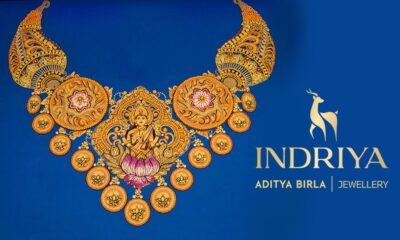
Indriya, Aditya Birla Jewellery Unveiled India’s Largest Sustainable Jewellery Rangavalli
-
 BrandBuzz4 days ago
From Diya Puja To Diwali Soirées: Jewellery Designed To Go Beyond The Festive Season
-

 BrandBuzz4 days ago
The Solenne Collection: A Celebration Of Diwali By Bharti Bangur Fine Jewels
