
National News
GJEPC Co-Hosts Indo-Belgian Diamond Forum in New Delhi
Gem & Jewellery Export Promotion Council and HRD Antwerp bring together industry leaders and policymakers to deepen India–Belgium collaboration and discuss the future of the global diamond trade.

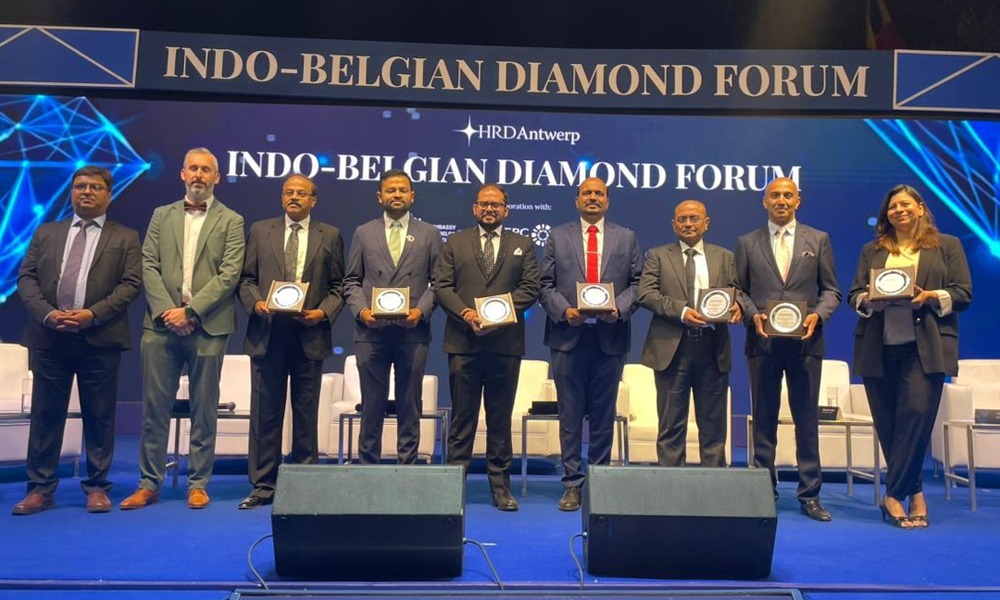
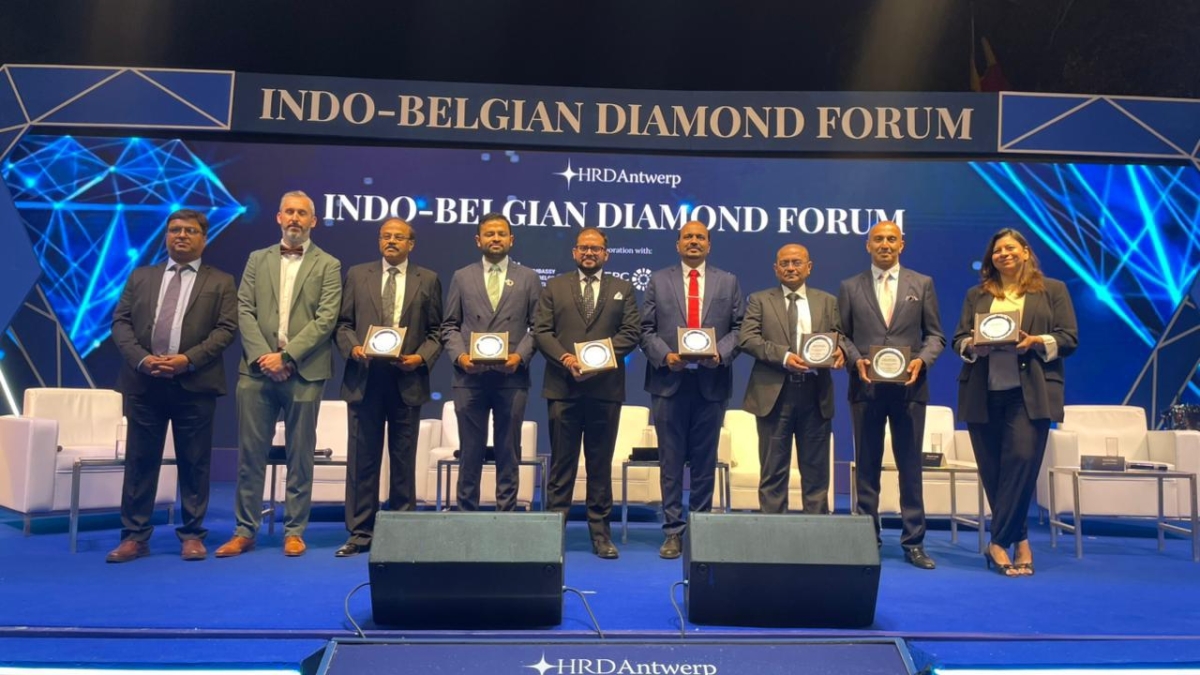
The Gem & Jewellery Export Promotion Council (GJEPC), in partnership with HRD Antwerp and the Embassy of Belgium in India, co-hosted the Indo-Belgian Diamond Forum at the Residence of the Ambassador of Belgium in New Delhi. The event was powered by INDRA – by De Beers Group & GJEPC, with Shivam Jewels as the Diamond Partner, BVC Logistics as the Logistics Partner, and Business of Jewellery as the Media Partner.
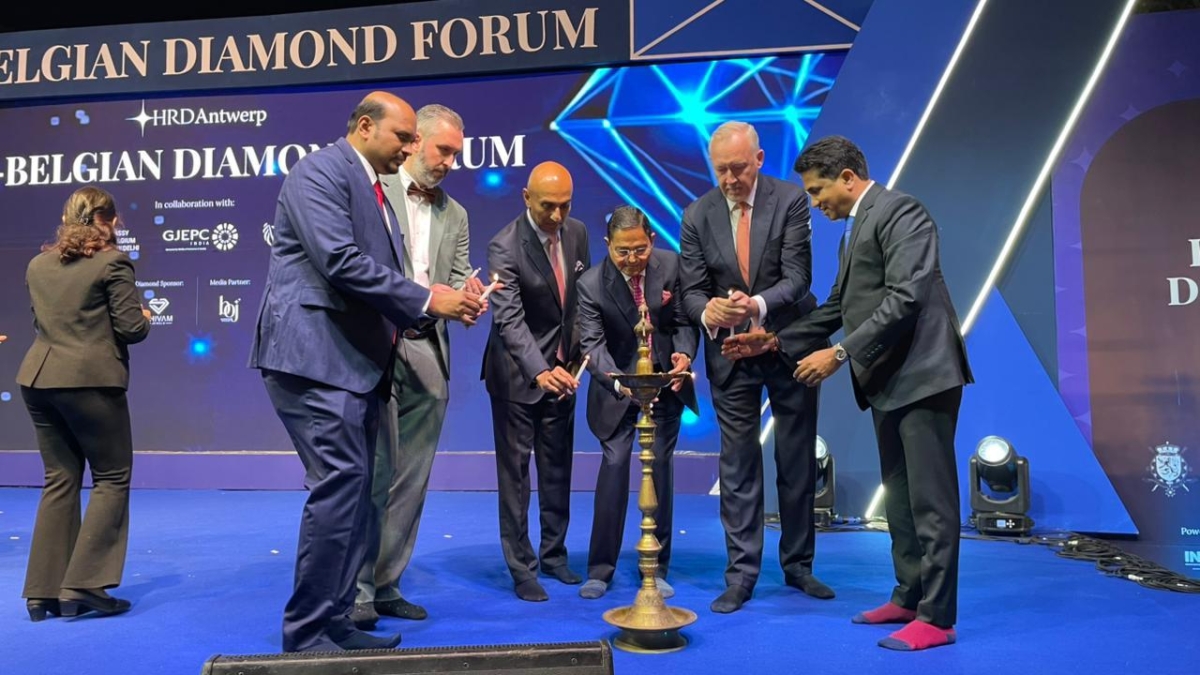
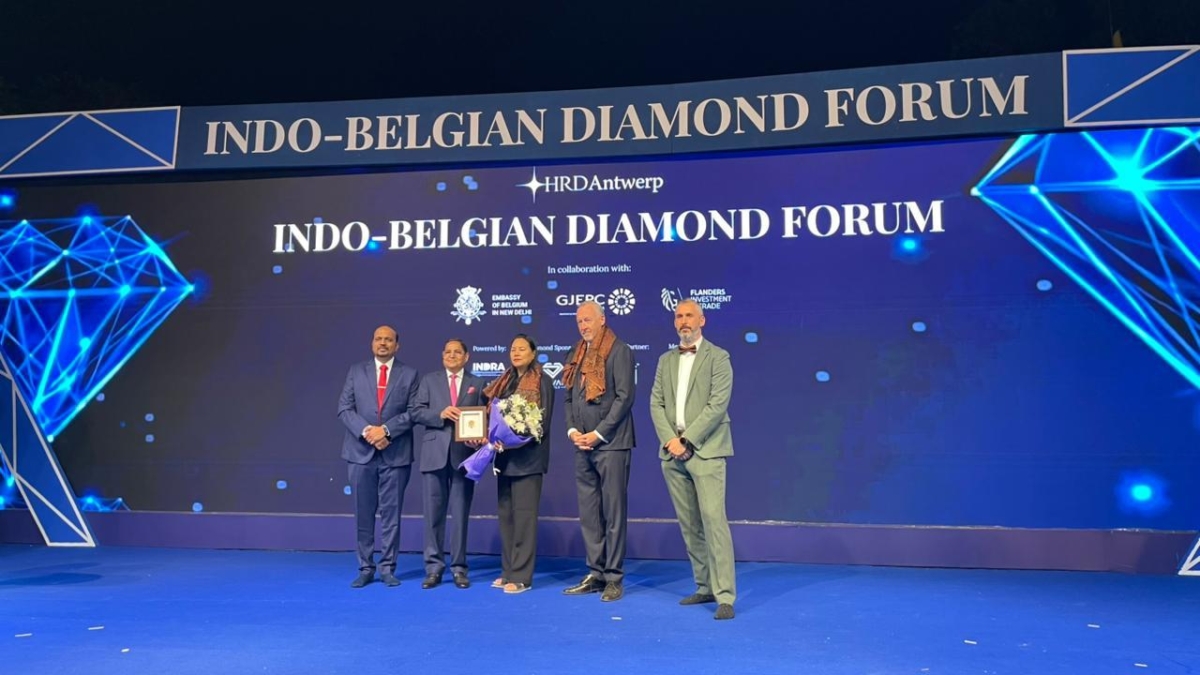
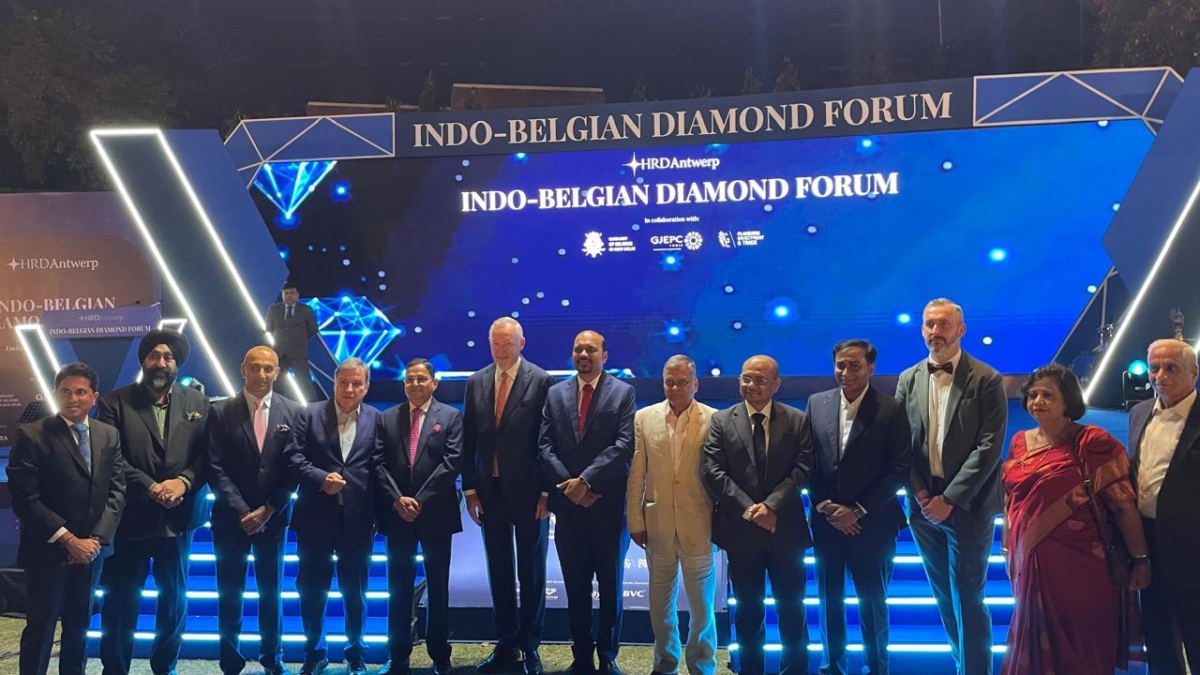
The forum celebrated the strong and longstanding partnership between India and Belgium in the global diamond trade. It brought together industry leaders, policymakers, diplomats and entrepreneurs to exchange insights on the evolving landscape of the diamond and jewellery sector and explore new opportunities for collaboration between the two countries.
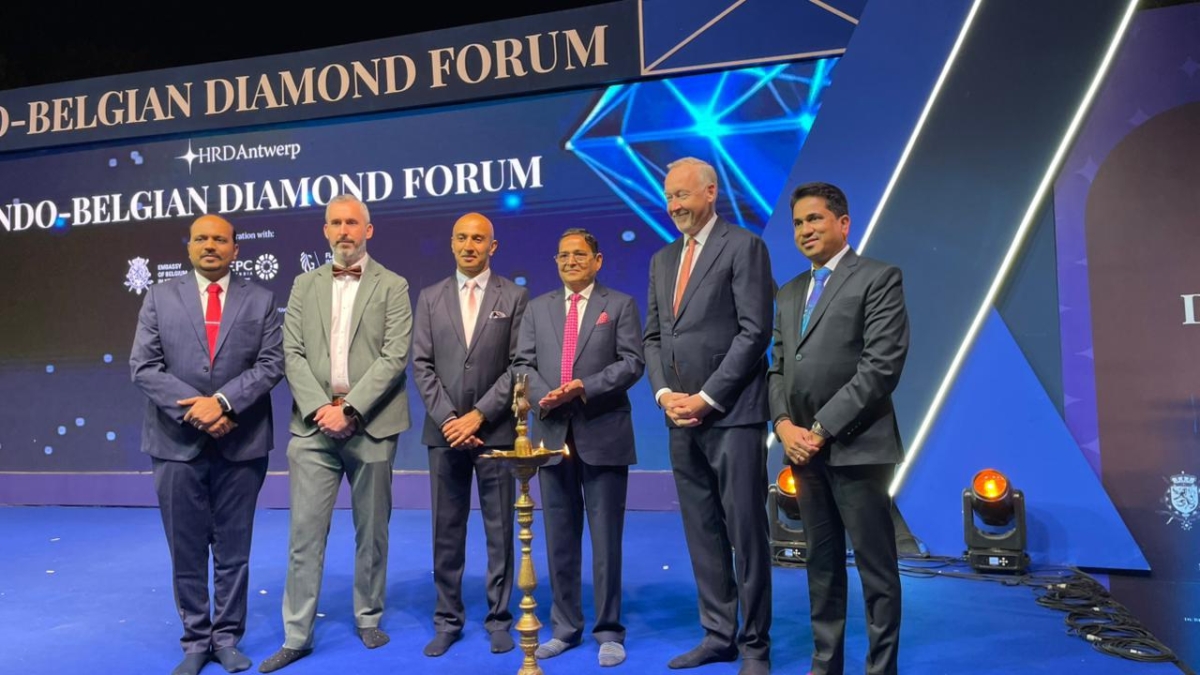
The event was inaugurated in the presence of His Excellency Didier Vanderhasselt, Ambassador of Belgium to India; Kirit Bhansali, Chairman, GJEPC; Shaunak Parikh, Vice Chairman, GJEPC; Mansukh Kothari, Convener – Events, GJEPC; Stanley De Belie, Chief Operating Officer, HRD Antwerp; and Ramakant Mitkar, Managing Director – India, HRD Antwerp, along with other distinguished industry and government officials.
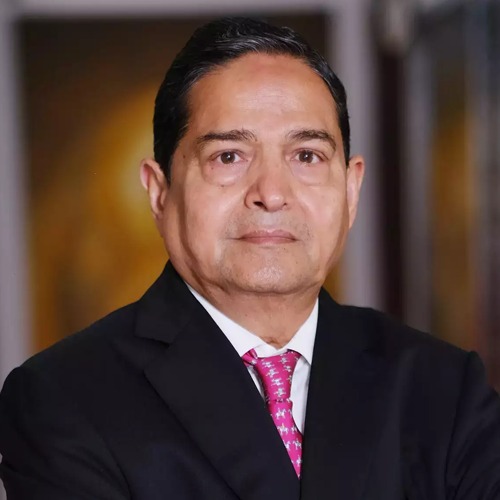
“India is committed to playing a responsible and constructive role in this global ecosystem. This year, India is honoured to serve as the Chair of the Kimberley Process for 2026. This responsibility reflects the trust the international community places in India’s leadership in promoting transparency, responsible sourcing, and ethical practices in the diamond trade. At the same time, India is taking important steps domestically to strengthen consumer confidence in diamonds.”Kirit Bhansali Chairman, GJEPC
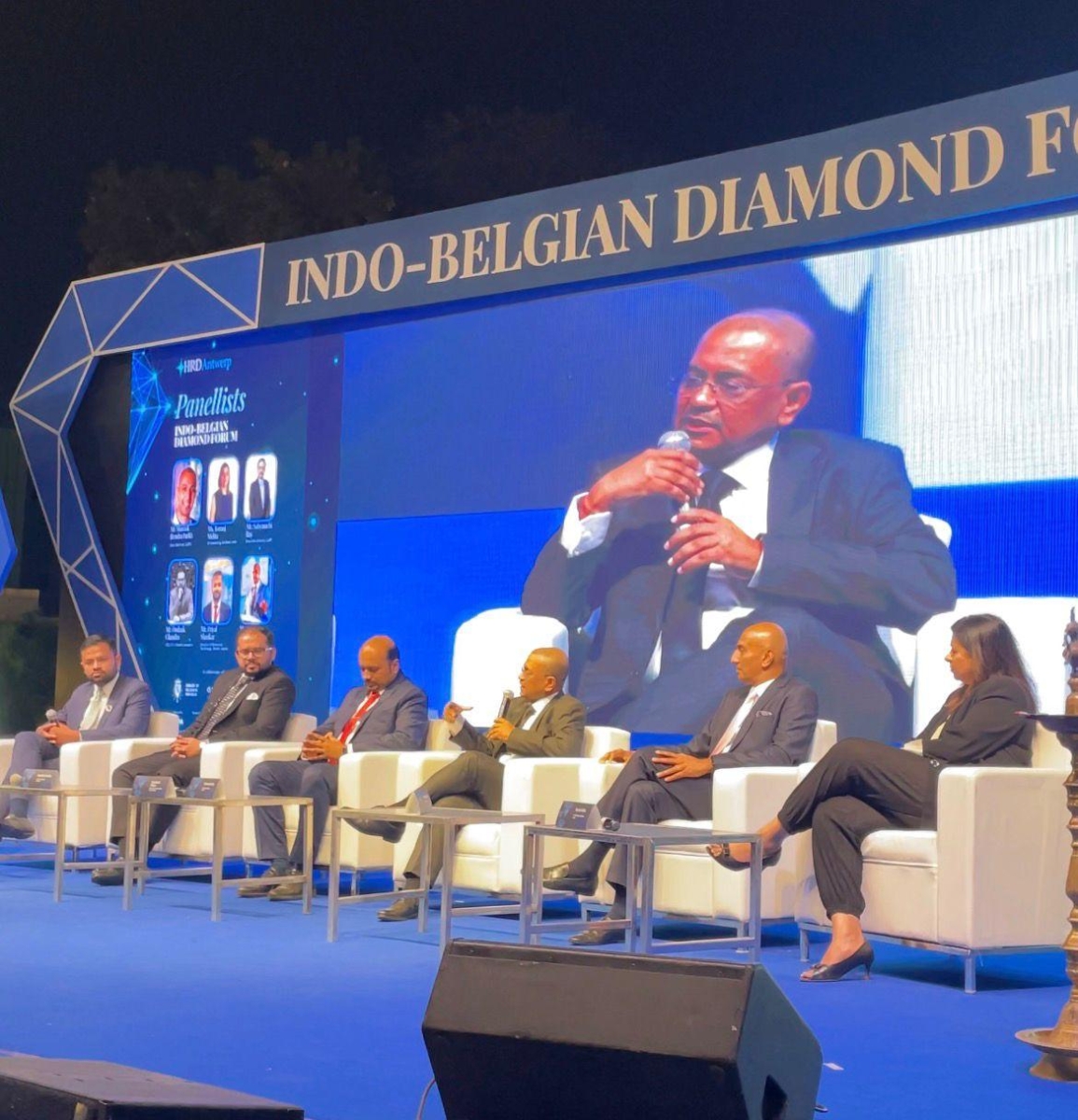
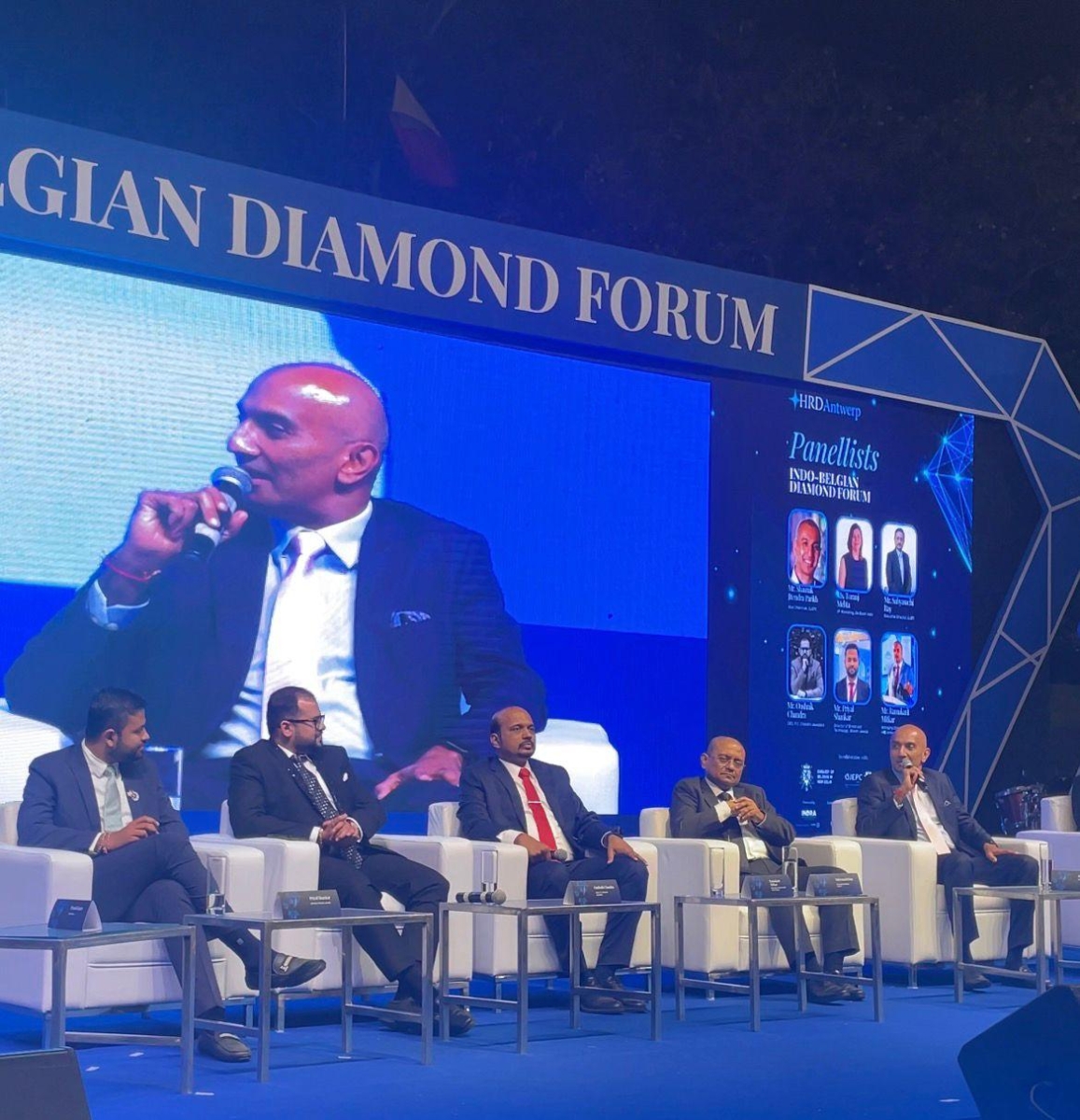
A panel discussion during the forum explored key trends shaping the global diamond and jewellery industry, including consumer preferences, branding of natural diamonds, technological innovation, and opportunities for strengthening Indo-Belgian trade ties. The discussion featured Shaunak Parikh, Vice Chairman, GJEPC; Sabyasachi Ray, Executive Director, GJEPC; Toranj Mehta, Vice President Marketing, De Beers India; Priyal Shankar, Director, Shivam Jewels; Oushnik Chandra, CEO, PC Chandra Jewellers; and Ramakant Mitkar, Managing Director – India, HRD Antwerp.
The session was moderated by Prasad Kapre, Industry Analyst & Consultant at Blue Sky Business Management Group, who guided the discussion on the future of natural diamonds and global market dynamics.
Through such international engagements, GJEPC continues to strengthen global partnerships and reinforce India’s role as a key pillar of the global gem and jewellery industry.




National News
Kantilal Jewellers, Launches Flagship Showroom At Vastrapur, Ahmedabad
Marking Its First Expansion Outside Surat, The Massive Three-Story Space Is The Brand’s Largest Retail Destination To Date.

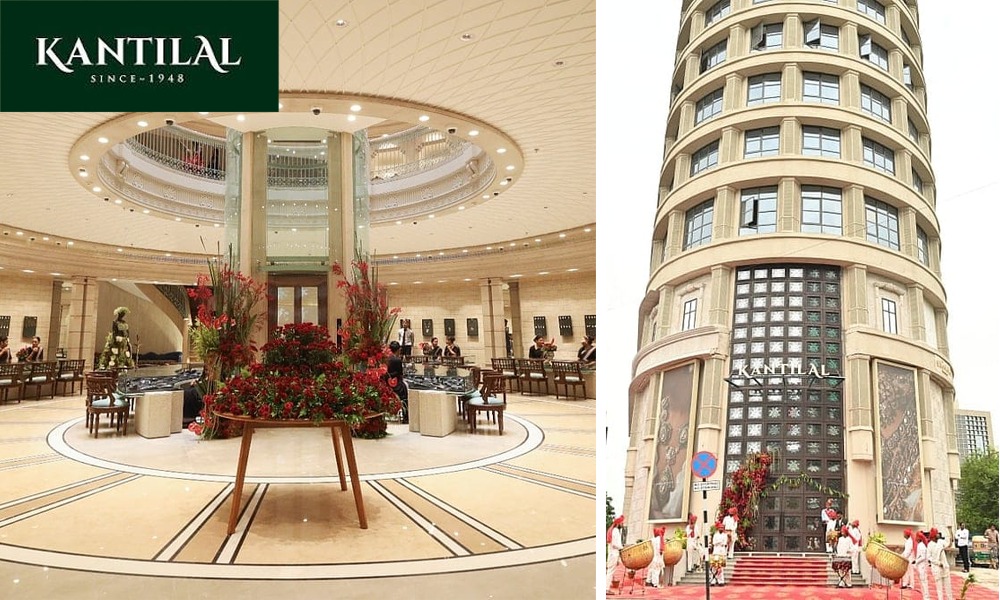
Surat-based Kantilal Jewellers, a legacy brand established in 1948, has expanded beyond its home base with the launch of a 28,000 sq. ft. flagship showroom at Keshavbaug Capital, Vastrapur, Ahmedabad.
Marking its first expansion outside Surat, the massive three-story space is the brand’s largest retail destination to date.
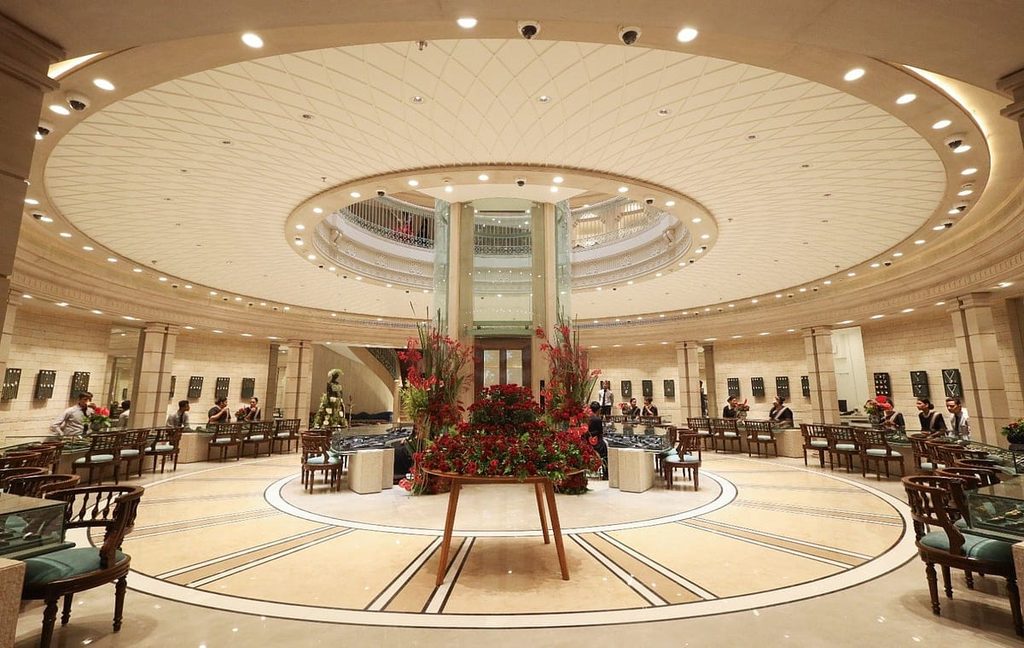
Palatial Architectural Concept: The store design takes inspiration from Jodhpur Palace, featuring Jharokha-style screens, marble passageways, domed skylights, chandelier lounges, and a central atrium linking all three levels.
Experiential Studio Retail: Departing from traditional counters, the showroom offers private studio spaces, VIP viewing areas, and dedicated experience centers.
Ambient Luxury: The shopping experience is elevated by live sitar and guitar performances alongside personalized consultation lounges.
Product Offering: The flagship showcases the brand’s signature gold, diamond, and bridal collections tailored for the Ahmedabad market.
Led by Director Jinay Choksi, this flagship rollout is a strategic move to establish a distinct, experiential luxury footprint across major Gujarat markets while preserving the heritage of the Kantilal brand.


-

 Special Reports1 day ago
Growth of the 925 Sterling Silver Gifting Segment
-
 ShowBuzz1 day ago
TRENDS @ SSI DELHI 3RD EDITION
-
 JB Insights2 days ago
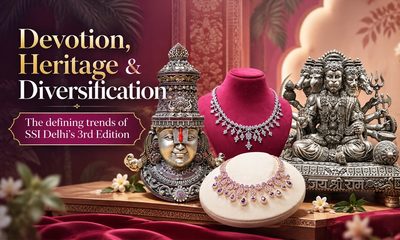
Devotion, Heritage & Diversification: The defining trends of SSI Delhi’s 3rd Edition
-

 JB Insights2 days ago
Gold-plated silver jewellery is seeing explosive growth
