
National News
GST reforms a bold and timely step to ease pressure on export chains: GJEPC


- IGST reduced from 18% to Nil on Natural Cut and Polished Diamonds up to 25 cents (1/4 carats) imported under Diamond Imprest Authorization Scheme
- Reduced GST on jewellery boxes from 12% to 5%
The Gem & Jewellery Export Promotion Council (GJEPC) has warmly welcomed the GST reforms announced at the 56th GST Council meeting held on 3rd September in New Delhi under the chairpersonship of Hon’ble Union Finance & Corporate Affairs Minister, Smt Nirmala Sitharaman. The rationalisation of GST rates across multiple sectors reflects the Government’s commitment to stimulating domestic demand, easing cost pressures, and enhancing the competitiveness of Indian industry.
For the diamonds and jewellery sector, the reforms bring significant relief. The Council’s decision to exempt imports of natural cut and polished diamonds up to 25 cents under the Diamond Imprest Authorisation Scheme (DIAS) from IGST (previously 18%) will ease working capital pressures and support manufacturers and exporters engaged in small-diamond processing. In addition, the reduction of GST on jewellery boxes from 12% to 5% will lower costs for retailers and exporters, while making packaging and gifting more affordable for consumers—benefiting both businesses and buyers alike.

Kirit Bhansali, Chairman, GJEPC, said, “We welcome the GST reforms announced under the guidance of Hon’ble Finance Minister Smt Nirmala Sitharaman. These measures will stimulate domestic demand and provide a cushion to our export supply chains, which are under pressure due to global challenges. The diamonds and jewellery sector remains committed to ensuring that the benefits, including reduced costs for jewellery boxes, are transparently passed on to Indian consumers, reinforcing trust and supporting long-term industry growth.”
Rajesh Rokde
Chairman, GJC
The current GST reforms (GST 2.0) offers no direct and immediate relief to gems and jewellery exporters against. Importantly, the gems and jewellery sector was excluded from the latest reforms, which reduced the number of GST slabs from four to two (5% and 18%), eliminated the 12% and 28% brackets, and introduced a 40% rate for luxury goods. As a result, the reforms do not offset the adverse impact of U.S. tariffs, since input costs and compliance burdens remain unchanged. However, by focusing on stimulating consumption, the GST changes may support the gems and jewellery sector indirectly over the longer term. The new rates, effective from September 22, are expected to boost consumption, with the overall fiscal impact of the overhaul estimated at around Rs 50,000 crore.


Avinash Gupta
Vice Chairman – GJC
As expected, the GST rate for the gem and jewellery sector remains unchanged at 3%. The GJC has consistently represented to the government that, given the sharp rise in gold prices and in line with revenue-neutral principles, the GST rate should ideally be reduced to 1%–1.25%.
The introduction of the next-generation GST reforms, streamlining the system into just two slabs—5% and 18%—alongside the proposed income tax reforms in the budget, is set to provide a significant boost to domestic consumption. This, in turn, will benefit the gem and jewellery sector by driving higher sales, particularly during the upcoming festive season.
The industry views this reform as a timely step that will brighten the festive outlook and ensure a truly prosperous Diwali. For this initiative, we extend our gratitude to our Honourable Prime Minister and Finance Minister for bringing in such a much-needed reform at the right time.
Saiyam Mehra
IPC- GJC and Director – Unique Chains and Jewels Ltd
The next-gen GST reforms mark a pivotal moment for India’s consumption-driven economy. By streamlining tax slabs and easing the burden on essential goods, the government has empowered consumers with greater purchasing power. For the gem and jewellery industry, this translates into renewed optimism—where jewellery is not just a luxury, but a preferred investment and cultural expression. We believe this reform will unlock fresh demand, especially from emerging markets and younger buyers seeking value and authenticity.


Prabhat Ranjan, Senior Director, Nexdigm, shares insights on sectoral impact of GST Council’s latest reforms The GST Council has retained the 3% rate on gold. This stability is crucial in a sentiment-driven market where seasonal demand peaks during weddings and festivals. By avoiding volatility, the Council discourages informal trade and sustains confidence in the organized sector.
Sometimes, stability is the strongest reform. By keeping GST on gold unchanged, the Council has preserved predictability in a market deeply tied to culture and sentiment. This move reassures consumers and jewellers alike, while ensuring the organized sector continues to flourish.
These reforms, combined with GST reductions in allied sectors such as handicrafts, leather goods, and packaging, will further strengthen India’s diamonds and jewellery ecosystem. By lowering operational costs, enhancing affordability, and boosting global competitiveness, they reinforce India’s position as a leading hub for diamond processing, jewellery design, and exports.
GJEPC appreciates the Government’s consultative approach and is confident that these measures will deliver broad-based benefits, supporting both domestic growth and export resilience for the Indian diamonds and jewellery sector.


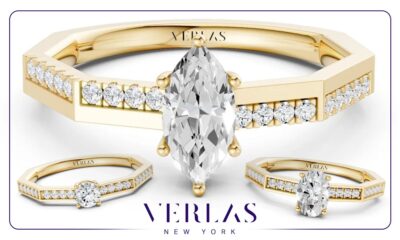

BrandBuzz
Verlas Introduces the ‘Alyssa’ Collection in India, Bringing Modern Luxe Floral-Inspired Design to Lab-Grown Diamond Jewelry Crafted in Fine Gold
The New York-born brand channels statement floral designs in modern silhouettes and larger carat diamond brilliance into a collection made for weddings, engagements, cocktail evenings, and wedding Trousseau Picks.
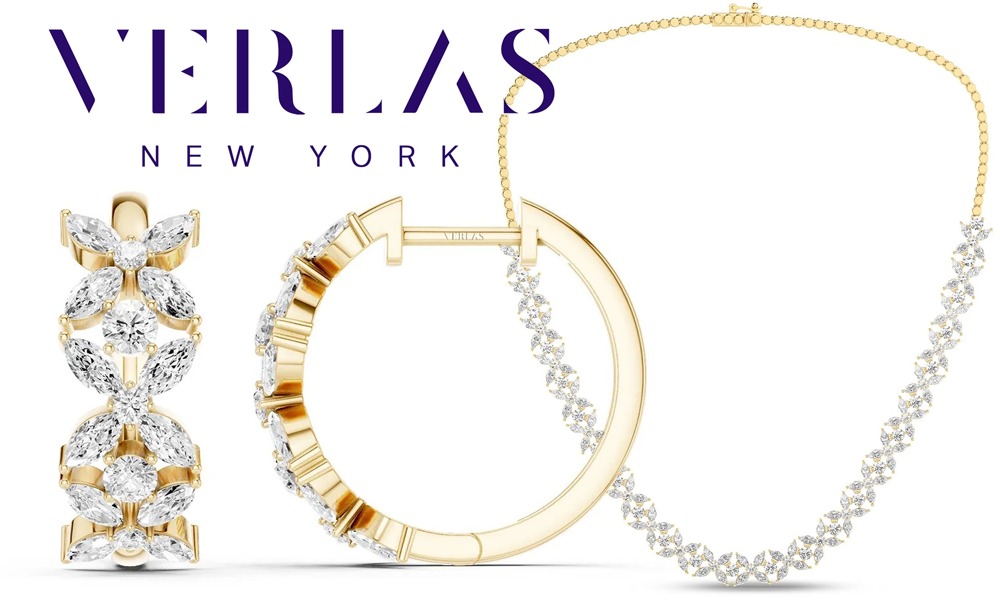
Verlas, the New York-based fine jewelry brand, has brought its luxurious Alyssa collection to India, a floral-inspired range of contemporary designs crafted with IGI-Certified lab-grown diamonds and BIS hallmarked gold in 14K and 9K Gold variants. Built around larger carat weights and romantic floral design, the collection pairs statement sparkle with Verlas’ commitment to sustainability and craftsmanship. Since its founding in 2019, Verlas has focused on modern, considered jewelry designed to feel personal and meaningful, handcrafted by skilled artisans in VS clarity lab-grown diamonds set in fine gold.
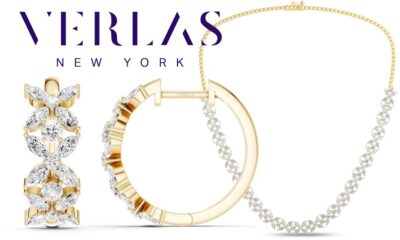
Inspired by blooming florals, the Alyssa collection translates nature’s motifs into refined diamond jewelry designed for everyday moments in the form of elegant pendant necklaces and Studs designed with florets of round-cut and marquise-cut diamonds, and then there are these luxe styles that call for something more. For bigger celebrations to evening dressing, these luxe designs are crafted with marquise and round-cut diamonds in hoops and dangler earrings, unique tennis bracelets and tennis necklace designs that embrace the designer craftsmanship of Verlas. The Alyssa collection brings signature brilliance to a range of personal styles.
For the modern bride, Alyssa brings together jewelry for every part of her journey—from the engagement and big day to her trousseau, bridesmaids and the little moments beyond. Fashion-forward yet effortlessly elegant, each design is crafted to make a statement today and stay in her rotation long after the celebrations are over.
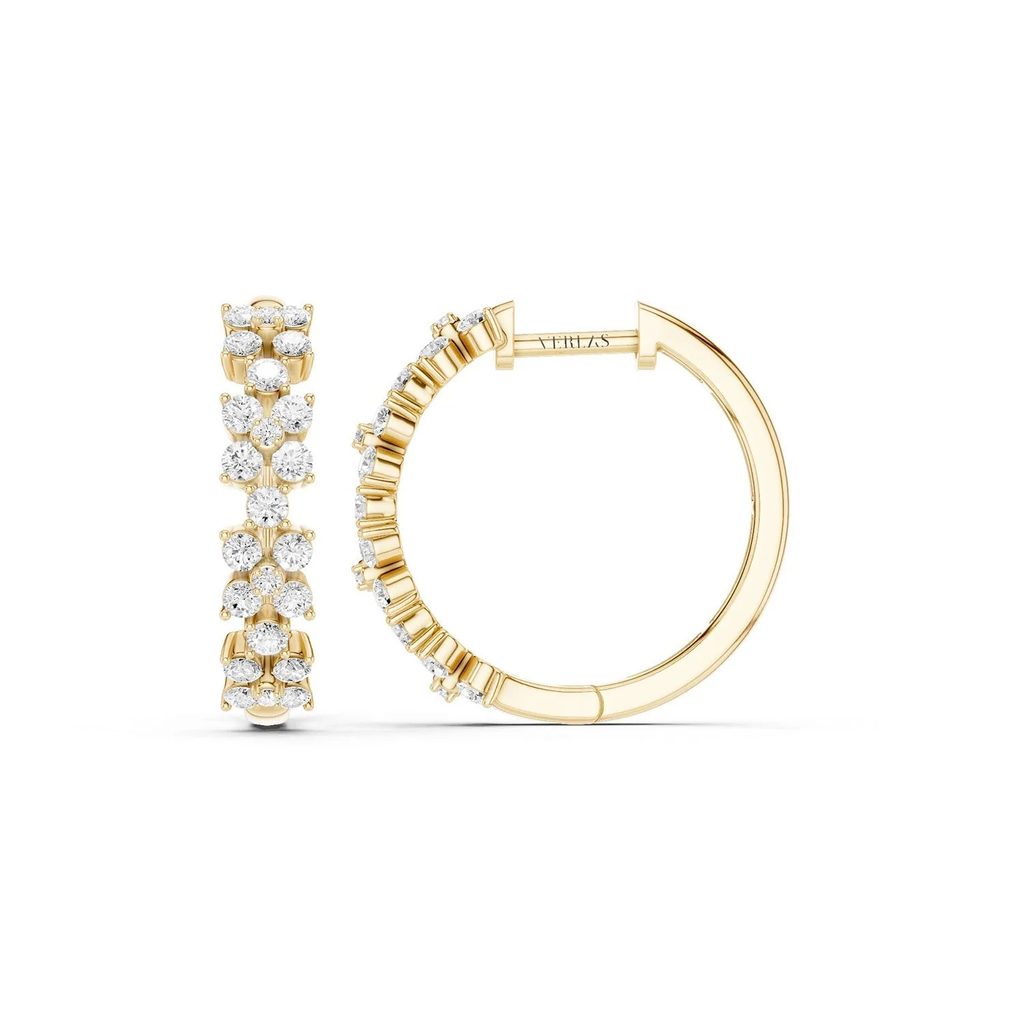
Among the highlights are the Alyssa Cuatro Floral Hoops, featuring five round lab-grown diamonds arranged in a delicate floret on a solid gold hoop. For a softer, more elegant look, these round-cut diamonds bring a classic appeal – perfect for those who prefer understated sparkle.
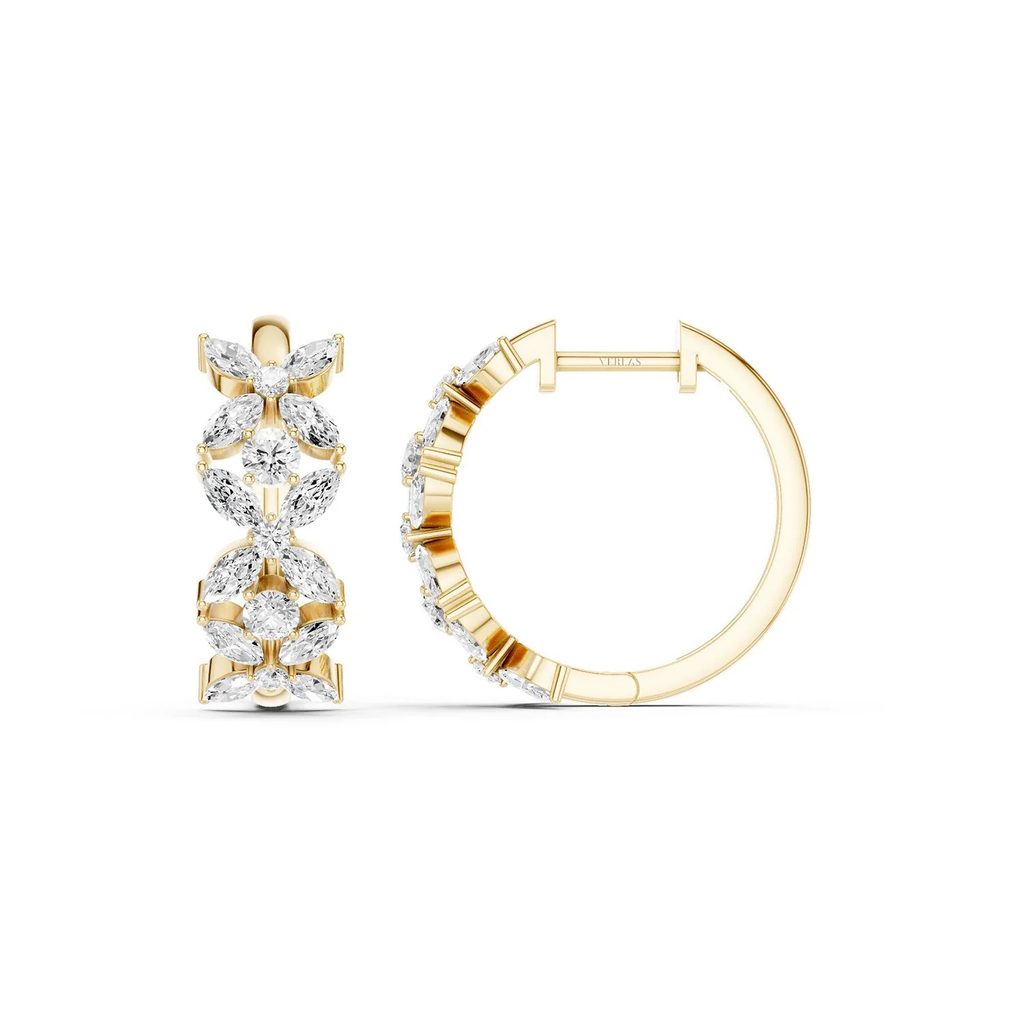
If bold and distinctive is more your style, the Alyssa Tres Marquise Diamond Huggies bring an elongated floral silhouette with marquise-cut diamond petals.
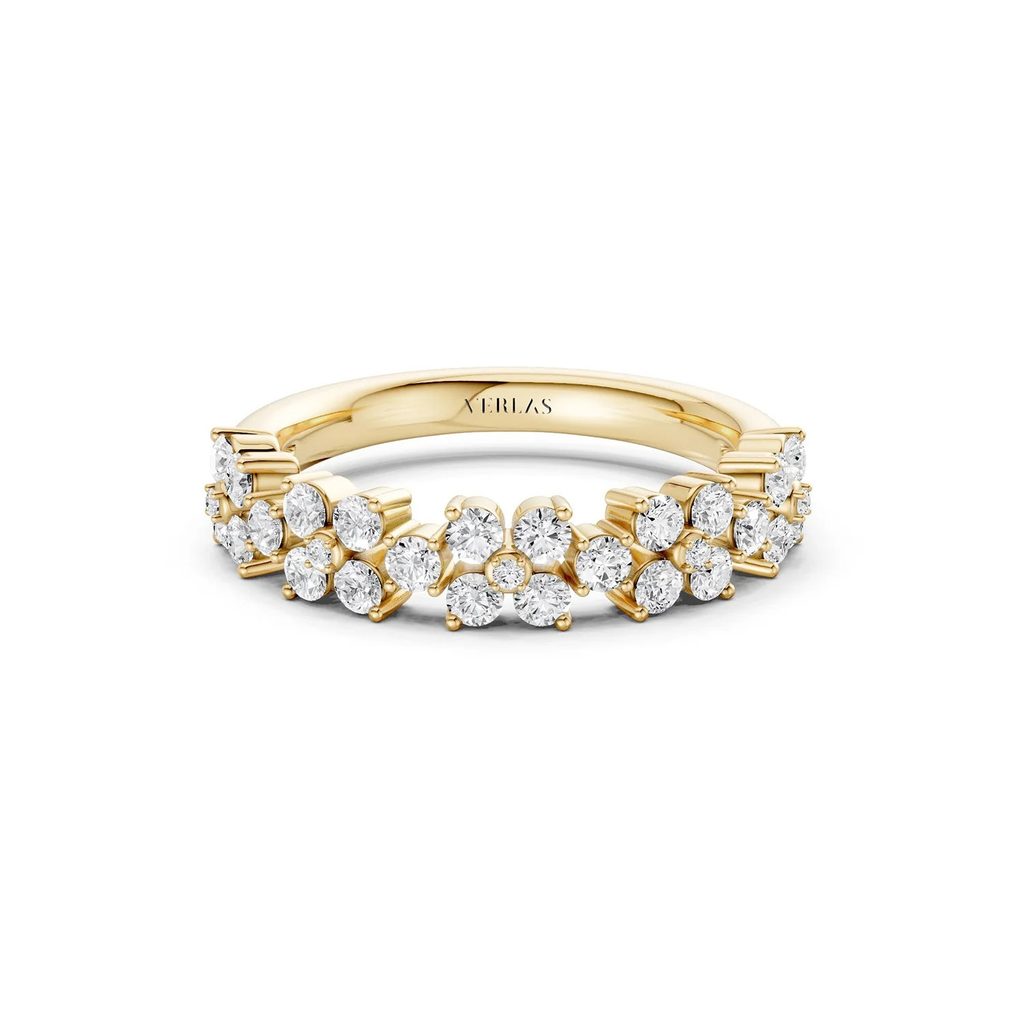
The Alyssa Radiant Bloom Ring offers another take on the floral motif, bringing together round-cut diamonds for a radiant, feminine look.
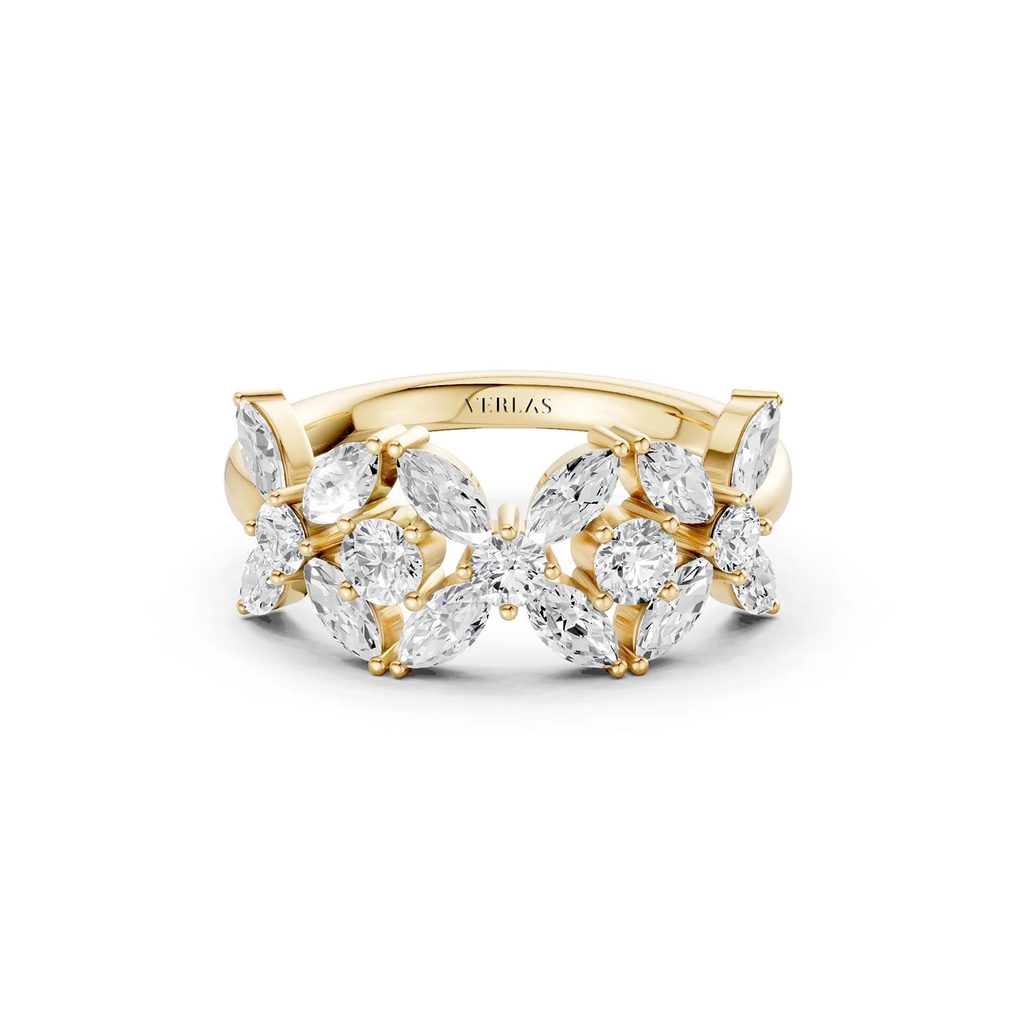
Meanwhile, the Alyssa Trio Marquise Bouquet Ring takes a bolder approach, featuring three diamond florets crafted with marquise diamond petals. Whether you lean towards the elegant simplicity of round cuts or the bolder character of marquise cuts, the Alyssa collection offers a floral style to match.
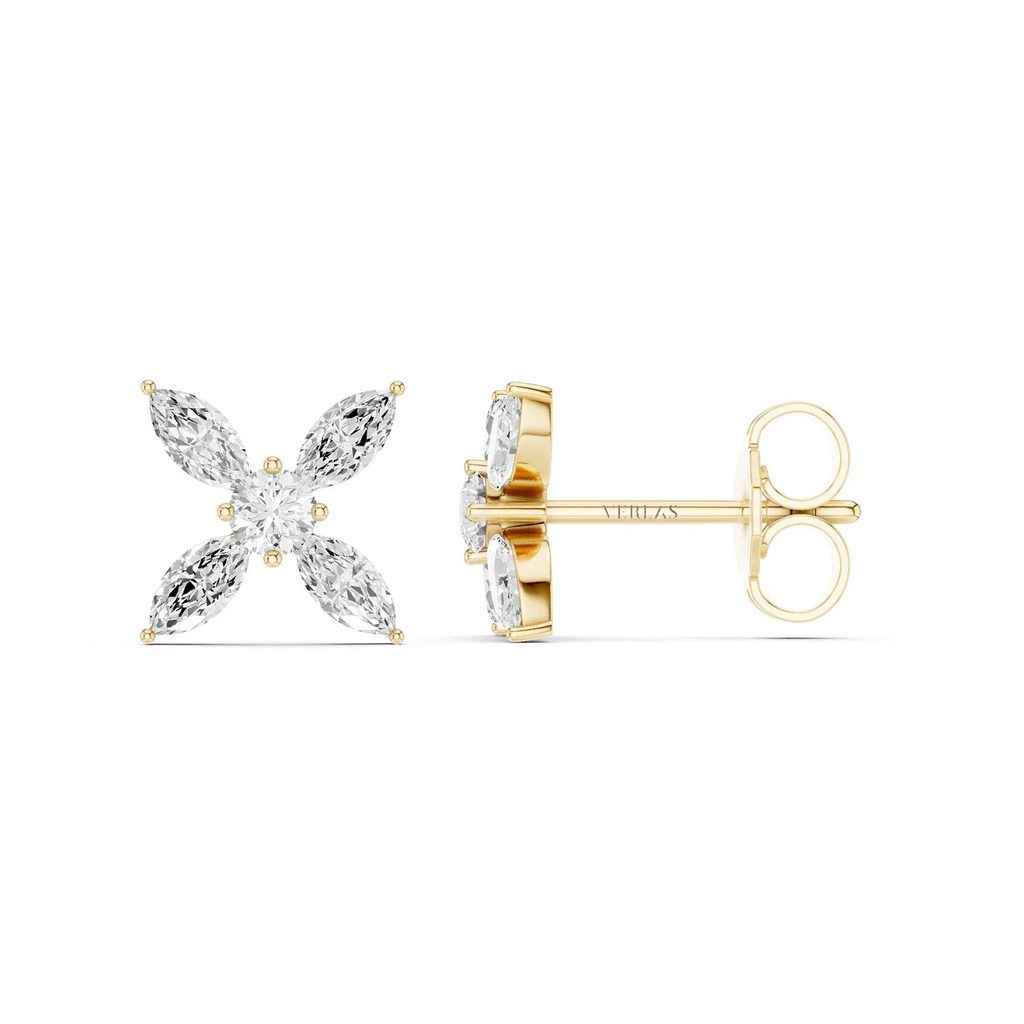
The Alyssa Marquise Studs bring a fresh take on florals, with marquise-cut diamonds forming an X-shaped motif around a round centre. Easy enough for everyday, yet special enough for evenings out, they’re the kind of pair you’ll keep reaching for.
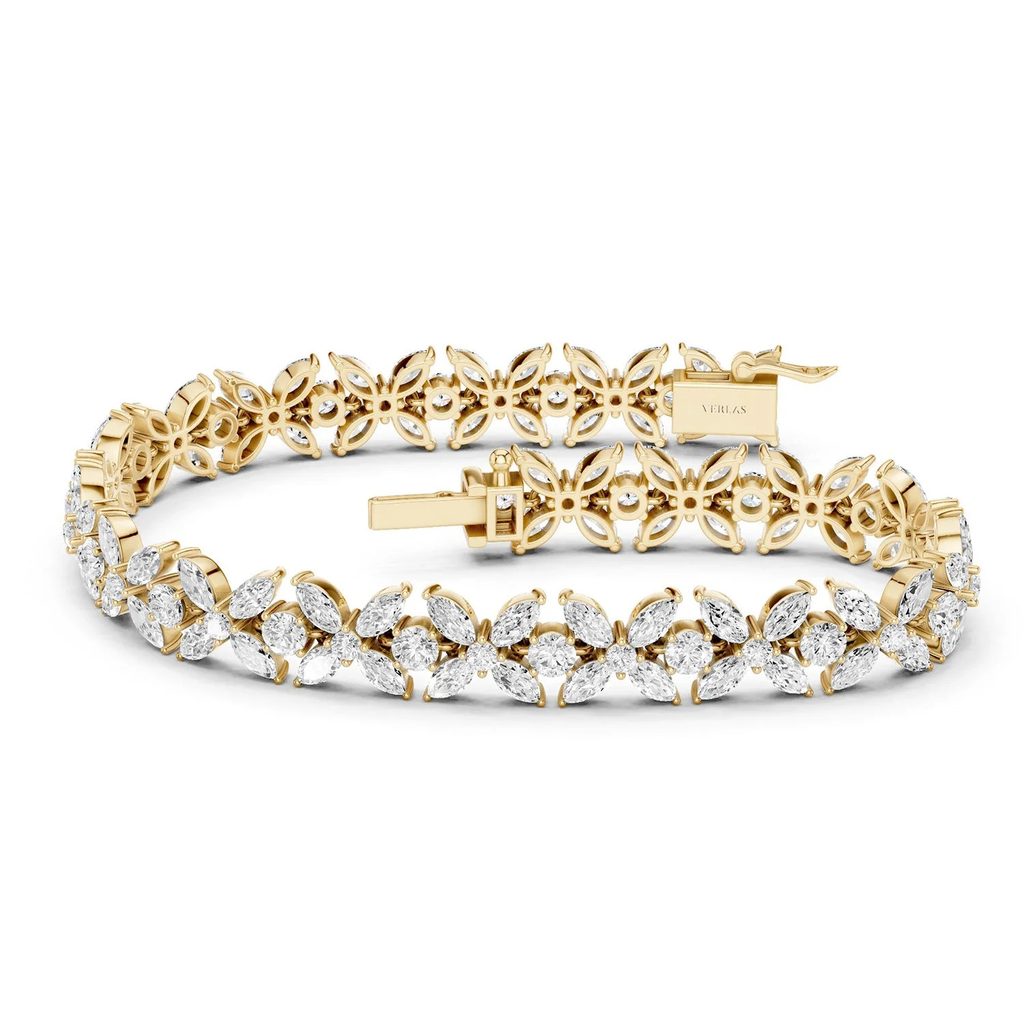
For a little more sparkle, the Alyssa Marquise-Cut Floral Tennis Bracelet makes a statement without feeling reserved for just one occasion. Its floral diamond motifs bring a touch of drama to wedding celebrations, festive evenings and everything in between.
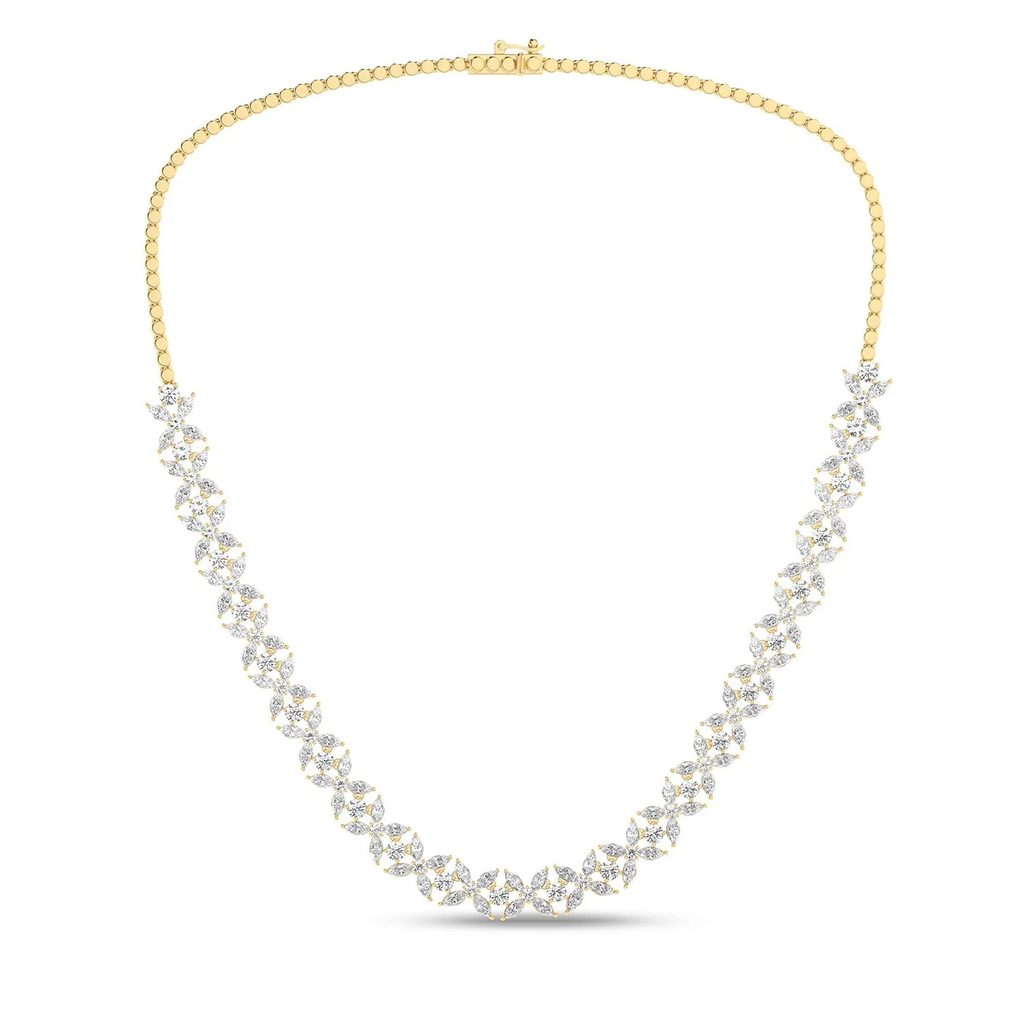
And when you’re ready to go all out, the Alyssa Marquise Radiant Tennis Necklace takes the floral story up a notch. With twenty-three diamond florets and a total weight of 13 carats, it brings together marquise-cut petals and round diamond centres for a look made to shine at the wedding, reception, or your next big celebration.
Available in white, yellow, and rose gold in 14K and 9K, the Alyssa collection reflects Verlas philosophy of creating jewelry that is beautiful, meaningful, and responsibly crafted. Perfect for elevating bridal looks and everyday romance alike.
With its growing presence in India, Verlas continues to bring its modern design and craftsmanship approach to fine jewelry to new audiences, combining considered design, conscious choice, and a more approachable jewelry experience.



Belgian Prime Minister Bart De Wever opens expanded HRD Antwerp laboratory in Mumbai

Verlas Introduces the ‘Alyssa’ Collection in India, Bringing Modern Luxe Floral-Inspired Design to Lab-Grown Diamond Jewelry Crafted in Fine Gold

Gold rebounds,Silver reclaims Rs 2.33 lakh mark

Limelight Lab Grown Diamonds Inaugurates Showroom In Kalyan, Its 8th Exclusive Store MMR
Verlas Introduces the ‘Alyssa’ Collection in India, Bringing Modern Luxe Floral-Inspired Design to Lab-Grown Diamond Jewelry Crafted in Fine Gold
Belgian Prime Minister Bart De Wever opens expanded HRD Antwerp laboratory in Mumbai
-
 National News3 days ago
Limelight Lab Grown Diamonds Inaugurates Showroom In Kalyan, Its 8th Exclusive Store MMR
-
 BrandBuzz2 days ago
Verlas Introduces the ‘Alyssa’ Collection in India, Bringing Modern Luxe Floral-Inspired Design to Lab-Grown Diamond Jewelry Crafted in Fine Gold
-
 DiamondBuzz2 days ago
Belgian Prime Minister Bart De Wever opens expanded HRD Antwerp laboratory in Mumbai
-
 National News2 days ago
Gold rebounds,Silver reclaims Rs 2.33 lakh mark
