
National News
Gold and Silver Prices Set to Surge in 2025- Gold Could Reach Rs 90000


Gold prices in India surged by 21% in 2024, driven by central bank policies, geopolitical risks, and strong global demand. As of January 1, 2025, gold prices were Rs 78,000 per 10 grams for 24K, with predictions pointing towards a rise to Rs 85,000-90,000 in 2025. While gold outperformed other commodities in 2024, experts recommend a “buy-on-dips” strategy for investors, as prices may consolidate before further gains. Geopolitical tensions and central bank actions will continue to support the demand for gold and silver.
Silver also saw impressive gains in 2024, with prices expected to reach Rs 1.1-1.25 lakh per kg, fueled by industrial and investment demand. Experts like Manav Modi from Motilal Oswal Financial Services maintain a positive outlook for both metals in the medium to long term, forecasting potential price growth even amid market fluctuations. However, while Rs 1 lakh for gold is considered optimistic, extreme economic conditions could push it towards that mark.








National News
IBJA, SAARTHI 360 Sign MoU To Launch ‘NextGen CEO: Leadership for the Future’
Executive Education Initiative To Equip The Next Generation Of Jewellery Manufacturers With The Leadership Capabilities, Strategic Perspective and Decision-Making Skills Required To Lead Family Businesses.

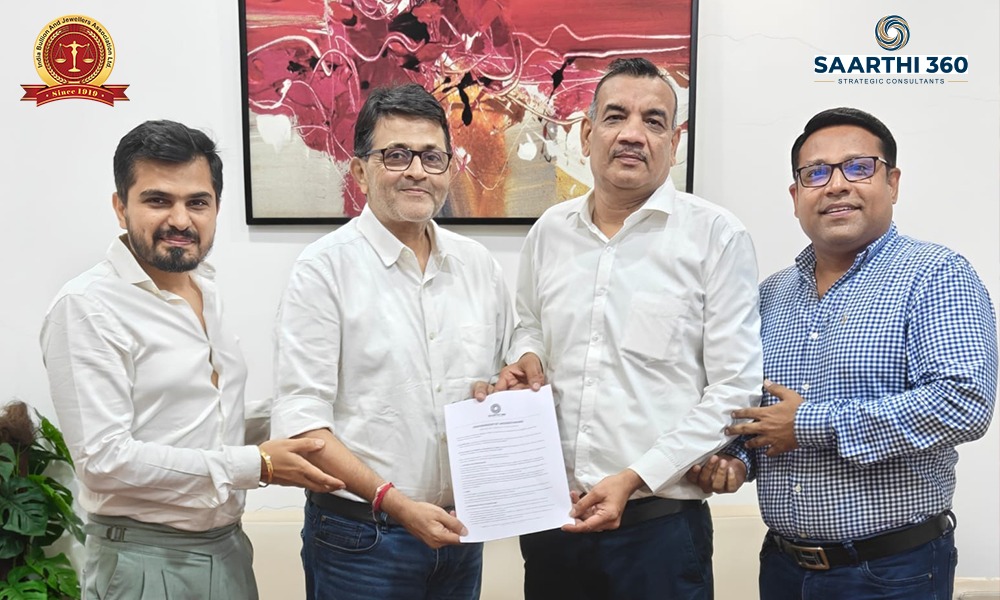
The India Bullion and Jewellers Association (IBJA) and SAARTHI 360 have signed a Memorandum of Understanding (MoU) to launch ‘NextGen CEO: Leadership for the Future’, an executive education programme designed to prepare the next generation of jewellery manufacturers for CEO and senior leadership roles in family-owned businesses.
The programme will help emerging leaders move beyond day-to-day operations by strengthening their strategic thinking, leadership judgement and managerial capabilities to improve organisational performance and support sustainable growth.
Building the Next Generation of Jewellery Business Leaders
Centred on ‘NextGen CEO — Becoming the CEO of a Family Jewellery Business’, the programme addresses leadership succession and executive decision-making in family-owned jewellery enterprises.
- Understanding the CEO’s role: Defining a CEO’s responsibilities and expectations in a jewellery business.
- Clarifying leadership and governance roles: Distinguishing among an owner, promoter, director, managing director and CEO.
- Strategic leadership versus daily operations: Moving from routine management to long-term business direction and priorities.
- Decision-making and strategic thinking: Applying structured frameworks to complex business situations.
- Managing stakeholders: Navigating relationships with family members, shareholders, employees and other stakeholders.
- Performance measurement: Using a CEO dashboard to monitor performance and support informed decisions.
- The first 100 days as CEO: Establishing priorities for the transition into executive leadership.
- Second-generation leadership challenges: Addressing succession, authority, accountability and organisational change.
- Ethics and integrity: Building trust through responsible leadership, sound governance and ethical decision-making.
Surendra Mehta, National Secretary, IBJA, said:
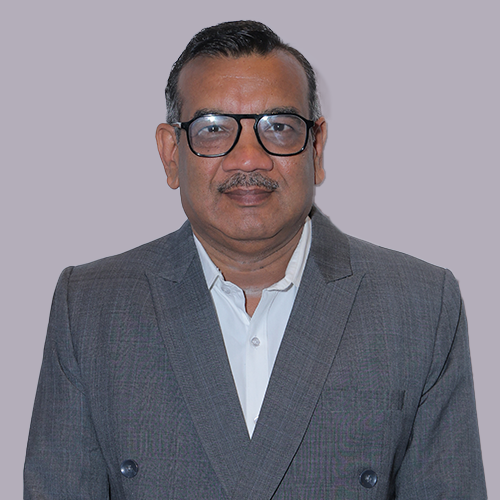
“Family-owned jewellery businesses play a significant role in India’s gems and jewellery industry. As these businesses grow and prepare for generational transitions, developing capable and confident future leaders becomes increasingly important. Through this initiative, we aim to help the next generation build the clarity, discipline and leadership capabilities needed to take their businesses forward while preserving the strengths of their family legacy.”
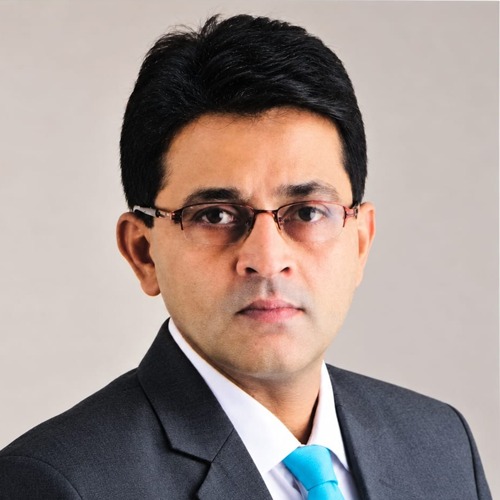
Binit Bhatt, Partner, SAARTHI 360, said:
“Becoming a CEO is about much more than inheriting a title. It requires a fundamental shift in mindset—from managing day-to-day operations to setting direction, making informed decisions, building accountability and earning the confidence of family members, employees and other stakeholders. The NextGen CEO programme is designed to equip emerging leaders with practical frameworks and perspectives that they can apply to the realities of their own businesses.”
Hitesh Khandelwal, Partner, SAARTHI 360, said:
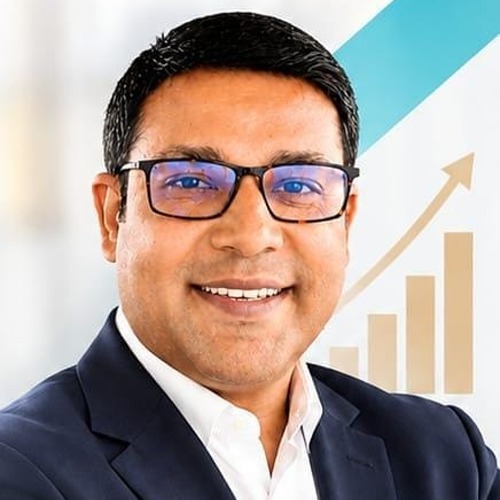
“Jewellery businesses are navigating an important generational transition, where preserving a strong legacy must go hand in hand with professional management and strategic thinking. Through NextGen CEO, we aim to help emerging leaders develop the confidence, capabilities and business perspective required to lead effectively, drive sustainable growth and prepare their organisations for the future.”



Gargi By P N Gadgil & Sons Invites Women To #GETNOTICED This Diwali In New Campaign With Mithila Palkar

IBJA, SAARTHI 360 Sign MoU To Launch ‘NextGen CEO: Leadership for the Future’

Jos Alukkas Unveils New Website For A Seamless Online Jewellery Shopping Experience

Dhanteras Shopping Guide 2026:Gold, Silver, Diamonds & Festive Jewellery Trends To Watch

The Solenne Collection: A Celebration Of Diwali By Bharti Bangur Fine Jewels

From Diya Puja To Diwali Soirées: Jewellery Designed To Go Beyond The Festive Season
-
 JB Insights4 days ago
Dhanteras Shopping Guide 2026:Gold, Silver, Diamonds & Festive Jewellery Trends To Watch
-
 BrandBuzz4 days ago
The Solenne Collection: A Celebration Of Diwali By Bharti Bangur Fine Jewels
-
 BrandBuzz4 days ago
From Diya Puja To Diwali Soirées: Jewellery Designed To Go Beyond The Festive Season
-
 National News4 days ago
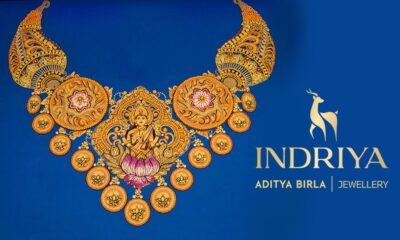
Indriya, Aditya Birla Jewellery Unveiled India’s Largest Sustainable Jewellery Rangavalli
