
JB Insights
GJS April Show 2024 brings in stellar sales growth and a bullish future roadmap
All India Gem and Jewellery Domestic Council’s (GJC’s) flagship event India Gems and Jewellery Show (GJS April Show) was concluded with organisers, exhibitors, and participants evincing satisfaction over an encouraging response received from the domestic as well as foreign buyers in this world-class jewellery show.

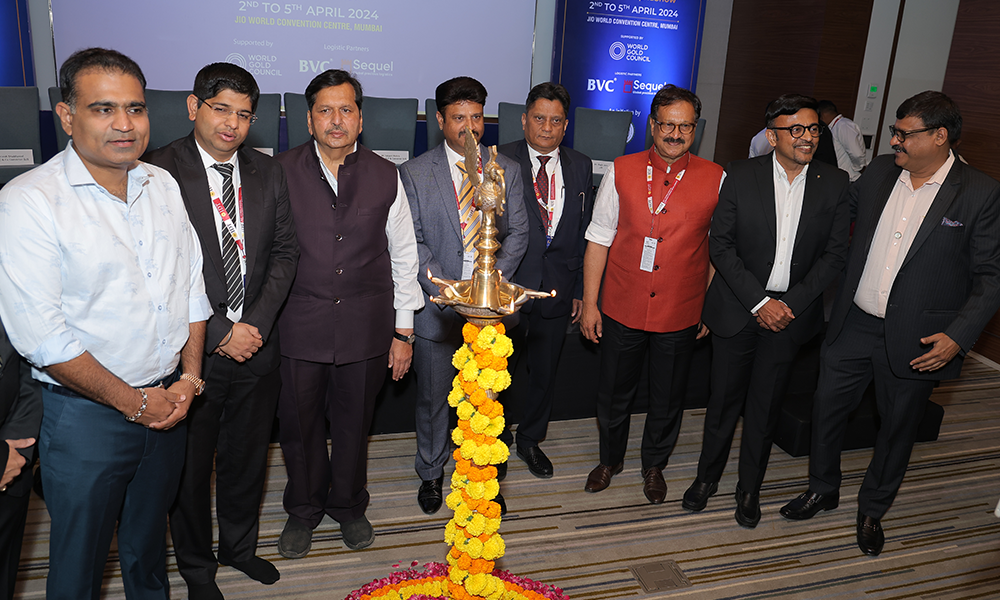
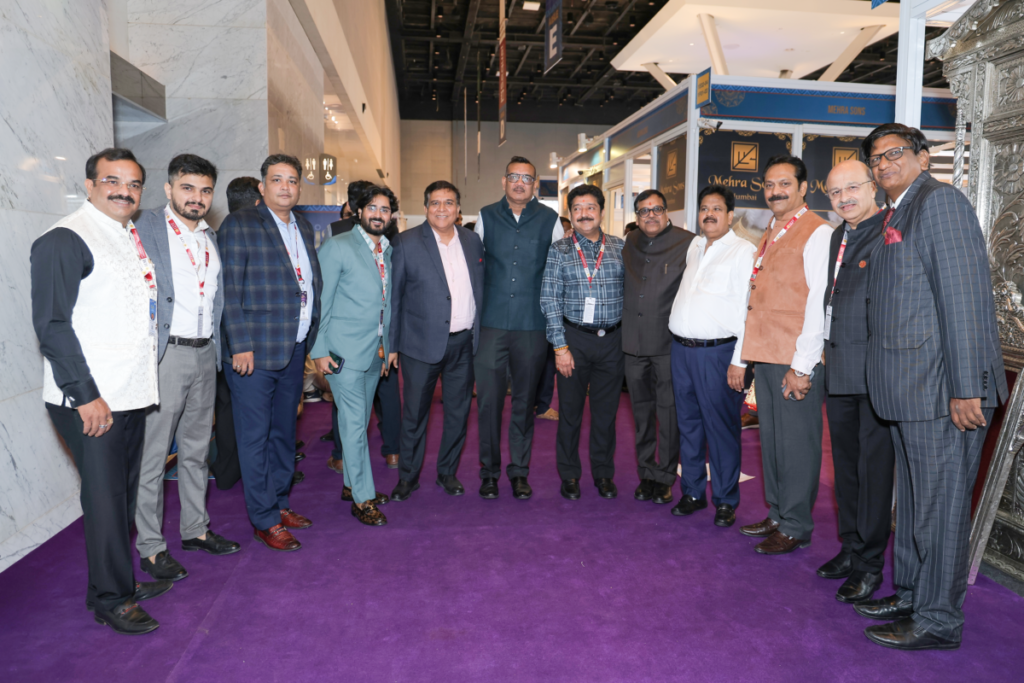
All India Gem and Jewellery Domestic Council’s (GJC’s) flagship event India Gems and Jewellery Show (GJS April Show) was concluded with organisers, exhibitors, and participants evincing satisfaction over an encouraging response received from the domestic as well as foreign buyers in this world-class jewellery show. Organized by GJC at the Jio World Convention Centre in Mumbai, the GJS April Show assembled jewellery wholesalers and retailers under one roof to exchange their business ideas for boosting sales during the festive and wedding season.
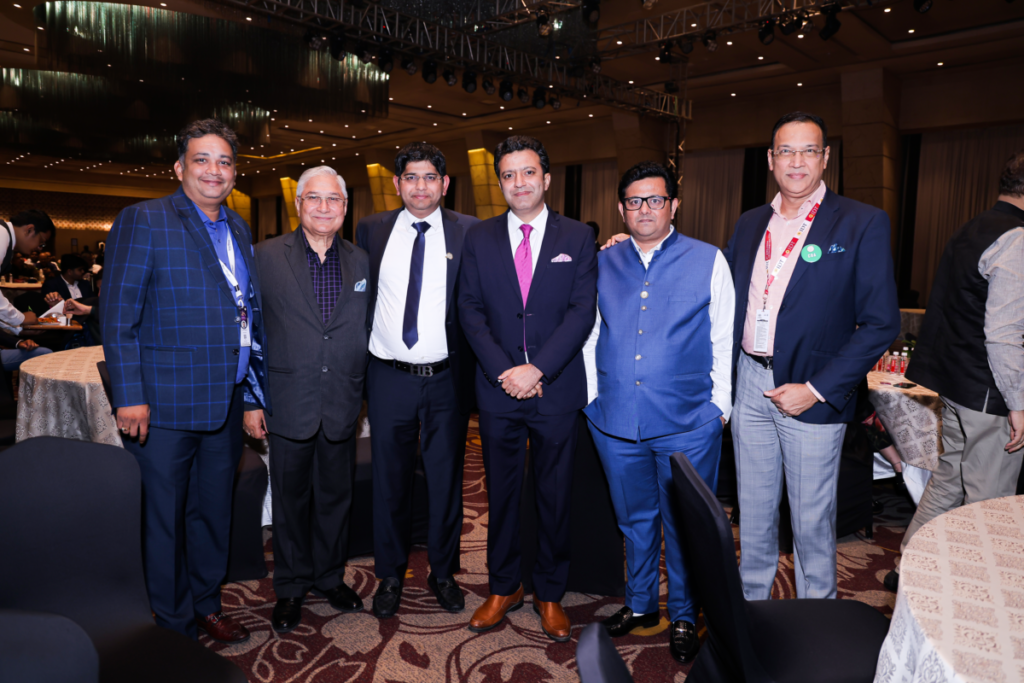
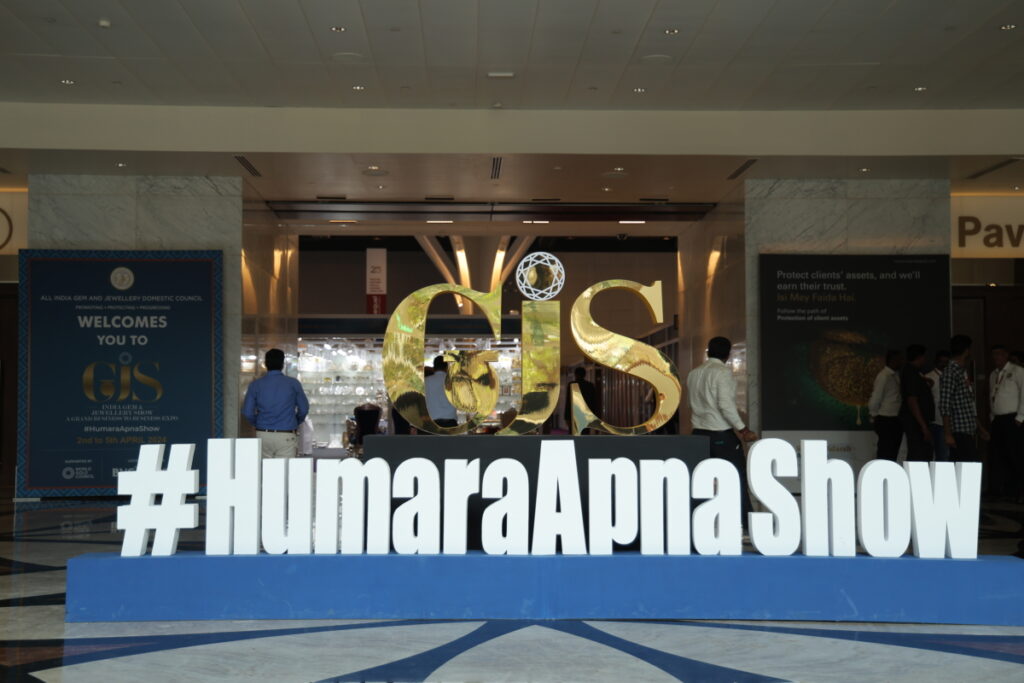
Considered as #HumaraApnaShow, the four-day GJS April 2024 event began on Tuesday with almost all industry leaders participating in this must-attend B2B show. Foreign delegates actively participated in buying designer jewellery including Kundan, Jadau, and traditional hand-crafted ornaments and ensured Indian suppliers for repeat purchase orders in the future. The GJS April Show was successfully organised amid Achar Sanhita in force due to the parliamentary election scheduled in April and May.


The GJS April Show inaugurated by the Chief Guest Mangal Prabhat Lodha, Hon’ble Minister of Skills, Employment, Entrepreneurship and Innovation, Government of Maharashtra, with guest of honour Rajesh Kalyanraman – Executive Director, Kalyan Jewellers, Sunil Nayak, Chief Executive Officer, Reliance Jewels, as Keynote Speakers and Rajiv Jain Secretary Jaipur Jewellery Show. The GJS April 2024 Show has solidified its reputation as a ‘Not-to-Miss industry event’.


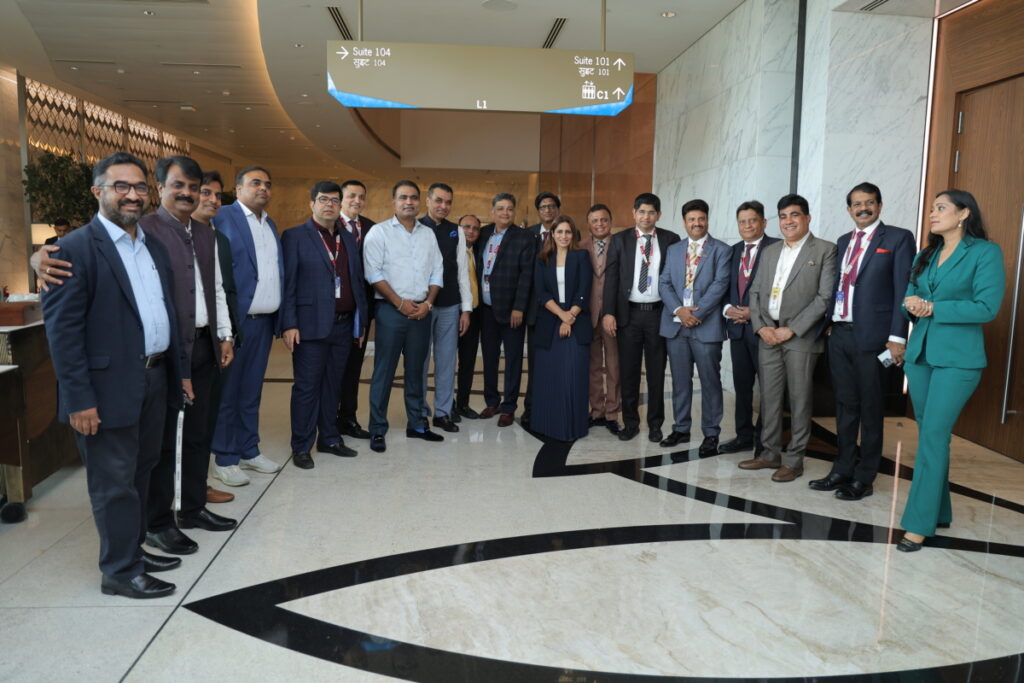
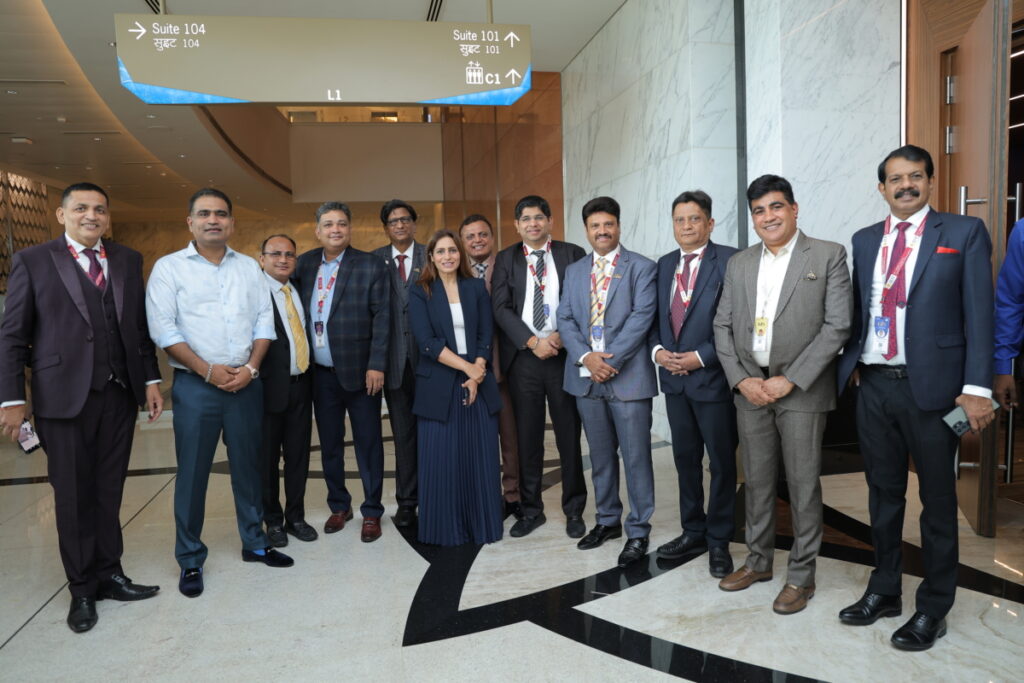
The GJS April Show witnessed 550+ stalls and 400 exhibitors who displayed their innovative products. GJC provided complimentary food and water, in addition to 2000+ rooms to stay for buyers. Over 200 international buyers attended the GJS April 2024 Show including those from Dubai, Bahrain, Qatar, Bangladesh, the United States, and United Kingdom, and Bangkok among others. The Show was organised strategically before Gudi Padwa and Akshaya Tritiya, which created an ideal opportunity for retailers to explore and immerse themselves in trendsetting designs.
Additionally, GJC organised the Gala Evening, GJC Nite on 3rd April 2024 at Hotel Sahara Star. This glittering evening was graced by the presence of the stunning Bollywood actress Adah Sharma, who mesmerized the audience as the showstopper. GJC Nite has established itself as the pinnacle event of the jewellery industry, providing a distinguished platform for networking and fostering relationships among industry stakeholders. Showcasing the latest trends and innovations in the realm of jewellery, the event is set to dazzle attendees with its amalgamation of glamour, fashion, and entertainment.


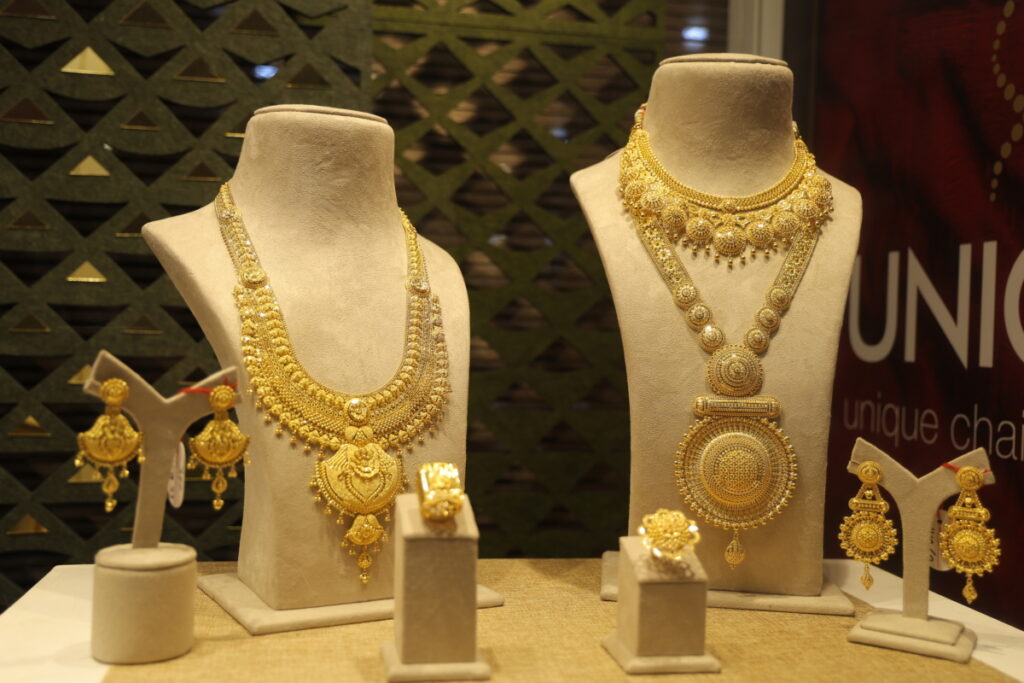

Presented by IDT Gemmological Laboratories Worldwide, GJC Nite was a perfect platform where the jewellers were felicitated. The unique Fashion Show featuring leading Indian models and celebrities showcasing some of India’s finest jewellery creations by renowned jewellers added glitter to the already shining GJS April Show. The Supporting Partners – De Beers, Laxmi Diamonds and Platinum Guild International with Fashion shows from RK Bracelets, Padmavati Chains, Shubham Motiwala Jewellers & Unique Chains.


Saiyam Mehra, Chairman of GJC and Convenor of the GJS April 2024 Show, stated, “Our heartfelt thanks to our 400 exhibitors, 9000+ visitors, Sponsors & Industry to make this event successful. The overwhelming response at the GJS April Show is another testimony to our ability to organise premier B2B jewellery exhibitions, seminars & Networking Nights in India and making most trusted platform to our jewellers. Our success lies in honesty, hardwork, and transparency, which will enable us to achieve several milestones in the future.”
Rajesh Rokde, Vice Chairman of GJC, said, “I am pleased to share that the response received for the GJS April 2024 show was truly commendable, especially considering the market scenario and the Achar Sanhita period. I must say, this is the result of the hard work and efforts put in by the GJS Committee and COA. I sincerely want to express my gratitude to all the exhibitors, visitors, and sponsors for their contributions to this show. We assure you that we will maintain the same momentum for our upcoming shows.” ”
Nilesh S Shobhawat, Co-Convenor of GJS and Director of GJC said “As a Co Convenor of GJS, I am delighted to share that this edition was an outstanding success. The seminar we organized garnered praise for its insightful discussion and valuable takeaways, further enhancing the overall experience for attendees. I extend my heartfelt gratitude to all participants, exhibitors and partners for making this event a resounding success.”




JB Insights
Devotion, Heritage & Diversification: The defining trends of SSI Delhi’s 3rd Edition
From sacred artistry to lifestyle-driven expansion, how top exhibitors bridged timeless tradition with modern market demand.
Spirituality as a design anchor
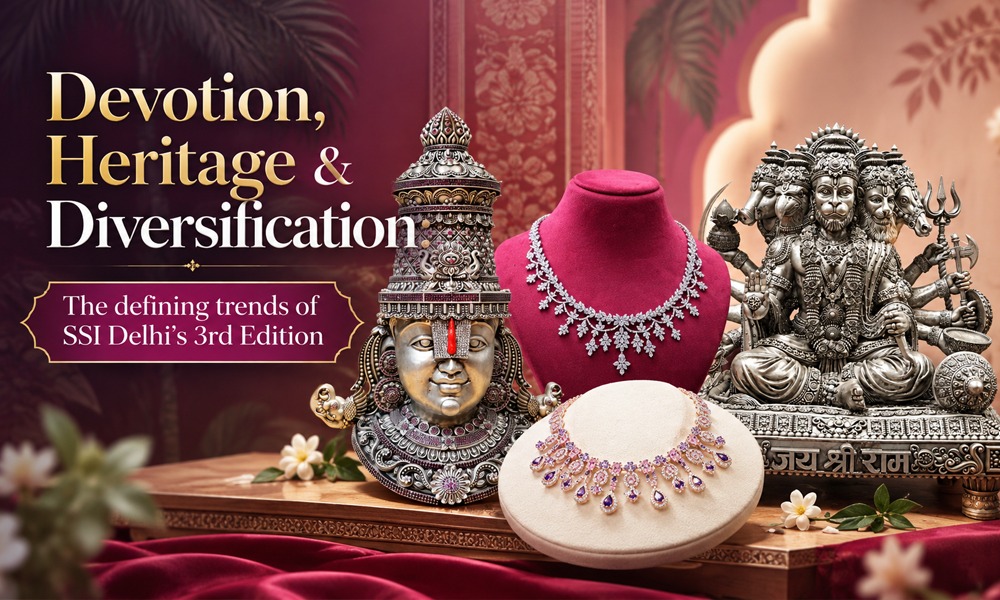
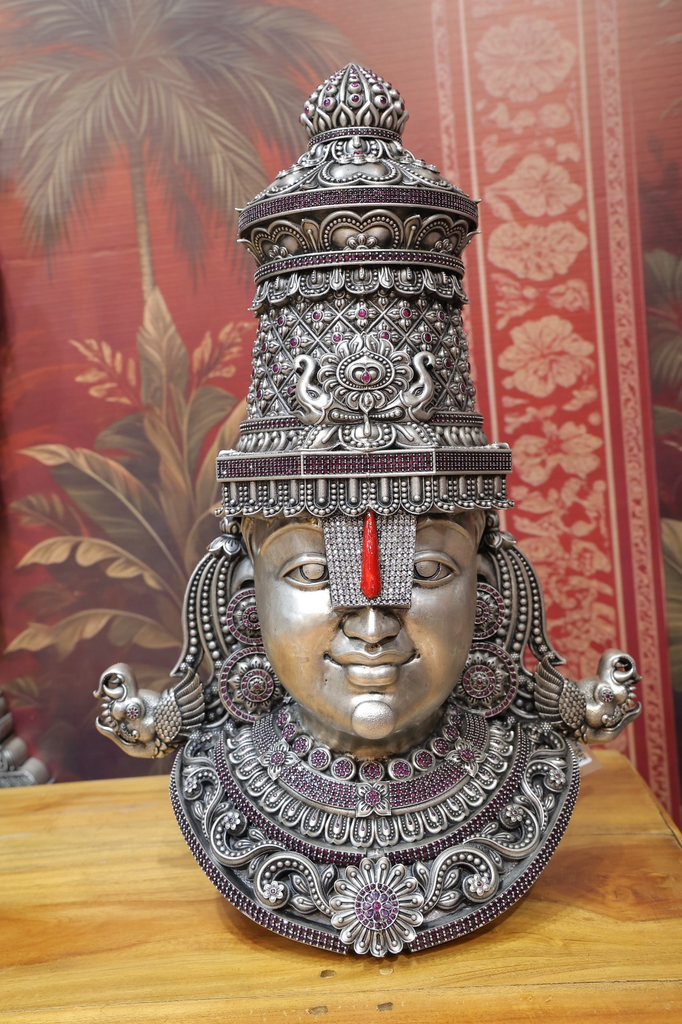
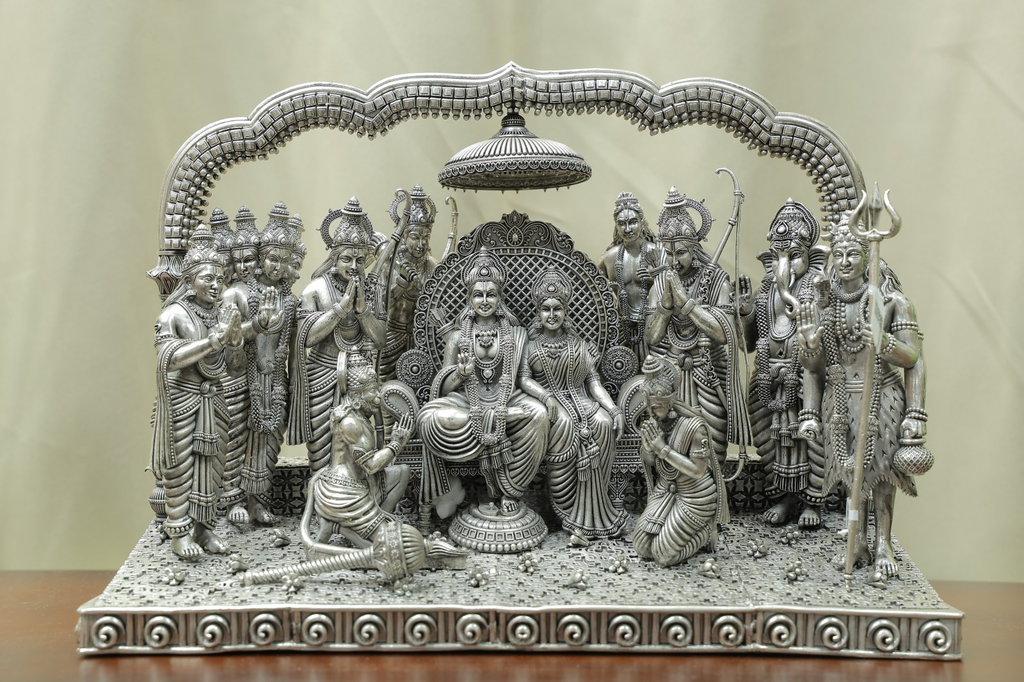
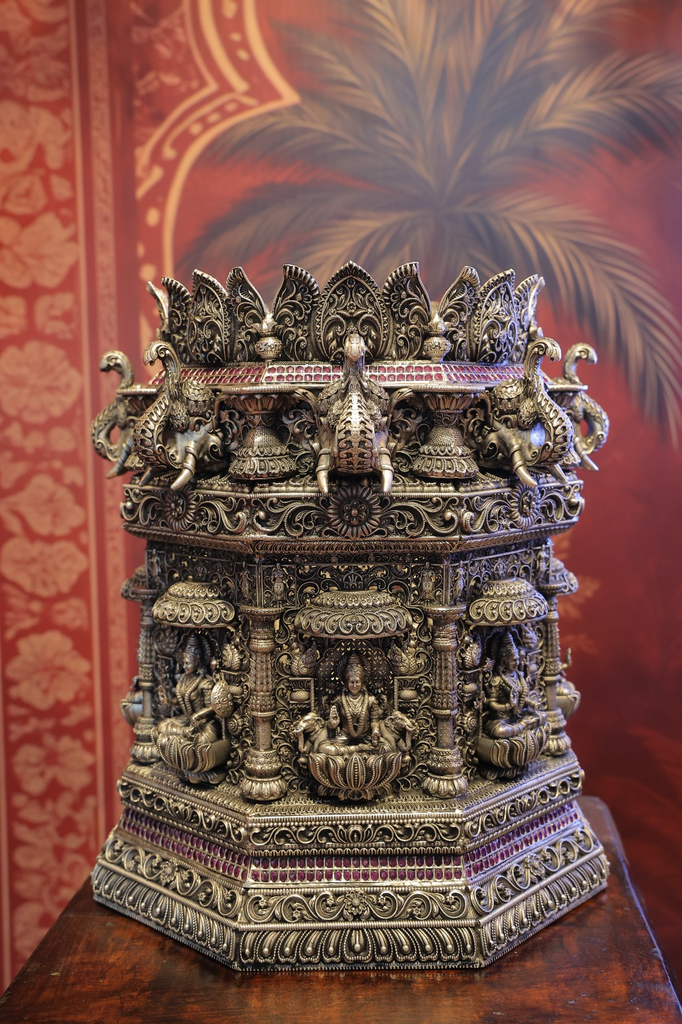
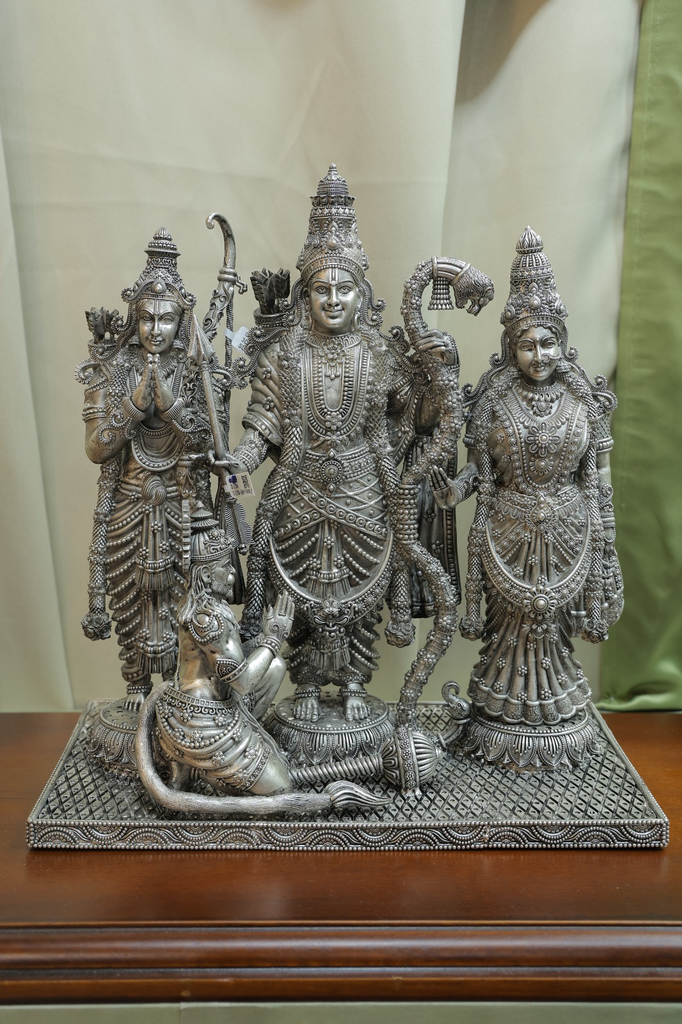
Devotional and spiritual artistry emerged as the single strongest thread of the show. Ricchezza’s Idols Collection, SILORA’s Shrinathji timepiece, Purple Jewels’ Balaji idols and Shiva Lingam, and Anmol Jewellers’ extensive range of silver and gold idols (Vishwarupa, Panchmukhi Hanuman, Ram Parivaar, and more) together show that sacred and devotional pieces are no longer a niche category but a mainstream, premium-positioned offering across exhibitors.
Antique, oxidized and heritage finishes
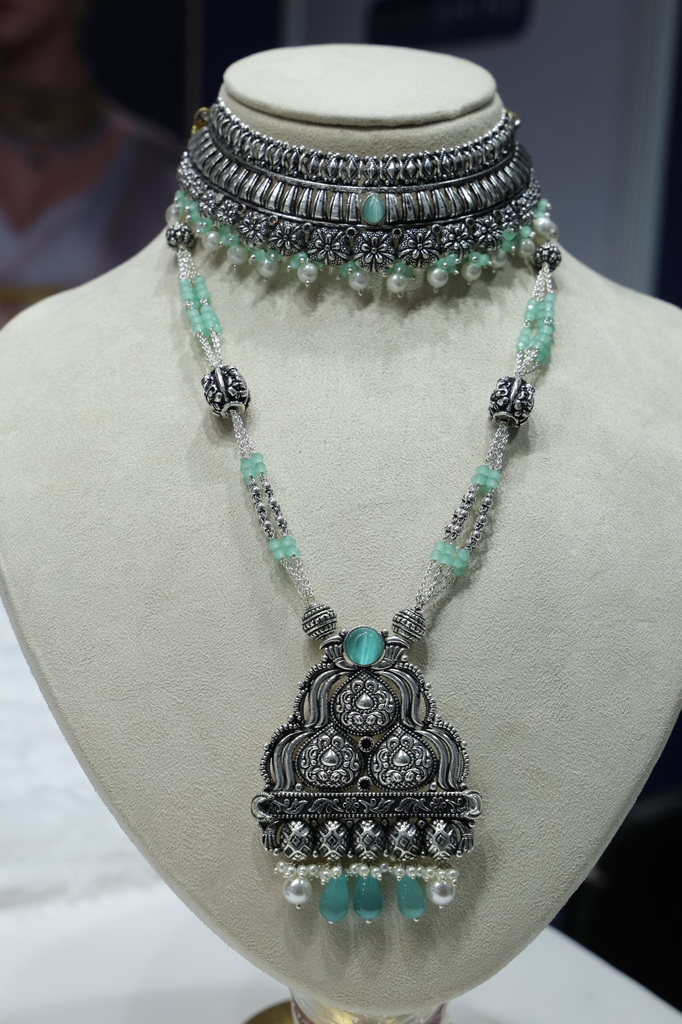
SILORA’s glorious Antique Finish Collection and Oxidized Silver Jewellery reflect a broader pull toward deep patina, folk-tribal textures, and traditional Indian artistry — a counterpoint to high-polish contemporary pieces and a signal that heritage aesthetics remain commercially strong.
Rose gold’s continued momentum
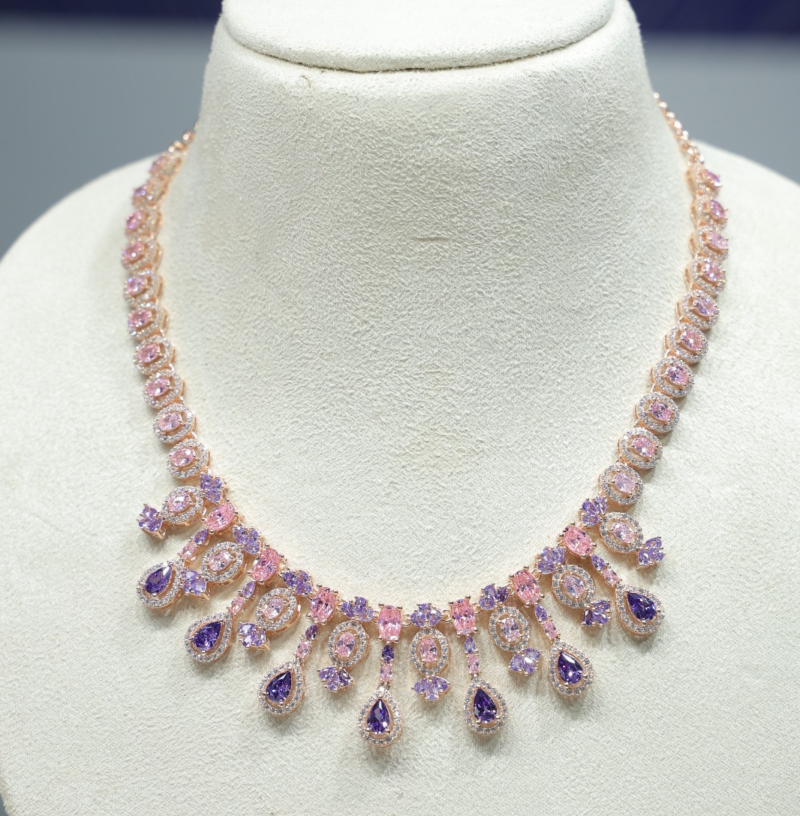
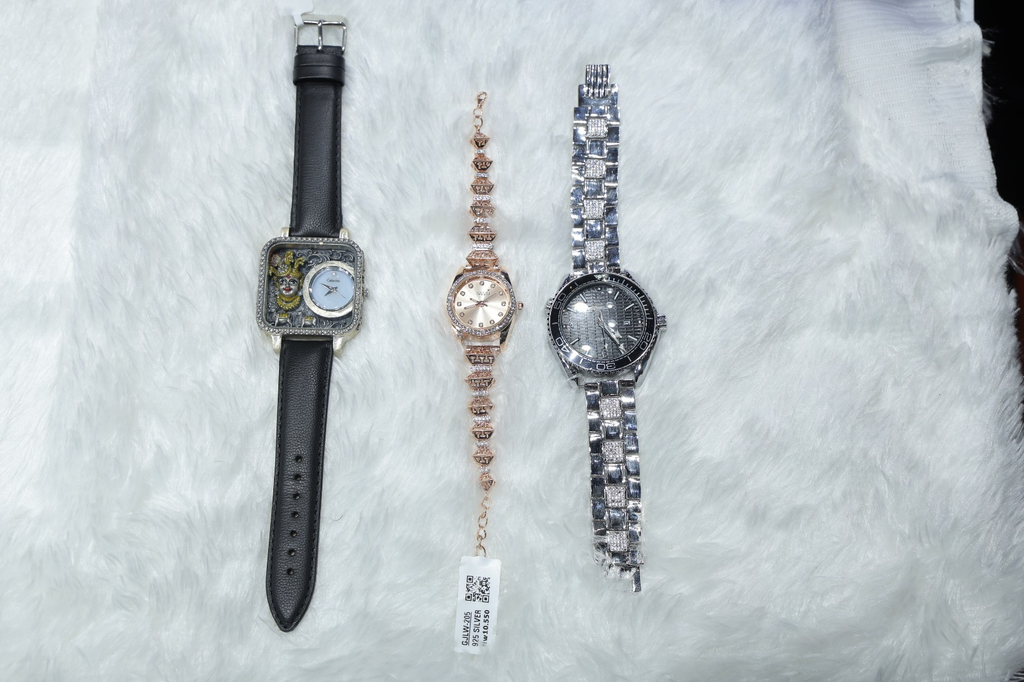
Rose gold surfaced across multiple product types — not just jewellery but also timepieces — as seen in SILORA’s Luxe Rose Gold Finish Jewellery and rose-gold-finished watches, reinforcing its position as a staple modern finish rather than a passing trend.
Category expansion beyond traditional jewellery
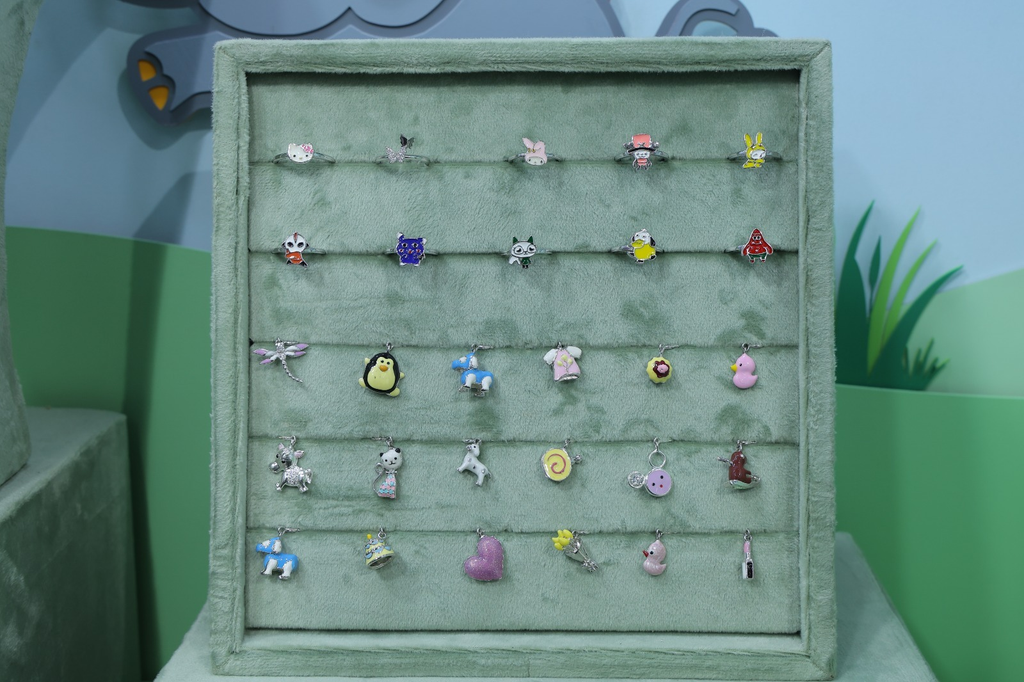
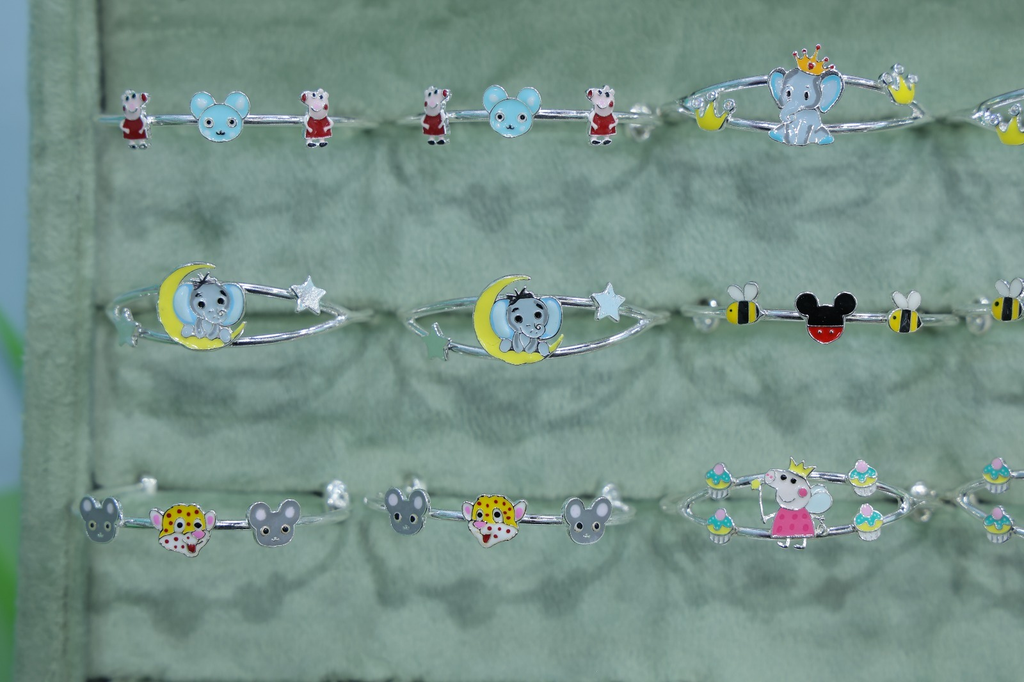
Exhibitors are widening their range beyond rings, chains, and bangles. Ricchezza’s Anamitra line targets infants, while SILORA’s Exclusive Timepieces extend a jewellery brand into horology — both pointing to lifestyle-driven diversification as a growth strategy.
Gender-Specific Design Lines
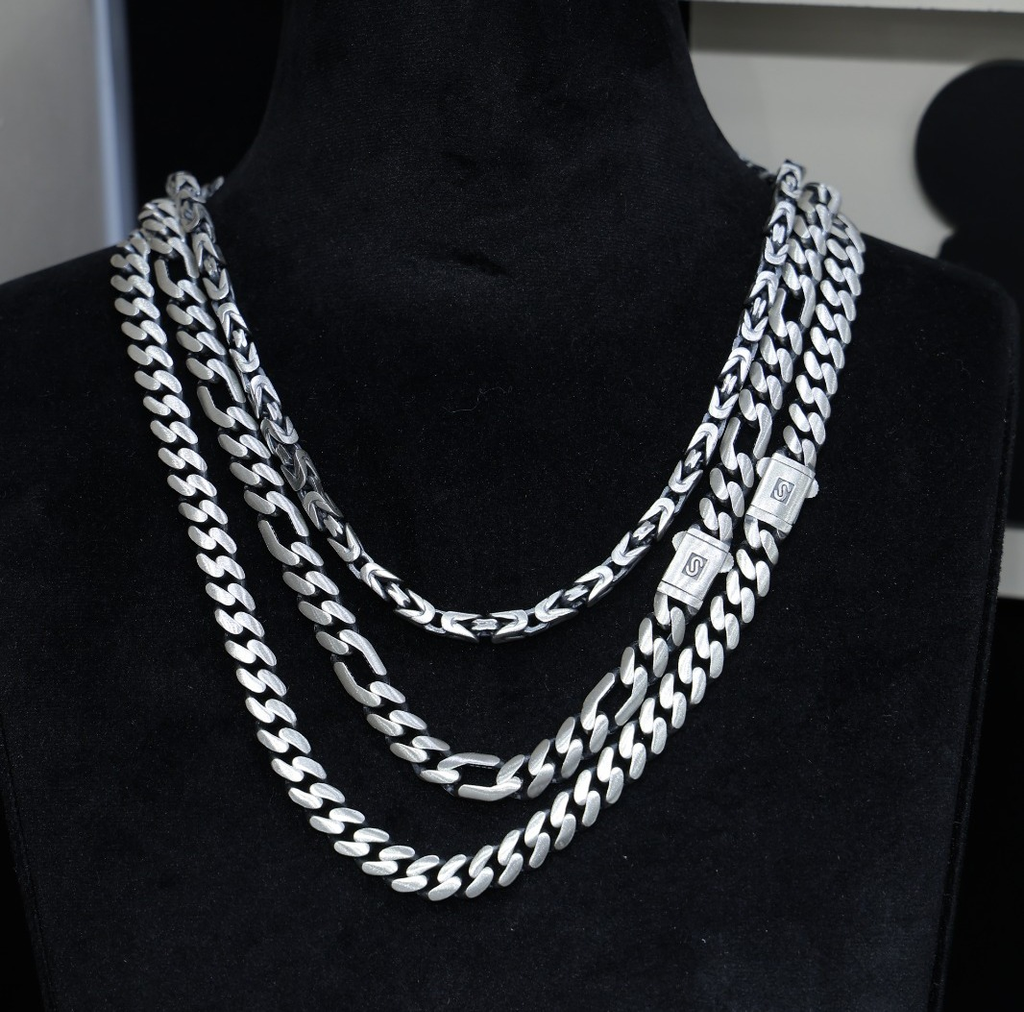
Distinct masculine and feminine lines were a notable feature, exemplified by Ricchezza’s Cuban Collection (bold, masculine) alongside Tixty (chic, feminine) — indicating that targeted, gender-specific collections continue to be a deliberate merchandising strategy rather than a one-size-fits-all approach.
Mastery in Silver Artefacts and Idols
Both Purple Jewels and Anmol Jewellers demonstrated the depth of skill in silver idol-making, from the Saptashwa Vase’s mythological detailing to the technical complexity of Vishwarupa and Panchmukhi Hanuman forms, underscoring silver artefacts as a distinct and thriving craft category alongside wearable jewellery.
Balancing tradition and modernity
Taken together, the exhibitors at the 3rd edition of SSI Delhi painted a picture of an industry balancing tradition and modernity — where antique finishes and devotional artistry sit comfortably alongside rose gold sophistication, gender-targeted lines, and category extensions such as infant jewellery and timepieces. This blend of heritage craftsmanship and contemporary lifestyle relevance appears to be the defining character of the show.


-
 National News23 minutes ago
KEYA By Adbhut Brings Wearable Art and Indian Craftsmanship To Delhi Art Weekend 2026
-

 International News2 hours ago
De Beers Assumes 100% Control Of Gahcho Kué Diamond Mine
-

 National News2 hours ago
Keemti Jewels Unveils Second Lagship Store In Mumbai At Borivali-West
-
 New Premises5 hours ago
Malabar Gold & Diamonds Opens Its Second-Biggest Showroom In Goa
