
National News
GJC celebrates 25 years of gold hallmarking in India with felicitation of Union Minister Pralhad Joshi


In a momentous occasion for India’s jewellery sector, the All India Gem and Jewellery Domestic Council (GJC) marked 25 years since the introduction of gold hallmarking in India with a grand celebration and felicitation ceremony honoring Pralhad Joshi, the Hon’ble Union Minister of Consumer Affairs, Food & Public Distribution, and Minister of New & Renewable Energy at GJS 2025
The event served not only as a tribute to the journey of hallmarking in India but also as a platform to chart an ambitious roadmap for the future, with a strong focus on expanding hallmarking coverage and fostering technological innovation.
In recognition of his continued support and instrumental role in advancing hallmarking reforms, Pralhad Joshi was felicitated by GJC for his leadership in steering policies that balance consumer protection with industry development. His ministry’s efforts, in collaboration with the Bureau of Indian Standards (BIS), have been central to enhancing transparency and quality assurance in the jewellery sector.
In his address, Shri Joshi reiterated the government’s unwavering commitment to strengthening consumer trust while also simplifying compliance for jewellers. He emphasized the hallmarking system as a critical trust-building mechanism and a significant step toward formalizing and modernizing the Indian gold market.
One of the most significant announcements of the event was a joint goal set by the Ministry of Consumer Affairs, BIS, and the jewellery industry: to expand mandatory gold hallmarking to 500 districts across India by the end of this financial year.
This expansion aligns with the broader objective of ensuring uniform quality standards nationwide, preventing consumer fraud, and integrating small and medium jewellers into the formal economy. GJC pledged its full support to assist local jewellers in meeting compliance standards and making hallmarking services accessible, especially in tier-2 and tier-3 cities.
In a groundbreaking move to stimulate innovation in hallmarking technology, GJC and BIS jointly announced the launch of a Hackathon aimed at developing a non-destructive testing (NDT) method for hallmarking gold.
This initiative seeks to address a long-standing concern within the industry: the challenge of verifying hallmark authenticity without damaging the piece of jewellery. Currently, traditional methods often involve partial damage or alteration during testing, which discourages on-the-spot verification by consumers and retailers.
The hackathon is open to startups, research institutions, technologists, and innovators across India and will offer funding and incubation support to viable solutions. A successful NDT mechanism would be a game-changer for quality assurance, enabling real-time, damage-free hallmark authentication across retail outlets, trade shows, and even by consumers themselves.
The celebration of 25 years of hallmarking is a testament to India’s evolution into a more structured and credible jewellery market. From its early stages to now becoming an integral part of the industry’s value chain, hallmarking has grown into a symbol of trust, quality, and consumer empowerment.
With the government, BIS, and GJC joining hands to drive expansion and innovation, the next phase of hallmarking promises to be more inclusive, tech-enabled, and consumer-centric than ever before. The GJC’s proactive role in bridging policy, practice, and innovation reinforces its commitment to nurturing a responsible, transparent, and globally competitive jewellery sector in India.







National News
IBJA, SAARTHI 360 Sign MoU To Launch ‘NextGen CEO: Leadership for the Future’
Executive Education Initiative To Equip The Next Generation Of Jewellery Manufacturers With The Leadership Capabilities, Strategic Perspective and Decision-Making Skills Required To Lead Family Businesses.

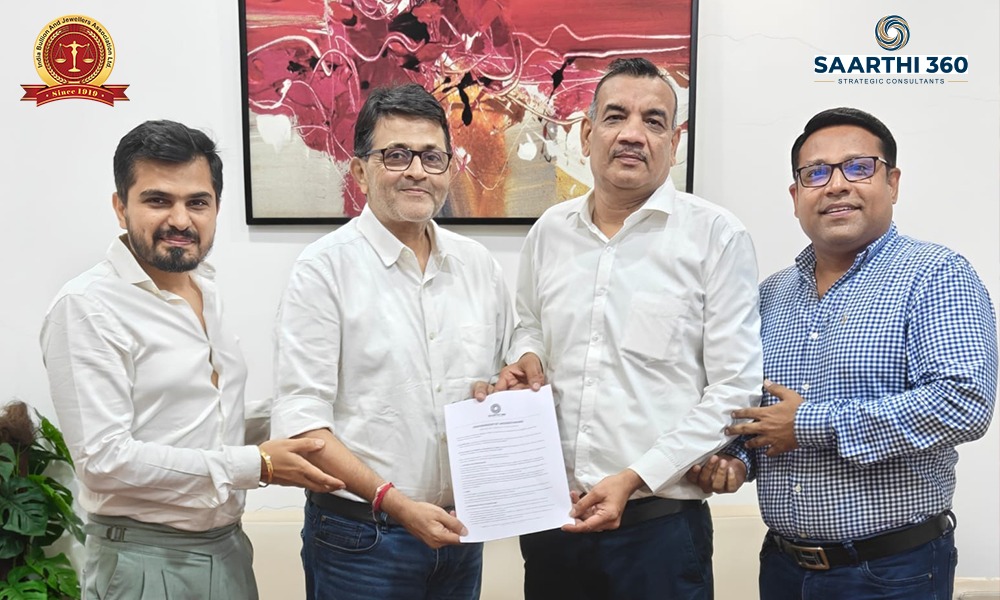
The India Bullion and Jewellers Association (IBJA) and SAARTHI 360 have signed a Memorandum of Understanding (MoU) to launch ‘NextGen CEO: Leadership for the Future’, an executive education programme designed to prepare the next generation of jewellery manufacturers for CEO and senior leadership roles in family-owned businesses.
The programme will help emerging leaders move beyond day-to-day operations by strengthening their strategic thinking, leadership judgement and managerial capabilities to improve organisational performance and support sustainable growth.
Building the Next Generation of Jewellery Business Leaders
Centred on ‘NextGen CEO — Becoming the CEO of a Family Jewellery Business’, the programme addresses leadership succession and executive decision-making in family-owned jewellery enterprises.
- Understanding the CEO’s role: Defining a CEO’s responsibilities and expectations in a jewellery business.
- Clarifying leadership and governance roles: Distinguishing among an owner, promoter, director, managing director and CEO.
- Strategic leadership versus daily operations: Moving from routine management to long-term business direction and priorities.
- Decision-making and strategic thinking: Applying structured frameworks to complex business situations.
- Managing stakeholders: Navigating relationships with family members, shareholders, employees and other stakeholders.
- Performance measurement: Using a CEO dashboard to monitor performance and support informed decisions.
- The first 100 days as CEO: Establishing priorities for the transition into executive leadership.
- Second-generation leadership challenges: Addressing succession, authority, accountability and organisational change.
- Ethics and integrity: Building trust through responsible leadership, sound governance and ethical decision-making.
Surendra Mehta, National Secretary, IBJA, said:
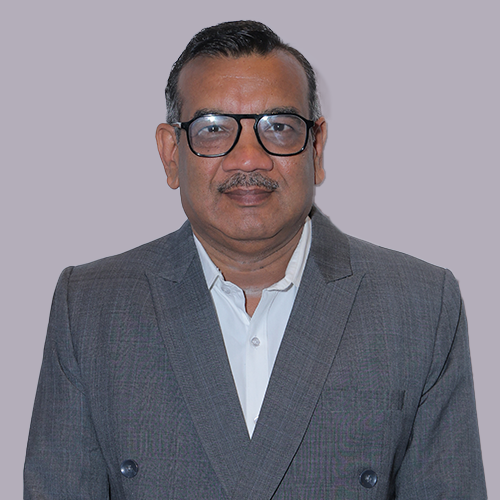
“Family-owned jewellery businesses play a significant role in India’s gems and jewellery industry. As these businesses grow and prepare for generational transitions, developing capable and confident future leaders becomes increasingly important. Through this initiative, we aim to help the next generation build the clarity, discipline and leadership capabilities needed to take their businesses forward while preserving the strengths of their family legacy.”
Binit Bhatt, Partner, SAARTHI 360, said:
“Becoming a CEO is about much more than inheriting a title. It requires a fundamental shift in mindset—from managing day-to-day operations to setting direction, making informed decisions, building accountability and earning the confidence of family members, employees and other stakeholders. The NextGen CEO programme is designed to equip emerging leaders with practical frameworks and perspectives that they can apply to the realities of their own businesses.”
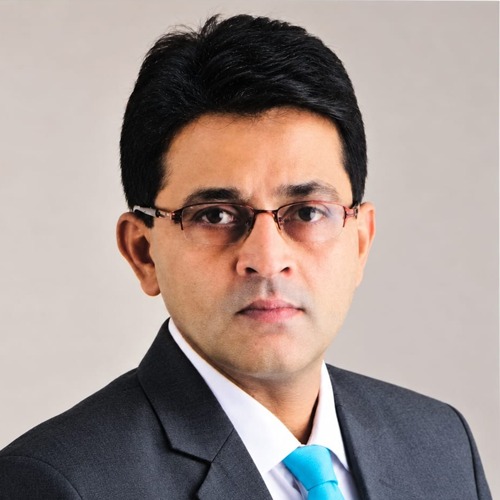
Hitesh Khandelwal, Partner, SAARTHI 360, said:

“Jewellery businesses are navigating an important generational transition, where preserving a strong legacy must go hand in hand with professional management and strategic thinking. Through NextGen CEO, we aim to help emerging leaders develop the confidence, capabilities and business perspective required to lead effectively, drive sustainable growth and prepare their organisations for the future.”



Gargi By P N Gadgil & Sons Invites Women To #GETNOTICED This Diwali In New Campaign With Mithila Palkar

IBJA, SAARTHI 360 Sign MoU To Launch ‘NextGen CEO: Leadership for the Future’

Jos Alukkas Unveils New Website For A Seamless Online Jewellery Shopping Experience

Dhanteras Shopping Guide 2026:Gold, Silver, Diamonds & Festive Jewellery Trends To Watch

The Solenne Collection: A Celebration Of Diwali By Bharti Bangur Fine Jewels

From Diya Puja To Diwali Soirées: Jewellery Designed To Go Beyond The Festive Season
-
 JB Insights4 days ago
Dhanteras Shopping Guide 2026:Gold, Silver, Diamonds & Festive Jewellery Trends To Watch
-
 BrandBuzz4 days ago
The Solenne Collection: A Celebration Of Diwali By Bharti Bangur Fine Jewels
-
 BrandBuzz4 days ago
From Diya Puja To Diwali Soirées: Jewellery Designed To Go Beyond The Festive Season
-
 National News4 days ago
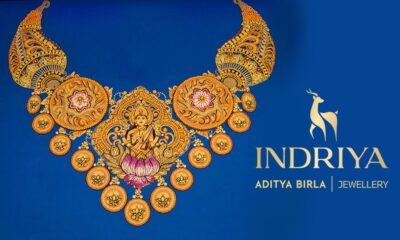
Indriya, Aditya Birla Jewellery Unveiled India’s Largest Sustainable Jewellery Rangavalli
