

DiamondBuzz
GIA Introduces New Grading Terminology for Lab-Grown Diamonds to Differentiate from Naturals

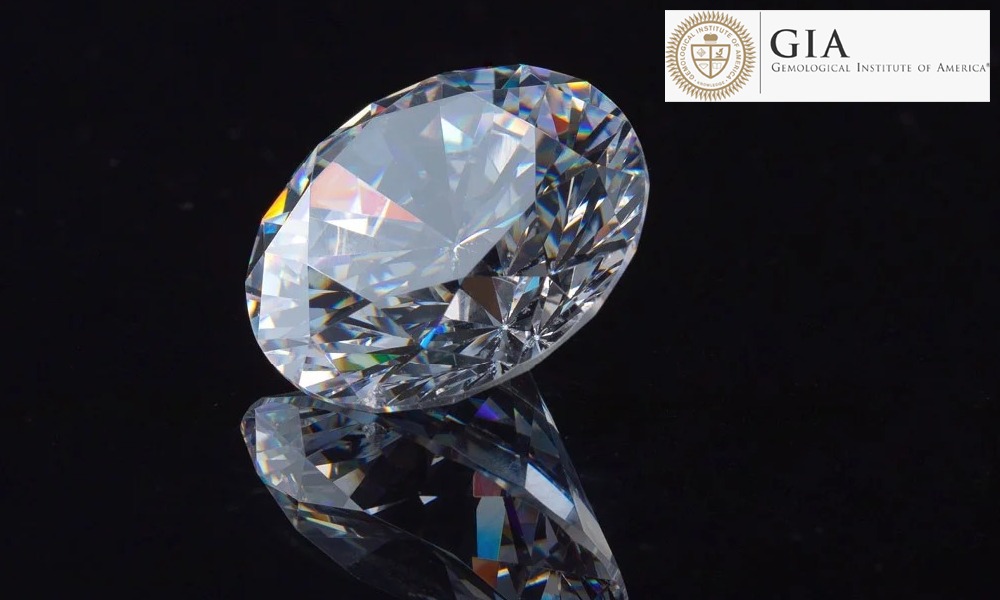
The Gemological Institute of America (GIA) is revamping how it grades and describes lab-grown diamonds, further separating them from their natural counterparts in its reports.
Announced Monday, the updated system will introduce new descriptive categories — premium and standard — based on a combination of color, clarity, and finish. This marks a shift away from using the same color and clarity scale the GIA developed for natural diamonds.
“The GIA will no longer apply the traditional grading nomenclature used for natural diamonds when describing lab-grown stones,” the institute said. “Instead, it will use quality-based descriptions that more accurately reflect the characteristics and manufacturing consistency of synthetic diamonds.”
Lab-grown diamonds that do not meet the minimum threshold for either the premium or standard designation will not receive a quality label. This change is intended to help consumers better understand the key distinctions between natural and lab-grown stones, the GIA emphasized.

“More than 95% of lab-grown diamonds fall within a narrow band of color and clarity, making the traditional grading system less relevant for them,” said Tom Moses, executive vice president and chief laboratory and research officer at GIA. “This update aligns lab-grown diamond grading with how we already handle other man-made gem materials.”
The GIA will continue its current grading system for lab-grown diamonds until the new approach is finalized. Updated pricing and submission procedures will be released by the end of the third quarter. Existing reports already issued for lab-grown diamonds will remain valid.








DiamondBuzz
Diamond Slump forces Debswana to diversify into copper, platinum and solar
Diamond-centric mining models is giving way to broader resource portfolios
Debswana Diamond Company, the 50–50 joint venture between the Botswana government and De Beers, is moving to diversify into copper, platinum and renewable energy as the prolonged downturn in natural diamond demand pressures earnings and forces the industry to rethink its growth strategy.
The company’s board has approved plans to invest in a portfolio of non-diamond projects after revenue fell 46% in 2024, the latest available financial year, highlighting the scale of the downturn in the global diamond market.

The move signals a strategic shift toward commodities with stronger long-term demand fundamentals, particularly copper, which is central to global electrification and energy-transition infrastructure.
Debswana’s diversification reflects a broader industry pivot as diamond producers confront weak consumer demand, rising competition from lab-grown stones and elevated inventories across the supply chain.
The shift is also visible among smaller exploration companies. Botswana Diamonds recently rebranded as Botswana Minerals, signalling its own strategic focus on copper exploration rather than diamonds.
Together, these moves underscore a growing consensus across the sector: the era of diamond-centric mining models is giving way to broader resource portfolios anchored in energy-transition metals.


-

 BrandBuzz14 hours ago
The Pearl Edit: Thoughtful Women’s Day Gifting by GIVA
-

 BrandBuzz15 hours ago
Augmont Launches SPOT 2.0: One Platform. Every Product. Efficient Business
-

 BrandBuzz19 hours ago
Senco Gold & Diamonds Launches “SHAPE OF YOU”- AI Application for Women’s Day Celebration
-

 National News19 hours ago
Kushals Fashion Jewellery Curates Special Women’s Day Edit Celebrating Strength, Style and Self-Expression
