
International News
IGI Expressions™ 2025–26: Nine Global Winners Surface from 1,000+ Entries across 55 Countries
Designers from around the world interpret ocean-inspired creativity as IGI’s global jewellery design contest crowns nine winners across three categories.

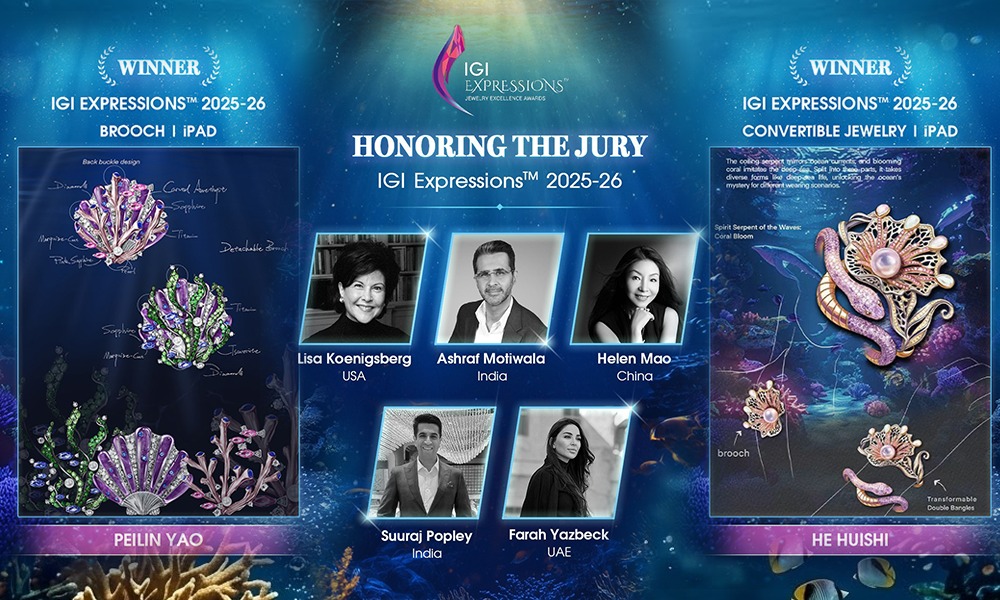
The International Gemological Institute (IGI) has announced the winners of the fifth edition of IGI Expressions™ 2025–26, its global jewelry design contest. This year’s edition received over 1,000 entries from 55 countries, continuing the contest’s remarkable growth since its launch and reinforcing its place as one of the most inclusive and global design platforms in the jewelry industry.
The contest ran online from December 1 to January 31, themed “Unveiling the Depths of the Ocean,” inviting designers to interpret the ocean’s vast untold mysteries, resilience, movement, and hidden beauty through original jewelry creations. For this year’s participants, the theme became a canvas for design mastery and creativity.
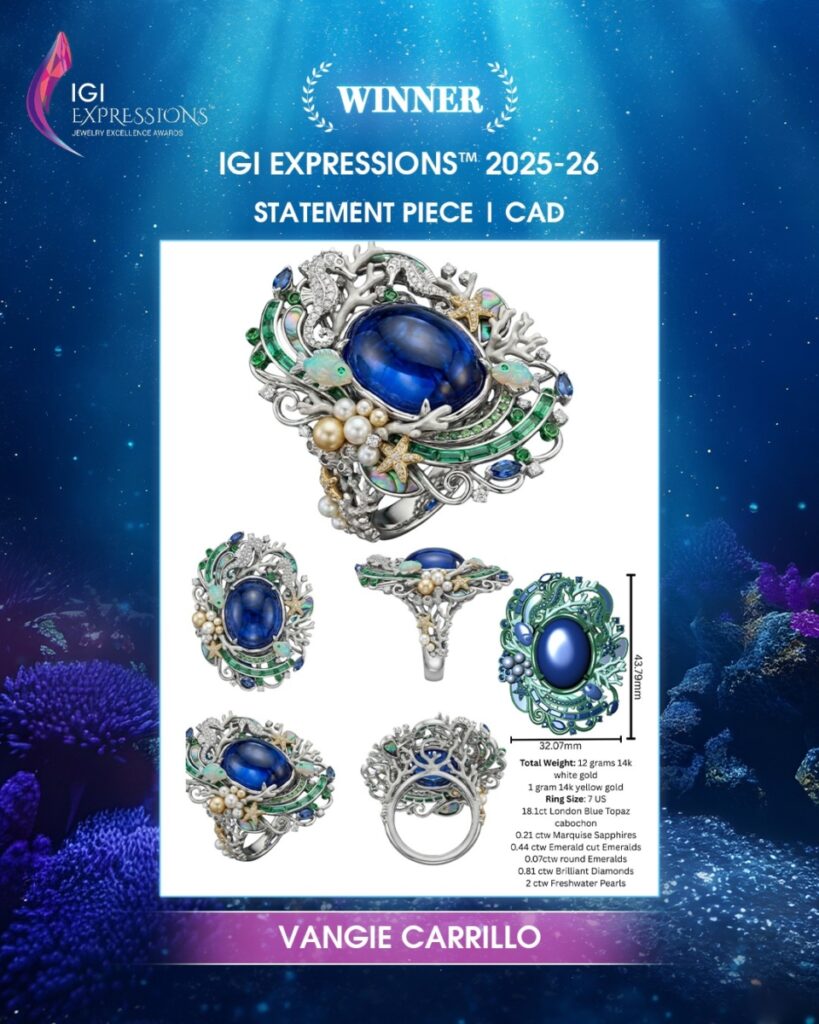
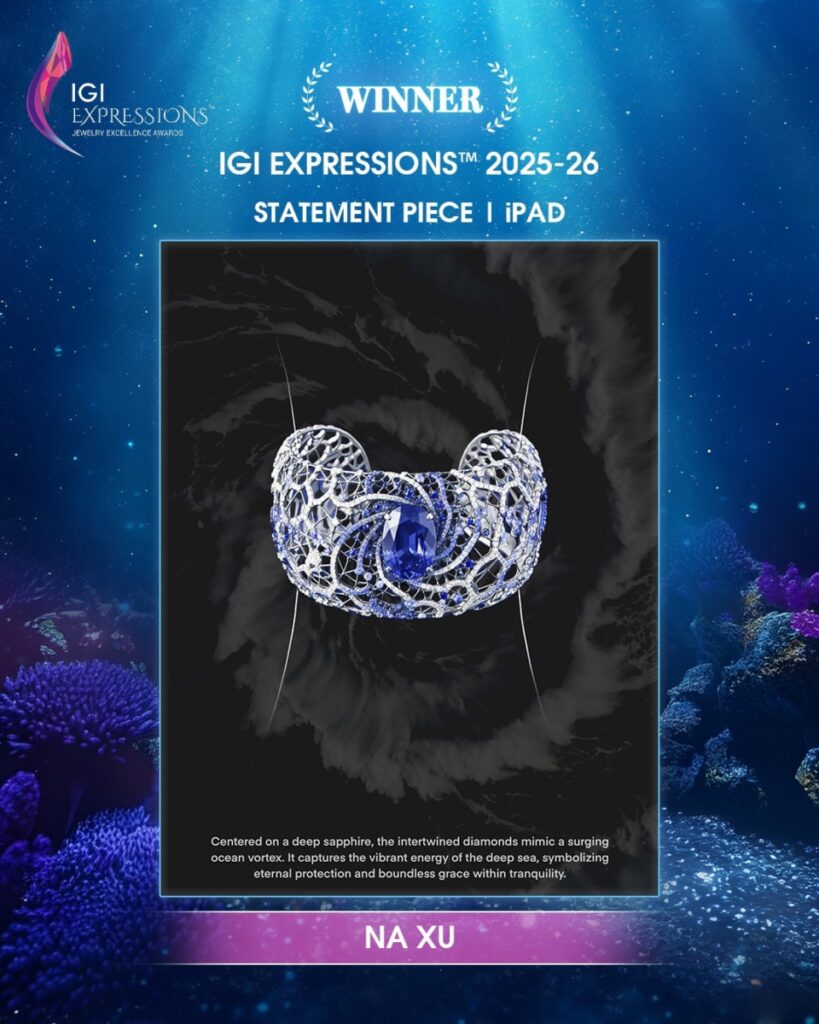
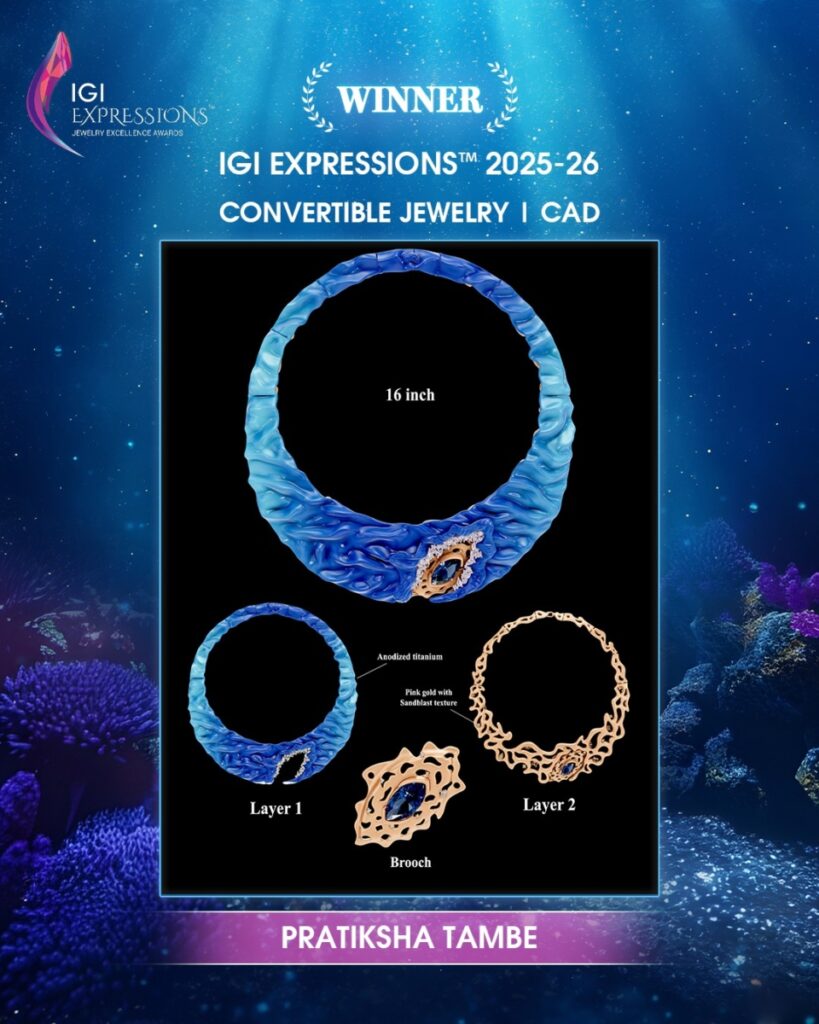
IGI Expressions™ extends its gratitude to the distinguished international jury whose expertise shaped this year’s selection. The panel comprised Lisa Koenigsberg (USA), President & Founder of Initiatives in Art & Culture (IAC); Ashraf Motiwala (India), Director at A S Motiwala Fine Jewelry; Helen Mao (China), International Jewelry Consultant; Suuraj Popley (India), Founder & Director at Popley Eternal; and Farah Yazbeck (UAE), Founder of Joia Jewels.
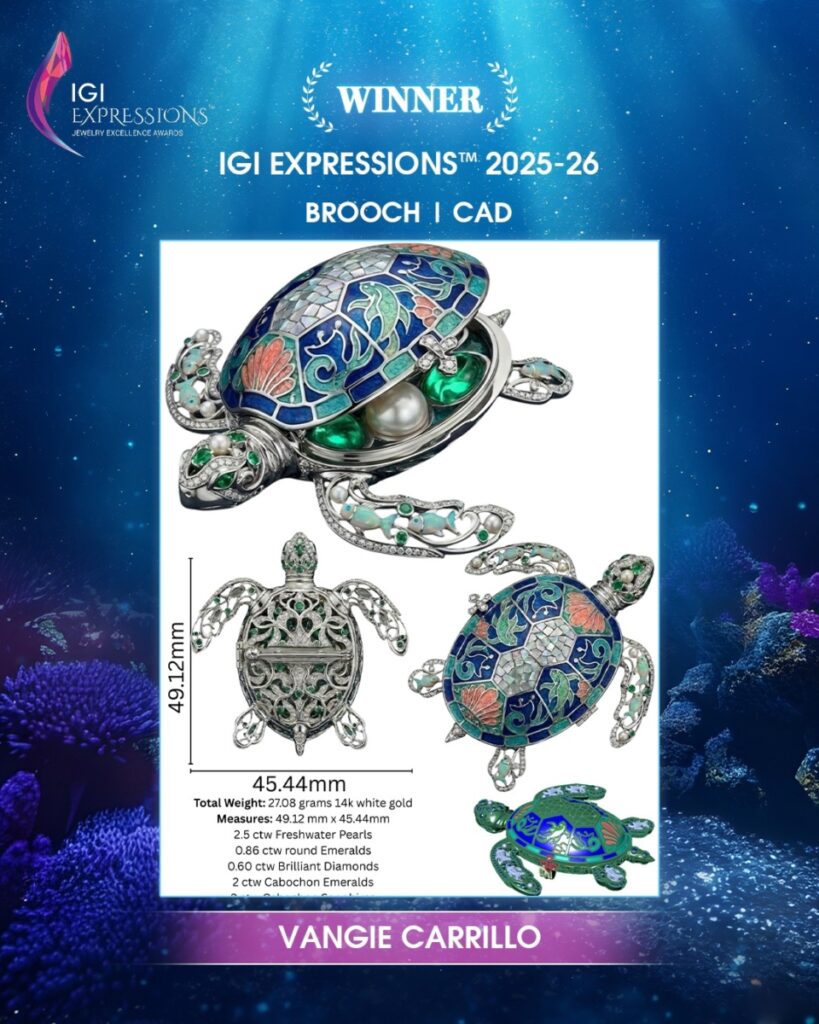
The designs were evaluated based on creative concept, wearability, and description. The jury’s collective experience across jewelry, design, and aesthetics ensured that the winning selections reflect the highest standards of creative and technical excellence.
The nine winning designers were selected from a pool of 60 finalists shortlisted across three categories: Statement Piece, Convertible Jewelry, and Brooch; and three design segments: CAD, Sketch (Manual), and iPad.
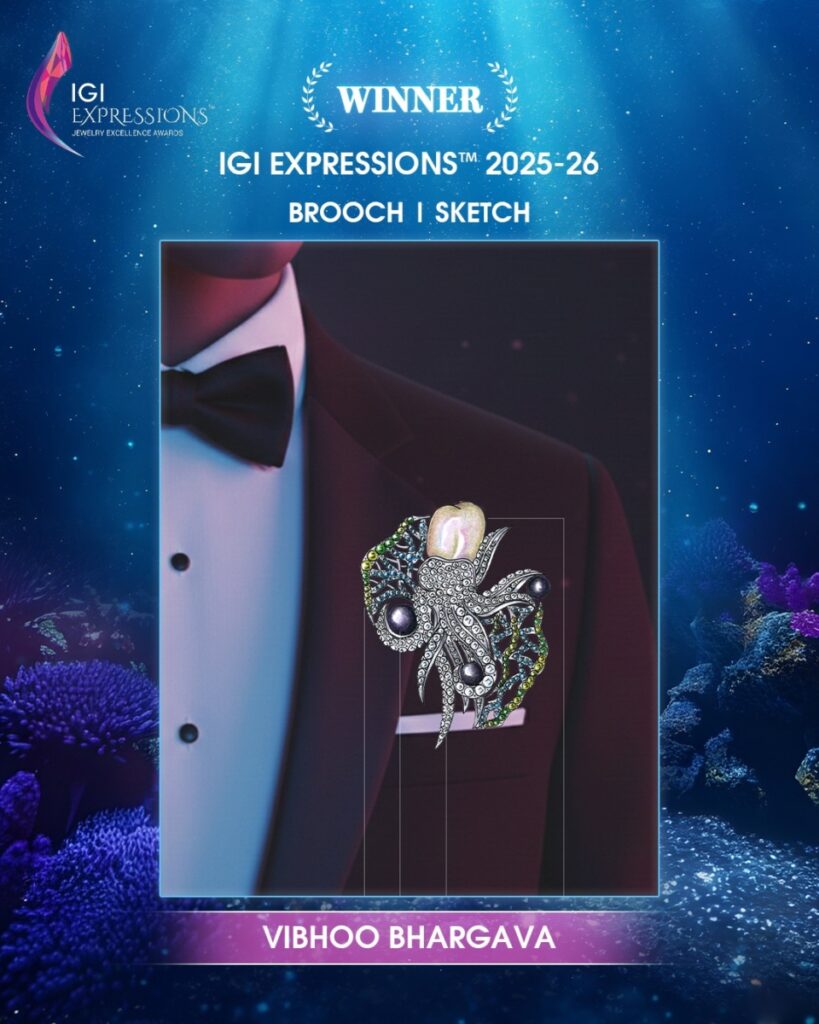
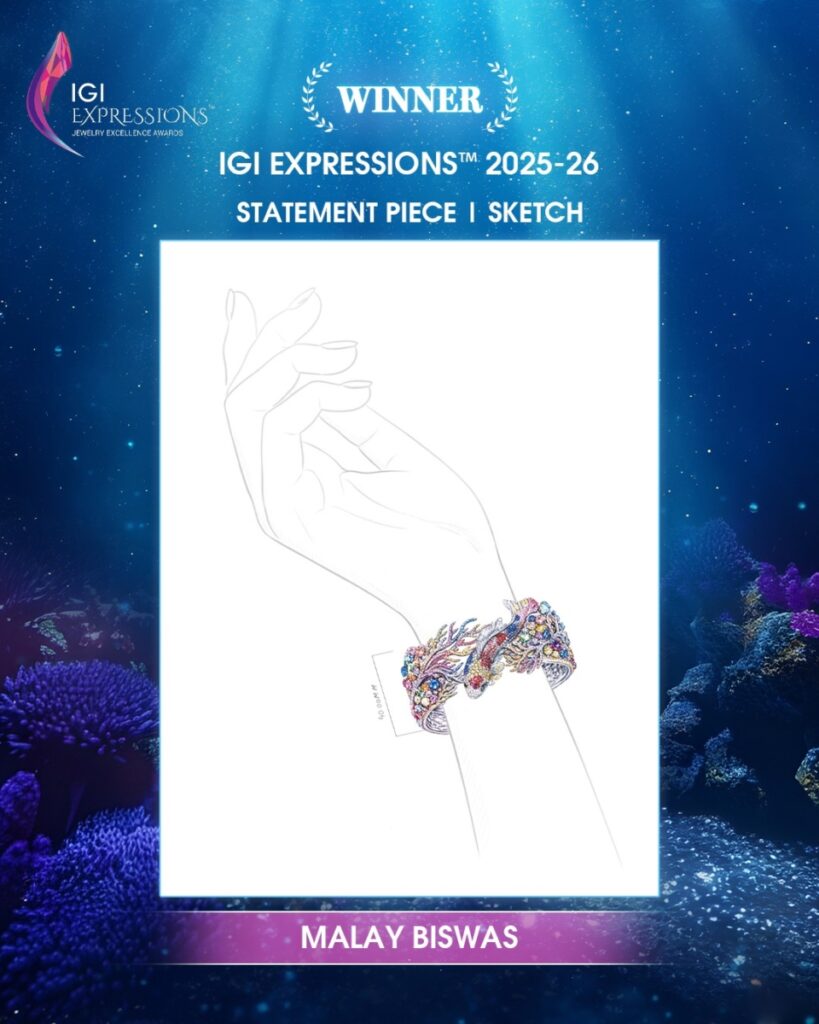
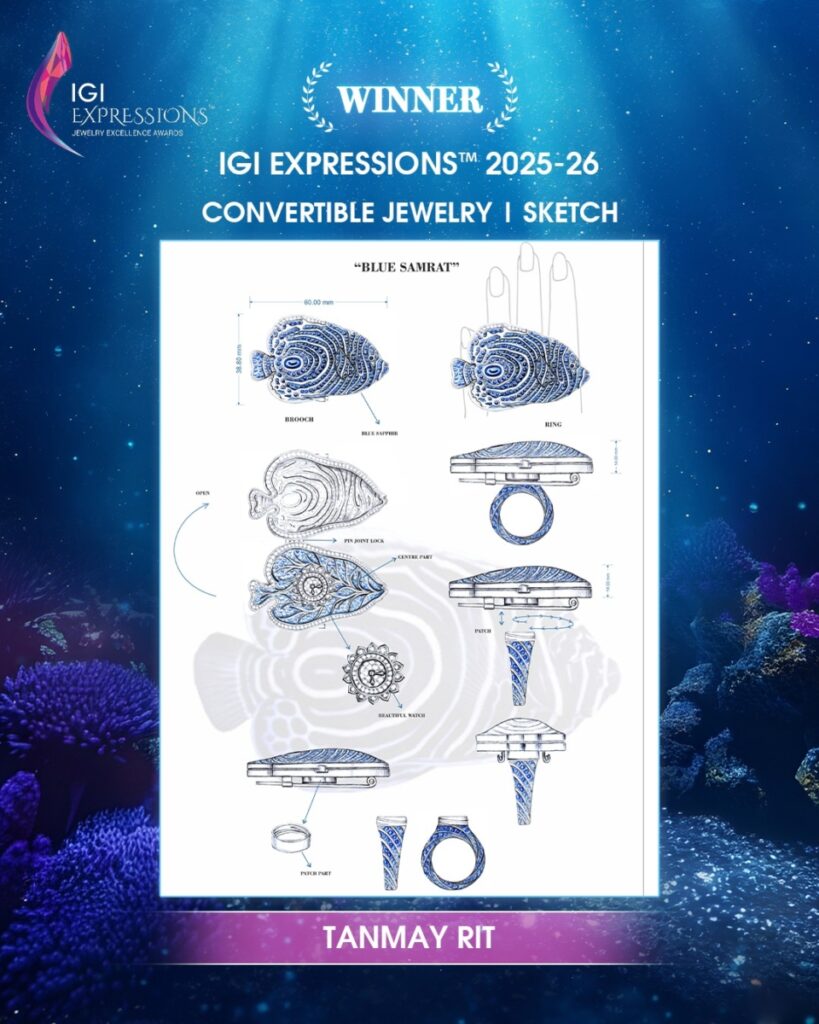
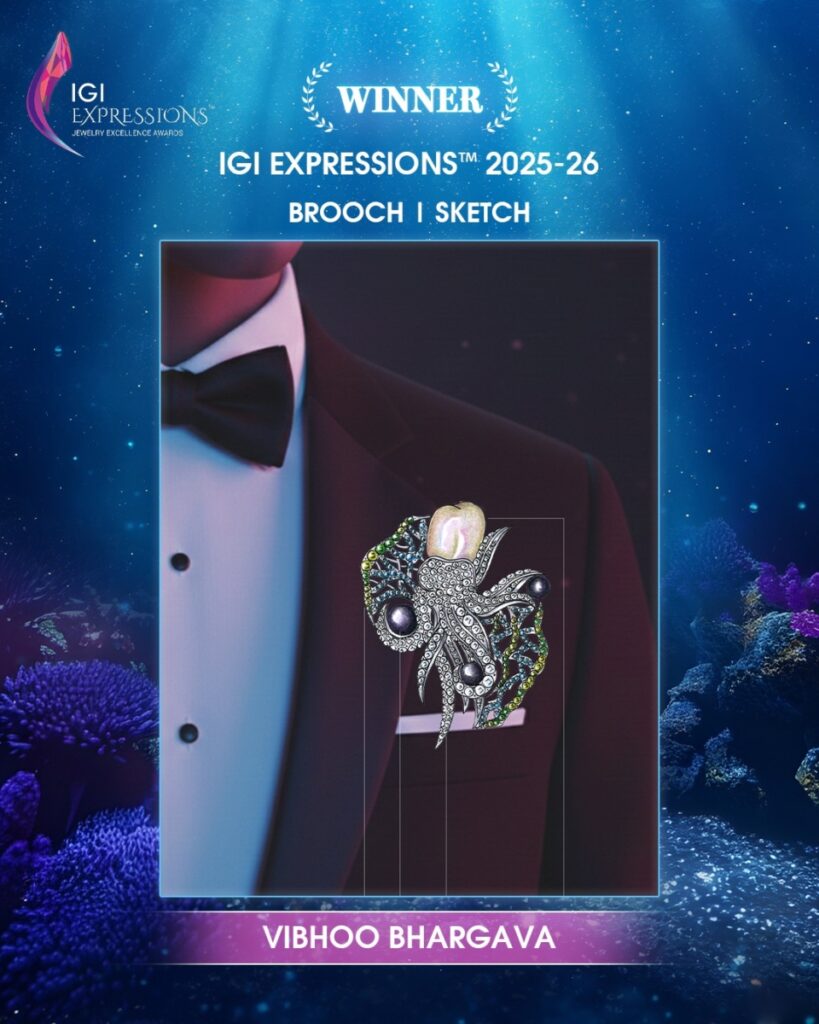
The winners of IGI Expressions™ 2025–26 are: Vangie Carrillo (USA), Malay Biswas (India), Xú Nà (China), Pratiksha Tambe (India), Tanmay Rit (India), He Huishi (China), Vibhoo Bhargava (India), and Peilin Yao (China), with Vangie Carrillo securing wins in two categories.
For the first time in the contest’s history, a U.S.-based designer claimed the top spot, winning in two separate categories. Each winner will receive a USD 500 cash prize, a trophy, a winner’s certificate, and global recognition through IGI’s international platform.
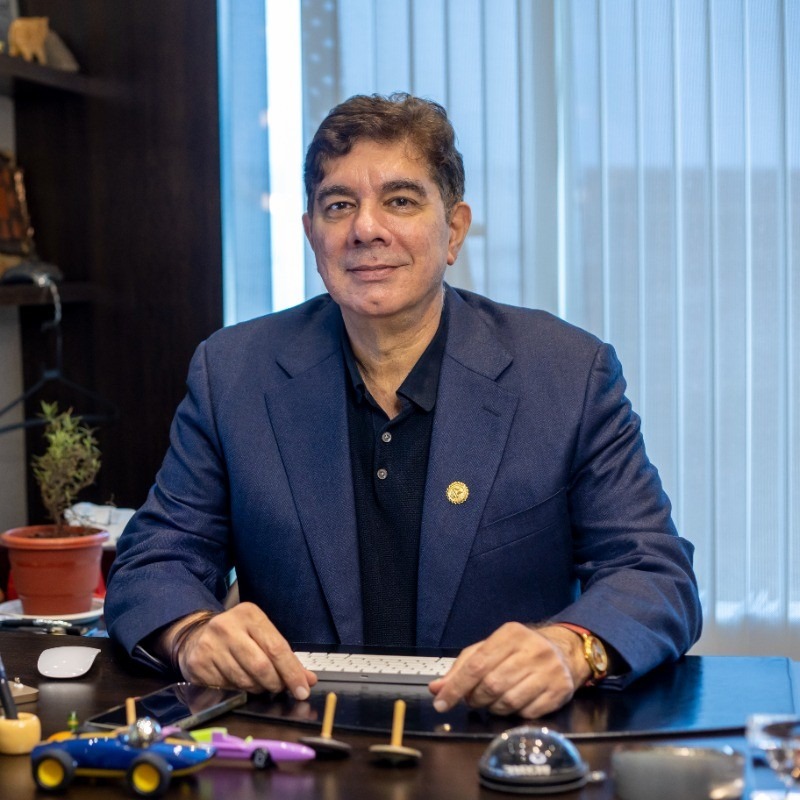
Speaking on the occasion, Tehmasp Printer, Global CEO of IGI, said, “Congratulations to all the winners! As a global jewelry design contest, IGI Expressions™ continues to provide emerging and professional designers an inclusive platform to showcase their talent without geographical barriers. With serious participation year after year, the initiative reinforces IGI Expressions™ commitment to nurturing creativity, promoting innovation, and celebrating the future of jewelry design on a global stage.”
What began as an ambitious experiment in democratizing jewelry design has grown into a movement. Each successive edition of IGI Expressions™ has expanded in reach and reputation, attracting serious participants, more diverse perspectives, and more sophisticated design submissions than the last.
The fifth edition, with its 1,000+ participants and a first-ever U.S. winner, marks another milestone in that ongoing commitment. IGI Expressions™ is free to enter and 100% online, designed to give emerging and professional designers everywhere an equal opportunity to compete on the world stage.


International News
US Holiday Shopping Expected To Top $1 Trillion For The First Time: NRF
While Overall Buying Power Remains High, Ongoing Inflation and Rising Household Costs Mean Some Families Will Have To Watch Their Spending More Carefully Than Others

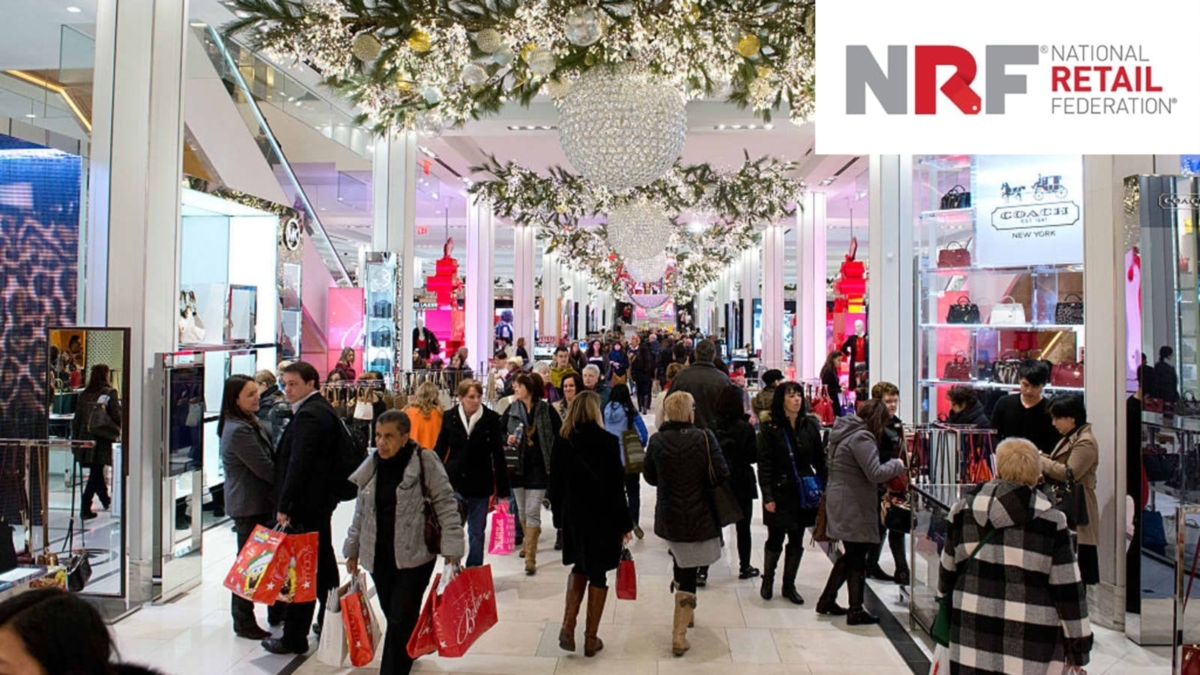
The National Retail Federation (NRF) predicts Americans will spend $1.01 trillion on holiday shopping in November and December. That is a 4.2% jump from $972 billion last year.
NRF said its forecast was based on economic modeling that incorporates consumer spending, employment, wages and historical retail sales data. It excludes automobile, gasoline and restaurant sales
Extra Hiring: To handle the surge in shoppers, stores plan to hire 325,000 to 375,000 temporary holiday workers.
Mixed Budget Impact: Higher gas prices and inflation could still strain some family budgets, affecting low- and high-income shoppers differently.
Retailers expect a strong shopping season because people continue to make holiday spending a priority.
Store owners are ready to attract shoppers by offering competitive prices, deals, and choices for every budget.
While overall buying power remains high, ongoing inflation and rising household costs mean some families will have to watch their spending more carefully than others.



Belgian Consul General H. E. Mr. Pierre Stverlynck Graces BDB Annual Day

Limelight Lab Grown Diamonds Crosses 100 Stores Milestone This Dussehra: Targets 200 In 2027

Joyalukkas Opens Its 2nd Bengaluru Showroom in Jayanagar

US Holiday Shopping Expected To Top $1 Trillion For The First Time: NRF
Belgian Consul General H. E. Mr. Pierre Stverlynck Graces BDB Annual Day
Limelight Lab Grown Diamonds Crosses 100 Stores Milestone This Dussehra: Targets 200 In 2027
-
 International News20 hours ago
US Holiday Shopping Expected To Top $1 Trillion For The First Time: NRF
-
 National News14 hours ago
Belgian Consul General H. E. Mr. Pierre Stverlynck Graces BDB Annual Day
-
 National News14 hours ago
Limelight Lab Grown Diamonds Crosses 100 Stores Milestone This Dussehra: Targets 200 In 2027
-
 New Premises15 hours ago
Joyalukkas Opens Its 2nd Bengaluru Showroom in Jayanagar
