

DiamondBuzz
Decline in diamond prices eases

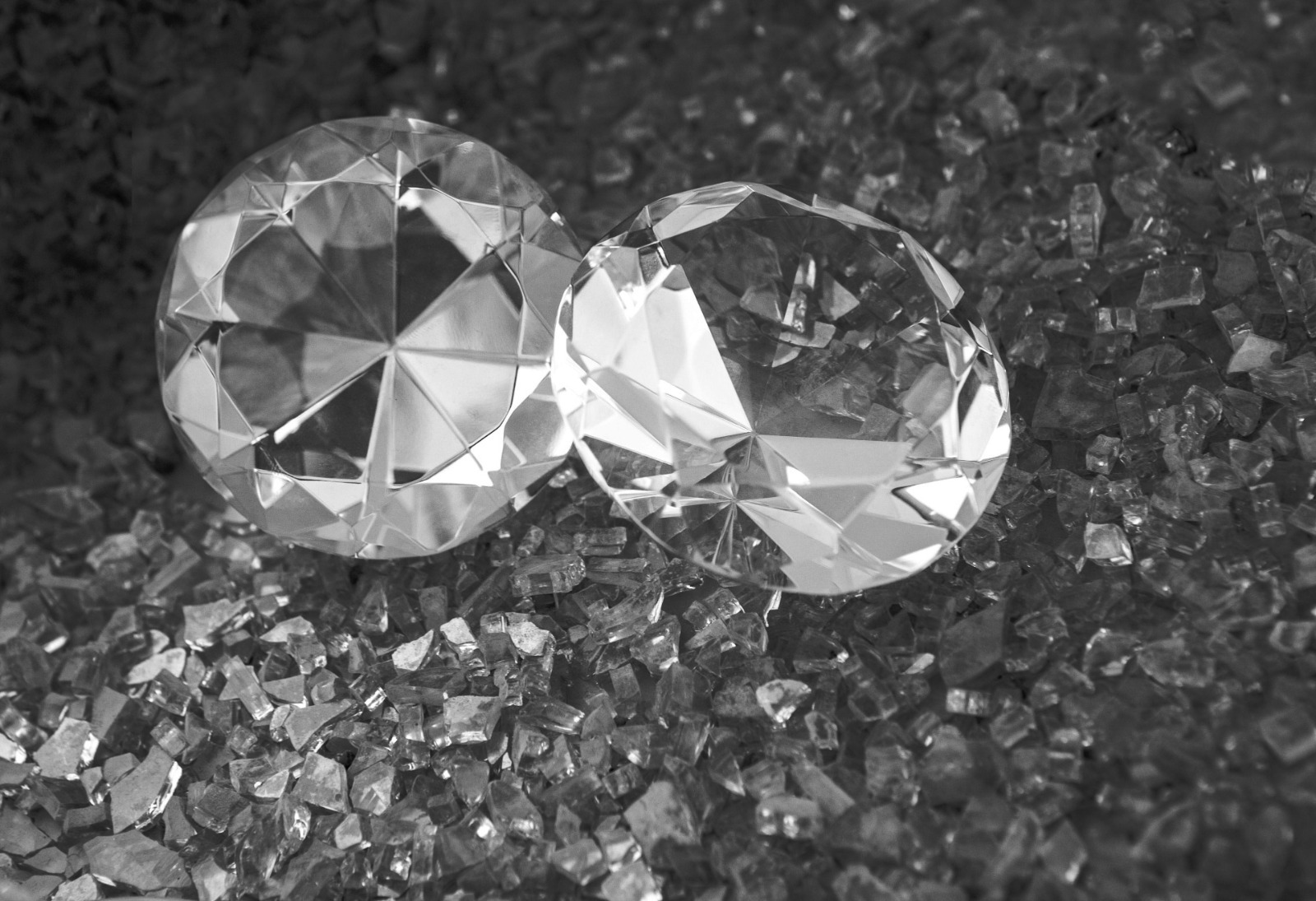
Diamond-price drops became more moderate in January, especially in the small goods that had seen sharp declines in recent months reports Rapaport News. Buyers remained cautious due to price uncertainty and the impact of tariffs and geopolitical tensions. The US-India trade deal in early February lifted sentiment.
The market continued to bifurcate, though the divisions were less pronounced than last year. US prices were stronger than those in India, and diamonds over 1.20 carats outperformed smaller ones.
RapNet diamond index for January 20206 table
The RapNet Diamond Index (RAPI™) — which tracks round, D to H, IF to VS2 diamonds — fell 1.3% in January for 0.30- and 1-carat goods after two months of sharper drops. The 0.50-carat RAPI decreased 1.2%. Prices for 3-carat diamonds slid 1.6%, a reversal after recent stability.Round, 1-carat, D to H, SI diamonds saw prices fall 0.1% for the month following a 24.1% slump in 2025.
Post-holiday US retail was seasonally quiet. Jewellers showed demand for rounds and long fancies of 1.50 carats and larger. European orders for 5-carat-plus diamonds were good. India’s jewelry market dipped due to high gold prices. China remained weak.
De Beers reduced rough prices at its January sight, causing concern that lower-cost goods would flood the market. Last year, an influx of lower-value rough from Angola and Russia contributed to weakness in polished under 1 carat.
The industry’s other challenges remain. US tariffs are limiting access to the most important retail market, though President Donald Trump reached a deal with India on February 2 that will cut the country’s tariff rate from 50% to 18% and potentially exempt Indian diamonds from duties altogether. Meanwhile, the spike in gold and silver prices has reduced consumers’ spending power despite a sharp correction in early February.
Diamond demand is permanently lower because of synthetics, China’s slowdown, and social changes like dropping marriage rates. A sales recovery will take time. In the short term, the market’s ability to adapt by downsizing will determine whether prices improve.
Source: Rapaport News





DiamondBuzz
Rio Tinto shuts Diavik mine operations after 23 years
Diavik has been an inspired collaboration between a mining company and Indigenous partners
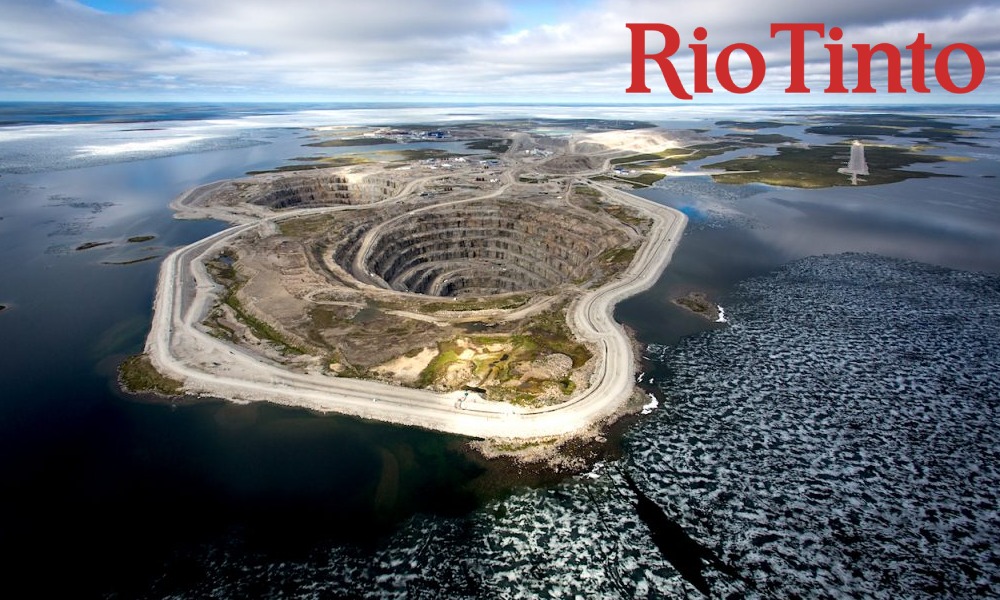
After 23 years of operations and more than 150 million carats of rough diamonds produced before exhausting its economic reserves, Rio Tinto’s Diavik diamond mine in the Northwest Territories of Canada has celebrated its final day of production.
Rio Tinto Iron & Titanium and Diamonds MD Sophie Bergeron said: “Forty years ago there were very few people who believed there were diamonds in Canada – even fewer could have foreseen how the Diavik story would unfold. To arrive at this milestone has required vision, courage and determination to overcome significant challenges to mine diamonds beneath a frozen lake in one of the world’s most remote and pristine ecosystems.”
“Today, Diavik’s influence stretches into many spheres and over many continents and I am very proud to acknowledge all those people who have contributed to the discovery and development of the mine and the production and marketing of some of the finest diamonds the world has ever seen.”
Diavik mine, comprising four pipes, was discovered in 1991, beneath Lac de Gras, 220 kilometres south of the Arctic Circle. Mining began in 2003 and utilising both open pit and underground mining methods, has produced predominantly white gem quality diamonds and a small proportion of rare yellow diamonds.
Indigenous Government Organisations, government representatives and other stakeholders attended a celebration at the mine, signalling the formal completion of production at Diavik.
Diavik has been an inspired collaboration between a modern mining company and Indigenous partners with an enduring legacy of socioeconomic benefits for the North. RT looks forward to continuing to respectfully reclaim the land in line with our commitments to, and in partnership with, the Government of the Northwest Territories and Indigenous partners.
Planning for Diavik’s closure has been ongoing, commencing before the mine even began production, with closure goals covering safety, land use, landforms, water, biodiversity, community capacity and resource development. Closure activities will extend to 2029, followed by a period of post-closure monitoring.
The final production of Diavik rough diamonds will be polished and sold through 2026 and beyond by Rio Tinto’s international network of customers, including its long-standing Select Diamantaires.



Indriya unveils ‘Orizon’ at Lakmē Fashion Week X FDCI, in partnership with Amit Aggarwal

Ashth Prive’s New Udaya collection Turns the Geometry of Rani ki Vav into Radiant High Jewellery

Lukson Launches ‘Glitch Glam’ – A Bold New Collection Inspired by the Electric Energy of EDM Nights

IIJS Bharat Tritiya 2026 Wraps Up Triumphant 4th Edition, Connecting 15,000 Buyers with India’s Top Jewellery Manufacturers

Bhima Jewellery’s Theni Showroom Relaunched By Actress Aishwarya Lekshmi

India’s Next Decade in Jewellery Exports: Scale, Discipline & Global Positioning
-
 ShowBuzz1 day ago
IIJS Bharat Tritiya 2026 Wraps Up Triumphant 4th Edition, Connecting 15,000 Buyers with India’s Top Jewellery Manufacturers
-
 GlamBuzz1 day ago
Bhima Jewellery’s Theni Showroom Relaunched By Actress Aishwarya Lekshmi
-
 By Invitation1 day ago
India’s Next Decade in Jewellery Exports: Scale, Discipline & Global Positioning
-

 New Premises12 hours ago
PNG Jewellers intensifies retail strength with launch of its New Store in Varanasi by Madhuri Dixit