
DiamondBuzz
Decline in diamond prices eases

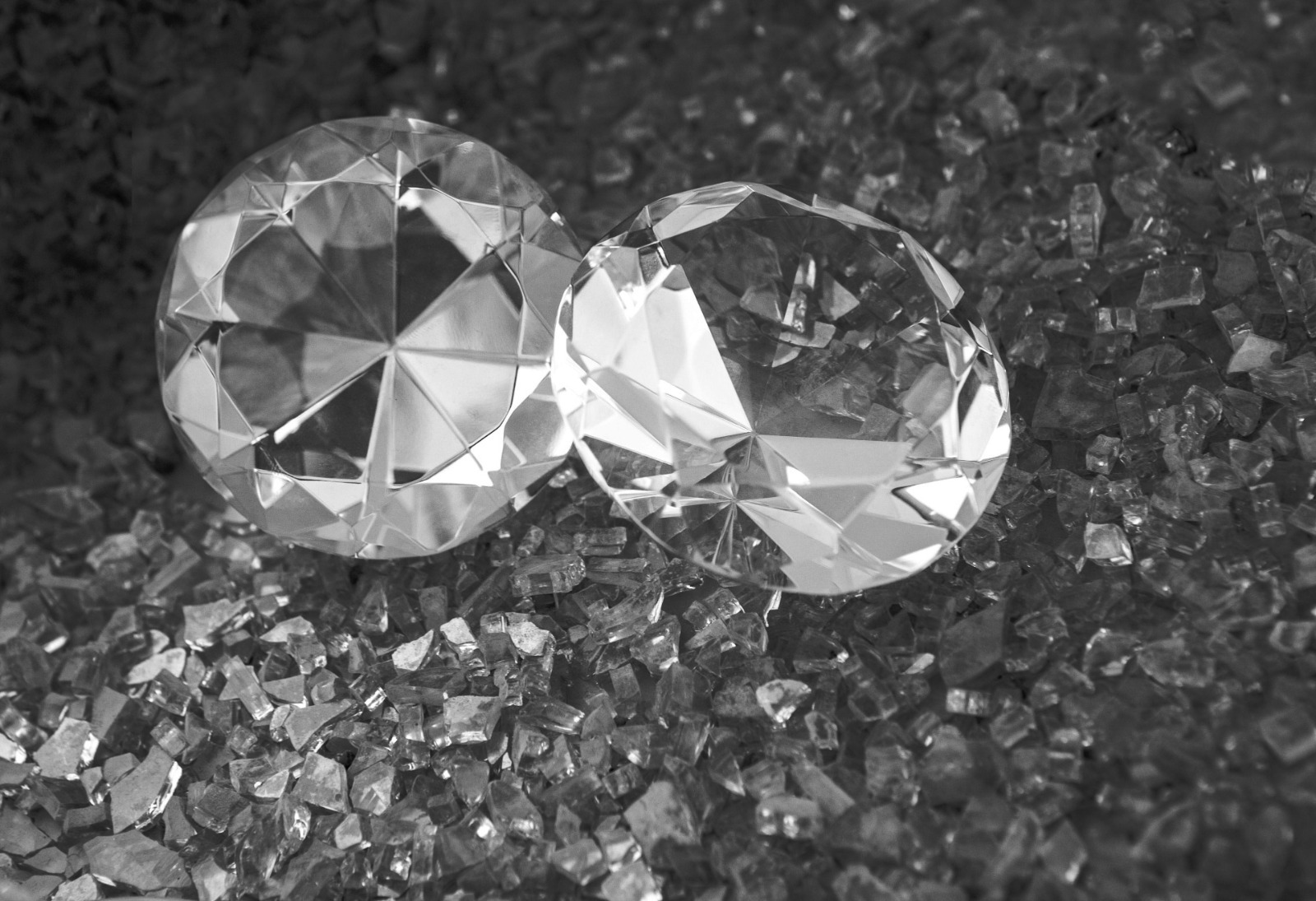
Diamond-price drops became more moderate in January, especially in the small goods that had seen sharp declines in recent months reports Rapaport News. Buyers remained cautious due to price uncertainty and the impact of tariffs and geopolitical tensions. The US-India trade deal in early February lifted sentiment.
The market continued to bifurcate, though the divisions were less pronounced than last year. US prices were stronger than those in India, and diamonds over 1.20 carats outperformed smaller ones.
RapNet diamond index for January 20206 table
The RapNet Diamond Index (RAPI™) — which tracks round, D to H, IF to VS2 diamonds — fell 1.3% in January for 0.30- and 1-carat goods after two months of sharper drops. The 0.50-carat RAPI decreased 1.2%. Prices for 3-carat diamonds slid 1.6%, a reversal after recent stability.Round, 1-carat, D to H, SI diamonds saw prices fall 0.1% for the month following a 24.1% slump in 2025.
Post-holiday US retail was seasonally quiet. Jewellers showed demand for rounds and long fancies of 1.50 carats and larger. European orders for 5-carat-plus diamonds were good. India’s jewelry market dipped due to high gold prices. China remained weak.
De Beers reduced rough prices at its January sight, causing concern that lower-cost goods would flood the market. Last year, an influx of lower-value rough from Angola and Russia contributed to weakness in polished under 1 carat.
The industry’s other challenges remain. US tariffs are limiting access to the most important retail market, though President Donald Trump reached a deal with India on February 2 that will cut the country’s tariff rate from 50% to 18% and potentially exempt Indian diamonds from duties altogether. Meanwhile, the spike in gold and silver prices has reduced consumers’ spending power despite a sharp correction in early February.
Diamond demand is permanently lower because of synthetics, China’s slowdown, and social changes like dropping marriage rates. A sales recovery will take time. In the short term, the market’s ability to adapt by downsizing will determine whether prices improve.
Source: Rapaport News


DiamondBuzz
Divine Solitaires Named ‘Best Diamond Jewellery Brand’ At JewelZ South India 2026
The Recognition Acknowledges The Brand’s Approach To Quality Assurance, Standardised Pricing and Transparency In The Natural Diamond Solitaire Category.

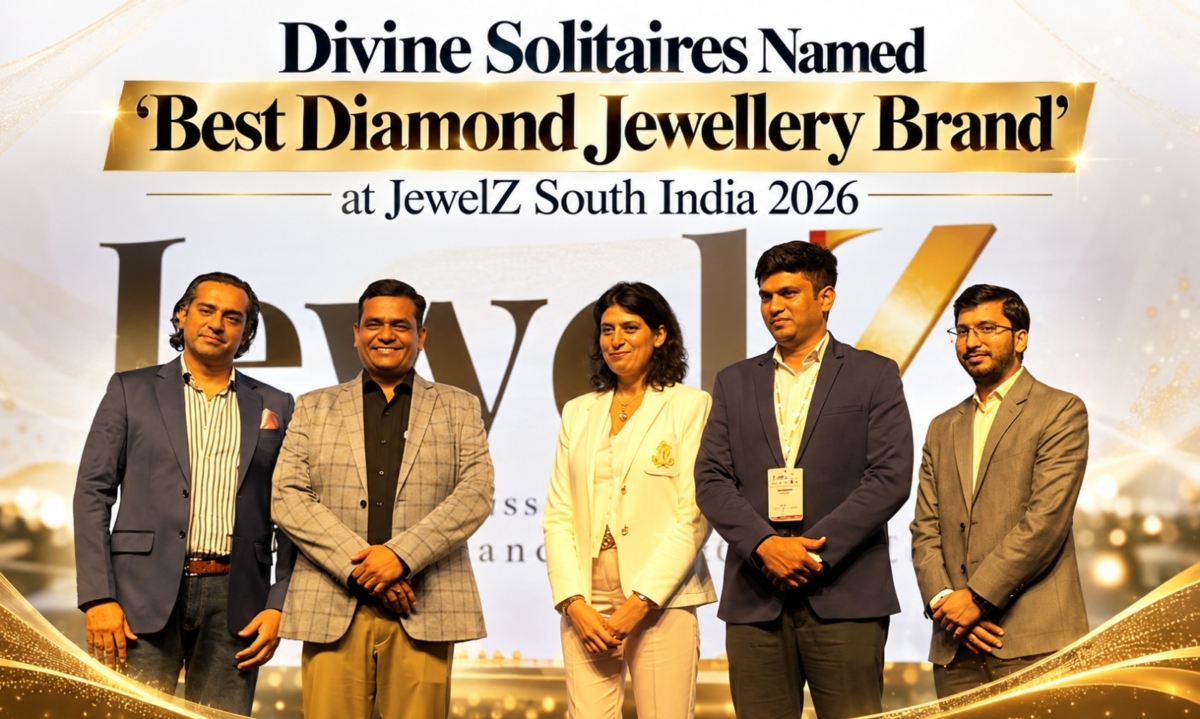
Hyderabad, 25 September 2026: Divine Solitaires, India’s natural diamond solitaire brand, has been honoured with the ‘Best Diamond Jewellery Brand’ award at JewelZ South India 2026, recognising its efforts to bring greater consistency, transparency and quality assurance to the natural diamond solitaire buying experience. The award was presented on 22 September at Novotel, HICC, Hyderabad.
The recognition comes as the natural diamond solitaire category evolves, with consumers increasingly seeking greater clarity around certification, quality and pricing when making high-value jewellery purchases. Divine Solitaires has built its proposition around addressing these expectations through its 123-parameter Quality Guarantee and Nationwide Standard & Transparent Pricing, which are applied uniformly across its retail network.
With a presence through 200+ partner jewellers across 100+ cities in India, the brand offers a portfolio of 3,000+ designs, alongside consumer-focused initiatives and long-term value programmes, including buyback and upgrade options.
Commenting on the recognition, Jignesh Mehta, Founder and Managing Director, Divine Solitaires, said:

“The way consumers buy diamonds is evolving. A solitaire is a significant purchase, and today’s buyer wants greater clarity on what they are buying, how quality is evaluated and how the price is determined. At Divine Solitaires, our endeavour has been to bring greater structure and consistency to this journey through clearly defined quality parameters and transparent pricing. This recognition at JewelZ South India is encouraging because it reflects the industry’s growing focus on building trust through greater accountability and standardisation.”
Adding to the brand’s presence at the event, Jignesh Mehta participated in the panel discussion “How the Jewellery Moguls are Crafting the New Jewellery Era”, moderated by Ritu Marya, Editor-in-Chief, Retailer Media. The session brought together senior industry leaders to discuss evolving consumer expectations, trust-building and changing retail models.
Mehta’s participation focused on the evolving natural diamond solitaire category, particularly the importance of consistent quality assurance, transparency and standardisation in building consumer confidence around high-value jewellery purchases.
The recognition reinforces Divine Solitaires’ focus on creating a more structured and transparent solitaire-buying ecosystem, as the category continues to evolve alongside changing consumer expectations.



Place Images Of Silver Jewellery Stalls and Silver Jewellery and Overhead Shots Of SSI

NSPL Season 2 Launched At SSI DELHI 3rd Edition Featuring SSI As Title Sponsor Season 2 Builds Upon The Inaugural Edition’s Success By Bringing Together Sports, Youth Engagement, and Trade Community Networking

Growth of the 925 Sterling Silver Gifting Segment
NSPL Season 2 Launched At SSI DELHI 3rd Edition Featuring SSI As Title Sponsor Season 2 Builds Upon The Inaugural Edition’s Success By Bringing Together Sports, Youth Engagement, and Trade Community Networking
Place Images Of Silver Jewellery Stalls and Silver Jewellery and Overhead Shots Of SSI
Growth of the 925 Sterling Silver Gifting Segment
-
 JB Exclusive19 minutes ago
NSPL Season 2 Launched At SSI DELHI 3rd Edition Featuring SSI As Title Sponsor Season 2 Builds Upon The Inaugural Edition’s Success By Bringing Together Sports, Youth Engagement, and Trade Community Networking
-
 Special Reports9 minutes ago
Place Images Of Silver Jewellery Stalls and Silver Jewellery and Overhead Shots Of SSI
-
 Special Reports2 days ago
Growth of the 925 Sterling Silver Gifting Segment
-
 ShowBuzz2 days ago
TRENDS @ SSI DELHI 3RD EDITION
