
DiamondBuzz
De Beers Shuts Down Lightbox, to Refocus on Naturals
Citing steep price declines and shifting market dynamics, De Beers discontinues its lab-grown jewelry brand to focus on premium natural diamond offerings under its renewed “Origins Strategy.”


De Beers has announced the planned closure of its lab-grown diamond jewelry brand, Lightbox, marking a strategic pivot back to its core business of natural diamonds. The company is currently in talks with potential buyers for Lightbox’s assets, including its remaining inventory, as it seeks to streamline operations and focus on higher-value market segments.
Launched in 2018, Lightbox was positioned as an accessible lab-grown diamond (LGD) brand, offering transparent pricing at $800 per carat to underscore the difference in value between lab-grown and natural diamonds. However, since then, the LGD jewelry market has experienced a dramatic shift, with wholesale prices falling by approximately 90% due to oversupply and intensifying global competition—especially from low-cost producers in China and mass-market retailers in the U.S.
De Beers cited this sustained price decline as the primary driver behind the decision to discontinue the brand. According to the company, the move aligns with its belief that lab-grown diamonds, increasingly commoditized, occupy a fundamentally different category from natural diamonds, which are positioned as rare, emotionally significant, and high-value.
The closure is part of the broader “Origins Strategy” unveiled in May 2024, which aims to refocus the business on high-return areas and reinvigorate consumer demand for natural diamonds. This includes increased investment in industry-wide marketing and initiatives that emphasize the unique value proposition of natural stones.

De Beers Group CEO Al Cook commented, “The persistently declining value of lab-grown diamonds in jewelry underscores the growing differentiation between these factory-made products and natural diamonds. As lab-grown production expands and prices drop, the gap will only widen.”
De Beers affirmed that it will support all current Lightbox customers through the transition, maintaining warranties and after-sales services. The company is also working closely with employees, retail partners, and suppliers to ensure a smooth wind-down of operations.
Meanwhile, De Beers’ synthetic diamond manufacturing subsidiary, Element Six, will shift its focus entirely to industrial and technological applications, where synthetic diamonds continue to show strong growth potential. “We are excited about the expanding role synthetic diamonds can play in fields like quantum computing, high-performance electronics, and medical technology,” Cook added






DiamondBuzz
Kylie Jenner Debuts At Victoria’s Secret Show In $50 Million Fantasy Bra By Jacob & Co.
Kylie Jenner Walks The Ramp In Bra Crafted By Jacob & Co. From 4,410 Natural Diamonds Surrounding A 75.54-Carat Radiant-Cut Fancy Vivid Yellow Diamond

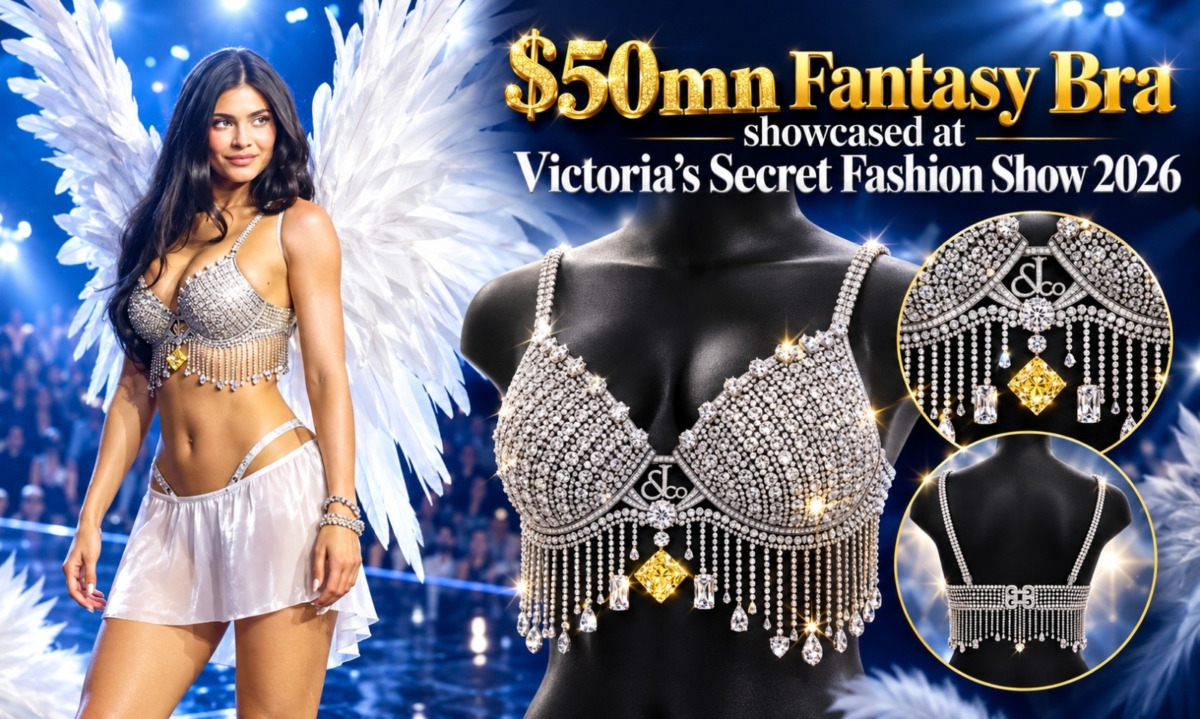
This year, the famous Fantasy Bra returned to the runway for the first time since 2018. Made by New York jeweler Jacob & Co., it costs $50 million—making it the most expensive Fantasy Bra ever and about $35 million more expensive than any previous version.
Making her Victoria’s Secret Fashion Show runway debut,Kylie Jenner wore the show-stopping bedazzled bra, a gauzy white mini skirt and expansive white feathered angel wings.
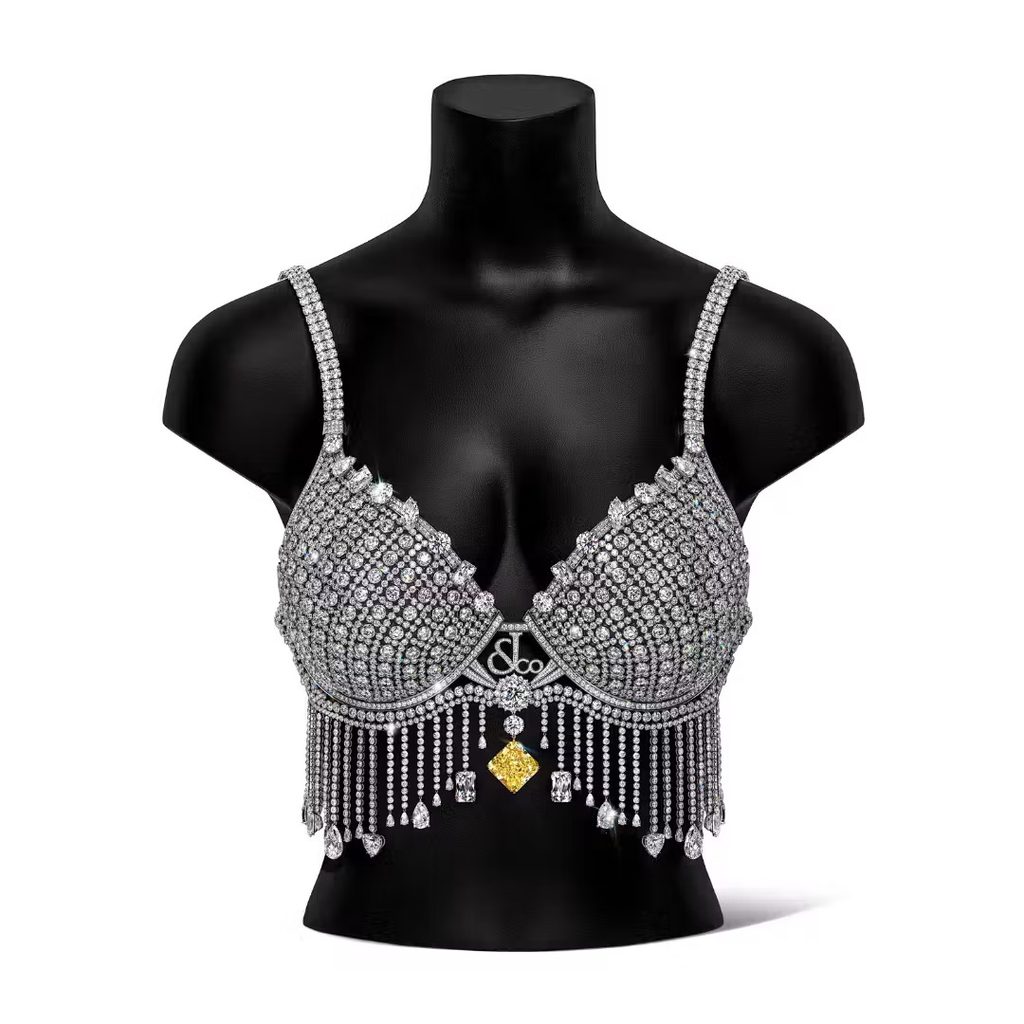
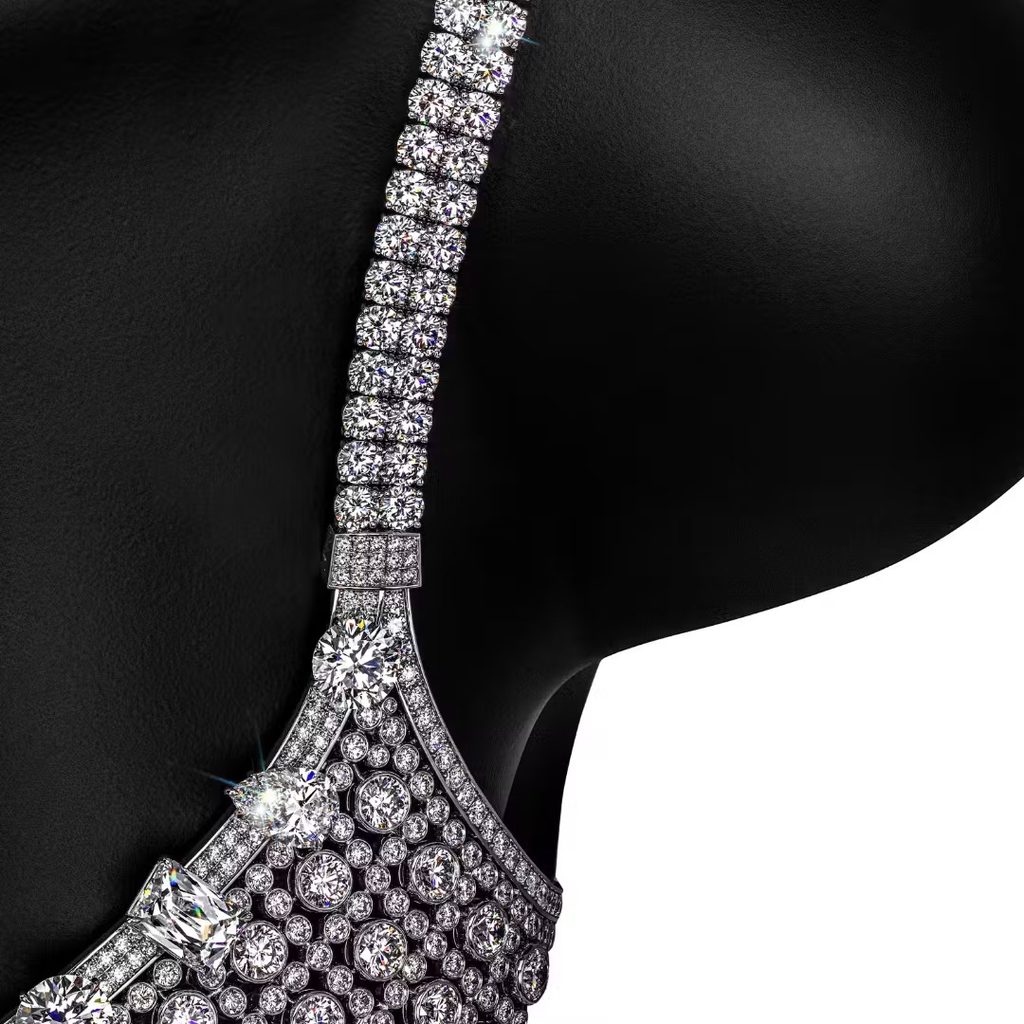
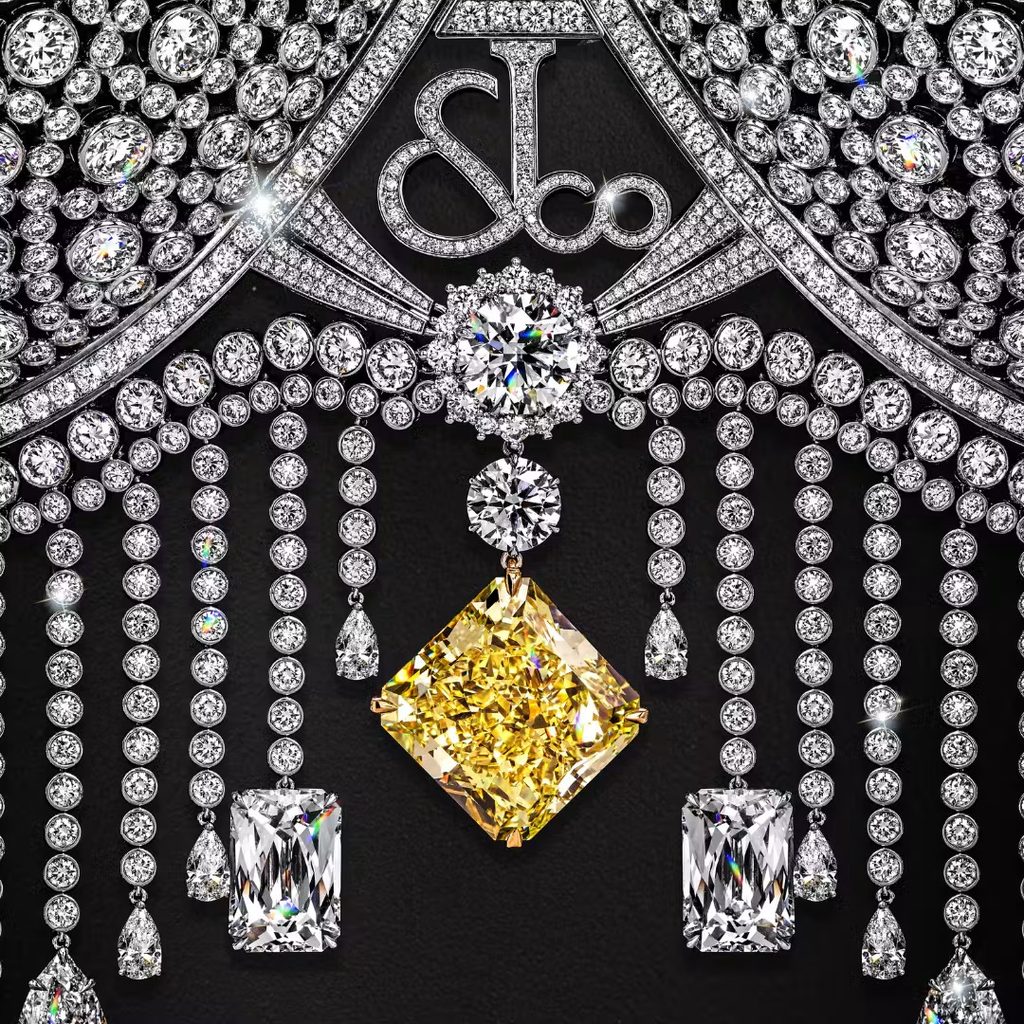
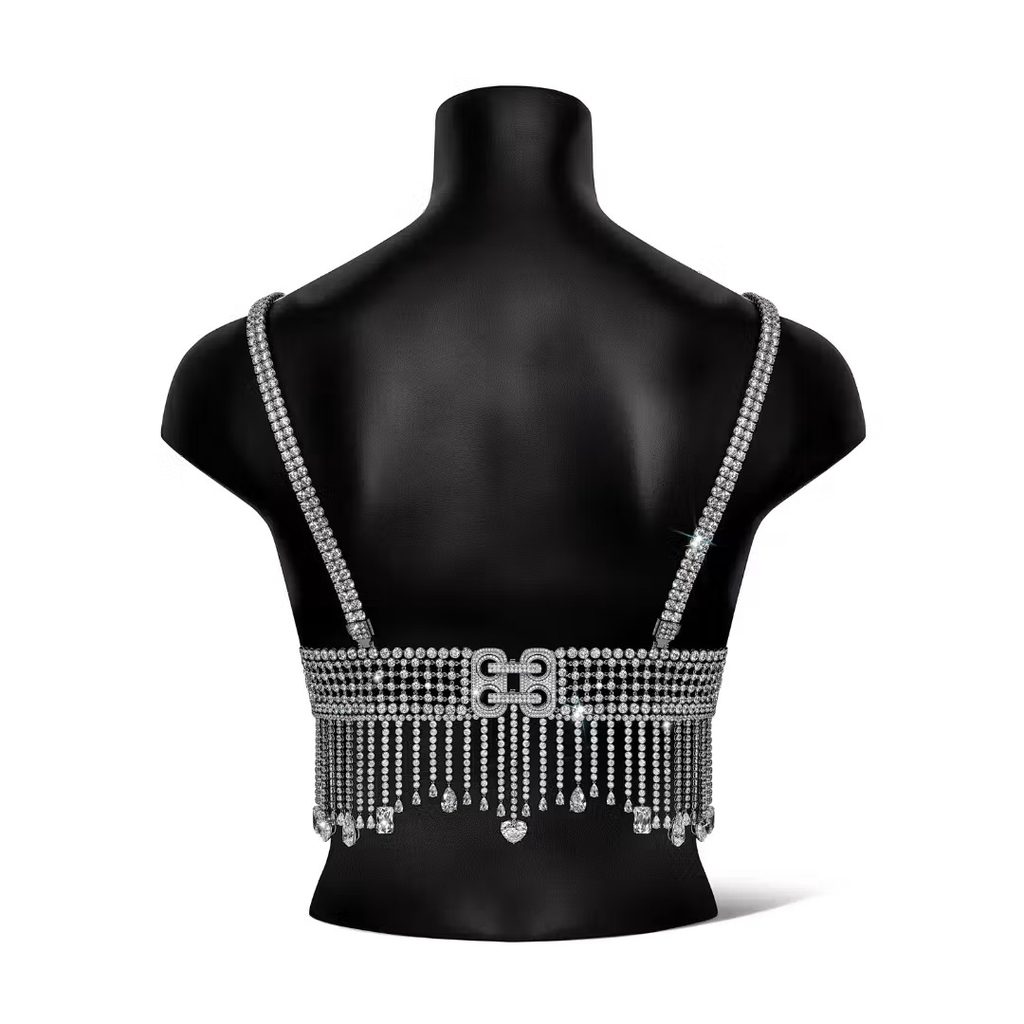
The bra features 4,410 natural diamonds set around a large, bright yellow 75.54-carat diamond. A team of 15 craftspeople spent over 1,000 hours creating the piece, which weighs just under two kilograms (about 4.4 pounds).



Malabar Gold & Diamonds Unveils ‘SWAYE’, A Natural Diamond Collection Inspired By Spiral Forms and Modern Elegance

Nike Enters Jewellery Market With First-Ever Collection Priced Up To $5,750

Kylie Jenner Debuts At Victoria’s Secret Show In $50 Million Fantasy Bra By Jacob & Co.
Malabar Gold & Diamonds Unveils ‘SWAYE’, A Natural Diamond Collection Inspired By Spiral Forms and Modern Elegance

Limelight Lab Grown Diamonds Crosses 100 Stores Milestone This Dussehra: Targets 200 In 2027
Kylie Jenner Debuts At Victoria’s Secret Show In $50 Million Fantasy Bra By Jacob & Co.
-
 BrandBuzz3 hours ago
Malabar Gold & Diamonds Unveils ‘SWAYE’, A Natural Diamond Collection Inspired By Spiral Forms and Modern Elegance
-
 National News2 days ago
Limelight Lab Grown Diamonds Crosses 100 Stores Milestone This Dussehra: Targets 200 In 2027
-
 DiamondBuzz3 hours ago
Kylie Jenner Debuts At Victoria’s Secret Show In $50 Million Fantasy Bra By Jacob & Co.
-
 International News3 hours ago
Nike Enters Jewellery Market With First-Ever Collection Priced Up To $5,750
